
REVIEW · JAPANESE CRAFT AND CALLIGRAPHY WORKSHOPS
Tokyo: Learn Traditional Origami with a Local
Origami can be quiet magic in your hands. In Tokyo, this 90 minute class with Manami turns paper folding into a mini cultural lesson, with step-by-step support so you never feel lost. You’ll pick from different designs, then make several finished pieces you can actually keep and bring home.
I especially like the patient, hands-on guidance. Manami has been practicing since age 3 and she explains not just the folds, but what each shape means, including famous symbols like the crane. One thing to consider, though, is that the class is mainly set up for beginners, so highly experienced folders may find some options a bit easy.
In This Review
- Key takeaways
- Why this origami class works in real life
- Meeting Manami at FEEP Shinjuku Higashi-guchi (and not getting lost)
- Your 90 minutes: what you’ll make, and how the class flows
- Choosing papers: traditional looks, modern variety, and less guesswork
- Step-by-step guidance that keeps you calm
- The culture lesson, not just the craft
- Materials and extras you get, plus what to pack
- Price and value: is $58 worth it?
- Who this class is ideal for (and who should think twice)
- Practical tips to make your first session smoother
- Should you book this Tokyo origami class?
- FAQ
- How long is the origami class in Tokyo?
- How much does the workshop cost?
- Where is the meeting point?
- What is the nearest station to the meeting point?
- What language is the instruction?
- What should I expect to make during the session?
- Are traditional and modern papers included?
- What is included in the price?
- Is pickup from the train station included?
- Are there any restrictions on who can join?
Key takeaways

- Manami’s lifelong practice since she was 3, plus patient explanations in English
- Pick your designs and aim to finish about 3 to 5 shapes in the session
- Traditional and modern paper choices, so your finished pieces feel special
- Stories behind each figure, including cultural meaning for shapes like the crane
- Built for beginners, with help offered at each step if you get stuck
- A straightforward Shinjuku meeting point, inside FEEP Shinjuku Higashi-guchi (5F)
Make something to take home. Other workshops
- Tokyo Shinjuku Chopsticks Making Class
★ 5.0 · 1,763 reviews - Chopstick Making Workshop in Ginza
★ 4.8 · 1,366 reviews - Tokyo Sumo Experience: Chanko & Mochi with a Former Pro
★ 4.8 · 567 reviews - Kintsugi Experience: Art of Golden Joinery in Tokyo
★ 5.0 · 467 reviews
Why this origami class works in real life
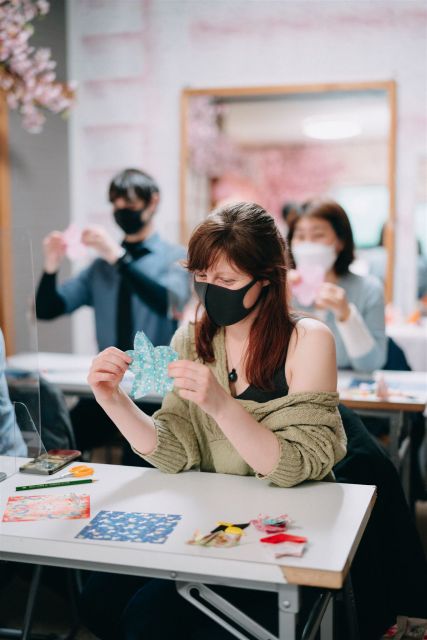
Tokyo has no shortage of things to do, but not many options slow you down on purpose. This workshop is designed for people who want an activity that feels calm and satisfying, while still teaching you something you can’t get from a quick YouTube clip.
I like that the experience is built around a local instructor, Manami, from East Tokyo. That matters because you’re not just learning a trick. You’re learning a craft with context, including why certain shapes matter in Japan and how stories get tied to folds over time.
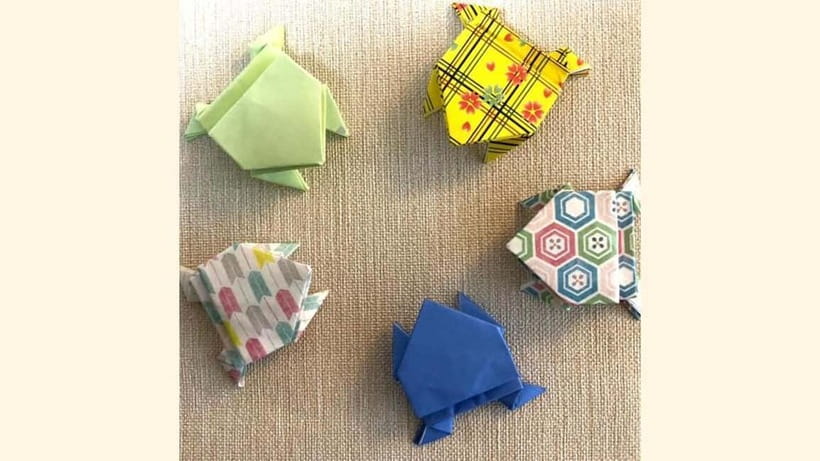
The result is that your “souvenir” is also a skill. When you take your finished crane, box, frog, or lotus home, you also take the pattern logic that can help you tackle other origami later.
Meeting Manami at FEEP Shinjuku Higashi-guchi (and not getting lost)
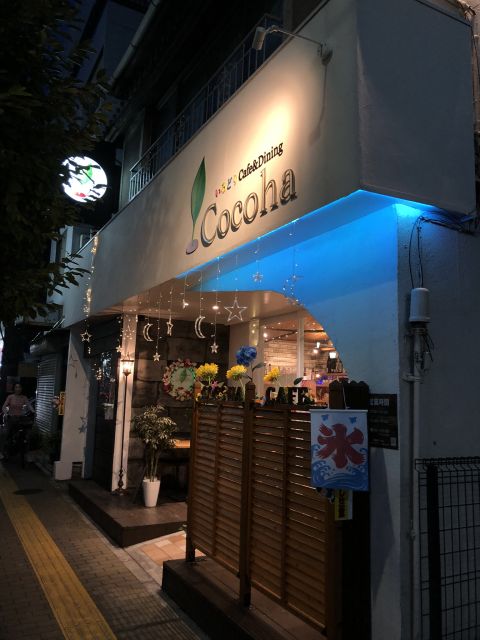
The class meets at FEEP Shinjuku Higashi-guchi, on the 5th floor of the Shinseido building. The address is Shinseido Bldg. 5F, Shinjuku 3-29-11, Shinjuku-ku, Tokyo.
Getting there is easiest if you use the metro Shinjuku-sanchome (M09, F13, S02), or approach from the east gate of JR Shinjuku station. The building itself is a shared workspace with meeting booths, and the entrance is locked. You’ll want to message once you reach the 5th floor so staff can let you in.
One practical heads-up: this location is in busy Shinjuku, where it’s easy to turn one corner the wrong way. If you’re arriving right on time, I’d give yourself a few extra minutes for the last-minute “where exactly is the 5F door?” moment.
Your 90 minutes: what you’ll make, and how the class flows
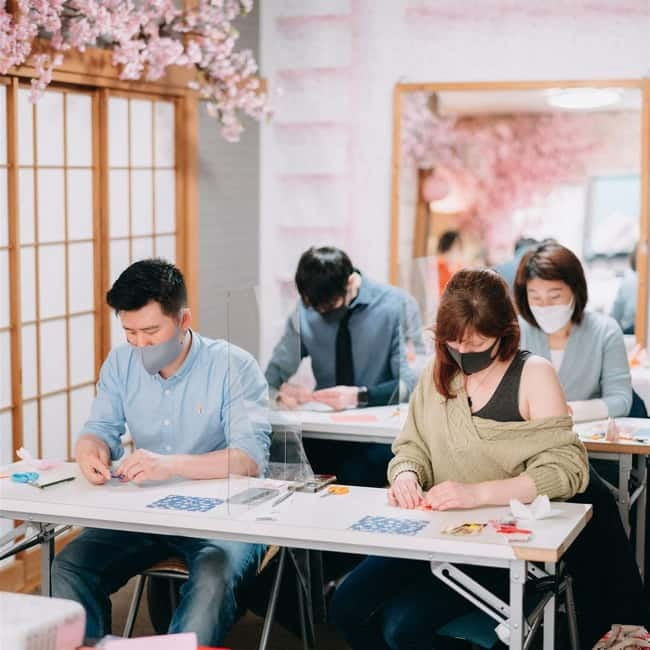
This is a focused, 90 minute workshop. In that time, you’ll choose origami patterns and complete 3 to 5 designs depending on the options you select and how quickly you get each fold sequence down.
The workshop is organized around a simple cycle:
- Manami shows options of different skill levels.
- You choose your designs from what’s available that day.
- You fold with her step-by-step coaching.
- As you finish each piece, she shares the story and meaning behind it.
Manami is set up to teach beginners, but she also offers easier and slightly more involved choices. That’s why you may see people end up making different combinations like a samurai helmet, a jumping frog, an origami crane, an open box, or a lotus flower. The exact mix depends on your selections.
If you’re traveling with kids or you’re brand new, this structure helps because you’re not stuck staring at instructions alone. You get demonstrations, you follow along, and you get help when your fold lines don’t cooperate.
- Mt Fuji and Hakone 1-Day Bus Tour Return by Bullet Train★ 5.0 · 26,383 reviews
- 1-Day Tokyo Bus Tour★ 5.0 · 14,250 reviews
- Tokyo: teamLab Planets TOKYO Digital Art Museum Entry Ticket★ 4.6 · 9,779 reviews
- Mt Fuji & Hakone Cruise, Drum Show Bullet Train 1 Day from Tokyo★ 4.0 · 7,413 reviews
- Tokyo: Shinjuku Food Tour (13 Dishes at 4 Local Eateries)★ 5.0 · 6,603 reviews
Choosing papers: traditional looks, modern variety, and less guesswork
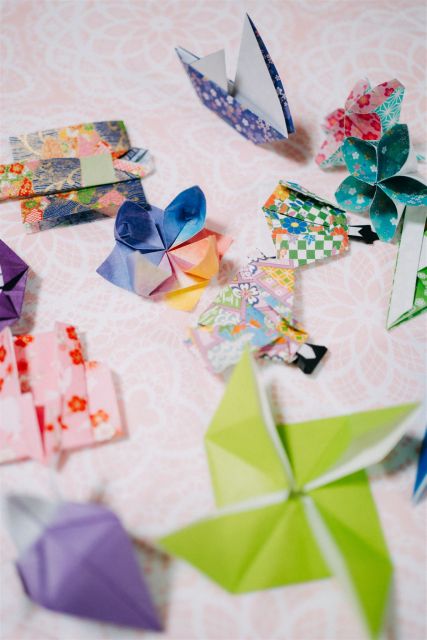
Paper is where origami stops being frustrating and starts being fun. Here, you don’t just get random sheets. You get a choice of traditional and modern origami papers, including designs you can pick for each shape you make.
That means you can match the paper to the figure. A crane often looks great with patterned, classic styles, while an open box or lotus might look especially clean with other textures. If you’ve ever bought origami paper in a shop, you know the challenge is picking the right sheet without wasting time.
Another smart part: the class includes scissors and pens. So if a design needs minor detailing or you want to add a small personal touch, you’re not stuck improvising from your bag.
Step-by-step guidance that keeps you calm
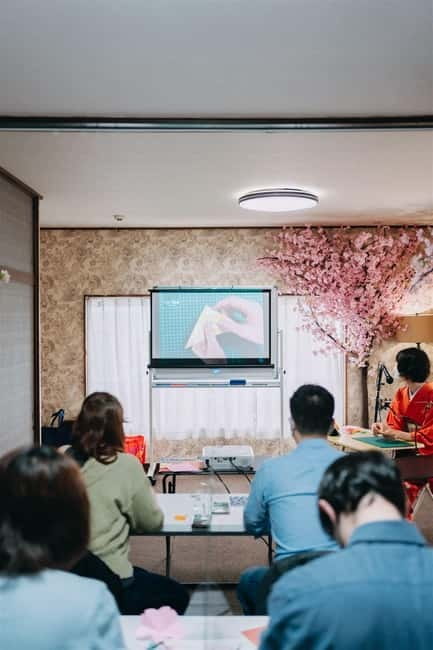
A lot of craft classes fall apart when someone is confused and doesn’t want to ask. This one is built around asking. Manami guides each step patiently and encourages questions if you’re stuck.
From the way the class is described and how it’s taught, the key is that you’re not left to decode diagrams on your own. You get fold-by-fold instruction, and if your crease lines are off, she helps you refine them.
This is especially valuable if you’re doing this with a friend, partner, or mixed-skill group. Even if only one person is brand new, the pace stays supportive because Manami is used to beginners.
The culture lesson, not just the craft
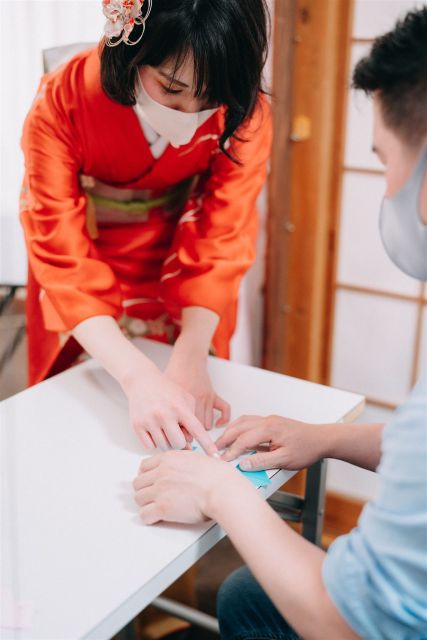
What makes this class more than paper folding is what Manami layers in as you finish each piece. She shares the history and cultural significance behind shapes, with an emphasis on meaning people attach to origami figures in Japan.
The crane is the example everyone hears about, and she includes that kind of context. But the class theme is broader than a single famous symbol. You’re learning why people fold certain forms, how stories pass down through family and community, and why origami holds a special place in everyday Japanese culture.
I like this approach because it turns a craft into an experience. You’re not only making something pretty. You’re learning the “why” that gives your finished paper art extra weight when you look at it later.
Materials and extras you get, plus what to pack
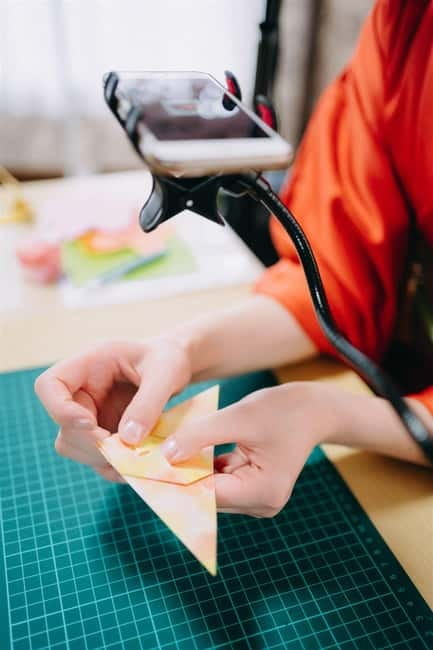
Included in the price are the essentials:
- Origami paper (traditional and modern options)
- Scissors
- Pens
- Small bags so you can pack your finished works
- Water and some snacks
That small bag detail matters more than you’d think. Finished paper can crease or crumple if you’re carrying it around on trains later. Having a provided way to bring your pieces home makes the whole session feel more practical.
What you should bring is simple: wear comfortable clothing and show up ready to fold. If you have sensitive hands or you want to be extra comfortable, you might bring your own water bottle too, but water is already provided.
Also, note what’s not allowed: alcohol and drugs. Keep it a straightforward, calm workshop, and you’ll fit the vibe perfectly.
Price and value: is $58 worth it?
At $58 per person for 90 minutes, this isn’t a cheap activity. But it also isn’t just paying for paper and time. You’re paying for:
- A local instructor, English language instruction included
- Lifelong practice and hands-on coaching
- Materials (paper choices, tools, and carrying bags)
- Snacks and water
- Cultural context tied directly to the figures you make
If you compare it to buying paper and trying to follow instructions on your own, the difference is support and speed. You’re far more likely to leave with several completed pieces instead of one messy attempt.
If you’re visiting Tokyo on a tight budget, you may choose one paid workshop like this rather than several low-cost activities. But if you want a meaningful hands-on memory and a skill you can repeat later, the value makes sense.
Who this class is ideal for (and who should think twice)
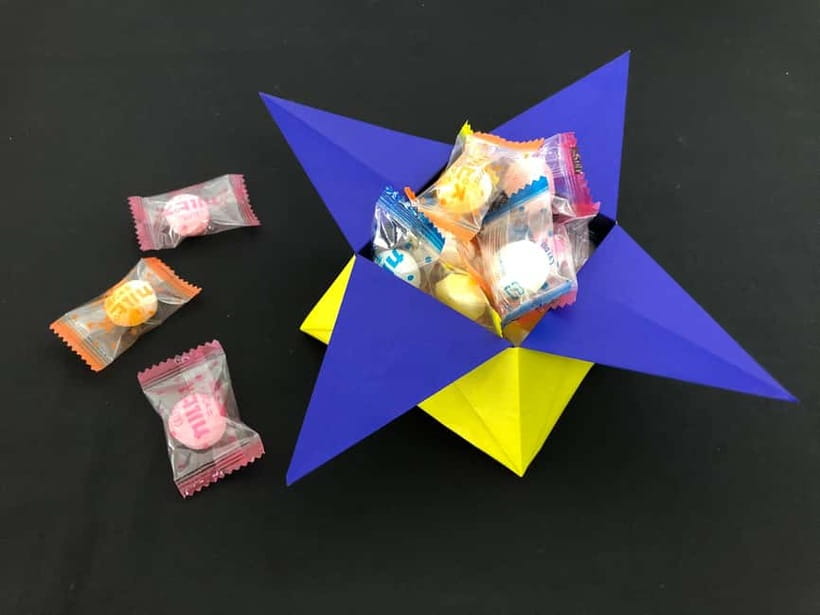
This workshop is mainly designed for beginners. Most previous participants are new to origami, and the patterns are chosen with that in mind. That means first-timers often feel successful quickly.
It’s also a great fit for:
- Solo travelers who want a calm, social activity with conversation
- Couples who like making something together
- Families with children who can handle a structured, careful craft pace
- Small groups who want an instructor-led experience
There are also clear limitations. Kids under age 7 aren’t allowed. Guests who are elderly or who need special care should check in in advance, since the venue may need changes for the group.
And if you already fold complex models confidently, be aware that the available origami options might feel too easy. The class also isn’t set up to customize the designs on site, so you’ll need to like what’s offered that day.
Practical tips to make your first session smoother
A few things can help you get the best experience with the least stress:
- Arrive a little early so you have time to find the 5F entrance.
- Pick designs you feel excited about, not only the simplest ones. Momentum matters.
- Don’t be shy about asking for help with fold lines. That’s where many beginners struggle.
- Plan for gentle handling afterward. Use the small bag provided so your finished pieces stay crisp.
If you’re the type who gets frustrated by imperfect symmetry, remember this is a teaching moment. The goal is that you leave with pieces you’re proud to display, not that you produce a museum-quality model on your first try.
Should you book this Tokyo origami class?
Yes, I think you should book it if you want a hands-on experience that’s calming, social, and genuinely guided. Manami’s teaching style is the core strength here: patient, step-by-step coaching in English, plus stories that explain why the shapes matter.
Skip it or double-check your expectations if you’re an advanced folder who wants very challenging models, or if you need an experience that’s heavily customized to your exact skill level. Also, because pickup at the station isn’t included, you’ll want to be comfortable navigating to Shinjuku on your own.
If you want a Tokyo memory that you can hold up years later, this is one of the better ways to do it.
FAQ
How long is the origami class in Tokyo?
The class duration is 90 minutes.
How much does the workshop cost?
The price is $58 per person.
Where is the meeting point?
It’s at FEEP Shinjuku Higashi-guchi, Shinseido Bldg. 5F, Shinjuku 3-29-11, Shinjuku-ku, Tokyo.
What is the nearest station to the meeting point?
The nearest station is Shinjuku-sanchome (M09, F13, S02). It is also accessible from the east gate of JR Shinjuku station.
What language is the instruction?
The instructor teaches in English.
What should I expect to make during the session?
You can choose from available origami designs and create about 3 to 5 shapes during the class.
Are traditional and modern papers included?
Yes. You’ll have a selection of origami papers, including both traditional and modern styles, and you can pick a sheet for each shape you create.
What is included in the price?
Included are origami paper, scissors, pens, small bags for taking your work home, water, and some snacks.
Is pickup from the train station included?
No, pickup at the train station is not included.
Are there any restrictions on who can join?
Kids under age 7 are not allowed. Alcohol and drugs are not allowed. The activity also notes that guests who are elderly or who need special care should let the organizers know in advance so the venue can be adjusted if needed.
Made by Hand, and Yours to Keep





Newest Tokyo write-ups from the Loving Japan desk




Japanese Craft and Calligraphy Workshops, side by side.
 ★ 5.0Tokyo Shinjuku Chopsticks Making ClassFrom $201,763 reviews
 ★ 4.8Chopstick Making Workshop in GinzaFrom $251,366 reviews
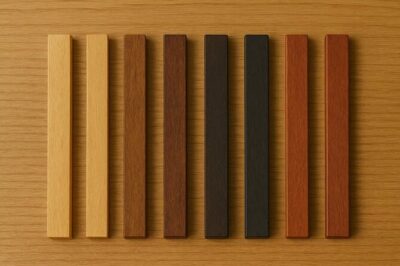 ★ 5.0Chopsticks Making Workshop in Gion with Engraving OptionFrom $15958 reviews
 ★ 4.8Tokyo Sumo Experience: Chanko & Mochi with a Former ProFrom $103567 reviews
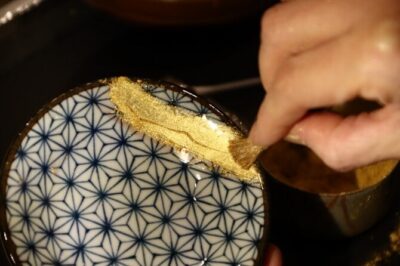 ★ 5.0Kintsugi Experience: Art of Golden Joinery in TokyoFrom $59467 reviews
 ★ 5.0Tokyo Chopstick Making Workshop with ArtisanFrom $26466 reviews
 ★ 4.9Matcha Making Experience with Mochi Sweets in AsakusaFrom $22388 reviews
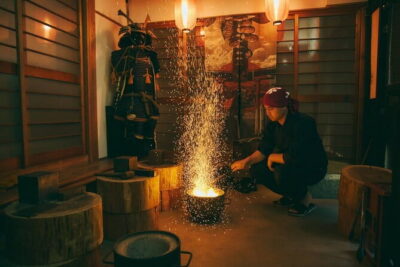 ★ 4.8Authentic knife making experience at a blacksmith in KyotoFrom $154350 reviews
Filed on these lists too