
REVIEW · AKIHABARA, ANIME AND OTAKU CULTURE
Tokyo: Manga Drawing Workshop Guided by Pro Manga Artist
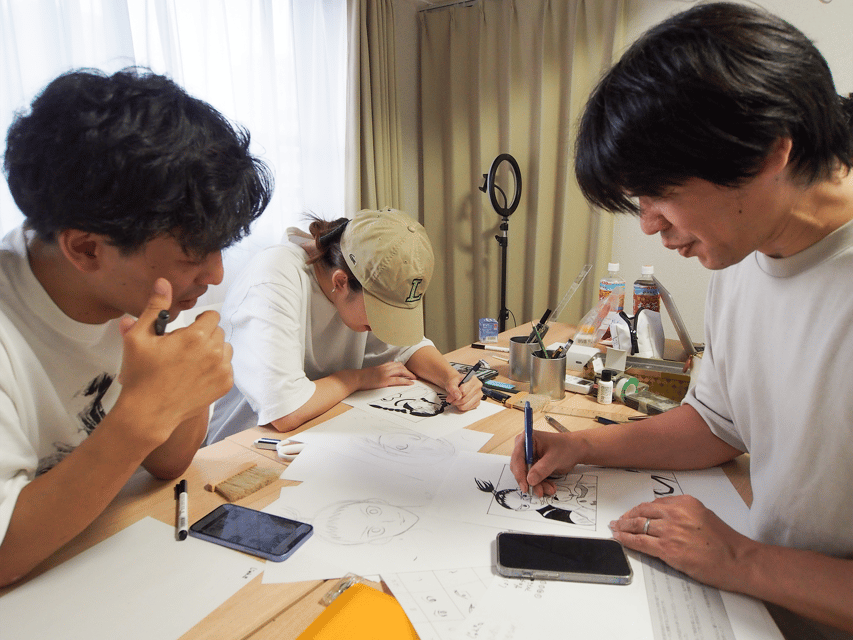
Ink, tones, and speech bubbles in Shibuya. This Tokyo manga drawing workshop is built for fans and first-timers alike, guided by a pro comic artist using the same step-by-step process behind manga panels. I love that it’s hands-on with a clear workflow, and you’ll leave with a finished, personal keepsake you made with your own hands.
The other big win for me is the small group format. With a limit of 8 participants, you get real feedback, not just a brief demo, plus an interpreter to keep the whole class moving smoothly in English or Japanese.
One thing to consider: finding the meeting spot can be a little tricky around Shibuya. The address is specific (6F, Shibuya 3-chome TR Building), and the building is described as black and relatively thin, so arriving a bit early helps.
In This Review
- Key takeaways before you go
- What you actually create in this 150 minutes
- Meeting on Shibuya 3-chome and finding the right 6F
- Your instructor and interpreter setup: how the class stays smooth
- The manga workflow you’ll follow (from idea to finished panel)
- 1) Ideation and picking what to draw
- 2) Rough sketching and structure
- 3) Drafting into something ink-ready
- 4) Inking, solid blacks, and erasing the pencil stage
- 5) Screen tones: the technique that makes it look real
- 6) Speech bubbles and final touches
- Materials, speed, and how they handle different skill levels
- Price and value: why $129 can make sense
- Logistics you should plan for (without the stress)
- Who this workshop is for, and who might not love it
- Take-home keepsake: what you’ll bring back to your wall
- Should you book this manga drawing workshop?
- FAQ
- How long is the manga drawing workshop in Tokyo?
- Where is the meeting point?
- How much does the workshop cost?
- Is food or drinks included?
- Does the tour include pickup?
- What languages are available for the guide?
- Is there an interpreter?
- How big is the group?
- Is the workshop wheelchair accessible?
- What is included in the price?
Key takeaways before you go
- Pro-guided panel creation in 150 minutes using the full traditional workflow
- Small group (up to 8) so you can ask questions and get corrections
- Interpreter included to make the English-Japanese flow easy
- Screen tones and ink steps taught in practical, beginner-friendly chunks
- Choose your own subject (from options or your own ideas) and build it into a panel
- Take-home artwork as a one-of-a-kind souvenir from Japan’s manga culture
Deeper into Akihabara, if that is your afternoon
- Official Street Go-Kart Tour – Akihabara
★ 5.0 · 1,578 reviews - Tokyo Go Kart: Asakusa, Skytree, and Akihabara **IDP MUST**
★ 5.0 · 988 reviews - Akihabara Anime & Game Adventure Walking Tour (Group or Private)
★ 5.0 · 404 reviews - Tokyo: Gameboy Mod Workshop at Akihabara
★ 5.0 · 253 reviews
What you actually create in this 150 minutes
This isn’t a loose art class where you make something generic. The goal is a real manga-style panel, built through a recognizable sequence: you’ll start with ideas, move through rough sketching, then drafting, and finally the inking and finishing steps like solid blacks and speech bubbles. The workshop also includes screen tones, which is where manga starts to look like manga, not just a drawing.
The best part for you, especially if you feel rusty, is that the process is staged. You won’t be expected to magically know manga rules from minute one. The instructor and interpreter help you translate your concept into correct forms, so your final result looks intentional even if you’re starting from scratch.
I also like how the workshop treats manga as craft, not just fandom. You get to see how tools and technique change the look: ink lines, tone placement, and how the panel comes alive once you add blacks, textures, and dialogue.
Meeting on Shibuya 3-chome and finding the right 6F
Your meeting point is very specific: 6F, Shibuya 3-chome TR Building, 3-8-11 Shibuya, Shibuya-ku, Tokyo. The building is described as black and relatively thin, and in an area like Shibuya, that detail matters.
Here’s my practical advice: give yourself extra time to get oriented before the class starts. Even with good navigation apps, crowds and street events can make it easy to arrive late. One participant had trouble because of a political rally near Shibuya Crossing, and the team helped them locate the studio, but you should not plan on needing rescue.
Once you’re there, you’re in good shape. The class is run in a studio setting where you’ll have a place to work comfortably with materials provided.
Your instructor and interpreter setup: how the class stays smooth
You get a professional manga artist instructor and an interpreter (English and Japanese are supported). That pairing is a huge deal. Manga art has a lot of small terminology, and it’s hard to learn through gestures alone.
From the experience, the interpreter role isn’t just translation. People describe interpreters like Hanae, Madoka, Machi, and Ai as actively helpful, funny, and patient. That means if you freeze on a question, you’re not stuck. The interpreter helps you ask clearly, and the instructor can respond with the right visual corrections.
You’ll also notice the teaching style in how quickly the room becomes comfortable. Multiple participants mentioned that even beginners felt at ease once the instructor guided them through step-by-step drawing. For mixed ages, the class also adjusts. There were families and kids who finished proud work, not just sketches.
Make something to take home. Other workshops
- Tokyo Shinjuku Chopsticks Making Class★ 5.0 · 1,763 reviews
- Chopstick Making Workshop in Ginza★ 4.8 · 1,366 reviews
- Tokyo Sumo Experience: Chanko & Mochi with a Former Pro★ 4.8 · 567 reviews
- Kintsugi Experience: Art of Golden Joinery in Tokyo★ 5.0 · 467 reviews
- Tokyo Chopstick Making Workshop with Artisan★ 5.0 · 466 reviews
The manga workflow you’ll follow (from idea to finished panel)
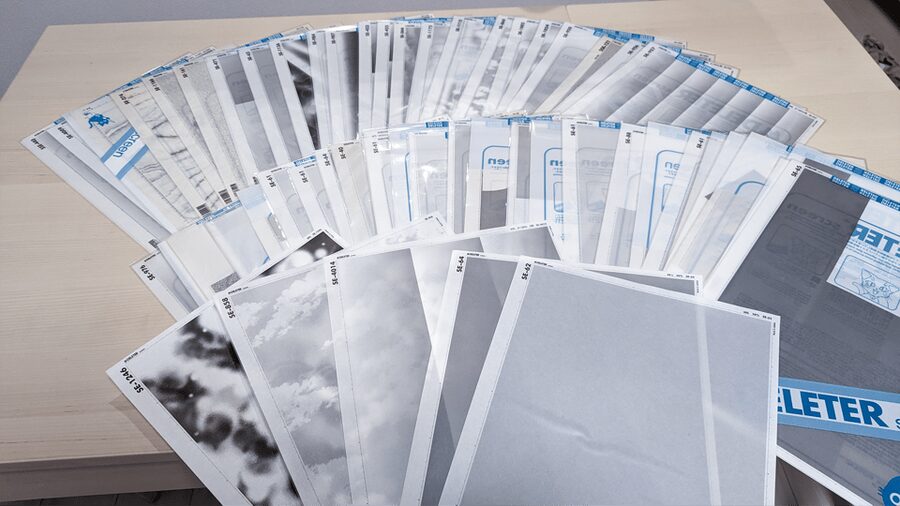
The workshop follows the same broad stages manga artists use, just adapted into a visitor-friendly pace. Expect the class to move through these phases:
1) Ideation and picking what to draw
You’ll choose a character or image to base your panel on. Some participants picked from provided options, while others used their own ideas, including their own faces. You can often come with a concept like a character and pose, then refine it in the studio.
This stage is important because it determines everything after. When you start with something you actually want to draw, you’ll stay motivated through inking and tones.
2) Rough sketching and structure
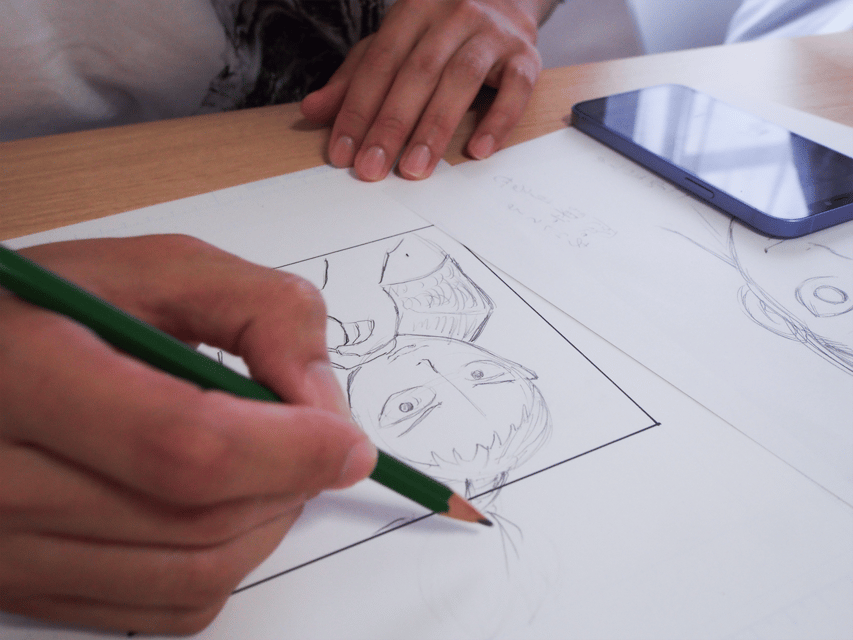
Next, the instructor helps you lock in the layout. Think of this as getting the panel’s logic right: proportions, line placement, and the shape of your character in the panel frame. Even experienced artists benefited here, especially when returning to traditional methods after drawing digitally.
One helpful pattern described by participants: the sensei creates a rough outline and then you work through refining it with pencil. That keeps you from feeling lost while still letting your panel become yours.
3) Drafting into something ink-ready
Then you “translate” your sketch into ink planning. This is where manga clarity happens. If a line is too messy or uncertain, it won’t ink well. The instructor guides you to simplify shapes and commit to the lines that matter.
If you’ve ever wondered why manga looks so clean, this is the answer: planning before ink. It’s not just artistic talent. It’s process.
4) Inking, solid blacks, and erasing the pencil stage
After the pencil work, you move into ink. You’ll add linework and the heavy black areas that define the mood and depth of manga panels. Participants specifically mentioned steps like using ink, then erasing pencil marks after inking.
This stage can feel like a jump, but it’s also the most satisfying. Your drawing stops looking like a sketch and starts looking like a panel.
5) Screen tones: the technique that makes it look real
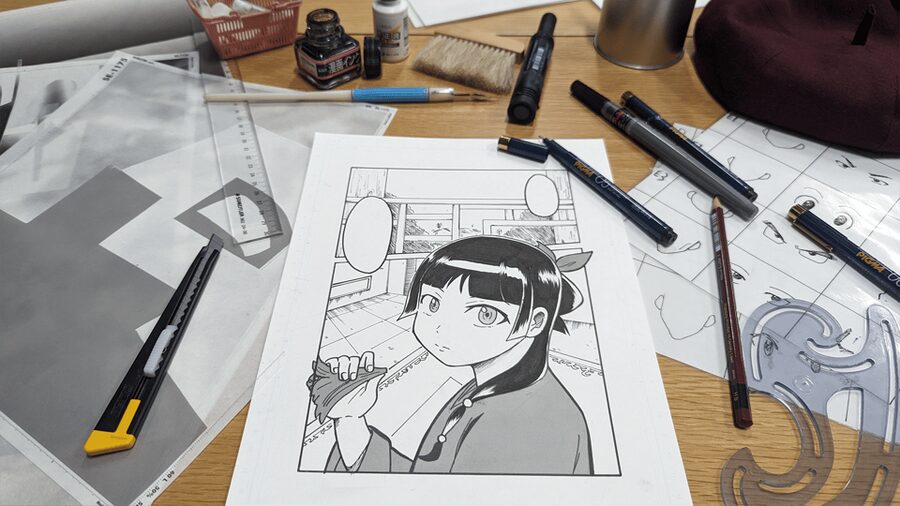
Screen tones are the “manga magic” step most people remember. Participants talked about using screen tones and even cutting screentone, using tools like grey calque paper and a cutter in some cases. The instructor shows how to place tones so they look intentional, not random shading.
If you’re a beginner, screen tones can sound intimidating. In practice, you get guidance at the moment you need it, and the class is paced so you’re not left alone with materials.
6) Speech bubbles and final touches
Finally, you’ll add the comic elements that complete the feeling of manga. Speech bubbles and the rest of the panel finishing touches turn the piece from drawing to storytelling.
You’ll also get help making sure it looks like a coherent manga panel rather than a set of disconnected steps.
Materials, speed, and how they handle different skill levels
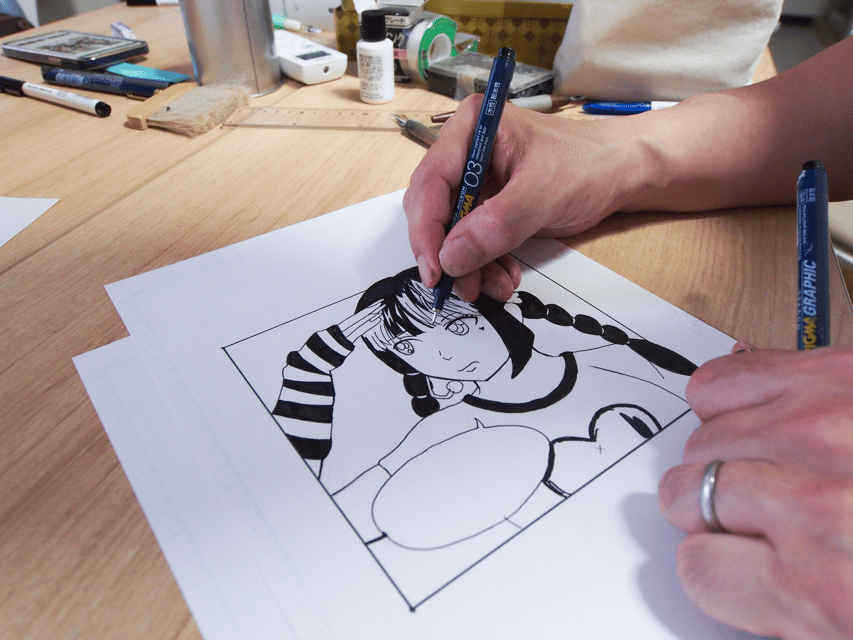
Everything you need is provided, so you can show up empty-handed. That matters because the right tools are half the outcome. Multiple people noted that learning the proper tools made a bigger difference than they expected, especially for traditional manga compared to digital drawing.
The time structure helps too. People said they were able to produce a high-quality panel in just about two hours, even with no drawing confidence at the start. The workshop is long enough for you to learn, but not so long that you lose momentum.
The small-group size also changes the vibe. With up to 8 participants, instructors can check your work repeatedly. That’s the difference between drawing a panel once and actually understanding why each step works.
Price and value: why $129 can make sense
At $129 per person for a 150-minute session, this can be a very good value in Tokyo, as long as you want the real experience, not just a photo op.
Here’s how I’d think about it:
- You’re paying for a pro manga artist’s time, not a generic class.
- You get an interpreter included, which is often where value gets lost in translation-heavy activities.
- Materials are provided, so you aren’t paying extra for tools you might never use again.
- You take home a finished keepsake, and a completed panel is a souvenir you’ll actually hang or share, not something you toss in a drawer.
If you’re the type who enjoys hands-on learning, this price feels fair. If you only want a casual glance at manga techniques with minimal effort, you might find it too structured or too focused on finishing a panel.
Logistics you should plan for (without the stress)
No food or drinks are listed as included, and pickup is not included. So plan to grab something nearby before or after your session.
Also, consider your timing. The meeting point is in Shibuya, and Shibuya can get crowded. One participant noted confusion because of a street event, and they still made it with help. The takeaway for you: don’t cut it close.
And yes, you’ll be working in a studio setting with an easy pace, but it is still drawing work for 150 minutes. Comfortable clothing helps, especially if you’re sensitive to sitting and focusing for a while.
Who this workshop is for, and who might not love it
You’ll probably love this if:
- You’re a manga or anime fan who wants to understand the craft behind the art
- You want a souvenir that looks like you made it, not just copied it
- You’re nervous about drawing but want step-by-step guidance
- You’re traveling with kids, teens, or mixed skill levels and want a structured activity that still feels fun
It may not be ideal if:
- You only want a quick, low-effort activity without inking or screen tones
- You want a lot of freeform time that isn’t tied to finishing a panel
- You expect a long lecture instead of a working studio class
One participant with an experienced art background said the class was still valuable, especially for learning traditional methods again and understanding screen tones. So even if you’re not brand-new, it’s likely worth it if you want hands-on technique.
Take-home keepsake: what you’ll bring back to your wall
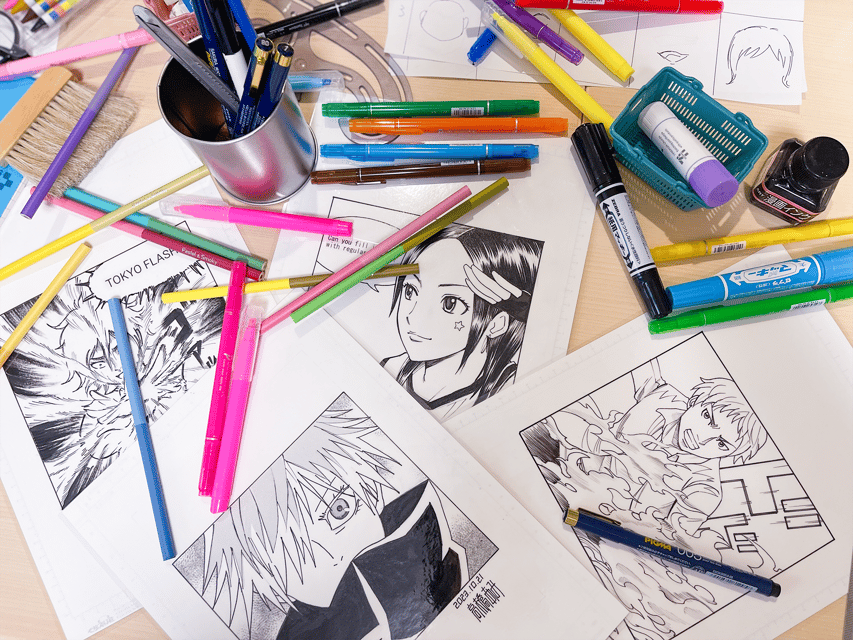
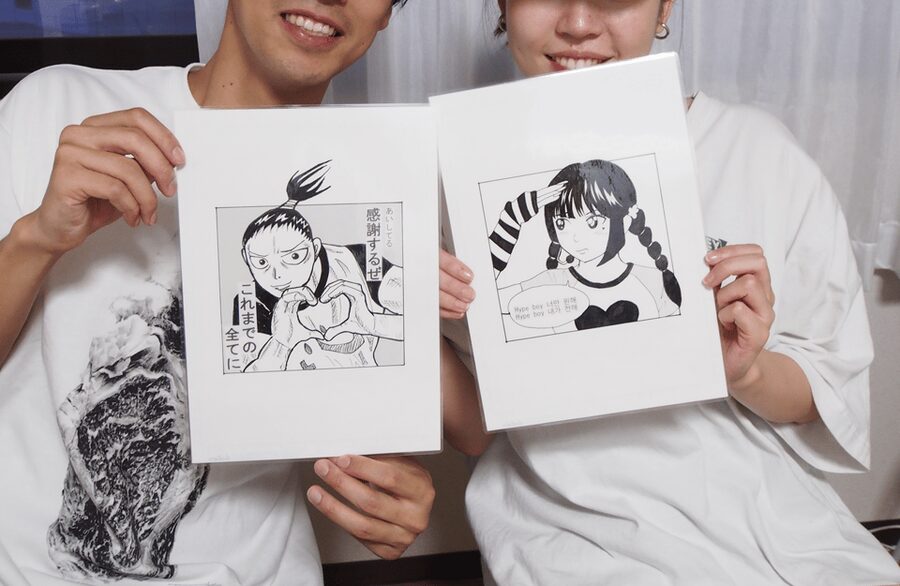
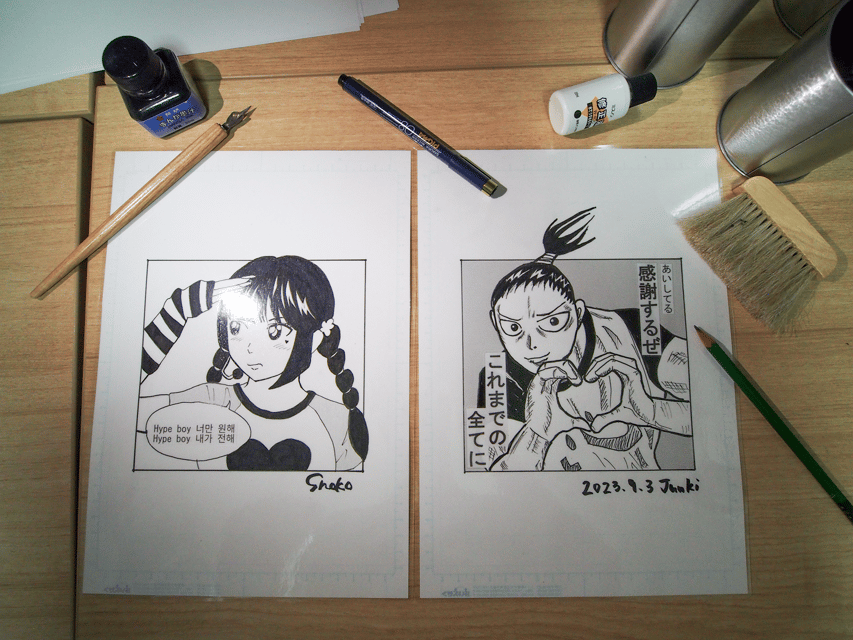
The highlight is simple: you’ll keep your own self-drawn manga as a one-of-a-kind keepsake. That’s the part that makes the class feel like a real experience and not just an activity.
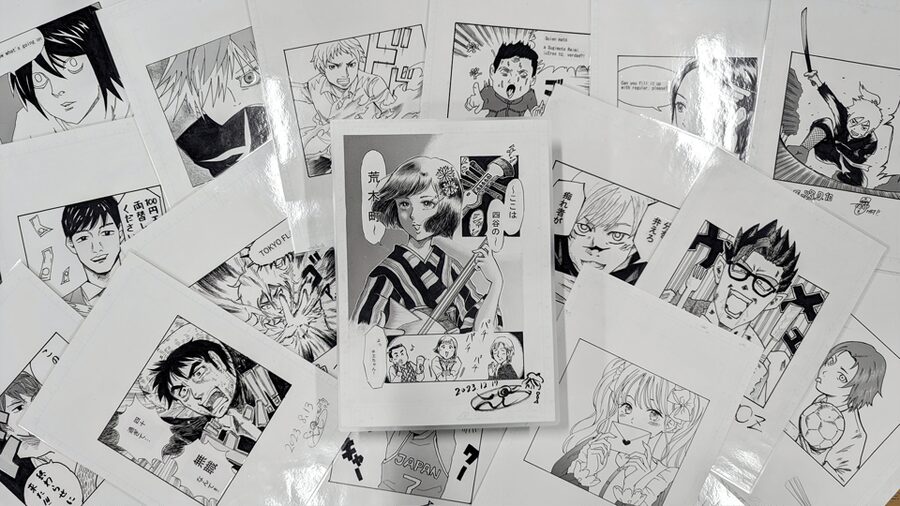
Some participants mentioned that the artwork was laminated for taking home. Even if your exact finish varies slightly by session, the important point is that you leave with a physical panel made during the workshop.
That’s also why the workflow matters. You’ll build the panel in a way that’s visually coherent. Between ink lines, black areas, screen tones, and speech bubbles, the final result has that manga look people recognize instantly.
Should you book this manga drawing workshop?
Book it if you want a genuine Tokyo maker-style experience with a real pro instructor, an interpreter who keeps communication clear, and a finished manga panel you can display. The strongest reason to say yes is the combination of traditional technique plus beginner-friendly pacing, with the small-group size helping you get real feedback.
I’d skip it only if you’re hoping for a casual, no-pressure activity, or if you’re not interested in finishing a panel with ink and tones. Otherwise, this is a top-tier souvenir experience, and it’s one you’ll remember when you’re back home looking at the work you made in Japan.
FAQ
How long is the manga drawing workshop in Tokyo?
The workshop lasts 150 minutes.
Where is the meeting point?
You meet at 6F, Shibuya 3-chome TR Building, 3-8-11 Shibuya, Shibuya-ku, Tokyo.
How much does the workshop cost?
The price is $129 per person.
Is food or drinks included?
No, food and drinks are not included.
Does the tour include pickup?
No, pickup is not included.
What languages are available for the guide?
The workshop includes English and Japanese.
Is there an interpreter?
Yes, an interpreter is included.
How big is the group?
The group is small, limited to 8 participants.
Is the workshop wheelchair accessible?
Yes, it is listed as wheelchair accessible.
What is included in the price?
Included are the professional manga artist instructor, interpreter, and manga drawing materials.
Made by Hand, and Yours to Keep

Akihabara After the First Stop



Newest Tokyo write-ups from the Loving Japan desk


Akihabara, Anime and Otaku Culture, side by side.
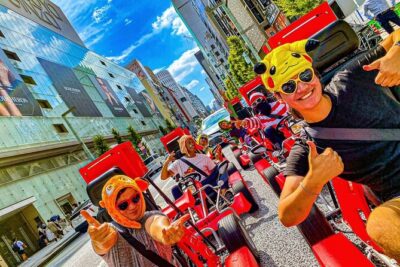 ★ 5.0Official Street Go-Kart Tour – AkihabaraFrom $611,578 reviews
 ★ 5.0Tokyo Go Kart: Asakusa, Skytree, and Akihabara **IDP MUST**From $99988 reviews
 ★ 5.0Akihabara Anime & Game Adventure Walking Tour (Group or Private)From $90404 reviews
 ★ 5.0Gameboy Mod Workshop at AkihabaraFrom $360253 reviews
 ★ 4.8Owl Cafe Tokyo Akiba FukurouFrom $35154 reviews
 ★ 5.0Akihabara Tailor-made Private Tour for Anime FansFrom $132142 reviews
 ★ 5.0Tokyo Cute Bento Cooking Class – Make a Kawaii Character LunchboxFrom $66126 reviews
 ★ 5.0Original Street Kart Experience from AkihabaraFrom $51111 reviews
Filed on these lists too