
REVIEW · SUMO WRESTLING EXPERIENCES
Tokyo: Not a show- a professional sumo practice with experts
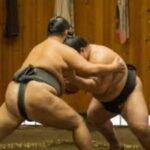
Up close sumo training beats any staged show. What I love here is the real heya access and the photo with wrestlers, because you’re seeing the sport the way insiders do. One consideration: you watch from the floor, and after a long practice it can feel tiring even with a cushion.
This tour is built for the Ryogoku sumo district, so you get training plus a short walk through the surrounding sumo landmarks. With a small group (up to 10) and an English-speaking guide, it’s not a loud spectacle, it’s a focused morning of rituals, technique, and questions.
In This Review
- Key highlights at a glance
- Why this sumo tour feels different from a Tokyo show
- Ryogoku: the Tokyo sumo district you can actually walk
- Meeting at Ryogoku Station, then on foot to Takasago-beya
- Takasago-beya: what you’re really watching during a live morning practice
- Etiquette tips that help you fit in
- Photos with the wrestlers, plus Q&A that turns curiosity into real answers
- Ryogoku Kokugikan and Edo NOREN: short stops that add real context
- Seating comfort: the one physical detail you should plan for
- What I recommend you do
- Price and value: what you’re paying for at $103 per person
- Who should book this, and who might want to skip it
- Should you book Japan Shine Tour’s sumo practice experience?
- FAQ
- How long is the Tokyo sumo practice tour?
- Where is the meeting point?
- How many people are in the group?
- What is included in the price?
- Is food or drinks included?
- Can I take photos and get photos with wrestlers?
- What should I expect for seating?
- Is smoking allowed?
- Is the tour suitable for children?
- What is the cancellation and payment flexibility?
Key highlights at a glance
- Special-permission access to a real sumo stable (Takasago-beya)
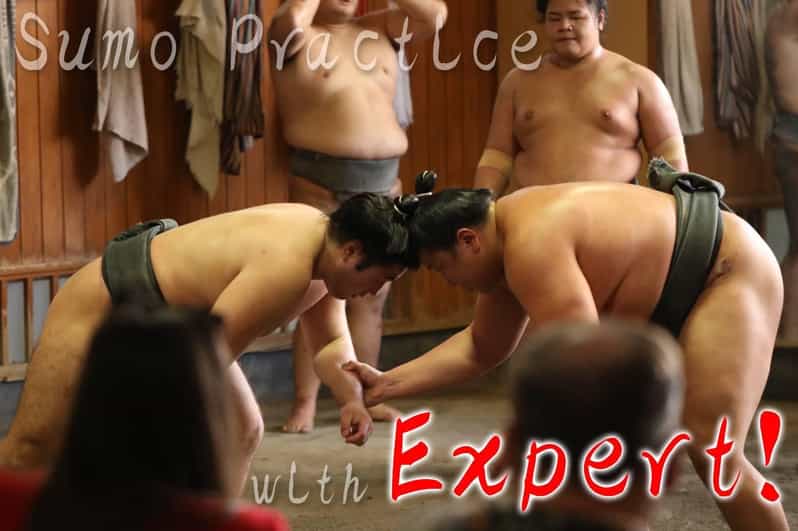
- Live morning practice with close technique viewing
- Photo time with sumo wrestlers
- Q&A with Shinya, a long-time sumo journalist who can answer tournament and wrestler questions
- Ryogoku Kokugikan and Ryōgoku Edo NOREN visits for local context
- Small group format, with floor seating and a cushion available
Morning practice or an evening show. Both reviewed
- Tokyo: Sumo Show and Dining Experience
★ 4.8 · 2,742 reviews - the SUMO show
★ 5.0 · 1,960 reviews - Tokyo Shinjuku Sumo Show & Experience with Photo
★ 5.0 · 1,750 reviews - Tokyo: Sumo Show and Experience in Shinjuku
★ 4.8 · 1,001 reviews
Why this sumo tour feels different from a Tokyo show
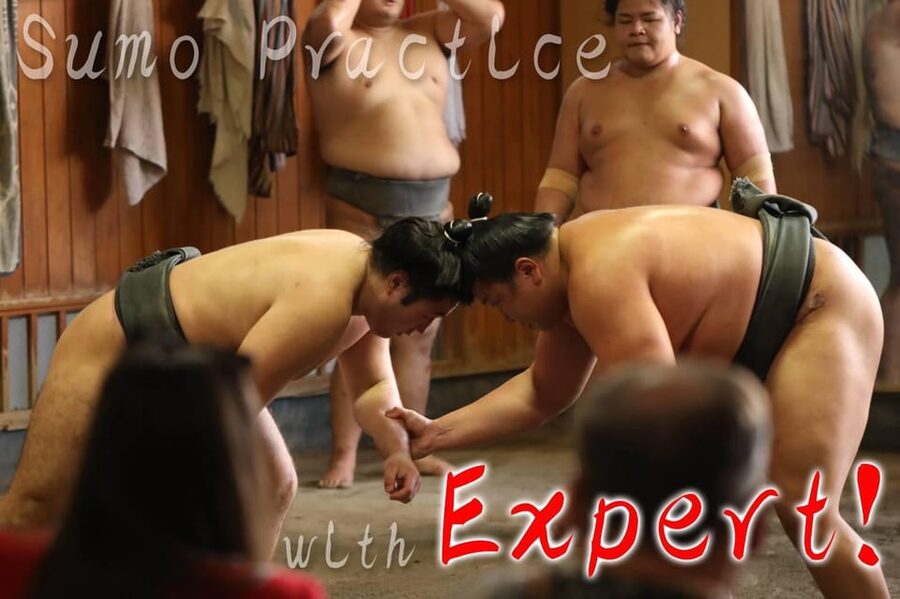
Tokyo has plenty of sumo-themed performances, but this experience is built around training. Instead of a scripted “act,” you’re stepping into the real rhythm of morning practice, where discipline matters and people move with purpose.
I like that the tour is designed for respectful viewing, not crowd control. You sit close enough to notice details, and the guide frames what you’re seeing so it makes sense, even if sumo is new to you.
The other big win is the person leading you. Shinya is a long-time sumo expert, with a background as a journalist, and he can explain what a training session is trying to teach. Several guests also point out that this is far more rewarding than the touristy approach.
Ryogoku: the Tokyo sumo district you can actually walk
The meeting and end points both anchor you in Ryogoku, the neighborhood closely tied to Japan’s sumo culture. You start near 両国HANAWAビル and finish at 両国駅, so the tour is easy to plug into a day of exploring central Tokyo.
What you gain by staying in this area is context. You’re not just watching sumo in isolation. You’re also getting quick visits to places that matter to the sport, including the Ryogoku Kokugikan area.
And since the group is small, you don’t get the feel of a bus tour stampede. You get to move at a human pace, with time for questions that actually relate to what you just saw.
Meeting at Ryogoku Station, then on foot to Takasago-beya
Your meeting point is the Toei Oedo Line at Ryogoku Station (E12), Exit A2 on ground level. The tour guide meets you there, and it’s about a five-minute walk from JR Ryogoku Station’s east exit.
From there, it’s a short walk to the stable. That matters more than it sounds. A quick transfer means you spend less time rushing and more time settling in, reading the room, and focusing on etiquette.
If you’re the type who likes to arrive early to get your bearings, do it. The tour begins with explanations about sumo rituals and how to behave in a stable, and that’s easier when you’re not stressed about timing.
- Mt Fuji and Hakone 1-Day Bus Tour Return by Bullet Train★ 5.0 · 26,383 reviews
- 1-Day Tokyo Bus Tour★ 5.0 · 14,250 reviews
- Tokyo: teamLab Planets TOKYO Digital Art Museum Entry Ticket★ 4.6 · 9,779 reviews
- Mt Fuji & Hakone Cruise, Drum Show Bullet Train 1 Day from Tokyo★ 4.0 · 7,413 reviews
- Tokyo: Shinjuku Food Tour (13 Dishes at 4 Local Eateries)★ 5.0 · 6,603 reviews
Takasago-beya: what you’re really watching during a live morning practice
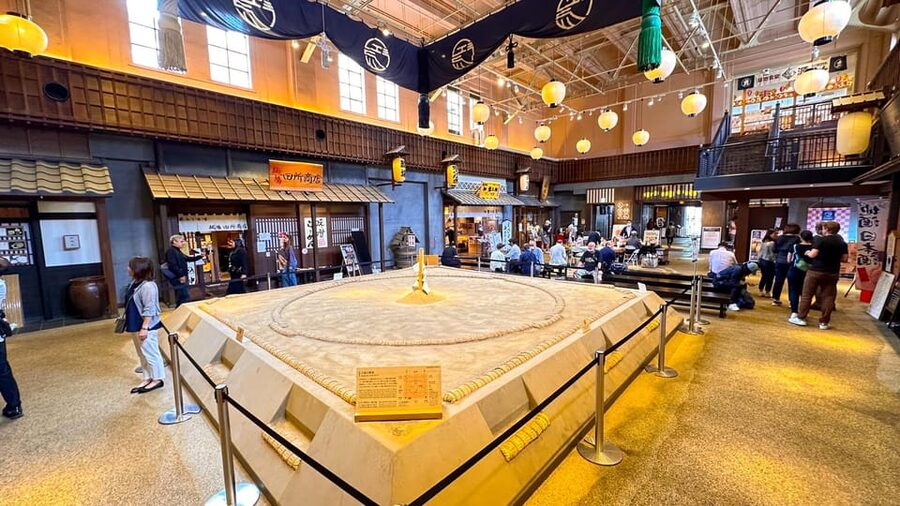
The core of the experience is the visit to Takasago-beya Sumo Stable, with about two hours spent there. This is where you get the rare access that makes the tour worth considering in the first place.
Before the practice starts, your English-speaking guide talks through sumo’s history and the rituals around training. The goal is not to dump facts. It’s to help you understand what you’re seeing, especially the actions and pacing that look odd if you only know match day.
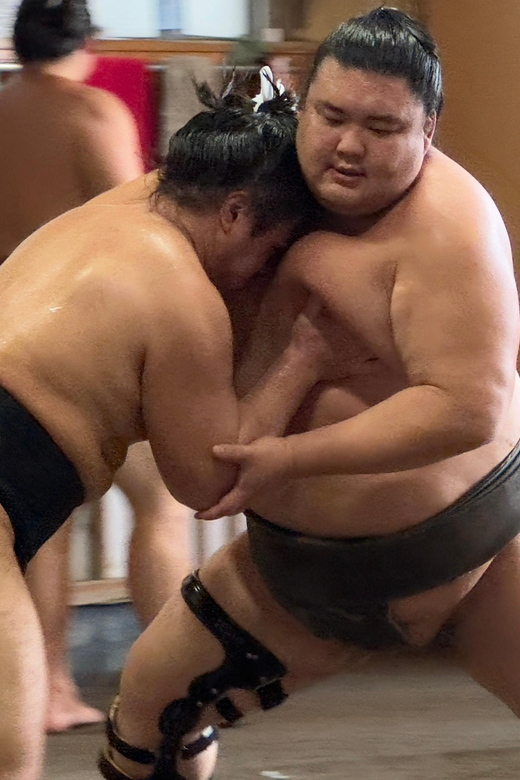
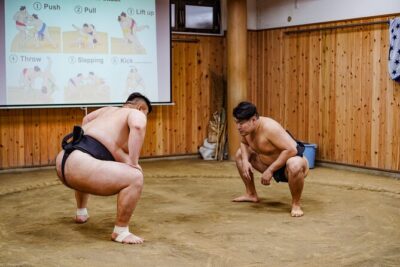
Then you watch real morning practice. Guests highlight how intense this is, with wrestlers working through drills and sparring, and with older wrestlers mentoring younger ones. That “training ladder” dynamic is one of those things you can only catch in a stable setting.
You also get close viewing. One guest notes they were extremely near the wrestlers, close enough to feel the scale and pressure of the work. That closeness is exactly why a stable visit beats a big staged show.
Etiquette tips that help you fit in
A stable is not a theater. The right behavior makes the experience smoother for everyone.
- Sit quietly and follow your guide’s directions
- Keep your phone off while instructed
- Respect the space, since you are in an active training environment
Also note this practical reality: you sit on the floor to watch. A floor cushion is available, which helps, but plan for a longer sit.
Photos with the wrestlers, plus Q&A that turns curiosity into real answers
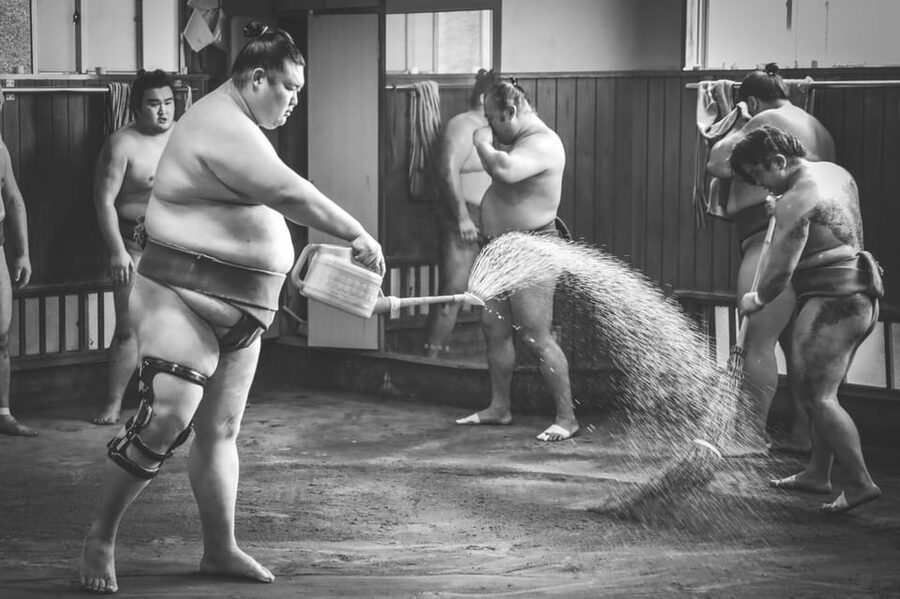
One of the most popular parts of this tour is the photo with sumo wrestlers. It’s a rare moment, but the best part is what happens around it. You’re not getting the photo and running. You’re getting context first, then the chance to ask questions right after.
The Q&A is led by Shinya, described by guests as engaging and enthusiastic. Since he has journalist experience covering sumo, he can answer the deeper questions that usually pop up after you start paying attention to rituals, rank, and tournament pressure.
This is where the tour earns its “not a show” identity. During practice, you’re watching and learning. During Q&A, you can ask why techniques matter, how training fits together, and what to notice when you later watch tournaments.
One small caution from guest feedback: the structure is built around watching quietly, so some people wish there was more commentary during the practice itself. If you want constant narration moment-to-moment, know that the tour’s main explanation time often comes before or after the training segment.
Still, the Q&A time is generous, and several guests say it cleared up questions they never found answers for elsewhere.
Ryogoku Kokugikan and Edo NOREN: short stops that add real context
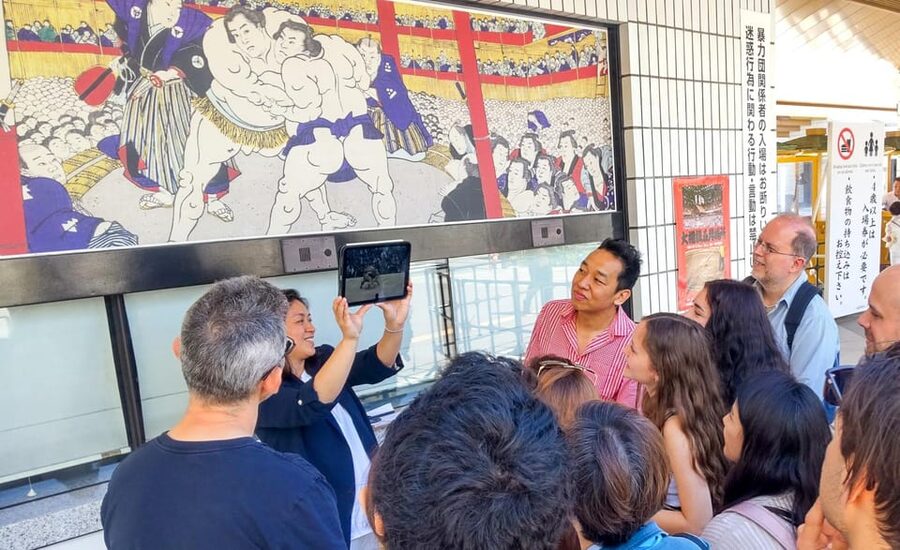
After the stable session, you shift to Ryogoku’s sumo landmarks.
First up is a guided tour of Ryogoku Kokugikan for about 15 minutes. This is the kind of stop that helps you make sense of what you saw at the stable. You can start connecting training routines to the bigger tournament world.
Next is Ryōgoku Edo NOREN, also guided for about 15 minutes. You then get roughly 30 minutes for shopping and sightseeing in the area.
This part is short, so don’t expect a full museum day. Think of it as a bridge. You go from hands-on training access to the broader cultural setting of sumo in the Ryogoku area.
If you like souvenirs, this is where you can grab small items and keep the momentum of the day. If you prefer quieter sightseeing, you can treat the shopping time like a chance to walk and take photos at your own pace.
Seating comfort: the one physical detail you should plan for
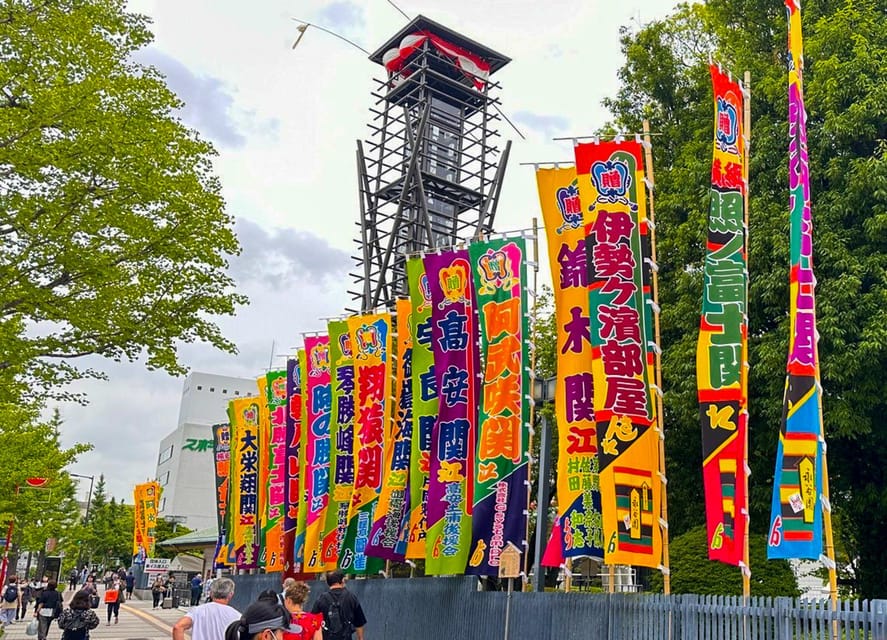
This tour has an easy-to-miss challenge: you watch from the floor. A floor cushion is provided, which helps, but guests still report that sitting can get tough after roughly 90 minutes, especially for people who are less limber.
You also may use small seating supports, depending on the setup for that day. That’s normal for a stable, but it’s a good reminder that the tour is active in a quiet way.
What I recommend you do
- Wear comfortable pants you can sit in for a while
- Bring a layer you can stand and sit in if you get cold
- Plan to shift your legs gently when allowed, and follow your guide’s setup rules
If you have mobility issues, consider this carefully before booking. The experience is fantastic, but it’s not built for long standing or lots of stadium-style seating.
Price and value: what you’re paying for at $103 per person
At $103 per person for a three-hour experience, this isn’t the cheapest thing on a Tokyo menu. But the value comes from what you’re buying.
You’re paying for:
- Small group access (limited to 10 participants)
- A real stable visit with special permission
- A live morning practice setting, not a performance
- A photo opportunity with wrestlers
- A structured Q&A with a specialized sumo expert, Shinya
- English-speaking guidance throughout
The price also reflects that getting into a stable is not easy. You’re not just buying a ticket, you’re buying the chance to be there at the right time in the right environment.
If you already like sumo, or you want a serious, respectful cultural experience that goes beyond tourist cosplay, this is one of the more satisfying ways to spend a half-day in Tokyo.
Who should book this, and who might want to skip it
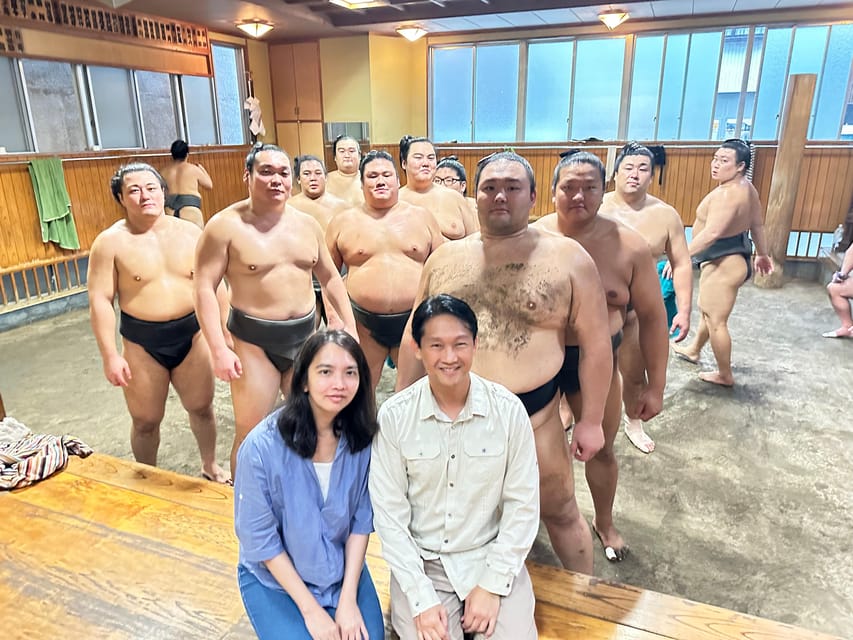
This tour is a great fit if you want sumo culture at source. You’ll enjoy it most if you like discipline, tradition, and hands-on observation.
It also works well for families in older-school age ranges, with one guest noting the tour was rewarding even for kids (though it is not suitable for children under 5).
You might skip it if:
- You are not comfortable sitting on the floor for the viewing period
- You’re expecting something like a loud show with constant narration
- You want food included, because drinks and food are not included
If you want to combine authenticity with a clear path for understanding, this is exactly the kind of tour that delivers.
Should you book Japan Shine Tour’s sumo practice experience?
Yes, if your goal is to see professional sumo the real way: in a stable, during morning training, with time to ask questions. The access to Takasago-beya, the photo with wrestlers, and Shinya’s background as a long-time sumo journalist are the big reasons this tour earns a near-perfect rating.
One last practical check: be ready for floor seating. If you can handle that, you’ll likely feel like you bought a memorable Tokyo moment with depth, not just a themed attraction.
If you’re simply looking for a casual photo-op and don’t care about rituals or technique, there are cheaper options. But for people who want to understand sumo beyond the TV highlights, this is a strong pick.
FAQ
How long is the Tokyo sumo practice tour?
The tour runs for about 3 hours.
Where is the meeting point?
Meet at Toei Oedo Line, Ryogoku Station (E12), Exit A2 (ground level). It is about a five-minute walk from the east exit of JR Ryogoku Station.
How many people are in the group?
The group is small, limited to 10 participants.
What is included in the price?
You get an English-speaking guide, a photo with sumo wrestlers, and a Q&A session with a long-time sumo expert.
Is food or drinks included?
No. Drinks and food are not included.
Can I take photos and get photos with wrestlers?
Yes. A photo with a sumo wrestler is included.
What should I expect for seating?
Customers sit on the floor to watch sumo practice. A floor cushion is available.
Is smoking allowed?
Smoking indoors is not allowed.
Is the tour suitable for children?
It is not suitable for children under 5 years old.
What is the cancellation and payment flexibility?
You can cancel up to 24 hours in advance for a full refund, and you can reserve now and pay later.
Practice Rooms and Show Nights

Newest Tokyo write-ups from the Loving Japan desk

Sumo Wrestling Experiences, side by side.
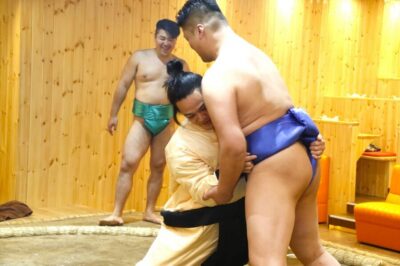 ★ 4.8Sumo Show Experience with Chicken Hot Pot and a PhotoFrom $1036,678 reviews
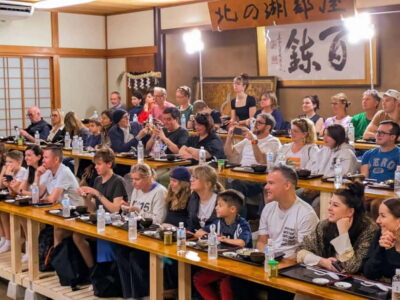 ★ 4.8Sumo Show and Dining ExperienceFrom $792,742 reviews
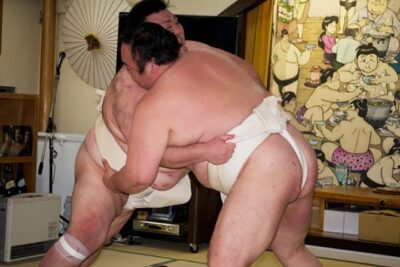 ★ 5.0the SUMO showFrom $891,960 reviews
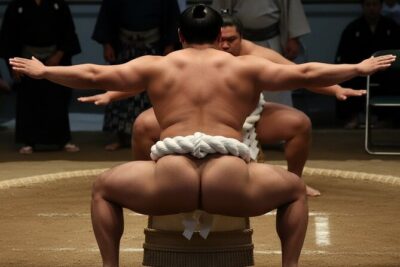 ★ 5.0Tokyo Shinjuku Sumo Show & Experience with PhotoFrom $791,750 reviews
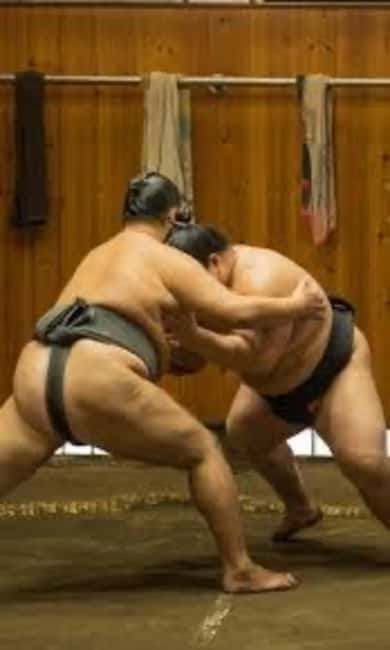 ★ 4.8Sumo Show and Experience in ShinjukuFrom $691,001 reviews
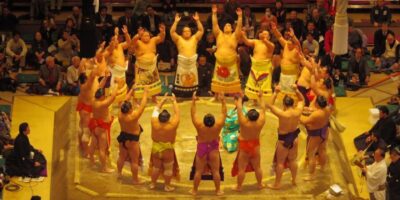 ★ 4.6Sumo Tournament Tour with Chair Seat TicketsFrom $141753 reviews
 ★ 4.5Sumo Show & Experience w/ Optional Kimono & Hot PotFrom $77609 reviews
 ★ 5.0Authentic Sumo Experience in Tokyo: Enter the SanctuaryFrom $171603 reviews
Filed on these lists too