
REVIEW · TOURS WITH GOVERNMENT-LICENSED GUIDES
Tokyo Off the Beaten Path 6hr Private Tour with Licensed Guide
Tokyo feels huge until someone maps your day. This 6-hour private tour is built for that moment, pairing a licensed English-speaking guide with neighborhood wandering and a pick-your-sites plan. I especially like two things: you can customize the day around the parts of Tokyo you actually care about, and you get a guided way to understand older districts like Yanesen (Yanaka, Nezu, Sendagi) instead of just ticking off landmarks. One drawback to keep in mind, you are walking, and you will need to budget for optional transport like taxi or subway rides that are extra.
You meet your guide near your hotel area (on foot), then spend the day moving through local streets, shrines, markets, and gardens at a pace that can work for most people. Guides like Michio, Yoshi, Hideki, and Taka pop up in past guest experiences for being helpful with practical navigation like subway tips and calm pacing. Still, the day works best when you come with at least a rough idea of what you want to see, because the freedom to choose also means you should choose wisely to avoid spending too much time “deciding.”
In This Review
- Key Things to Know Before You Go
- How the 6-Hour Plan Really Fits Tokyo
- The Off-the-Beaten-Path Zone: Yanesen and Edo-Old Tokyo Vibes
- Nezu and Nezu Shrine (Edo-era architecture, minimal stress)
- Yanaka Ginza shopping street (old-street browsing)
- Yanaka Cemetery (quiet, scenic, and unexpectedly moving)
- Sendagi (the third piece of Yanesen)
- SCAI The Bathhouse (when you want art in a historic shell)
- Shibamata and Taishakuten-Sando: Old Tokyo at the Edge of Town
- Shibamata and Taishakuten-Sando (street character, food stalls, small shops)
- Shibamata Taishakuten (Nitenmon gate and wood carvings)
- Fukagawa: Canals, Temple Stops, and the Edo Museum Model Village
- Fukagawa Edo Museum (a late Edo village replica)
- Fukagawa Fudodo (more about carvings than the overall building)
- Tomioka Hachimangu and Kiyosumi Teien: Sumo Roots and Garden Time
- Tomioka Hachimangu (sumo tournament birthplace and festival ties)
- Kiyosumi Teien (a garden with merchant-era roots)
- Basho Memorial Museum: Literary Tokyo in About an Hour
- Asakusa, Kappabashi, and the Sensoji Orbit: Classic Tokyo With Local Texture
- Asakusa (starting point for the area)
- Kappabashi Street (kitchen tools and practical shopping)
- Asakusa Hanayashiki (old amusement park energy)
- Asakusa Nishisando (a covered shopping street look)
- Tsukiji Fish Market: The Food-Forward Stop
- Gotokuji Temple: Maneki-neko Origins in a Short Visit
- Getting Value for $155.22: Where the Price Makes Sense
- Transportation, Meetings, and Why Comfort Matters
- Who Should Book This Off-the-Beaten-Path Tokyo Tour
- Should You Book It?
- FAQ
- How long is the Tokyo Off the Beaten Path private tour?
- Is this tour private or shared?
- How many sites can I choose?
- What is included in the price?
- Are entrance fees included for the stops?
- Is transportation included?
- Does the tour include pickup from my hotel?
- Is free cancellation available?
- Is the tour mostly walking?
Key Things to Know Before You Go
- Choose 3-4 sites from a menu so you can shape the day around temples, markets, gardens, or old neighborhoods.
- Licensed local English guide means you’re not just seeing places, you’re learning how Tokyo works street by street.
- Walking-first format keeps you in the real Tokyo fabric, but plan for comfort and good shoes.
- Some admissions are free, some are not so you can control costs by picking mainly free-entry stops.
- Transport is your decision point taxis or public transit can be arranged by your guide, but they’re not included.
- Good match for “first Tokyo days” if you want orientation plus off-the-beaten-path neighborhoods in one go.
Licensed guides working the same ground
- Tokyo 6hr Private Tour with Government-Licensed Guide
★ 5.0 · 3,902 reviews - Tsukiji Food and Toyosu Market with Government-Licensed Guide
★ 5.0 · 158 reviews - Toyosu Market Morning Tuna Auction and Tsukiji Food Tour with Licensed Guide
★ 4.5 · 146 reviews - Tokyo 8hr Private Tour with Government-Licensed Guide
★ 5.0 · 121 reviews
How the 6-Hour Plan Really Fits Tokyo
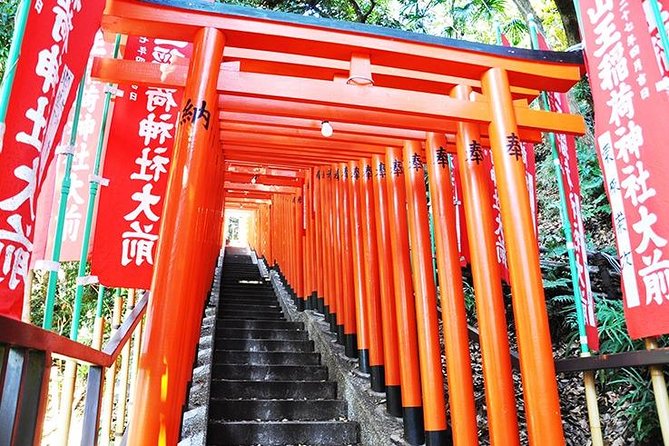
This tour is simple in spirit: you start with a meet-up near your hotel area, then your guide helps you build a route around three or four chosen stops. The “off the beaten path” label matters here because the focus is local neighborhoods and side streets, not a high-speed circuit of the headline attractions.
A big reason this format feels good is time budgeting. With 6 hours, choosing 3-4 sites keeps you from turning the day into a checklist sprint. You will likely spend part of the time walking between places, and part of the time stopping to look, ask questions, and take in the atmosphere.
Price is $155.22 per person. For a private, licensed guide, that can be good value, especially if you’re the kind of traveler who likes context and routing advice. The real cost variable is transport and admissions. The tour does not include transportation fees, lunch, or all entrance fees, so the total budget depends on which stops you pick and how you move between them.
The Off-the-Beaten-Path Zone: Yanesen and Edo-Old Tokyo Vibes
If you want that last-century Tokyo feeling, Yanesen is the obvious place to aim your day. The stops here are clustered around Yanaka, Nezu, and Sendagi, the kind of neighborhoods where side streets and small storefronts do most of the talking.
Nezu and Nezu Shrine (Edo-era architecture, minimal stress)
Nezu is described as an area that survived major war damage and natural disasters, which helps explain why it still feels older than much of central Tokyo. You’ll get a free stop that acts like an easy warm-up, then Nezu Shrine (dating from 1706) gives you a proper architectural anchor.
Nezu Shrine is known for Edo-era shrine design with bold vermilion and gold lacquer details in the gongen-zukuri style. If you like places where craftsmanship is visible up close, this is the kind of stop you can actually enjoy without feeling rushed.
One consideration: shrines are peaceful by design, so the highlight is visual and atmospheric rather than “do a thing” activity. If you want constant motion, you may prefer to pair it with something like Yanaka Ginza shopping street afterward.
- Mt Fuji and Hakone 1-Day Bus Tour Return by Bullet Train★ 5.0 · 26,383 reviews
- 1-Day Tokyo Bus Tour★ 5.0 · 14,250 reviews
- Tokyo: teamLab Planets TOKYO Digital Art Museum Entry Ticket★ 4.6 · 9,779 reviews
- Mt Fuji & Hakone Cruise, Drum Show Bullet Train 1 Day from Tokyo★ 4.0 · 7,413 reviews
- Tokyo: Shinjuku Food Tour (13 Dishes at 4 Local Eateries)★ 5.0 · 6,603 reviews
Yanaka Ginza shopping street (old-street browsing)
Yanaka Ginza is a calm shopping street, and the vibe is part of the point. This is where you can pause for snacks, browse everyday shops, and watch local rhythm without the tourist crush you might see closer to the big stations.
Timing tip: go with lightweight expectations. This isn’t a warehouse shopping center, it’s small lanes and local commerce. The best experience comes from slow walking and stopping when something looks interesting.
Yanaka Cemetery (quiet, scenic, and unexpectedly moving)
Yanaka Cemetery is free to visit and is described as one of Tokyo’s largest graveyards, also one of its most picturesque. The avenue through the center is usually quiet now, but the place also carries weight from the past.
If you’re comfortable with reflective spaces, this stop can be surprisingly memorable. It’s not a “fun photo spot” in the usual way, so it works best when you’re open to the mood and the stories people attach to place.
Sendagi (the third piece of Yanesen)
Sendagi rounds out the Yanesen theme. Together, Yanaka, Nezu, and Sendagi are often referred to as Yanesen, and the big idea is that these areas retained an older feel after the Great Kanto Earthquake and World Wars.
Practical note: this cluster is ideal when you want to slow down and let the neighborhood lead the conversation. If you try to force too many different zones into your 3-4 choices, Yanesen can get chopped up and lose some of its charm.
SCAI The Bathhouse (when you want art in a historic shell)
SCAI The Bathhouse is a former bathhouse building that is over 200 years old. It connects that old structure with contemporary Japanese artists and some international participants.
This is one of the few stops in the day menu that has an admission ticket not included. If you plan your budget tightly, you could swap it out for another free stop like Yanaka cemetery or Sendagi. If you love art and architecture, it can be a great bridge between old Tokyo and modern creativity.
Shibamata and Taishakuten-Sando: Old Tokyo at the Edge of Town
Shibamata is on Tokyo’s eastern side near the Edogawa River, and it’s known for keeping an old-school feel. If Yanesen is about Edo-era calm, Shibamata often feels more like a living neighborhood story.
Shibamata and Taishakuten-Sando (street character, food stalls, small shops)
Taishakuten-Sando is a short, 200-meter road leading up to Taishakuten Temple. It’s filled with street food stalls and small shops, and many of the signs and storefront touches are described as traditional.
This is where you can take a break that still feels like touring, not “time to rest.” The only downside is you might be tempted to snack everything. Bring a plan for lunch so you don’t accidentally eat your whole budget in street bites.
Shibamata Taishakuten (Nitenmon gate and wood carvings)
Shibamata Taishakuten (Taishakuten Daikyoji Temple) is a Nichiren temple with an impressive Nitenmon Gate and wood carvings depicting the lotus sutra made between 1922 and 1934.
If you care about religious art and specific historical details, this stop delivers. It’s also free in the tour description, which helps you keep the day’s cost predictable.
Fukagawa: Canals, Temple Stops, and the Edo Museum Model Village
If you want another side of old Tokyo, Fukagawa works well. The stops here include both small temple time and larger “how Tokyo used to look” type visits.
Fukagawa Edo Museum (a late Edo village replica)
The Fukagawa Edo Museum is a replica of a village during the late Edo period, with different house types, a canal, and a fire watchtower. Admission is not included, so expect an extra cost if you choose it.
Still, this is exactly the kind of stop that helps you understand what you are looking at elsewhere. When you visit nearby shrines and streets later, the museum can give your brain a reference point.
Fukagawa Fudodo (more about carvings than the overall building)
Fukagawa Fudodo is described as a bit of a mishmash temple, not very beautiful overall, even though the wood carvings on the main building are rather nice. Admission is not included.
This is a classic “choose based on your taste” stop. If you’re chasing art and details, you might love it. If you only want dramatic architecture, you could swap it for another free stop in the area.
Tomioka Hachimangu and Kiyosumi Teien: Sumo Roots and Garden Time
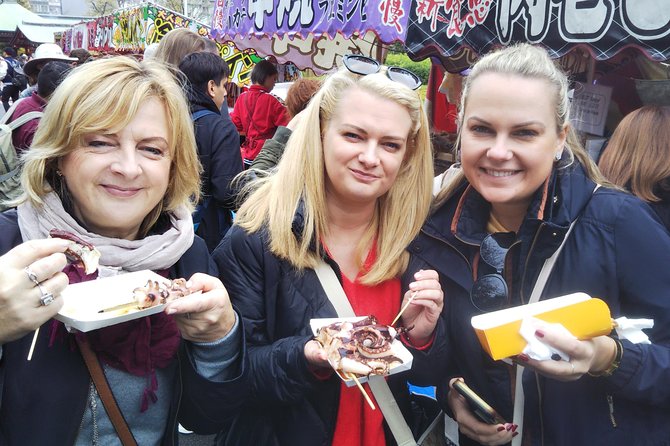
This part of the day adds two very different moods, shrine ritual and garden calm.
Tomioka Hachimangu (sumo tournament birthplace and festival ties)
Tomioka Hachimangu is noted as the birthplace of sumo wrestling tournaments and home to one of Tokyo’s largest Shinto festivals. The current shrine building dates from 1956 after bombing in World War II.
If you want Japan’s sports and religion tangled together, this stop is a smart choice. Even when there’s no festival happening, you get the context of how deeply ritual and community can shape tradition.
Kiyosumi Teien (a garden with merchant-era roots)
Kiyosumi Teien is a garden with ties to a merchant linked to citrus, lumber, and salmon in the Edo period. Admission is not included.
Garden stops can be tricky on a timed tour because you want the weather to cooperate. If you have any concerns about rain or time constraints, keep this as a “good if conditions are right” selection.
Basho Memorial Museum: Literary Tokyo in About an Hour
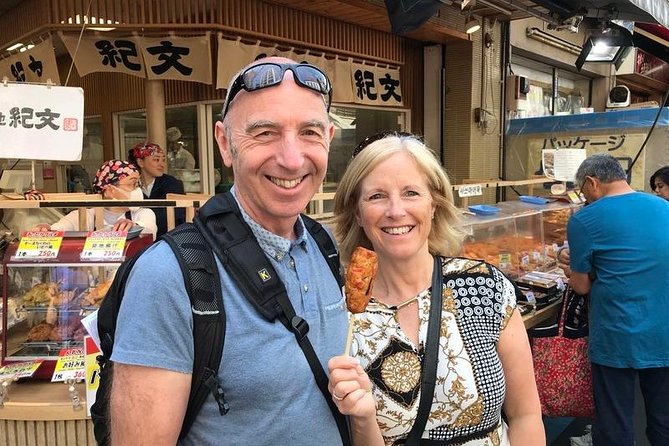
The Basho Memorial Museum is listed as a one-hour stop, and it centers on Matsuo Basho, the famous Edo-period poet. It’s described as the place where he wrote many of his masterpieces and was the starting point for many travels.
If you like literature and historical figures, this is a good use of one of your limited sites. Since it’s not included for admission, check costs ahead when budgeting.
Asakusa, Kappabashi, and the Sensoji Orbit: Classic Tokyo With Local Texture
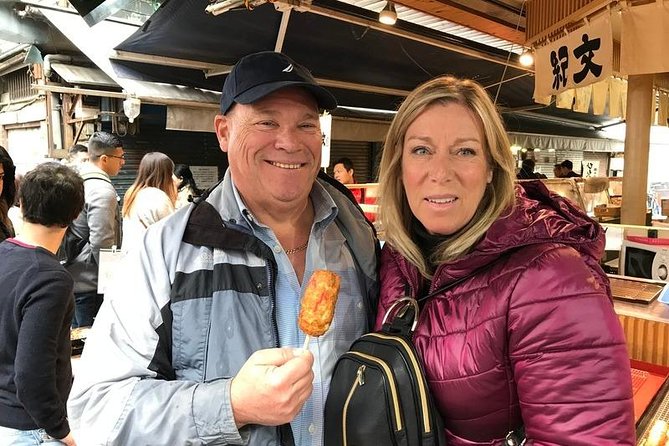
Asakusa is one of those areas that can feel touristy at a glance, but this tour menu helps you shape it into something more “walk and understand” instead of “stand in line.”
Asakusa (starting point for the area)
The Asakusa stop itself is free and is positioned as a place the tour uses to move efficiently in one day. If you choose multiple Asakusa-related stops, your guide can keep you from backtracking.
Kappabashi Street (kitchen tools and practical shopping)
Kappabashi Street, also called Kappabashi Dogugai, is known for kitchen supply vendors selling knives, chopsticks, dishes, and more at fair prices. This is a great stop for travelers who like souvenirs that are actually useful.
One warning from experience in shops like this, take your time with pricing and carry rules. You may spot small irresistible items that add up fast, so deciding what category you want to buy helps.
Asakusa Hanayashiki (old amusement park energy)
Hanayashiki was founded in 1853 and is one of Japan’s oldest amusement parks. Admission is not included.
This is best if you have kids, playful spirits, or you enjoy mechanical history. If your group is more temple and market focused, you might skip it.
Asakusa Nishisando (a covered shopping street look)
Asakusa Nishisando is a covered shopping street you reach by turning left when facing Sensoji Temple. The tour describes it as looking like something you would see in a movie, which hints at the visual consistency you get here.
This is a nice “slow your pace” stop that still feels like part of the sightseeing story.
Tsukiji Fish Market: The Food-Forward Stop
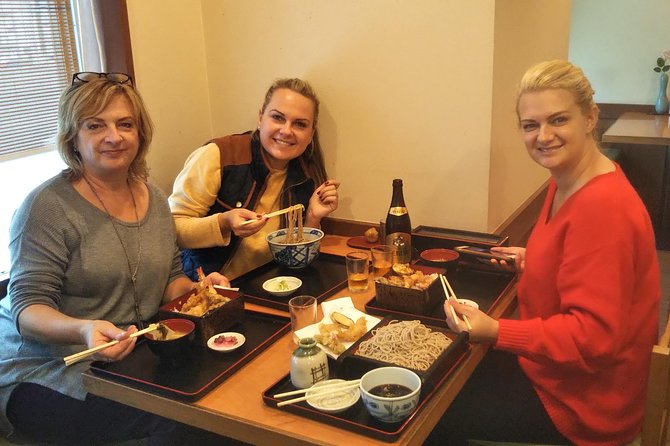
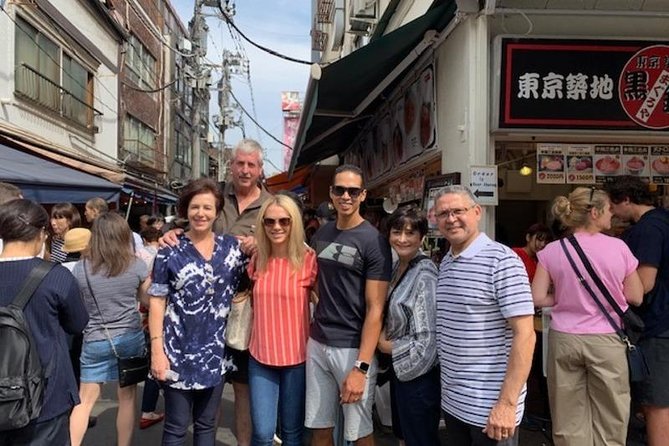
Tsukiji Fish Market is included as a free stop, and it’s a great choice if your idea of Tokyo includes food culture. The key benefit of having a guide here is route and timing logic, so you spend less time guessing and more time actually looking around.
Practical note: this is also a place where you might want lunch. Since lunch is not included, plan whether you’ll eat near the market or save your appetite for later.
Gotokuji Temple: Maneki-neko Origins in a Short Visit
Gotokuji Temple is described as the Buddhist temple said to be the birthplace of the maneki-neko, the luck-inviting cat figurine. This is a short stop at about 10 minutes and is free.
If you’re a fan of the iconic cat charm, this gives you the origin story in a compact time window. It’s also a good pick if you want one quick cultural anchor without committing to a longer museum or garden.
Getting Value for $155.22: Where the Price Makes Sense
At $155.22 per person, you’re paying for a licensed guide plus a private format where the schedule can bend around your choices. The biggest cost saver is that many stops in the menu are free, which helps you keep total out-of-pocket expenses under control.
Here’s how to think about the money:
- If you pick mostly free sites like Nezu Shrine, Yanaka Ginza, Yanaka Cemetery, Sendagi, Shibamata, Taishakuten-Sando, and Asakusa-related stops, your day can stay close to the base price.
- If you select paid-entry stops like SCAI The Bathhouse, Fukagawa Edo Museum, Kiyosumi Teien, or Hanayashiki, then your total cost rises, but you also add experiences that are harder to recreate solo.
- Transport is extra. The tour notes taxi or public transport can be arranged by your guide at additional expense. That means your route choices affect your final total.
Value also comes from practical help. In past experiences shared by guide names like Taka and Yoshi, guests emphasized how helpful guides were with navigating the subway system. Even if you are comfortable using transit, that kind of support can reduce stress and wasted time.
Transportation, Meetings, and Why Comfort Matters
This is a walking tour. Pick-up is offered, but the guide meeting is on foot within a designated area of Tokyo. That means you should be prepared to walk from a nearby meeting point rather than expect a driver to pick you up at your exact front door.
Your guide can organize travel by taxi or public transport, but those transport fees are not included. For many of your stop pairs, walking might work for parts of the day, but longer jumps between neighborhoods likely mean some transit.
For comfort, plan your shoes like it’s a full walking day. The tour menu includes lots of short stops around 10 to 15 minutes, plus at least one longer visit around an hour. Those add up, especially in warm or rainy conditions.
Also consider your own pace. Some people love switching streets and scenes often. Others prefer fewer stops with longer moments. The customizable site list makes this a good match if you know your style.
Who Should Book This Off-the-Beaten-Path Tokyo Tour
This tour is a strong fit if you want Tokyo to feel human scale. I’d point you here if you like neighborhood atmosphere, religious and historical context, food-adjacent streets, and the kind of guidance that helps you avoid getting lost in transit.
It’s especially worth it if you have a limited time window and still want more than the usual postcard hits. Yanesen plus Shibamata, or Asakusa plus Tsukiji, gives you a mix of old Tokyo and food culture without sprinting all day.
Where it might not be ideal is if you want a fully scheduled, no-decisions tour with minimal walking and included admissions everywhere. The tour gives you freedom, but that freedom requires you to choose and show up with a direction.
Should You Book It?
If your goal is to experience Tokyo through neighborhoods, smaller streets, shrines, and markets, I think this is a smart booking. The licensed guide component plus the ability to choose 3-4 sites is a practical combo, and the menu includes enough free options to keep the day budget friendly.
Book it if you can handle walking and you want someone to help you route around real Tokyo. Skip it if you’re mainly chasing a single “must see” landmark and you want everything fully included and low effort.
FAQ
How long is the Tokyo Off the Beaten Path private tour?
It runs for about 6 hours.
Is this tour private or shared?
This is a private tour/activity, and only your group participates.
How many sites can I choose?
You can customize your itinerary and choose three or four sites from the provided list of stops.
What is included in the price?
The price includes a licensed local English-speaking guide, a customizable tour of your chosen 3-4 sites, and a meeting with the guide on foot within the designated area.
Are entrance fees included for the stops?
Some sites list admission as free, while others say admission tickets are not included. Entrance and guide entry fees are only covered for sights listed under what to expect.
Is transportation included?
No. Transportation fees are not included, and taxi or public transport, if used, is organized by the guide at an extra cost.
Does the tour include pickup from my hotel?
Pickup is offered, but the guide meeting is on foot within a designated area of Tokyo.
Is free cancellation available?
Yes. You can cancel for a full refund up to 24 hours in advance.
Is the tour mostly walking?
Yes. It is a walking tour, and most travelers can participate. Service animals are allowed.
Licensed Guides on the Same Ground
Newest Tokyo write-ups from the Loving Japan desk
Tours with Government-Licensed Guides, side by side.
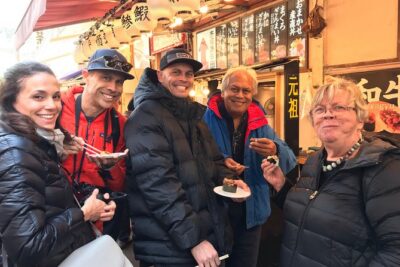 ★ 5.0Tokyo 6hr Private Tour with Government-Licensed GuideFrom $1553,902 reviews
 ★ 5.0Kyoto 6hr Private Tour with Government-Licensed GuideFrom $1551,369 reviews
 ★ 5.0Hiroshima / Miyajima Full-day Private Tour with Government Licensed GuideFrom $2021,298 reviews
 ★ 5.0Kyoto 4hr Private Tour with Government-Licensed GuideFrom $109629 reviews
 ★ 4.8Private Tour with Local Licensed GuideFrom $106463 reviews
 ★ 5.0Hiroshima City 4hr Private Walking Tour with Licensed GuideFrom $122437 reviews
 ★ 5.0Private Kyoto Tour with Licensed Guide & Vehicle (Max 15 persons)From $634417 reviews
 ★ 5.0Osaka 4hr Private Tour with Government-Licensed GuideFrom $109359 reviews
Filed on these lists too