
REVIEW · JAPANESE CRAFT AND CALLIGRAPHY WORKSHOPS
Tokyo Original Shoes Making 1 Day Workshop / Ready made orders
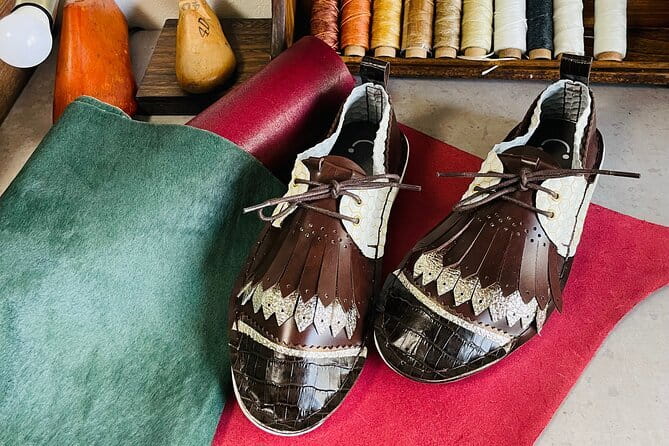
Make Tokyo shoes, one stitch at a time. In a private group at Leather Atelier HaruKa, you design a pair from scratch, picking your pattern and a sole, then selecting standout materials like Japanese or Italian leather and even antique kimono fabrics. The only drawback: there are plenty of choices, so arrive ready to decide on style and color.
This hands-on class runs about 6 hours from Jiyugaoka in Meguro City, and it ends back at the meeting point. You sketch and assemble a draft with guidance, then a professional shoemaker completes your pair and delivers it during your Tokyo stay, so you do not have to hunt for the finished product later.
In This Review
- Key Things I’d Book It For
- Jiyugaoka Setup: Why This Workshop Feels Local, Not Tourist-Stagey
- Choosing Your Shoe Style and Sole, Before You Touch Leather
- Step 1: Select your shoe pattern
- Step 2: Select your sole
- Step 3: Fitting and selecting size
- Material Choices That Actually Shape the Final Look
- Step 4: Choose materials
- A practical tip before you choose
- From Pattern to Draft in One Day: How the Workshop Flows
- How long it really takes
- What makes the teaching style valuable
- Delivery During Your Tokyo Stay: The Best Part After the Sewing
- Price and Value: Is $164.22 Worth It?
- You are buying three things that shops cannot replicate
- Who the price fits best
- What to Wear, Bring, and Decide Ahead of Time
- What you should bring
- What to decide ahead of time (light prep)
- Communication matters
- Who Should Book This Workshop, and Who Might Prefer Something Else
- Should You Book Tokyo Original Shoes Making (1 Day Workshop)?
- FAQ
- How long is the Tokyo Original Shoes Making workshop?
- Where does the workshop start and end?
- What styles and shoe types can I choose from?
- What sole options are available, and do they depend on size?
- Can I order ready-made shoes instead of making them from scratch?
- Is cancellation possible for a full refund?
Key Things I’d Book It For
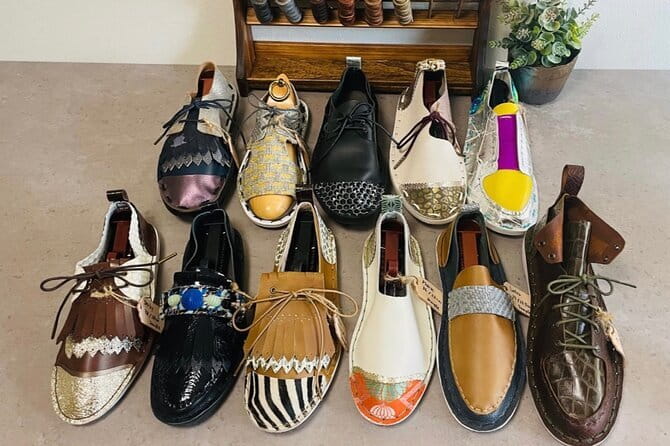
- Choose the exact shoe shape: pick from Derby, Macalon, Plain, Open, Lofer, and hi-cut or low-cut sneakers (with optional kilties)
- Match the sole to your style and size: flat or platform soles with specific size ranges
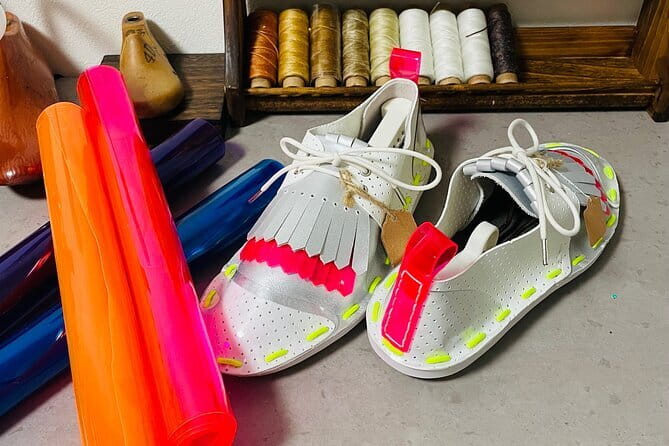
- Material options go beyond leather: Japanese leather, Italian leather, furs, PVC, tweed, ribbon lace, and antique kimono fabrics
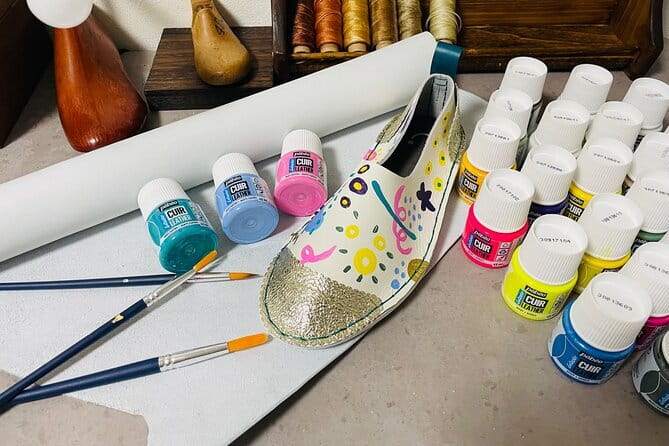
- You can add your own pattern: paints let you draw your own design details
- Private group focus: your personal group works together with a teacher-led process
- Ready-made orders are possible: same flow through choosing materials and setup, then delivery during your stay
Make something to take home. Other workshops
- Tokyo Shinjuku Chopsticks Making Class
★ 5.0 · 1,763 reviews - Chopstick Making Workshop in Ginza
★ 4.8 · 1,366 reviews - Tokyo Sumo Experience: Chanko & Mochi with a Former Pro
★ 4.8 · 567 reviews - Kintsugi Experience: Art of Golden Joinery in Tokyo
★ 5.0 · 467 reviews
Jiyugaoka Setup: Why This Workshop Feels Local, Not Tourist-Stagey
The experience starts in Jiyugaoka, Meguro City, a real neighborhood base that feels calmer than central Tokyo. The meeting point is near public transportation, and the session ends back where you started. That simple start-stop rhythm matters because shoe-making can take mental energy, and you want your day to feel organized.
Another plus is the time window. The atelier is open daily from 10:00 AM to 10:00 PM, but your exact start time is something you arrange after booking. The message-after-booking note is practical: you message the provider with your availability, and they confirm a start time based on their schedule. On a busy Tokyo trip, that flexibility is gold.
This is also a mobile ticket experience, which usually means less paper handling and fewer last-minute surprises.
Choosing Your Shoe Style and Sole, Before You Touch Leather
Your first big win is that you start by selecting the building blocks of your shoe. You do not jump into random steps. You begin with the outline, then you narrow down.
Step 1: Select your shoe pattern
You can choose from:
- Derby
- Macalon
- Plain
- Open
- Lofer
- Sneaker (hi-cut or low-cut)
Kilties are optional, and that matters if you want a more traditional or decorative look. The listing calls them shoes kilties, with an added fee of +¥3,850 (optional fees are not included).
- Mt Fuji and Hakone 1-Day Bus Tour Return by Bullet Train★ 5.0 · 26,383 reviews
- 1-Day Tokyo Bus Tour★ 5.0 · 14,250 reviews
- Tokyo: teamLab Planets TOKYO Digital Art Museum Entry Ticket★ 4.6 · 9,779 reviews
- Mt Fuji & Hakone Cruise, Drum Show Bullet Train 1 Day from Tokyo★ 4.0 · 7,413 reviews
- Tokyo Mt Fuji 5th St & Hakone Cruise Bus Tour w/Bullet Train★ 4.4 · 5,024 reviews
Step 2: Select your sole
This is where you should think in terms of comfort, height, and what you plan to do in Tokyo after. There are three sole types:
- Flat / White: sizes 33 to 45
- Platform / White: sizes 35 to 40
- Platform / Black: sizes 35 to 40
That size limitation on platform soles is the only tricky part. If you want a platform look, check your size range early so you do not get pushed into a second choice.
Step 3: Fitting and selecting size
Sizes run from 33 to 45. If you have narrow or wide preferences, you will want to communicate that as early as possible during fitting, because your sole and your pattern choice lock in a lot of the final feel.
Material Choices That Actually Shape the Final Look
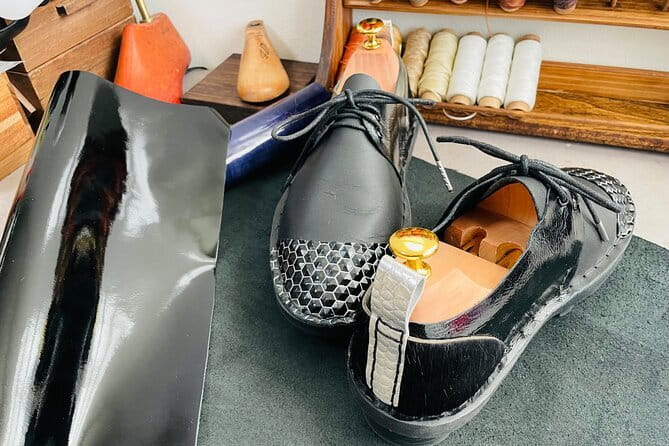
Tokyo is a shopping dream, but this is different because you are building the visual story yourself. One of the most praised elements is the variety of materials, and the way the teacher keeps decisions manageable.
Step 4: Choose materials
Your options include:
- Japanese-made leather
- Italian leather
- furs
- PVC
- tweed
- ribbon lace
- antique kimono fabrics
That list is the real selling point. Leather gives you classic structure. Antique kimono fabrics bring texture and pattern that you cannot easily replicate in a store. Ribbon lace can make a shoe look delicate even when the silhouette is simple.
You can also draw your own patterns with paints. That is a smart feature because it turns the workshop from copy-and-paste custom into true personal design. If you are worried you are not creative, paints are often easier than sketching a full template. You can add small signatures, borders, or color blocks rather than reinventing the shoe from scratch.
A practical tip before you choose
If you want the process to feel smooth, do a quick decision pass before you arrive:
- Pick one main material that will dominate the shoe
- Pick one accent that makes it yours (lace detail, kimono fabric panel, or a painted pattern)
- Decide whether you want a classic shoe look or a statement piece
That order reduces mental load while you are sitting at the atelier.
From Pattern to Draft in One Day: How the Workshop Flows
This workshop is built around a clear 1-day rhythm. The key is that you participate in the creation, not just watching. You will design, select, assemble, and finish a draft, while a professional shoemaker handles the final crafting.
Here is what you can expect in the session:
- Select pattern and sole, then pick your size
- Choose materials and decide on your design concept
- Create and assemble a draft with teacher guidance
- Finish assembly details using the workshop method
The listing notes that assembly can be done with ropes or needle and thread. That is important context because it helps you understand what kind of workshop this is. This is not a quick form-filling class. You are doing hands-on work with actual components.
How long it really takes
Depending on your pattern and design, finishing can take 3 to 8 hours. The overall experience duration is listed as about 6 hours. That usually means your day is structured around your design complexity. If you pick a simple style and fewer material combinations, the workshop can feel efficient. If you pick layered fabrics, lace accents, or painted pattern elements, expect more time spent crafting and refining.
What makes the teaching style valuable
The strongest reviews emphasize that the teacher is patient and gives clear instructions. Another common theme is that the process helps you avoid overwhelm from too many options. That matters because shoe design can be a rabbit hole. Here, the steps guide you toward a workable draft instead of letting you stall at indecision.
Delivery During Your Tokyo Stay: The Best Part After the Sewing
One of the reasons this workshop works well for visitors is that you do not have to carry your half-finished or finished shoes around Tokyo all day. After you finish your draft and the shoemaker completes the final pair, you receive the shoes during your stay in Tokyo.
That means:
- fewer logistics on your feet
- less worry about fit changes while you keep walking around
- more time spent doing Tokyo things rather than making multiple return trips
The listing also notes that you can place ready made orders. The process is the same through step 4, which is where you choose patterns, sole, size, and materials, and then delivery happens during your stay. If you are visiting with limited time and still want custom material choices, that option can be a lifesaver.
Price and Value: Is $164.22 Worth It?
The price is $164.22 per person, and the big value factor is what is included. You get:
- materials and rental of tools
- all fees and taxes
You do not have to budget separately for supplies. Transportation is not included, and optional fees can add cost, like the kilties (+¥3,850).
So what are you really buying here?
You are buying three things that shops cannot replicate
- Design authorship: you choose the shoe pattern, sole type, and materials that create the visual identity
- Hands-on making: you assemble and finish a draft using teacher guidance, including assembly methods like rope or needle and thread
- A finished pair delivered during your stay: you avoid the carry-and-collect dance that many workshops force on you
If you priced out custom shoemaking retail options in Tokyo, you would likely see how quickly costs rise. This workshop packages the experience into one day, with a guided process and included materials.
Who the price fits best
It makes the most sense if:
- you want something you cannot easily buy off the shelf
- you enjoy craft and are willing to make design decisions
- you want a meaningful souvenir that you will actually wear
What to Wear, Bring, and Decide Ahead of Time
The tour info says most travelers can participate, so it is not restricted to expert makers. Still, you should show up ready.
What you should bring
You do not need to source materials, because everything is provided. That is the point of this class. You mainly need:
- your preferred shoe size (you will be fitted during the session)
- a clear sense of what you want the shoe to look like
- comfort with hands-on instruction
What to decide ahead of time (light prep)
Before you message Haruka to coordinate your start time, it helps to think about:
- pattern style from Derby, Macalon, Plain, Open, Lofer, or sneaker (hi-cut or low-cut)
- whether you want a flat sole or platform sole (and if platform fits your size range)
- which material feels most like you: leather classic, kimono fabric character, or lace detail
Communication matters
After booking, you should message to confirm your availability and arrange the start time. The contacts and link are provided on your ticket voucher. This avoids any awkward timing issues and gets you into the atelier when the setup is ready.
Who Should Book This Workshop, and Who Might Prefer Something Else
This workshop is ideal for you if you:
- love Tokyo craft culture and want a hands-on activity that feels personal
- want a custom shoe that reflects your material taste, especially if you like Japanese textiles
- enjoy clear step-by-step teaching and want a guided design process
It might be less ideal if you:
- want the lowest-stress option with minimal decisions (you will choose from many styles and materials)
- are only looking for a quick souvenir photo (this is a real build process)
If you are the type who gets satisfaction from making small things with your hands, this will feel like a good use of your time in Tokyo.
Should You Book Tokyo Original Shoes Making (1 Day Workshop)?
I think you should book if you want a wearable craft souvenir and you like the idea of choosing materials like Japanese leather or antique kimono fabric. The structure is built to keep you moving, not stuck. The best part is that you do not just design, you also assemble a draft, then you get the finished pair delivered during your stay.
If your trip is short and you still want the custom material side, consider the ready made order option where the process runs through the decision steps and then delivery takes over.
If you hate decision-making, do not come expecting zero choices. You will pick a style, a sole, a size, and materials. But if you prepare one main look and one accent idea, the experience should feel focused, not chaotic.
FAQ
How long is the Tokyo Original Shoes Making workshop?
The duration is listed as about 6 hours.
Where does the workshop start and end?
It starts at Jiyugaoka, Meguro City, Tokyo 152-0035, Japan, and ends back at the meeting point.
What styles and shoe types can I choose from?
You can choose from Derby, Macalon, Plain, Open, Lofer, and Sneaker options (hi-cut or low-cut).
What sole options are available, and do they depend on size?
There are flat and platform soles. Flat/White is available for size 33 to 45. Platform/White and Platform/Black are listed for sizes 35 to 40.
Can I order ready-made shoes instead of making them from scratch?
Yes. Ready made orders are welcome, and the process follows the same flow through step 4, with delivery during your stay in Tokyo.
Is cancellation possible for a full refund?
Yes. You can cancel up to 24 hours in advance for a full refund.
Made by Hand, and Yours to Keep

Newest Tokyo write-ups from the Loving Japan desk



Japanese Craft and Calligraphy Workshops, side by side.
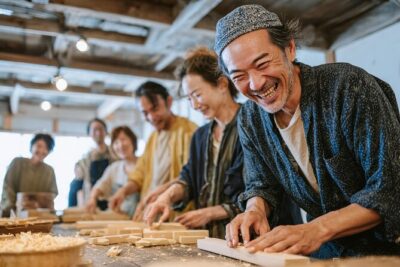 ★ 5.0Tokyo Shinjuku Chopsticks Making ClassFrom $201,763 reviews
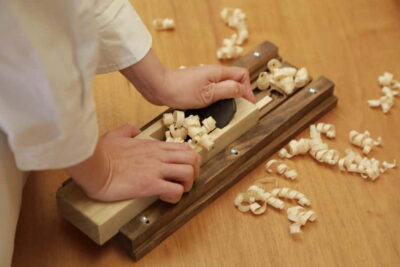 ★ 4.8Chopstick Making Workshop in GinzaFrom $251,366 reviews
 ★ 5.0Chopsticks Making Workshop in Gion with Engraving OptionFrom $15958 reviews
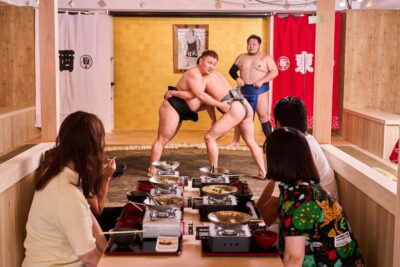 ★ 4.8Tokyo Sumo Experience: Chanko & Mochi with a Former ProFrom $103567 reviews
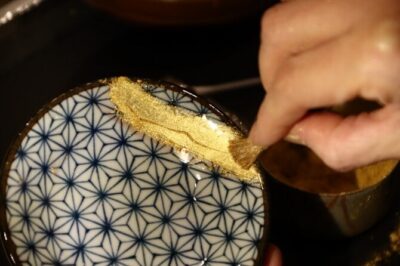 ★ 5.0Kintsugi Experience: Art of Golden Joinery in TokyoFrom $59467 reviews
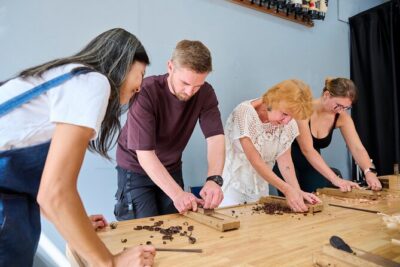 ★ 5.0Tokyo Chopstick Making Workshop with ArtisanFrom $26466 reviews
 ★ 4.9Matcha Making Experience with Mochi Sweets in AsakusaFrom $22388 reviews
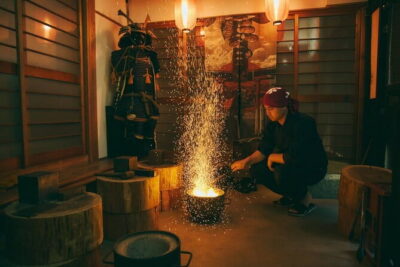 ★ 4.8Authentic knife making experience at a blacksmith in KyotoFrom $154350 reviews
Filed on these lists too