
REVIEW · SUSHI AND SASHIMI EXPERIENCES
Tokyo Professional Sushi Chef Experience
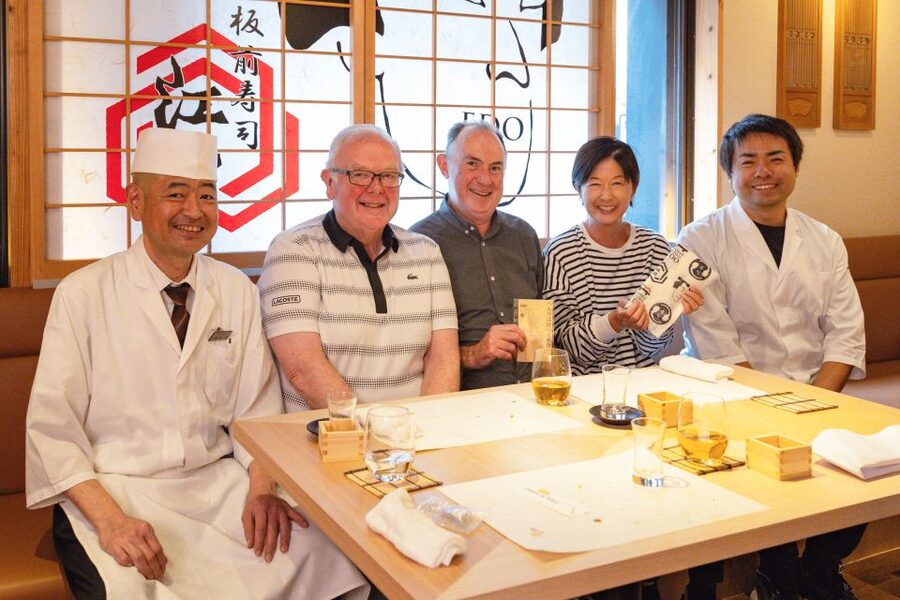
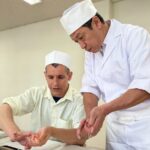
Learning sushi the right way is easier when you can watch and do it. This Tokyo Professional Sushi Chef Experience puts you in a real sushi restaurant setting with an Itamae, so you learn technique, not just theory. I especially like the focus on fresh wasabi and the step-by-step approach to sushi rice shari. One thing to consider is that this is an active, hands-on class, and children under 10 are not suitable.
You get a small group (limited to 8) and an instructor-led flow, with English support so you can follow along clearly. The best part is the variety of what you make and taste, from classics like negitoro to richer items like uni and chutoro. A possible drawback is the room rules, like no smoking indoors and no strong fragrances, which can feel strict if you are used to bringing strong scents or perfume.
In This Review
- Quick “why this works” highlights
- The 2-hour flow, from apron to first bites
- Fresh wasabi and the scent test you will remember
- Sushi rice shari, the part that makes or breaks everything
- Hand-rolled sushi with premium nori, plus the finger skills
- Watch the fish prep, then try cutting and forming
- The tasting table, uni to akami and beyond
- Wakame udon and the included drink that keeps it social
- Vegetarian and allergy-friendly choices without losing the point
- Who should book this sushi chef experience
- Is $161 per person worth it? Look at what you actually get
- Bottom line: should you book it?
- FAQ
- How long is the Tokyo sushi chef experience?
- What is the group size?
- Is the experience taught in English?
- Do you offer vegetarian or allergy-friendly options?
- What sushi items will we make and taste?
- Is there food and a drink included?
- Is this experience suitable for children?
- What is included in the price?
- Can I cancel for a full refund?
Quick “why this works” highlights
- Itamae-led technique: Learn directly from a master sushi chef with 30 years of experience.
- Fresh wasabi grating: Real wasabi, not shortcuts, and you taste the difference right away.
- Shari fundamentals: You practice the key steps behind sushi rice seasoning and texture.
- Real restaurant setting: You work in the atmosphere of where people actually eat sushi in Tokyo.
- Tasting lineup in one session: Uni, negitoro, hirame, kuruma-ebi, chutoro, akami, plus wakame udon and a drink.
- Small group pacing: Limited to 8 participants, so you are not lost in a crowd.
Counters and courses we sat at around Tokyo
- Sushi Making Tokyo Roll and Authentic Japanese Sushi Class
★ 5.0 · 3,971 reviews - Tokyo: Roll and Authentic Sushi Making Class in Asakusa
★ 4.9 · 1,957 reviews - Make Sushi and Create Unforgettable Memories in Tokyo
★ 5.0 · 1,413 reviews - Tokyo: Sushi Making Class in a Happi Coat near a Famous Spot
★ 4.9 · 1,377 reviews
The 2-hour flow, from apron to first bites
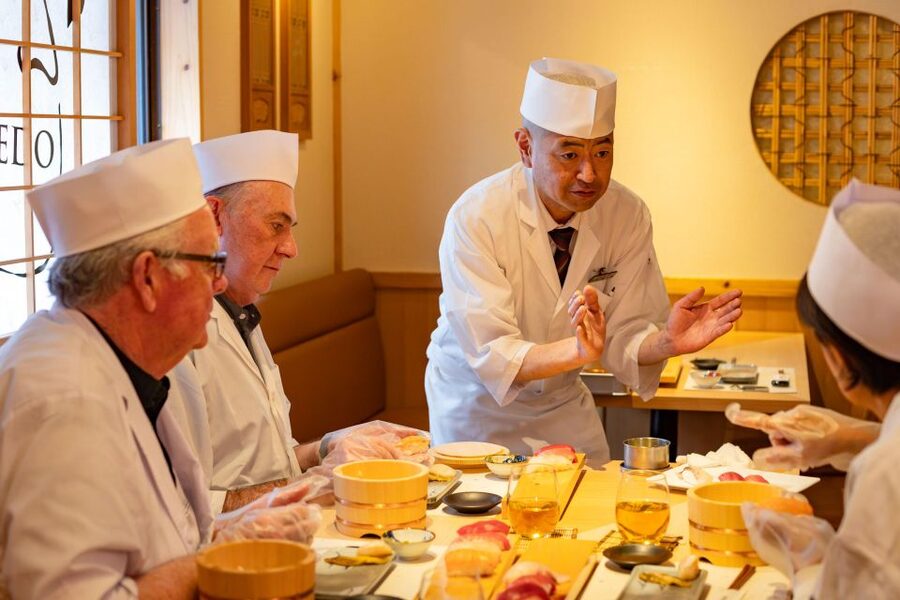
This class runs for 2 hours, so you get enough time to do more than watch. The structure is practical: you start with basics that make everything else easier, then move into building sushi step by step. Even if you have never held sushi rice before, the pace is designed so you can keep up.
A detail I like is that the experience feels like a working kitchen lesson. You are learning how sushi makers think, from how to handle ingredients to how to execute each motion. In that kind of setup, you also pick up the rhythm of the craft, which is hard to get from a studio kitchen far from the real restaurant world.
The class is taught in English, with interpretation support, and it stays hands-on. You will do the key parts yourself, then taste what you made. That matters because sushi is all about tiny choices, and you cannot fully understand them until you try.
Fresh wasabi and the scent test you will remember
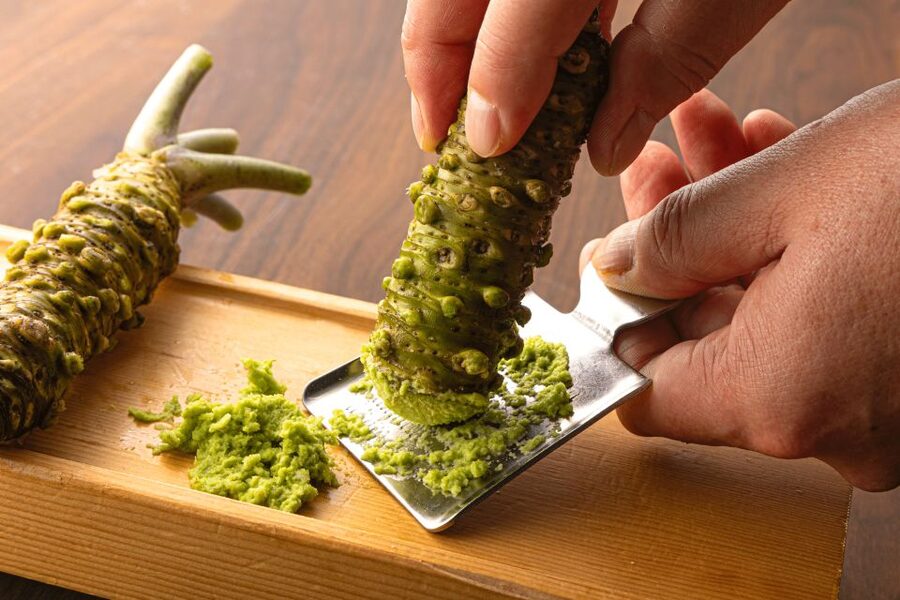
One of the most memorable parts is the wasabi moment. Instead of powdered convenience, you grate real wasabi, then taste it while it is fresh. That flavor hits differently than what you usually get with sushi in many places, and you learn what it is actually doing in the bite.
Wasabi is more than heat. In a proper sushi context, it works with the fish and the rice, and it can change how you perceive sweetness, fat, and texture. Learning it in the moment helps you connect cause and effect, not just memorize a step.
You also learn the practical handling. Real wasabi is pungent and fragrant, so the class rules about strong smells and staying focused make sense. This is not the kind of activity where distractions help, because the goal is accuracy and clean technique.
Sushi rice shari, the part that makes or breaks everything
Sushi starts with the rice, and this class makes that clear. You prepare sushi rice and learn the secrets of perfect shari, the seasoned rice foundation used for nigiri and other styles. If you have ever eaten great sushi and wondered why it tastes so balanced, shari is a big part of the answer.
What you are really practicing is consistency: how the rice should feel, how it should be handled, and how seasonings work with warm rice texture. You are not just assembling a roll, you are learning the base that everything else relies on. Once you understand that, making sushi at home gets dramatically easier.
The class also gives you the right context for shari. Sushi rice is not cooked and forgotten, it is treated like a key ingredient. That mindset is what you want to take home so your first homemade attempt tastes intentional, not accidental.
- Mt Fuji and Hakone 1-Day Bus Tour Return by Bullet Train★ 5.0 · 26,383 reviews
- 1-Day Tokyo Bus Tour★ 5.0 · 14,250 reviews
- Tokyo: teamLab Planets TOKYO Digital Art Museum Entry Ticket★ 4.6 · 9,779 reviews
- Mt Fuji & Hakone Cruise, Drum Show Bullet Train 1 Day from Tokyo★ 4.0 · 7,413 reviews
- Tokyo Mt Fuji 5th St & Hakone Cruise Bus Tour w/Bullet Train★ 4.4 · 5,024 reviews
Hand-rolled sushi with premium nori, plus the finger skills
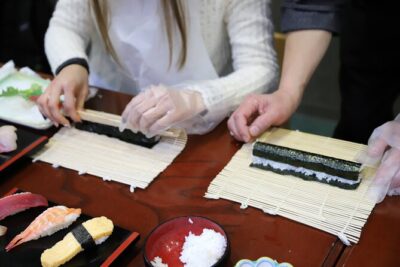
You will also make hand-rolled sushi, including working with premium nori. This is where a lot of people realize sushi technique is physical. Your hands learn the motions, and you feel how ingredients behave together, especially when nori meets rice and fillings.
Hand-rolled sushi is a great gateway skill because it is forgiving enough to practice, but still precise. You learn how much rice to use, how to distribute it, and how to keep the roll neat. Even without becoming a sushi artisan overnight, this is the kind of technique that impresses friends fast.
If you are the type who likes to learn with your body, this portion is a win. You are doing the work, not just watching someone else do it. And when the nori and rice align correctly, the texture contrast is exactly what you want.
Watch the fish prep, then try cutting and forming
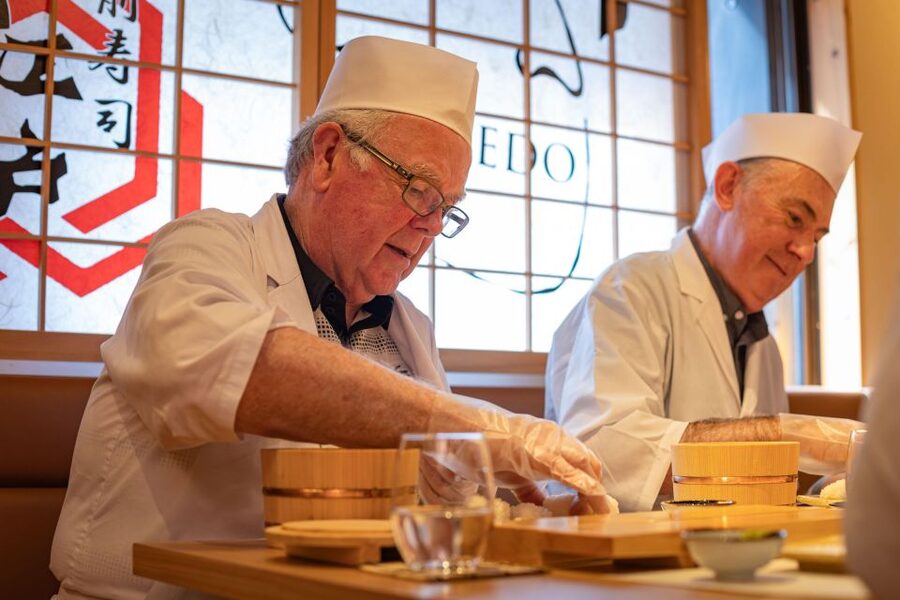
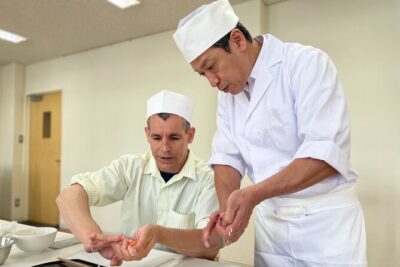
You do more than assembly. The experience includes demonstrations of fish preparation and sushi techniques, so you can see how professionals approach cutting and handling before you form your own pieces. That visual step matters because fish quality and knife work are tightly connected to how sushi eats.
In a real restaurant environment, those prep techniques also show hygiene and workflow. Sushi is about clean handling and careful timing, and watching the process helps you understand why pros move the way they do. You start to notice details like how fish is portioned and how it is treated before it hits the rice.
Then you transition from watching to doing. You practice forming sushi pieces so the fish and rice balance in the bite. When you combine a demo with hands-on practice, your brain makes better connections. That is one reason this kind of class feels like it moves faster, because the learning sticks.
The tasting table, uni to akami and beyond
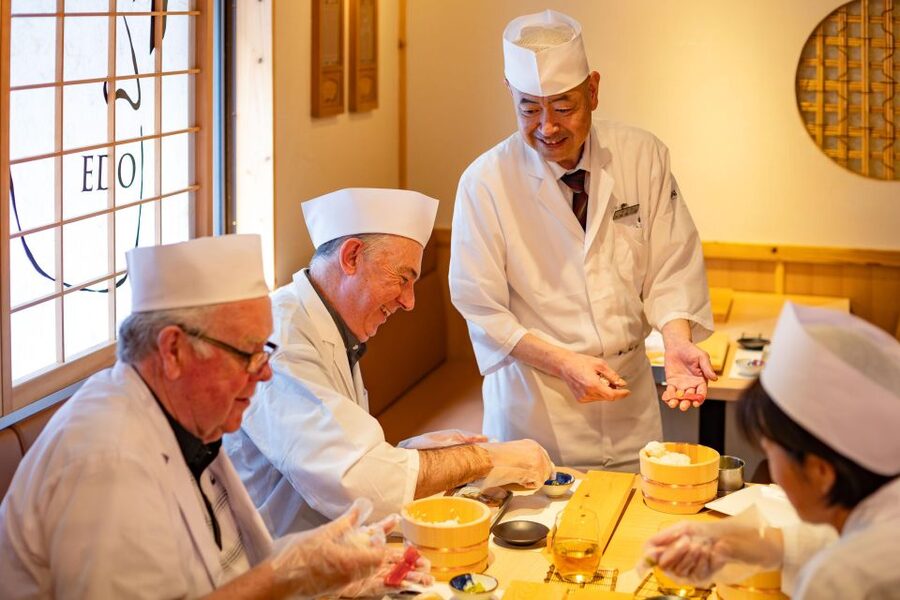
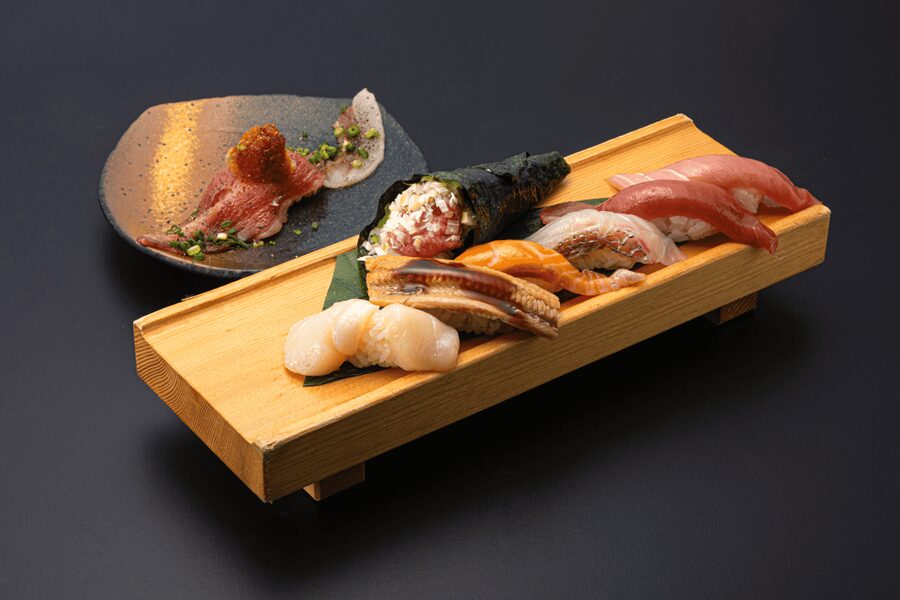
A big reason this experience rates so highly is the tasting lineup. You get to make and taste a set of sushi styles that covers different textures and flavor profiles: uni, negitoro, hirame, kuruma-ebi, chutoro, and akami. That range is helpful because it teaches you what makes each fish distinct, not just how to build one type of roll.
Here is why that lineup is smart for your learning:
- You taste fatty, rich pieces like uni and chutoro, so you learn how richness changes how rice should feel in the bite.
- You taste firmer varieties like hirame, so you understand the difference in texture and how it affects bite satisfaction.
- You taste negitoro, which teaches balance with seasoning and the role of rice as a neutral base.
- You try kuruma-ebi, which brings a different seafood character that rewards careful handling.
- You include akami, so you learn how lean fish tastes when it is treated correctly.
You also get to eat together, which turns the session into a real meal experience, not only a class. Adding tasting to technique makes the class feel complete. You leave knowing not just how something is made, but what it is supposed to taste like when it is done right.
Wakame udon and the included drink that keeps it social
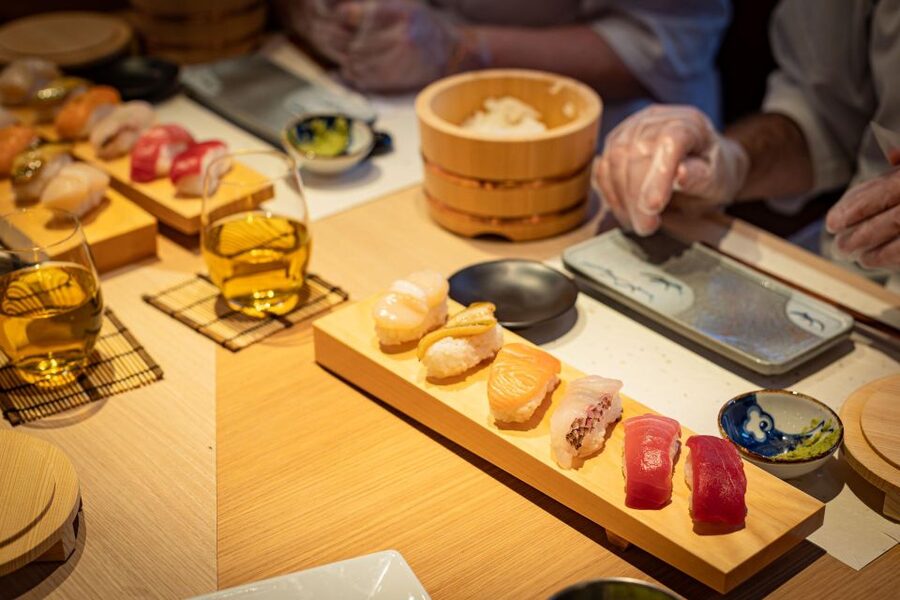
At the end, you get a special wakame udon plus a complimentary drink. The drink options include beer, sake, cola, or green tea, so you can choose what fits your comfort level.
Udon with wakame is a nice counterbalance after sushi. Sushi is delicate and fast-paced, and udon brings warmth and comfort to the meal. It also helps reset your palate before you judge your own sushi choices.
This food-and-drink finish also makes the experience feel less like a workshop and more like an actual dinner. That matters if you are traveling with family or friends and you want something memorable that still feels relaxing.
Vegetarian and allergy-friendly choices without losing the point
You do not have to miss out if you eat vegetarian or avoid specific ingredients. The experience offers vegetarian and allergy-friendly options, which is a big deal for sushi classes. Sushi is not always easy for dietary restrictions, since fish and cross-contact can be an issue.
The key is that you still learn the core techniques. You will still practice the important parts, like shari and rice handling, and you still get to participate in the sushi-making flow. That way you do not leave with only a substitute meal, you leave with usable skills.
If allergies are involved, it is smart to tell the provider in advance. The class explicitly mentions allergy-friendly options, but the more clearly you explain your needs, the easier it is for the kitchen to plan.
Who should book this sushi chef experience
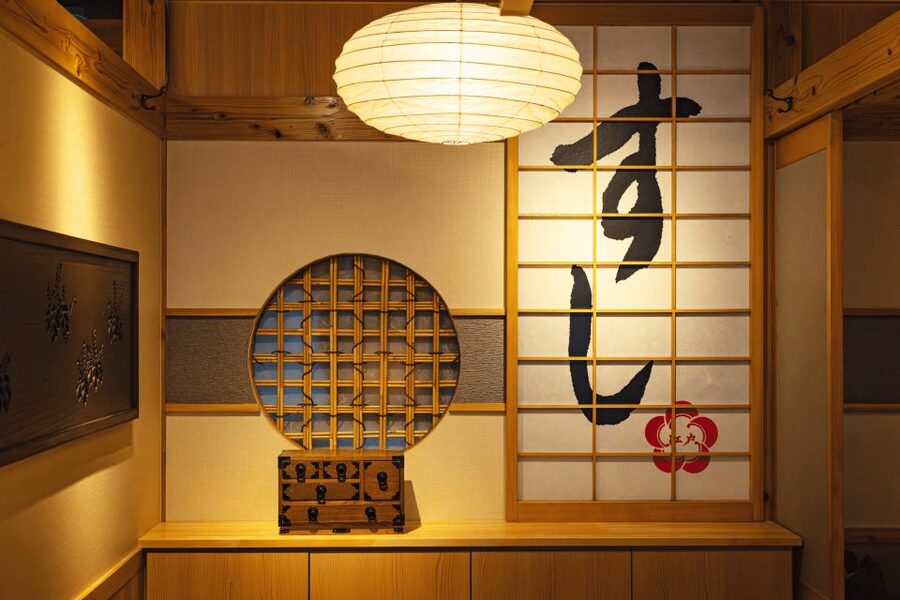
This one is ideal if you want real craft, not a generic sushi souvenir. It suits food lovers, families traveling together, and people who want a hands-on activity with instant payoff. If you like learning technique you can repeat later, this is the kind of class that translates directly into home cooking.
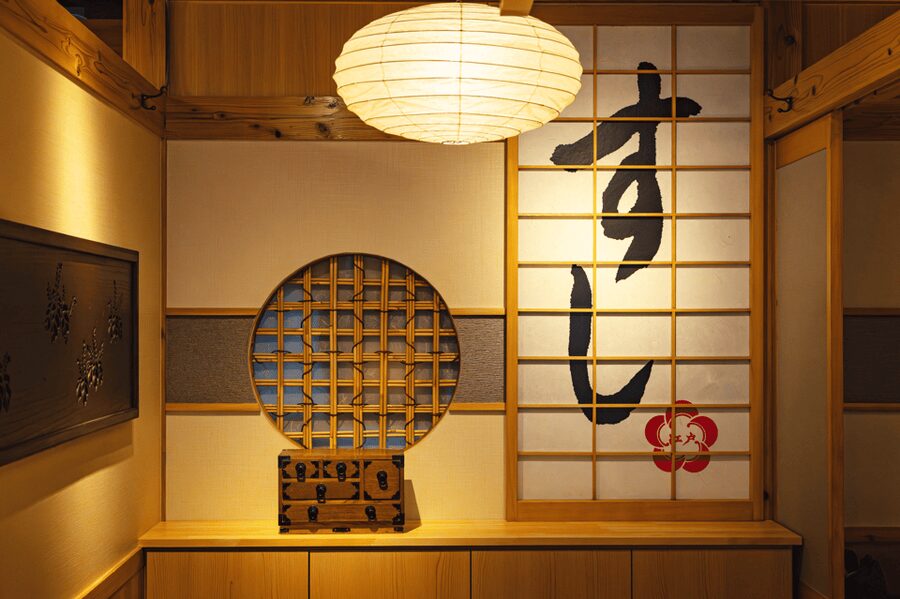
It is also a strong choice if you are picky about authenticity. The format is built around a real Tokyo restaurant setting, with an Itamae leading the process and professional demonstrations of fish prep and sushi technique. That atmosphere is part of the learning.
Two notes on fit:
- It is not suitable for children under 10 years.
- The experience works for elementary school age and up, so families with older kids should be fine.
Is $161 per person worth it? Look at what you actually get
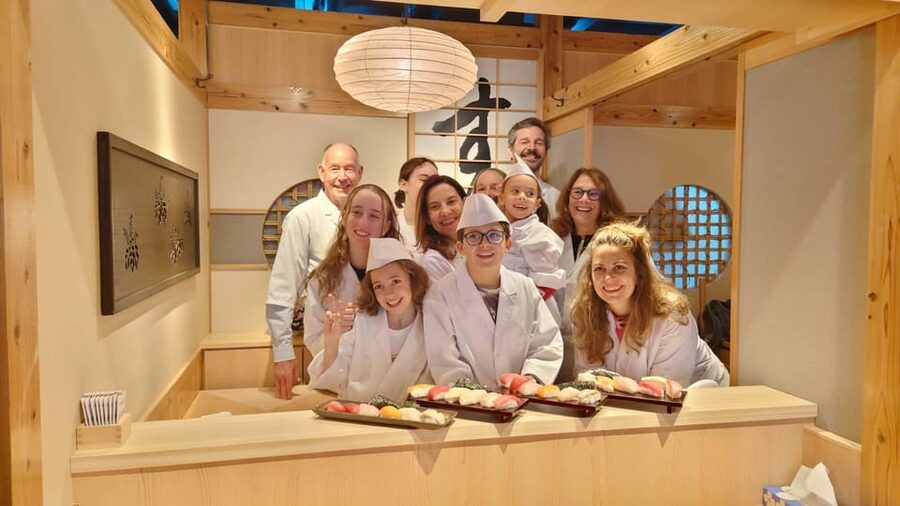
At $161 per person for a 2-hour session, you are paying for a concentrated experience with real instruction and real ingredients. The value is in the combination: an Itamae with 30 years of experience, small group size up to 8, hands-on sushi making, and a tasting table that includes multiple seafood varieties.
You also get more than instructions. The experience includes food and the tools and equipment you need, so you are not showing up to guess what supplies you must bring. Plus, you get a complimentary drink and wakame udon, which turns the class into a meal rather than a snack.
If you are comparing options, look for the elements that drive value: true wasabi preparation, shari focus, fish prep demonstrations, and a tasting lineup. This experience checks those boxes, and that is why it tends to land well with people who care about food details.
Bottom line: should you book it?
Book this Tokyo Professional Sushi Chef Experience if you want a practical sushi class with real chef guidance, fresh ingredients, and a tasting menu that teaches you what different fish tastes like when handled correctly. It is especially good if you love the idea of learning shari and wasabi technique, because those two pieces are the foundation of better homemade sushi.
Skip it only if you want a quick casual experience with minimal hands-on work. This is an active class, with room rules like no smoking indoors and no strong fragrances, and the focus is on technique. If you are ready to learn, get your hands busy, and eat what you make, you should feel confident booking.
FAQ
How long is the Tokyo sushi chef experience?
It lasts 2 hours.
What is the group size?
The group is small, limited to 8 participants. The minimum number of participants is 2.
Is the experience taught in English?
Yes. The instructor is English, with interpretation support.
Do you offer vegetarian or allergy-friendly options?
Yes. Vegetarian and allergy-friendly options are available.
What sushi items will we make and taste?
You can expect to make and taste uni, negitoro, hirame, kuruma-ebi, chutoro, and akami sushi.
Is there food and a drink included?
Yes. You will enjoy wakame udon and a complimentary drink (beer, sake, cola, or green tea).
Is this experience suitable for children?
It is available for elementary school students and up, but it is not suitable for children under 10 years.
What is included in the price?
The price includes tuition, food, tools, equipment, and other items necessary for the experience.
Can I cancel for a full refund?
Yes. You can cancel up to 3 days in advance for a full refund.
Counters and Courses


Newest Tokyo write-ups from the Loving Japan desk



Sushi and Sashimi Experiences, side by side.
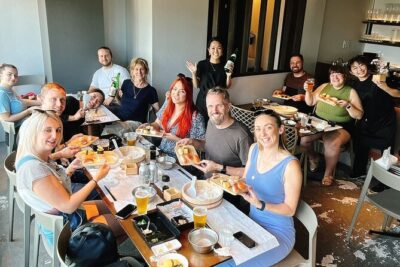 ★ 5.0Sushi Making Tokyo Roll and Authentic Japanese Sushi ClassFrom $593,971 reviews
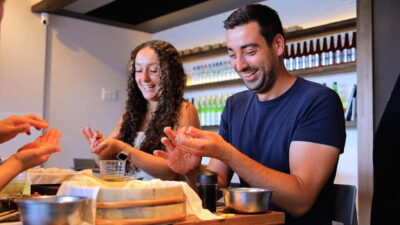 ★ 4.9Roll and Authentic Sushi Making Class in AsakusaFrom $581,957 reviews
 ★ 5.0Make Sushi and Create Unforgettable Memories in TokyoFrom $791,413 reviews
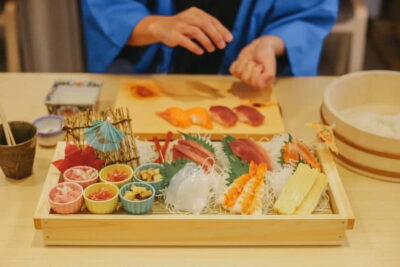 ★ 4.9Sushi Making Class in a Happi Coat near a Famous SpotFrom $421,377 reviews
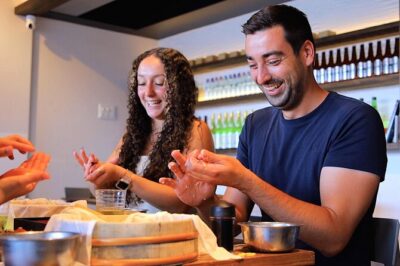 ★ 5.0Sushi Making Osaka Roll and Authentic Japanese Sushi ClassFrom $311,220 reviews
 ★ 5.0Tokyo Sushi Making Class in Tsukiji with Professional ChefFrom $491,177 reviews
 ★ 5.0Tokyo Night Foodie Tour in Shinjuku – Seasonal Sushi, Wagyu BeefFrom $1111,161 reviews
 ★ 5.0Tsukiji Fish Market Guided Tour and Sushi Making with Pro ChefFrom $104775 reviews
Filed on these lists too