
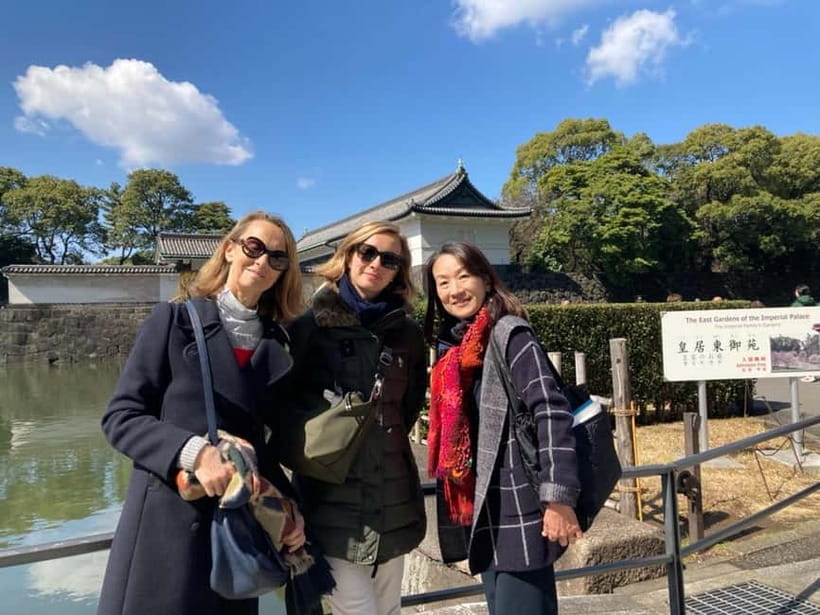
REVIEW · TOKYO TOWER, GINZA AND THE IMPERIAL PALACE
Tokyo: Pvt. Tour – Edo Castle & Imperial Palace East Gardens
Tokyo’s timeline feels close when you walk these grounds. This private 2-hour tour pairs Edo Castle ruins with the Imperial Palace East Gardens, and it’s guided in English so the history lands as a real story, not a list of dates. I especially like the way the walk mixes big, physical things you can picture (stone, moats, gates) with quiet garden details you can actually slow down for, and the pacing lets you linger when something catches your eye. One thing to consider up front: the gardens’ standout seasonal blooms can be less dramatic depending on when you go, and this tour does not enter the Inner Palace where the Emperor resides.
Your meeting is simple and central: find the guide at Wadakura Fountain Park near Starbucks, and look for a sign board that says gotcha. The tour also comes with a real-world heads up, you’ll pass through a baggage inspection at the Imperial Palace grounds, and there’s a specific warning about items that could be used as weapons, like Japanese knives, that you should store in a coin locker before you meet. If you show up prepared, the whole experience stays smooth, focused, and surprisingly calming for a city that usually never slows down.
Key points at a glance
- Edo Castle scale, explained on foot, with moats, stone walls, and the feeling of feudal defense
- Imperial Palace East Gardens focus, with a guided stroll through the garden built on Edo Castle grounds
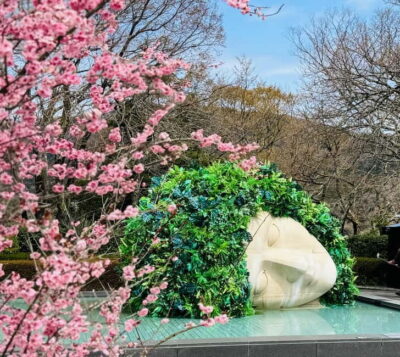
- Ninomaru Garden seasonal highlights, with cherry blossoms in spring, irises in summer, and autumn leaves in fall
- English guides who know how to teach, including Hiroshito, Yoshi-san, Yuji, Naoko, David, and others
- Private-group pacing, so you can keep a comfortable walk tempo instead of rushing through
- No Inner Palace entry, so you’re viewing the palace grounds and gardens rather than interior spaces
In This Review
- Meeting at Wadakura Fountain Park, then stepping into a calmer Tokyo
- What you actually get at the Imperial Palace East Gardens, and what you won’t
- Main Gate first, then Edo Castle ruins: seeing defense and design up close
- Ninomaru Garden and seasonal flowers: what you’ll notice as the year changes
- How the guide turns the grounds into a story you can remember
- Walking time, comfort, and the easiest way to plan your afternoon
- Price and value for a private 2-hour site visit
- Booking smart: tips that protect your day (and your peace)
- Should you book this Edo Castle and Imperial Palace East Gardens tour?
- FAQ
- Where is the meeting point for the tour?
- How long is the guided tour?
- Is this tour private?
- Will I be able to enter the Inner Palace?
- Is there an inspection when entering the Imperial Palace grounds?
- Do I need to store certain items before the meeting?
- What language is the guide?
Meeting at Wadakura Fountain Park, then stepping into a calmer Tokyo
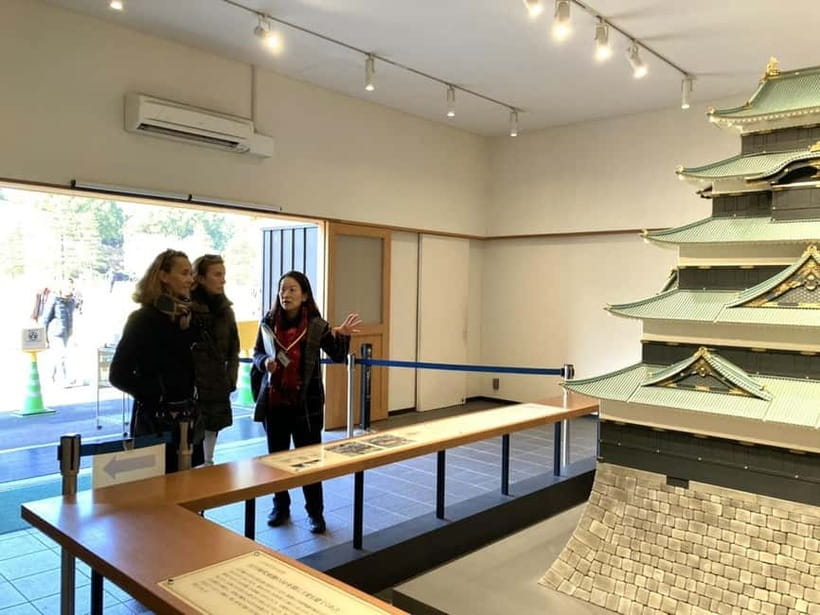
Start your tour at 和田倉噴水公園 (Wadakura Fountain Park), in the area by Starbucks. You’re looking for the guide holding a sign board that says gotcha. It’s a quick walk from Tokyo Metro Otemachi station exit D2 (about 3 minutes) and also reachable from Tokyo Station Marunouchi central exit (about 10 minutes).
This matters because Tokyo sightseeing can be a timing game. When your meeting point is this close to major stations, you’re less likely to feel stressed, late, or stuck doing last-minute navigation. I like tours that let you get your bearings fast, and this one has that going for it.
One practical note: before you head to the grounds, keep in mind the baggage inspection rule for entry to the Imperial Palace area. It’s the kind of detail that can surprise you if you only read the headline. Plan a little extra patience, and you’ll keep your morning or afternoon from feeling like an obstacle course.
If you’re the kind of traveler who enjoys a good guide match, there’s a nice pattern here. The guides named in past tour experiences include Hiroshito, Yoshi-san, Mr. Masahito, Mari, Ishida, Yuji, Maru, Naoko, Chichiro, and David. Even without picking in advance, it’s reassuring that the English-guided portion is staffed by people who give clear explanations and adapt when questions come up.
The central Tokyo landmarks, reviewed one by one
- Flagship 2-Hours Official Street Go-Kart Tour – Tokyo Bay Shop
★ 5.0 · 4,974 reviews - Tokyo: Imperial Palace and Shogun Historical Walking Tour
★ 5.0 · 2,251 reviews - Tokyo: Meiji Shrine, Asakusa, Skytree Bus Tour and Cruise
★ 4.7 · 1,986 reviews - Tokyo Panoramic 1 Day: Meiji Shrine, Asakusa, Odaiba and SKYTREE®
★ 4.5 · 1,222 reviews
What you actually get at the Imperial Palace East Gardens, and what you won’t
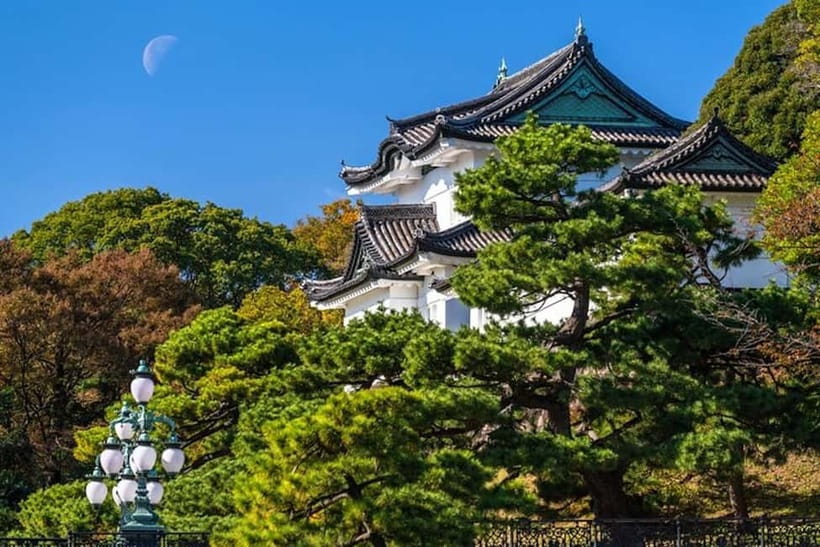
The headline area is the Imperial Palace East Gardens, with a guided walking tour lasting about 2 hours. This is not a quick photo stop. It’s structured to help you understand what you’re seeing, while still moving at a human pace.
Here’s the key limitation: the tour does not go inside the Inner Palace. The tour is designed around the East Gardens and the surrounding historic spaces, not the Emperor’s private residences. That can sound like a disappointment if you expected interior entry, but it also keeps the experience calmer and more garden-focused. You’re there to read the site through gates, walls, landscaping, and layout.
Think of it like this: you’re not getting access to every room, but you are getting access to the “why” behind the space. The gardens and palace grounds are meant to be walked and experienced slowly. With the guide, you’re more likely to notice how the landscape connects to what came before it.
Main Gate first, then Edo Castle ruins: seeing defense and design up close
The tour starts you in the right mindset: the historic Main Gate with its traditional guardhouse. This is where the experience becomes more than sightseeing. It’s a visual cue that the area has layers, old and new security systems, and the ongoing role this space plays in Japan today.
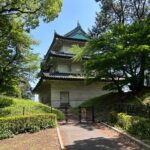
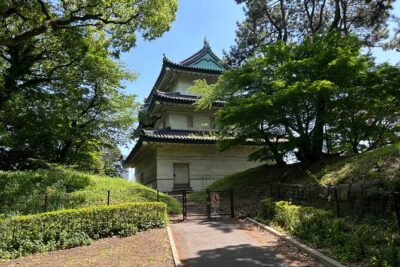
Then you move into the Edo Castle ruins, where the site’s scale really shows. You’ll see ancient stone walls and moats, and you’ll get a sense of the massive keep and the feudal architecture style that made Edo Castle such a centerpiece of power. Even when you only encounter ruins, this type of landscape still does something important. It gives you physical context. You can stand where walls once defined protection, and you can imagine why layout and height mattered.
This is one of the parts I’d call “high value” for first-time visitors. It’s easy to tour Tokyo and only see modern city rhythm. Here you’re walking through a space that forces you to slow down and look at structure, not just buildings. When you can picture the defensive geography, the history stops being abstract.
If you tend to rush, remind yourself that stone walls and moats are not just decorative. They’re the reason the site looks the way it does. A guide helps you connect the shapes to how people lived and ruled, and that connection is the difference between seeing ruins and understanding them.
Ninomaru Garden and seasonal flowers: what you’ll notice as the year changes
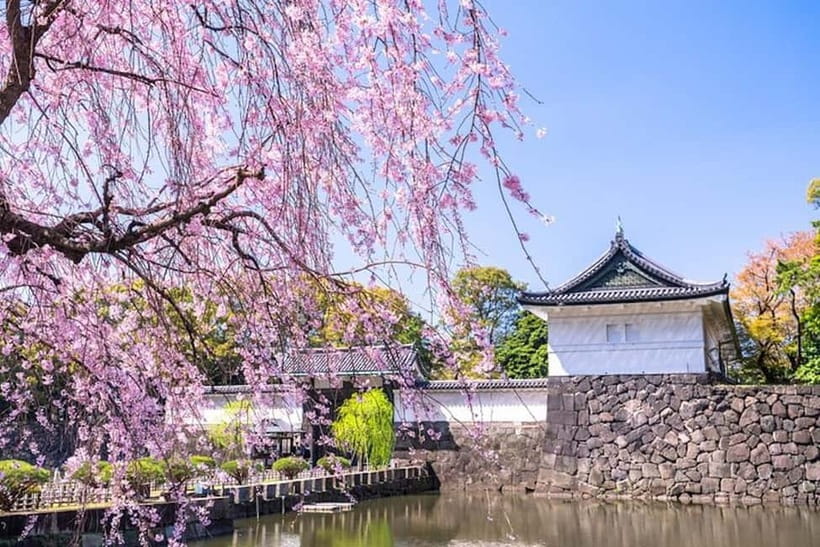
One standout location is Ninomaru Garden, a traditional Japanese garden known for its seasonal shifts. The tour experience is built around those seasonal moments, including:
- Cherry blossoms in spring
- Irises in summer
- Autumn leaves in fall
Here’s a balancing truth. In April, you might hope for peak blooms, but bloom timing is never guaranteed. One past tour experience included a visitor who found the flowers and cherry blossoms were not really out yet, which was disappointing for them. That’s a fair consideration.
Still, even when the most famous bloom is late or early, these gardens often reward you for other details: the way paths guide movement, the visual rhythm of plantings, and the calm atmosphere that makes it feel like you escaped the city. If you’re flexible about seasonal timing, you’ll likely enjoy the gardens for the overall design, not only for the peak blossoms.
What I like most about this stop is that the garden is not treated like a background. It’s explained. You’ll hear fascinating stories tied to Japan’s imperial and historical past, and you’ll be walking through a space that was built on the grounds of Edo Castle. That connection gives the garden a deeper “read” than a typical stroll.
Slower gardens, if the schedule allows
- Tokyo: Zen Meditation at a Private Temple with a Monk★ 5.0 · 510 reviews
- Imperial Palace East Garden and Edo Castle Walking Tour in Tokyo★ 5.0 · 510 reviews
- Tokyo: Imperial Palace East Gardens Walking Tour★ 4.8 · 353 reviews
- Tokyo Castle, Imperial Palace, Shogun & Garden Walking Tour★ 5.0 · 211 reviews
- Tokyo Zen Meditation at Private Temple with Monk★ 5.0 · 178 reviews
How the guide turns the grounds into a story you can remember
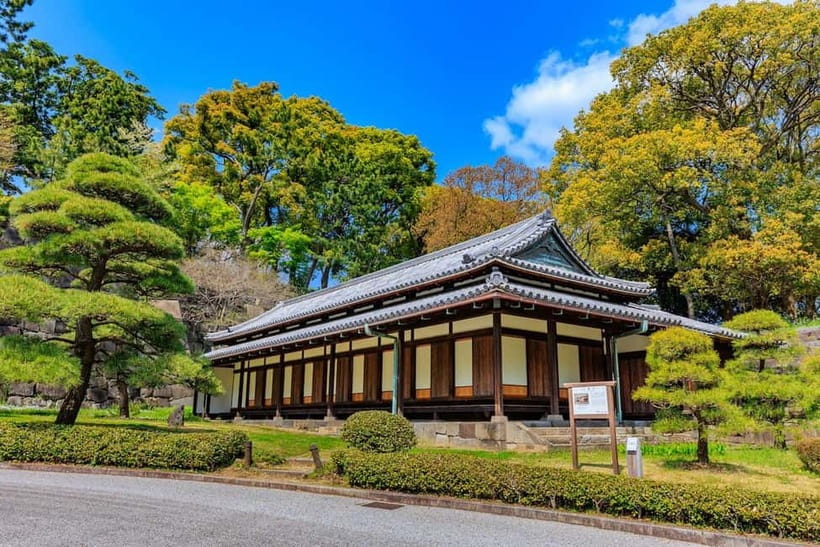
The core value of any palace or castle-area tour is the translation from “what is this” to “why it matters.” This tour leans hard into that guided storytelling.
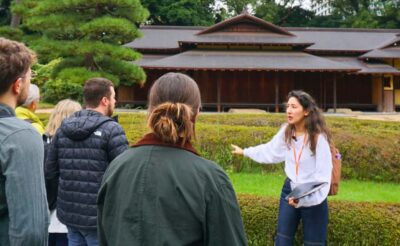
Multiple guides have been praised for strong English and clear explanations. Examples include Yoshi-san, Yuji, Naoko, David, and Hiroshito. One past experience noted that a guide contacted another guide when they did not immediately know an answer, which tells you something about how seriously the team handles questions.
That matters for you because palace and castle history has lots of small, specific details. Without a guide, it’s easy to wander and feel like you’re just following signage. With a guide, you tend to notice:
- how gates and walls relate to defense and power
- how garden layout reflects cultural preferences and time periods
- how the site connects Edo-era structures to later imperial use
A good sign you’re getting this quality is pace. If your guide walks at a comfortable speed, you’re not constantly checking your watch, and you can stop when something feels important. In past experiences, guides like Yuji and Naoko were described as flexible and accommodating, including offering help on what to do next after the tour ended.
I also like that this tour is private. That means you’re not stuck in a pack where your questions have to wait for the loudest voice in front of you.
Walking time, comfort, and the easiest way to plan your afternoon
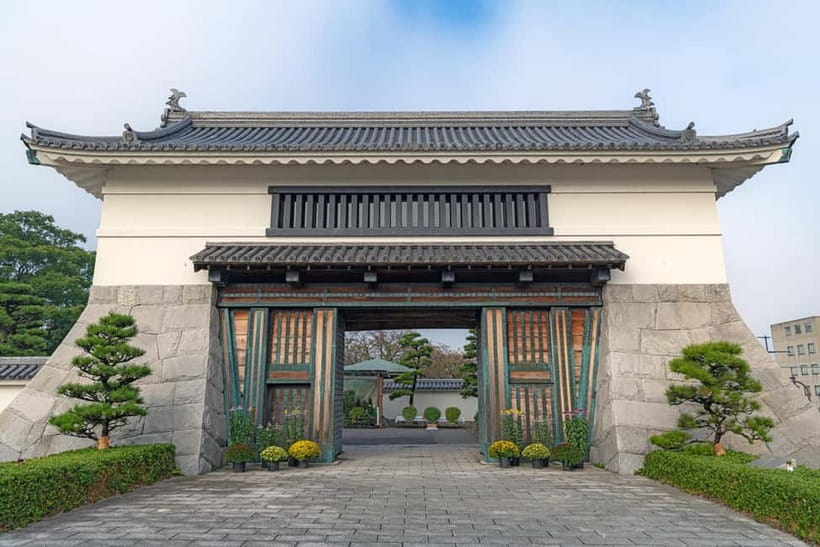
This experience is 2 hours, private, and focused on the East Gardens area plus key historic features. The total duration is short enough that you can pair it with other central Tokyo stops without exhausting yourself, but long enough that it won’t feel like a drive-by.
If you’re planning your day, aim for timing that matches your energy. This site is scenic, and you’ll likely want a few pause moments for photos and simply looking. If you schedule it right before a big night plan, you might feel rushed when the guide is at their best and the grounds are at their most peaceful.
Comfort-wise, think normal city walking. The tour is a walking tour, so wear shoes that you trust on uneven garden surfaces and stone paths. Bring a small water bottle if it’s warm, since gardens can feel cooler in shade but still take a bite out of your hydration.
Who is this best for?
- First-time Tokyo visitors who want history plus a calm garden break
- People who prefer guided context over self-guided wandering
- Families or groups who want a private pace and a chance to ask questions
- Travelers who enjoy architecture, walls, gates, and layout as much as photos
If your goal is strictly to get inside the Emperor’s private areas, you’ll be frustrated. But if your goal is to understand the palace grounds and Edo Castle connections through what you can actually access, this format fits well.
Price and value for a private 2-hour site visit
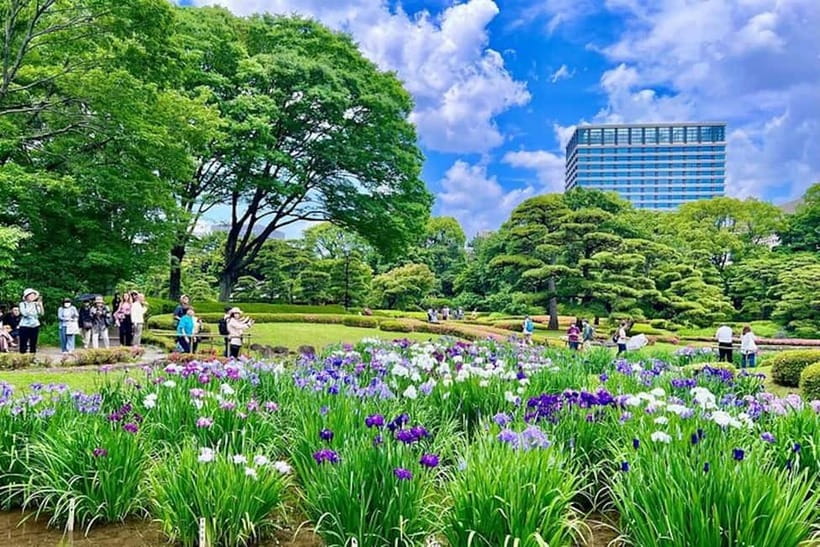
It’s priced at $63 per person for a 2-hour private tour. The per-person cost is easy to justify when you think about what you get: an English-speaking guide, a curated walk through high-interest parts of the site, and explanations that help you make sense of walls, moats, gates, and garden design.
Compared with paying for multiple separate entry tickets or trying to decode everything on your own, the value here is mainly educational. You’re paying for time with a person who can connect the dots while you’re physically in the right places.
Is it “worth it” if you love gardens but you’re not big on history? You might still enjoy it, because the garden design and the change in atmosphere are real. Is it worth it if you love history and want something more than a museum script? Even more so. Edo Castle ruins plus Imperial Palace East Gardens give you variety in a short time block.
My practical advice: treat this as a high-return use of time in central Tokyo. Two hours in a guided loop beats an hour of half-understanding followed by guessing.
Booking smart: tips that protect your day (and your peace)
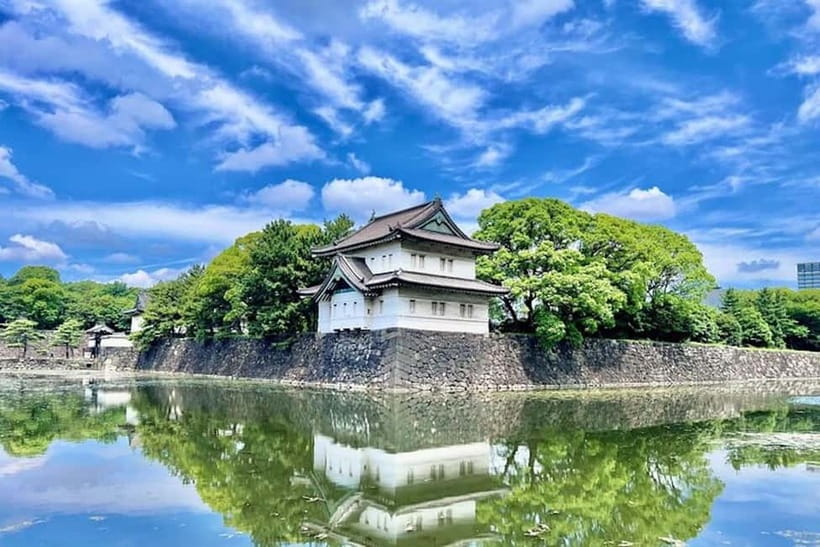
A few practical tips will keep the experience smooth:
- Plan for the baggage inspection at the Imperial Palace grounds. If you’re carrying lots of items, you might want to organize them before you arrive.
- If you’re buying or bringing Japanese knives or anything that could be used as a weapon from places like Tsukiji or Asakusa, store it in a coin locker before meeting. This is not a “maybe,” it’s an instruction that avoids problems at entry.
- Dress and footwear for walking. Gardens can be deceptively detailed underfoot.
- If you care about flowers, remember seasonal timing can shift. If cherry blossoms or irises are your main goal, aim for the season window, but keep expectations flexible.
And because it’s private, you can also benefit from asking questions. Guides have names from past experiences, including Ishida, Chichiro, and Mari. Even if you get a different guide, the tone of the experience is guided and question-friendly.
Should you book this Edo Castle and Imperial Palace East Gardens tour?
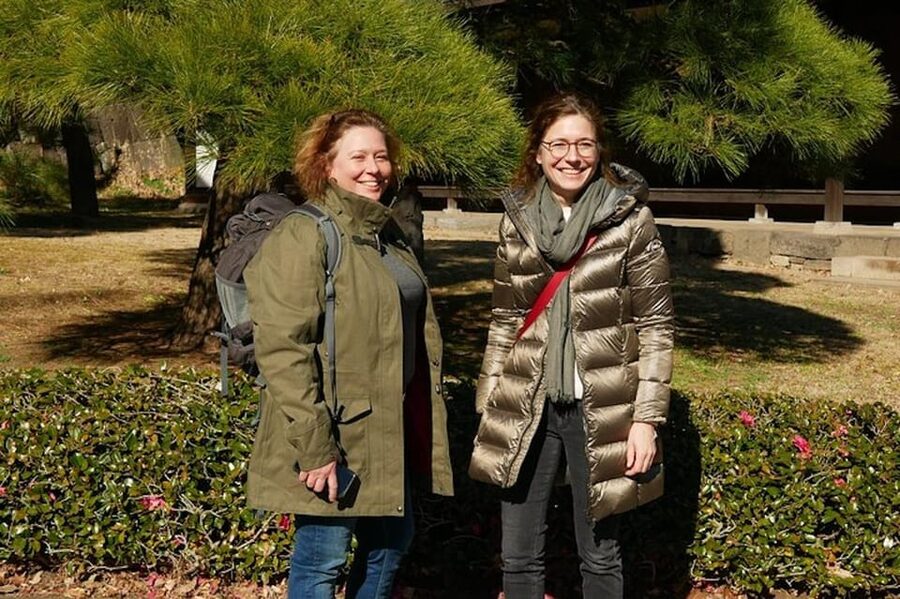
Yes, I think you should book it if you want a guided, low-stress way to see Tokyo’s imperial grounds alongside the physical remnants of Edo Castle. The big wins for most people are the mix of structure and scenery, plus the fact that an English guide helps you read what you’re looking at instead of just moving from one spot to another.
Skip it only if you specifically need Inner Palace entry. Since this tour does not include the Emperor’s Inner Palace, you’ll want other options for that part of the wish list. Otherwise, for a calm garden walk, strong guiding, and a history you can actually feel under your feet, this is a smart use of a couple of hours in central Tokyo.
FAQ
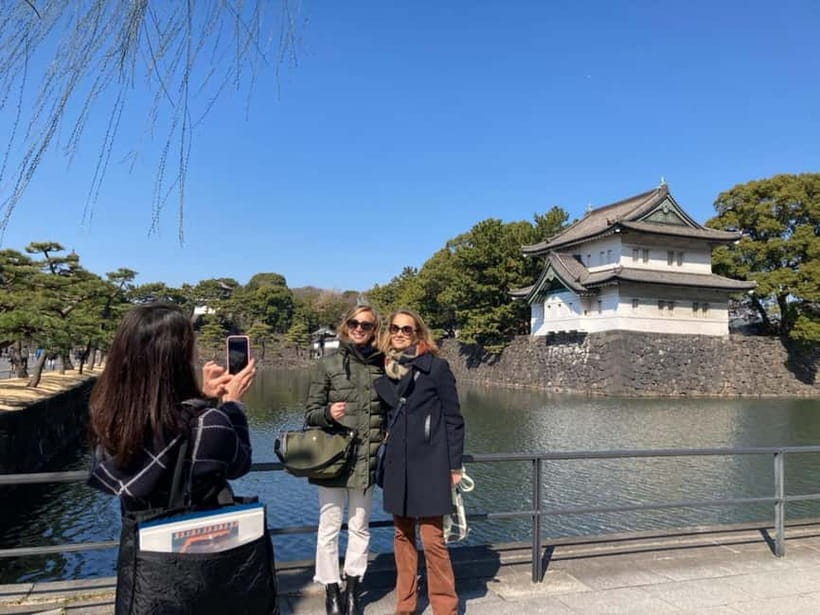
Where is the meeting point for the tour?
Meet your English-speaking guide at Wadakura Fountain Park, by Starbucks. Look for a guide holding a sign board that says gotcha.
How long is the guided tour?
The tour lasts about 2 hours.
Is this tour private?
Yes, it is a private group experience.
Will I be able to enter the Inner Palace?
No. This tour does not include entry into the Inner Palace, where the Emperor resides.
Is there an inspection when entering the Imperial Palace grounds?
Yes. After entering the Imperial Palace grounds, visitors are subject to baggage inspection.
Do I need to store certain items before the meeting?
If you plan to purchase Japanese knives or other items that could be used as weapons, you should leave them in a coin locker or similar before the meeting.
What language is the guide?
The tour includes an English live guide.
Gardens Worth Slowing For


Central Tokyo Landmarks




Newest Tokyo write-ups from the Loving Japan desk



Tokyo Tower, Ginza and the Imperial Palace, side by side.
 ★ 5.0Flagship 2-Hours Official Street Go-Kart Tour – Tokyo Bay ShopFrom $644,974 reviews
 ★ 4.6Tokyo Tower: Admission TicketFrom $93,661 reviews
 ★ 5.0Imperial Palace and Shogun Historical Walking TourFrom $222,251 reviews
 ★ 4.7Meiji Shrine, Asakusa, Skytree Bus Tour and CruiseFrom $1221,986 reviews
 ★ 4.8Chopstick Making Workshop in GinzaFrom $251,366 reviews
 ★ 4.5Tokyo Panoramic 1 Day: Meiji Shrine, Asakusa, Odaiba and SKYTREE®From $851,222 reviews
 ★ 4.9Imperial Palace Japanese History Walking TourFrom $32987 reviews
 ★ 4.9Imperial Palace and Shogun Walking TourFrom $16935 reviews
Filed on these lists too