
REVIEW · SUMO WRESTLING EXPERIENCES
Tokyo Sumo Culture Tour with Chanko-Nabe Lunch in Ryogoku
Sumo starts before the ring. This is a guided, small-group walk through Ryogoku, Tokyo’s so-called Sumo Town, with cultural stops and a traditional chanko-nabe lunch that keeps the day tasty and simple. You get a guide to handle the route, so you can focus on stories and details instead of map anxiety.
I like that it is intimate (maximum eight travelers), which makes it easier to ask questions and actually hear the guide. I also like the value of the included chanko-nabe lunch, a classic sumo meal that explains a big part of why wrestlers train the way they do.
One consideration: you are not signing up for actual practice or match viewing. Even if the day is great, some spots can be limited by timing and closures, so your views are often from outside or from specific public areas.
In This Review
- Key Highlights to Know Before You Go
- Ryogoku Sumo Town, and Why This Walk Makes Sense
- Price, What You Get for $131.12, and What You Should Not Expect
- Timing and Logistics: A 9:30 Start in the Right Neighborhood
- Stop-by-Stop in Ryogoku: What You’ll Actually See
- Hakkaku-beya Sumo Stable (Outside View)
- Nominosukune Shrine (Founder Story, Shinto Roots)
- Ryogoku Kokugikan (Sights of the Arena Culture)
- Ryogoku Edo Noren (Old Edo Feel, Full-Scale Ring)
- Ekoin Temple (Tournaments in the Edo Period)
- Kasuganobeya (A Bulgarian-Born Wrestler and the Practical Details)
- Tomoegata Chanko for Lunch (Your Big Included Meal)
- Guides That Make It Click: Taka, Jeff, and Aki-san Energy
- What You’ll Understand When You Finish (Even Without Match Viewing)
- Who Should Book This Sumo Culture Tour, and Who Might Not
- Should You Book It?
- FAQ
- How long is the Tokyo Sumo Culture Tour with chanko-nabe lunch in Ryogoku?
- What time does the tour start?
- Where does the tour meet?
- Where does the tour end?
- Is chanko-nabe lunch included?
- Does the price include alcohol?
- Is hotel pickup and drop-off included?
- Does this tour include actual sumo viewing like practice or matches?
- How many travelers are in the group?
- What is the cancellation policy?
Key Highlights to Know Before You Go
- Max eight travelers means a calmer, more interactive walk through Sumo Town
- Chanko-nabe lunch included gives you the food side of sumo culture, not just the legends
- Multiple Ryogoku landmarks connect stables, shrines, and tournament venues in one route
- Stable and arena sights are mostly outside since actual practice or matches are not part of this tour
- Free admission at key stops helps keep the experience straightforward and good value
Morning practice or an evening show. Both reviewed
- Tokyo: Sumo Show and Dining Experience
★ 4.8 · 2,742 reviews - the SUMO show
★ 5.0 · 1,960 reviews - Tokyo Shinjuku Sumo Show & Experience with Photo
★ 5.0 · 1,750 reviews - Tokyo: Sumo Show and Experience in Shinjuku
★ 4.8 · 1,001 reviews
Ryogoku Sumo Town, and Why This Walk Makes Sense
Ryogoku is where sumo feels normal, not staged. Instead of treating the sport like a TV event, this tour shows you the neighborhood that supports wrestlers year-round: stables, shrines, temples, and the arena culture that shaped Tokyo.
The best part is that you do not have to piece it together yourself. The day runs as a guided route starting at Ryogoku Station, and it ends at the chanko restaurant, so you’re not stuck hunting down your next stop after lunch.
Also, the group size is capped at eight. That matters. With a smaller group, you tend to stay closer to the guide, hear context clearly, and move at a human pace instead of getting swept along.
Price, What You Get for $131.12, and What You Should Not Expect
At $131.12 per person for about 3 hours 30 minutes, you are paying for three main things: a guided, no-stress route; access to multiple sites in Ryogoku; and an included traditional lunch.
Here is the value math that makes sense. Chanko-nabe is a real food experience, not a token snack, and it is included. On top of that, several stops list free admission tickets, which lowers the usual expense creep of guided site-hopping.
Now the clear boundary: you do not get hotel pickup or drop-off. And you do not get the actual sumo viewing part, like practice sessions or matches. If you want seats inside for training or a tournament, you’ll need a different kind of tour or a ticketed event. This one is built for culture, context, and place.
Alcohol is not included either. If you want beer or something stronger, you’ll need to buy it with your meal.
Timing and Logistics: A 9:30 Start in the Right Neighborhood
The tour starts at 9:30 am from Ryogoku Station, and it ends at Tomoegata Chanko in Ryogoku. Because it runs in the morning and early afternoon, you usually get the best combo of workable walking time and an easier lunch schedule.
The day is also designed to be easy to reach. The meeting point is near public transportation, so you can plan around subway access instead of relying on taxis.
One practical heads-up: if your visit falls on a day when certain internal tours or sites have limited opening, the experience may skew more toward exterior views and the stories behind what you’re seeing. That does not make it bad, it just changes the ratio of outside viewing versus inside access.
- Mt Fuji and Hakone 1-Day Bus Tour Return by Bullet Train★ 5.0 · 26,383 reviews
- 1-Day Tokyo Bus Tour★ 5.0 · 14,250 reviews
- Tokyo: teamLab Planets TOKYO Digital Art Museum Entry Ticket★ 4.6 · 9,779 reviews
- Mt Fuji & Hakone Cruise, Drum Show Bullet Train 1 Day from Tokyo★ 4.0 · 7,413 reviews
- Tokyo: Shinjuku Food Tour (13 Dishes at 4 Local Eateries)★ 5.0 · 6,603 reviews
Stop-by-Stop in Ryogoku: What You’ll Actually See
This tour is paced with short, focused stops that add up to a coherent picture of how sumo fits into Tokyo life. Here’s how each part works, what it teaches, and where you might feel the limits.
Hakkaku-beya Sumo Stable (Outside View)
You begin with a brief visit at Hakkaku-beya, and the key word here is outside. You drop in for a short look, but the tour is not about walking inside training areas.
What you gain is atmosphere. Stables are where sumo’s daily life happens, and seeing the stable environment from outside helps you understand that sumo is a home-and-discipline world, not just a match-day show.
Because this is a short stop, don’t expect a deep educational stall about training routines. Think of it as a place-marker, a first taste of how stables anchor the neighborhood.
Nominosukune Shrine (Founder Story, Shinto Roots)
Next is Nominosukune Shrine, devoted to the founder of sumo. The guide’s job here is to connect religion, legend, and the shaping of the sport over time.
You also get the kind of context that helps the later stops click. When you hear how sumo’s rules were refined into the modern form over many years, it frames the whole experience as something more old-world and structured than simple wrestling.
This stop is relatively easy on time, and it offers a mental reset from the practical urban layout of Ryogoku.
Ryogoku Kokugikan (Sights of the Arena Culture)
Then you move to Ryogoku Kokugikan, where you’ll view the sumo arena from the outside. The Grand Sumo tournaments run here three times a year, and the building is basically the heartbeat of the sport in Tokyo.
From outside, what you’re doing is learning how an arena becomes a ritual space. You’ll hear stories tied to the arena, which helps you understand why everyone acts differently when tournament season rolls around.
The only drawback is obvious: you’re not going inside to tour facilities or watch activities. But if you’re new to sumo, the outside view paired with real context can still feel satisfying.
Ryogoku Edo Noren (Old Edo Feel, Full-Scale Ring)
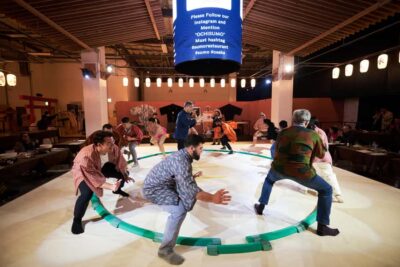
At Ryogoku Edo Noren, you get a strong sense of “old Edo” (Tokyo’s historical name). This stop includes seeing a full-scale sumo ring, which helps you visualize how the space reads when it is built for spectacle and ceremony.
This is also the spot where you might start feeling the difference between “watching wrestling” and understanding the larger performance culture around it. The ring is not just a floor. It’s a stage shaped by tradition.
Time is set at about 30 minutes, so give yourself a moment to look around instead of just snapping photos and moving on.
Ekoin Temple (Tournaments in the Edo Period)
Next up is Ekoin Temple, tied to venues used for sumo tournaments during the Edo, or samurai, period. The guide’s focus here is on social status and how tournaments were run in pre-modern times.
This stop is the culture bridge. You’re taking what you learned about shrines and arenas and applying it to the human world: who wrestlers were, how they fit into society, and how tournament formats worked before modern sports marketing.
It’s also one of the more thoughtful stops because it turns sumo from “sport” into “social structure.”
Kasuganobeya (A Bulgarian-Born Wrestler and the Practical Details)
Then you visit Kasuganobeya, where a Bulgarian-born wrestler belongs. You’ll also see the “wrestler-size” bicycles used in daily life.
That bicycle detail is exactly the kind of real-life texture that makes a tour like this worth doing. It’s small, but it reinforces that wrestlers have routines, logistics, and a physical world outside the ring.
Stop time is short, so treat it like a quick window into stable life rather than a full behind-the-scenes tour.
Tomoegata Chanko for Lunch (Your Big Included Meal)
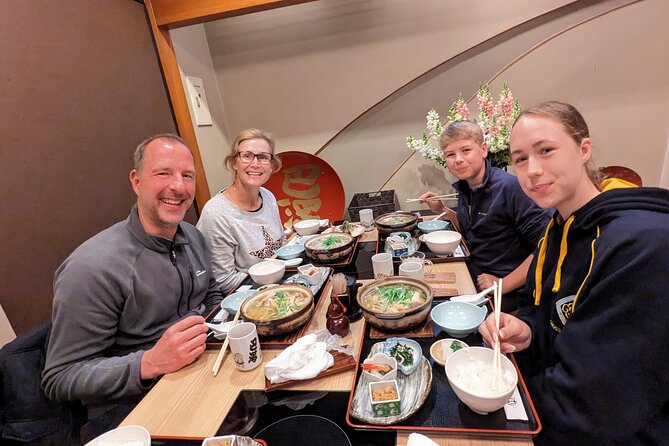
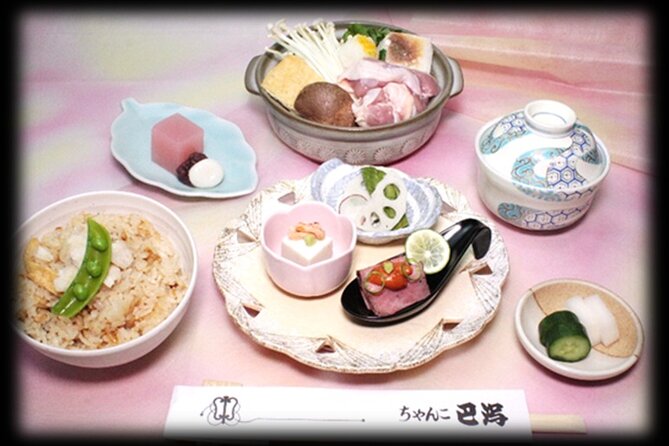
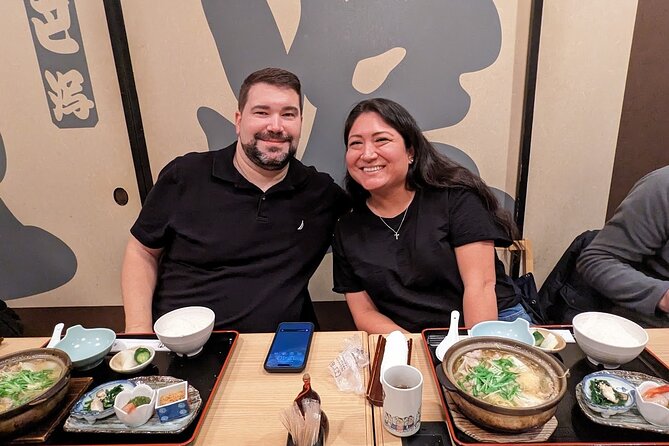
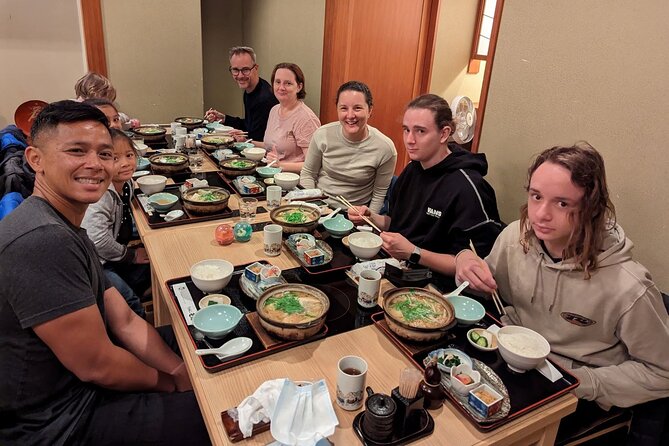
Finally, you head to Tomoegata Chanko for lunch. This is the payoff stop: chanko-nabe, a nutrient hot-pot dish that sits at the center of a sumo wrestler’s diet for building weight and muscle.
The guide doesn’t just point at food. The point is to help you understand why this meal matters culturally. Chanko-nabe is practical fuel, and it supports the training lifestyle, so it tells you something about sumo that you cannot learn from photos.
If you like warming soups, this lunch is the best kind of included perk. And since the tour ends at the restaurant, you’re not rushed out right after you eat.
Guides That Make It Click: Taka, Jeff, and Aki-san Energy
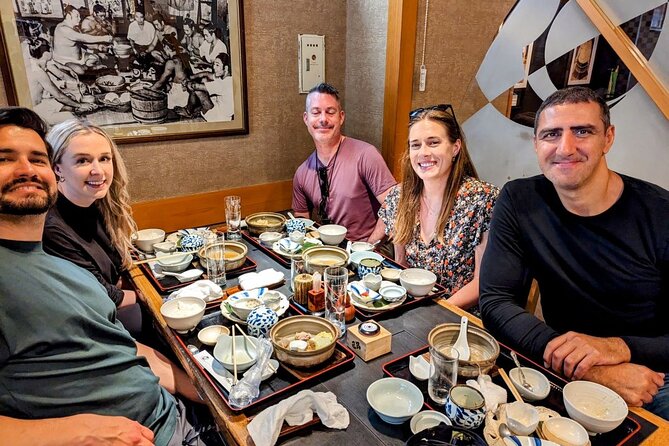
A big reason this tour works is the guide. In past days, you might get someone like Taka, Jeff, or Aki-san, and they’re described as experienced, personable, and very good at turning landmarks into stories.
What you should do: ask simple questions. If you’re curious about how sumo rules evolved, start there. If you want to know why certain places matter, ask about the shrine and temple connection. A good guide can connect your interest to the correct stop quickly.
Also, because the group is small, your questions get room to breathe. That’s not a small thing in a city where tours can feel like a conveyor belt.
What You’ll Understand When You Finish (Even Without Match Viewing)
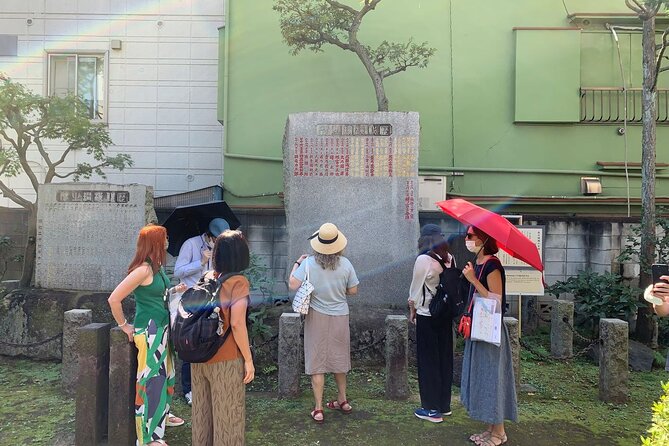
This tour’s goal is clarity. You’ll leave with a map in your head of how sumo is built: stables train people, shrines and temples ground the tradition, and arenas make it public.
You also get a more human view of the sport. The stable stop hints at discipline. The founder shrine hints at spiritual beginnings. The Edo temple stop hints at social status. Then lunch turns the theory into something you can taste.
And because the tour does not promise practice or matches, it focuses on what you can still learn when you are not attending an actual session. That makes it a solid choice when you are visiting Tokyo at the wrong time for tickets, or when you want something structured that does not depend on luck.
Who Should Book This Sumo Culture Tour, and Who Might Not
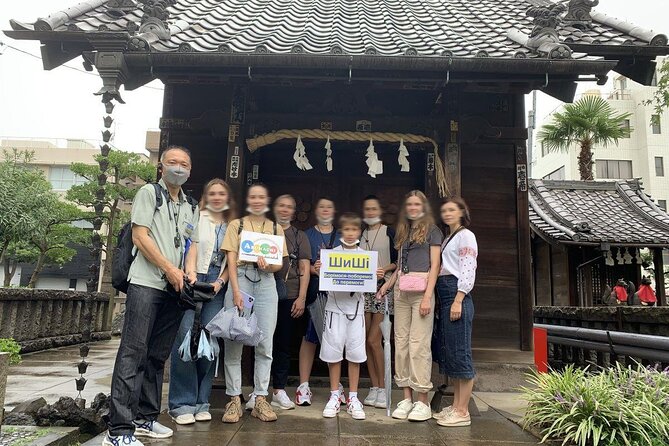
This is ideal for:
- First-time visitors who want a focused introduction to sumo culture in the Ryogoku neighborhood
- Travelers who like stories and context as much as they like photos
- People who want a small-group walk, not a crowded bus tour
- Families and groups who enjoy learning while staying active and outdoors for much of the route
You might skip it if:
- Your top priority is seeing sumo practice or an actual tournament match, because actual sumo viewing is not part of this experience
- You want lots of inside access at every stop, since some views are designed around exterior observation and cultural sites
If you’re flexible and you enjoy history, this tour is a strong way to spend your morning in Tokyo.
Should You Book It?
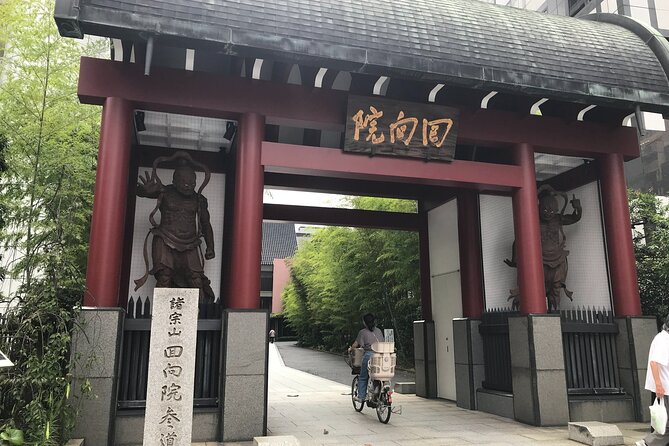
If you want sumo without the stress of finding your own way, book it. The included chanko-nabe lunch alone makes it feel complete, and the compact 3.5 hours works well with a busy Tokyo itinerary.
If you are traveling with match-day expectations, adjust your plan. This is a culture route built for understanding. You’re not there for seats and action, you’re there for place, tradition, and the logic of how sumo becomes a Tokyo phenomenon.
FAQ
How long is the Tokyo Sumo Culture Tour with chanko-nabe lunch in Ryogoku?
It’s approximately 3 hours 30 minutes.
What time does the tour start?
The start time is 9:30 am.
Where does the tour meet?
The meeting point is Ryogoku Sta. 1-chōme-4-29 Yokoami, Sumida City, Tokyo 130-0015, Japan.
Where does the tour end?
The tour ends at Tomoegata Chanko, 2-chōme-17-6 Ryōgoku, Sumida City, Tokyo 130-0026, Japan.
Is chanko-nabe lunch included?
Yes. Chanko-nabe lunch is included.
Does the price include alcohol?
No. Alcoholic beverages are not included.
Is hotel pickup and drop-off included?
No. Hotel pickup and drop-off are not included.
Does this tour include actual sumo viewing like practice or matches?
No. Actual sumo viewing like practice or matches is not included.
How many travelers are in the group?
The tour has a maximum of 8 travelers.
What is the cancellation policy?
You can cancel for free up to 24 hours in advance for a full refund. If you cancel less than 24 hours before the start time, the amount paid is not refunded.
Practice Rooms and Show Nights

Newest Tokyo write-ups from the Loving Japan desk
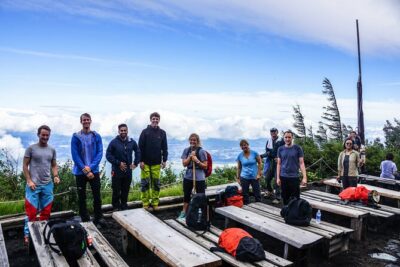
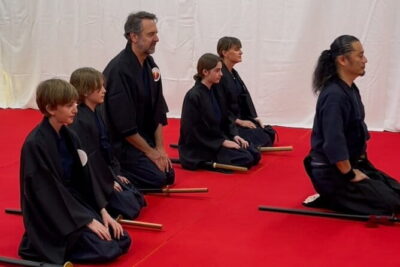
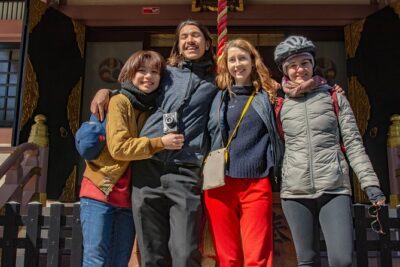
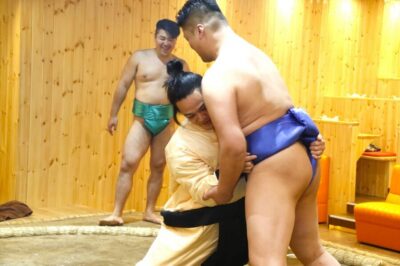
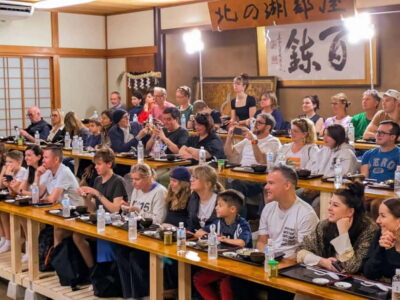
Sumo Wrestling Experiences, side by side.
 ★ 4.8Sumo Show Experience with Chicken Hot Pot and a PhotoFrom $1036,678 reviews
 ★ 4.8Sumo Show and Dining ExperienceFrom $792,742 reviews
 ★ 5.0the SUMO showFrom $891,960 reviews
 ★ 5.0Tokyo Shinjuku Sumo Show & Experience with PhotoFrom $791,750 reviews
 ★ 4.8Sumo Show and Experience in ShinjukuFrom $691,001 reviews
 ★ 4.6Sumo Tournament Tour with Chair Seat TicketsFrom $141753 reviews
 ★ 4.5Sumo Show & Experience w/ Optional Kimono & Hot PotFrom $77609 reviews
 ★ 5.0Authentic Sumo Experience in Tokyo: Enter the SanctuaryFrom $171603 reviews
Filed on these lists too