
REVIEW · SUMO WRESTLING EXPERIENCES
Tokyo: Sumo Experience and Chanko Nabe Lunch
Sumo is better when you can touch it. In this Tokyo workshop, former professional wrestlers teach you the meaning of the sport, in English, then help you try a playful bout yourself. After the demonstration, you sit down to a hearty Chanko Nabe lunch made by the wrestlers.
I particularly like two things right away: you get English explanations from people who lived the job, and the setting is small (limited to 6). That mix makes the rituals, rules, and training feel practical instead of confusing, and it also means you are not lost in a crowd.
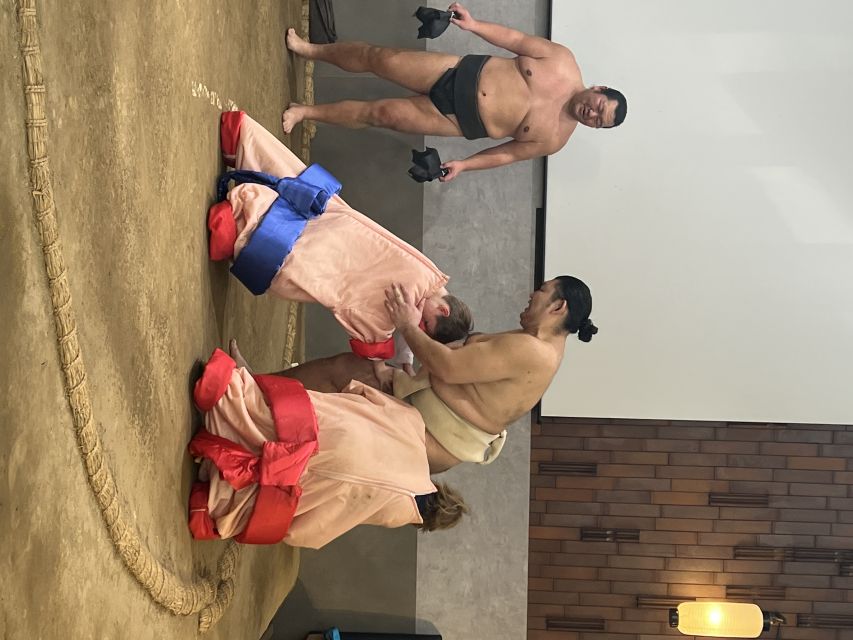
One consideration: some audience members may be picked to wear a Sumo wrestler costume and help with the demonstration, and that means not everyone will get that exact role. If you travel with kids or you are shy about being called on, you might want to mentally opt in to the idea of participating, just in case.
In This Review
- Key Things That Make This Sumo and Chanko Lunch Worth Your Time
- Entering The Sumo World: What You’ll Actually Experience
- Small-Group Sumo Lesson With Former Pros, In Plain English
- The Demo, Then You Try It: Playful Ring Time That Feels Real
- Chanko Nabe Lunch: Wrestler-Style Comfort Food That Makes Sense After Training
- Asakusa Mondays vs Ryogoku Thursdays: Pick the Flavor of Tokyo
- Price and Value for a 2-Hour Sumo Workshop With Lunch
- Who This Tour Is Best For (And When to Skip It)
- Practical Tips So You Enjoy It Fully
- Should You Book This Tokyo Sumo and Chanko Nabe Experience?
- FAQ
- Where does the sumo experience take place?
- What time does the activity start?
- How long is the experience?
- What’s included in the $95 price?
- Is pickup or drop-off included?
- Is it taught in English?
- How many people are in the group?
- What if I need a vegetarian or Halal meal?
- Is the tour wheelchair accessible?
- What is the cancellation policy?
Key Things That Make This Sumo and Chanko Lunch Worth Your Time
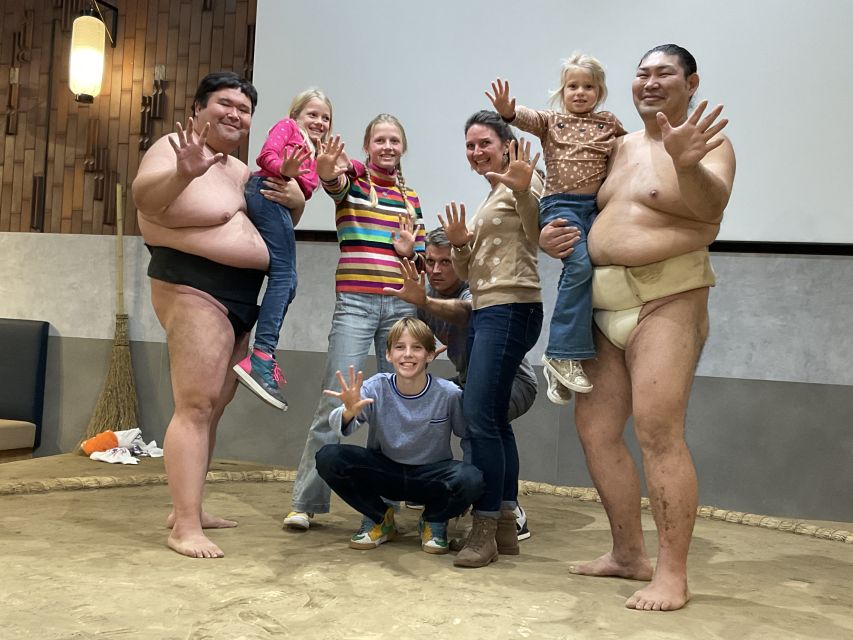
- Former pros in charge, with explanations in English so the rituals and rules make sense fast
- Playful ring time, including a chance for you to take on the wrestlers (in a safe, guided way)
- Wrestler-made Chanko Nabe, served after the workshop as serious stamina food
- Small group of 6, which keeps the vibe intimate and keeps questions from getting buried
- Asakusa or Ryogoku on the right day, Monday in Asakusa and Thursday in Ryogoku for added Tokyo flavor
Morning practice or an evening show. Both reviewed
- Tokyo: Sumo Show and Dining Experience
★ 4.8 · 2,742 reviews - the SUMO show
★ 5.0 · 1,960 reviews - Tokyo Shinjuku Sumo Show & Experience with Photo
★ 5.0 · 1,750 reviews - Tokyo: Sumo Show and Experience in Shinjuku
★ 4.8 · 1,001 reviews
Entering The Sumo World: What You’ll Actually Experience
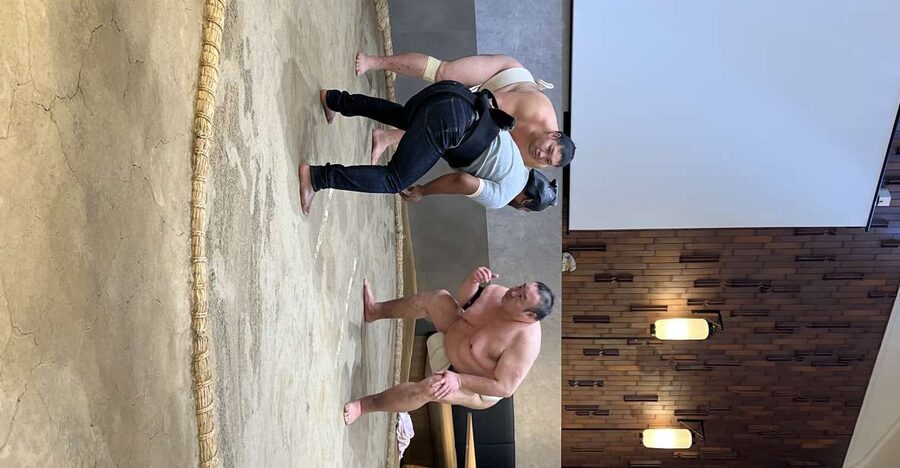
Tokyo has plenty of big-spectacle culture. This one is different because it is built for interaction, not just watching. You spend about two hours with retired wrestlers who break down what sumo is about and why the rituals matter, even if you have never watched a tournament before.
The format also does something smart for first-timers. Instead of throwing history and rules at you from a distance, you learn, watch, then try. That is when sumo stops feeling like random tradition and starts feeling like a sport with logic, strategy, and discipline.
The best part is that the tone stays friendly. Even though you are dealing with a national sport, the session is designed to be approachable. You will be able to ask questions, and you will be treated like a participant, not a spectator who needs to stay quiet and pose for photos.
Small-Group Sumo Lesson With Former Pros, In Plain English
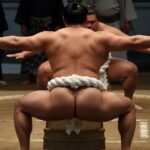
This workshop is led by former professional sumo wrestlers, and the instruction is in English. That matters more than you might think. Sumo has rituals that can look symbolic if you do not understand them, and rules can feel abstract until someone connects them to what wrestlers actually do day to day.
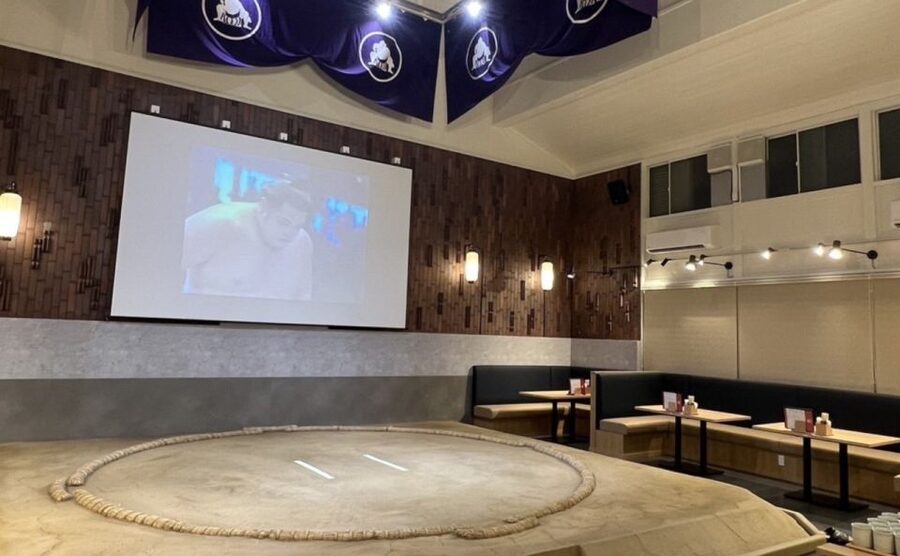
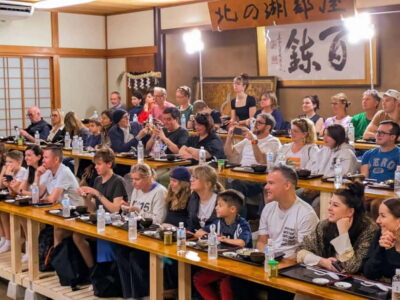
In a small group limited to 6 participants, you avoid the common problem of tours where you only hear the loudest voice in the room. Here, you can actually follow along, and you are in the right position to see what is being shown, not just catch glimpses from the back.
From the way the workshop is described, you can expect them to cover:
- the history and rituals that shape how bouts unfold
- how wrestlers train, including what it takes to compete
- the competition side, so matches feel meaningful rather than mysterious
This is also where the vibe shines. Many visitors highlight the wrestlers as funny and engaging, not stiff or overly serious. One mention includes names like Audrey and Jumbo, and the takeaway is consistent: you get showmanship plus real teaching.
The Demo, Then You Try It: Playful Ring Time That Feels Real
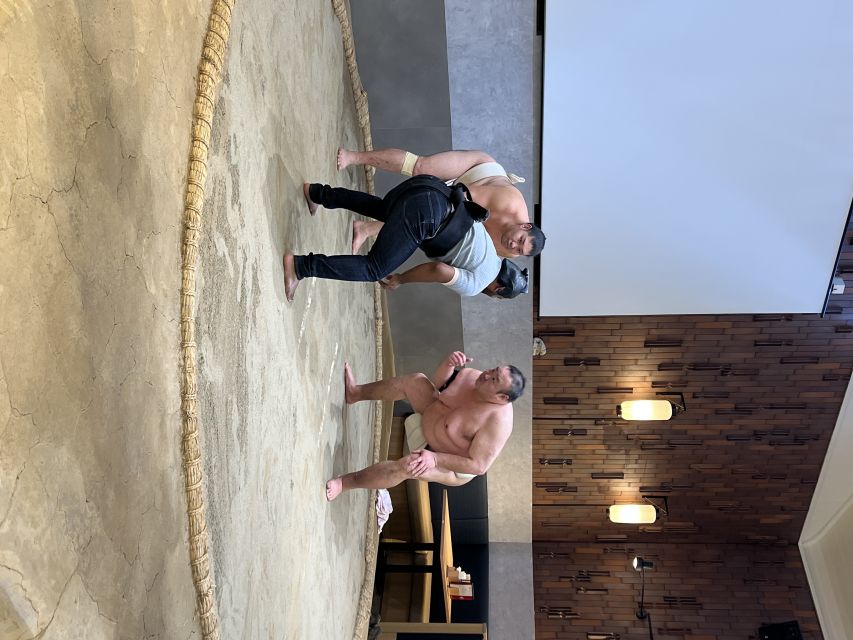
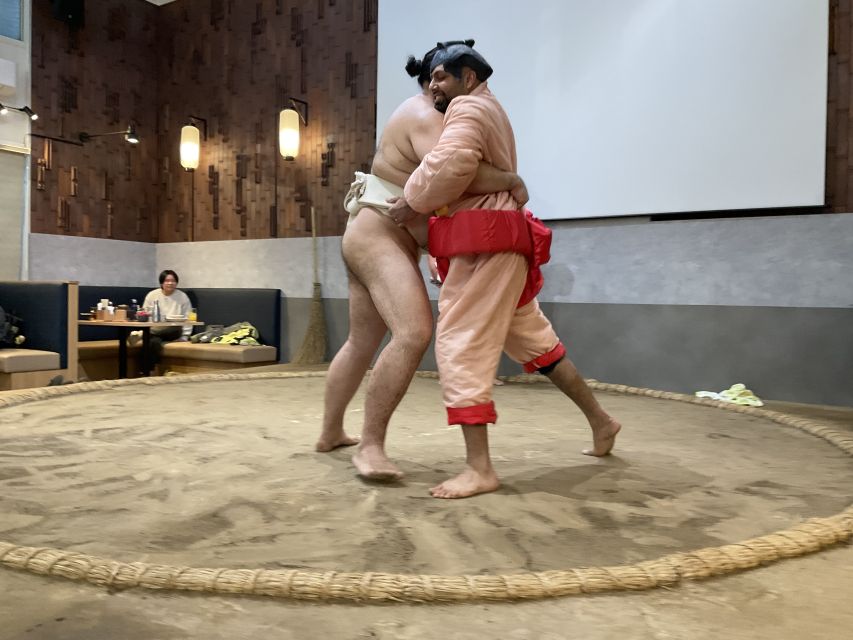
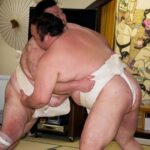
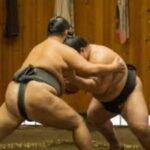
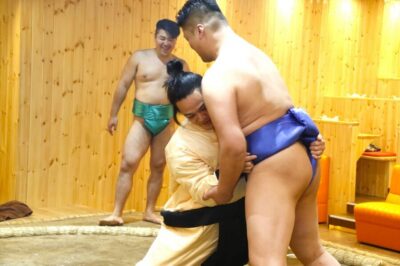
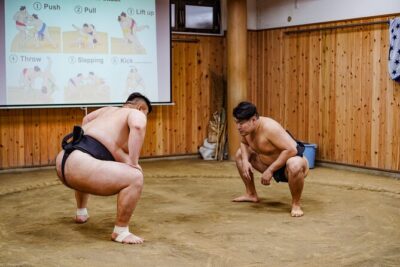
After the initial talk, you move into demonstration mode and then the fun part: you get a chance to fight in a playful duel with sumo wrestlers. Do not expect a full tournament. This is more like a guided, good-natured interaction that lets you understand balance, strength, and movement.
A key detail here is that the group is set up so everyone can participate in some way. Some people may be asked to help with the costume portion of the demo, but the overall energy is that you get included. That shows up in the repeated theme from participants: lots of laughs, lots of chances to try, and plenty of time for photos.
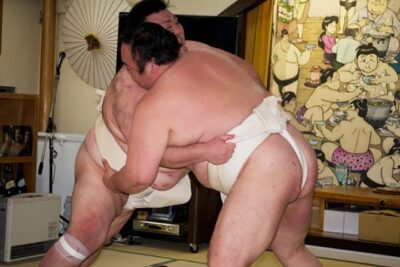
Physically, the first lesson sumo hands you is simple: wrestlers are strong in ways you cannot fully picture until you feel the push and pull. Even a large person can end up feeling like a kid against their power, which is exactly the point. You walk away understanding why sumo techniques are built around leverage and timing, not just brute force.
If you are worried about getting in the ring, relax. The interaction is presented as playful. You still need to follow instructions, but you are not being thrown into anything risky.
- Mt Fuji and Hakone 1-Day Bus Tour Return by Bullet Train★ 5.0 · 26,383 reviews
- 1-Day Tokyo Bus Tour★ 5.0 · 14,250 reviews
- Tokyo: teamLab Planets TOKYO Digital Art Museum Entry Ticket★ 4.6 · 9,779 reviews
- Mt Fuji & Hakone Cruise, Drum Show Bullet Train 1 Day from Tokyo★ 4.0 · 7,413 reviews
- Tokyo: Shinjuku Food Tour (13 Dishes at 4 Local Eateries)★ 5.0 · 6,603 reviews
Chanko Nabe Lunch: Wrestler-Style Comfort Food That Makes Sense After Training
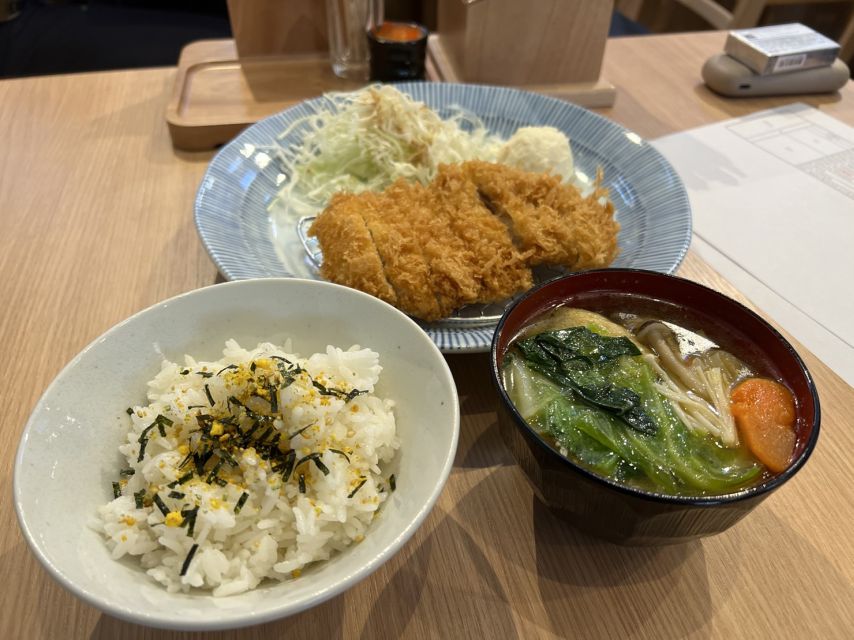
Then comes the meal, and it is not an afterthought. You get Chanko Nabe, a Japanese hot pot, made by the wrestlers themselves. This is the kind of food that fits the sport because it is warm, filling, and designed to support stamina.
What makes it satisfying is the timing. You learn about training and competition, you try the moves, then you sit down and eat something that matches that world. The flavor and warmth feel like a reward, but also like context. It helps sumo stop being an isolated show and start being a full routine.
You should expect a typical hot-pot setup, with the wrestlers preparing it. A recurring theme is that the food is delicious, served hot, and plentiful enough that you actually leave full. Some guests also mention that the lunch may include more than just soup, such as drinks and dessert, so plan for a proper meal, not a snack.
Chanko Nabe is also a good equalizer. Whether you are a serious food person or just hungry after two hours of activity, it is easy to enjoy. You do not need to know Japanese cooking terms to appreciate it once it arrives.
Asakusa Mondays vs Ryogoku Thursdays: Pick the Flavor of Tokyo
This experience has two locations depending on the day. On Mondays, it takes place in Asakusa. On Thursdays, it runs in Ryogoku.
Ryogoku is the sumo-adjacent part of Tokyo, and that alone makes it appealing if you want the sport to feel anchored in its home turf. Asakusa, meanwhile, gives you a classic Tokyo experience outside the stadium bubble, so it can pair nicely with the rest of your day of temples, old streets, and easy wandering.
In either area, the meeting point is handled with a voucher and a map. You should use that map and arrive before the start time. The session starts at 1:00 PM, and the door opens earlier (the information provided says 12:40). If you show up right at the last minute, you might miss the calm start that makes the workshop feel smooth.
If you are planning your schedule, aim to leave enough buffer around the 2-hour window so you are not rushing after lunch.
Price and Value for a 2-Hour Sumo Workshop With Lunch
At $95 per person, this is not a budget activity. But it also is not just a ticket to watch a show. You are paying for a combination that is hard to replicate on your own in Tokyo:
- English-led teaching from former professional wrestlers
- interactive ring time, where you actually try something guided by pros
- a wrestler-made Chanko Nabe lunch
- a small group setup that keeps the experience personal
That is the value equation. Many tours in Tokyo pay the price for location and transport. This one mainly pays for people and access. The wrestlers are the product, and the lunch is part of the same theme, so you get both cultural meaning and a satisfying meal.
Also, a small group changes the feel. With a limit of 6 participants, you typically get more attention and more time for pictures and questions. For many first-timers, that is what makes the memory stick.
If you are already planning a sumo-related day, this can be a more rewarding use of time than simply watching a bout somewhere else, because you gain understanding plus direct interaction.
Who This Tour Is Best For (And When to Skip It)
This workshop is ideal if you fall into one of these buckets:
- You are new to sumo and want the “what am I watching” explained in English
- You like hands-on cultural experiences, not just museum-style viewing
- You want a family-friendly activity that still feels authentic
- You enjoy food experiences tied directly to the theme, like Chanko Nabe
It also tends to work well for mixed groups because the session is active, but not complicated. Kids get laughs and movement. Adults get context, history, and the chance to understand training and competition.
You might consider another option if you strongly dislike participation and you feel uncomfortable with the possibility of being asked to help with the costume demo. The workshop includes interactive elements, even if not everyone is picked for the costume part.
Practical Tips So You Enjoy It Fully
A few simple moves will help this go smoothly:
- Go in expecting playful instruction, not a silent demonstration
- Use the voucher map to find the exact meeting spot, then arrive early enough to settle in
- Come hungry. You are eating a hot pot lunch after the workshop, and it is designed to be filling
- If you have dietary needs, note them during reservation. Vegetarian and Halal adjustments require advance notice (at least 2 days before, based on the info provided)
Also, if you want photos, do not plan to rush. Many people mention plenty of time for pictures, and a calm pace helps you enjoy the ring moment without feeling stuck in line.
Should You Book This Tokyo Sumo and Chanko Nabe Experience?
Yes, I would book it if you want a Tokyo activity that teaches you sumo in a way that sticks, then rewards you with real food from the same world. The small group, English explanations, and chance to interact with former pros are the main reasons this works so well. Add a wrestler-made Chanko Nabe lunch, and you get both meaning and satisfaction in one package.
If you are short on time, this still has a clear advantage. You are not spending a whole day hunting for sumo info on your own. In two hours, you get the sport’s basics, a memorable hands-on moment, and a hearty meal.
If you are sensitive to being singled out, just keep in mind the costume demo can involve volunteers, and not everyone will be chosen. Beyond that, it is a friendly, efficient experience that is hard to replace.
FAQ
Where does the sumo experience take place?
It runs in two places depending on the day: Asakusa on Mondays and Ryogoku on Thursdays.
What time does the activity start?
The activity starts at 1:00 PM, and you need to arrive before that time (the door opens at 12:40).
How long is the experience?
The duration is 2 hours.
What’s included in the $95 price?
The price includes the entrance fee, participation fee, and lunch.
Is pickup or drop-off included?
No. Pick-up and drop-off are not included.
Is it taught in English?
Yes. The instructor provides the experience in English.
How many people are in the group?
It is a small group, limited to 6 participants.
What if I need a vegetarian or Halal meal?
You should note it in your reservation, or contact the provider by email at least 2 days before the participation date.
Is the tour wheelchair accessible?
Yes, the activity is listed as wheelchair accessible.
What is the cancellation policy?
You can cancel up to 10 days in advance for a full refund.
Practice Rooms and Show Nights
Newest Tokyo write-ups from the Loving Japan desk

Sumo Wrestling Experiences, side by side.
 ★ 4.8Sumo Show Experience with Chicken Hot Pot and a PhotoFrom $1036,678 reviews
 ★ 4.8Sumo Show and Dining ExperienceFrom $792,742 reviews
 ★ 5.0the SUMO showFrom $891,960 reviews
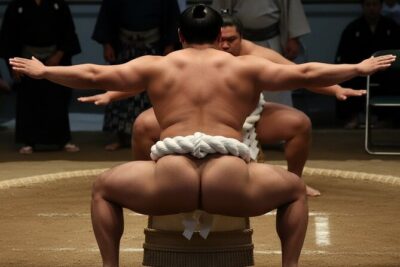 ★ 5.0Tokyo Shinjuku Sumo Show & Experience with PhotoFrom $791,750 reviews
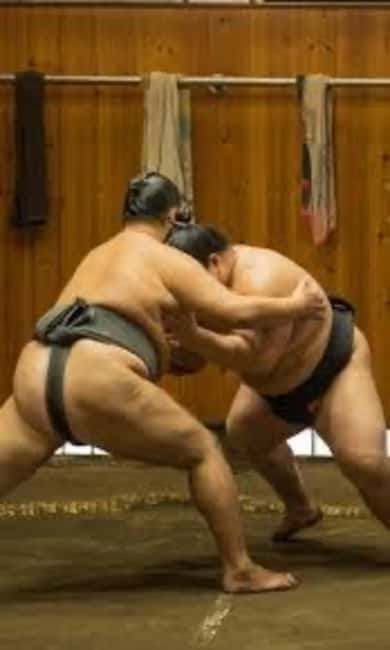 ★ 4.8Sumo Show and Experience in ShinjukuFrom $691,001 reviews
 ★ 4.6Sumo Tournament Tour with Chair Seat TicketsFrom $141753 reviews
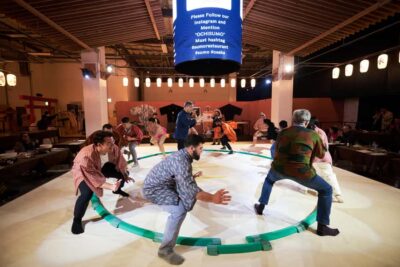 ★ 4.5Sumo Show & Experience w/ Optional Kimono & Hot PotFrom $77609 reviews
 ★ 5.0Authentic Sumo Experience in Tokyo: Enter the SanctuaryFrom $171603 reviews
Filed on these lists too