
REVIEW · SUMO WRESTLING EXPERIENCES
Tokyo: Sumo Morning Practice -Stable Visit Tour with a Guide
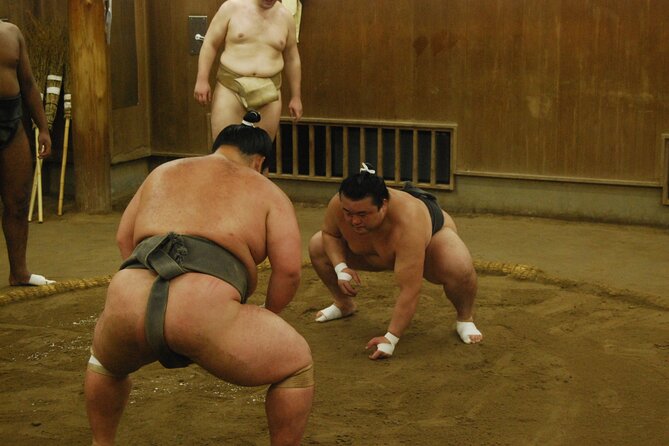
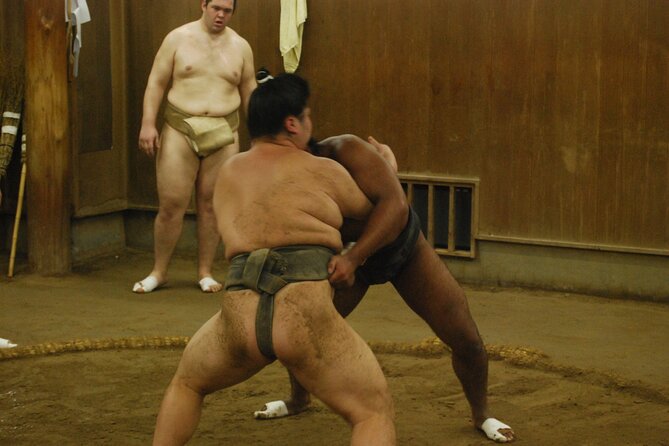
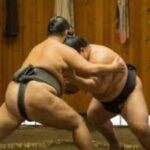
Sumo practice is louder than you think. This is a rare chance to watch rikishi and apprentices doing their morning work at an actual sumo stable in Sumida, Tokyo, where you can read facial tension and hear the impact from a surprisingly close distance. The coach’s voice can feel intense at first, but it comes from discipline and trust that keep the Ikazuchi stable running day after day.
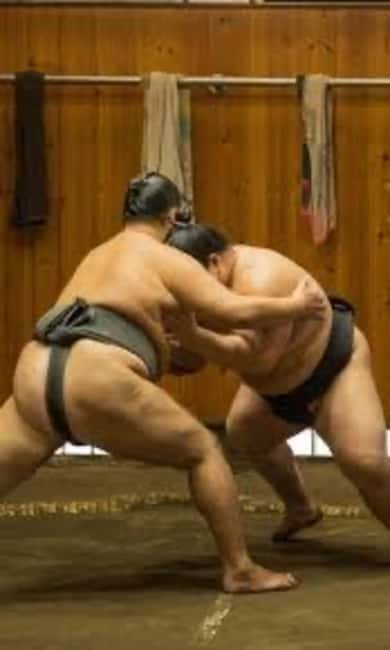
What I love most is the up-close training view. You’re not just watching entertainment from a seat, you’re watching bodies warm up, square up, and collide with real focus. Second, you get a built-in payoff after practice with time for photos and a Q&A, so you can turn curiosity into answers quickly.
One consideration: the stable rules are strict. No video, no flash photography, and no eating during morning practice, so you’ll want to arrive ready and follow instructions closely to keep the rikishi concentrated.
In This Review
- Key Things to Know Before You Go
- Why a Sumida Stable Morning Looks Different
- Meeting at Oshiage: Timing Your 8:30am Arrival
- Entering Ikazuchi Sumo Stable: Training Up Close
- Photo Rules and What to Bring Without Disrupting Practice
- The Guide and Special Brochure: Making Sense of What You See
- Price, Group Size, and Family Value
- Optional Tips and Respect After Practice
- Should You Book This Sumo Morning Practice Tour?
- FAQ
- What time does the Tokyo sumo morning practice tour start?
- How long is the tour?
- Where is the meeting point?
- Is the group size limited?
- Can I take video or use flash photography inside the stable?
- Is it okay to eat snacks during morning practice?
- Is admission included with the tour?
- Can I ask questions and take photos?
- Should I tip the rikishi?
Key Things to Know Before You Go
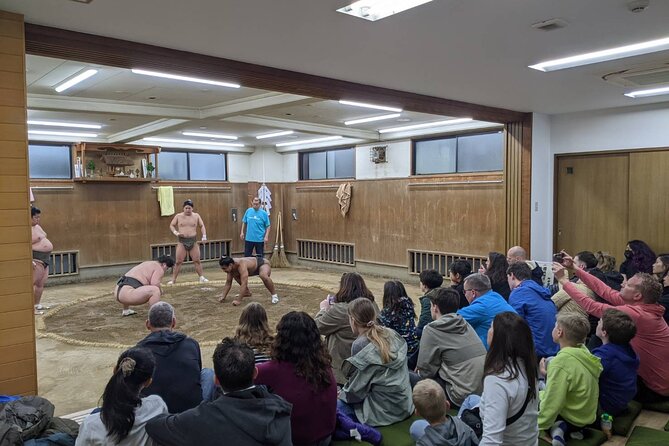
- Small group, big access: Maximum of 10 travelers, which makes the pace feel calm and controlled.
- 8:30am start in Oshiage: Plan for an early morning start and be at the Water section, 1-chōme-1-1 Oshiage, Sumida City.
- Respect the training concentration: Private conversations are discouraged during the practice window.
- Photography rules are firm: No video and no flash photography inside the stable.
- Bring only what’s allowed: Snacks and food are not allowed, but you can bring drinks with lids.
- Optional support after practice: If you want, leave a tip for the rikishi.
Morning practice or an evening show. Both reviewed
- Tokyo: Sumo Show and Dining Experience
★ 4.8 · 2,742 reviews - the SUMO show
★ 5.0 · 1,960 reviews - Tokyo Shinjuku Sumo Show & Experience with Photo
★ 5.0 · 1,750 reviews - Tokyo: Sumo Show and Experience in Shinjuku
★ 4.8 · 1,001 reviews
Why a Sumida Stable Morning Looks Different
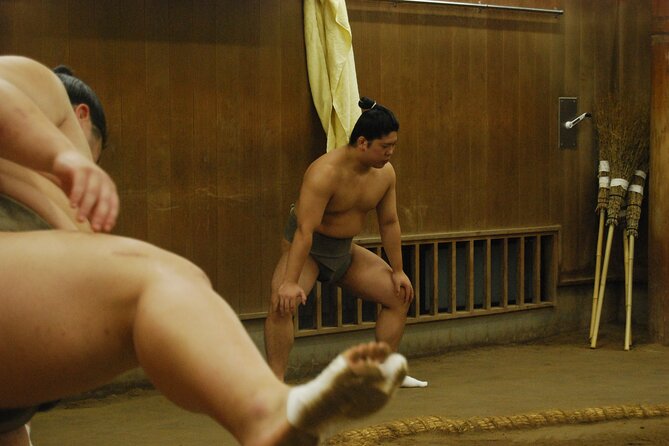
Most people see sumo on match days, when everything is polished, loud, and perfectly choreographed for the audience. A morning stable session is a different animal. The point here is training and preservation of the sport, and it shows in the focus. You’ll see apprentices working through the basics while the wrestlers move with purpose, breathing steady, faces set, and bodies landing with solid thumps.
I also like that this feels closer to the real thing than the big arenas. You get a sense of rhythm, not just highlights. The sound matters too, because you’re hearing the collision timing and footwork cadence as they practice. Even the atmosphere feels more personal, like you’re witnessing a daily routine that has to stay consistent for decades.
One more detail that adds texture: the coach’s voice can be harsh and loud the first time you hear it. Don’t treat it like rude theatrics. In this stable setting, it’s part of the system, and it reflects the trust built with students and rikishi that keeps training moving every morning.
Meeting at Oshiage: Timing Your 8:30am Arrival
This tour starts at 8:30am. Your meeting point is the Water section, 1-chōme-1-1 Oshiage, Sumida City, Tokyo 131-0045. It says the meeting area is near public transportation, which is a lifesaver for an early start. Still, give yourself extra buffer, because morning practice is a schedule thing, not a flexible suggestion.
Plan on about 2 hours total, with the practice visit taking roughly 1 hour inside the stable setting. The activity ends back at the meeting point. That round-trip structure is practical. You won’t be left figuring out a complicated second transfer after an intense morning session.
And because the group is capped at 10 people, you’re not squeezed into a giant herd. That matters in a stable, where the space and quiet help the wrestlers stay in their concentration.
Entering Ikazuchi Sumo Stable: Training Up Close
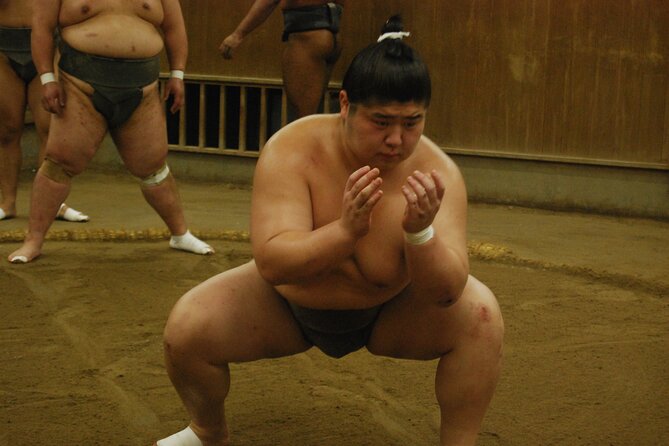
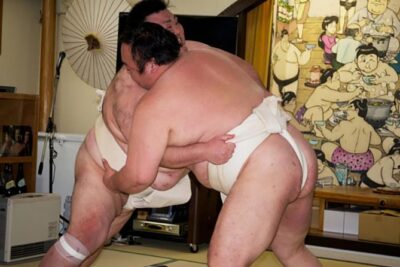
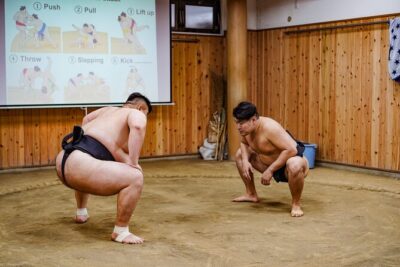
The heart of the experience is watching training at a strong sumo stable in Sumida. During the visit, you’ll observe morning practice with a close enough view to pick up the intensity in how rikishi and apprentices set their posture. From a distance, you can still catch facial expressions and the tension right before movement. That’s one of the reasons this feels special. It’s not just the size and uniforms, it’s the micro-decisions.
The practice window runs for about an hour. Expect movement focused on technique and control, plus the physical reality of bodies colliding. The sounds can be surprising. It’s not a gentle sport. It’s controlled force, repeated until it’s second nature.
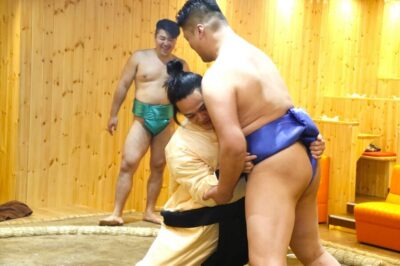
You’ll also have interaction time after training. The experience includes a chance to take photos with sumo wrestlers and to ask a question. That Q&A is a smart add-on because it helps you connect what you’re seeing with what it means. Ask something simple and direct, like how they think about practice routine or what beginners focus on first.
Just remember the stable is not a casual hangout. Keep your energy respectful. Private conversations during the tour are discouraged specifically to protect the rikishi’s concentration.
- Mt Fuji and Hakone 1-Day Bus Tour Return by Bullet Train★ 5.0 · 26,383 reviews
- 1-Day Tokyo Bus Tour★ 5.0 · 14,250 reviews
- Tokyo: teamLab Planets TOKYO Digital Art Museum Entry Ticket★ 4.6 · 9,779 reviews
- Mt Fuji & Hakone Cruise, Drum Show Bullet Train 1 Day from Tokyo★ 4.0 · 7,413 reviews
- Tokyo Mt Fuji 5th St & Hakone Cruise Bus Tour w/Bullet Train★ 4.4 · 5,024 reviews
Photo Rules and What to Bring Without Disrupting Practice
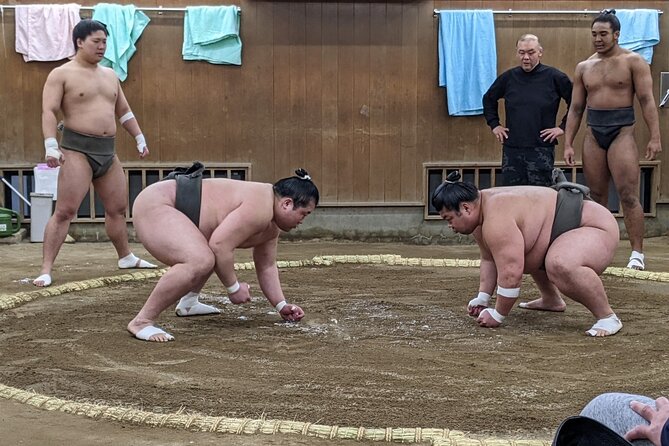
This is one of those tours where you’ll want to read the rules early, because they affect your day immediately. Inside the stable, video is prohibited, and flash photography is prohibited. Regular photos without flash are fine.
So plan on:
- Turning off any flash features before you step inside
- Keeping your camera ready, so you don’t fumble and slow the group
- Using natural light and patience, since bright flashes are not allowed
On food and drink, the rule is clear: snacks, bread, rice balls, and other food are not allowed during morning practice. You can bring your own drinks with lids. That’s a good compromise. Bring water, keep it capped, and you won’t feel caught between hunger and rules.
Because the session is early and physical, it’s also smart to wear comfortable clothes that work for cool mornings. If you’re thinking of bringing kids, this is doable, but you’ll want to prep them that it’s quiet and rule-based.
The Guide and Special Brochure: Making Sense of What You See
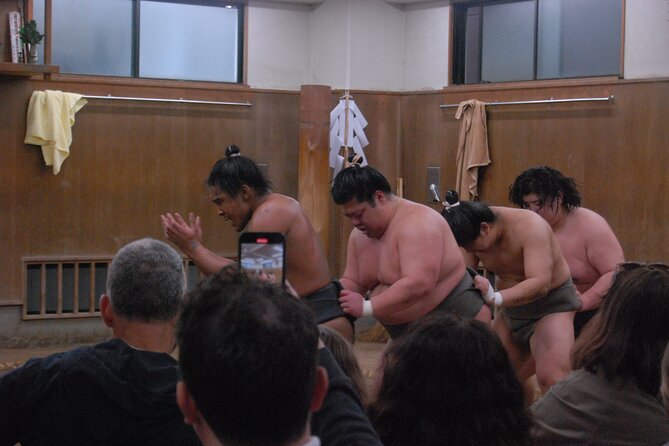
A tour guide is included, and that helps a lot with a sport that has lots of tradition and a lot of structure behind the scenes. Even if you don’t know much sumo going in, having someone explain what’s happening keeps you from just watching motion.
You also receive a special brochure. I like when a tour gives you something you can read right after you leave, so the morning doesn’t turn into a quick photo album. With a printed guide, you can connect details you noticed during practice to the broader world of sumo.
The Q&A time after training also makes the brochure feel more useful. You can ask about the rules, training emphasis, or what a morning session typically focuses on. If you go with questions you’re genuinely curious about, the answers land better.
The one downside of adding interpretation is you may catch yourself wanting to slow down, so take your time mentally. Don’t rush the moment right before the Q&A. Let it sink in first.
Price, Group Size, and Family Value
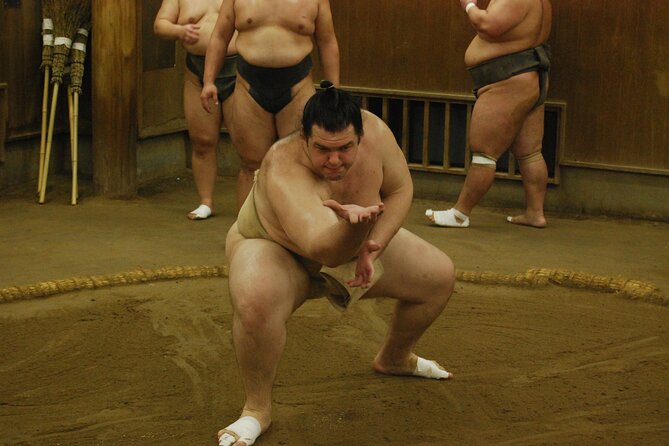
At $82 for about 2 hours, this tour is priced like a focused, guided access experience rather than a long sightseeing day. The value is in three things: the morning timing, the small group size, and the fact that you’re seeing practice in an actual stable environment, not a generic performance.
The price also makes sense because you’re not just paying for a viewpoint. You’re paying for a guide, a special brochure, and the structured visit that includes photos and a question period. The admission ticket for the practice visit is also handled as part of the tour experience.
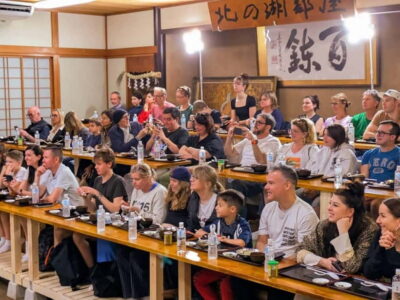
Group size matters for cost and comfort. With a maximum of 10 travelers, you’re less likely to feel crowded or loud. That’s important in places where concentration and respect are part of the package. It’s also great for families. One review mentioned they went with their kids and found it fun and interesting, with the real-sumo feel coming through. For kids, the combination of watching the strong practice action plus the chance to ask questions can make the whole morning feel less like a lecture.
If you’re watching your budget, think of this as a high-impact experience that swaps a chunk of your morning for one memorable, authentic moment. You get a story you can tell all day, not just another photo.
Optional Tips and Respect After Practice
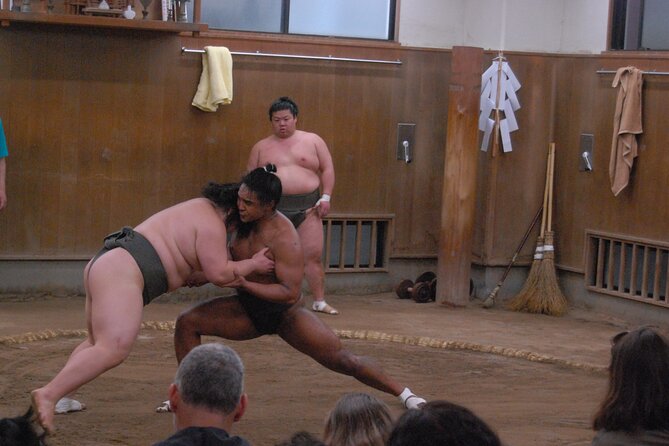
There’s a line in the tour info that I really appreciate: if you feel inclined to support the rikishi after practice, leave them a tip. That’s not required by the tone here, but it’s a thoughtful gesture.
I’d treat it as part of good manners. If you do tip, do it in the spirit of respect, not as a transaction. This kind of visit works because people allow you to witness something they protect daily. A small act of appreciation can fit that relationship.
Also, keep your behavior calm right after practice. The stable’s rhythm matters, and your job is to be a good guest in a working space.
Should You Book This Sumo Morning Practice Tour?
Book it if you want a genuinely different view of sumo, with up-close training and a chance to ask questions. It’s also a solid choice for families who can handle quiet rules and an early start. With a small group size of up to 10, it feels personal without being chaotic.
Pass if you rely on flash photography, video recording, or you want to snack during the session. This tour is built around stable etiquette, so you’ll need to keep things simple: drinks with lids, no food, no flash, no video.
One last practical nudge: since this is a morning activity and schedule matters, be ready to arrive on time. If you get that part right, you’ll leave with the kind of experience that feels less like sightseeing and more like learning how the sport actually gets made each day.
FAQ
What time does the Tokyo sumo morning practice tour start?
It starts at 8:30am in Tokyo.
How long is the tour?
The duration is about 2 hours.
Where is the meeting point?
The meeting point is the Water section, 1-chōme-1-1 Oshiage, Sumida City, Tokyo 131-0045, Japan.
Is the group size limited?
Yes. The tour has a maximum of 10 travelers.
Can I take video or use flash photography inside the stable?
No. Video and flash photography are prohibited inside the sumo stable.
Is it okay to eat snacks during morning practice?
No. Snacks, bread, rice balls, and other food are not allowed during morning practice. You can bring drinks with lids.
Is admission included with the tour?
The visit includes the admission ticket for the morning practice.
Can I ask questions and take photos?
Yes. After training, you can take photos with sumo wrestlers and ask questions as part of the experience.
Should I tip the rikishi?
The tour info suggests that if you feel inclined to support the rikishi after practice, you can leave them a tip.
Practice Rooms and Show Nights

Newest Tokyo write-ups from the Loving Japan desk






Sumo Wrestling Experiences, side by side.
 ★ 4.8Sumo Show Experience with Chicken Hot Pot and a PhotoFrom $1036,678 reviews
 ★ 4.8Sumo Show and Dining ExperienceFrom $792,742 reviews
 ★ 5.0the SUMO showFrom $891,960 reviews
 ★ 5.0Tokyo Shinjuku Sumo Show & Experience with PhotoFrom $791,750 reviews
 ★ 4.8Sumo Show and Experience in ShinjukuFrom $691,001 reviews
 ★ 4.6Sumo Tournament Tour with Chair Seat TicketsFrom $141753 reviews
 ★ 4.5Sumo Show & Experience w/ Optional Kimono & Hot PotFrom $77609 reviews
 ★ 5.0Authentic Sumo Experience in Tokyo: Enter the SanctuaryFrom $171603 reviews
Filed on these lists too