
REVIEW · SUMO WRESTLING EXPERIENCES
Tokyo Sumo Morning Practice Tour at Stable
Sumo morning practice feels like a secret handshake into Japanese tradition. In this Tokyo stable visit, you get a rare front-row view of wrestlers training up close, plus clear explanations of where sumo came from and how Japan’s top tournaments work. Two things I love right away: the quiet, respectful atmosphere and the chance to watch training as it happens, not as a packaged show.
The other big plus is the guide-led context, including a primer on the six annual Grand Tournaments and what you are seeing during practice. One drawback to plan for, though: the headset commentary can be hard to hear for some people, so you may need patience during the loudest moments.
In This Review
- Key Highlights You Should Know Before You Go
- Ryogoku 7:45am Meetup: what you gain by starting early
- Ryogoku Station to the Stable: Shinto roots and the tournament roadmap
- Entering a Sumo Stable: etiquette that keeps the experience smooth
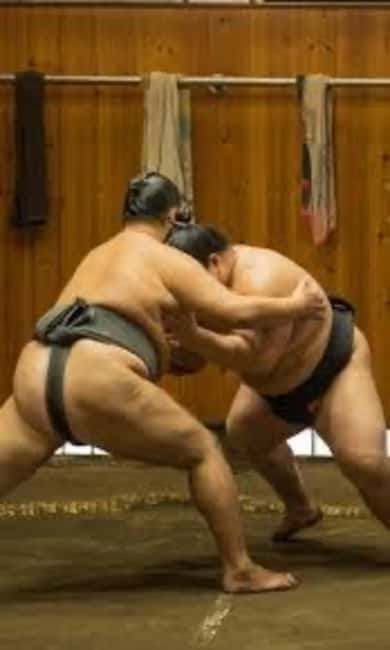
- What practice looks like up close: sparring, routine, and real effort
- Understanding sumo rankings through what you are watching
- Seating, sightlines, and the headset reality check
- Photo time after practice: a fun finish with clear rules
- Is the $83.57 price fair for a Tokyo stable morning?
- Who should book this sumo morning practice tour
- Should you book? My practical take
- FAQ
- Where do we meet for the Tokyo sumo morning practice tour?
- How long is the experience?
- How many people are in the group?
- Is this tour okay for kids?
- Are photos and videos allowed?
- Is eating or drinking allowed in the stable?
- What are the rules for phones and audio?
- Can I step into the ring area or sandy ground?
- Do I get to re-enter the stable after I leave?
- Can I cancel for a refund?
Key Highlights You Should Know Before You Go
- 7:45am Ryogoku meetup sets you up for the calmest, most focused viewing window
- Local stable access gives you backstage-style practice observations, not a tourist performance
- Six annual Grand Tournaments explained so the sport makes sense beyond the ring action
- Strict etiquette rules (silent viewing, no ring stepping, no flash) help protect the sacred space
- Small group size with a maximum of 20 travelers for a more controlled experience
- Summer heat guidance includes tips for dealing with no air conditioning inside
Morning practice or an evening show. Both reviewed
- Tokyo: Sumo Show and Dining Experience
★ 4.8 · 2,742 reviews - the SUMO show
★ 5.0 · 1,960 reviews - Tokyo Shinjuku Sumo Show & Experience with Photo
★ 5.0 · 1,750 reviews - Tokyo: Sumo Show and Experience in Shinjuku
★ 4.8 · 1,001 reviews
Ryogoku 7:45am Meetup: what you gain by starting early
This tour is built for early mornings. You meet at 7:45am near Ryogoku Station at Ryogoku Station Gallery, then you head toward the stable. Starting this early matters because practice is active and the best seats can go fast, especially with limited space inside.
If you use Google Maps, double-check your final walking route. One practical takeaway from people’s experience: even when the tour runs smoothly, pin locations can be off by a block, so give yourself buffer time and arrive a bit early.
Before you leave for the meetup, do two small prep steps that make the whole morning easier. Use the restroom before you arrive, since you will be in a stable where you do not want to rush around. And keep your phone ready for the day, but follow the rules once you are inside, since cellphones must be on silent.
Ryogoku Station to the Stable: Shinto roots and the tournament roadmap
Right after you meet up, your guide sets the tone. You learn how sumo traces its origins to Shinto tradition, with connections that go back centuries, including the idea that sumo preserves ritual elements. You also get a fast, practical overview of the sport structure.
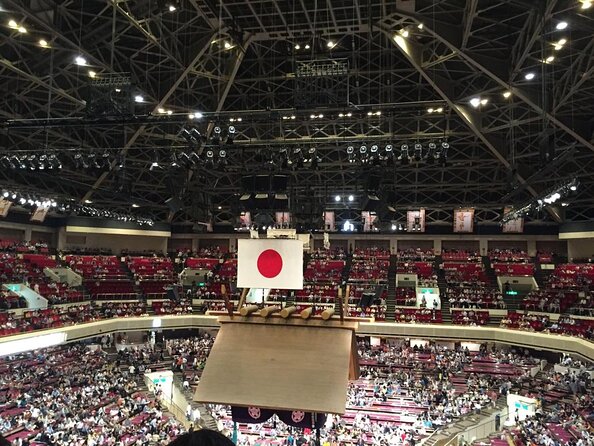
The most useful part is the primer on Japan’s six annual Grand Tournaments, each held for 15 days. Three are in Tokyo, and the others are in Osaka, Nagoya, and Fukuoka. Once you know that map, what you see in training becomes easier to connect to what you might watch on television later.
This is also where you should mentally shift from sightseeing to paying attention. The stable is not a place where you wander and chat. You are there to watch quietly and let the training rhythm sink in, while the guide helps translate the meaning of what you are seeing.
Entering a Sumo Stable: etiquette that keeps the experience smooth
Once you reach the stable, you will quickly notice the rules are not just for show. They protect the wrestlers’ concentration and the sacred nature of the area you are watching. That means you sit where you are directed, keep your voice down, and follow the no-interference basics.
Here are the big etiquette points that affect what your experience feels like:
- Photos are allowed, but no flash and no disruptive shutter sounds
- Videos are not allowed
- Cellphones must be on silent
- Sunglasses and hats are not allowed inside
- Do not step down onto the ring or the sandy ground area
Small body-language details also matter. Do not point your legs toward the ring, and avoid showing the soles of your feet. If you take your time and follow these boundaries, you will feel more welcome and you will get a cleaner view.
One more rule that surprises people: once you leave the stable, you cannot re-enter. So if you need water breaks or a final adjustment, do it early.
- Mt Fuji and Hakone 1-Day Bus Tour Return by Bullet Train★ 5.0 · 26,383 reviews
- 1-Day Tokyo Bus Tour★ 5.0 · 14,250 reviews
- Tokyo: teamLab Planets TOKYO Digital Art Museum Entry Ticket★ 4.6 · 9,779 reviews
- Mt Fuji & Hakone Cruise, Drum Show Bullet Train 1 Day from Tokyo★ 4.0 · 7,413 reviews
- Tokyo: Shinjuku Food Tour (13 Dishes at 4 Local Eateries)★ 5.0 · 6,603 reviews
What practice looks like up close: sparring, routine, and real effort
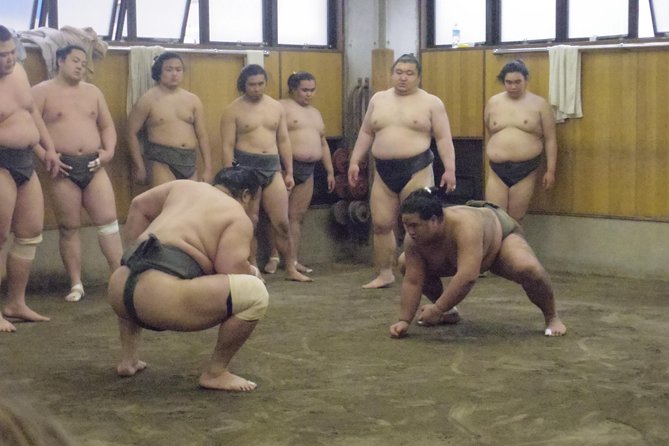
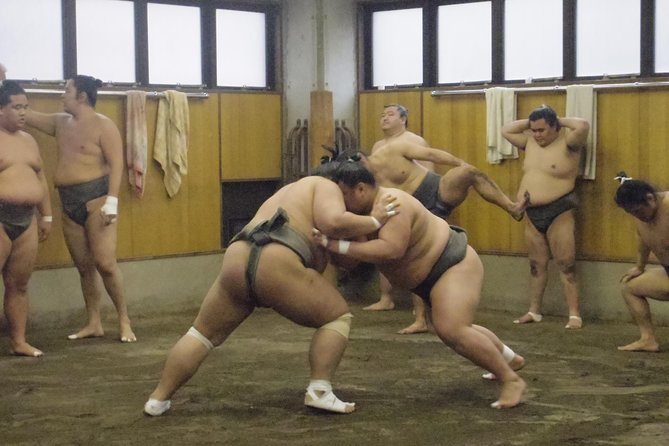
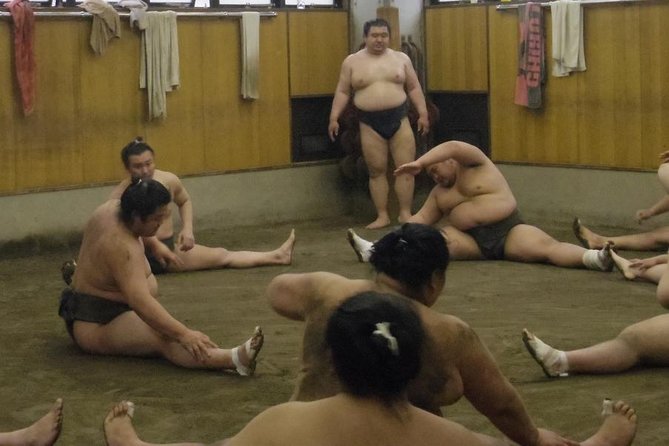
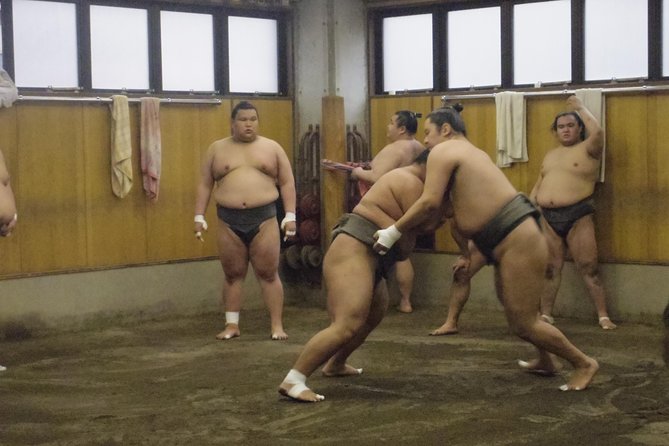
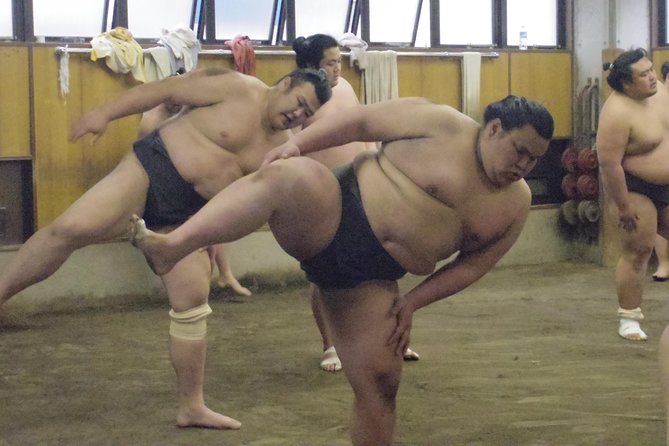
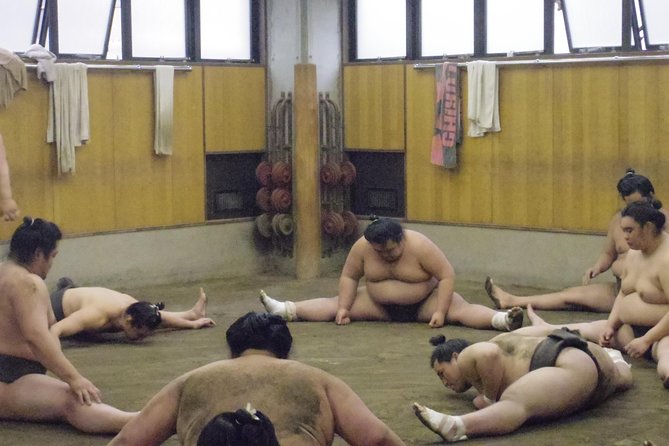
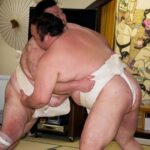
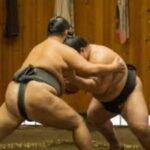
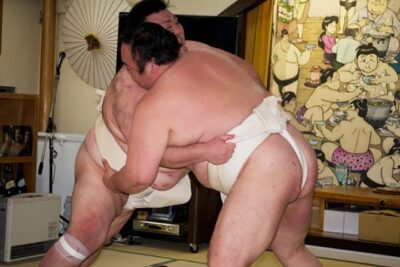
The core experience is watching daily training as it unfolds. You should expect rigorous routines where the wrestlers repeat movements and spar in ways that look almost hypnotic from the outside. From the structure of the tour, you are there long enough to see multiple exchanges and to understand that this is work, not just spectacle.
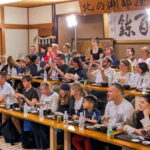
You will be seated on the ground inside the stable area, with guidance on where to watch. Several people mention being comfortable and having close views once seated, but sightlines can still vary depending on where your group lands in the seating area. Arriving early is your best strategy for maximizing your chance of a strong angle.
During practice, you will hear the guide commentary through headsets. This is the part that divides opinions. Some people find the narration helpful and clear enough to follow what is going on. Others report static or difficulty hearing, and that the headset chatter can compete with the natural focus of watching.
If you are the kind of person who gets distracted by audio, keep a backup plan in mind. Watch first, listen second. The good news is the action is constant, so even if the headset is not perfect, you should still get value from seeing training up close.
Understanding sumo rankings through what you are watching
One of the smartest things this tour does is link daily practice to the competition system. You learn about the six Grand Tournaments and how they cycle through Japan. That alone helps you make sense of why wrestlers train so intensely every day.
You also get context for the sport as a series of formal events. In sumo, the tournament calendar is the heartbeat, and training is how wrestlers prepare their strength, timing, and technique. Without this framework, it is easy to watch motion without understanding what matters.
On top of tournament context, guides often explain traditions and rituals you might not recognize at first glance. People in the guide experience report strong English commentary, with examples of guides like Seiji, Yumi, Cameo, Noriko, and Nobu being enthusiastic and clear. The common theme is that the guide keeps translating the stable world into something you can actually follow in real time.
If you want to get more out of the experience, come ready with one question in mind. For example, ask yourself during practice, how would this training change based on the next tournament? The tour’s tournament explanations make that mental exercise much easier.
Seating, sightlines, and the headset reality check
This tour depends on viewing and narration at the same time. That is a great idea in theory, and it is often a hit, but you should know what can affect your comfort.
What to watch for:
- Your seat can be better or worse depending on how space is laid out
- Audio quality varies, and some people mention static or trouble hearing
- The timing is structured, so you may feel rushed if you are hoping for lots of extra talk
If you want the best chance at a strong view, plan to line up early. Some experiences note that the closest front section may be reserved for sponsors or special seating categories. Even if you do not get the absolute front, you can still have excellent views because the practice is happening right in front of you.
Also remember the stable is not designed for modern comfort. There is no air conditioning, and Tokyo mornings can still feel warm, especially in summer. The tour guidance allows you to drink water and sports drinks inside the stable in the summer months, but eating and drinking are otherwise not allowed. People recommend bringing an ice pack or cold towel to stay comfortable.
Photo time after practice: a fun finish with clear rules
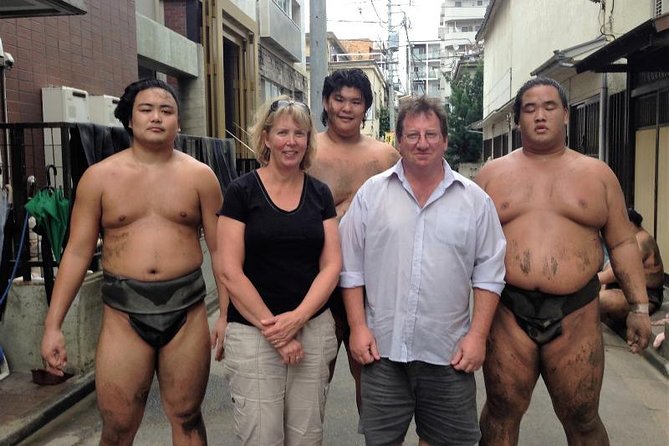
At the end of the session, you will move out after the practice ends. Several people describe a short photo opportunity after practice, where a sumo wrestler may pose for photos with each group. This becomes a memorable closer to the morning, especially if you came mainly to see the athletes up close.
Just keep expectations realistic. Photo time can be brief, so have your phone ready and follow the instructions from your guide without crowding. Also be aware of the photo rules: videos are not allowed, and unauthorized use of photographs taken is prohibited.
If you are hoping for a long interaction with wrestlers, understand that during the practice portion you cannot ask wrestlers for photos while training is still going on. Respecting that boundary keeps things orderly and protects the wrestlers’ focus.
Is the $83.57 price fair for a Tokyo stable morning?
At $83.57 per person for about two hours, this tour is not a bargain. But it also is not a generic show. You are paying for access to a real stable morning routine, guided explanations, and a small group setting with a maximum of 20 travelers.
Where the value shows up:
- You get close viewing of training, which is hard to replicate on your own
- You get context that turns random moves into a sport you can follow
- The experience runs as an actual stable observation, not a scripted theater scene
Where you should be honest with yourself:
- If audio quality is a deal-breaker for you, this is the one part that can disappoint
- Space and seating angles can vary
- The experience is time-limited, and the stable observation moves at a steady pace
For many first-time Tokyo visitors, this becomes the most meaningful “culture sport” moment of the trip. For sumo fans, it can feel like a smarter alternative to waiting around for a tournament day, because you see constant training activity.
Who should book this sumo morning practice tour
Book this if you want an early Tokyo morning with a strong cultural angle and real sport action. It is a great fit for people who like to understand traditions while also watching physical discipline in action. The minimal-group size helps, and the guide commentary makes it accessible even if you know little about sumo to start.
It is also a good option if you are hoping to connect the dots to the televised tournaments. Learning about the six Grand Tournaments helps you watch later with better context.
This is not the best fit if:
- You are sensitive to noise from headset audio
- You hate structured rules and quiet viewing
- You need frequent breaks, since eating and drinking are limited and the stable has no re-entry once you leave
One last note for families: the minimum age is 12, since children 11 and under cannot enter the stable.
Should you book? My practical take
Yes, you should book it if you like authentic, rule-based access and you want to see training up close. The best part is the combination: stable access plus guided context about tournaments and traditions. It feels like you are watching the sport behind the curtain, not just the final ceremonial moments.
Take it seriously when it says quiet, respectful viewing. Follow the etiquette rules, be early for better seating odds, and plan for summer heat conditions. If you do those things, you will likely walk away with a real appreciation for how disciplined sumo training is every single day.
FAQ
Where do we meet for the Tokyo sumo morning practice tour?
You meet at Ryogoku Station Gallery at 7:45am. The meeting location can differ depending on the option you booked, so check your confirmation email.
How long is the experience?
The tour runs about 2 hours.
How many people are in the group?
The tour has a maximum of 20 travelers.
Is this tour okay for kids?
The minimum age is 12. Children 11 and under cannot enter the stable.
Are photos and videos allowed?
Photos are allowed without flash and without shutter sounds. Videos are not allowed.
Is eating or drinking allowed in the stable?
Eating and drinking is not allowed. In summer, guests are allowed to drink water and sports drinks inside the stable.
What are the rules for phones and audio?
Cellphones must be on silent. The tour uses commentary through headsets.
Can I step into the ring area or sandy ground?
No. Do not step down onto the ring or the sandy ground area.
Do I get to re-enter the stable after I leave?
No. Once you leave the sumo stable, you cannot re-enter.
Can I cancel for a refund?
Yes, you can cancel for a full refund up to 24 hours before the experience starts. If you cancel less than 24 hours before, the amount paid is not refunded.
Practice Rooms and Show Nights

Newest Tokyo write-ups from the Loving Japan desk

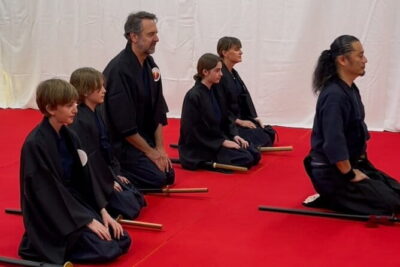

Sumo Wrestling Experiences, side by side.
 ★ 4.8Sumo Show Experience with Chicken Hot Pot and a PhotoFrom $1036,678 reviews
 ★ 4.8Sumo Show and Dining ExperienceFrom $792,742 reviews
 ★ 5.0the SUMO showFrom $891,960 reviews
 ★ 5.0Tokyo Shinjuku Sumo Show & Experience with PhotoFrom $791,750 reviews
 ★ 4.8Sumo Show and Experience in ShinjukuFrom $691,001 reviews
 ★ 4.6Sumo Tournament Tour with Chair Seat TicketsFrom $141753 reviews
 ★ 4.5Sumo Show & Experience w/ Optional Kimono & Hot PotFrom $77609 reviews
 ★ 5.0Authentic Sumo Experience in Tokyo: Enter the SanctuaryFrom $171603 reviews
Filed on these lists too