
REVIEW · SUMO WRESTLING EXPERIENCES
Tokyo Sumo Morning Practice: Viewing & Exclusive Interaction
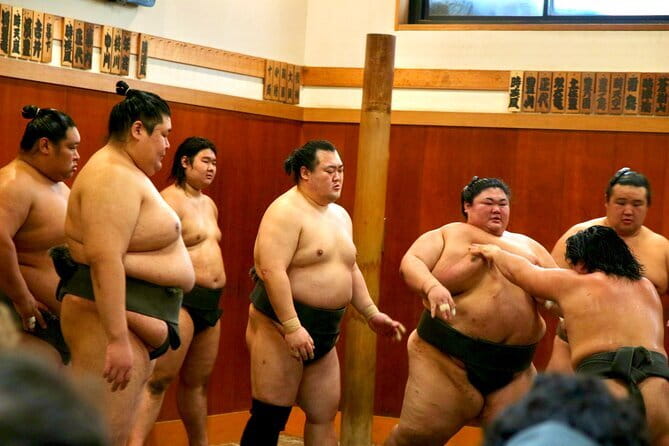
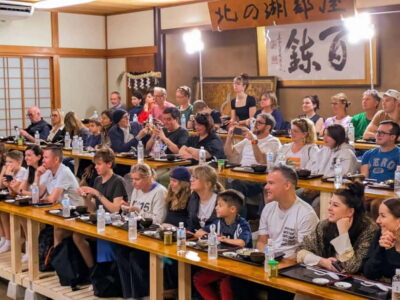
Sumo feels different when you hear it. This morning visit puts you meters away from real practice and includes an exclusive Q&A and photo time with the wrestlers. I love the physical closeness you get outside of a tournament crowd, and I love how the guide helps make your questions meaningful. One consideration: the stable session is quiet and you’ll be seated for a while, so it helps to come ready to stay respectful and patient.
Here’s the real advantage: Tokyo sumo tournaments line up only a few times a year, so many trips miss the big events. This tour lets you see the daily training culture anyway, and it still builds in time for Tokyo sightseeing afterward. Also, the group is kept to a maximum of 45, which helps the whole morning feel more focused.
You’ll use a mobile ticket, meet at Narihira Park near the multipurpose restroom, and finish back at the same spot. The tour runs about 2 hours 30 minutes to 3 hours, with an optional Japanese brunch you can add if you want to keep the morning momentum going.
In This Review
- Key things that make this sumo morning special
- Sumo in the Morning, Not on Game Day
- Narihira Park Orientation: Get the Rituals Right Before You Enter
- The Practice Viewing Stop: Up Close to Raw Power
- Interaction With Wrestlers: Q&A and Photos That Actually Feel Personal
- Closing Session With the Banzuke: Take the Rankings Home
- Optional Japanese Brunch: A Smooth Way to Extend the Morning
- Price and Value for This $95.77 Behind-the-Scenes Visit
- Comfort, Etiquette, and Who This Tour Fits Best
- Should You Book This Sumo Morning Practice Tour?
- FAQ
- How long is the Tokyo sumo morning practice experience?
- Where do we meet for the tour?
- Is there an English-speaking guide?
- What is included in the price besides the guide?
- Is the brunch included?
- Do I need a print ticket?
- How close is the viewing?
- What group size should I expect?
Key things that make this sumo morning special
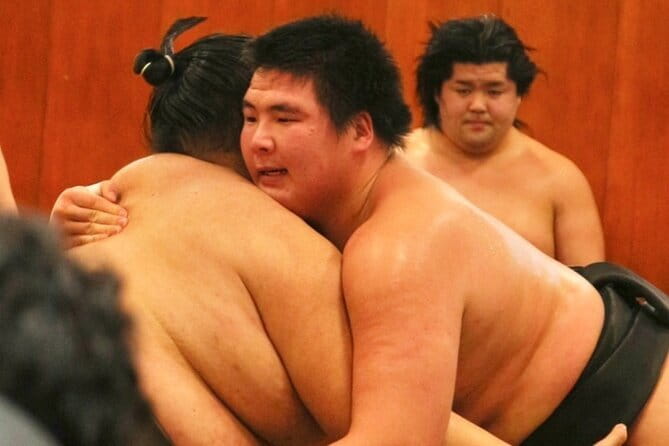
- Up-close practice viewing: You’re close enough to feel the impact and understand how training actually works.
- English-speaking guide support: They set expectations and translate your questions.
- Q&A plus photos with wrestlers: Not just watching, but talking and getting pictures afterward.
- A real souvenir set: You get an official Banzuke ranking sheet in a designed folder.
- Built for a full Tokyo day: Morning training, then you’re free to roam the city.
Morning practice or an evening show. Both reviewed
- Tokyo: Sumo Show and Dining Experience
★ 4.8 · 2,742 reviews - the SUMO show
★ 5.0 · 1,960 reviews - Tokyo Shinjuku Sumo Show & Experience with Photo
★ 5.0 · 1,750 reviews - Tokyo: Sumo Show and Experience in Shinjuku
★ 4.8 · 1,001 reviews
Sumo in the Morning, Not on Game Day
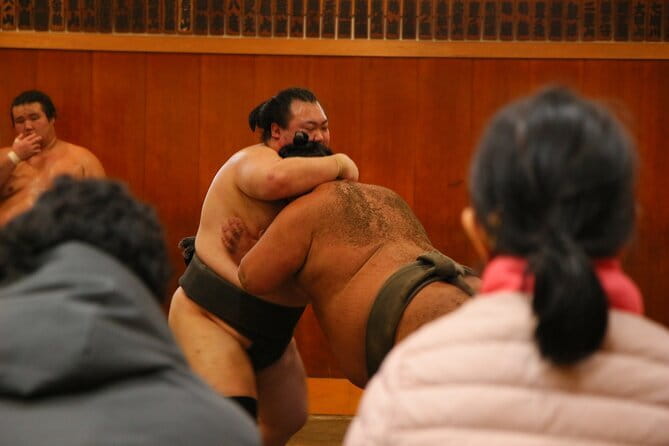
Watching sumo during a tournament is exciting, but it is also tightly staged for a crowd. Morning practice shows you something else, the grind that builds the big moments.
What I like about this format is that you’re seeing the process: warming up, drilling, and practicing moves with real intention. Even if you only know sumo from TV, you’ll start recognizing that training routines shape the wrestler styles you later see on match day.
If your Tokyo dates do not line up with a tournament, you’re not stuck. Instead, you get a backstage-style cultural hit that still feels authentic and grounded in tradition.
Narihira Park Orientation: Get the Rituals Right Before You Enter
Your morning starts at Narihira Park in Sumida City, near the multipurpose restroom. This is not a random pickup. It’s where your English-speaking guide gets you oriented before you head toward the stable.
That pre-brief matters more than you might think. Sumo has rules, etiquette, and little details that can look confusing if you show up cold. In the orientation, you get an insider rundown of the “why” behind rituals and training culture, so you’re not just staring at movement.
You’ll also get a sense of how the morning flows, what’s coming next, and how to behave appropriately while you watch. Guides on this experience often reach out in advance with instructions and prep material, so you can get your bearings fast.
Practical tip: if you’re aiming to look for photos, do it with your guide’s guidance. In a stable setting, timing and manners matter.
The Practice Viewing Stop: Up Close to Raw Power
The heart of the experience is the morning practice viewing, which runs about 1 hour 30 minutes. This is where the tour earns its reputation.
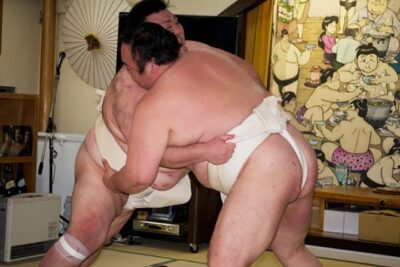
Expect to watch training unfold at close range. The power is not just visual. You notice the way bodies move with control, the rhythm of repetition, and the seriousness in how they approach each drill. You’re also likely to see small practice moments that feel more like training battles than a formal match, which keeps things energetic without turning it into a circus.
One thing that surprised me in spirit, even from what you’re told beforehand, is how much you can learn just by observing. When you understand the sequence of practice, you stop treating it like random wrestling and start seeing a system: technique, discipline, and conditioning all in the same room.
If you’re bringing kids, this is the part that most likely grabs them. In feedback from families, the close-up nature and the intensity made it feel real, not like a staged performance.
- Mt Fuji and Hakone 1-Day Bus Tour Return by Bullet Train★ 5.0 · 26,383 reviews
- 1-Day Tokyo Bus Tour★ 5.0 · 14,250 reviews
- Tokyo: teamLab Planets TOKYO Digital Art Museum Entry Ticket★ 4.6 · 9,779 reviews
- Mt Fuji & Hakone Cruise, Drum Show Bullet Train 1 Day from Tokyo★ 4.0 · 7,413 reviews
- Tokyo: Shinjuku Food Tour (13 Dishes at 4 Local Eateries)★ 5.0 · 6,603 reviews
Interaction With Wrestlers: Q&A and Photos That Actually Feel Personal
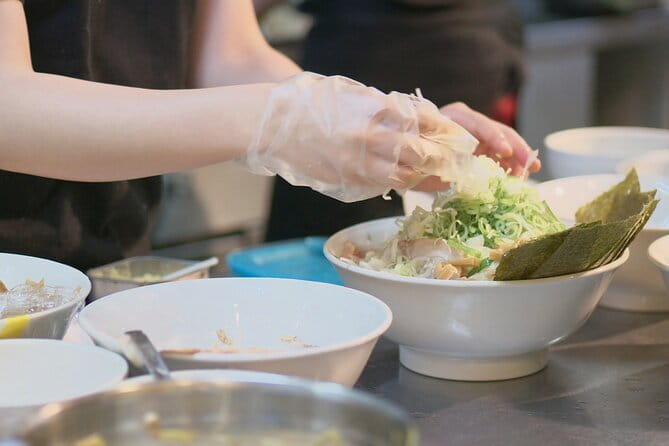
After practice, you shift from watching to interacting. This portion is about 30 minutes and is built around a Q&A plus a photo session.
This is the part you will remember later because it turns sumo from a sport into human stories. Your questions are translated, so you can ask about daily training, how they learn technique, or what the culture feels like from the inside. The guide also helps keep the interaction respectful and flowing.
Then comes the photo time. Getting pictures with wrestlers is not a standard “tourist in front of a wall” moment. You’re doing it immediately after the training segment, which makes it feel connected to what you just witnessed.
Important consideration: stable traditions can affect what participants can do physically. In past experiences, people have learned that ring access follows strict traditional rules, and one guest noted that women are not allowed to step into the ring. If you came hoping for a hands-on push or step-in moment, treat that as something that depends on stable rules and what your group gets permission for.
Still, even without any physical participation, the chance to ask questions and get photos makes the interaction feel exclusive and worth the price.
Closing Session With the Banzuke: Take the Rankings Home
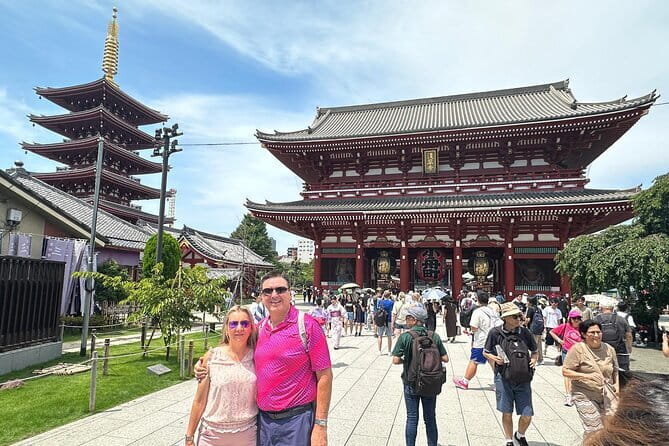
You finish with a closing session back at Narihira Park, about 30 minutes. This part is not just a wrap-up. It ties a neat bow on the whole morning with a tangible souvenir.
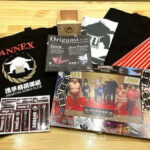
You receive an official Banzuke, the sumo ranking sheet, placed in a specially designed souvenir folder. Even if you don’t fully understand rankings at first, this item gives you something to study later. It also helps you connect what you saw in training to what you’ll likely look for when you read about tournaments.
You’ll also have some extra Q&A time in this final stretch. Think of it as a chance to ask the “one more thing” questions you didn’t get to during the main interaction.
If you enjoy bringing home cultural artifacts that are tied to what you experienced, this is one of the best parts of the package.
Optional Japanese Brunch: A Smooth Way to Extend the Morning
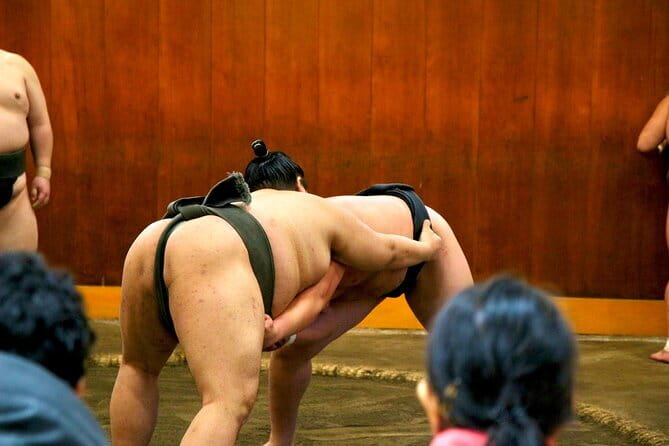
This tour can include an optional Japanese brunch after your experience. The idea is simple: you’re already up early and already in “Japan mode,” so why not keep going?
Brunch is not listed as part of the core included items, so plan to pay separately if you add it. From descriptions of similar brunch add-ons, it often functions more like a casual meal, not a fancy brunch spread.
What you gain by adding it is convenience and context. Your guide is there to explain what you’re eating and help you choose dishes, which is valuable when you’re not sure what to order.
If you have a strict schedule afterward, you can also skip brunch. You’ll still be done early enough to head into Tokyo for temples, neighborhoods, or museums.
Price and Value for This $95.77 Behind-the-Scenes Visit
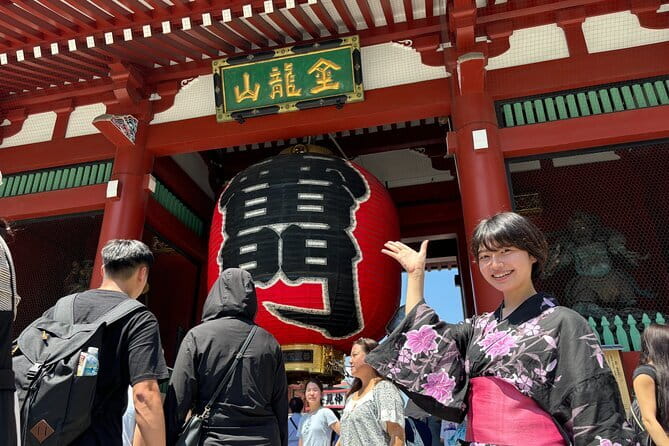
At $95.77 per person, this isn’t a budget-only activity. You should judge it by what you actually get, not by how long it sounds.
What you’re paying for:
- A stable morning experience you can’t replicate on your own easily
- A trained English-speaking guide who sets etiquette and helps with translation
- Access to the practice viewing fee
- An official Banzuke souvenir set in a folder
- Time for Q&A and photos, which is the real differentiator
If you’ve done other “cultural viewing” tours in Tokyo, you know the risk: sometimes you end up watching something for a short segment with minimal interaction. Here, the structure explicitly includes both viewing and conversation, and that’s why the overall satisfaction tends to be high.
That said, be realistic about timing. Some people have reported shorter-than-expected viewing time. Stable schedules can shift based on the day’s training flow. Your best move is to treat the full morning as a guided cultural experience, not a minute-by-minute show.
Also, remember tradition expectations. If you expect to step into the ring like some films, you may be disappointed. The tour’s main promise is closeness, learning, and direct interaction.
Comfort, Etiquette, and Who This Tour Fits Best
This is a respectful, sit-and-watch type of activity for a real training environment. One guest shared that it’s not ideal for everyone, especially if you struggle with quiet behavior for up to around 2 hours depending on how the practice runs.
So who should book it?
- You want an authentic behind-the-scenes look at sumo training, not just a match-day event.
- You like structured guidance, especially for learning rituals and etiquette.
- You’re happy to be seated for a while and keep your voice low during practice.
- You want a family-friendly activity where kids can watch something real at close range.
Who might reconsider?
- If you need lots of movement and action, this may feel more patient than flashy.
- If you have strong expectations about being physically allowed into the ring, confirm your assumptions with the tour ahead of time, since stable rules can be strict.
If you’re someone who enjoys cultural immersion with real context, this tour is one of the best kinds of mornings in Tokyo.
Should You Book This Sumo Morning Practice Tour?
I’d book it if you want the closest realistic look at sumo life without waiting for tournament dates. The combination of up-close practice viewing, translation help, and Q&A plus photos makes it more than a passive sightseeing stop.
Do book if:
- You’re in Tokyo during a week without a tournament.
- You want a guided explanation so what you see makes sense.
- You value a real souvenir like the official Banzuke.
Skip or be cautious if:
- You’re uncomfortable sitting quietly in a traditional setting.
- You are specifically chasing a guaranteed ring-entry interaction, because tradition can limit what’s possible.
If your goal is to understand sumo as a way of life, not just a TV sport, this is exactly the kind of experience that changes how you watch the next match.
FAQ
How long is the Tokyo sumo morning practice experience?
It runs about 2 hours 30 minutes to 3 hours.
Where do we meet for the tour?
You meet at Narihira Park in Sumida City, near the multipurpose restroom. The address is 2-chōme-3-番 Narihira, Sumida City, Tokyo 130-0002, Japan.
Is there an English-speaking guide?
Yes, the tour includes an English-speaking guide.
What is included in the price besides the guide?
The price includes the sumo morning practice viewing fee, and an official sumo souvenir set with the Banzuke ranking sheet in a designed folder.
Is the brunch included?
The Japanese brunch is optional, offered after the experience. It is not listed as part of the included items.
Do I need a print ticket?
No. The tour uses a mobile ticket.
How close is the viewing?
You get closer to the wrestlers than you would at a match, and the experience includes up-close practice viewing.
What group size should I expect?
This tour has a maximum of 45 travelers.
Practice Rooms and Show Nights
Newest Tokyo write-ups from the Loving Japan desk
Sumo Wrestling Experiences, side by side.
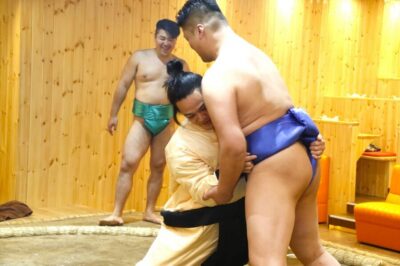 ★ 4.8Sumo Show Experience with Chicken Hot Pot and a PhotoFrom $1036,678 reviews
 ★ 4.8Sumo Show and Dining ExperienceFrom $792,742 reviews
 ★ 5.0the SUMO showFrom $891,960 reviews
 ★ 5.0Tokyo Shinjuku Sumo Show & Experience with PhotoFrom $791,750 reviews
 ★ 4.8Sumo Show and Experience in ShinjukuFrom $691,001 reviews
 ★ 4.6Sumo Tournament Tour with Chair Seat TicketsFrom $141753 reviews
 ★ 4.5Sumo Show & Experience w/ Optional Kimono & Hot PotFrom $77609 reviews
 ★ 5.0Authentic Sumo Experience in Tokyo: Enter the SanctuaryFrom $171603 reviews
Filed on these lists too