
REVIEW · SUMO WRESTLING EXPERIENCES
Tokyo: Sumo Morning Practice Viewing Tour at a Real Stable
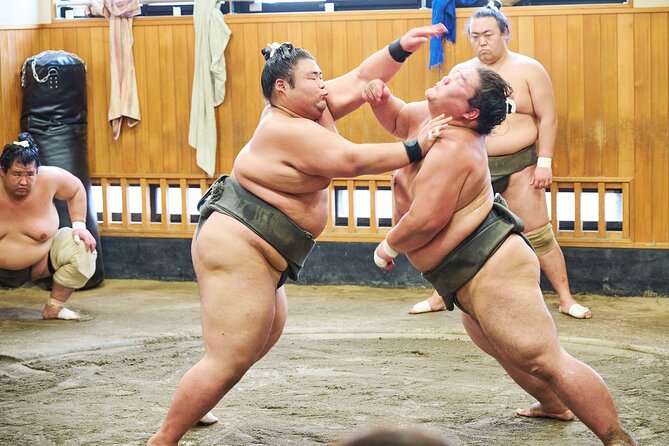
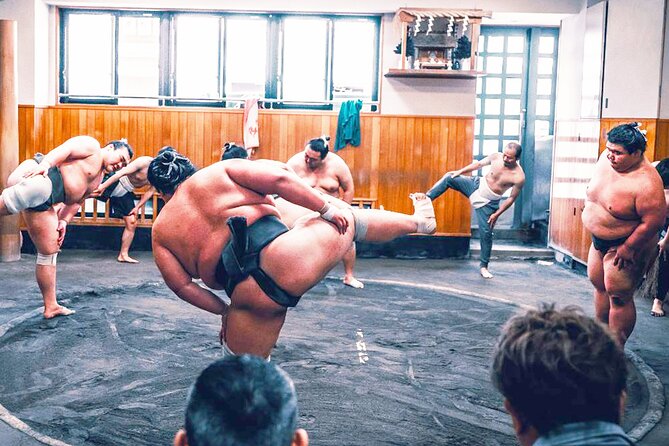
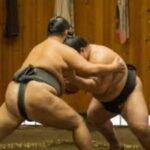
Sumo training sounds dramatic, but it is real work. This tour takes you into a live sumo training stable in Tokyo’s historic sumo district, where you see morning practice up close and learn why each movement matters.
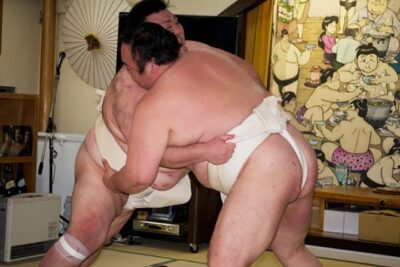
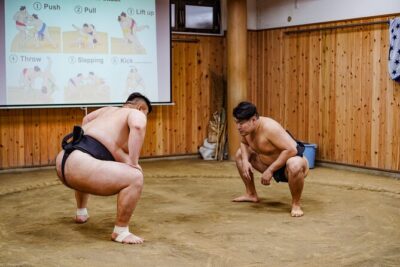
What I like most is the intensity of keiko (training) from ringside, and the way the English guide explains the rules and rituals so you can actually follow what is happening. The tradeoff is strict stable etiquette, including staying seated and quiet, and you cannot leave and re-enter.
Before you go, plan your schedule like a pro. The practice runs around 09:00 to 10:00 AM, you must stay to the end, and the tour can be a bit shorter or longer than expected, so build in buffer time. If you are late, entry may not be possible, so get to Kiyosumi-Shirakawa Station Exit A1 early and keep your phone silent.
In This Review
- Key things I’d bookmark before you go
- Why a Real Tokyo Sumo Stable Changes the Experience
- The Morning Game Plan: Kiyosumi-Shirakawa to Keiko
- What You Learn Before Practice: Rules, Rituals, and the Shinto Meaning
- Watching Keiko Up Close: Ringside Etiquette You Need to Actually Follow
- Meeting Wrestlers Outside Training Hours: What Those Conversations Add
- Is the $98 Price Worth It for a Stable That Usually Says No?
- Who Should Book This Sumo Morning Practice Viewing Tour
- Should You Book This Morning Sumo Stable Tour?
- FAQ
- Where is the meeting point for the tour?
- How long is the sumo morning practice viewing tour?
- Is an English-speaking guide included?
- Can I talk to the wrestlers during the tour?
- What are the main rules you have to follow at the stable?
- Is the tour suitable for children?
- What if I need to cancel?
Key things I’d bookmark before you go
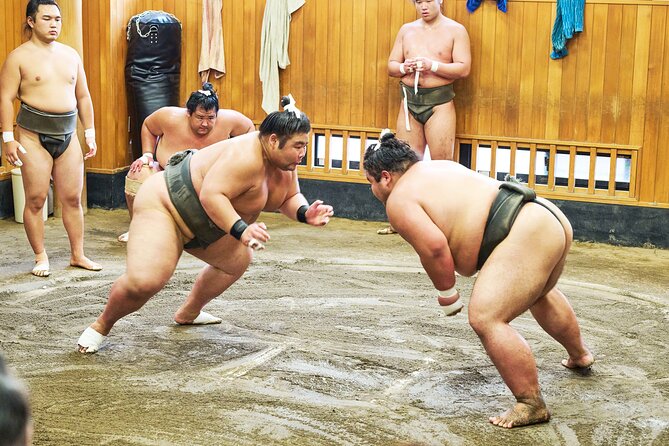
- A real stable, not a performance: This is where wrestlers live and train, and they treat it like work.
- Rituals you can understand, explained in English: You get the meaning behind the do’s and don’ts in the ring.
- Ringside viewing: You sit close enough to see the speed, strength, and body control.
- Meeting wrestlers during the right window: You can speak with them outside training hours.
- Clear etiquette rules: Quiet, modest clothing, and no standing or roaming during practice.
- Timing matters: Late arrivals can cut into (or prevent) your entry and your viewing time.
Morning practice or an evening show. Both reviewed
- Tokyo: Sumo Show and Dining Experience
★ 4.8 · 2,742 reviews - the SUMO show
★ 5.0 · 1,960 reviews - Tokyo Shinjuku Sumo Show & Experience with Photo
★ 5.0 · 1,750 reviews - Tokyo: Sumo Show and Experience in Shinjuku
★ 4.8 · 1,001 reviews
Why a Real Tokyo Sumo Stable Changes the Experience
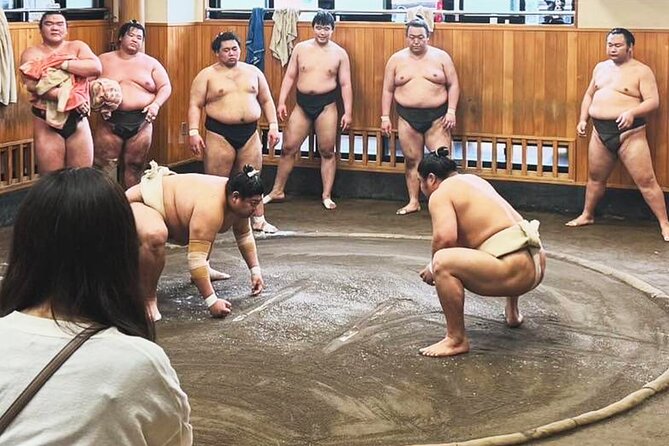
If you only know sumo from tournament days, this tour gives you the missing piece: how the sport is built through daily training. A sumo stable is not just a gym. It is a workplace where wrestlers live, eat, and dedicate themselves to the routines that shape technique and discipline.
The biggest value here is authenticity. In the ring, sumo is governed by clear fundamentals: matches end when someone is forced out of the ring or when any body part touches the ground. But training is where you see the details that make those fundamentals possible, from how wrestlers move their feet to how they reset their stance again and again.
I also like how the tour’s focus stays on the culture, not just the sport. Sumo is rooted in Shinto beliefs, so you will hear about rituals and the meaning behind movements. That context turns what looks like choreography into something you can actually understand in real time.
One more practical point: the stable is usually closed to the public. Access is rare, and that alone makes this feel different from the usual “see a thing and move on” style of sightseeing.
The Morning Game Plan: Kiyosumi-Shirakawa to Keiko
The meeting point is straightforward: Kiyosumi-Shirakawa Station, Exit A1. You can reach it via the Toei Oedo Line or the Hanzomon Line. The guide is there holding a sign that says Local Guide Stars.
After you meet, you may take a train to the sumo stable. That matters because it adds time on top of your arrival. This is one of those tours where “I’m on time” can still mean “I’m late after transit,” especially in the morning when platforms and connections can be a bit chaotic.
Here is what you should plan around:
- The practice period is around 09:00 to 10:00 AM.
- You must stay until the end of the practice, and once you leave the stable, there is no re-entry.
- The tour can run a bit shorter or longer than expected, and if you have a commitment right after, you should let the organizers know in advance.
- Depending on the schedule, the ending location may differ from the meeting place.
Small detail, big impact: in one real-world example, a group with latecomers saw their stable time shortened. The lesson is simple. Arrive at least 30 minutes early so you are not rushing through stairs, platform crossings, and last-minute rule reminders.
What You Learn Before Practice: Rules, Rituals, and the Shinto Meaning
English interpretation is a core part of this tour, and it is not just trivia. The guide explains the rules and rituals so the training session makes sense while you are watching it.
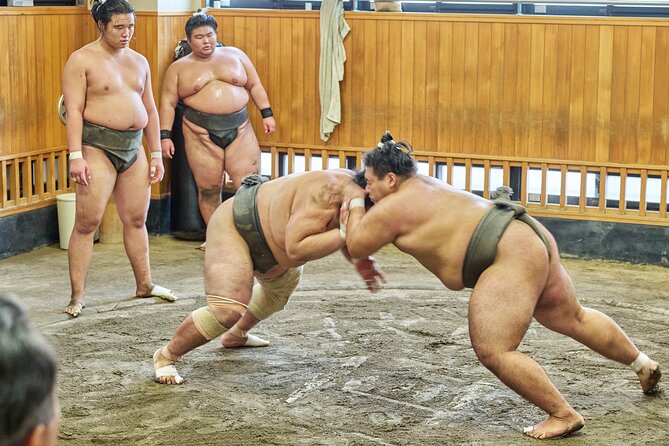
You will learn the logic of sumo outcomes, which is helpful because the ring action can look fast and confusing if you do not know what “good” actually means. With the basics in hand, you start noticing technique: how wrestlers set their posture, how they test balance, and how they recover when an attempt fails.
You will also get the cultural layer. Sumo has spiritual roots in Shinto beliefs, and those beliefs show up in the way the sport is treated. That is why ritual matters here. It is not only about tradition for tradition’s sake. The rituals help define the seriousness of the sport and the respect shown inside the stable.
Guides like Mao and Yuki are specifically mentioned in participant experiences for making the explanations clear and well paced. In other words, you are not left staring at unfamiliar movement patterns and hoping they mean something.
- Mt Fuji and Hakone 1-Day Bus Tour Return by Bullet Train★ 5.0 · 26,383 reviews
- 1-Day Tokyo Bus Tour★ 5.0 · 14,250 reviews
- Tokyo: teamLab Planets TOKYO Digital Art Museum Entry Ticket★ 4.6 · 9,779 reviews
- Mt Fuji & Hakone Cruise, Drum Show Bullet Train 1 Day from Tokyo★ 4.0 · 7,413 reviews
- Tokyo: Shinjuku Food Tour (13 Dishes at 4 Local Eateries)★ 5.0 · 6,603 reviews
Watching Keiko Up Close: Ringside Etiquette You Need to Actually Follow
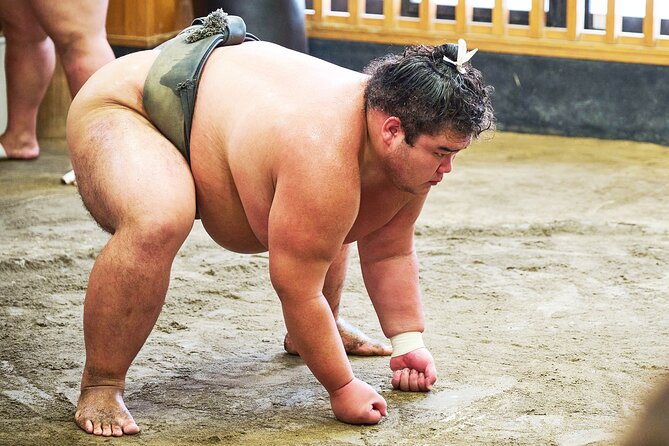
This is where you should mentally switch gears. You are not attending a show. You are entering a working training space.
That means there are rules, and they are non-negotiable:
- No making noise.
- Modest clothing only.
- Phone on silent.
- You must not stand up or move around during the practice.
- You need to stay until the end, and then you are done.
If you want a smooth experience, treat it like a quiet viewing session at a serious museum, not like a typical tourist attraction. Sit, watch, and save your questions for the moments when it is appropriate.
A few other practical notes that make your life easier:
- Use the restroom before you enter the practice area. Because you cannot stand up and you cannot roam, it is not the time for mid-session wandering.
- Keep your expectations realistic about camera habits. Quiet and still is the priority during training. If there is any chance to take photos, it is likely tied to the appropriate moments for speaking with wrestlers outside training hours, not during active practice.
- The wrestlers generally keep training focus, even with visitors present. That is part of the authenticity, but it also means you should not expect them to pause for performance-style interactions.
One thing I really like about this setup is the viewing position. Participants describe sitting close to the ring so you can see and even hear the intensity of training. That kind of proximity turns “I watched sumo” into “I understood the rhythm of training,” because the speed and physical control become obvious.
Meeting Wrestlers Outside Training Hours: What Those Conversations Add
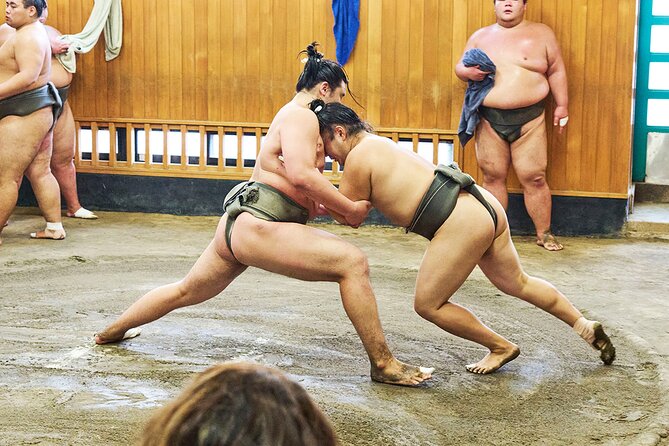
Watching practice is the headline, but the chance to speak with wrestlers is the reason this can feel personal in a respectful way.
The tour includes an opportunity to speak with wrestlers outside training hours. That timing matters. Wrestlers are busy, and you are stepping into their workday, not pulling them away from it.
In participant accounts, conversations were described as informative and grounded in the reality of training life. Even the questions you ask can be different once you have just watched keiko up close. Instead of asking what sumo looks like, you can ask about what training feels like, why certain rituals matter, or how the tournament cycle shapes the routine.
There is also room for special moments. One participant reported being lucky enough to see a yokozuna during the experience. Another mentioned photo opportunities with wrestlers. You should not count on specific outcomes, but it does show that the tour can sometimes line up with high-profile days within stable life.
Is the $98 Price Worth It for a Stable That Usually Says No?
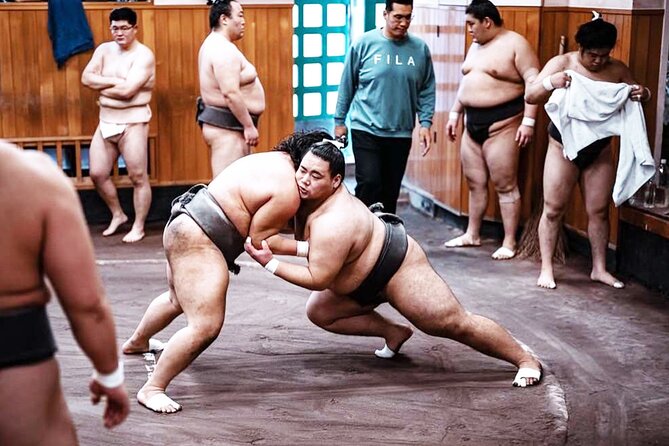
At $98 per person for about 2 hours, the price is not “cheap,” but it is also not random.
Here is what you are paying for:
- Access to a real sumo training stable that is normally closed to the public.
- An English-speaking guide who explains the rules and rituals before you watch practice.
- A close viewing position from inside the stable area.
- An opportunity to speak with wrestlers outside training hours.
If you have ever tried to cobble together sumo culture from public viewing options, you know the difference. Tournament tickets and public exhibits are one thing. Stable access is another, and that kind of access is exactly what pushes the value into the “yes, that’s worth it” category for the right traveler.
What might not feel worth it:
- If you want a loud, entertainment-style format, strict silence and stillness may feel restrictive.
- If you are traveling with small kids, note that the tour is not suitable for those under 11 years. That limitation changes the audience match.
But for adults who want authenticity, clear context, and a meaningful cultural experience, the price lands in a sensible place.
Who Should Book This Sumo Morning Practice Viewing Tour
This tour fits best if you check a few boxes:
- You are curious about Japanese culture and want the spiritual and ritual side of sumo, not only the match rules.
- You want to watch training up close from a working stable, and you can follow etiquette without constant reminding.
- You appreciate guides who explain the sport in a way that helps you keep up while you watch.
You might be a great fit if you are a sumo fan, a sports nerd, or simply the kind of traveler who loves seeing how people live their craft every day.
It is also smart for people who plan ahead. The tour depends on being on time, staying for the full practice period, and respecting stable rules. If you thrive with structure, you will enjoy this a lot more than someone who is used to “wing it” sightseeing.
Should You Book This Morning Sumo Stable Tour?
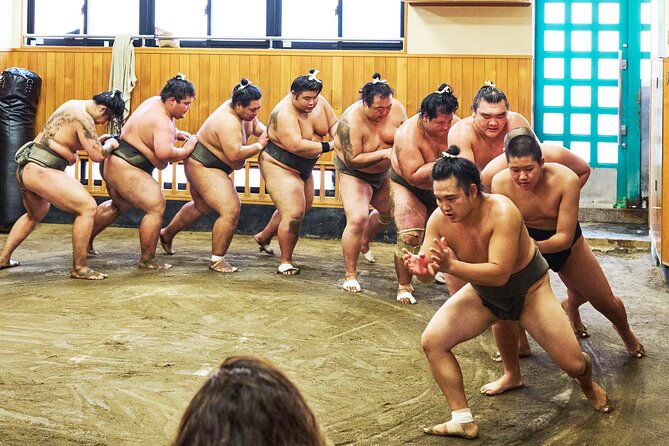
I think you should book it if you want an authentic, rules-and-rituals-first sumo experience. The combination of stable access, an English guide explaining what you are seeing, and ringside viewing makes this stand out as a genuinely practical way to understand sumo beyond tournament day.
Skip it if you want a casual, flexible outing where you can get up often, talk loudly, or treat it like a typical tourist stop. The etiquette is part of what makes this work, and you need to be comfortable with quiet, modest clothing, and staying seated for the practice.
If you do book, do one thing right: arrive early at Kiyosumi-Shirakawa Station Exit A1 so you protect your viewing time. Then settle in, follow the rules, and let the training speak for itself.
FAQ
Where is the meeting point for the tour?
Meet at Kiyosumi-Shirakawa Station, Exit A1. The guide will be holding a sign that says Local Guide Stars.
How long is the sumo morning practice viewing tour?
The duration is 2 hours. The practice window is around 09:00 to 10:00 AM.
Is an English-speaking guide included?
Yes. The tour includes an English-speaking guide who explains the rules, rituals, and meaning behind sumo.
Can I talk to the wrestlers during the tour?
Yes. You get an opportunity to speak with the wrestlers outside training hours.
What are the main rules you have to follow at the stable?
You must follow stable rules such as no making noise, modest clothing only, phone on silent, and do not stand up or move around during the practice. You must also stay until the end, and once you leave there is no re-entry.
Is the tour suitable for children?
No. The tour is not suitable for children under 11 years.
What if I need to cancel?
There is free cancellation up to 24 hours in advance for a full refund.
Practice Rooms and Show Nights

Newest Tokyo write-ups from the Loving Japan desk


Sumo Wrestling Experiences, side by side.
 ★ 4.8Sumo Show Experience with Chicken Hot Pot and a PhotoFrom $1036,678 reviews
 ★ 4.8Sumo Show and Dining ExperienceFrom $792,742 reviews
 ★ 5.0the SUMO showFrom $891,960 reviews
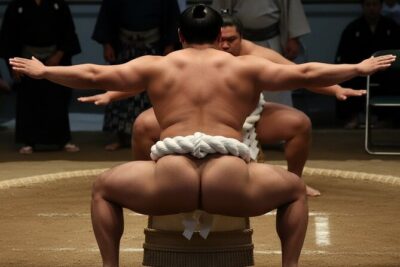 ★ 5.0Tokyo Shinjuku Sumo Show & Experience with PhotoFrom $791,750 reviews
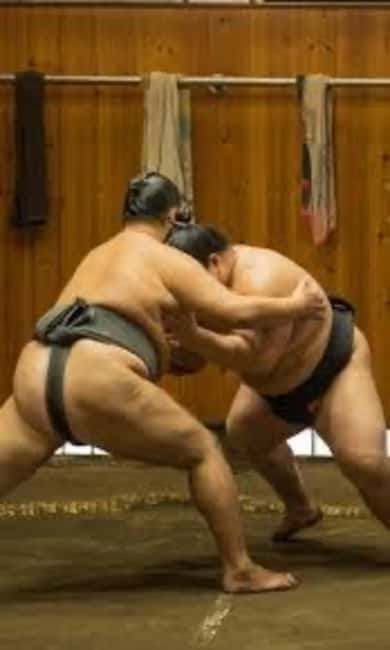 ★ 4.8Sumo Show and Experience in ShinjukuFrom $691,001 reviews
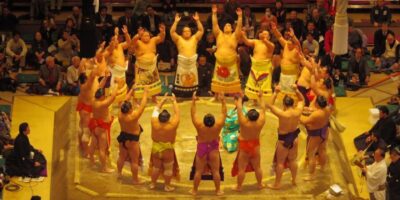 ★ 4.6Sumo Tournament Tour with Chair Seat TicketsFrom $141753 reviews
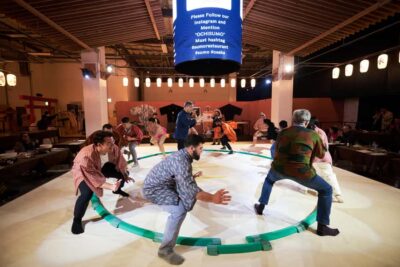 ★ 4.5Sumo Show & Experience w/ Optional Kimono & Hot PotFrom $77609 reviews
 ★ 5.0Authentic Sumo Experience in Tokyo: Enter the SanctuaryFrom $171603 reviews
Filed on these lists too