
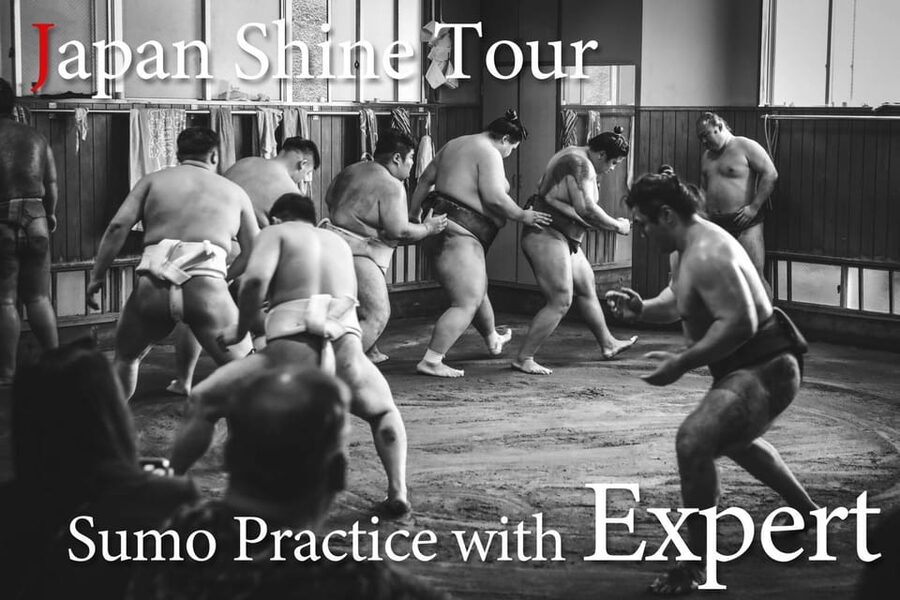
REVIEW · SUMO WRESTLING EXPERIENCES
Tokyo: Sumo Morning Practice with journalists. Not fake show
Most people see sumo once, from TV or seats.
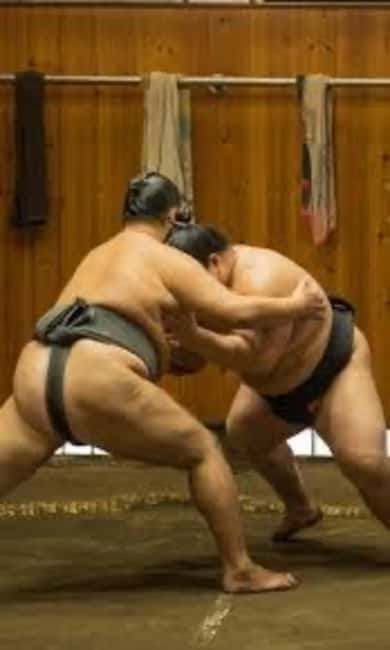
This tour aims at something rarer, a real sumo morning practice with special access through a stable, plus a guide who can explain the rituals like you are sitting courtside. I especially loved the authentic training atmosphere and the fact that you can ask questions freely, not just watch quietly. One thing to consider, you will be sitting on the floor and the traditional stable setup is not ideal for wheelchair users.
The morning practice is the star, but the talk is what makes it stick. I liked that the guide is also a national newspaper journalist, so the explanations feel grounded in how sumo works day to day. If you want a quick photo stop, this is less your speed. The value is in understanding what you are seeing while you are seeing it.
In This Review
- Key Takeaways Before You Go
- Meeting at Ryogoku: Getting There Without Stress
- Takasago-beya Sumo Stable: Where Ritual Becomes Routine
- Watching Morning Practice: The Part That Feels Closest to Real Life
- Q and A With a National Newspaper Journalist: Ask Anything
- Ryogoku Edo NOREN: Turning Practice Into Tokyo Context
- Photo and Etiquette Tips That Keep the Morning Smooth
- Price and Value: Why $103 Can Make Sense for Access
- Who Should Book This Sumo Morning Practice
- Should You Book It? My Decision Rule
- FAQ
- Where is the meeting point?
- How long is the tour, and where does it finish?
- What should I bring, and what can’t I bring or do?
- Is flash photography allowed?
- Is it suitable for wheelchair users or babies?
- What is included in the price?
- Can I cancel or pay later?
Key Takeaways Before You Go
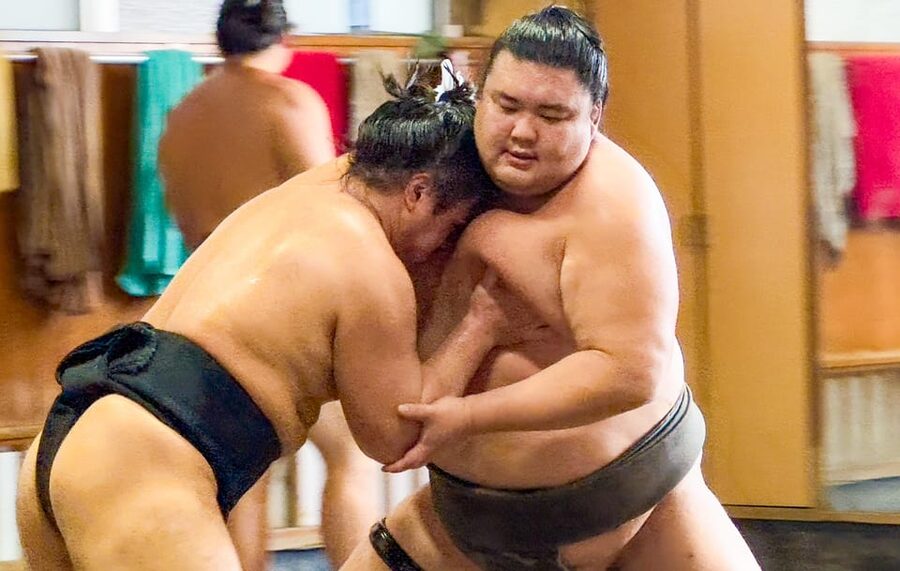
- Stable-granted access means you are watching training, not a “show” put on for visitors.
- A journalist guide gives context, including hierarchy, routine, and everyday sumo life.
- Photo time is built in, with commemorative photos, plus practical rules like no flash.
- You get Q and A time, so you can ask about everything from rituals to training.
- The Ryogoku area walk connects the stable world to sumo culture in Tokyo.
- Comfort matters, because you sit on the floor and you will move between short nearby points.
Morning practice or an evening show. Both reviewed
- Tokyo: Sumo Show and Dining Experience
★ 4.8 · 2,742 reviews - the SUMO show
★ 5.0 · 1,960 reviews - Tokyo Shinjuku Sumo Show & Experience with Photo
★ 5.0 · 1,750 reviews - Tokyo: Sumo Show and Experience in Shinjuku
★ 4.8 · 1,001 reviews
Meeting at Ryogoku: Getting There Without Stress
Your tour starts in the Ryogoku area, at 両国 HANAWABiru. Plan to arrive a bit early. One practical tip I picked up from the experience itself: the group tends to leave on time after the meeting handoff, so don’t cut it close.
The easiest way in is via the Toei Oedo Line, Ryogoku Station (E12), Exit A2 at ground level. The meeting point is about a 5-minute walk from the JR Ryogoku east exit. That sounds simple, and it is, but it still helps to do one quick scout on maps the evening before. Ryogoku is a normal Tokyo neighborhood, which means underground passages and exits can be confusing if you show up while stressed.
You also get a short transfer between points, so you are not dealing with long train rides or a complicated itinerary. This keeps the morning focused on the real goal: time inside the sumo stable.
Takasago-beya Sumo Stable: Where Ritual Becomes Routine
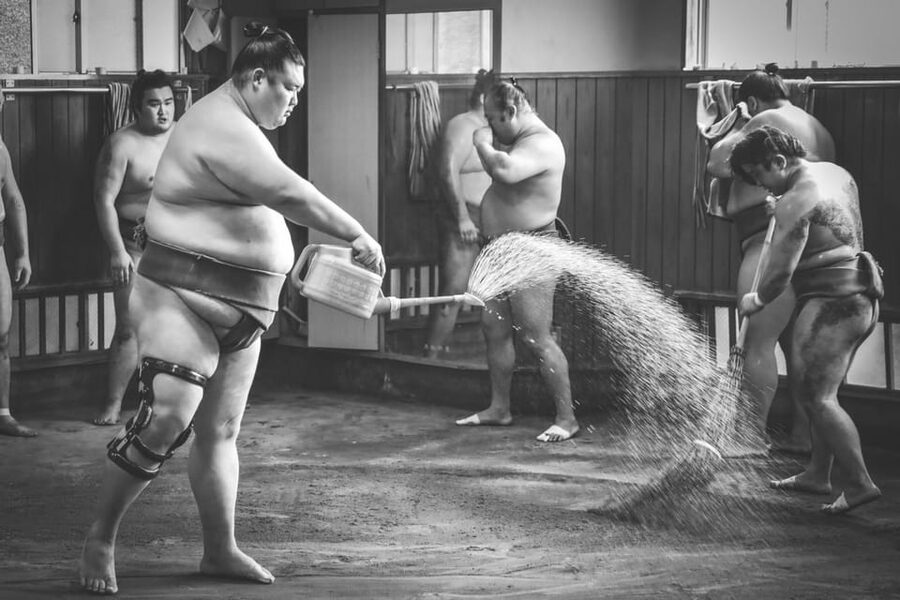
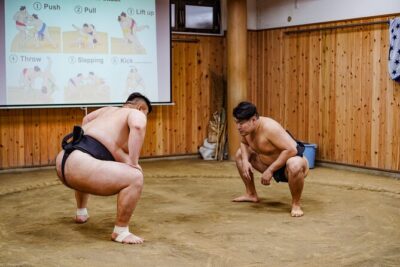
The first major segment is at Takasago-beya, where you get a guided visit for about two hours. This is not just a look around. You are learning the history and the rituals of sumo from a guide who knows how the sport actually functions.
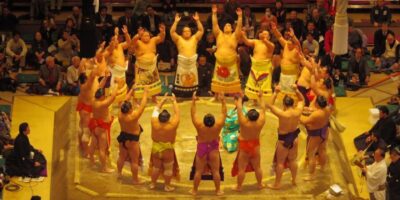
Here is what makes this stop valuable. In sumo, the ritual is not decoration. It is part of training culture, discipline, and respect. When your guide explains what you are seeing, the morning practice stops feeling mysterious. You start recognizing patterns: how wrestlers move, how attention is held, and how order is maintained in what is still, at heart, a workplace.
You will also be in a setting that is intentionally traditional. That means you should expect practical constraints:
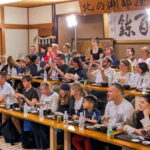
- You will sit on the floor during the practice.
- Shoes are not allowed indoors, so your feet need to be ready for tatami style norms.
- Quiet and cooperation matter, because you are inside a space built for routine, not visitor flow.
If you have ever watched sumo and wondered why it looks so formal, this is where the answer lives. It is also where you get the clearest sense that sumo is a system, not just a match with a belt.
Watching Morning Practice: The Part That Feels Closest to Real Life
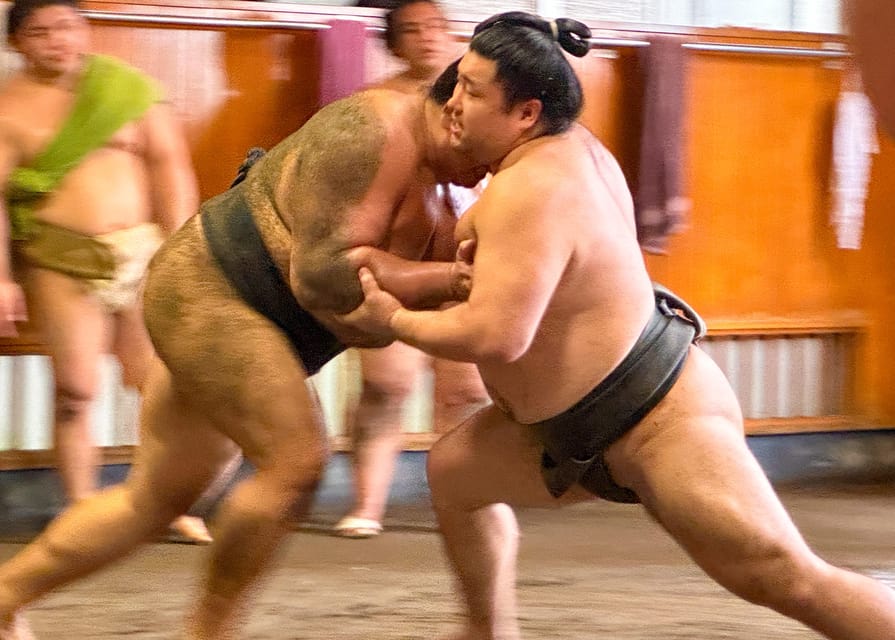
This is the core of the experience: live sumo morning practice viewing. You also get commemorative photos, which is a nice bonus after you have spent time just watching.
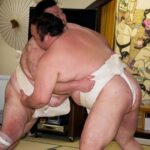
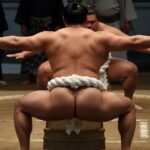
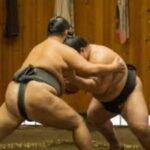
One big reason this feels different from most Tokyo activities is the focus on training itself. You are not seeing wrestlers dressed for a tournament day. You are seeing the work. And that changes what your brain pays attention to. Instead of “Who is famous?” you start noticing technique, stamina, and repetition.
A few practical notes help you enjoy this part:
- Bring a camera, and plan around stable rules.
- Flash photography is not allowed during the practice. So if you are used to shooting fast, get ready to work with available light.
- Wear comfortable clothes. You will be sitting and staying still more than you might expect.
- No food is allowed during the practice.
Photo strategy matters. If you want good shots, don’t only aim for dramatic action. Watch for the moments when wrestlers pause and reset their posture. Those are the times your framing usually works better, and they also help you absorb what the guide is explaining.
Also, while the stable is welcoming with a trained guide, remember this is someone’s real schedule. You will get the best experience by being patient, respectful, and ready to listen.
- Mt Fuji and Hakone 1-Day Bus Tour Return by Bullet Train★ 5.0 · 26,383 reviews
- 1-Day Tokyo Bus Tour★ 5.0 · 14,250 reviews
- Tokyo: teamLab Planets TOKYO Digital Art Museum Entry Ticket★ 4.6 · 9,779 reviews
- Mt Fuji & Hakone Cruise, Drum Show Bullet Train 1 Day from Tokyo★ 4.0 · 7,413 reviews
- Tokyo: Shinjuku Food Tour (13 Dishes at 4 Local Eateries)★ 5.0 · 6,603 reviews
Q and A With a National Newspaper Journalist: Ask Anything
The tour includes time with a sumo specialist who is also a national newspaper journalist. In plain terms, this is why the tour doesn’t feel like a scripted walk.
You get a chance to ask all the questions you want. That includes questions about:
- Training routines and what “morning practice” actually means
- Hierarchy inside the stable and how wrestlers progress
- Rituals and etiquette around the ring
- The day to day lifestyle of rikishi, wrestlers
Some guides bring extra personality. From recent experiences, guides like Shinya Setsu, Shin, and others have been described as funny, passionate, and full of inside stories from reporting on sumo. Others like Karen and Ray also show up as guides on different days. What stays consistent is the same value: you are not only learning facts, you are getting perspective from someone who has covered the sport closely.
This is also where the tour becomes useful for the rest of your Tokyo trip. After a session like this, you understand why certain moments look ceremonial on TV. You also pick up the “why” behind the “what,” and that makes even museum or match day feel more meaningful.
Ryogoku Edo NOREN: Turning Practice Into Tokyo Context
After the stable time, you head to Ryōgoku Edo NOREN for a guided tour of about 30 minutes. The point here is not a long museum session. It is a bridge. You connect what happens in the stable with what sumo culture looks like in the broader Ryogoku area.
Ryogoku is built around sumo identity, and the guide uses that reality to add color. In some recent runs, the guide also explained stories related to the Ryōgoku Kokugikan Sumo Hall. On days when the hall is closed, you still get the context, and it helps you understand the geography and the traditions you see when you look at photos later.
If you are a first time sumo watcher, this stop helps you reframe the sport as part of Tokyo culture rather than a separate world. If you are already a fan, it helps you connect the details you just learned to where sumo lives in the city.
One small consideration: there can be moments where you might expect a bigger destination, like a ring related stop. Depending on the day and access, you may end up with a focus on explanations and a nearby experience rather than a full “walk into a stadium” moment. Still, the guiding stories are what make it worthwhile.
Photo and Etiquette Tips That Keep the Morning Smooth
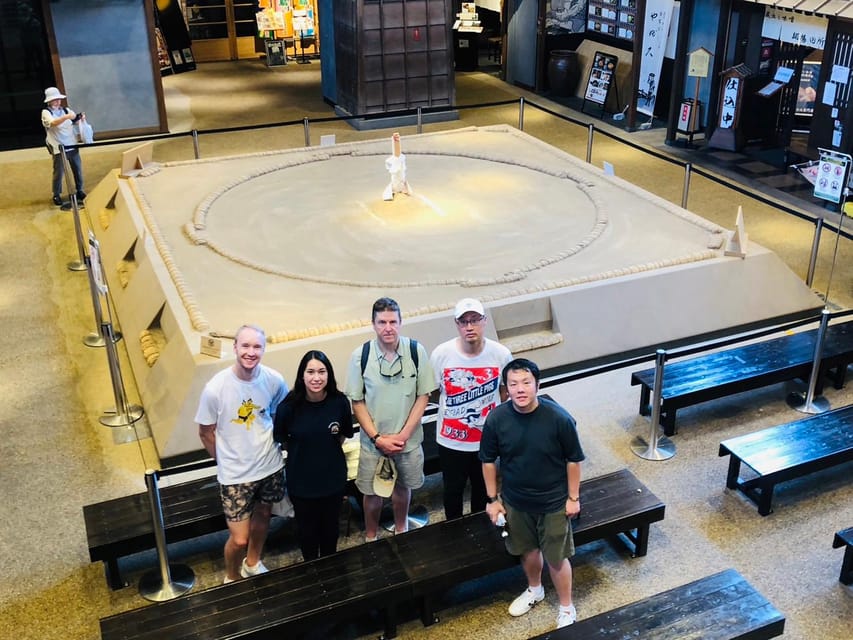
This experience rewards the prepared. The rules are simple, but following them keeps the atmosphere calm and respectful.
What to do:
- Bring your camera and keep it ready, but steady. You can take commemorative photos as part of the experience too.
- Wear clothes you can sit in comfortably.
- Listen closely when the guide cues you on when to stay quiet and when to move.
What not to do:
- No flash photography during the practice.
- Don’t bring food into the practice area.
- Avoid alcohol and drugs.
- Remember shoes are not allowed indoors.
- Baby carriages are not allowed, and electric wheelchairs are not allowed.
This tour is also not a good fit for babies under 1 year. If you are traveling with very small kids, plan carefully for long sitting and a setting that is not designed for stroller movement.
Price and Value: Why $103 Can Make Sense for Access
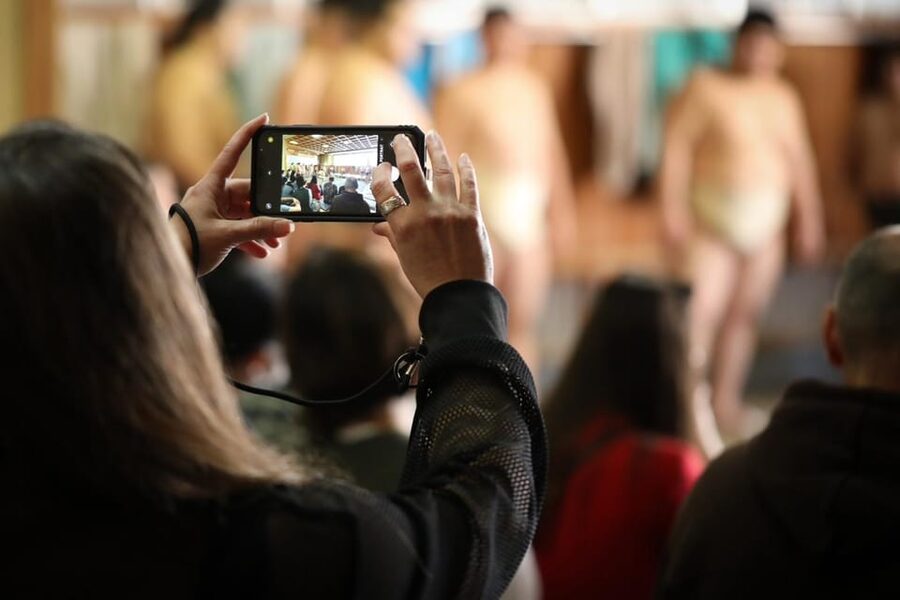
At $103 per person for about 3 hours, this sits in the mid to higher range for Tokyo. It is not a cheap “try something local” activity. But the value is specific and real.
Here is what you are paying for:
- Special permission from the sumo stable to access the practice area
- A live practice viewing window that is not staged for tourists
- Guidance by a sumo specialist and national newspaper journalist
- Commemorative photos
- Time to ask questions and get explanations tied to what you are seeing
Stable access is the big cost driver. It is not something every operator can just offer, and it is why most “sumo training” experiences that look similar online can vary wildly in authenticity. When you get permission, the morning practice feels like a workplace ritual, not a photo opportunity.
Is it worth it? If sumo is on your Tokyo wish list, yes, especially if tournament tickets are hard to get. If your only interest is a quick glimpse, you might feel the price more than the content. But if you want the story behind what you are seeing, the guide time is a major part of the return.
Who Should Book This Sumo Morning Practice
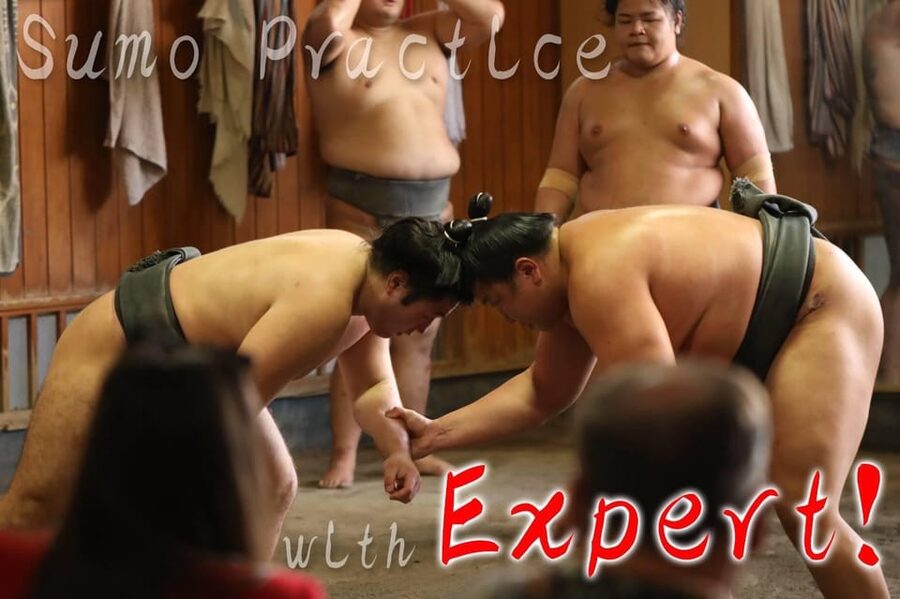
This is a strong match if:
- You like traditional Japan, but you also want to understand it, not just observe it
- You are a sumo fan who wants to see training, not only match day
- You want hands on context, especially the rituals and stable life details
- You are comfortable sitting on the floor for part of the morning
This is less ideal if:
- You need wheelchair friendly seating or a modern viewing platform
- You want a relaxed stroller friendly morning
- You dislike rules and quiet environments
- You only want a quick photo stop without deep explanation
If you are traveling with friends who have never watched sumo before, this also works well. The guide can explain the sport without talking down to you, and the Q and A format helps everyone leave with a clearer understanding.
Should You Book It? My Decision Rule
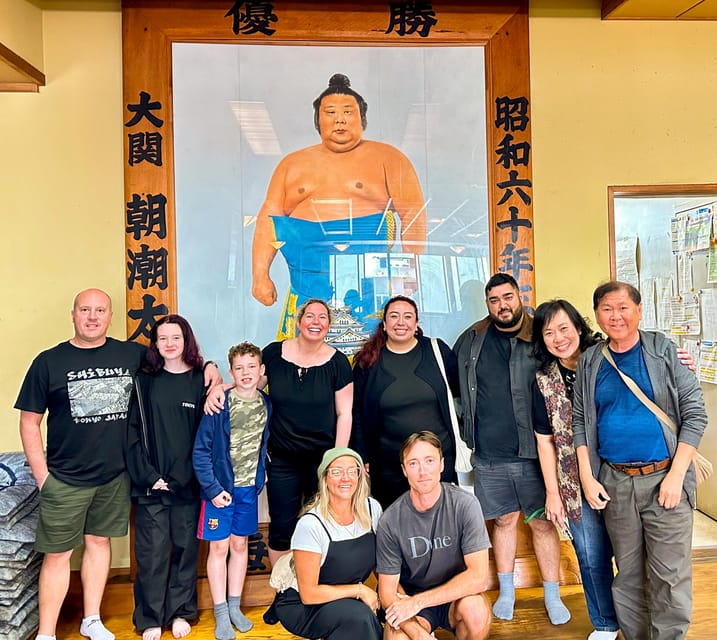
If you want sumo that feels real, this is an easy yes. The standout is not just that you watch practice. It is that you watch practice with a journalist style guide who helps you read what is happening and why.
I would only hesitate if any of these are true for you:
- You cannot sit on the floor comfortably for the viewing segment.
- You rely on a wheelchair setup that the traditional stable environment cannot accommodate.
- You are not interested in etiquette, rituals, and training culture.
If you are in the middle, consider your travel goal. This tour is best for people who want meaning, not just a checklist.
If sumo is a must for your trip, book it. You will likely appreciate the sport in a new way when match day comes around, because you will recognize what training is building.
FAQ
Where is the meeting point?
You meet at 両国 HANAWABiru. If you are using public transit, the closest option listed is Toei Oedo Line, Ryogoku Station (E12), Exit A2, at ground level. It is about a 5-minute walk from the east exit of JR Ryogoku Station.
How long is the tour, and where does it finish?
The tour runs for about 3 hours. It finishes at 両国駅 (Ryogoku Station).
What should I bring, and what can’t I bring or do?
Bring a camera and wear comfortable clothes. Food is not allowed. Flash photography is not allowed. Shoes indoors are not allowed, and alcohol and drugs are not allowed. Baby carriages are not allowed, electric wheelchairs are not allowed, and fireworks are not allowed.
Is flash photography allowed?
No. Flash photography is not allowed during the practice.
Is it suitable for wheelchair users or babies?
The activity notes say wheelchair accessible, but it also states the tour is not suitable for wheelchair users because of the traditional setup. Babies under 1 year are not suitable.
What is included in the price?
The ticket includes live sumo morning practice viewing, commemorative photos, guidance by a sumo specialist and national newspaper journalist, and special permission from the sumo stable for access.
Can I cancel or pay later?
The experience offers free cancellation up to 24 hours in advance for a full refund. It also offers reserve now & pay later, so you can book without paying today.
Practice Rooms and Show Nights

Newest Tokyo write-ups from the Loving Japan desk

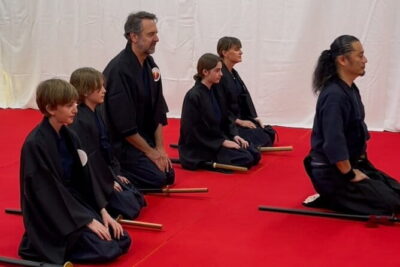
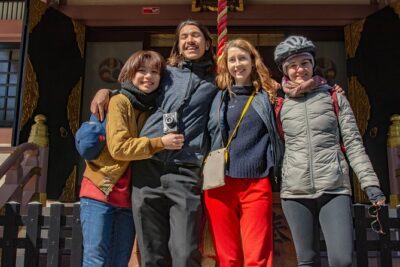

Sumo Wrestling Experiences, side by side.
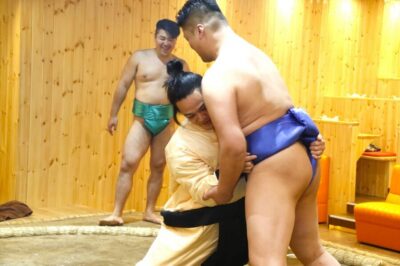 ★ 4.8Sumo Show Experience with Chicken Hot Pot and a PhotoFrom $1036,678 reviews
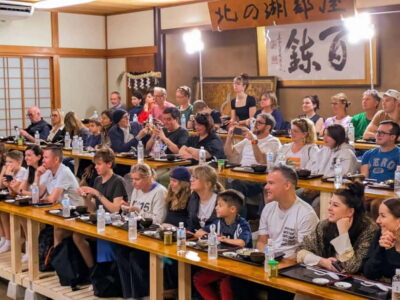 ★ 4.8Sumo Show and Dining ExperienceFrom $792,742 reviews
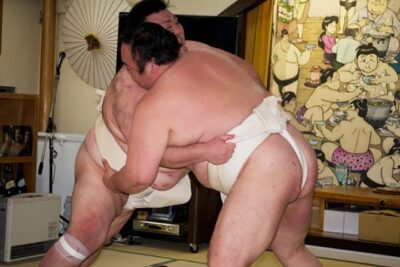 ★ 5.0the SUMO showFrom $891,960 reviews
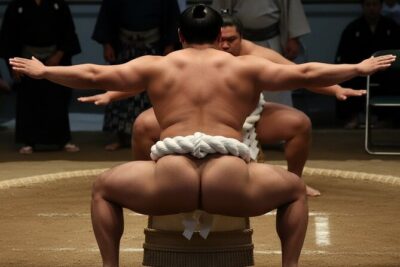 ★ 5.0Tokyo Shinjuku Sumo Show & Experience with PhotoFrom $791,750 reviews
 ★ 4.8Sumo Show and Experience in ShinjukuFrom $691,001 reviews
 ★ 4.6Sumo Tournament Tour with Chair Seat TicketsFrom $141753 reviews
 ★ 4.5Sumo Show & Experience w/ Optional Kimono & Hot PotFrom $77609 reviews
 ★ 5.0Authentic Sumo Experience in Tokyo: Enter the SanctuaryFrom $171603 reviews
Filed on these lists too