
REVIEW · SUMO WRESTLING EXPERIENCES
Tokyo: Sumo Morning Practice with Photo Banzuke and Guide
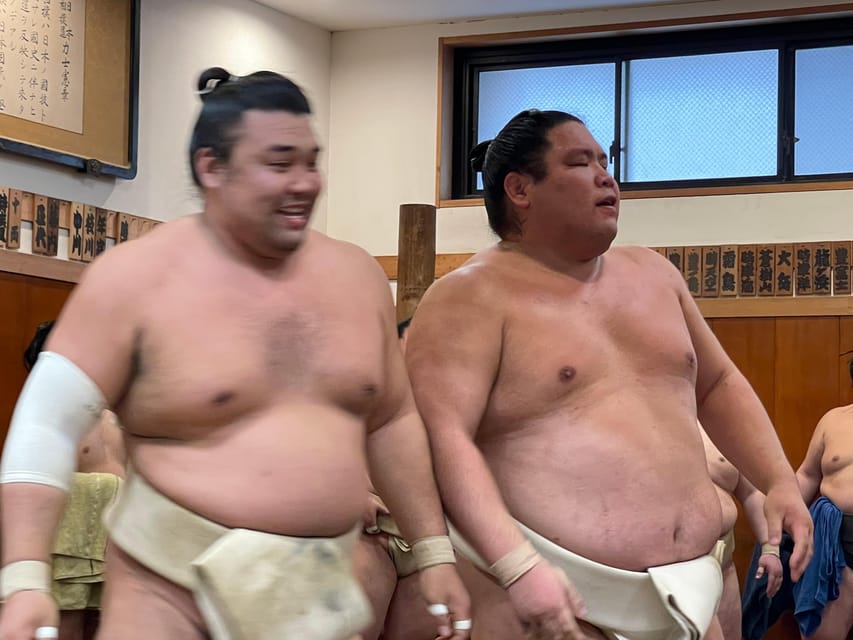
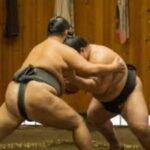
Sumo training is loud, close, and fascinating. I love the chance to see wrestlers up close during a real morning practice, and I love how your English guide turns what you watch into real understanding. You get the power of sumo, not a staged show, because you’re observing an actual stable session in the morning.
You sit in chairs and watch the drills as the stable readies for its next big match. After the practice, you get a short presentation that covers the basics of sumo wrestling and the traditions behind it. There’s also time set aside for a photo stop tied to the banzuke moment.
Timing is the one catch. This is a group tour, and if people arrive late, the flow of the morning can slow down. Try to be early, because the crew has to keep the group moving.
In This Review
- Key things you’ll notice
- Why a Tokyo sumo morning practice feels different (and rare)
- Price and value: what $115 buys you
- Getting to the meeting point on time (so the day stays smooth)
- The first guided block: a quick start you can use immediately
- Watching the practice: how the stable training session plays out
- The guide presentation: history, traditions, and the basics you can take home
- The photo stop with the banzuke setup
- The short walks back: your debrief time in Tokyo morning
- Who this tour is for (and who should skip it)
- Small group dynamics: why up to 9 participants matters
- The bottom line: should you book this sumo morning practice?
- FAQ
- What is the duration of the tour?
- How much does it cost?
- Where is the meeting point?
- How is the tour guided?
- What will I do during the tour?
- Is it a small group tour?
- What should I bring?
- Is the tour suitable for children?
- Can I cancel and get a refund?
- Is wheelchair access available?
Key things you’ll notice
- You observe real stable practice during a rare opening for visitors in Tokyo
- Small group size (up to 9) means more comfortable viewing and easier guide explanations
- You sit in chairs for the action, so you can focus on what matters
- English guide context helps you understand history, rules, and why it looks the way it does
- Photo stop with the banzuke setup adds a memorable, structured photo moment
Morning practice or an evening show. Both reviewed
- Tokyo: Sumo Show and Dining Experience
★ 4.8 · 2,742 reviews - the SUMO show
★ 5.0 · 1,960 reviews - Tokyo Shinjuku Sumo Show & Experience with Photo
★ 5.0 · 1,750 reviews - Tokyo: Sumo Show and Experience in Shinjuku
★ 4.8 · 1,001 reviews
Why a Tokyo sumo morning practice feels different (and rare)
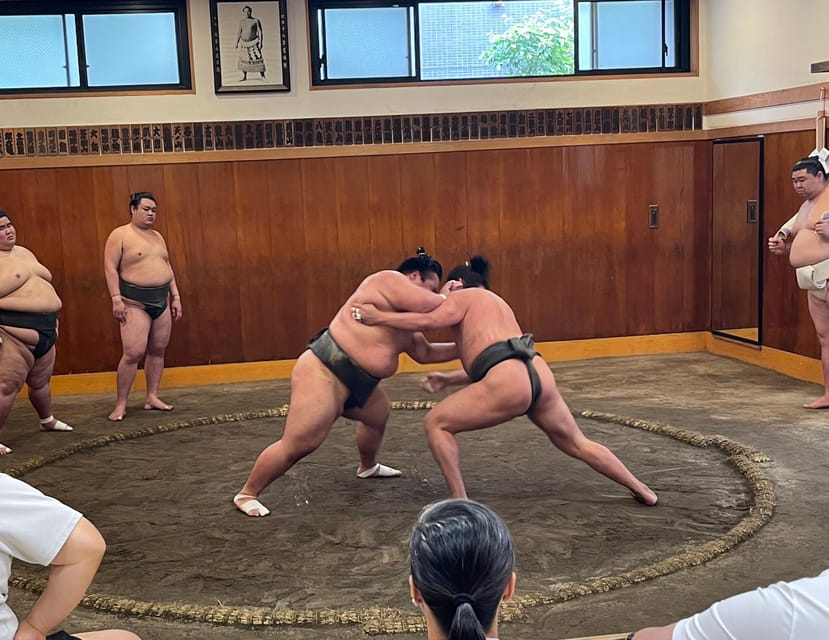
This kind of tour works because it’s tied to sumo’s real rhythm. Sumo tournaments happen only 90 days of the year, so even in Japan you do not always get access to the full culture of training and readiness. What you see on a practice morning is the world in between tournament dates, when wrestlers sharpen timing, balance, and technique for the next big push.
I also like that you get the sport’s core idea right up front. Sumo is a sport with no weight class, so it’s not about being the biggest in one simple way. The way wrestlers move, how they test grips, and how they use positioning all matter, and that becomes clearer once someone walks you through what you are watching.
Finally, the whole thing is built around authenticity. Only a select few stables in Japan allow visitors to watch morning practice sessions, and the tour is designed to use one of those rare access windows. In plain terms, you’re not just seeing sumo as a souvenir idea. You’re seeing it as a working practice that happens every day.
Price and value: what $115 buys you
$115 for about 7 hours sounds like a lot until you price it against what is actually included: observation of the practice, an English-speaking local guide, and time that’s not just “watching from a corner.” You’re paying for access, and access is the expensive part. Out of dozens of stables operating in Japan, only a handful let guests in for these morning sessions.
The other value piece is interpretation. A sumo practice can look like fast, powerful movement if you do not know what you’re seeing. This tour adds a short presentation on the basics and the traditions, so the experience stays useful after the photos. You are not paying for a long transport day followed by a quick look and a shrug.
One practical note on value: this is a small group. That usually means the guide can manage the pace and make explanations smoother, but it also means you are part of a schedule. If you want a perfectly solo, flexible morning, this is not that kind of experience.
Getting to the meeting point on time (so the day stays smooth)
Your meeting point is at Kiyosumi-shirakawa Station, Exit B1, near a FamilyMart convenience store. The key practical instruction is simple: meet at the exit itself. The meeting is set up so people who take taxis do not miss the pickup, but that also means you should not wander around the station plaza hoping someone finds you.
Bring comfortable shoes. You’ll do a bit of walking around during the day, and you will also be standing or moving between viewing and explanation moments. A camera helps too, because the tour includes a photo stop planned into the flow.
If you think you might run late, contact the tour team right away. This is a group tour, and the priority is keeping everyone on track. One review note flagged that late arrivals can slow the start. That makes sense, and it’s exactly why I’d treat the meeting time like an appointment, not a suggestion.
- Mt Fuji and Hakone 1-Day Bus Tour Return by Bullet Train★ 5.0 · 26,383 reviews
- 1-Day Tokyo Bus Tour★ 5.0 · 14,250 reviews
- Tokyo: teamLab Planets TOKYO Digital Art Museum Entry Ticket★ 4.6 · 9,779 reviews
- Mt Fuji & Hakone Cruise, Drum Show Bullet Train 1 Day from Tokyo★ 4.0 · 7,413 reviews
- Tokyo: Shinjuku Food Tour (13 Dishes at 4 Local Eateries)★ 5.0 · 6,603 reviews
The first guided block: a quick start you can use immediately
Early on, you get a guided portion of about 15 minutes. Think of this as your setup time. You’re not spending hours on a classroom lecture, but the guide gives enough framing so the practice does not feel like random wrestling motion.
This is also where you learn what the day is designed to deliver. You’ll observe the practice, you’ll learn basics of sumo wrestling, and you’ll get a banzuke-related photo moment. That structure matters, because it keeps you from getting lost in the excitement and missing the parts that make this tour more than a look-and-go.
You’ll likely feel the benefit of this short introduction once the real training starts. You start noticing patterns, like how wrestlers position themselves and how sequences flow, instead of only focusing on the loud, dramatic moments.
Watching the practice: how the stable training session plays out
The main event is the observation of sumo practice, guided by the fact you are in the right place at the right time. You’re watching wrestlers train for their next big match, so the energy is focused and purposeful.
The most practical detail: you SIT IN CHAIRS. That might sound small, but it changes everything. You can stay steady for viewing, keep your camera ready, and pay attention without feeling like you’re balancing on tiptoes for two hours. It also makes it easier to stay comfortable during the longer stretch of viewing.
Because you are observing from within the stable setting, you get a sense of the atmosphere that photos alone never capture. You see the intensity of drills, the speed of transitions, and the way training is about more than brute force. It’s power plus technique, and it becomes clearer as the session repeats, refines, and escalates.
A balanced expectation check: sumo practice is not always “constant action.” Training can include resets, setup, and repeats. That’s normal, and it’s part of why a guide matters. When you understand what’s being practiced, quiet moments stop feeling like downtime and start feeling like preparation.
The guide presentation: history, traditions, and the basics you can take home
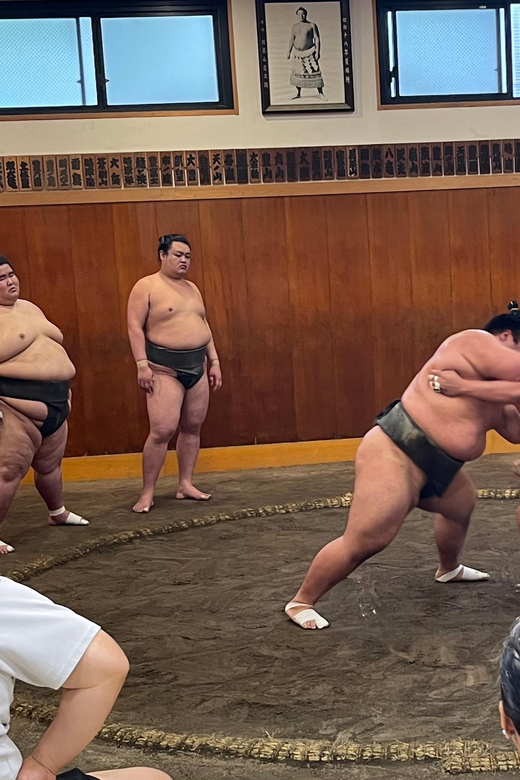
After the viewing, you get a short presentation on the basics of sumo wrestling. The tour also mentions learning about history and traditions from your guide, and that context is what keeps the experience from fading when you return to sightseeing.
Here’s what I like about this approach: it gives you a simple framework. Instead of only telling you what sumo is, the guide helps you interpret what you saw that morning. That makes your photos more meaningful, because you remember what those moments meant.
You can leave with practical understanding rather than just the spectacle. You’ll be able to talk about what makes sumo unique, including the key fact that it has no weight class. You’ll also have enough background to spot traditions as you continue exploring Tokyo and Japan, even if you do not see another match.
The photo stop with the banzuke setup
There is a dedicated photo stop of about 15 minutes. This matters because it is timed, planned, and connected to the sumo world you just saw.
If you like taking photos, you’ll appreciate that you are not scrambling for a photo moment while a group is moving on. You can step into the moment, capture the banzuke-related setup, and then return to the day without missing the main viewing.
Practical photo tip: keep your camera battery ready. You’ll have action moments during the practice, but the planned stop is also a chance for steadier shots. Also, use your time efficiently. 15 minutes goes by fast when you want multiple angles.
The short walks back: your debrief time in Tokyo morning
After the practice, the itinerary includes on-foot segments of about 10 minutes each, with a return to Kiyosumi-shirakawa Station. These short walks are useful, because they help you decompress and gather your thoughts while you’re still in the mindset of the morning.
During these stretches, you can mentally review what you saw. I find this helpful because sumo is physical and intense, and it’s easy to miss the patterns the first time. When you’re walking away, you can re-label moments in your head with the guide’s explanation, which makes the day stick.
Also, it helps logistics. You’re not being whisked across half the city. You start and end at the same station area, and that saves energy for the rest of your Tokyo day.
Who this tour is for (and who should skip it)
This tour is best for adults and older kids, since it is not suitable for children under 9. If you’re traveling with younger kids, the long duration and the focus on observation may be tough.
It’s also ideal if you want something real, not a generic performance. You’re observing a training stable morning and learning from a local guide. That kind of experience tends to click for people who enjoy structured cultural access and who do not mind following a group schedule.
You might want to pass if you hate waiting around. Practice sessions include pauses and repeats, and the tour runs about 7 hours total. One review flagged that the tour felt long for their schedule, and that the start can take time when people arrive late. If you’re tight on time and want quick in-and-out sightseeing, this may not be the best match.
Small group dynamics: why up to 9 participants matters
The group size is limited to 9 participants. That’s a big deal for two reasons.
First, it improves viewing comfort. You’re sitting, but space still matters in a stable environment. Fewer people usually means better sightlines and fewer disruptions.
Second, it makes the guide’s explanations more workable. The guide can address the group and keep the flow moving. In a bigger tour, explanations get swallowed by noise and movement.
Still, small group cuts both ways: if multiple people are late, everyone feels it. That’s why I’d treat arriving early as part of being a good tour participant, and also as part of protecting your own time.
The bottom line: should you book this sumo morning practice?
I’d book this if you want a genuine look at how sumo training works, right after learning how to interpret it. The mix of up-close observation, a chair-based viewing setup, and an English guide who explains the basics makes it more than a photo mission. And since only select stables allow visitors, you’re benefiting from access you likely could not easily replicate on your own.
You might skip it if you’re easily irritated by schedule drag or you’re counting on a perfect, fast morning. The day can feel longer than you expect, especially if the group starts late. If that is you, plan your Tokyo day with extra buffer time and aim to arrive early.
If you want a sumo experience that feels like the sport is happening, not staged for tourists, this is one of the clearer bets.
FAQ
What is the duration of the tour?
The tour lasts 7 hours.
How much does it cost?
It costs $115 per person.
Where is the meeting point?
Meet at Exit B1 of Kiyosumi-shirakawa station near a FamilyMart convenience store.
How is the tour guided?
You’ll have a live local guide in English.
What will I do during the tour?
You’ll observe a sumo practice session, receive a short presentation on the basics of sumo, and have a photo stop. The day also includes short walking segments and returns you to Kiyosumi-shirakawa station.
Is it a small group tour?
Yes. It is limited to 9 participants.
What should I bring?
Wear comfortable shoes and bring a camera.
Is the tour suitable for children?
It is not suitable for children under 9.
Can I cancel and get a refund?
Yes. You can cancel up to 24 hours in advance for a full refund.
Is wheelchair access available?
Yes, the tour is listed as wheelchair accessible.
Practice Rooms and Show Nights

Newest Tokyo write-ups from the Loving Japan desk
Sumo Wrestling Experiences, side by side.
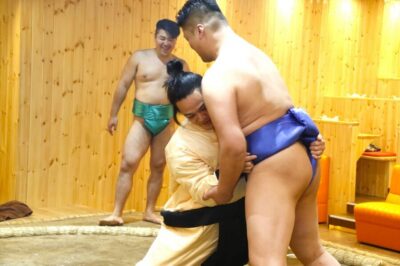 ★ 4.8Sumo Show Experience with Chicken Hot Pot and a PhotoFrom $1036,678 reviews
 ★ 4.8Sumo Show and Dining ExperienceFrom $792,742 reviews
 ★ 5.0the SUMO showFrom $891,960 reviews
 ★ 5.0Tokyo Shinjuku Sumo Show & Experience with PhotoFrom $791,750 reviews
 ★ 4.8Sumo Show and Experience in ShinjukuFrom $691,001 reviews
 ★ 4.6Sumo Tournament Tour with Chair Seat TicketsFrom $141753 reviews
 ★ 4.5Sumo Show & Experience w/ Optional Kimono & Hot PotFrom $77609 reviews
 ★ 5.0Authentic Sumo Experience in Tokyo: Enter the SanctuaryFrom $171603 reviews
Filed on these lists too