
REVIEW · SUMO WRESTLING EXPERIENCES
Tokyo: Sumo Tournament with Guide & Assigned Reserved Seat
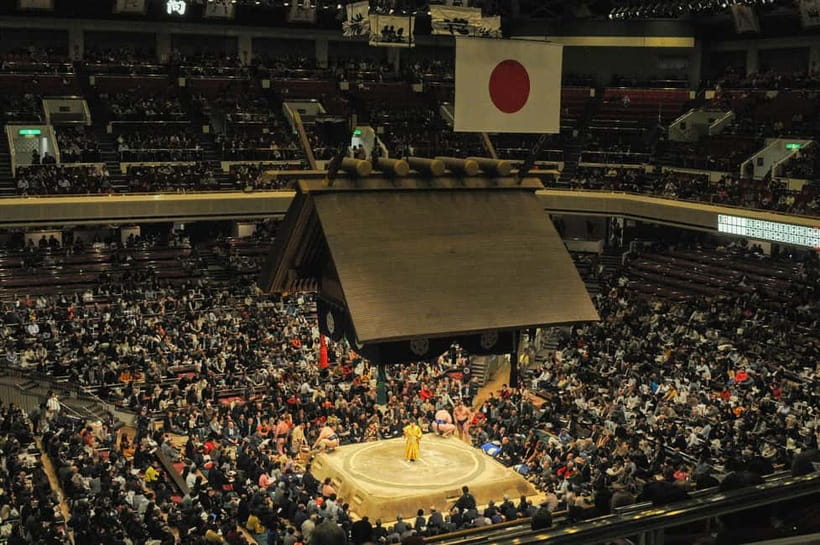
Sumo in Tokyo is pure theater. This guided outing at Ryogoku Kokugikan turns a complicated sport into something you can follow minute by minute, thanks to an English-speaking sumo expert guide. I especially like the mix of reserved seating and clear pre-show explanations, because sumo is easier to enjoy when you know what those poses and pauses are saying.
The one thing to think about is price. At $209 per person, you are paying for a guaranteed ticket plus a guide, and some people feel the markup is steep compared to buying a standalone ticket on your own.
In This Review
- Key things to know before you go
- Tokyo Sumo at Ryogoku Kokugikan: What You’re Really Buying
- Reserved Second-Floor Seats (B or C Class): The View Reality Check
- The English Guide That Turns Sumo From Confusing to Clear
- Starting Point Options and Your First Minutes at the Venue
- The 30-Minute Guided Tour: Getting Your Bearings Fast
- Tournament Time: 4 Hours of Watching With Context
- Photo Opportunities and the Fun Part of the Tradition
- Price and Logistics: The Value Debate (and How to Think About It)
- Who This Tour Fits Best (and Who Might Feel Frustrated)
- Quick Practical Tips Before You Go
- Should You Book This Tokyo Sumo Experience?
- FAQ
- Where does the sumo tournament take place?
- How long is the experience?
- What kind of seats are included?
- Is the guide available in English?
- What does the guide explain during the visit?
- Is food or drinks included in the price?
- Is food and drink allowed during the event?
- Where is the meeting point?
- Is the experience suitable for mobility impairments?
- What is the cancellation policy?
Key things to know before you go
- Reserved B or C class seats (second floor) help you avoid the scramble of ticket hunting.
- A sumo expert guide explains rules, rituals, and the ranking system so you understand what matters.
- A quick guided tour before the tournament helps you get your bearings fast at the arena.
- Food and drinks are not allowed, so eat beforehand and keep it simple during the show.
- Guides you might get include Jorge, George, Mili, Cesar, Lily, and Erik, based on past group experiences.
- Your group may be large, so if you are sensitive to noise, plan to focus on your guide and your ring view.
Morning practice or an evening show. Both reviewed
- Tokyo: Sumo Show and Dining Experience
★ 4.8 · 2,742 reviews - the SUMO show
★ 5.0 · 1,960 reviews - Tokyo Shinjuku Sumo Show & Experience with Photo
★ 5.0 · 1,750 reviews - Tokyo: Sumo Show and Experience in Shinjuku
★ 4.8 · 1,001 reviews
Tokyo Sumo at Ryogoku Kokugikan: What You’re Really Buying
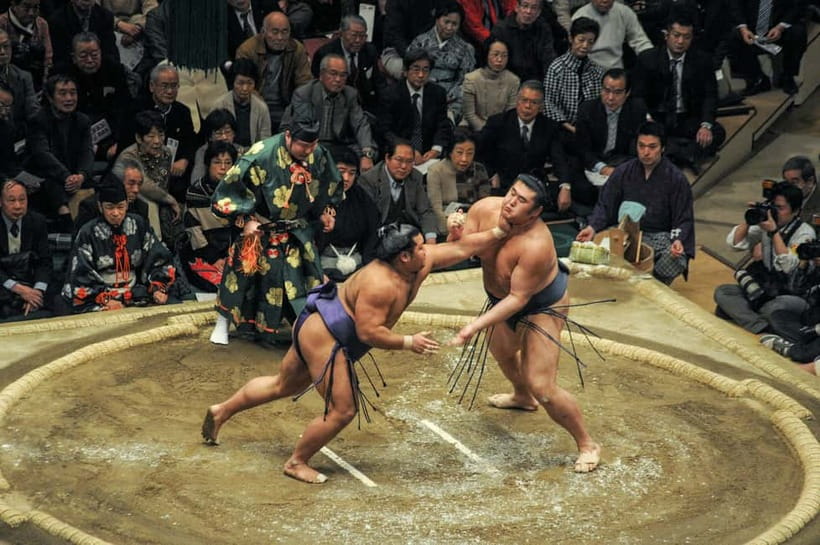
You are not just buying a ticket to fights. You are buying context. Sumo has a lot going on at once, and if you show up with zero background, the first few bouts can feel like two people sprinting to collide, then waiting for the next one.
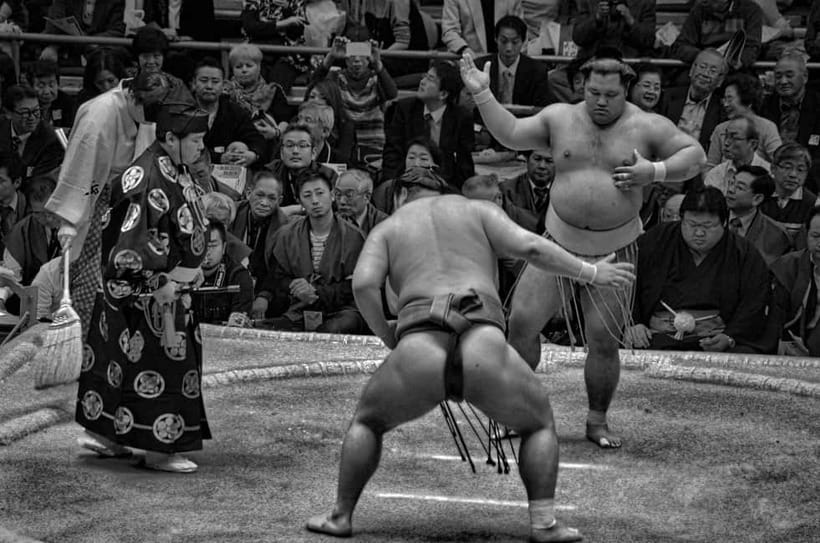
What makes this experience feel worth it is the pairing of an official tournament with a guide who talks you through the culture and the logic. The guide covers the rules, the rituals, the ranking system, and why the formal bits matter. That is the difference between watching sport and watching tradition with meaning.
Yes, it costs $209. But the package includes the sumo tournament ticket, your reserved seat in B or C class on the second floor, and the expert guide time. If you have ever tried to get Grand Sumo tickets on your own, you know the practical headache can be the real “price.” Here, you are paying to have the hard part handled.
Reserved Second-Floor Seats (B or C Class): The View Reality Check
Your seat is reserved in either B or C class, second floor. That generally puts you at a level where you can see action without needing to fight for the best sightline at the last second.
A few practical notes from how the experience tends to play out:
- You should expect a standard assigned seating setup, not a free-for-all.
- Some people liked that seats were assigned right away, but others wished they could pick the exact spot.
- In at least one situation, the group experience included seating that could place people apart, even with the same booking.
So here’s my advice. If you want to sit together with a specific group of friends, consider booking early and treating “assigned seats” as the best you can do, not a guaranteed option to customize.
Also, second floor seats can be a sweet spot. You get a full view of the ring area, and you can still take in the arena atmosphere without craning your neck.
The English Guide That Turns Sumo From Confusing to Clear
This is the heart of the value. The guide is not just there to translate the basics. The explanation is built around how sumo works.
You can expect your guide to walk you through:
- How bouts play out and what to watch
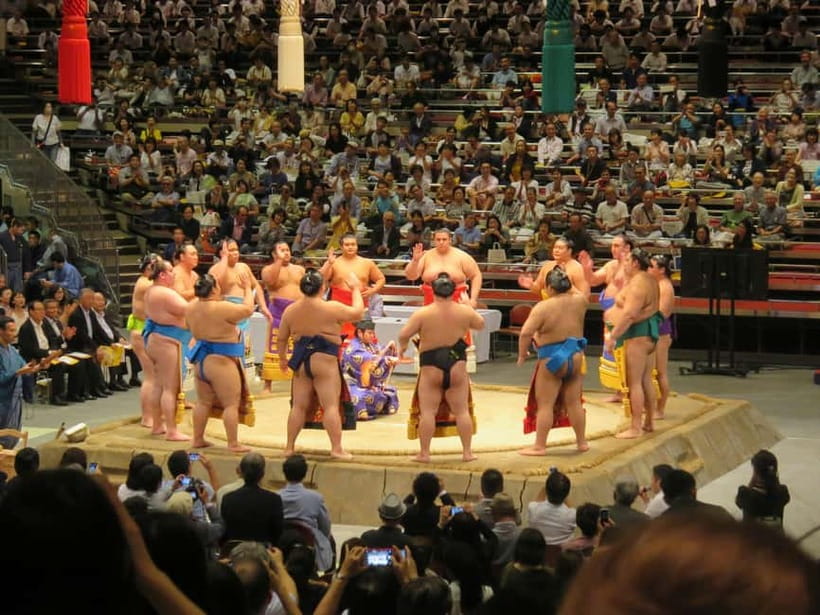
- The meaning behind ring rituals
- The ranking system and why bouts can feel bigger than just a single win
- The cultural significance that explains the formality around everything
In past groups, guides have included people like Jorge, George, Mili, Caesar, and Lily. The common theme is that the guide’s personality matters. People consistently praise guides for being engaging and for answering questions, sometimes even when they need a moment to confirm something.
If you are the type who likes to understand what you are seeing, you will probably enjoy how the guide layers meaning on top of the match itself. You are not just waiting for the bout to end. You are watching with a script in your head.
- Mt Fuji and Hakone 1-Day Bus Tour Return by Bullet Train★ 5.0 · 26,383 reviews
- 1-Day Tokyo Bus Tour★ 5.0 · 14,250 reviews
- Tokyo: teamLab Planets TOKYO Digital Art Museum Entry Ticket★ 4.6 · 9,779 reviews
- Mt Fuji & Hakone Cruise, Drum Show Bullet Train 1 Day from Tokyo★ 4.0 · 7,413 reviews
- Tokyo: Shinjuku Food Tour (13 Dishes at 4 Local Eateries)★ 5.0 · 6,603 reviews
Starting Point Options and Your First Minutes at the Venue
The meeting point can vary depending on the option booked. One listed starting point is the Matsuura-Bungo Mansion Site.
What matters for you is the timing and the flow. You will meet the group, then head toward Ryogoku Kokugikan. Because the experience includes a guided segment before the tournament, arriving on time helps you catch those first explanations. If you stroll in late, you lose the part that helps everything else click.
You might also find that the day includes a quick look at nearby cultural spots around the sumo district. Some groups have described short side visits such as a temple area and a garden near the arena. If those are included for your date, it’s a nice bonus, but the main draw stays focused on the tournament.
The 30-Minute Guided Tour: Getting Your Bearings Fast
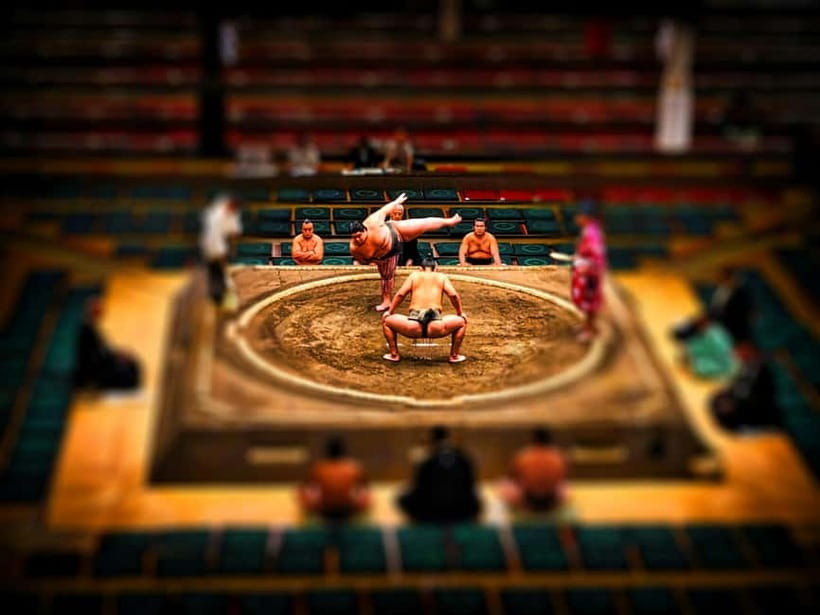
Inside the venue, you get a guided tour segment of about 30 minutes. This is not a long lecture. Think of it as orientation.
Here’s why this time matters. Sumo arenas have their own rhythm. You need to know where to look, what the staff and signals mean, and how the event format works. The guide uses this window to connect the rituals and rules to what you will see later, so you do not just hear trivia, you recognize it in real time.
If you like structure, this is perfect. If you prefer a completely unplanned experience, the tour can feel a little “on rails,” but people consistently say it improves their enjoyment once the matches start.
Tournament Time: 4 Hours of Watching With Context
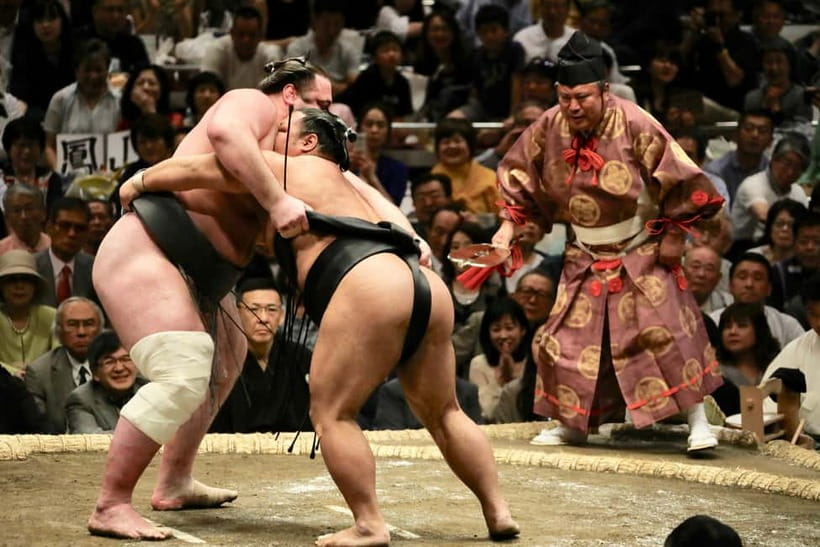
After the initial guided portion, you spend about 4 hours at Ryogoku Kokugikan watching the tournament.
This is where the guide really earns their fee. When you know what you are looking at, the bouts become more rewarding. You start noticing patterns you would miss otherwise:
- How fighters enter and what the formal steps represent
- What types of moments matter in sumo (not just who wins)
- How ranking and progression add pressure and meaning
Also, the atmosphere is a big part of the appeal. Even if you are not a sumo fan yet, you will feel the crowd energy and the ceremonial weight of the event. When you have a guide explaining what is going on, you are not stuck translating everything mentally.
One practical consideration: group size can be larger than you expect. If the group is big, the guide might not always have every corner of the crowd at the same audio distance. Still, the overall feedback points to guides doing their best to answer questions and keep the group aligned with what’s happening.
Photo Opportunities and the Fun Part of the Tradition
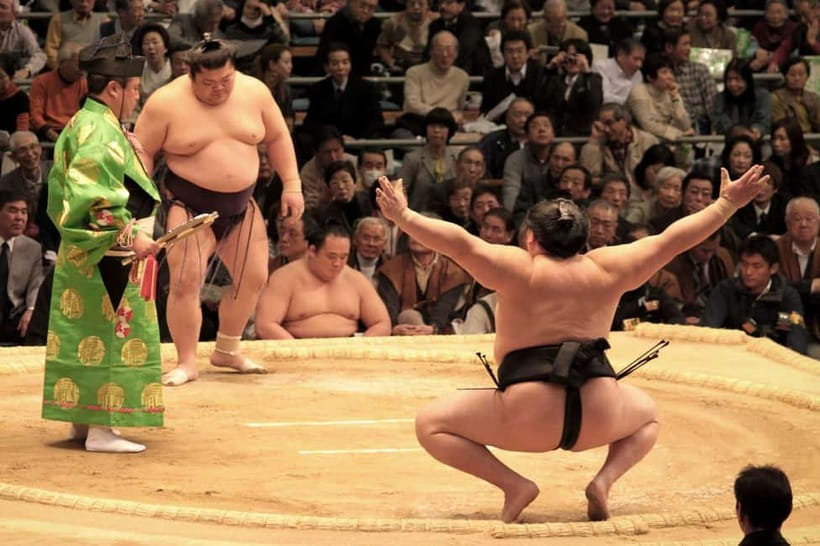
The experience includes photo opportunities in a storybook-style setting. That matters more than you might think. In a sport as ritual-heavy as sumo, photos are not just souvenirs, they’re your way to remember the ceremony you witnessed.
You should also plan to capture images before the tournament gets fully underway, because once the crowd energy peaks, moving around can become harder. Your seats are reserved, so keep your main focus on staying comfortable and watching.
If you are bringing a camera or want great shots from your second-floor view, give yourself a little time at the start to check your angle. The guide’s orientation can help you decide what spots are best without wasting your match time.
Price and Logistics: The Value Debate (and How to Think About It)
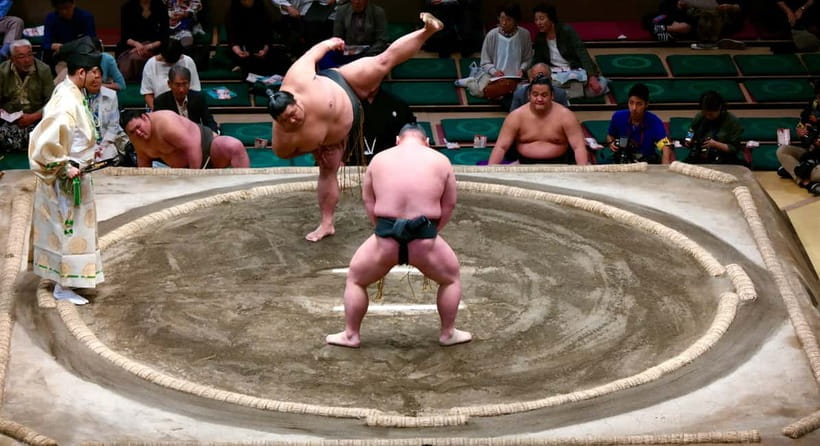
Let’s talk money without sugarcoating it.
The listed price is $209 per person. Your package includes:
- A sumo tournament ticket
- Reserved seating, B or C class, second floor
- An expert sumo guide who explains traditions and the ranking system
So the real question is: do you value two things?
1) Guaranteed seating in a busy, high-demand event
2) A guide who makes the tournament understandable as it happens
For some people, the price feels high, and they compare it to what a ticket alone might cost in other channels. The argument is basically that you are paying for guaranteed access and group guiding time, which can feel like a tourist premium.
For others, the math shifts. They treat it as pay-to-solve the ticket problem, plus the guide makes the experience go from “I saw sumo” to “I understood sumo.”
Here’s my practical way to decide:
- If you want to learn and you enjoy having someone explain the rules, this is more likely to feel worth it.
- If you are strictly a budget traveler and you already know how sumo works, you might feel the guide cost is unnecessary.
- If you hate ticket stress and want the venue plan locked in, the package can feel like relief.
Also, some people mention that buying on your own is extremely difficult. This tour’s reserved seating is the part that reduces that uncertainty.
Who This Tour Fits Best (and Who Might Feel Frustrated)
This tour is best for you if:
- You are going to be seeing sumo for the first time and want the rules explained before the first bout
- You value reserved seats over gambling with ticket availability
- You want an English-speaking guide to handle the cultural meaning, not just the sport
You might not love it if:
- You have mobility limitations, since the experience is not suitable for people with mobility impairments
- You are very sensitive to noise or find it hard to hear in larger groups
- You do not care about learning the rituals and rankings, because the experience is built around that understanding
If your goal is to leave the arena knowing what you watched and why it matters, the guide-centered format is exactly the point.
Quick Practical Tips Before You Go
A few things will make your time smoother:
- Remember food and drinks are not allowed, so eat before you meet. Plan on snacks being off-limits during the tournament.
- Dress for indoor crowds, since you will be seated for hours.
- If you are the type who likes to ask questions, lean into it early. The guide is designed to explain and answer, and that makes the rest of the afternoon better.
- Give yourself a moment to settle into your seat before the next bout cycle speeds up.
Should You Book This Tokyo Sumo Experience?
If this is your first time at a Grand Sumo tournament and you want the event to make sense, I think it’s a strong pick. The reserved seating removes a major headache, and the guide’s focus on rules, rituals, and ranking changes how you experience the bouts.
If your priority is minimizing cost above all, and you are already comfortable reading sumo context on your own, you may feel the price is steep. In that case, you might prefer another approach.
For most people, though, the combination of official tournament access plus a guide who explains what you see is exactly what you came to Tokyo for.
FAQ
Where does the sumo tournament take place?
The tour is held at Ryogoku Kokugikan.
How long is the experience?
The total duration is about 4 to 5 hours.
What kind of seats are included?
You get a reserved seat in B or C class on the second floor.
Is the guide available in English?
Yes, the live tour guide speaks English.
What does the guide explain during the visit?
The guide explains sumo rules, rituals, the ranking system, and the cultural significance of sumo.
Is food or drinks included in the price?
No. Food and drinks are not included.
Is food and drink allowed during the event?
No, food and drinks are not allowed.
Where is the meeting point?
The meeting point can vary depending on the option booked. One listed option is the Matsuura-Bungo Mansion Site.
Is the experience suitable for mobility impairments?
No, it is not suitable for people with mobility impairments.
What is the cancellation policy?
The activity is non-refundable.
Practice Rooms and Show Nights
Newest Tokyo write-ups from the Loving Japan desk

Sumo Wrestling Experiences, side by side.
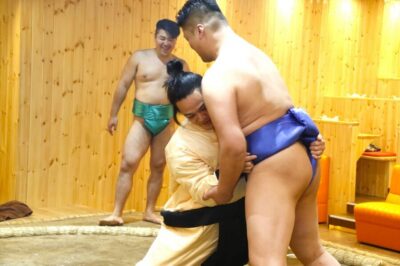 ★ 4.8Sumo Show Experience with Chicken Hot Pot and a PhotoFrom $1036,678 reviews
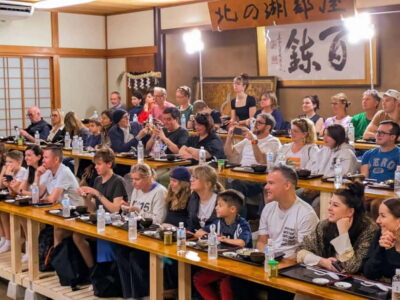 ★ 4.8Sumo Show and Dining ExperienceFrom $792,742 reviews
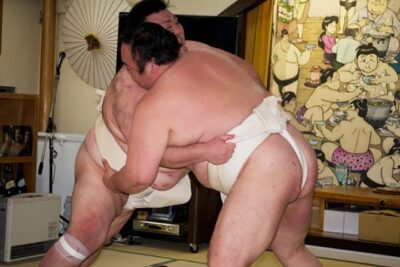 ★ 5.0the SUMO showFrom $891,960 reviews
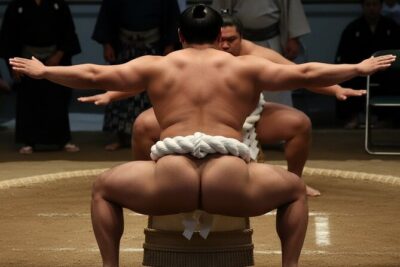 ★ 5.0Tokyo Shinjuku Sumo Show & Experience with PhotoFrom $791,750 reviews
 ★ 4.8Sumo Show and Experience in ShinjukuFrom $691,001 reviews
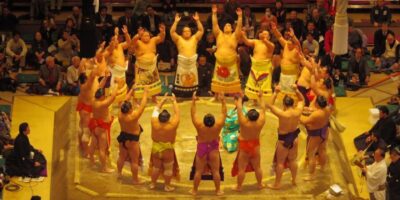 ★ 4.6Sumo Tournament Tour with Chair Seat TicketsFrom $141753 reviews
 ★ 4.5Sumo Show & Experience w/ Optional Kimono & Hot PotFrom $77609 reviews
 ★ 5.0Authentic Sumo Experience in Tokyo: Enter the SanctuaryFrom $171603 reviews
Filed on these lists too