
REVIEW · SUMO WRESTLING EXPERIENCES
Tokyo: Visit Sumo Morning Practice with English Guide
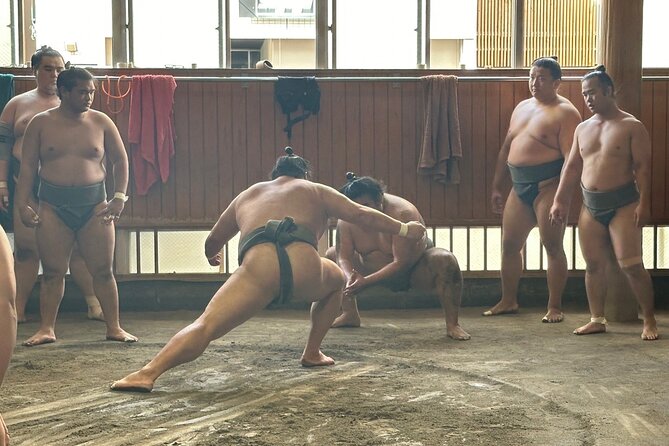
Getting ready for sumo starts with a whisper.
I love the chance to see serious training at a real sumo stable instead of a polished stadium show. You get an English guide to translate what you are watching and help you ask questions, plus a commemorative photo at the end. One possible drawback: the stable seating is traditional, so sitting on the floor (or small seats) for 1.5 to 2 hours may feel uncomfortable.
The workout itself is the point, and it moves fast enough to stay interesting. You will see stretches, preparation, and practice bouts up close for a front-row feel, even though you are still in a stable space with limited room. Just plan for a small-group morning and strict timing at Ryogoku Station so you do not miss the walk to the training area.
In This Review
- Key things to know before you go
- Sumo morning practice at Takasago, not a stadium show
- Price and what you really get for $98.53
- Getting there on time: Ryogoku Station, exact exits, quick walk
- Inside Takasago stable: what the 1.5 to 2 hour session feels like
- Stop: Takasagobeya (Takasago stable) and the flow of practice
- Being up close, but still in a stable setting
- Your English guide: turning rituals into something you can understand
- The commemorative photo: a souvenir with real people
- Asakusa after the practice: a smart add-on plan
- Who this tour is best for (and who should think twice)
- Practical tips to make your morning smoother
- Should you book this sumo morning practice?
- FAQ
- What is the start time for the sumo morning practice?
- How long is the tour?
- Where is the meeting point?
- Where does the tour end?
- Is the guide in English?
- Is admission included in the price?
- How large is the group?
- Do I get a souvenir photo?
- Can I also go sightseeing in Asakusa after?
- Is the ticket mobile?
- What is the cancellation policy?
Key things to know before you go
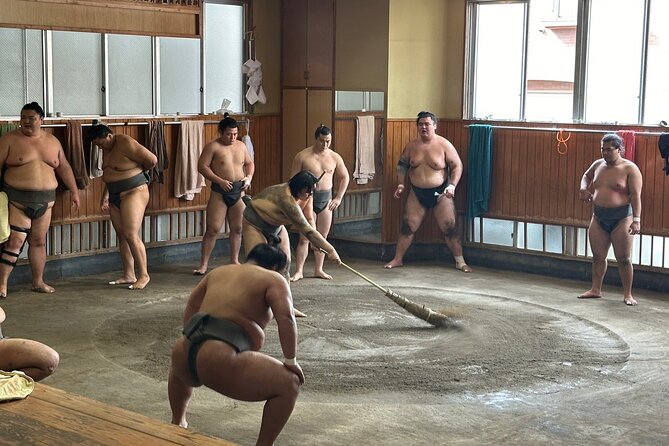
- Takasago stable training access you typically cannot watch from the public side during regular times
- English guidance built in so you understand rituals, training drills, and what matters in sumo
- Ask anything your guide can explain traditions, history, and sumo terms during the session
- A real-photo souvenir a commemorative photo with the wrestlers at the end
- Traditional seating you might sit on the floor or use small seats, so bring patience
- Small group size (max 20) but occasional extra visitors can make the seating a bit crowded
Morning practice or an evening show. Both reviewed
- Tokyo: Sumo Show and Dining Experience
★ 4.8 · 2,742 reviews - the SUMO show
★ 5.0 · 1,960 reviews - Tokyo Shinjuku Sumo Show & Experience with Photo
★ 5.0 · 1,750 reviews - Tokyo: Sumo Show and Experience in Shinjuku
★ 4.8 · 1,001 reviews
Sumo morning practice at Takasago, not a stadium show
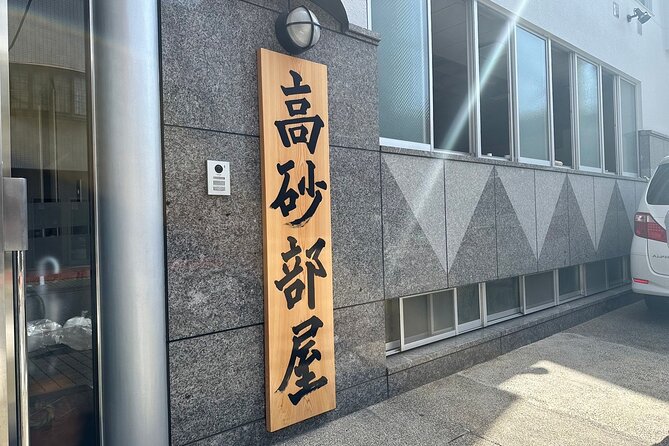
Tokyo has sumo all over the place, but most of it is built for spectators. This experience is different. You are stepping into the training world at Takasago stable (listed as Takasagobeya). That matters because sumo training is not just about fighting. It is also routines, discipline, and old rules carried out every day.
I also like that this is a guided experience, not a ticket drop. Your English guide helps you connect the dots while you watch. That turns random movements into something you can actually follow, like what each drill is meant to do, and why certain traditions show up before practice starts.
One more practical note. This is still a stable visit. That means the space can be tight and traditional. You are there for the real atmosphere, including sounds and sweat, and you should expect to sit for the full session.
Price and what you really get for $98.53
At $98.53 per person, it is not the cheapest morning activity in Tokyo. But this price is built around access and guidance. You are paying for three things you cannot fully DIY easily:
First, admission is included, so you are not hunting for separate entry.
Second, you get a live English guide who can translate the why behind the training. A stable visit without context can feel like watching action without understanding.
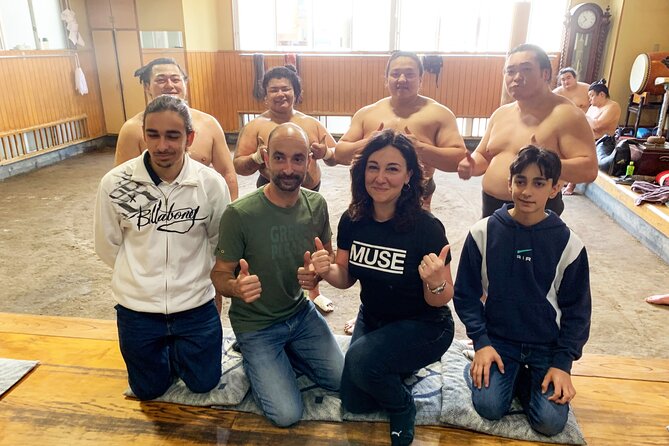
Third, you get the souvenir photo at the end, which is included in the experience.
You also get a small group cap of up to 20 travelers. That usually keeps the experience calmer than big-bus tours. If you are traveling with kids or teens, the close-up view can be a big win too, because it makes sumo feel like athletics, not mythology.
My value tip is simple. If your main goal is to understand sumo culture and see real training up close, this price can feel fair. If you only want a short hit of action and do not want to sit through training drills, you may find it less satisfying.
Getting there on time: Ryogoku Station, exact exits, quick walk
The meeting point is near Ryogoku Sta. at Yokoami, Sumida City. The end point after the tour is around Ishiwara, Sumida City, and the guide will dismiss you there and show you how to get to your next stop.
Here is the important part for your morning. The tour has a start time of 8:00 am, and timing seems to be treated seriously. One key piece of advice is to build in extra minutes to find the correct station exit. Ryogoku Station is not hard, but finding the right exit under morning crowds can eat time fast.
If you are coming from elsewhere in Tokyo, I recommend arriving at Ryogoku early enough to still have time for one coffee or a quick bathroom stop. The walk to the stable is part of the experience flow, but it is not meant to be a leisurely stroll.
- Mt Fuji and Hakone 1-Day Bus Tour Return by Bullet Train★ 5.0 · 26,383 reviews
- 1-Day Tokyo Bus Tour★ 5.0 · 14,250 reviews
- Tokyo: teamLab Planets TOKYO Digital Art Museum Entry Ticket★ 4.6 · 9,779 reviews
- Mt Fuji & Hakone Cruise, Drum Show Bullet Train 1 Day from Tokyo★ 4.0 · 7,413 reviews
- Tokyo Mt Fuji 5th St & Hakone Cruise Bus Tour w/Bullet Train★ 4.4 · 5,024 reviews
Inside Takasago stable: what the 1.5 to 2 hour session feels like
The total duration is about 1.5 to 2 hours, including admission and time in the training space. The schedule is built around watching serious practice. That means you will not be waiting around for a dramatic performance with stage lights. You will watch what the wrestlers do during training, and the intensity becomes clear as the session progresses.
Stop: Takasagobeya (Takasago stable) and the flow of practice
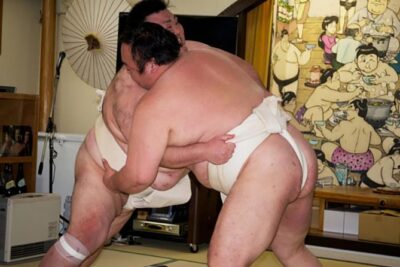
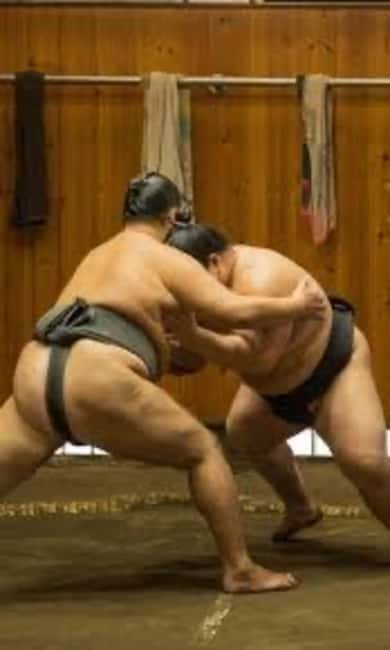
When you arrive, you will be taken from the meeting area to the sumo room/training space by your guide. Once inside, expect a small, more enclosed setting than a stadium. That is a big reason the experience feels memorable. You can hear the training, you can feel the focus in the room, and you get a better sense of how physical and demanding this work is.
A common flow looks like this:
- stretching and body prep, which may take around 30 minutes
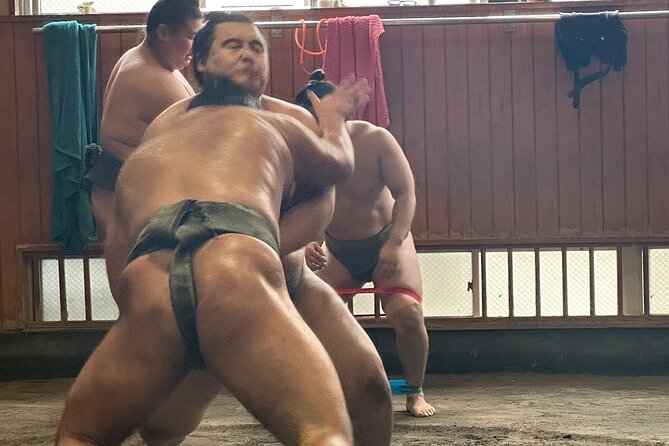
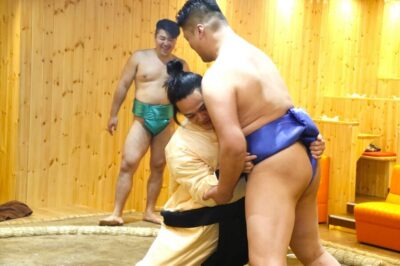
- younger wrestlers practicing against each other
- and later, stronger, more intense rounds of practice bouts
It helps if you go with the right mindset. This is sport, not choreography. You may get more excited as the stronger rounds begin, but even the early prep has meaning once your guide explains the terms and why the wrestlers train the way they do.
Being up close, but still in a stable setting
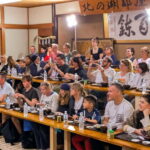
You are not watching from a far-off distance like you do in big arenas. You get a rare closer view during training, and the experience often feels almost physical. At the same time, it is still a stable space, which means:
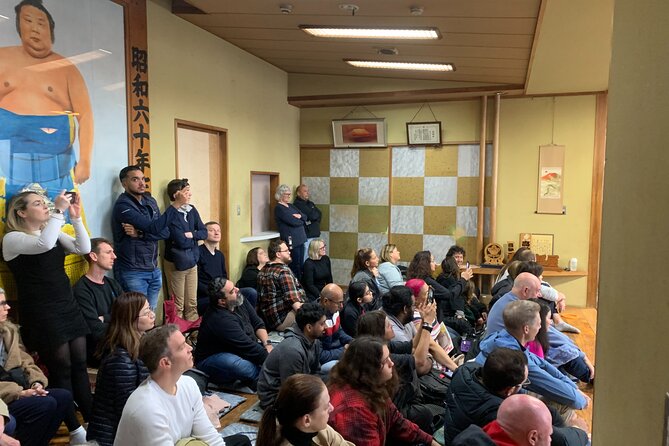
- seating can be tight
- the room can feel crowded if another group arrives
- you may be sitting directly on the floor or on small seats
One caution that is worth taking seriously is that the seating can be uncomfortable for some Western visitors. If you have a bad knee or strong sensitivity to hard surfaces, plan for it.
Your English guide: turning rituals into something you can understand
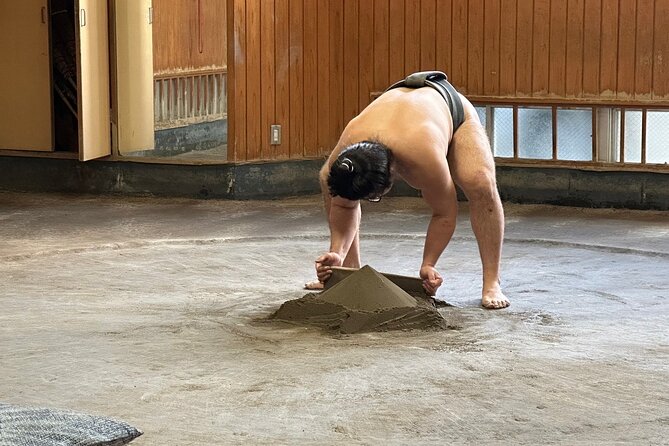
The biggest reason this tour earns strong marks is the guide. You get more than translation. You get context.
I especially like when the guide provides structure while you watch, such as:
- explanations of sumo terms
- background on history and traditions that show up during practice
- time for questions during or after the drills
Some guides are noted for friendly, efficient hosting and for answering lots of questions with clear explanations. In one example, the guide Naomi was mentioned as warm and enthusiastic, able to handle 20-plus questions before and after the session. Another helpful detail is that some guides speak multiple languages, and at least one report noted English, French, and Japanese.
The practical payoff for you is that you will leave understanding the difference between what you see and what it means. That makes it easier to enjoy sumo later, including when you watch bouts more formally.
The commemorative photo: a souvenir with real people
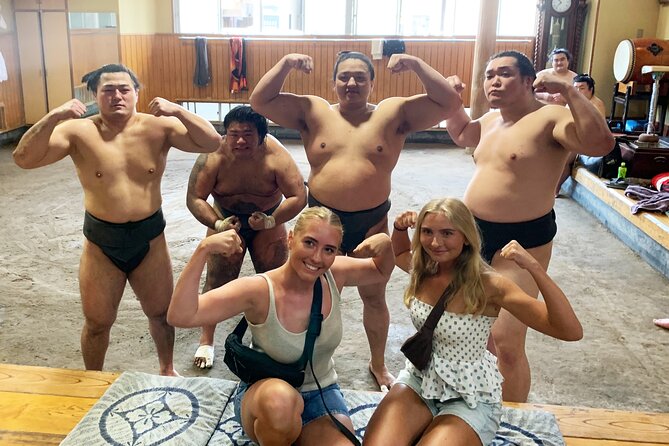
At the end, you get a photo session with the wrestlers. This is one of those simple perks that becomes a highlight, because it turns the experience into something you can actually remember. It also reinforces that you were not just a silent observer. You had access to a training world that is normally closed off.
Plan for basic photo logistics. You will likely be in a small area with limited space and need to follow the guide’s instructions. Bring your most practical expectations: get in position, be patient, and let the stable staff run the flow.
Asakusa after the practice: a smart add-on plan
The tour is also designed so you can keep your morning going if you want. After the session, you are dismissed and shown how to get to your next destination. Asakusa is specifically mentioned as a nearby option if you want to sightseeing right afterward.
Why this pairs well:
- your morning is already in the Sumida area, close to where Asakusa sits
- sumo training finishes with enough time in the day to explore
- you can switch from high intensity sport to traditional Tokyo sights without changing neighborhoods too much
Even if you do not do Asakusa, the dismissal process is meant to help you transition quickly. You are not left stranded with a ticket and a shrug.
Who this tour is best for (and who should think twice)
This is a great fit if you want:
- a real training view, not a show
- an up close look at athletes during serious practice
- a guide to explain traditions and help you ask questions
- a family-friendly way to make sumo feel tangible
It is also a strong choice for teens, since the intensity of practice often lands better than long lectures about history.
You might think twice if:
- you expect a fixed, entertainment style schedule with lots of action breaks
- you are very sensitive to sitting on floors or small seats
- you hate tight spaces and prefer wide, stadium-style seating
Also keep a realistic expectation about crowding. The group is capped at 20, but seating can still feel busy if additional visitors join unexpectedly. That does not ruin the experience, but it can affect comfort and viewing angles.
Practical tips to make your morning smoother
Here are the tips that matter most, based on what people learn from doing it:
- Arrive early at Ryogoku Station and take extra time for the correct exit. The meeting instructions can be strict.
- Wear shoes you can walk in easily. You will do a short walk from the station area to the stable.
- Bring something small for comfort if you have sensitive knees. Traditional seating is part of the deal.
- Come with curiosity, not just curiosity about fights. Ask questions. This is the kind of tour where good questions make a big difference.
- If you want to connect the experience to sumo later, keep an eye out for the guide’s fact sheet about training and sumo terms.
The best part is that once you understand the basics, even short moments start making sense. You will watch the same drill and feel different about it.
Should you book this sumo morning practice?
Book it if your goal is an authentic, guided view of sumo training. The mix of access to Takasago stable, an English guide who can explain what you are seeing, and the included commemorative photo makes this a high value cultural experience for many visitors.
Skip or reconsider if you mainly want an arena-style spectacle and you dislike sitting through long, serious practice drills in a traditional room. Also consider comfort needs, because the seating setup can be tough for some people.
If you are spending multiple days in Tokyo and you want one morning that feels very Japan and very real, this is the kind of tour that can become a trip highlight.
FAQ
What is the start time for the sumo morning practice?
The tour start time is listed as 8:00 am.
How long is the tour?
The duration is approximately 1 hour 30 minutes to 2 hours.
Where is the meeting point?
The meeting point is Ryogoku Sta. 1-chōme-4-29 Yokoami, Sumida City, Tokyo 130-0015, Japan.
Where does the tour end?
The tour ends at 2-chōme-30-1 Ishiwara, Sumida City, Tokyo 130-0011, Japan, and the guide dismisses you there.
Is the guide in English?
Yes, the experience is described as having an English guide.
Is admission included in the price?
Yes, admission is included.
How large is the group?
The maximum number of travelers is 20.
Do I get a souvenir photo?
Yes, you take home a commemorative photo with the sumo wrestlers.
Can I also go sightseeing in Asakusa after?
Asakusa is mentioned as a nearby option you can go to after the viewing if you wish.
Is the ticket mobile?
Yes, it includes a mobile ticket.
What is the cancellation policy?
Free cancellation is available. You can cancel up to 24 hours in advance of the experience for a full refund.
Practice Rooms and Show Nights

Newest Tokyo write-ups from the Loving Japan desk


Sumo Wrestling Experiences, side by side.
 ★ 4.8Sumo Show Experience with Chicken Hot Pot and a PhotoFrom $1036,678 reviews
 ★ 4.8Sumo Show and Dining ExperienceFrom $792,742 reviews
 ★ 5.0the SUMO showFrom $891,960 reviews
 ★ 5.0Tokyo Shinjuku Sumo Show & Experience with PhotoFrom $791,750 reviews
 ★ 4.8Sumo Show and Experience in ShinjukuFrom $691,001 reviews
 ★ 4.6Sumo Tournament Tour with Chair Seat TicketsFrom $141753 reviews
 ★ 4.5Sumo Show & Experience w/ Optional Kimono & Hot PotFrom $77609 reviews
 ★ 5.0Authentic Sumo Experience in Tokyo: Enter the SanctuaryFrom $171603 reviews
Filed on these lists too