
REVIEW · SUSHI AND SASHIMI EXPERIENCES
Tokyo: Wagyu and Sushi Gastronomic Journey
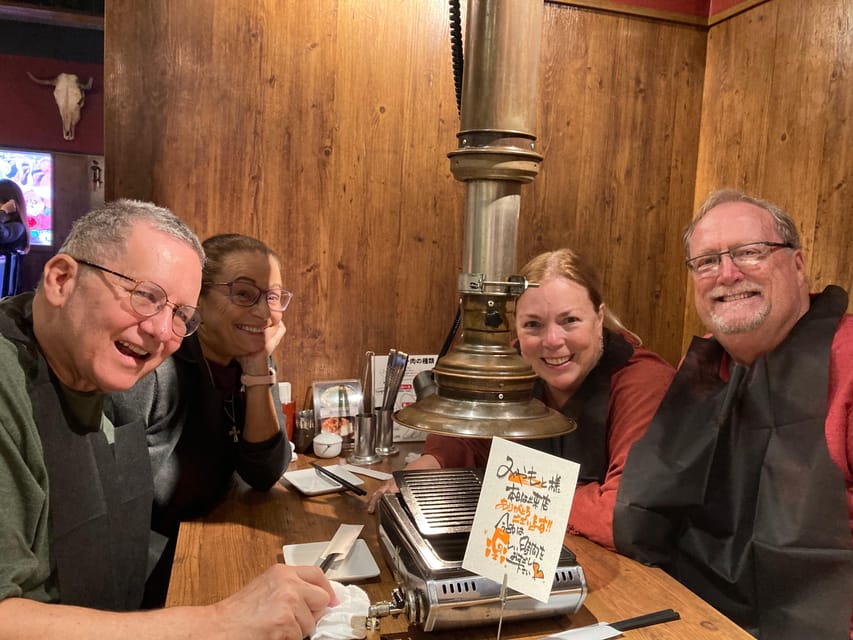
Shinjuku tastes like a Tokyo secret. This 3-hour Wagyu and sushi tour strings together Wagyu and sushi with expert guidance, plus alley hopping through the Shinjuku night scene. It is a fun way to learn what makes these foods different in Japan, not just eat them.
I like that you get both food craft and Tokyo atmosphere in one go. You will also pause at quieter spots like Hanazono Shrine before heading back into Golden Gai, where small themed bars line tight lanes. One consideration: this route spends real time in nightlife districts, so it can feel loud and crowded if you prefer calmer streets.
In This Review
- Key highlights worth your attention
- Why Shinjuku is the right backdrop for Wagyu, sushi, and alley drinking
- Finding the group near The 3rd Burger, and the simple practical stuff
- Kabukicho after dark: where the night tour finds its energy
- Sushi with an expert’s eye: what to notice while the chef works
- Wagyu in context: history you can taste, and why technique matters
- Golden Gai’s tiny bar alleys: why the small-group format helps
- Hanazono Shrine and Omoide Yokocho: the calm and comfort stops
- Price and value for a $154 Wagyu and sushi night out
- Who should book this Wagyu and sushi journey, and who should skip it
- Should you book this Wagyu and sushi night in Shinjuku?
- FAQ
- How long is the Tokyo Wagyu and sushi gastronomic journey?
- What is the group size?
- Where do I meet the guide?
- Where does the tour end?
- What food and drink is included?
- What areas of Shinjuku will we see?
- Is transportation included in the price?
- What language is the tour guide?
- Is it free to cancel?
- What happens if the organizer cannot reach you on the tour day?
Key highlights worth your attention
- Small-group setup (up to 10) so you can ask questions while you eat
- English live guide who explains what you are tasting and why it matters
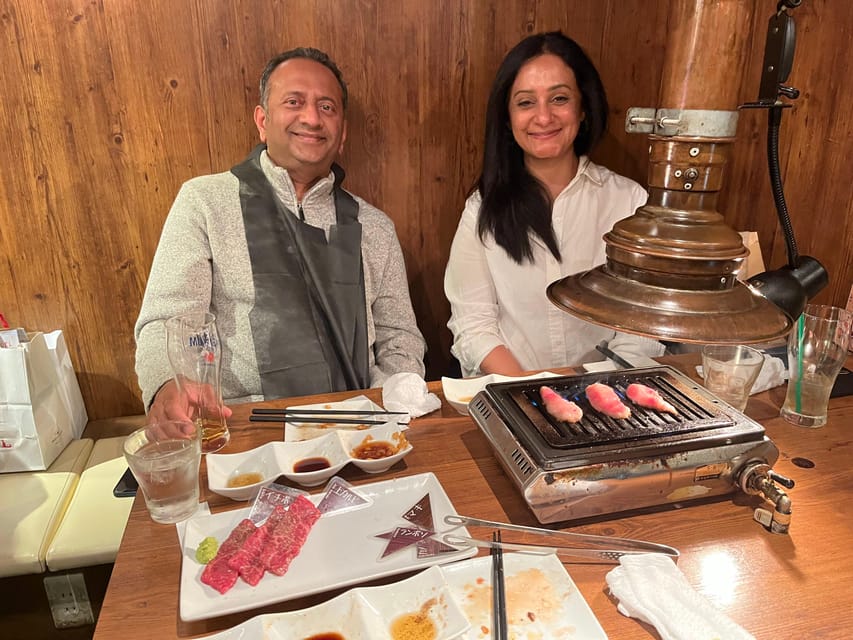
- Wagyu plus sushi sampling with a focus on technique and flavor choices
- Shinjuku Golden Gai time in the maze of tiny, theme-driven bars
- Two distinct food venues included, plus dinner and drinks (age 20+)
- Route mix of neon and calm, including Hanazono Shrine and Omoide Yokocho
Counters and courses we sat at around Tokyo
- Sushi Making Tokyo Roll and Authentic Japanese Sushi Class
★ 5.0 · 3,971 reviews - Tokyo: Roll and Authentic Sushi Making Class in Asakusa
★ 4.9 · 1,957 reviews - Make Sushi and Create Unforgettable Memories in Tokyo
★ 5.0 · 1,413 reviews - Tokyo: Sushi Making Class in a Happi Coat near a Famous Spot
★ 4.9 · 1,377 reviews
Why Shinjuku is the right backdrop for Wagyu, sushi, and alley drinking
Shinjuku can be chaotic in the best way. Bright signs, constant motion, and crowds that never seem to fully thin out. That makes it a great place to understand Tokyo dining as a lived experience, not a museum exhibit.
This night is built around two star foods. Wagyu, with its reputation and its complicated backstory, and sushi, which is all about precision and timing. Your guide connects the dots between the ingredients, the regional ideas behind the flavors, and the chef decisions you can actually notice while you are sitting there eating.
Then you get the setting to match the food. You walk through Kabukicho for that electric downtown energy, and you move into Golden Gai for the smaller-scale, story-heavy side of Shinjuku. If you want Tokyo that feels human, not just photographed, this neighborhood combo works.
Finding the group near The 3rd Burger, and the simple practical stuff
Your meeting point is easy to spot: just in front of The 3rd Burger. It is a good anchor when you are arriving from a station and trying not to waste time hunting for a specific street corner.
Wear shoes you can walk in. Golden Gai is tight-lane walking, and the night sections of Shinjuku are not built for slow strolling. Also plan for short waits and close quarters inside small places, because this is very much a walk-in, sit-down, keep moving kind of evening.
Group size matters here. With a maximum of 10 people, you tend to get quicker attention at meals and less “everybody line up” choreography. That is the difference between a group tour and an actual eating experience.
Kabukicho after dark: where the night tour finds its energy
Kabukicho is Tokyo’s entertainment-district personality. You will feel it the second you step in, with neon, big crowds, and that slightly unreal sense that the city is in performance mode.
This is where the tour builds momentum. A guided chunk of time here helps you get your bearings fast, so later alleys and side streets make more sense. You also pass major pop-culture touchpoints, including the Godzilla Head on top of the Shinjuku Toho Building. It is not just a photo stop, it is a reminder that Tokyo pop culture and everyday life live side by side.
One thing I like about doing this early is the contrast. After the big energy of Kabukicho, the calmer moments feel more noticeable. You are setting up your senses so the food stops do not feel rushed or detached from the surrounding streets.
- Mt Fuji and Hakone 1-Day Bus Tour Return by Bullet Train★ 5.0 · 26,383 reviews
- 1-Day Tokyo Bus Tour★ 5.0 · 14,250 reviews
- Tokyo: teamLab Planets TOKYO Digital Art Museum Entry Ticket★ 4.6 · 9,779 reviews
- Mt Fuji & Hakone Cruise, Drum Show Bullet Train 1 Day from Tokyo★ 4.0 · 7,413 reviews
- Tokyo Mt Fuji 5th St & Hakone Cruise Bus Tour w/Bullet Train★ 4.4 · 5,024 reviews
Sushi with an expert’s eye: what to notice while the chef works
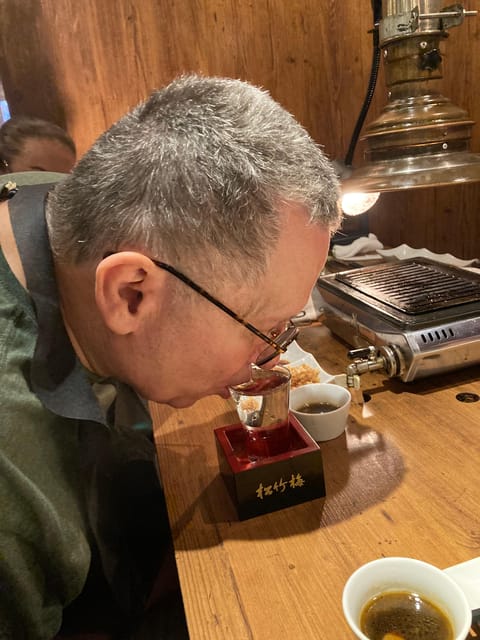
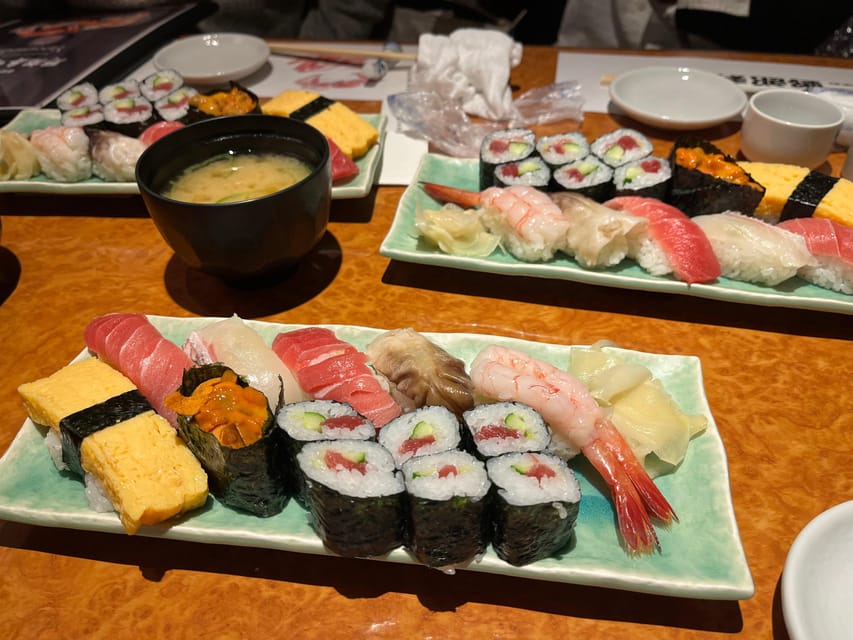
Sushi in Tokyo is not only about taste. It is about control: knife work, rice temperature, fish handling, and the balance between structure and softness. On this tour, you are not just grabbing rolls. You get guided help as sushi is served, with attention to what makes each piece click.
Seasonal ingredients are part of the point. When the tour focuses on freshness and seasonal selection, you stop asking the wrong questions like Is it expensive? and start asking better ones like What is the chef trying to highlight right now?
Ask practical questions if your group stays conversational. For example, you can request guidance on how the chef expects you to eat the piece you are holding. With sushi, small differences in approach change the experience, especially when you are learning how Japanese chefs think about balance.
Also, if this is your first sushi lesson, you will get more out of the meal when you treat it like a tasting menu with explanations, not a standard dinner.
Wagyu in context: history you can taste, and why technique matters
Wagyu has a reputation worldwide, but the tour angle is what makes it valuable. You get a hands-on tasting experience paired with an explanation of Wagyu’s background and how it varies by region. That matters because Wagyu is not one single flavor.
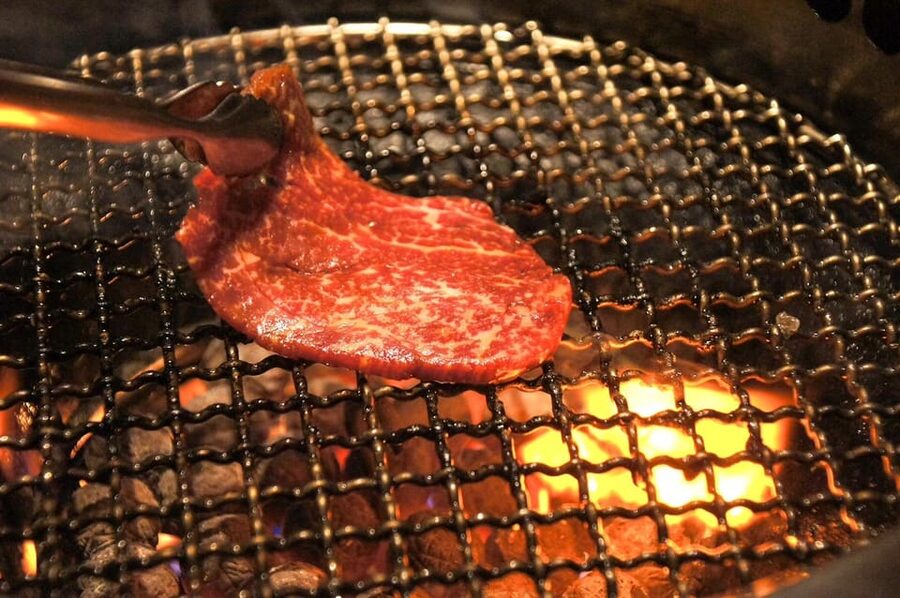
As you learn the regional ideas behind the beef, you start to notice texture and flavor shifts. Fat behavior changes. The way the meat melts or browns can feel different depending on the cut and preparation style. This is especially memorable when the meal includes Japanese barbecue, since heat and timing become part of the story.
I also like that the tour does not treat Wagyu like a trophy. It frames it as a craft. When your guide connects the background to what is happening on your plate, you end up remembering the taste longer, not just the wow factor.
And yes, multiple pieces of feedback point to the same takeaway: the Wagyu tends to come out tender and enjoyable, not dry or one-note.
Golden Gai’s tiny bar alleys: why the small-group format helps
Golden Gai is one of those places where the space itself tells you to slow down. The lanes are narrow and the bars are small. Over 200 bars line the area, each with its own vibe and theme, which is why walking through it feels like moving through a collection of micro-worlds.
Your time here is guided, which helps in two ways. First, you are not left guessing what you are looking at. Second, you get context on post-war Tokyo bar culture and why these spaces became part of the city’s identity.
This is also where the small-group advantage shows up. With up to 10 people, you can keep the pace without getting separated into a confusing trail of strangers. Guides can manage questions better, and you can actually hear the explanations between the laughter and the clink of glasses.
If you are the type who likes nightlife but hates standing around, Golden Gai is a smart match. It is interactive without being chaotic in the way bigger venues can be.
Hanazono Shrine and Omoide Yokocho: the calm and comfort stops
Tokyo nights often need balance, and this route builds it in.
Hanazono Shrine is the quiet interlude inside Shinjuku. You get a break from the noise, and it is a chance to see the traditional religious side of the area. Even if you do not plan to go deep into spiritual practice, it grounds the evening. It reminds you that Tokyo entertainment districts are still embedded in real neighborhoods and long-standing cultural life.
Then there is Omoide Yokocho, known for tiny bars and comfort foods like yakitori. This part feels more casual and snack-like than the sushi and Wagyu meals. It is the place where you can let your guard down a bit, order something familiar, and keep tasting while the night continues.
That mix is practical. If you only do a formal dinner, you can get food-fatigued fast. If you only do street wandering, you miss the structured lessons. This route tries to give you both.
Price and value for a $154 Wagyu and sushi night out
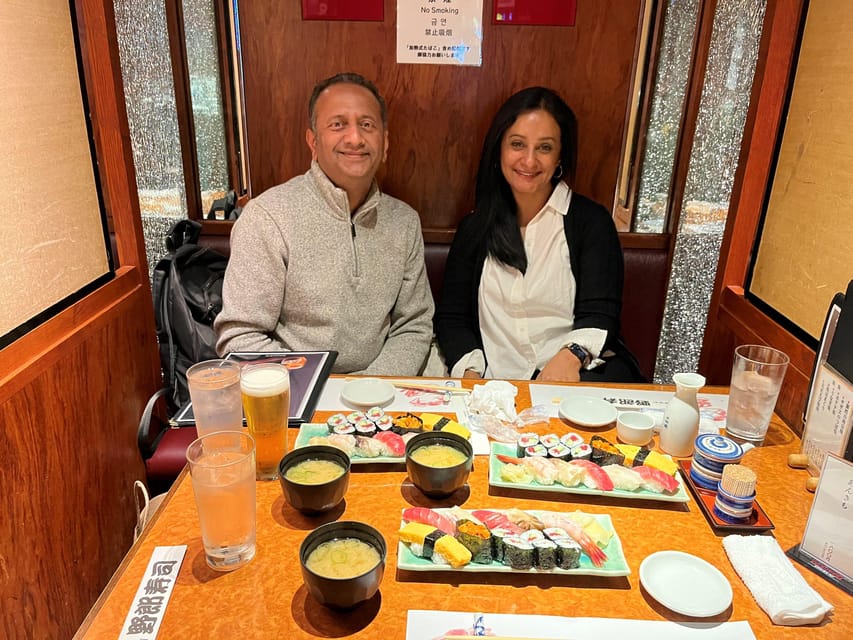
At $154 per person, you are paying for three things: guide time, high-quality meal components, and a planned route that links food with Tokyo context.
Here is what is included in the value picture:
- A local guide
- Dinner
- Alcoholic beverages available for participants aged 20 and above
- Visits to two distinct food venues
- The time in key neighborhoods that make the food choices easier to understand
What is not included is transportation. Costs can range from 200 yen to 800 yen, so it is worth budgeting for the metro or short rides between stops depending on where you start from.
Is it “cheap”? No. But it also is not just a generic walking tour with snacks. You are paying for an evening that pairs food quality with explanation, plus a small-group format that tends to feel more personal than bigger bus-and-line tours.
Also, the tour length is about 3 to 3.5 hours. That is long enough to actually eat two meaningful food stops and experience the neighborhood, but short enough that you do not lose the night to logistics.
Who should book this Wagyu and sushi journey, and who should skip it
This works best if you:
- Want Wagyu and sushi in one evening, with an English guide explaining what you are tasting
- Like Shinjuku’s energy but also appreciate calm moments like Hanazono Shrine
- Prefer a small group with room to ask questions
- Are 20 or older if you want alcohol included with the meals
It might not be your best match if you:
- Hate nightlife districts or expect quiet streets the entire time
- Want a tour with lots of time for independent wandering, since the evening is structured around guided stops and meals
- Have a strong aversion to crowded areas, since Shinjuku is popular and can get busy
One more practical note from the general tone of the experience: the best nights are the ones where you stay curious, even if you are not a “food expert.” The guide approach is friendly and human, including guides like Emma who come up as personable and enthusiastic when feedback is shared.
Should you book this Wagyu and sushi night in Shinjuku?
If you are choosing one food-focused evening in Tokyo and you want more than just a meal, I think this is a smart pick. The combination of expert guidance, serious Wagyu and sushi tasting, and the move through Golden Gai makes the night feel layered without being complicated.
Book it if you want:
- A structured Tokyo food lesson in English
- A night that blends iconic spots with quieter contrast
- A small group so the experience stays personal
Skip it if your ideal Tokyo day is calm, early, and low-noise. This is an after-dark plan built for appetite, curiosity, and Shinjuku streets.
FAQ
How long is the Tokyo Wagyu and sushi gastronomic journey?
The tour lasts about 3 hours, and it may run 3 to 3.5 hours depending on the flow of the experience.
What is the group size?
The group is limited to a small group of up to 10 participants.
Where do I meet the guide?
The meeting point is just in front of The 3rd Burger.
Where does the tour end?
The tour finishes at 新宿ゴールデン街 (Shinjuku Golden Gai).
What food and drink is included?
Dinner is included, and you will visit two distinct food venues. Alcoholic beverages are also included for participants aged 20 and above.
What areas of Shinjuku will we see?
The tour includes time in Kabukicho and Shinjuku Golden Gai, plus stops or viewpoints connected to Hanazono Shrine, Omoide Yokocho, and the Godzilla Head atop the Shinjuku Toho Building.
Is transportation included in the price?
No. Transportation costs are not included, and the range listed is 200 yen to 800 yen.
What language is the tour guide?
The live tour guide speaks English.
Is it free to cancel?
You can cancel up to 24 hours in advance for a full refund.
What happens if the organizer cannot reach you on the tour day?
If there is no contact from the guest by the day of the tour, the tour may be canceled, and a full refund will be issued.
Counters and Courses

Newest Tokyo write-ups from the Loving Japan desk






Sushi and Sashimi Experiences, side by side.
 ★ 5.0Sushi Making Tokyo Roll and Authentic Japanese Sushi ClassFrom $593,971 reviews
 ★ 4.9Roll and Authentic Sushi Making Class in AsakusaFrom $581,957 reviews
 ★ 5.0Make Sushi and Create Unforgettable Memories in TokyoFrom $791,413 reviews
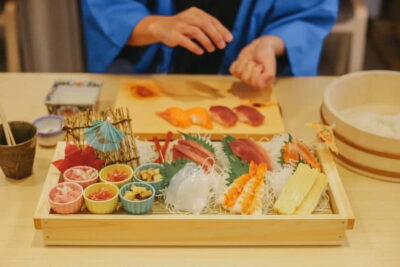 ★ 4.9Sushi Making Class in a Happi Coat near a Famous SpotFrom $421,377 reviews
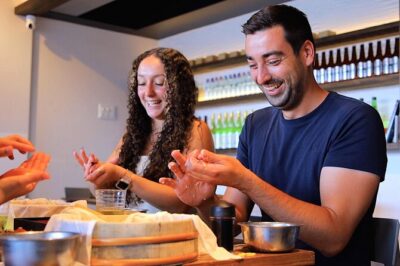 ★ 5.0Sushi Making Osaka Roll and Authentic Japanese Sushi ClassFrom $311,220 reviews
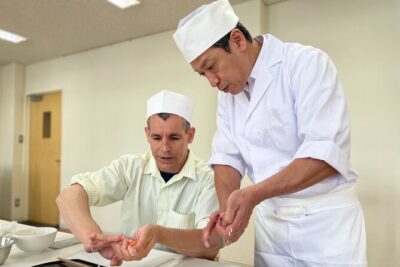 ★ 5.0Tokyo Sushi Making Class in Tsukiji with Professional ChefFrom $491,177 reviews
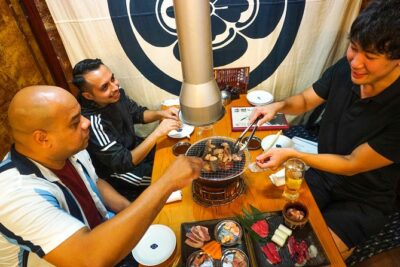 ★ 5.0Tokyo Night Foodie Tour in Shinjuku – Seasonal Sushi, Wagyu BeefFrom $1111,161 reviews
 ★ 5.0Tsukiji Fish Market Guided Tour and Sushi Making with Pro ChefFrom $104775 reviews
Filed on these lists too