
REVIEW · ASAKUSA, SENSO-JI AND TOKYO SKYTREE
Tokyo:Calligraphy &Make your original folding fan in Asakusa
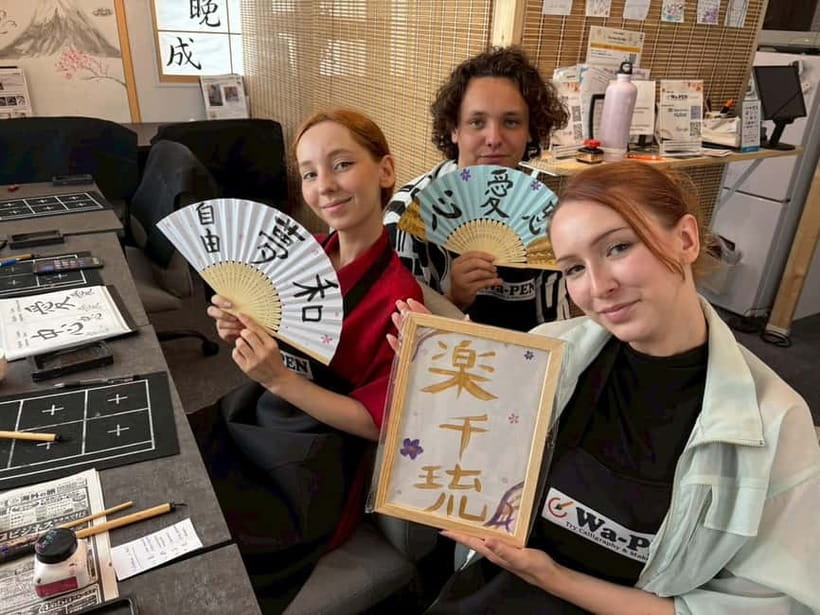
Brush-to-paper, real calm in Asakusa. This is a hands-on Japanese calligraphy class where you learn why posture and stroke order matter, then you practice the basic mindset behind hiragana while making something you can actually take home. With English support and a patient instructor like Mana, you get step-by-step guidance from ink mixing to finishing your own design.
I especially like the focus on fundamentals, not just pretty results. You work on traditional techniques with guide paper and you practice for about 30 minutes on thin paper, so your calligraphy improves through repetition, not guesswork.
One thing to consider is that calligraphy can get messy. You’ll want clothes that can handle ink stains (aprons are provided), and the workshop isn’t set up for wheelchair users.
In This Review
- Key things I’d pay attention to
- Japanese calligraphy and folding fan, all in one calm session
- Starting with posture and the fude brush, not just the strokes
- How the ink works: melting ink sticks the traditional way
- Hiragana mindset, plus Kanji writing for meaning
- Practice time on guide paper, then your 30 minutes on thin paper
- Picking a final design and making it look like you, not like a template
- Green tea break and a postcard you write to yourself at home
- Your one-of-a-kind folding fan with calligraphy
- Price, value, and what you get for $16
- Who this workshop suits best, and who should think twice
- Practical tips to make your calligraphy session easier
- Should you book Tokyo calligraphy and your folding fan?
- FAQ
- How long is the calligraphy and folding fan experience?
- Is the instructor able to teach in English?
- What should I wear to the workshop?
- Are food and drinks allowed during the session?
- Can wheelchair users participate?
- What do I take home from the class?
- Are there options like henna tattoos or printing on a T-shirt?
Key things I’d pay attention to
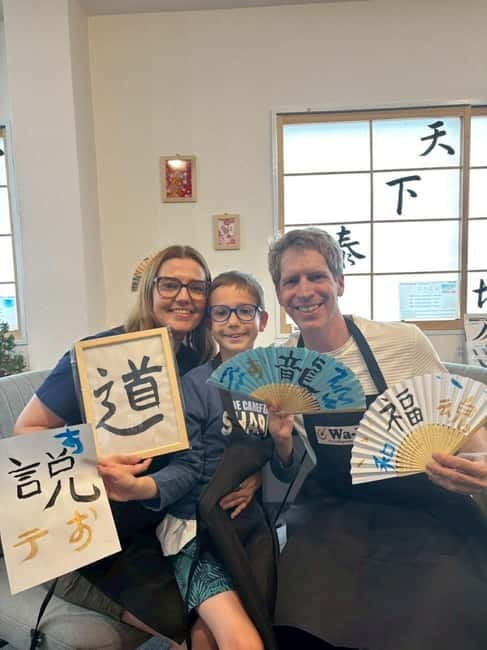
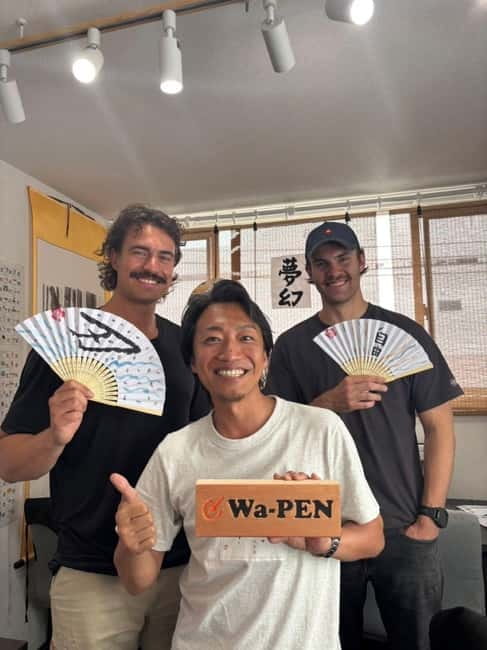
- Mana teaches in clear English and keeps the pace encouraging, including extra practice time when you want it
- Traditional ink melting using solid ink sticks, then learning how much ink to use on the brush
- Eight core techniques you practice with guide paper before you choose your final design
- Your keepsakes match your work: calligraphy plus an original folding fan, not just a framed sample
- Green tea plus a postcard to yourself, written during the class to bring the memory home
Still on the Sumida side? A few more Asakusa options
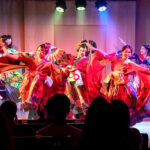
- Tokyo: Japanese Dance Cabaret Theater Asakusa-Kaguwa Ticket
★ 4.8 · 2,270 reviews - Tokyo: Meiji Shrine, Asakusa, Skytree Bus Tour and Cruise
★ 4.7 · 1,986 reviews - Tokyo: Roll and Authentic Sushi Making Class in Asakusa
★ 4.9 · 1,957 reviews - Tokyo: Asakusa Walking Tour with Sensoji Temple Visit
★ 4.8 · 1,583 reviews
Japanese calligraphy and folding fan, all in one calm session
Asakusa is one of Tokyo’s best areas for classic sights, but it can also be crowded and hot. This workshop gives you a quieter pocket of time where your hands slow down and your attention shifts from streets to paper. You start with the story and purpose of calligraphy, then you move straight into doing the work, stroke by stroke.
The format also makes sense for short trips. At a $16 price point, you’re not just buying a souvenir. You’re buying time with a professional, a structured practice session, and a finished item you can use or display. The duration runs from 30 to 90 minutes, and that range matters because it usually reflects how long you choose to practice before locking in your final design and moving to the fan.
The meeting area is in the Asakusa district, around 35.7162239, 139.7922354, and it fits nicely between temple visits and shopping nearby. If your day includes Senso-ji, schedule this so you’re not rushing through it right before you meet friends or catch a train.
Starting with posture and the fude brush, not just the strokes
What I like most about this class is that it treats calligraphy like a skill you build, not a one-time craft demo. You begin with posture and attitude, which is more important than people expect. In calligraphy, control comes from your body position and how you hold the brush, not from copying a perfect sample.
Then you get introduced to the brush itself: the fude. You learn how to handle it and how much ink to load. That detail is huge. Too much ink makes strokes bleed and look heavy. Too little ink makes them look thin or shaky. The instructor guides you toward the right balance so the brush can create both bold and delicate lines.
You also learn the history of Japanese calligraphy and how it connects to hiragana. The class doesn’t just list facts. You’re meant to understand the mental side, the idea of rhythm and intention behind the characters. That’s what makes the practice feel almost meditative, according to many participants, including people who specifically called it relaxing and almost meditative.
How the ink works: melting ink sticks the traditional way
Before you write, you work with traditional ink melting. Instead of using a ready-made bottle, you use water to melt solid ink sticks made for calligraphy. This step slows everything down in a good way. You see the material transform, and it reminds you that calligraphy is tied to tools and ritual.
You’ll also learn how the ink behaves once it’s ready. Since you control ink amount on the brush, the teacher can correct your technique in real time. It’s a practical approach, because ink consistency affects stroke texture, speed, and even how your brush tips behave.
One small advantage of doing ink the traditional way is that it helps you understand why brush control matters. When your ink is fresh and the amount is right, you can actually feel the difference in your strokes as you adjust your hands.
Make something to take home. Other workshops
- Tokyo Shinjuku Chopsticks Making Class★ 5.0 · 1,763 reviews
- Chopstick Making Workshop in Ginza★ 4.8 · 1,366 reviews
- Tokyo Sumo Experience: Chanko & Mochi with a Former Pro★ 4.8 · 567 reviews
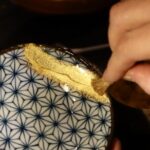
- Kintsugi Experience: Art of Golden Joinery in Tokyo★ 5.0 · 467 reviews
- Tokyo Chopstick Making Workshop with Artisan★ 5.0 · 466 reviews
Hiragana mindset, plus Kanji writing for meaning
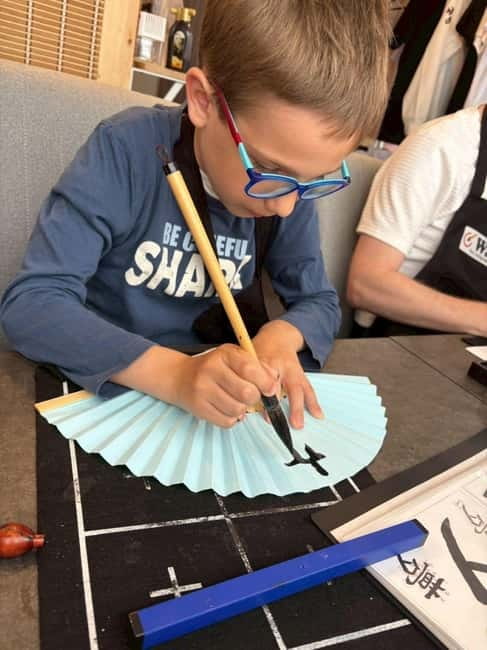
The class is grounded in Japanese calligraphy basics, but it also helps you connect to what you’re writing. You explore the mind of hiragana, and you practice characters tied to meaning. Many people in the class highlight that they can write kanji and that those characters carry personal significance.
This matters because it changes the experience from craft to communication. If you write your name or a meaningful set of characters, you’re not producing random shapes. You’re creating something tied to identity. That also makes the keepsake more satisfying when you get home and look at it later.
If your goal is a deeper cultural connection, this workshop gives you both the why and the how. The history portion sets context, and the hands-on practice gives you a concrete result.
Practice time on guide paper, then your 30 minutes on thin paper
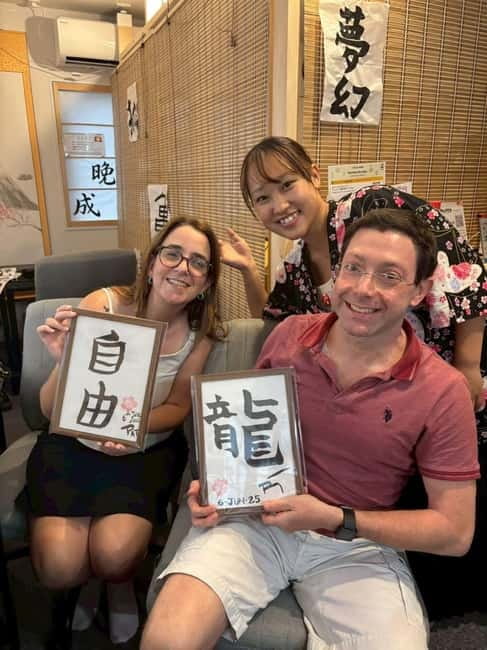
Here’s the structure that makes the class feel fair, even for beginners. First, you practice basic techniques using guide paper. The instruction includes basically eight techniques. You’re not expected to become an expert in one sitting, but you are expected to learn the core mechanics that make calligraphy readable and expressive.
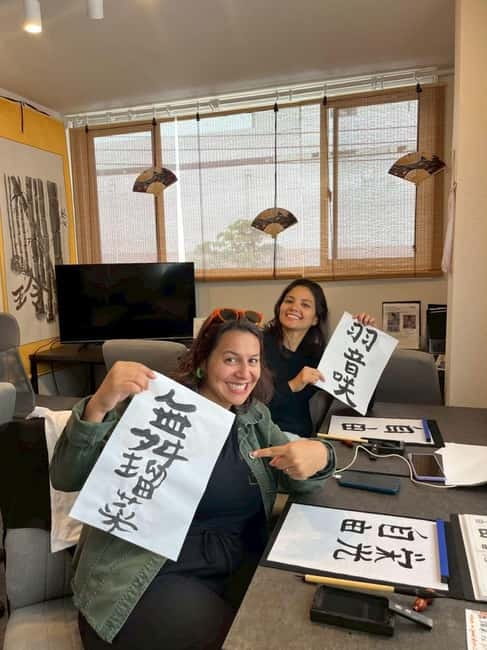
After the technique practice, you move into the real writing phase. You practice for about 30 minutes on thin paper with expert staff guiding you. That thin paper part matters. It forces you to commit your stroke, because the paper responds quickly and you can’t rely on thick lines to hide mistakes.
During this time, you choose your favorite design. You can select from a sample book or ask the staff to help you choose what fits. That design choice is another reason the keepsake feels personal. You’re not just being assigned a layout.
A lot of participants praised the way Mana encourages practice without pressure. Some also mentioned being allowed to extend their practice time to finish their work the way they want. If you’re the type who hates rushing, this matters.
Picking a final design and making it look like you, not like a template
This is where the workshop becomes fun, not just educational. Once you’ve practiced the technique set, you pick your final design. You can draw on your fan and you can also end up with a piece you take home that reflects your chosen character and style.
The class emphasizes writing until you are satisfied. That may sound simple, but it changes the whole mood. Instead of scrambling to finish before the clock runs out, you get time to adjust and refine your strokes. And since calligraphy is about control, having extra minutes can make your end result look more confident.
If you’re traveling with someone who wants to try calligraphy but worries they will be bad at it, this setup helps. You get guide paper and step-by-step coaching first, then you get a chance to build your own version during the actual thin-paper practice.
Green tea break and a postcard you write to yourself at home
After you finish your main writing practice, you enjoy a cup of green tea. That break feels intentional. It gives your brain time to switch gears from focused hand work to reflection.
Then comes one of the most memorable parts: you write a postcard for yourself. You explain your emotions after calligraphy in the postcard, so you have something to read later that ties your paper work back to the real moment and the trip context.
This is one of those small touches that makes the souvenir more meaningful than a single flat sheet you might store in a drawer. You’re actively capturing how it felt, not just what it looks like.
You also get help and support during the process, with English instruction throughout. People praised Mana’s English skills, plus her patience when teaching stroke steps.
Your one-of-a-kind folding fan with calligraphy
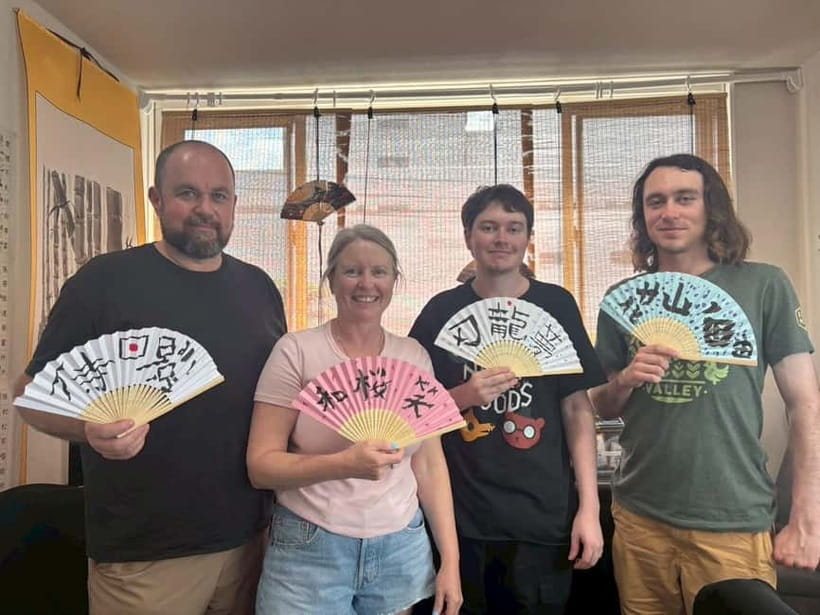
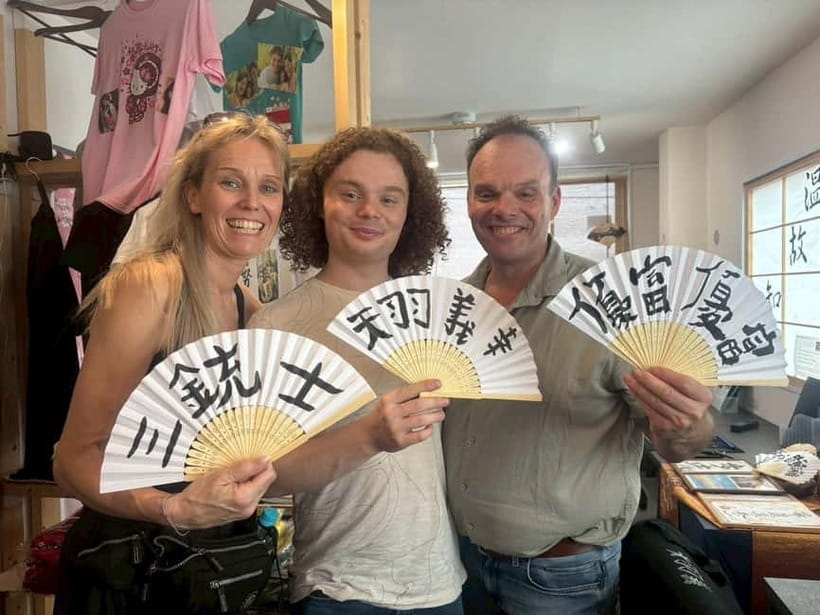
The final hands-on reward is the folding fan. You make an original fan and it incorporates your calligraphy. That matters because it turns a static artwork into something you can actually use. In hot Tokyo weather, fans are practical, and this one is personal.
If you’re the type who likes crafts that don’t just sit on a shelf, the fan is a smart choice. It also helps your calligraphy feel like a finished product, not practice paper you’ll never frame.
Because the fan is built from your writing, you get a stronger sense of ownership. This is also why the class design works as a short trip activity: you end with an object that is both cultural and functional.
Price, value, and what you get for $16
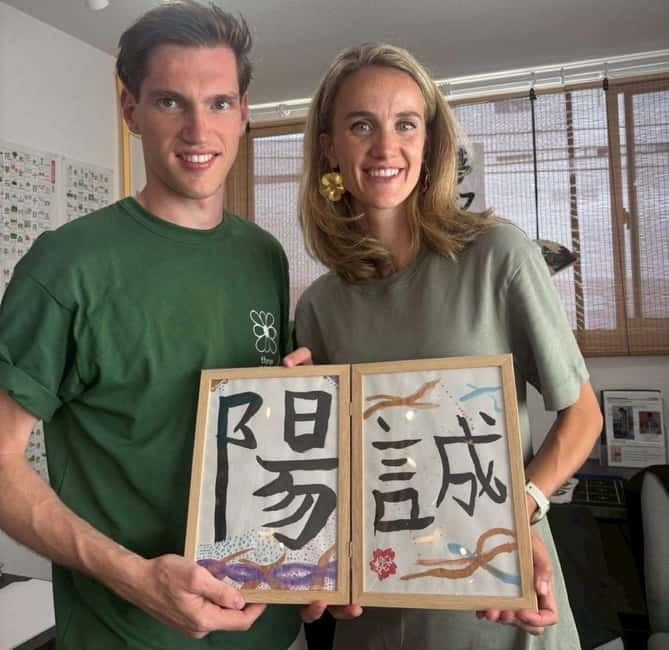
At $16 per person, you’re paying for more than a basic demonstration. You get:
- instruction on the history and mindset of calligraphy
- guidance on posture and how to use a brush (fude) properly
- traditional ink melting with instruction on ink amount
- practice across techniques with guide paper
- about 30 minutes of writing on thin paper
- time to choose and finish your design
- a green tea break
- a postcard you write for yourself
- and an original folding fan
That is strong value for the time commitment. The key is that the class includes both learning and making. You’re not just watching someone else perform calligraphy. You’re creating multiple outcomes, even if you’re a complete beginner.
There are a couple of add-on considerations. If you select the henna tattoo options, the calligraphy experience is not included. Also, printing your calligraphy design to a T-shirt is not included, though you can buy a T-shirt in the shop if you want. So if your priority is calligraphy plus the fan, double-check the option you book.
Who this workshop suits best, and who should think twice
This class fits best for people who want a creative break without heavy planning. If you enjoy writing, art, or hands-on cultural activities, you’ll likely have a great time because the whole session is structured around doing.
It’s also a good match for:
- beginners who want clear instruction and practice time
- couples and solo travelers who like meaningful souvenirs
- families with kids who can handle a guided craft session (there’s at least one review from a parent with a 6-year-old)
- anyone who wants something calming during a busy Tokyo day
Consider thinking twice if:
- you need wheelchair accessibility, since it is not suitable for wheelchair users
- you hate getting ink on clothing, since you should wear clothes that can get a bit dirty even with aprons
Practical tips to make your calligraphy session easier
A few small details will help you get the most out of your time.
Wear comfortable clothes you don’t mind staining. Ink is part of the process, and even careful work can lead to tiny accidents.
Arrive with a bit of patience. Even though the session can be fast, calligraphy is about repetition, so you’ll benefit from a mindset of slow and steady.
Since no food and drinks are allowed during the session, plan a snack or meal before you go. You’ll get green tea after the main practice, but you won’t have an in-session snack break.
If you’re pairing this with other Asakusa plans, build in enough buffer time. You may want extra practice time if your first strokes don’t feel right. One review even mentioned the instructor delivered shirts later so a participant could meet a friend at Senso-ji without being delayed, which hints that the team tries to solve real travel timing problems.
Should you book Tokyo calligraphy and your folding fan?
I’d book it if you want a souvenir with meaning and effort behind it. The combination of calligraphy practice and a folding fan gives you a personal output, and the postcard plus green tea makes the memory feel anchored.
I’d also book it if you value a patient teaching style. Multiple reviews singled out Mana for being kind, encouraging, and willing to slow down so people could get the strokes right. That kind of support is especially important for beginners.
Skip it only if you need wheelchair accessibility or if you want something strictly hands-off. This workshop is hands-on by design. You will touch ink, write characters, and create your fan, so you should be ready for the craft part of travel.
If you’re trying to balance Tokyo’s energy with one quiet, creative hour, this one does the job well.
FAQ
How long is the calligraphy and folding fan experience?
The duration is listed as 30 to 90 minutes, depending on the option and starting time availability.
Is the instructor able to teach in English?
Yes. The instructor is listed as English speaking.
What should I wear to the workshop?
Wear comfortable clothes that can get a bit dirty from ink. Aprons are available, but ink can still happen, so dress accordingly.
Are food and drinks allowed during the session?
No. Food and drinks are not allowed during the session.
Can wheelchair users participate?
No. The experience is not suitable for wheelchair users.
What do I take home from the class?
You take home your calligraphy as a one-of-a-kind souvenir, and you also make an original folding fan. You also write a postcard for yourself.
Are there options like henna tattoos or printing on a T-shirt?
Yes, but with important limits. If you select the henna tattoo options, the calligraphy experience is not included. Printing your calligraphy to a T-shirt is not included, but you can buy a T-shirt in the shop if you want to do that.
Made by Hand, and Yours to Keep

Asakusa and the Skytree, Keep Going


Newest Tokyo write-ups from the Loving Japan desk

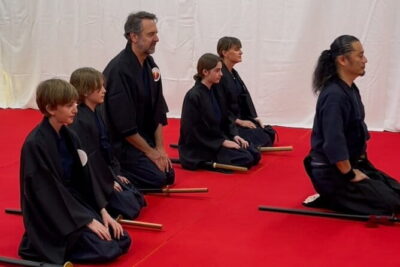

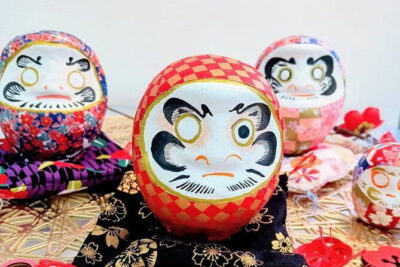

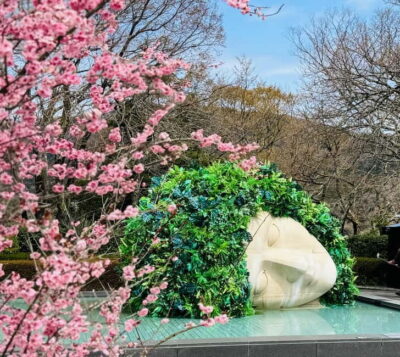
Asakusa, Senso-ji and Tokyo Skytree, side by side.
 ★ 4.5TOKYO SKYTREE® Admission ticketFrom $1311,192 reviews
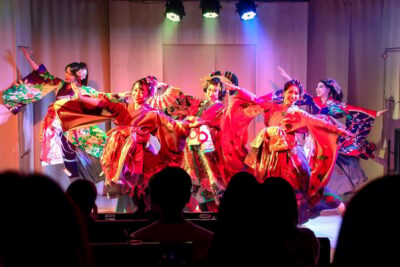 ★ 4.8Japanese Dance Cabaret Theater Asakusa-Kaguwa TicketFrom $492,270 reviews
 ★ 4.7Meiji Shrine, Asakusa, Skytree Bus Tour and CruiseFrom $1221,986 reviews
 ★ 4.9Roll and Authentic Sushi Making Class in AsakusaFrom $581,957 reviews
 ★ 4.8Asakusa Walking Tour with Sensoji Temple VisitFrom $221,583 reviews
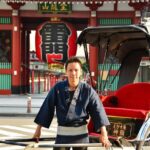
 ★ 5.0Tokyo Asakusa Rickshaw TourFrom $421,375 reviews
 ★ 4.5Tokyo Panoramic 1 Day: Meiji Shrine, Asakusa, Odaiba and SKYTREE®From $851,222 reviews
 ★ 5.0Tokyo Go Kart: Asakusa, Skytree, and Akihabara **IDP MUST**From $99988 reviews
Filed on these lists too