
REVIEW · JAPANESE CRAFT AND CALLIGRAPHY WORKSHOPS
TokyoSumoShow, ChickenHotPot, and Mochi-Pounding by Pro Wrestlers
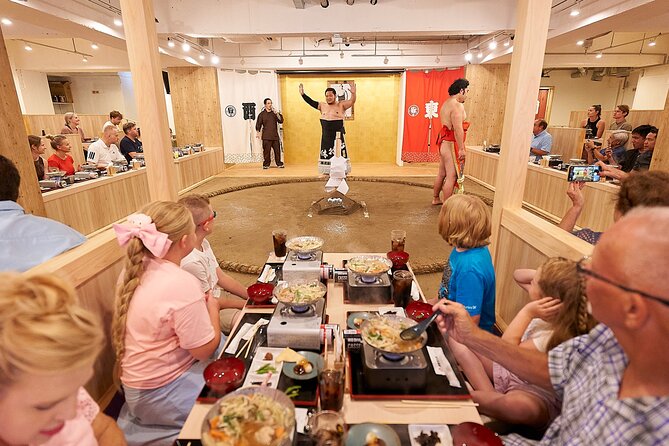
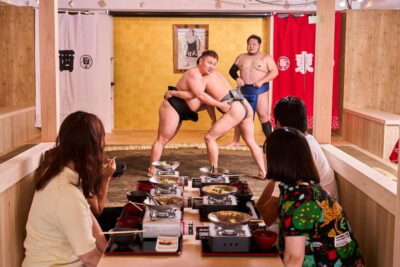
Sumo, hot pot, and mochi in one show. In Ryogoku, SUMOLAND Tokyo Ryogoku turns the sport into a ticketed experience with ring performances, hands-on challenges, and plenty of photos. It is not the morning practice scene or a formal tournament, but it is a fun, accessible way to see how sumo energy looks up close.
I especially love the close-up wrestler interaction and the way the program is built to keep you busy from start to finish. I also like that you get more than watching, you can try mochi pounding and a sumo bout challenge right in the action.
One thing to think about before you go: your participation may be limited if lots of people want the challenge activities, and your seat location is assigned by the venue. If you are traveling with kids, it is also worth planning around lap seating rules for standard seats versus box seats.
In This Review
- Key things you’ll notice at SUMOLAND
- Ryogoku is the right place for a sumo show
- Chicken chanko hot pot is part of the show, not just a meal
- The show flow: entrance ceremony, performance, then challenges
- A quick tip on timing
- Mochi pounding: messy fun, and very age-friendly
- Step into the ring: the bout challenge feeling
- Photos with wrestlers and why seating matters
- How much is it worth? The real value is in interaction
- Who this suits best, and who may want to think twice
- Should you book SUMOLAND in Tokyo?
- FAQ
- Where is SUMOLAND TOKYO RYOGOKU located?
- How long does the experience take?
- What is included in the ticket price?
- What meal options are available?
- Is there mochi pounding and a sumo bout challenge?
- Do I get to choose my seat?
- What should I know about seating with children?
- Can I cancel for a refund?
Key things you’ll notice at SUMOLAND
- Ryogoku setting and pro supervision: the hot pot is prepared with sumo ties, under the Isegahama stable.
- Ring entrance ceremony: a real-style entrance moment that sets the tone.
- Mochi pounding challenge: a hands-on activity with pro wrestlers, kids welcome.
- Audience participation is real: there is a chance to step into the ring for a bout challenge.
- Photo time is built in: you do not have to chase the wrestlers after the show.
- Seat rules matter: assigned seating, and box seats support safer lap seating for children.
Make something to take home. Other workshops
- Tokyo Shinjuku Chopsticks Making Class
★ 5.0 · 1,763 reviews - Chopstick Making Workshop in Ginza
★ 4.8 · 1,366 reviews - Tokyo Sumo Experience: Chanko & Mochi with a Former Pro
★ 4.8 · 567 reviews - Kintsugi Experience: Art of Golden Joinery in Tokyo
★ 5.0 · 467 reviews
Ryogoku is the right place for a sumo show
Ryogoku is where sumo belongs. The area around the station gives you a Tokyo day that feels on-theme, with easy links out to spots like Asakusa, Akihabara, Nihonbashi, and Tokyo Skytree. That is helpful because a 1.5 to 2 hour attraction is a lot easier to plug into a city plan when the neighborhood already gives you something to do.
SUMOLAND sits at 1F Takashima Ryogoku Mansion, 4-32-19 Ryogoku, Sumida City. Finding it is usually simple once you are near Ryogoku Station, since the venue area is marked with a big sumo wrestler sign and flags. Bring comfortable shoes. You are walking a short distance from transit, and you will also move around inside for food and the different segments.
The program runs in an entertainment format, not a strict tournament format. That matters because the pacing is designed for families and first-timers. You get explanations and demonstrations, but you are not waiting around for bracket results or spending long hours in the arena like you would in an official event.
Chicken chanko hot pot is part of the show, not just a meal
The ticket includes chicken chanko hot pot, and it is a big deal because chanko is the classic sumo staple people associate with the sport. The hot pot is prepared for you as part of the experience and is specially prepared with supervision connected to the Isegahama stable. Translation: you are not just eating generic soup and sitting through a show. The food is tied into the sumo theme from the start.
Practically, the hot pot also solves a common Tokyo problem. You can arrive hungry and spend the first chunk of your time eating and settling in, instead of trying to fit another meal before or after. Several people in the feedback singled out the broth, and they felt the hot pot held up.
Still, you should calibrate expectations. Some people loved the meal, while others called it fine or just okay. My advice: treat it as included and satisfying, then focus your main excitement on the performance and challenges. If you go in expecting a restaurant-level dinner, you might be slightly underwhelmed. If you go in expecting a sumo-flavored included meal that keeps the show moving, you’ll be happier.
Diet notes are straightforward:
- Vegetarian and vegan meals are available if you request at least 2 days in advance.
- Gluten-free and halal meals are not available.
- You can bring your own food if you need to.
Also, alcohol is not included, and bottled water is not included. So if you want a drink, plan on buying it on-site or bringing what you can.
The show flow: entrance ceremony, performance, then challenges
The experience is structured around a clear rhythm: you eat, then you get a sumo-style ring moment, then performances, then audience participation.
One highlight is the ring entrance ceremony. Even if you know little about sumo, that entrance style helps you understand the pageantry side of the sport. It is not only about wrestling. Sumo is also about ritual, presence, and crowd energy, and the opening ceremony is where SUMOLAND sets that mood.
After that comes the main sumo show. It is supervised by a Yokozuna, described in the program as the 63rd Yokozuna. I like this part for first-timers because you get to watch former top-level wrestlers perform with real power and timing, not just a watered-down demo.
Then you shift into the more hands-on segments.
- Mt Fuji and Hakone 1-Day Bus Tour Return by Bullet Train★ 5.0 · 26,383 reviews
- 1-Day Tokyo Bus Tour★ 5.0 · 14,250 reviews
- Tokyo: teamLab Planets TOKYO Digital Art Museum Entry Ticket★ 4.6 · 9,779 reviews
- Mt Fuji & Hakone Cruise, Drum Show Bullet Train 1 Day from Tokyo★ 4.0 · 7,413 reviews
- Tokyo: Shinjuku Food Tour (13 Dishes at 4 Local Eateries)★ 5.0 · 6,603 reviews
A quick tip on timing
The show is scheduled and tends to start right on time. When you arrive, give yourself a few minutes to check in, get seated, and avoid stress. That also gives you time to settle in if you are taking photos before the first act.
Mochi pounding: messy fun, and very age-friendly
The mochi-pounding challenge is exactly the kind of activity that turns a spectator experience into a memory. It is traditional mochi-making work, and it is led by wrestlers. Kids can join, and the general vibe is that it is playful and loud, in the best way.
Mochi pounding also works well because it uses your hands. People learn sumo best when they are doing something, not only watching. Here you get that physical lesson, plus you get to interact close to the wrestlers without needing to understand the rules of a tournament.
One practical caution: if many people sign up for the mochi-pounding challenge, participation may be limited. The rules say it can be limited to one person per group or decided by lottery. So if mochi is your must-do moment, do not assume you will automatically get a turn just because you booked a ticket.
Step into the ring: the bout challenge feeling
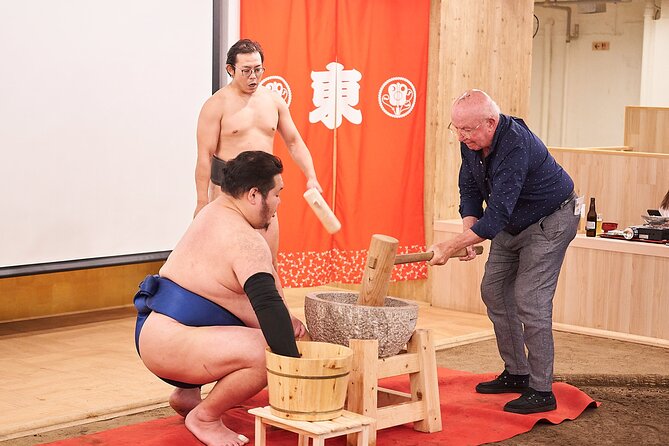
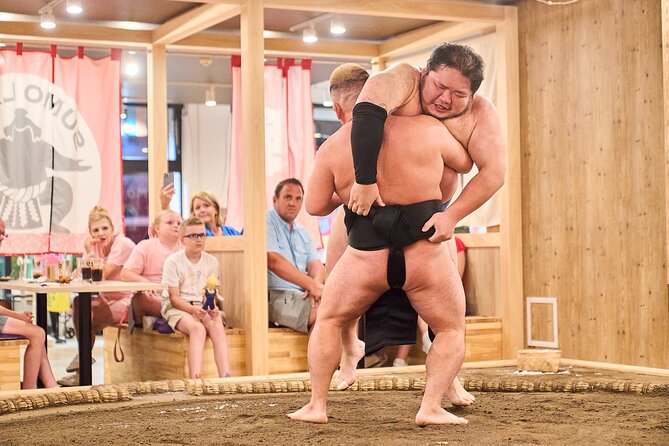
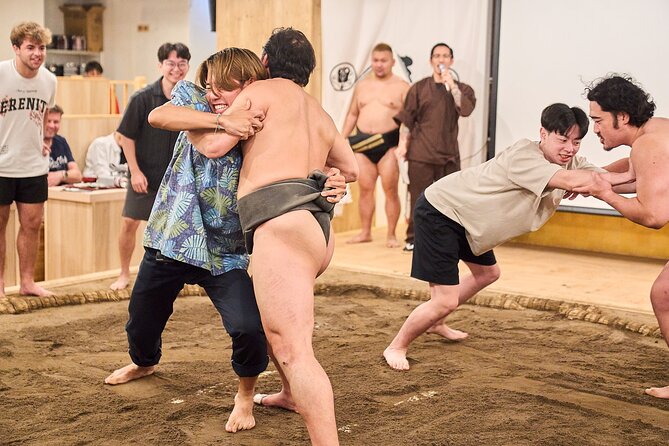
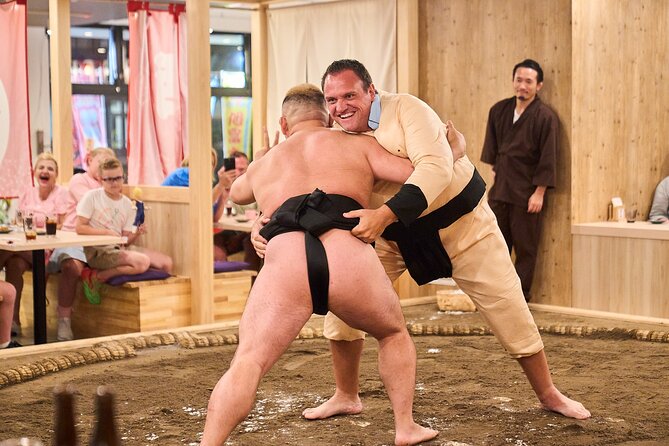
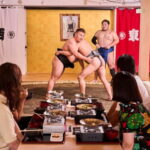
If you want a true sumo moment, the sumo bout challenge is where it happens. This is the segment where you step into the ring area and take on a real sumo wrestler. Kids can join too, which is great for families.
What I like about this segment is that it gives you scale. Sumo is not only technique. It is body control, balance, and strength. When you face a pro, even briefly, you understand why sumo takes training seriously.
The same participation warning applies. If lots of people want in, the venue may limit who participates or use a lottery method. That is normal for a show with fixed time slots and safety needs.
Also, remember that this is not an open-ended experience. You are in a timed program, so your best move is to be ready when your group is called. If you plan for it, you will feel less disappointed if you are not selected for a participation slot.
Photos with wrestlers and why seating matters
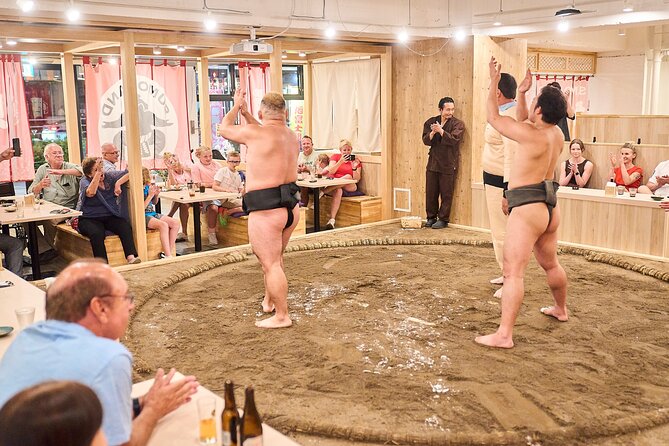
Photo time is included, and that is one of the biggest value boosters in this type of experience. You get a structured moment where you can snap photos with sumo wrestlers instead of timing it yourself and hoping you catch them after the show.
Seating is assigned by the venue, and you cannot choose your seat location during booking. That can be a deal-breaker for people who like to pick exact views, but it usually is not a huge issue here because the program keeps moving and performers come close to the audience.
Still, there is an important safety detail for families: for the standard seats, it can be dangerous to sit while holding a child on your lap. So you are asked to reserve for the exact number of people. If you need lap seating options, the venue notes that box seats are safer, and they can fit up to six people, including the possibility of holding a child on your lap.
If you are traveling with small kids, I would treat seat selection rules as part of your planning, not fine print. It affects comfort and safety, and it can make the difference between a smooth experience and a stressful one.
Souvenirs are included as お土産, and the type can vary by season. That adds a small extra perk because you get something to bring home beyond photos.
How much is it worth? The real value is in interaction
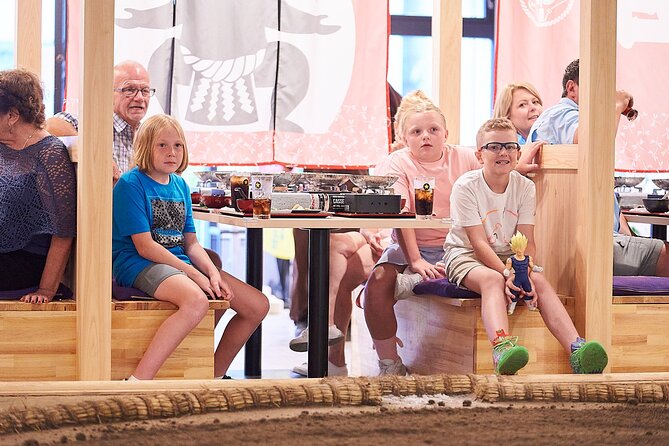
At $106.12 per person, you are paying for a very specific package: sumo-style performances by former top-level wrestlers, an included chanko hot pot meal, mochi pounding, and ring challenge opportunities, plus photos and a souvenir.
Could you get cheaper entertainment in Tokyo? Sure. But you would likely be trading away the combination you get here:
- Food that is part of the theme
- Multiple acts in a tight timeframe
- Hands-on challenges
- Close interaction with pro athletes
- Built-in photo time
That bundle matters. For families, it saves time and decision-making. You do not have to plan a separate meal, hunt for an activity, then scramble for a photo moment. It is all in one scheduled experience.
For adults, it offers value if you want to understand sumo beyond TV clips. Even people who know nothing about the sport get exposed to training style and technique through live performance and practice segments. Several comments praised the information level and the fact the wrestlers and staff explain things in an approachable way.
The main “value trade” is that the included meal is the only part that seems to land as merely okay for some. If you are a foodie who mainly wants a top-tier meal, you might judge the hot pot more harshly. But if you treat the meal as the sumo starter, the rest of the experience justifies the ticket.
Who this suits best, and who may want to think twice
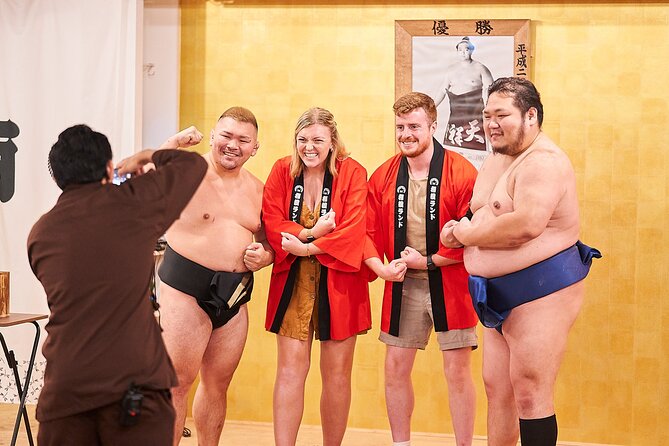
This works best for:
- Families with kids who want a fun, energetic activity that involves action
- First-timers who want an easy entry point into sumo culture
- People who like interactive shows and close-up performer access
- Anyone staying around central Tokyo who can get to Ryogoku easily by train
It may be less satisfying for:
- People who want a purely traditional tournament atmosphere with formal rules, long bouts, and arena-style viewing
- Anyone who expects to choose seats or guarantee participation in mochi pounding or the ring challenge, since participation can be limited
- Food-first diners who want the included meal to be the main highlight
One balancing note from the feedback pattern: people often said the show and interaction were excellent, while the hot pot was good to okay depending on taste. So plan your expectations around the performance and participation, not around the meal quality.
Should you book SUMOLAND in Tokyo?
If you want a high-energy sumo experience with hands-on moments, SUMOLAND is an easy yes. The show format is built for action. You get ring ceremony style, pro performance, and real audience involvement like mochi pounding and a bout challenge. Add included chicken chanko hot pot, photos, and a souvenir, and it becomes good value for the time you spend.
I would say yes especially if you are traveling with kids or if sumo is new to you. The structure helps you learn fast without making you study rules for hours.
I would say think twice if your top priority is a traditional tournament vibe, or if you need a specific seat view, or if the idea of possible lottery-based participation would bother you. Since the program is fixed-time and participation can be limited, your best plan is to go for the full experience, not only for a guaranteed turn in every challenge.
FAQ
Where is SUMOLAND TOKYO RYOGOKU located?
It is at 1F Takashima Ryogoku Mansion, 4-32-19 Ryogoku, Sumida City, Tokyo 130-0026, Japan, and it is near public transportation.
How long does the experience take?
The experience runs about 1 hour 30 minutes to 2 hours.
What is included in the ticket price?
The ticket includes the entrance fee, chicken chanko hot pot, and a souvenir (お土産).
What meal options are available?
Vegetarian and vegan meals are available if requested at least 2 days in advance. Gluten-free and halal meals are not available, but you may bring your own food.
Is there mochi pounding and a sumo bout challenge?
Yes. There is a mochi-pounding challenge and a sumo bout challenge, and kids are welcome for both. If many people join, participation may be limited to one person per group or decided by lottery.
Do I get to choose my seat?
No. Seat locations are assigned by the venue and cannot be selected.
What should I know about seating with children?
For standard seats, it can be dangerous to sit while holding a child on your lap, so reservations should match the exact number of people. Box seats are described as safer and can accommodate up to six people, including lap seating.
Can I cancel for a refund?
Yes. You can cancel for a full refund up to 24 hours in advance of the experience start time.
Made by Hand, and Yours to Keep

Newest Tokyo write-ups from the Loving Japan desk

Japanese Craft and Calligraphy Workshops, side by side.
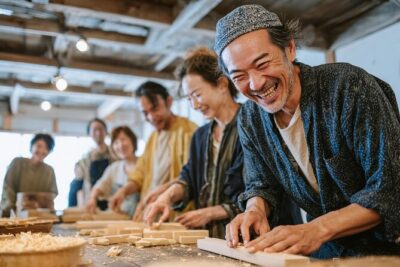 ★ 5.0Tokyo Shinjuku Chopsticks Making ClassFrom $201,763 reviews
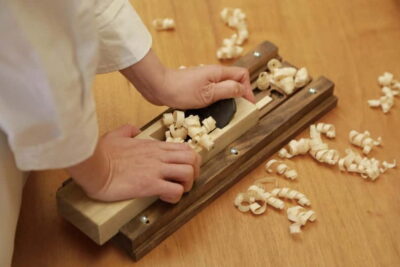 ★ 4.8Chopstick Making Workshop in GinzaFrom $251,366 reviews
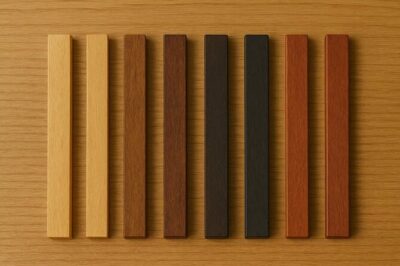 ★ 5.0Chopsticks Making Workshop in Gion with Engraving OptionFrom $15958 reviews
 ★ 4.8Tokyo Sumo Experience: Chanko & Mochi with a Former ProFrom $103567 reviews
 ★ 5.0Kintsugi Experience: Art of Golden Joinery in TokyoFrom $59467 reviews
 ★ 5.0Tokyo Chopstick Making Workshop with ArtisanFrom $26466 reviews
 ★ 4.9Matcha Making Experience with Mochi Sweets in AsakusaFrom $22388 reviews
 ★ 4.8Authentic knife making experience at a blacksmith in KyotoFrom $154350 reviews
Filed on these lists too