
REVIEW · GUIDED
Tour in Kyoto with a Goverment Certified Tour Guide
Kyoto feels magical on its own, this tour gives it structure. You get a tight Fushimi Inari to Arashiyama route with a government-certified guide, and I like how it blends major temples with stops like Gion and Nishiki Market for atmosphere and breaks. One real consideration is reliability, since a chunk of reviews mention late starts, confusing pickup, or even no-shows.
I also appreciate that the day is designed to be flexible. The guide can customize based on your expectations and time, and the tour concept includes culture-focused moments like tea-house time, plus activities such as calligraphy or kimono dressing when the schedule allows.
In This Review
- Key things to know before you go
- A Kyoto Hit List With Fushimi Inari and Arashiyama Included
- How the 6 to 8 Hours Really Works (Time, Pace, and Walking)
- Fushimi Inari-taisha, Kiyomizu-dera, and Nijo Castle: Shrine to Palace
- Gion and Nishiki Market: Geisha Culture Meets Street-Snack Time
- Kinkaku-ji and Ginkaku-ji: The Golden Pavilion and the $8 Reality
- Arashiyama Forest, Tenryu-ji, and Possible Monkey-Park Time
- When the Guide Makes the Day: Andrea, Roberto, and the Small Wins
- Price and Logistics: What $110 Includes, and What Costs Extra
- Pickup, Private Tour Promises, and the Real Risks
- Best For You If You Want a Guided Kyoto Day, Not a DIY Puzzle
- Skip It If You Need a Guaranteed Schedule With Zero Flex
- Should you book Mystical Kyoto Quest?
- FAQ
- How long is the Mystical Kyoto Quest tour?
- What is included in the tour price?
- Are temple admissions included?
- What extra costs should I plan for?
- Is this tour private?
- How far in advance is this tour typically booked?
- Is free cancellation available?
- When do I get confirmation?
Key things to know before you go
- Temple-and-district mix: Shrines and temples plus Gion and Nishiki Market for variety
- Arashiyama time built in: You get bamboo forest area time, and some routes may add the Arashiyama mountain and monkey park area
- Free vs paid admissions: Many stops are listed as free, but Ginkaku-ji has an $8 admission fee, and other temples have fees not included
- Guide praise is strong: Names like Andrea and Roberto show up in positive reviews for pacing, history, and helpfulness
- Private can mean shared: The tour is labeled private, but solo travelers or couples may be paired with another group
Still weighing up options in Kyoto? These are the ones our reviewers rated highest.
- PERFECT KYOTO 1-Day Bus Tour
★ 5.0 · 13,518 reviews - Kyoto: Fushimi Inari, Kinkakuji, Bamboo Grove 1 Day Bus Tour
★ 4.8 · 4,316 reviews - Kyoto: Tea Ceremony in a Traditional Tea House in Kiyomizu
★ 4.9 · 3,519 reviews - Kyoto Geisha Walking Tour: Gion District & Hidden Gems
★ 4.7 · 3,273 reviews
A Kyoto Hit List With Fushimi Inari and Arashiyama Included
This is the kind of Kyoto day you book when you want to see a lot without micromanaging trains, entrances, and timing. The route hits several of Kyoto’s best-known landmarks in a logical sweep across central Kyoto, then pushes west toward Arashiyama.
The best part is the balance. You are not only doing temple exteriors. You also get a district walk through Gion, and a market stop at Nishiki, plus the Arashiyama side of Kyoto where the mood shifts toward quiet greenery and calmer foot traffic.
How the 6 to 8 Hours Really Works (Time, Pace, and Walking)
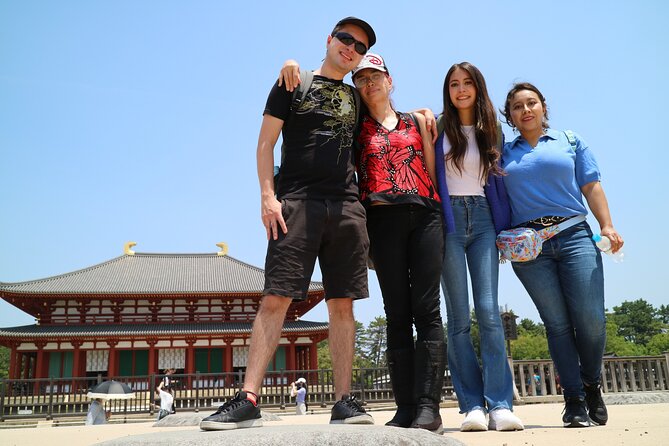
The stated duration is about 6 to 8 hours, with roughly an hour at most of the main stops and a shorter 30-minute block for Arashiyama forest area time and Tenryu-ji. That structure is practical, but it has a catch: Kyoto crowds can stretch your time between entrances, especially around the most famous spots.
So plan for a day that is active, not slow. If you like to linger and read every plaque, you might feel rushed. On the other hand, if you want a guide to help you prioritize, you will likely feel that the day is efficient.
Also note the tour’s idea of customization. That’s good, but it can also explain why some guests end up with fewer stops than advertised. When your guide adjusts for time, heat, crowds, or logistics, the balance of what you see can change.
Fushimi Inari-taisha, Kiyomizu-dera, and Nijo Castle: Shrine to Palace
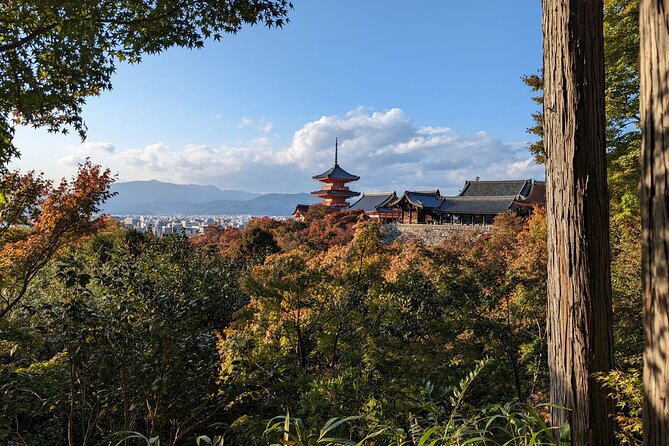
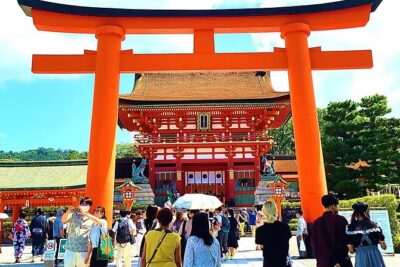
Your first big moment is Fushimi Inari-taisha Shrine for about an hour, listed as free admission. It is dedicated to Inari, the Shinto deity of rice, and the tour frames it as one of Kyoto’s most meaningful cultural stops. This opening sets the tone: spiritual Kyoto before you head into the more scenic and neighborhood parts of the day.
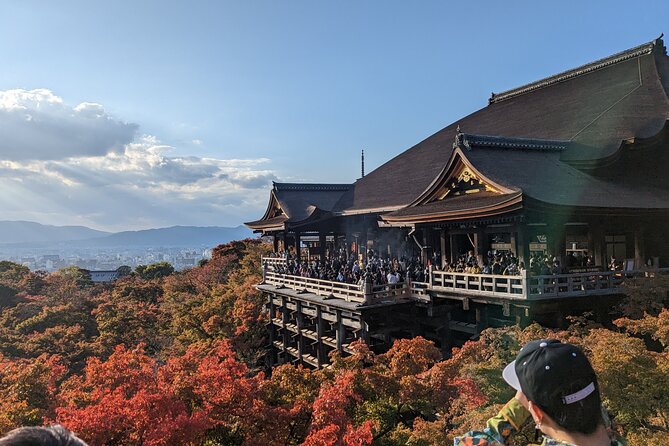
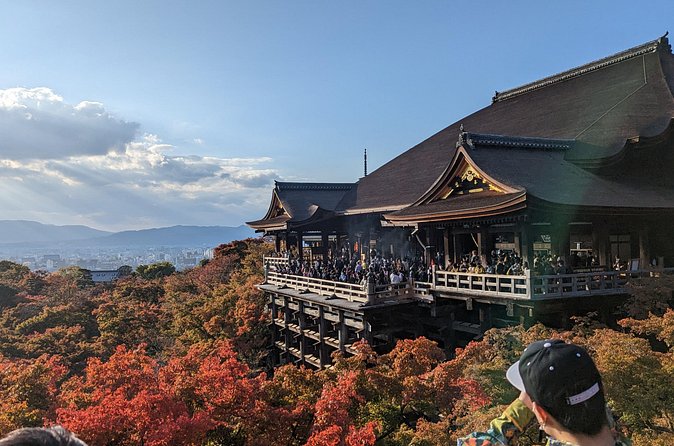
Next is Kiyomizu-dera Temple, again about an hour and listed as free admission. It is described as an iconic Buddhist temple and a UNESCO World Heritage site. This is a classic contrast to the Shinto shrine start, and it is a good transition from religious symbolism into big-view architecture and pilgrimage energy.
Then comes Nijo Castle for about an hour. This one is not included for admission. The castle is described as a 17th-century residence and a symbol of power for the time it was built. If you are the kind of traveler who likes “why it mattered,” this stop can be a highlight, because castles in Kyoto are more than photo backdrops.
Practical tip for your mindset: Nijo Castle can become a “time and feet” stop. If you only have one Kyoto day, your guide will likely use it efficiently, but you should still expect walking and moving between key areas.
- PERFECT KYOTO 1-Day Bus Tour★ 5.0 · 13,518 reviews
- Kyoto: Fushimi Inari, Kinkakuji, Bamboo Grove 1 Day Bus Tour★ 4.8 · 4,316 reviews
- Kyoto: Tea Ceremony in a Traditional Tea House in Kiyomizu★ 4.9 · 3,519 reviews
- Kyoto Geisha Walking Tour: Gion District & Hidden Gems★ 4.7 · 3,273 reviews
- Kyoto: Tea Ceremony Ju-An at Jotokuji Temple★ 4.9 · 3,207 reviews
Gion and Nishiki Market: Geisha Culture Meets Street-Snack Time
After temples, the day shifts into neighborhoods. Gion is your next stop, listed for about an hour and free. The tour description emphasizes its traditional architecture and the preservation of geisha culture. Even if you do not chase every photo spot, Gion is a good “Kyoto feels like Kyoto” walk.
Then you hit Nishiki Market Shopping District for about an hour, also listed as free. This stop is described as a culinary paradise, with fresh produce, local delicacies, and traditional goods across several blocks. This is where your guide can be genuinely useful, because market areas are easy to wander without direction. Having a guide helps you choose a few tastings without turning the hour into a snack marathon.
One more thing: the tour concept mentions street food sampling as part of the experience. In a perfect world, this is where that happens. In the real world, it depends on timing, crowds, and what your group wants.
Kinkaku-ji and Ginkaku-ji: The Golden Pavilion and the $8 Reality
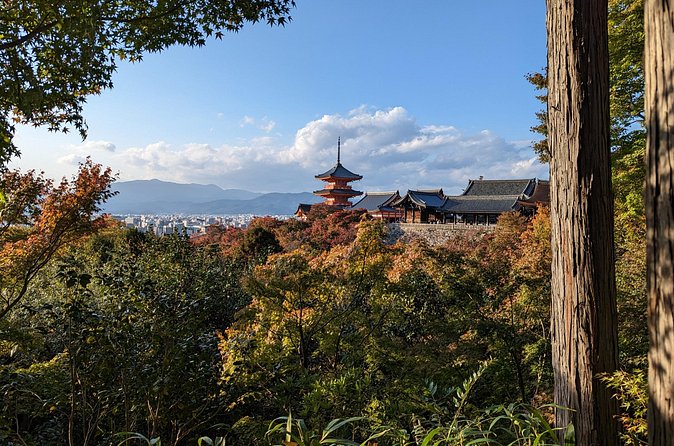
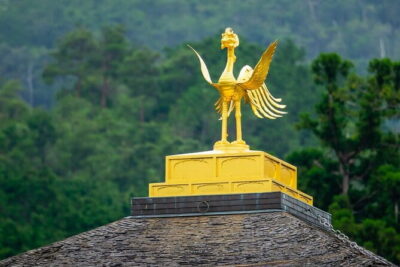
Your next landmark is Kinkakuji Temple, also known as the Golden Pavilion, about an hour and listed as free admission. It is described as a UNESCO World Heritage site, and you can expect it to be a “wow” moment on most itineraries. Even if you are not big on temples, Kinkakuji tends to do well in a timed tour because it is a single focal point that people understand quickly.
Then comes Ginkakuji Temple (Ginkaku-ji) for about an hour. This one is described as the Silver Pavilion, and the tour notes it does not actually have silver plating. Admission is not included, and the data lists $8 per person for the Ginkaku-ji ticket.
This is an important value check. If you look at the base tour price and assume every stop is free, you might get surprised at the paid temple. The upside is that it is just one clear admission fee shown in the details, so you can budget it early.
Arashiyama Forest, Tenryu-ji, and Possible Monkey-Park Time
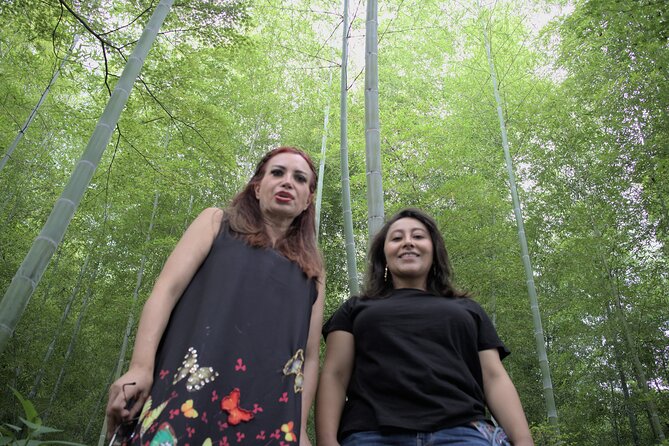
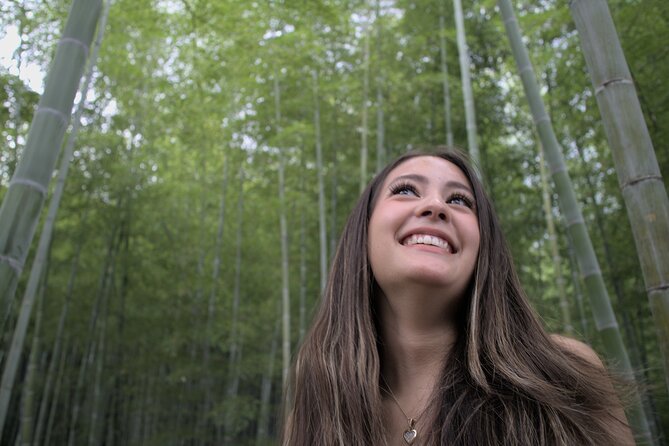
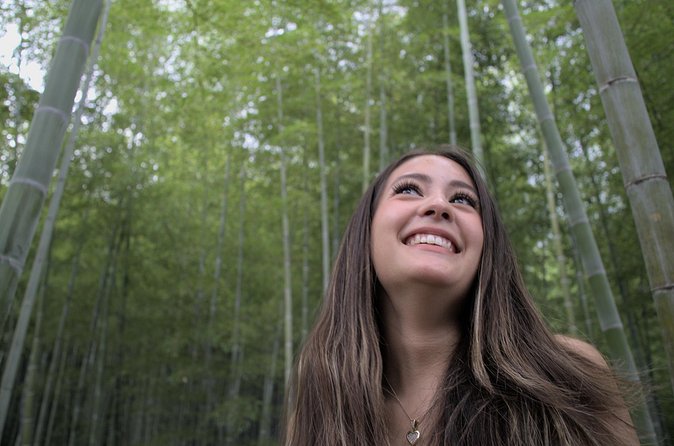
The day then moves to Arashiyama, where you get about 30 minutes in the forest area, listed as free. The description focuses on lush greenery and a tranquil atmosphere, which is a nice mid-to-late day reset after several heavier sightseeing stops.
Next is Tenryu-ji Temple, listed as a UNESCO World Heritage site and described as one of the most revered Zen Buddhist temples in Japan, founded in the 14th century. Admission for Tenryu-ji is not included, though the data does not list an amount.
Some guests report their favorite part was the Arashiyama mountain area and monkey park. That suggests the tour route can sometimes include an extra detour or extension tied to the Arashiyama region. Because your guide can customize depending on your time and expectations, that kind of add-on can show up on certain days.
When the Guide Makes the Day: Andrea, Roberto, and the Small Wins
This tour lives and dies by the guide. And the strongest praise in the reviews clusters around a few consistent themes: good pacing, clear explanations, patience, and genuine care.
- Andrea shows up in multiple positive reviews for being amazing, very patient, and detailed, with a friendly tone
- Roberto appears in praise as a qualified guide who made the day special and helped guests maximize their time
- One guest specifically noted a guide helped create a day that worked with disabilities, which is a big quality signal for how the guide handles real-life needs
- Another review mentioned a guide helped with bullet train ticket support, which is the kind of helpful “outside the official itinerary” assist that makes a short trip smoother
What you should take from that, as a practical traveler: when it works, you get more than sightseeing. You get context. You also get a guide who helps you avoid wasted time and confusion, especially in Kyoto where directions and entrances can be tricky.
Price and Logistics: What $110 Includes, and What Costs Extra
At $110 per person, this tour is positioned as a one-day Kyoto sampler with a guide, pickup offered, and a mobile ticket. For a 6 to 8 hour day across multiple major sites, that can be decent value, mainly because many stops are listed as free admission.
But there are add-ons you should expect:
- Ginkaku-ji admission: $8 per person
- Other temple admissions: Nijo Castle and Tenryu-ji are listed as not included, though amounts are not specified in the details you provided
- Guide transportation fees: listed as 5 to 8 USD
- Food and drinks: not included
If you want to judge value honestly, plan a “likely total” mindset: base tour price plus at least the clearly stated $8 fee, plus meals. If your budget is tight, you can reduce the pain by treating Nishiki Market as a light lunch stop instead of a full sit-down meal.
Pickup, Private Tour Promises, and the Real Risks
Here is the part you should read twice. The tour is described as private, meaning your group participates. But there is also a note that solo or couple travelers might be asked to join another couple or solo traveler.
On top of that, there are multiple complaints about organization problems. Some guests report no-show situations and lack of response when trying to contact the operator. Others mention late starts, shortened itineraries, or private tours turning into larger group outings.
I am not saying you will have a bad day. Many reviews praise specific guides and a smooth experience. But you should protect your Kyoto day by taking reliability seriously:
- Confirm the meeting plan well before your start time
- If pickup is part of what you want, understand that you may need to pay the guide transportation fees that are listed as not included
- Have a backup mindset for delays, because Kyoto crowds and heat are real and can push schedules
Best For You If You Want a Guided Kyoto Day, Not a DIY Puzzle
This is a good fit if:
- You only have one day in Kyoto and want major sights without planning every route yourself
- You like a guide who gives context, pacing, and advice along the way
- You want a mix of temples and neighborhoods, not only one type of attraction
- You enjoy Arashiyama area scenery and want that built in instead of treating it as an optional add-on
It can also work well for travelers who need support beyond the basics, since at least one review mentions the guide catered to disabilities.
Skip It If You Need a Guaranteed Schedule With Zero Flex
Consider skipping this tour if:
- You cannot handle the possibility of a late start or route changes
- You require strict adherence to every listed stop in every condition
- You need hotel pickup to be exactly as promised, with no uncertainty
- You prefer a smaller, ultra-controlled group day, because there are reports of private tours becoming shared group situations
A tour in Kyoto should make your life easier. If you are the kind of traveler who does not tolerate logistics stress, you might want a more consistent provider or a more rigidly documented itinerary.
Should you book Mystical Kyoto Quest?
Book it if you want a guided, high-value sweep across Fushimi Inari, Kiyomizu-dera, Gion, Nishiki, Kinkakuji, and Arashiyama in one day, and you are confident that a skilled guide will shape the experience for you. The pricing can make sense if you budget for the known admission fee at Ginkaku-ji and plan simple meals.
Hold off if schedule certainty is your top priority. The feedback includes serious reliability issues like no-shows and delayed or altered plans. If you do book, do it with your eyes open, confirm the day-of details, and give yourself a little buffer in how you structure the rest of your Kyoto trip.
FAQ
How long is the Mystical Kyoto Quest tour?
It lasts about 6 to 8 hours (approx.).
What is included in the tour price?
You get the guide, and you can customize your tour depending on your expectations and available time. The tour also offers pickup and uses a mobile ticket.
Are temple admissions included?
Many stops are listed as free, but not all. Ginkaku-ji admission is listed as not included, with a price of $8 per person. Nijo Castle and Tenryu-ji are also listed as not included.
What extra costs should I plan for?
In addition to the Ginkaku-ji admission ($8 per person), you should budget for guide transportation fees (5 to 8 USD) and your own food and drinks. Any other transport costs are also not included.
Is this tour private?
It is described as a private tour/activity where only your group participates. However, there is a note that solo or couple travelers might be asked to join another couple or solo traveler.
How far in advance is this tour typically booked?
It is listed as being booked on average 30 days in advance.
Is free cancellation available?
Yes. You can cancel up to 24 hours in advance for a full refund. If you cancel less than 24 hours before the start time, the amount you paid will not be refunded.
When do I get confirmation?
Confirmation is received at the time of booking.
Newest Kyoto write-ups from the Loving Japan desk

Guided, side by side.
 ★ 5.0Tokyo 6hr Private Tour with Government-Licensed GuideFrom $1553,902 reviews
 ★ 4.9Shinjuku Local Bar and Izakaya Guided Walking TourFrom $341,794 reviews
 ★ 4.8Private City Highlights Tour with Local GuideFrom $1061,433 reviews
 ★ 5.0Kyoto Early Morning Tour with English-Speaking GuideFrom $681,427 reviews
 ★ 4.9Tsukiji Fish Market Guided Walking TourFrom $221,397 reviews
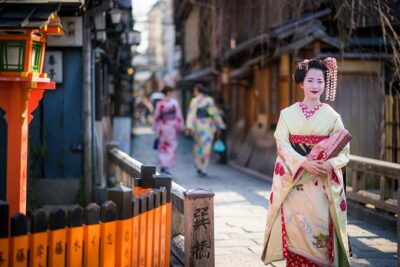 ★ 5.0Kyoto 6hr Private Tour with Government-Licensed GuideFrom $1551,369 reviews
 ★ 5.0Hiroshima / Miyajima Full-day Private Tour with Government Licensed GuideFrom $2021,298 reviews
 ★ 5.0Tokyo Guided Small-Group Biking TourFrom $1061,250 reviews