
REVIEW · WORKSHOPS
Traditional Japanese Knife Sharpening Class
Sharpening a knife feels like magic. This small-group Tokyo class teaches traditional whetstone sharpening with real instruction, not vague tips. You also get a quick stop at Tokyo Skytree, so the experience feels anchored in the city, not stuck in a workshop corner.
I love that you do the work yourself. You learn the knife history, steel types, and sharpening theories, then practice across whetstone grits until your blade goes from dull to impressively sharp.
One consideration: you are paying for guided skill practice, not for a fancy meal or long sightseeing block. If you only want a quick shopping experience, this might feel too hands-on and focused.
In This Review
- Key things to look forward to
- A Two-Hour Knife Upgrade Near Tokyo Skytree
- How the Class Works: Whetstones, Grits, and Step-By-Step Practice
- The Japanese Sharpening Theory Part You Will Actually Use
- The Knife You Take Home, and Why It Is Not Just a Souvenir
- Price and Value: What $98.53 Really Buys You
- Who This Class Is For (and Who Might Skip It)
- Logistics That Affect Your Comfort (Without Making It Complicated)
- Should You Book This Japanese Knife Sharpening Class?
- FAQ
- How long is the Japanese knife sharpening class?
- Where does the class meet in Tokyo?
- What is included, and do I need to bring sharpening equipment?
- How many people are in the group?
- Will I take a knife home at the end?
- What is the cancellation window?
Key things to look forward to
- Small-group class (max 6 travelers), so you can ask questions and get attention
- Everything is provided, so you do not need to source stones or tools
- Whetstone grits progression, so you learn what changes as the grit changes
- Knife history plus sharpening theory, not just hands-on motions
- You take home the sharpened knife, a useful souvenir you can use daily
- Instructors like Charlie and Timothy are praised for clear, step-by-step teaching
Still weighing up options in Tokyo? These are the ones our reviewers rated highest.
- Mt Fuji and Hakone 1-Day Bus Tour Return by Bullet Train
★ 5.0 · 26,383 reviews - 1-Day Tokyo Bus Tour
★ 5.0 · 14,250 reviews - Tokyo: teamLab Planets TOKYO Digital Art Museum Entry Ticket
★ 4.6 · 9,779 reviews - Mt Fuji & Hakone Cruise, Drum Show Bullet Train 1 Day from Tokyo
★ 4.0 · 7,413 reviews
A Two-Hour Knife Upgrade Near Tokyo Skytree
This is the kind of Tokyo experience I like for one simple reason: you leave with a practical skill and a practical object. The whole class runs about 2 hours, and it is built around doing, not just watching. You start at a set meeting point in Taito City, then the experience includes a stop at Tokyo Skytree before the sharpening lesson.
Why Skytree matters here is not because you need a big sight-seeing day. It is because it gives you an easy reference point in a huge city. You get oriented in a famous area, then you shift into a calmer rhythm for the workshop time. It also helps if you are planning the rest of your day, since Skytree is such a well-known location for timing and transit.
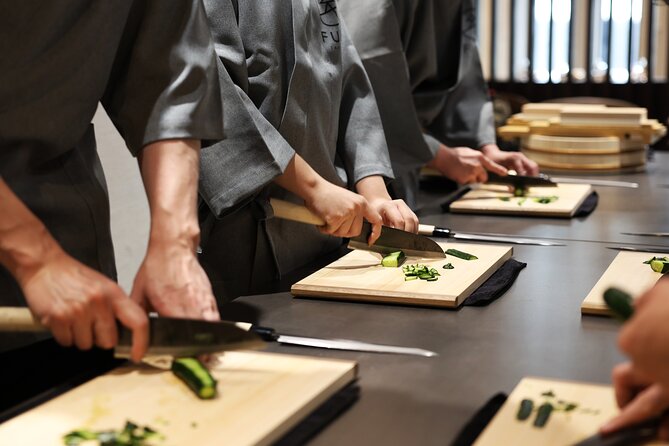
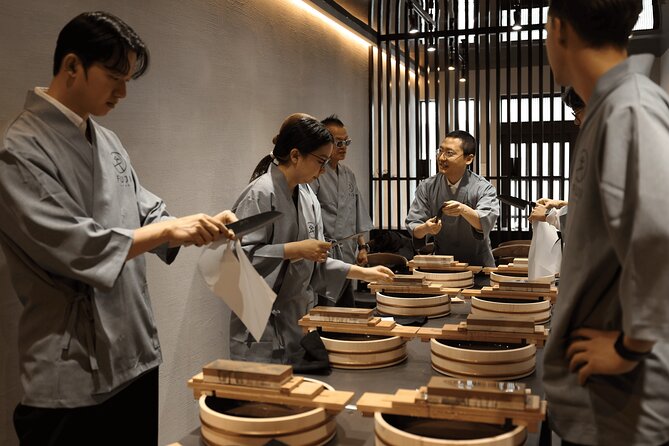
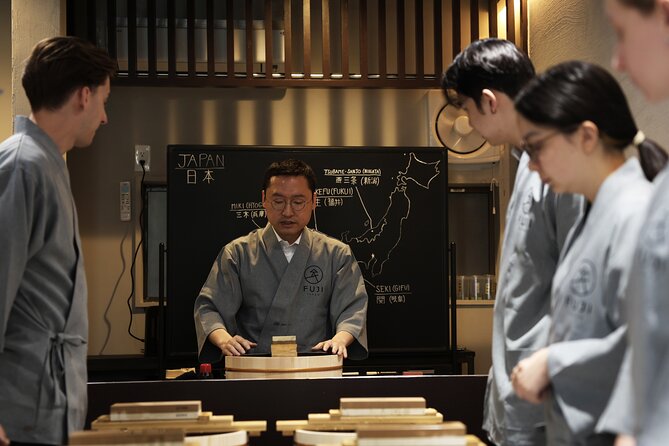
The class format is also designed to keep it comfortable. The group is capped at 6 travelers, which makes the session feel more like a workshop with a coach than a mass activity. In a hands-on skill like sharpening, that attention can be the difference between doing something “kind of right” and actually understanding what you are doing and why.
How the Class Works: Whetstones, Grits, and Step-By-Step Practice
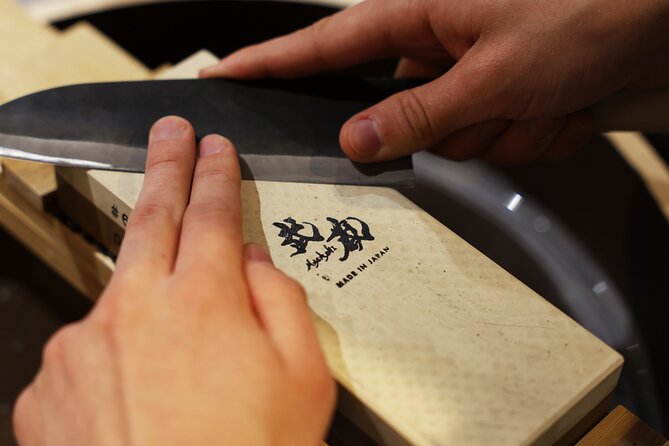
The core of the experience is traditional Japanese knife sharpening using whetstones of various grits. That grit part is the real story. Different grits change how fast material removes, and how the edge is refined. You learn the idea behind the progression, then you practice it yourself.
Here is what the class is set up to teach you:
- You work under instruction on the right sharpening process using whetstones
- You learn how the “theory” connects to what you see on the blade
- You practice across stones with different grits, so the sharpening changes become tangible
One thing I think is genuinely smart is how the lesson demonstrates results. In past sessions, students have described starting with a knife so dull it struggles even with paper, then ending with a blade sharp enough to slice through a rolled-up tube of paper. You do not have to chase a perfect story in your head. You can judge by the cutting performance at the end of the lesson.
This is also a class that takes the guesswork away. Instead of leaving you with a vague recommendation to buy a stone and hope for the best, you get guidance on technique and the sharpening logic that makes it repeatable later at home.
And because the class says it supplies everything you need, you should not show up worried about equipment. If you have never used whetstones before, that matters. A first-time sharpening setup can be confusing and expensive. Here, you can focus on the lesson instead of shopping.
The Japanese Sharpening Theory Part You Will Actually Use
A lot of sharpening courses either teach technique with no context, or they talk history while skipping the hands-on part. This one does both. You learn knife history, Japanese sharpening theory, and then you apply it directly on the stones.
What you get out of the theory component is not trivia. It is a mental model. When you understand what different stones are supposed to do, you are less likely to “randomly grind” your knife into the wrong edge. You also become able to troubleshoot at home. If your edge does not feel right, you can think in terms of what stage you might need to refine, rather than starting over blindly.
The class also touches on different types of steel. That matters because steel behaves differently, and sharpening is not one-size-fits-all. If you own more than one knife, or if you have ever wondered why one blade feels easier to sharpen than another, this section helps you connect the experience in your hand to the explanation behind it.
In reviews, instructors are praised for how clearly they explain the process and answer questions. Names that come up include Charlie and Timothy. That is a good sign for you if you want an instructor who can translate the “why” into instructions you can follow with your own hands.
- Mt Fuji and Hakone 1-Day Bus Tour Return by Bullet Train★ 5.0 · 26,383 reviews
- 1-Day Tokyo Bus Tour★ 5.0 · 14,250 reviews
- Tokyo: teamLab Planets TOKYO Digital Art Museum Entry Ticket★ 4.6 · 9,779 reviews
- Mt Fuji & Hakone Cruise, Drum Show Bullet Train 1 Day from Tokyo★ 4.0 · 7,413 reviews
- Tokyo Mt Fuji 5th St & Hakone Cruise Bus Tour w/Bullet Train★ 4.4 · 5,024 reviews
The Knife You Take Home, and Why It Is Not Just a Souvenir
The big payoff is that you leave with a freshly sharpened knife you sharpened yourself. That is a rare travel win. Most “souvenirs” sit on a shelf. This one belongs in your kitchen drawer.
I especially like the practicality here. Japanese knives are known for performance, but performance only lasts if the edge stays sharp. The class helps you understand the maintenance side of owning these tools. Even if you do not become the next sharpening fanatic, you get enough understanding to care for the knife correctly.
The class also positions the knife as a meaningful keepsake. That part is easy to dismiss, but it makes sense when you actually learn the craft behind the tool. It stops being something you bought, and turns into something you earned.
Also, because you practice across different grits, your take-home results should be grounded in a process, not a one-time miracle. That makes the edge feel more trustworthy when you go to use it for real cooking.
Price and Value: What $98.53 Really Buys You
At $98.53 per person, this is not a budget activity. It is also not priced like a luxury dinner experience. It lands in the middle, where skill instruction tends to be.
Here is what you are paying for, in clear terms:
- Hands-on teaching from an instructor during the sharpening process
- Guided practice using traditional methods and whetstone grits
- Equipment provided, so you do not need to buy stones or tools just to try
- A finished outcome you take home, a sharpened knife
The value angle is this: if you want to sharpen correctly at home, you either pay with time and mistakes or you pay for instruction up front. This class compresses the learning curve into a short session.
If you love cooking, a sharp knife is not a nice-to-have. It changes how food prep feels. You can chop, slice, and prep with less frustration. Multiple reviews reinforce that point by stressing how important a sharp knife is and how big the before-and-after difference feels when the knife starts dull and ends paper-cutting sharp.
Who This Class Is For (and Who Might Skip It)
This experience is best for you if you:
- Cook at home and want your knives to perform
- Like hands-on craft activities where you get a real result
- Want a skill you can repeat, not just a photo stop
- Are curious about Japanese tool culture beyond buying products
It is also a great fit if you are in Tokyo for a short time and want something focused. You get a clear start and end, about 2 hours, with a small group size and a consistent learning goal.
You might consider skipping if:
- You want lots of sightseeing time or a primarily social experience
- You hate careful instruction and prefer casual activities
- You are only interested in buying a knife, not learning how to care for and sharpen it
The class is intentionally not crowded. That is a benefit for learning, but it also means it is not trying to be a big entertainment event.
Logistics That Affect Your Comfort (Without Making It Complicated)
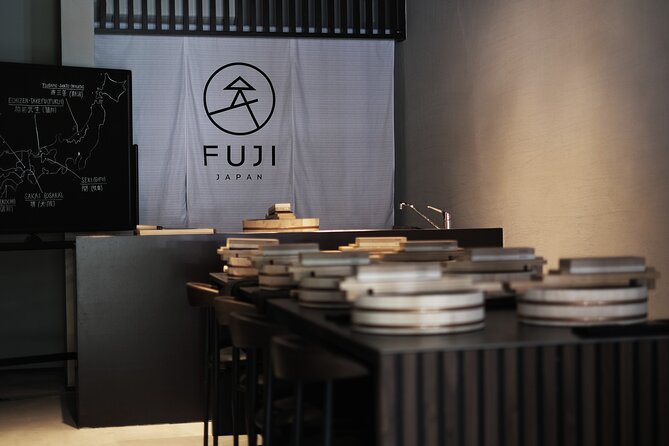
The meeting point is in 1-chōme-9-8 Nishiasakusa, Taito City, Tokyo 111-0035. The experience ends back at the meeting point. It is near public transportation, so you should not need a complicated ride.
The session uses a mobile ticket, which you can keep on your phone. The group limit is 6 travelers, which generally helps keep the workshop pace manageable.
The class duration is listed as about 2 hours. That is long enough to feel like you learn something real, and short enough that it will not eat your whole day. If you are planning your Tokyo itinerary, this is a good slot for a morning or early afternoon block, then you can go do the rest of your sightseeing afterward.
Should You Book This Japanese Knife Sharpening Class?
Book it if you want a Tokyo experience that gives you both knowledge and a tangible result. The small-group format, the focus on whetstone grits, and the fact that you take home the sharpened knife make this more useful than most cultural classes. If you cook, the return on value is even better, since a sharp edge directly improves daily prep.
I would pass if you are shopping-focused or sightseeing-only. This is not a long tour. It is a skill session, so your enjoyment will depend on whether you actually like learning by doing.
If that sounds like your style, this is one of the more memorable ways to understand Japanese craftsmanship in a practical, repeatable way.
FAQ
How long is the Japanese knife sharpening class?
The class lasts about 2 hours.
Where does the class meet in Tokyo?
The meeting point is 1-chōme-9-8 Nishiasakusa, Taito City, Tokyo 111-0035, Japan. The experience ends back at the meeting point.
What is included, and do I need to bring sharpening equipment?
Everything you need is provided, so you do not have to source equipment yourself.
How many people are in the group?
The experience has a maximum of 6 travelers.
Will I take a knife home at the end?
Yes. You take home the knife you sharpen during the class.
What is the cancellation window?
You can cancel for a full refund up to 24 hours in advance of the experience start time.
Newest Tokyo write-ups from the Loving Japan desk






Workshops, side by side.
 ★ 5.0Sushi Making Tokyo Roll and Authentic Japanese Sushi ClassFrom $593,971 reviews
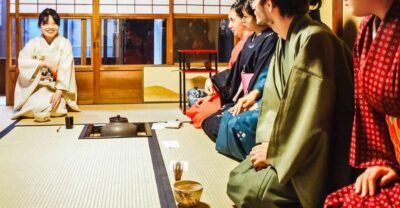 ★ 4.345-Minute Tea Ceremony Lesson ExperienceFrom $222,378 reviews
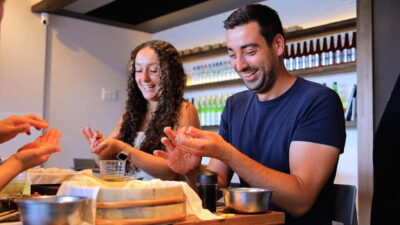 ★ 4.9Roll and Authentic Sushi Making Class in AsakusaFrom $581,957 reviews
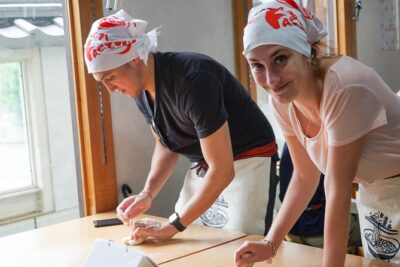 ★ 5.0Ramen Cooking Class at Ramen Factory in KyotoFrom $1311,937 reviews
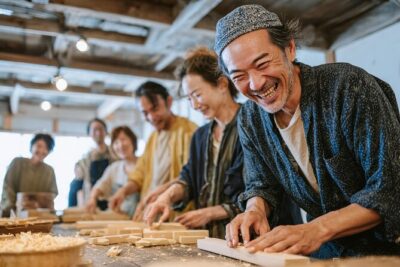 ★ 5.0Tokyo Shinjuku Chopsticks Making ClassFrom $201,763 reviews
 ★ 4.9Sushi Making Class in a Happi Coat near a Famous SpotFrom $421,377 reviews
 ★ 4.8Chopstick Making Workshop in GinzaFrom $251,366 reviews
 ★ 5.0Sushi Making Osaka Roll and Authentic Japanese Sushi ClassFrom $311,220 reviews
Filed on these lists too