
REVIEW · SUMO WRESTLING EXPERIENCES
Watch Sumo Morning Practice at Stable in Tokyo
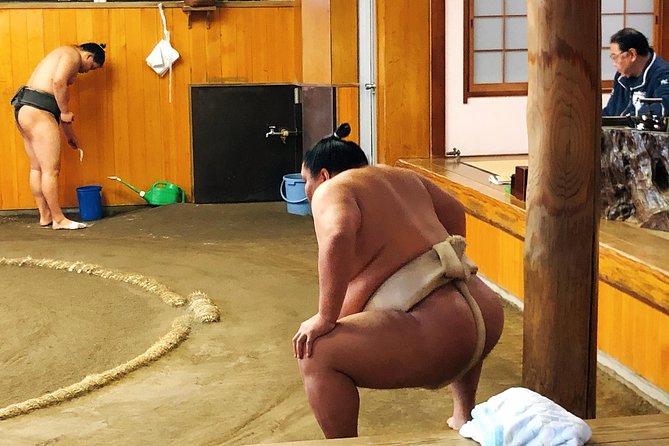
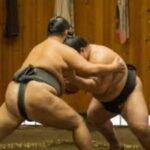
Sumo practice is quiet power. In Tokyo’s Ryogoku area, you can watch a stable morning session up close, from warmups through sparring, with close viewing and included photos with wrestlers at the end. It’s a rare look at a world most visitors never get to see beyond TV, and the rules of the training space keep the mood focused and real.
One catch to plan for: you sit on the floor for about 60 to 90 minutes. That’s not a “quick peek” event, and the mat setup can be uncomfortable if you have a sensitive back or knees.
In This Review
- Key points before you go
- What a Sumo Stable Morning Really Looks Like, and Why It Hits Different
- Ryogoku Kokugikan, Meeting Point Reality, and Getting There Without Stress
- The 60 to 90 Minute Practice, and the Timing Curveballs to Know
- Sitting on the Floor: Comfort Tips That Decide If You Enjoy It
- How Respectful Watching Works in the Dohyo
- Photos With Sumo Wrestlers at the End, and How to Time Your Morning
- Is There Enough Explanation? Guides, Rules, and What You Should Know First
- Price and Value for a Tokyo Sumo Practice Watch
- Best Fit: Who Will Love This, and Who Might Feel Frustrated
- Should You Book This Sumo Morning Practice Watch at the Stable?
- FAQ
- How long is the sumo morning practice?
- What time does the practice run?
- Where does the tour start, and what is included for location help?
- Is food included?
- Are photos with sumo wrestlers included?
- What is the cancellation policy?
Key points before you go
- Close, respectful viewing inside the stable during training, with clear rules on noise and cameras
- Photos with sumo wrestlers included at the end of practice (if timing runs on schedule)
- Small group size with a maximum of 10 people for better sightlines
- Timing can shift because practice length depends on the stable’s schedule and tournament season
- You must be comfortable sitting on the floor for an extended period
- Ryogoku Kokugikan is a common nearby anchor point for this experience, but the stable itself can be a bit out of central Tokyo
Morning practice or an evening show. Both reviewed
- Tokyo: Sumo Show and Dining Experience
★ 4.8 · 2,742 reviews - the SUMO show
★ 5.0 · 1,960 reviews - Tokyo Shinjuku Sumo Show & Experience with Photo
★ 5.0 · 1,750 reviews - Tokyo: Sumo Show and Experience in Shinjuku
★ 4.8 · 1,001 reviews
What a Sumo Stable Morning Really Looks Like, and Why It Hits Different
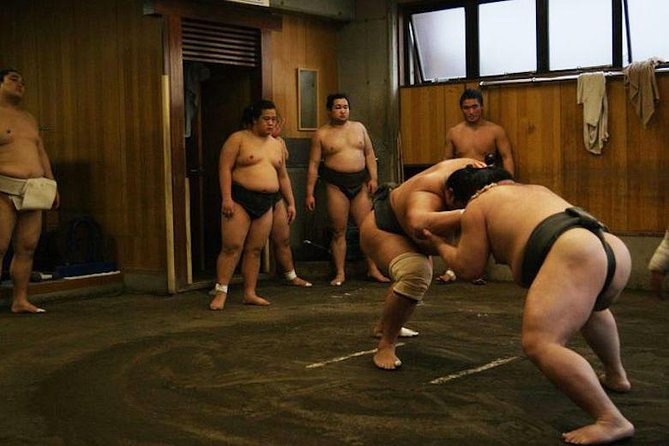
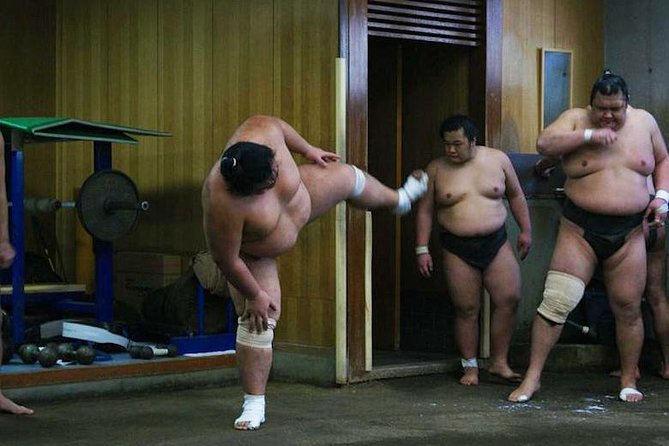
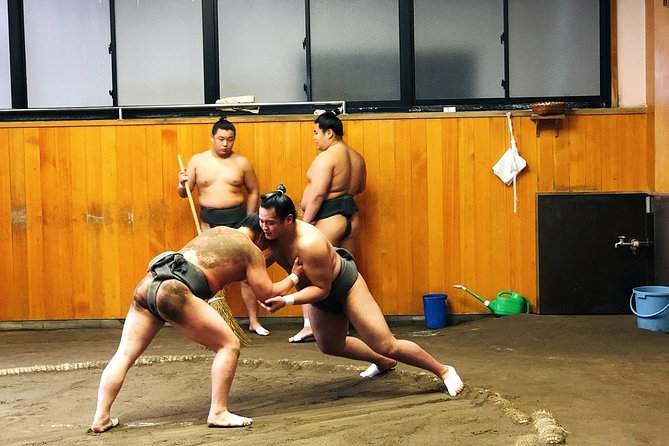
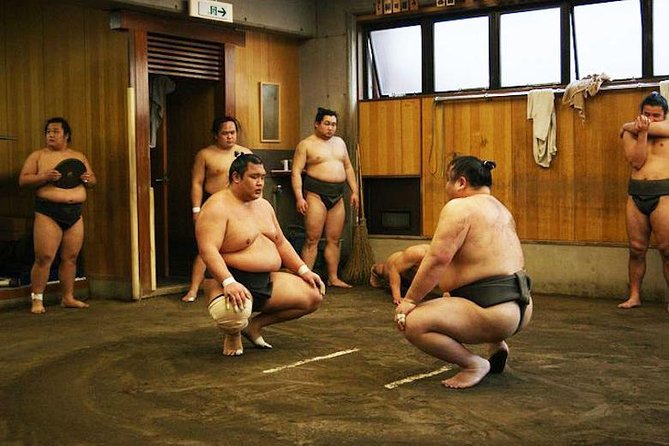
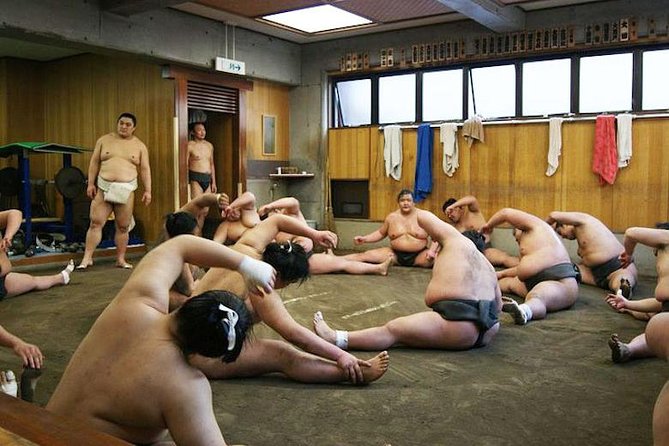
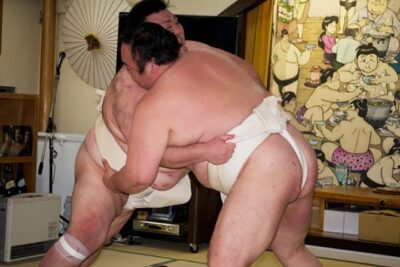
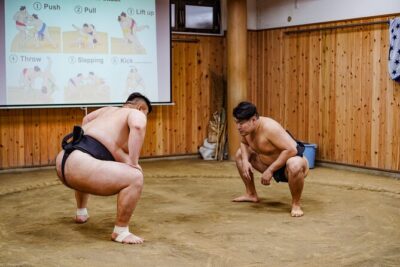
The biggest reason this experience works is simple: you are watching training, not a show. The whole session runs in a serious rhythm, warmups first, then technique work, then the more intense contact practice. You’ll notice how much time goes into preparation, not just the big moments.
I like that the atmosphere is controlled by etiquette. You’re asked to be mindful of the wrestlers while they work in the dohyo, which means no eating, no loud talking, and no bright-flash or intrusive audio from your phone or camera. When everyone follows that, the energy in the room feels sharp, almost like you’re sitting in on a team’s rehearsal.
Another thing that surprised me is how much you can understand without heavy commentary if you pay attention. Watching stretching, footwork, throws, and regrouping gives you a clear sense of how sumo builds from discipline to impact. And if you take a little time to read up on sumo structure and hierarchy before you go, you’ll catch more of what’s happening during the practice.
Ryogoku Kokugikan, Meeting Point Reality, and Getting There Without Stress
This experience centers around the Ryogoku area, with Ryogoku Kokugikan as the listed stop point. That’s good news because Ryogoku is the heartland of sumo culture, so the trip feels purposeful once you’re in the neighborhood.
The practical catch is distance and wayfinding. Some people find it easier by taxi, and it can be hard to find the stable if you do not have the address in Japanese. One helpful tip from real-world experience: if you are starting around Asakusa Station, a taxi can be about $10 Australian and saves a lot of hassle. Also, have the address ready to show the driver, because English ability can vary.
If you’re using public transport, plan extra time. The event is early, and you’ll want a buffer so you can arrive calmly, not sprinting in with jitters. One more smart move: aim to arrive earlier than the minimum, because seat choice matters once everyone sits down.
The 60 to 90 Minute Practice, and the Timing Curveballs to Know
The schedule is the one part of sumo that you cannot fully control. The stated duration is typically 60 to 90 minutes, but the ending time varies day to day based on the stable’s practice flow.
There’s also a big seasonal change. During Tokyo tournament season in January, May, and September (around the 15th to 25th), practice can be shorter, often 30 to 40 minutes, and the tour price stays the same. If you book during those windows, set your expectations accordingly. You are still watching authentic practice, but the session may be condensed.
This matters because your included end moment is tied to the schedule. The experience includes photos with sumo wrestlers at the end, but if practice runs long on your specific morning, there’s a chance the photo timing could slip. Build your morning with flexibility so you do not feel rushed afterward.
- Mt Fuji and Hakone 1-Day Bus Tour Return by Bullet Train★ 5.0 · 26,383 reviews
- 1-Day Tokyo Bus Tour★ 5.0 · 14,250 reviews
- Tokyo: teamLab Planets TOKYO Digital Art Museum Entry Ticket★ 4.6 · 9,779 reviews
- Mt Fuji & Hakone Cruise, Drum Show Bullet Train 1 Day from Tokyo★ 4.0 · 7,413 reviews
- Tokyo: Shinjuku Food Tour (13 Dishes at 4 Local Eateries)★ 5.0 · 6,603 reviews
Sitting on the Floor: Comfort Tips That Decide If You Enjoy It
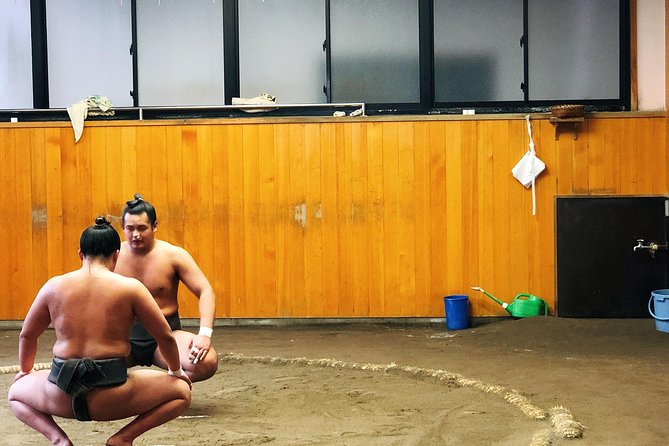
Your body is the real ticket here. You are required to sit for an extended period, and the setup is often floor-level. Reviews point out that even with chairs available on request, comfort can vary a lot depending on where you sit and how much padding is under you.
Here’s what you should do before you go:
- If you have back problems or knee trouble, consider requesting a chair or stool in advance.
- Bring your best patience for quiet stillness. Plan for cross-legged or similar positions, and know that you may not want to shift constantly.
- Consider adding a small folded cushion if you own one, since you’re not told the mat will be thick or plush.
Also pay attention to sightlines. If you end up behind someone with a larger profile sitting position, your view can be partially blocked for much of the practice. I’d rather you arrive early for a better seat than spend the whole time wishing you had.
How Respectful Watching Works in the Dohyo
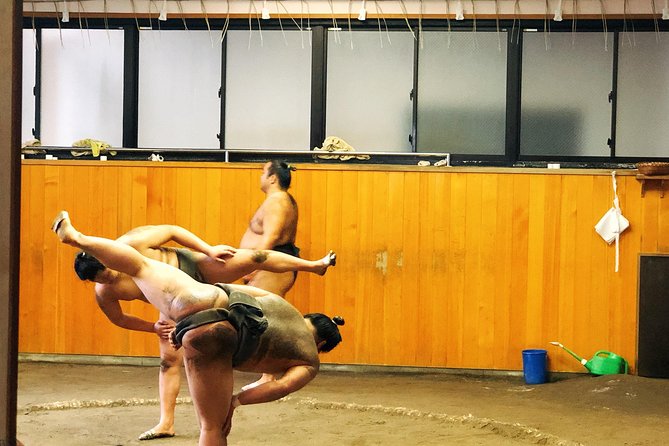
This tour is built around training etiquette, and that’s not just for politeness. Sumo is formal by nature, and the practice space runs on respect and concentration. You’ll be seated to one side of the dohyo, and most of the session happens in near-total silence.
The rules are straightforward: don’t eat, don’t talk loudly, and do not use camera flashes or intrusive sound. When you follow those, you’ll actually feel the change in the room. It’s not chaotic tourism. It’s people watching athletes work.
One more tip that makes the whole thing click: don’t treat the session like a guided lesson. Even if your group gets some explanation, much of what you learn comes from watching the sequence. Stretching and warmups show you the body work, while later rounds show the explosiveness and timing. You’ll start recognizing patterns like when wrestlers engage, when they reset, and when the energy spikes.
Photos With Sumo Wrestlers at the End, and How to Time Your Morning
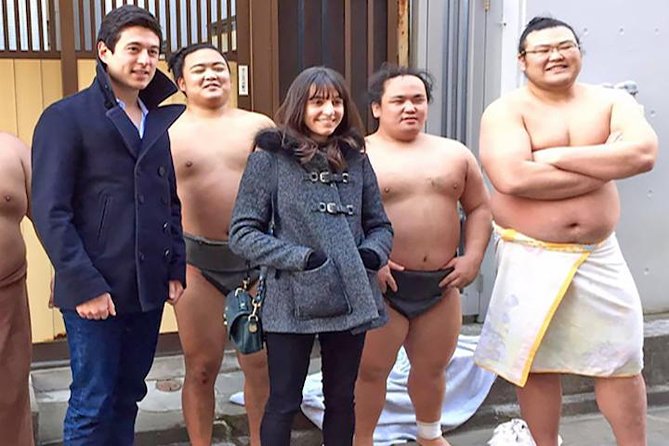
The included “grand finale” is photos with the wrestlers. That’s a great add-on, because it gives you a clear memory of the day after the silent training.
But the timing depends on the day’s practice length. Some sessions run exactly on plan, and some run longer or shorter. The tour notes that the ending time varies, and that matters specifically because you want to be settled and ready when that photo moment comes.
My practical advice is simple: do not schedule a tight connection right after the tour. Instead, leave space in your plans so you can stay focused while you wait for the end moment. You’re there to watch, not to bolt.
Is There Enough Explanation? Guides, Rules, and What You Should Know First
This is one of the more mixed parts of the experience. Many mornings include some form of guide support, and in some cases the guide experience can be excellent. For example, people have mentioned guides named Hiroko and Ricko, and those are the kinds of names that show up when the guide actually gives context about history and sumo structure.
Still, not every group gets the same amount of guidance. Some people report little introduction and no real chance to ask questions. You might also find that the person in charge mainly handles entry and logistics rather than a full explanation.
So here’s what I recommend, even if your group does get a guide:
- Read up on basic sumo structure and hierarchy, such as how the ranks and training order relate to what you’re seeing.
- Learn a few terms or concepts before you arrive. Even a small amount helps you interpret what’s going on.
- Go with the mindset that this is training observation first, commentary second.
If you want a talk-heavy cultural lecture, this may not be that. If you want real access to a stable morning rhythm, it often feels like a privilege.
Price and Value for a Tokyo Sumo Practice Watch
At $95.77 per person, this is not a budget add-on. But I think the value is fairly strong when you look at what you actually get.
You’re paying for:
- Entrance to the practice
- A structured small-group visit with a meeting spot
- Included photos with wrestlers
- A quiet, controlled environment where you can sit and observe without fighting crowds
It also helps that the group size is capped at 10 travelers, which tends to keep the viewing experience more comfortable than larger tours.
One thing to remember: there is no food or beverages included. Since it’s early and you’re sitting for a long time, you’ll want to handle breakfast before you arrive, or at least plan what you will do afterward.
As for how early you should book, the average booking window is about 62 days in advance, and confirmation happens within 48 hours of booking if dates are available. That early planning helps because the stable schedule can change.
Best Fit: Who Will Love This, and Who Might Feel Frustrated
This works best if you match the vibe. I’d point you toward it if you:
- Love Japanese culture that is lived daily, not only performed for visitors
- Enjoy watching sports technique and discipline
- Can handle silence and stillness
- Want a close look rather than a distant view
It may feel frustrating if you:
- Need lots of explanation or interactive Q and A
- Cannot sit on the floor comfortably for an extended period
- Expect this to be fast, lively, and easy on the body
- Are arriving late and end up with a tough view behind someone
Some families have done well here too, including people who traveled with teens, because the session is focused and the wrestlers’ routine keeps attention.
Should You Book This Sumo Morning Practice Watch at the Stable?
I’d book it if your priority is authentic training access, quiet observation, and a front-row feel in a small group. The included end photos are a nice bonus, and the structured etiquette keeps the experience from turning into noisy sightseeing.
Skip it or think twice if floor sitting will be a dealbreaker for you, or if you really need a thick layer of guided explanation. Also, if you are traveling during tournament weeks, remember the practice window can shrink to about 30 to 40 minutes, so set your expectations before you go.
If you decide to go, the smartest move is to prepare for stillness and plan your transport early. Once you’re seated, you’ll understand why sumo practice is so compelling, even when it looks quiet at first.
FAQ
How long is the sumo morning practice?
The tour duration is typically between 60 to 90 minutes. During Tokyo tournament season in January, May, and September (around the 15th to 25th), practice duration can be shorter, about 30 to 40 minutes, while the price stays the same.
What time does the practice run?
For the listed dates, practice is scheduled during a morning window of 8:00 AM to 10:00 AM, Monday through Saturday. Ending time can vary day to day based on the stable’s schedule.
Where does the tour start, and what is included for location help?
You meet at a prearranged meeting spot in Tokyo, and the tour does not require you to find the stable on your own. Ryogoku Kokugikan is the listed stop point. You should still plan extra time, since the area can be a bit outside the most central parts of Tokyo.
Is food included?
No. The experience does not include any food or beverages.
Are photos with sumo wrestlers included?
Yes. Photos with the sumo wrestlers at the end are included. If the practice timing shifts, the exact timing of photos may be affected.
What is the cancellation policy?
You can cancel up to 6 days in advance of the experience for a full refund. Refund levels change if you cancel closer than that, and date changes are not allowed within 3 days of the experience. If canceled due to poor weather, you will be offered another date or a full refund.
Practice Rooms and Show Nights

Newest Tokyo write-ups from the Loving Japan desk

Sumo Wrestling Experiences, side by side.
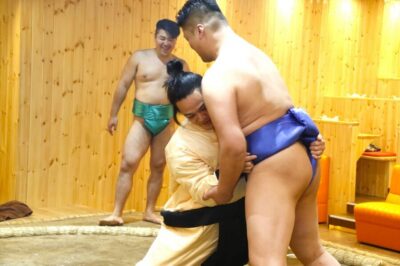 ★ 4.8Sumo Show Experience with Chicken Hot Pot and a PhotoFrom $1036,678 reviews
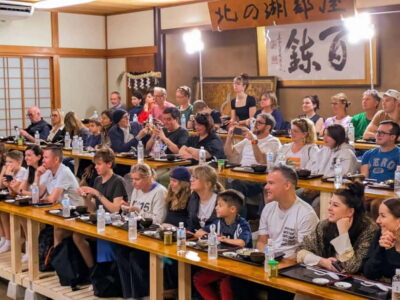 ★ 4.8Sumo Show and Dining ExperienceFrom $792,742 reviews
 ★ 5.0the SUMO showFrom $891,960 reviews
 ★ 5.0Tokyo Shinjuku Sumo Show & Experience with PhotoFrom $791,750 reviews
 ★ 4.8Sumo Show and Experience in ShinjukuFrom $691,001 reviews
 ★ 4.6Sumo Tournament Tour with Chair Seat TicketsFrom $141753 reviews
 ★ 4.5Sumo Show & Experience w/ Optional Kimono & Hot PotFrom $77609 reviews
 ★ 5.0Authentic Sumo Experience in Tokyo: Enter the SanctuaryFrom $171603 reviews
Filed on these lists too