
REVIEW · GION, GEISHA AND MAIKO EXPERIENCES
1 Hour Geisha Show in Kyoto
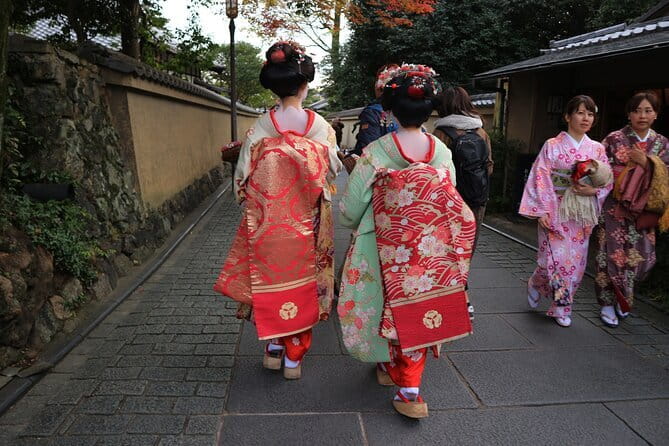
Kyoto has fewer Maiko than you might expect. This 1-hour show gets you close to a real performer for a rare, respectful look at the craft. You also get a Q&A and photos moment, plus a traditional game that makes the whole thing feel personal. One thing to keep in mind: the dances are intentionally short, so the full hour is not a nonstop performance.
I like that the format is built around conversation, etiquette, and atmosphere, not just watching from far away. I also like that you choose between an intimate tea house setting and a dedicated Gion showhouse, so the mood matches what you want from Kyoto. The main drawback is value: at $79.59 per person, it can feel pricey if you were hoping for a longer stage show with no interruptions.
In This Review
- Key things I’d zero in on
- Kamishichiken Street: where Kyoto’s traditional performance feels human
- Two venue styles: Kyo-Machiya tea house vs Gion Theater
- Tea House option, inside an authentic Kyo-Machiya
- Gion Theater option, in a dedicated showhouse
- A practical booking tip
- How the 1 hour actually plays out: two dances, then interaction
- Why the dances are short
- Q&A, photos, and a traditional game you can actually play
- Q&A that is designed for real answers
- Photo session: respectful and structured
- The traditional game: the surprise highlight
- Green tea and the guide’s job: making you part of the room
- Value check: is $79.59 worth it?
- If you want performance length
- If you want authenticity and interaction
- Getting the best experience: timing, photos, and mindset
- Arrive prepared
- Bring your photo mindset
- Choose your venue based on your eyes
- What it’s like with real groups: calm, interactive, and respectful
- If you add kimono rental and hair: a separate stop you must plan
- Who should book this 1-hour Maiko/geisha show
- Should you book this show?
- FAQ
- How long is the geisha show experience?
- Will the Maiko perform the full hour?
- What is included in the ticket price?
- Are drinks or food included?
- Where does the show take place in Kyoto?
- If I add kimono rental and hair, when and where do I go?
- What if I need to cancel?
Key things I’d zero in on
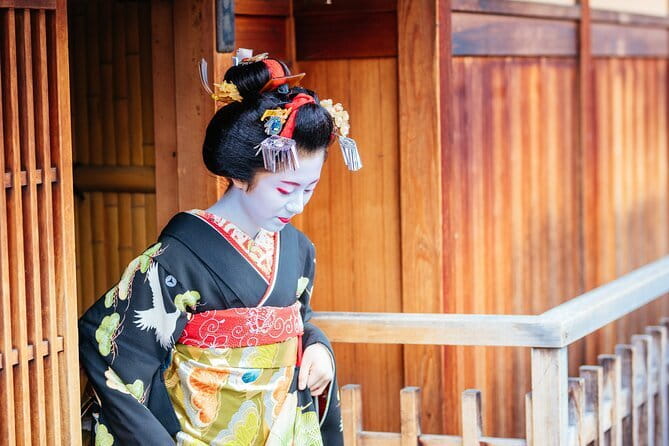
- Up-close Maiko time in a small group (maximum 25), so you are not swallowed by a crowd
- Two short dances (about 10 minutes total), with the rest of the hour focused on interaction
- Tea house vs dedicated showhouse, either inside a Kyo-Machiya or in the Gion Theater
- Q&A, photo session, and a traditional game, so you actively participate
- Professional guide/translator support, which makes questions and context easier
- Green tea included, a simple touch that fits the setting
Evening walks through the old quarters, compared
- Kyoto Geisha Walking Tour: Gion District & Hidden Gems
★ 4.7 · 3,273 reviews - Kyoto: Gion Magical Night Walking Tour with Geisha Trivia
★ 4.9 · 2,393 reviews - Kyoto: Gion Geisha District Walking Tour – Stories of Geisha
★ 4.7 · 2,187 reviews - Best of Kyoto: Gion, Geisha, Pagodas & Cobblestones
★ 4.9 · 2,058 reviews
Kamishichiken Street: where Kyoto’s traditional performance feels human
The whole experience starts in the Kyoto performance zone, around Kamishichiken Street, an area closely associated with geiko and maiko culture. Instead of treating the performer like a distant celebrity, this show leans into closeness. That means you spend time in the same room, within that quiet, rule-based world of kimono culture.
What makes this stop work is pacing and purpose. The program is designed so you can actually see and understand. The guide and translator help you connect what you are seeing to what it means, so your questions land well and you do not waste time guessing.
If you are a first-timer, this is a friendly entry point. You get a structured experience that covers the basics without turning it into a lecture. And if you already know some Kyoto traditions, the interaction still feels worthwhile because the performer can answer questions directly.
Two venue styles: Kyo-Machiya tea house vs Gion Theater
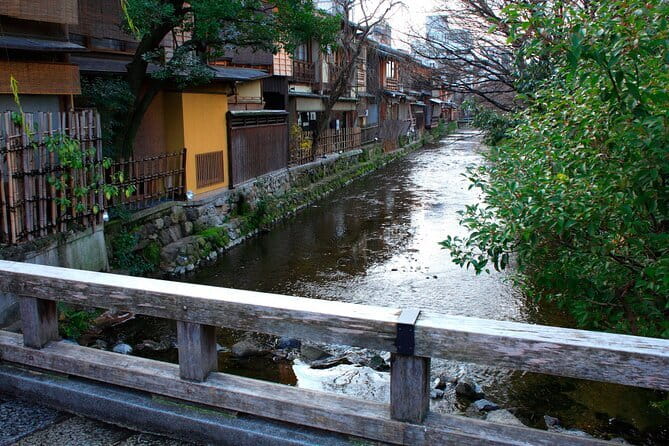
You get a real choice of setting, and it changes the feel more than people expect.
Tea House option, inside an authentic Kyo-Machiya
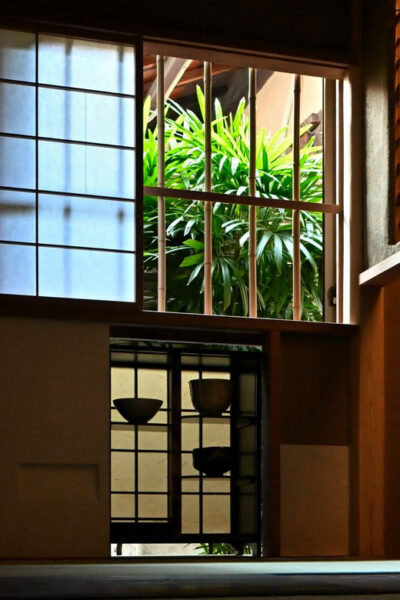
The Tea House option takes place in a traditional Kyo-Machiya style interior. That matters. These older townhouses tend to feel intimate and grounded. The result is a calmer, more lived-in atmosphere, almost like you stepped into the backstage world for a short moment.
- PERFECT KYOTO 1-Day Bus Tour★ 5.0 · 13,518 reviews
- Kyoto: Fushimi Inari, Kinkakuji, Bamboo Grove 1 Day Bus Tour★ 4.8 · 4,316 reviews
- Kyoto: Tea Ceremony in a Traditional Tea House in Kiyomizu★ 4.9 · 3,519 reviews
- Kyoto Geisha Walking Tour: Gion District & Hidden Gems★ 4.7 · 3,273 reviews
- Kyoto: Tea Ceremony Ju-An at Jotokuji Temple★ 4.9 · 3,207 reviews
Gion Theater option, in a dedicated showhouse
The Gion Theater option is in a space built for performance. If you prefer clear sightlines and a more show-focused layout, this can feel easier. It also tends to match people’s expectations for a formal “event” environment.
A practical booking tip
Before you book, check the photos that correspond to your chosen option. Seating and room layout can affect how comfortably you watch the dance, and that is the difference between a great view and a frustrating one.
How the 1 hour actually plays out: two dances, then interaction
Here is the part many people misunderstand. Even though the experience is labeled 1 hour, the Maiko’s dance portion is not meant to fill that whole time.
You should expect two short dances, totaling about 10 minutes of performance. After that, the show shifts into:
- Q&A
- Photo session
- A traditional Japanese game
So yes, you will leave thinking you saw real dance work. But you will also leave with something else that is harder to get in Kyoto: direct interaction, guided by a professional translator.
Why the dances are short
The program is intentionally structured that way to protect the art and preserve the performer’s schedule. Kyoto traditions operate by rules, and this show follows that logic. For you, that means you get a better quality, more respectful encounter, instead of a long, repetitive stage routine.
If you really want nonstop dancing for the entire hour, this might disappoint. If you want understanding plus close-up attention, it is a strong fit.
Q&A, photos, and a traditional game you can actually play
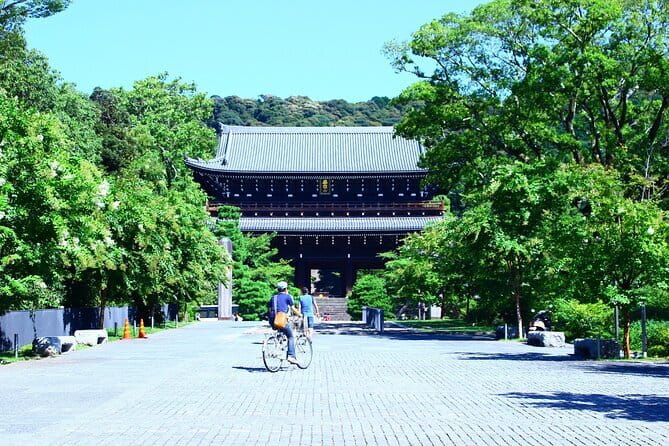
The interaction portion is where this experience becomes more than a standard show.
Q&A that is designed for real answers
A guide and translator are part of the experience, so you are not left asking awkward questions or translating everything yourself. In practice, that means you can ask about the Maiko lifestyle, training, and what you are seeing in the dance.
Some days, the program can include extra cultural stops. For example, people have mentioned a shrine visit as an added bonus when it is scheduled that day. Since activities can vary, do not assume it will happen every time, but it is worth knowing that there can be a little more context beyond the room.
Photo session: respectful and structured
You get a photo session together, not a chaotic crowd scramble. That is a big deal for a Kyoto cultural experience. It keeps the moment calm, so you can actually enjoy it without worrying about timing etiquette.
The traditional game: the surprise highlight
The traditional game is not just entertainment filler. It often turns the group from passive viewers into active participants. People have specifically called this part out as fun, and it is also a good way to break the ice in a polite setting.
If you are traveling with kids, this game section can be a win. At least some families mention kids enjoying the game and the snack at the end (the show includes green tea, and the program may also add small touches depending on the flow of the session).
Green tea and the guide’s job: making you part of the room
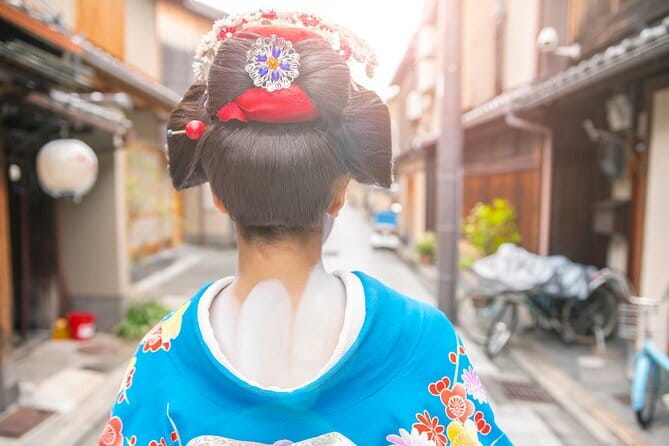
Included in the experience is traditional Japanese green tea. That sounds simple, but it is a grounding detail. It matches the pace of the tea house or showhouse environment and signals that you are stepping into a ritual, not just attending a spectacle.
The other included element is a professional tour guide/translator. In a cultural interaction like this, translation is not optional. It turns your curiosity into meaningful questions and turns the answers into real understanding. It also helps you follow the social rules without overthinking everything.
Several guide names show up in the experience: people have mentioned guides like Soichiro, Ai, Genki, Chihiro, and Yuko. You should not expect the same person, but seeing these names is a hint that the guides put care into the English support and group energy.
Group size is kept small, up to 25 travelers, which helps. You can hear explanations, and you are less likely to feel like a number.
Value check: is $79.59 worth it?
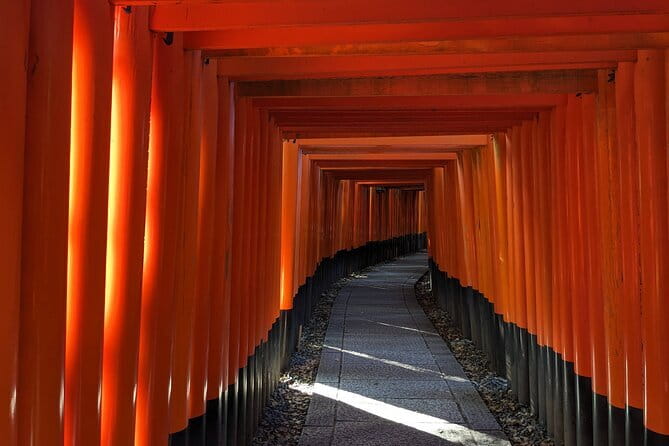
At $79.59 per person, you are paying for access. This is not a generic stage show you could find anywhere. You are getting:
- Close meeting time with an active Maiko
- Two short dances (about 10 minutes total)
- Q&A plus a photo session
- A traditional game
- Green tea
- A guide and translator
- A venue experience (tea house or dedicated showhouse)
So the value depends on what you want most.
If you want performance length
If your main goal is lots of dancing time, the short performance can feel like you did not get your money’s worth. Some people have said the show felt short compared to the price.
If you want authenticity and interaction
If your goal is a rare, respectful look at Kyoto tradition with genuine conversation and close proximity, this is much easier to justify. The shortness is tied to how the art is preserved and how these encounters are organized.
My practical advice: treat this as a cultural meeting with a brief dance highlight, not a full concert-style show.
Getting the best experience: timing, photos, and mindset
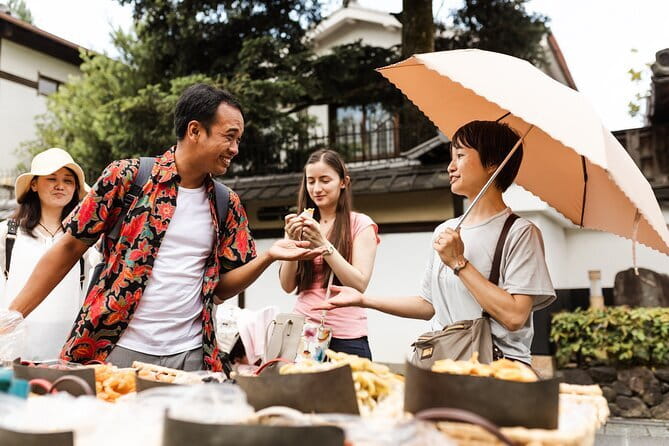
This type of show runs on time and etiquette. Even small delays can matter.
Arrive prepared
Plan to arrive early enough to settle. Some people reported that last-minute timing changes can happen, and that late arrivals may not be allowed into the room once the session starts. That is common with small, structured shows where the seating and flow are fixed.
Bring your photo mindset
Since there is a photo session, do not assume you can take pictures nonstop. Stay ready, but follow the guide’s instructions. Also, bring a phone with enough battery, and make sure you know how you will share photos later.
Choose your venue based on your eyes
Because seating can affect your view, pick the venue that matches how you like to watch. Tea house settings can feel magical, but your exact view depends on the room arrangement. Dedicated showhouses can feel easier for sightlines.
What it’s like with real groups: calm, interactive, and respectful
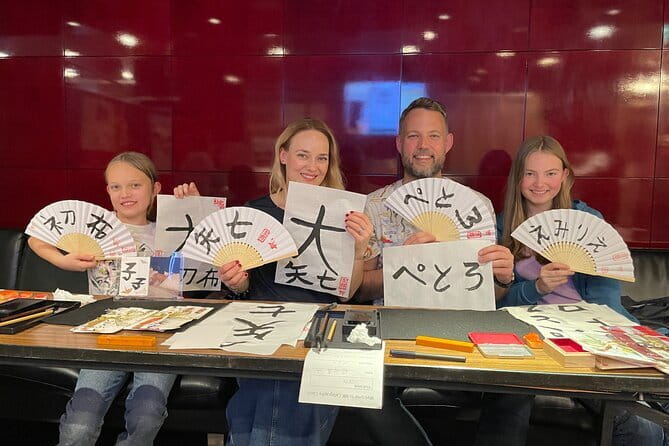
Part of the value here is tone. The experience is built for attentive behavior, not rowdy enthusiasm. The guide helps set expectations, and the structure keeps everyone moving through the moment in sync.
That matters because when you are close to a Maiko, you are not just watching. You are participating in a living tradition. The Q&A and game sections often shift the energy from formal to warm, especially when the translator helps the group communicate clearly.
The best moments tend to be:
- when your question turns into a real answer
- when you see the dancer up close and realize how precise the movements are
- when the game turns the group into teammates for a few minutes
If you add kimono rental and hair: a separate stop you must plan
Some people book a kimono rental and hair set option. If you did, you need to handle it before the show.
You visit Kyoto Kimono Rental Mimosa, at 362-2 Masuyacho, Higashiyama Ward, Kyoto 605-0826. They are open daily 8:00 to 18:00. You go to the shop on your own before the performance.
Tell the staff you are from GuideMe Japan and give your name upon arrival. The payment step is not required at the shop because the rental and hair set are already included in that option.
This is one of those details that can make or break the day. Add extra buffer time for the changeover. Kyoto neighborhoods can be easy to walk, but finding a specific shop plus coordinating timing still takes time.
Who should book this 1-hour Maiko/geisha show
This show is a great match if you want:
- close-up contact with a Maiko
- a short, respectful dance highlight
- structured interaction (Q&A and photos)
- a guide who handles translation
- a small-group, calm atmosphere in Kyoto
It is less ideal if you want:
- a long stage performance
- a self-guided cultural walk with no structured program
- a low-cost option where you do not care about etiquette
If you are in Kyoto for a tight schedule and want one standout culture experience, this is exactly the kind of thing that helps your trip feel special without requiring deep planning.
Should you book this show?
I would book it if your goal is real access with a human-scale encounter. The price hurts only if you only measure value by minutes of dancing. But if you measure value by closeness, interaction, and the fact that Maiko performances are deliberately short to preserve the art, the experience can feel very worth it.
Before you choose, do two quick things:
- Pick the venue option that you think you will see best in, and check the photos.
- Go in knowing the dance portion is brief, and the rest of the session is designed for Q&A, photos, and a traditional game.
If that sounds like your kind of Kyoto night, this is a strong pick.
FAQ
How long is the geisha show experience?
The experience runs about 1 hour to 1 hour 30 minutes, depending on the day and flow of the program. The dance part itself is intentionally short.
Will the Maiko perform the full hour?
No. The performance is designed to be short to preserve the art. The show includes two short dances totaling about 10 minutes, followed by Q&A, photos, and a traditional game.
What is included in the ticket price?
You get the geisha meeting and experience for about 1 hour, traditional Japanese green tea, and a professional tour guide or translator.
Are drinks or food included?
Additional drinks or food are not included.
Where does the show take place in Kyoto?
The experience is set around Kamishichiken Street. You can choose between a Tea House option inside an authentic Kyo-Machiya or a Gion Theater option in a dedicated showhouse.
If I add kimono rental and hair, when and where do I go?
You go to Kyoto Kimono Rental Mimosa before the show (open daily 8:00 to 18:00). Tell them you are from GuideMe Japan and share your name, and no payment is required there if the rental and hair are included in your option.
What if I need to cancel?
You can cancel for a full refund if you cancel at least 24 hours in advance. If you cancel less than 24 hours before the experience’s start time, the amount you paid is not refunded.
Evenings in the Old Quarters




Newest Kyoto write-ups from the Loving Japan desk

Gion, Geisha and Maiko Experiences, side by side.
 ★ 4.7Kyoto Geisha Walking Tour: Gion District & Hidden GemsFrom $253,273 reviews
 ★ 4.9Gion Magical Night Walking Tour with Geisha TriviaFrom $242,393 reviews
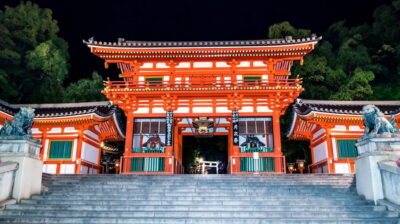 ★ 4.7Gion Geisha District Walking Tour – Stories of GeishaFrom $202,187 reviews
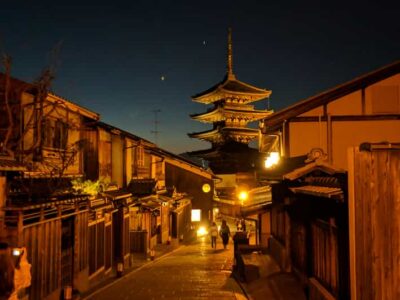 ★ 4.9Best of Kyoto: Gion, Geisha, Pagodas & CobblestonesFrom $242,058 reviews
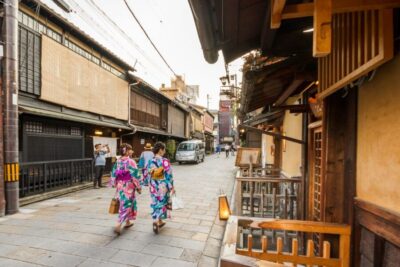 ★ 4.5Night Walk in Gion: Kyoto’s Geisha DistrictFrom $212,003 reviews
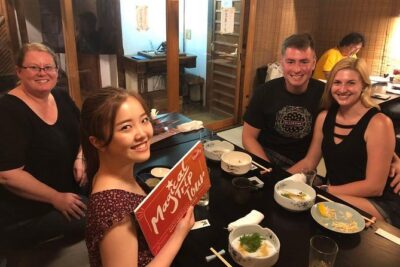 ★ 5.0Kyoto Night Foodie Tour in Gion (9+ dishes + 6 Sake tastings)From $1631,762 reviews
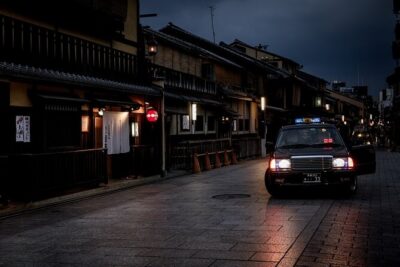 ★ 5.0Kyoto Gion Geisha District Walking Tour – The Stories of GeishaFrom $251,441 reviews
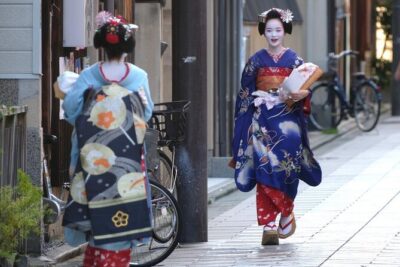 ★ 5.0Kyoto Gion: 2-Hour Geisha Culture & History Walking TourFrom $231,186 reviews
Filed on these lists too