
REVIEW · JAPANESE COOKING CLASSES
3-Hour Small-Group Sushi Making Class in Tokyo
Sushi gets real when you shape it yourself. This 3-hour small-group class at Cooking Sun in Shinjuku teaches you how to make nigiri, inari, hosomaki, and a California roll, then you sit down to eat your creations.
I love that the instructors keep it hands-on and English-friendly, starting with basics like dashi and miso before you press rice and roll with your own hands. I also love the pace, because you get through tamagoyaki, sushi rice, toppings, and shaping within the 3 hours. One consideration: the class uses pre-sliced fish, so you will not learn raw fish cutting.
In This Review
- Key things I’d bet you’ll care about
- Why this Tokyo sushi class is worth your time
- Cooking Sun Tokyo, and what the setting tells you
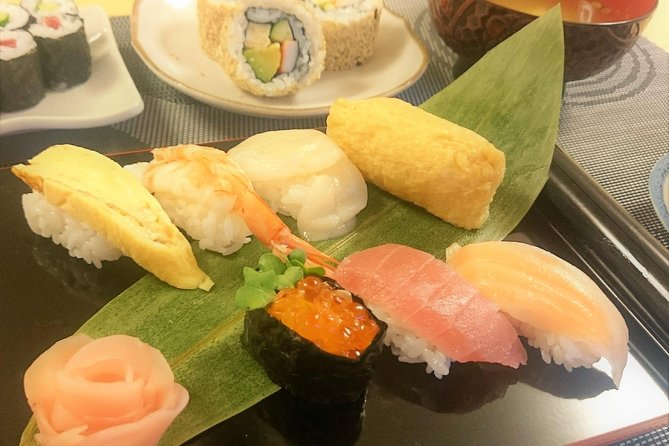
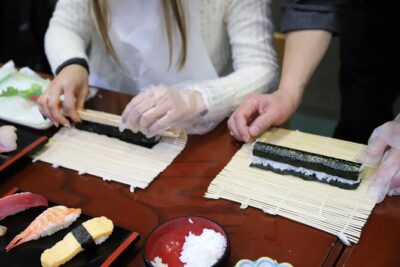
- What you make: nigiri, inari, hosomaki, and a California roll
- The first lessons: dashi, miso, and sushi rice basics
- Tamagoyaki and rolling skills you can use at home
- Meal time: miso soup, wasabi, and pickled ginger
- About the fish: pre-sliced, so you focus on technique
- Small-group format: why 9 people matters more than you think
- Price and value: what $72.67 buys you in Tokyo
- Who should book this sushi making class
- Quick tips before you go
- Should you book this Tokyo sushi class?
- FAQ
- How long is the 3-hour sushi making class?
- Where does the class meet in Tokyo?
- Is the class taught in English?
- Do I need any prior cooking or sushi experience?
- Is raw fish cutting included?
- Can I request a vegetarian option?
- Can I cancel for a refund?
Key things I’d bet you’ll care about
- Small group cap of 9: more time with the teacher while you make your own sushi
- English-friendly instruction: you get the why behind the steps, not just a how-to
- You eat what you make: miso soup, wasabi, and pickled ginger come with your meal
- Hands-on basics first: sushi rice, tamagoyaki, and essential seasonings before rolling
- Vegetarian option available: tell them your needs ahead of time
- No raw fish cutting practice: fish is pre-sliced, so focus stays on assembly
Cook it yourself instead. Other kitchens in Tokyo
- Tokyo: Roll and Authentic Sushi Making Class in Asakusa
★ 4.9 · 1,957 reviews - Tokyo: Sushi Making Class in a Happi Coat near a Famous Spot
★ 4.9 · 1,377 reviews - Tokyo Sushi Making Class in Tsukiji with Professional Chef
★ 5.0 · 1,177 reviews - Ramen & Gyoza Cooking Class in Tokyo with Local Supermarket Visit
★ 5.0 · 823 reviews
Why this Tokyo sushi class is worth your time
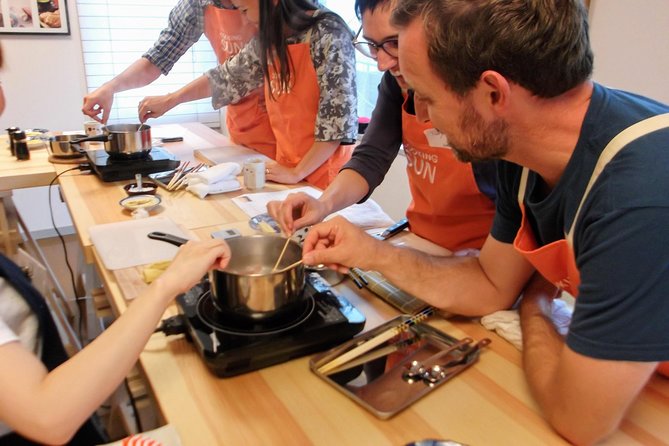
A sushi class in Tokyo sounds like a simple add-on. This one is different because the goal is not just tasting. You learn how the pieces actually come together, rice to topping to roll, with a teacher hovering close enough to fix your grip and your shape.
I like that it is built around core sushi skills you can reuse at home. You get practice with techniques that matter, like sushi rice seasoning, handling tamagoyaki, and forming rolls without crushing everything.
The other big reason I think it is a good use of time: you finish with a real meal. That means the class does not turn into a demo where you watch, then snack. You make, you plate, you eat, and you leave with a mental checklist for your next sushi night.
Cooking Sun Tokyo, and what the setting tells you
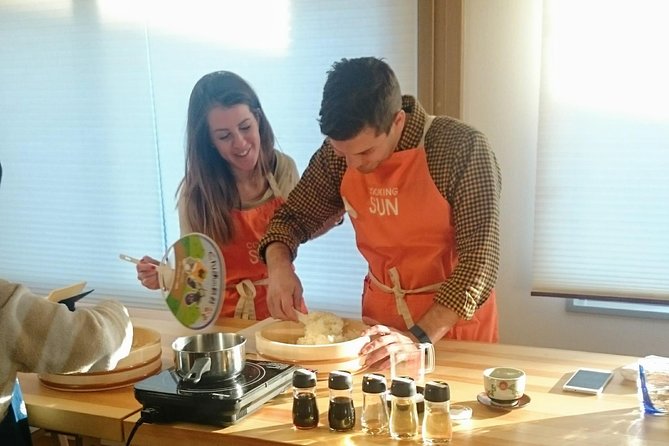
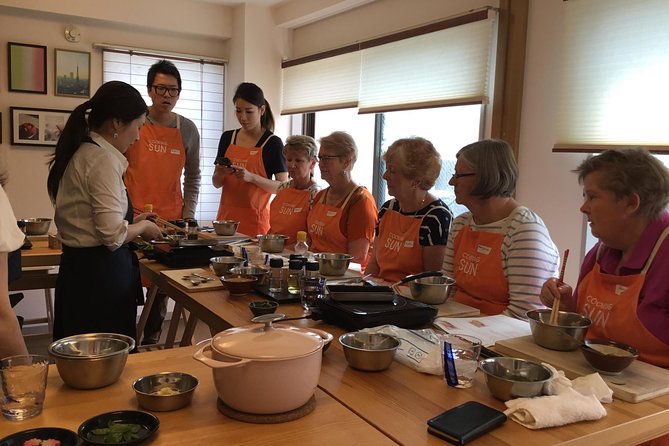
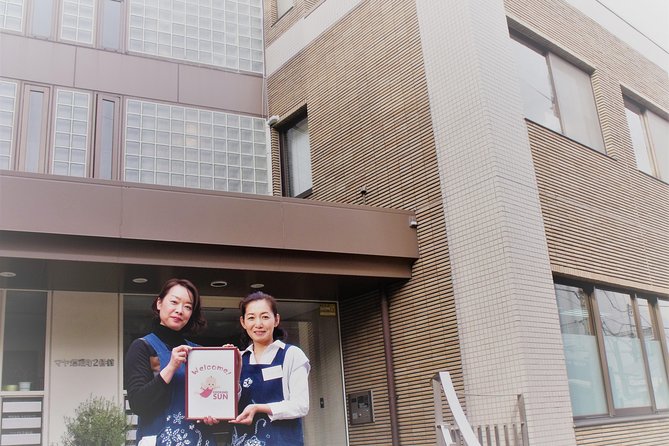
The meeting point is at Cooking Sun Tokyo in Shinanomachi, Shinjuku. It is set up for cooking classes, and the experience is designed to run smoothly, even with a full room at the 9-person max.
You should expect a kitchen setup that is made for doing, not just learning. You get an apron and a towel rental, and the class supplies the recipes and ingredients. In plain terms, this saves you the hassle of tracking down cookware or niche ingredients before you arrive.
One practical note: the start time listed is 1:30 pm, and the class runs about 3 hours. So plan your day so you are not rushing in from a far side of Tokyo. You want time to get there calmly and start cooking without stress.
What you make: nigiri, inari, hosomaki, and a California roll
This class is centered on four sushi styles, so you get a broad view without it turning into chaos.
Here is what you can expect to learn to make:
- Nigiri (hand-pressed sushi): rice shape plus topping placement
- Inari (sweet tofu pouch sushi): sweet-salty balance in a different sushi format
- Hosomaki (thin roll): roll technique where neat edges and tightness matter
- California roll: an approachable roll style that teaches the mechanics of rolling and slicing
In a short class, you are not looking for restaurant perfection. You are learning the method: how sushi rice behaves, how fillings change the roll, and how to aim for clean, bite-sized pieces.
Also, do not worry if you have never cooked sushi before. The class is designed for beginners, and the instructors guide you while you do the work, including how to roll and shape with step-by-step help.
Counters and courses we sat at around Tokyo
- Sushi Making Tokyo Roll and Authentic Japanese Sushi Class★ 5.0 · 3,971 reviews
- Make Sushi and Create Unforgettable Memories in Tokyo★ 5.0 · 1,413 reviews
- Tokyo: Sushi Making Class in a Happi Coat near a Famous Spot★ 4.9 · 1,377 reviews
- Tokyo Sushi Making Class in Tsukiji with Professional Chef★ 5.0 · 1,177 reviews
- Tokyo Night Foodie Tour in Shinjuku – Seasonal Sushi, Wagyu Beef★ 5.0 · 1,161 reviews
The first lessons: dashi, miso, and sushi rice basics
Before you roll anything, you start with the foundation. The class includes a short introduction to Japanese ingredients such as dashi and miso, plus traditional seasonings you will actually taste later.
Then you move to sushi rice preparation. Sushi rice is where home sushi often goes wrong. Even if you get the fish and nori right, bland rice or rice that is too warm or too dry will throw everything off. In this class, the point is to help you understand the rice process well enough that you can repeat it, not just copy a single batch.
You also make tamagoyaki, the Japanese rolled omelet. That matters because it teaches you two things at once: how to cook an omelet with a light, even texture, and how to handle a filling that is slightly firm and sliceable.
If you leave with one takeaway from this class, I’d want it to be this: sushi is mostly technique and timing. Once you understand that, the rest gets easier.
Tamagoyaki and rolling skills you can use at home
Tamagoyaki intimidates a lot of people. You are working with heat control and rolling the omelet as it cooks. In class, it is treated as part of learning the sushi system, not as a separate complicated dish.
After that, the build-up continues. You prepare sushi rice and toppings, including shrimp. Then comes the part you came for, rolling and shaping your own sushi with full guidance.
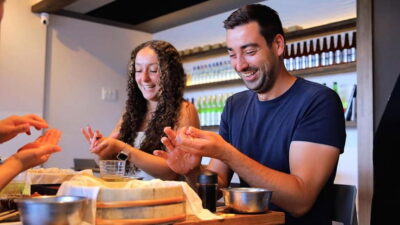
The teacher support is what makes this work. When you have 9 people max, the instructor can actually see what you are doing and correct it. That is a big value, because sushi technique is physical. How hard you press, how you spread rice, and how you roll will show up immediately in the finished piece.
Also, pay attention during the demonstration. Even if you know how to cook, sushi has its own habits, like how to distribute rice so it sticks without making a mess. Small adjustments can turn a sloppy roll into a clean one fast.
Meal time: miso soup, wasabi, and pickled ginger
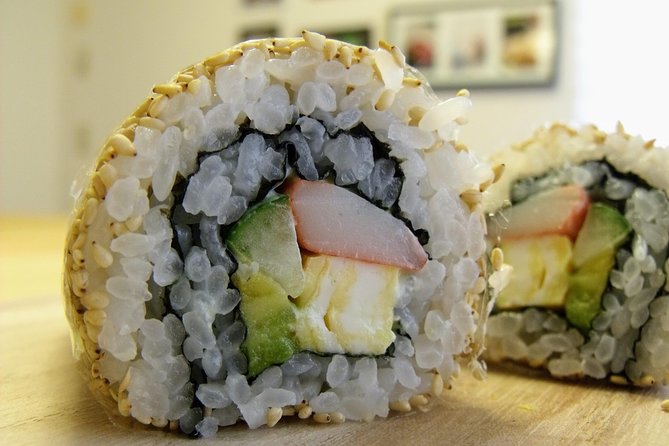
This is not a short class that ends with a tiny sample. At the end, you sit down and eat what you made.
You are served miso soup along with fresh wasabi and pickled ginger. That trio matters. Miso soup gives you comfort and salt depth, wasabi adds punch, and pickled ginger resets your palate between bites.
In a good sushi class, the meal is part of the lesson. You taste your own rice seasoning, your roll balance, and your portioning. Then you can connect the steps you practiced to the final flavor.
So come hungry, not just curious. The class gives you plenty to eat, and it is the best way to judge what you learned.
About the fish: pre-sliced, so you focus on technique
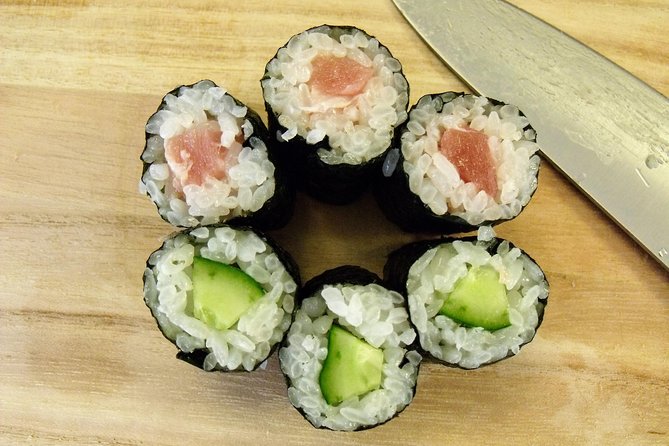
Here is the one big reality check. The class uses pre-sliced fish, so it does not include raw fish cutting instruction.
That is a drawback for anyone hoping to practice slicing techniques like a pro. But it also keeps the class on track for what you can realistically learn in 3 hours. This class is about sushi assembly and core skills, not butchery.
It can also make the experience easier for beginners. You avoid the extra pressure of knife skills and get more time for rice, tamagoyaki, and rolling.
One more practical consideration: fish quality is not framed as the star of the show. Even if you get fish that is good enough for class, do not expect a high-end tasting menu fish experience. The value is the hands-on learning and the meal you take home in your head, not the fish showing up as the main event.
Small-group format: why 9 people matters more than you think
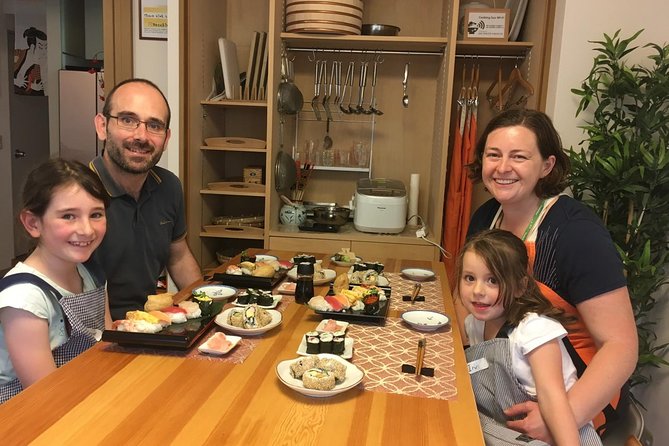
Small group is not a marketing word here. It changes how you learn.
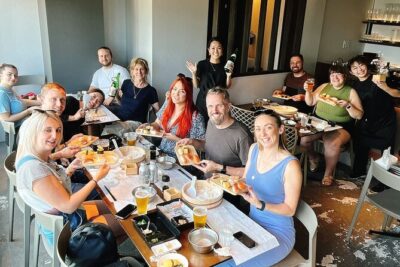
With a max of 9 people, you can ask questions mid-step instead of waiting until the end. You can also get feedback on small issues early. For sushi, those small issues matter a lot. Too much rice in one spot. A roll that is loose on one edge. A nigiri topping that sits off-center. Those things are hard to fix if the teacher is only watching from across the room.
I also like that the class feels social without becoming loud. Several people note the atmosphere as clean and calm. That matters because cooking does not work well when everyone is rushing around you.
If you go as a family or as a solo traveler, the small group size also makes it easier to keep up. Minimum age is 6, so the class can work for kids who enjoy hands-on food activities, as long as they can follow instruction.
Price and value: what $72.67 buys you in Tokyo
At $72.67 per person, this is not a bargain snack class. It is closer to a proper workshop.
So what are you paying for?
- A dedicated local, English-speaking cooking instructor
- Recipes and ingredients provided
- Apron and towel rental
- A full meal at the end, with miso soup, wasabi, and pickled ginger
- A small group setting that keeps teacher help close
When you price out ingredients, coaching, and a meal, the number starts to make sense, especially in Tokyo where cooking classes can run pricey. The key value is that you leave with repeatable skills. If you plan to cook at home again, that is where you get your money back.
Also consider scheduling value. The class is about 3 hours, so it fits into a normal day. It is a good choice if you want one cultural activity without losing a whole afternoon to transit or waiting.
If you can, book early. The average booking time is about 53 days in advance, and with a class size limit, popular time slots can disappear.
Who should book this sushi making class
This is a strong fit if you:
- Love sushi and want more than restaurant tasting
- Want a beginner-friendly class that still feels hands-on
- Prefer English instruction so you can follow techniques, not just recipes
- Like the idea of making sushi you can actually serve and eat at the end
It is also a good fit for families with kids age 6 and up. The minimum age and the structured steps are there for a reason.
If you are an advanced cook who already makes sushi perfectly at home, you might find it less challenging. Since fish is pre-sliced and the focus is on assembly skills, you may not get new knife techniques. But you can still use it as a guided refresher on rice, tamagoyaki, and rolling control.
Quick tips before you go
- Come hungry. You make a lot and then eat it.
- Wear something comfortable that lets you work with your hands.
- Be ready to learn sushi rice handling and roll tightness, those are the first things that make the biggest difference.
- If you need a vegetarian option, tell the organizer at booking so they can plan ingredients for you.
Should you book this Tokyo sushi class?
Yes, if your goal is hands-on sushi skills in a short, well-taught format. The small group cap, English-friendly teaching, and the fact that you eat your own sushi make it feel practical, not just entertaining.
I’d also book it if you like structured cooking activities where you can ask questions and correct mistakes while they are happening. Sushi is one of those foods where watching is not enough. Your hands need to learn.
If your dream is cutting raw fish like a professional, this will not be that class. But if you want to leave Tokyo knowing how to make nigiri, inari, hosomaki, and a California roll with confidence, this is a solid choice.
FAQ
How long is the 3-hour sushi making class?
The class lasts about 3 hours.
Where does the class meet in Tokyo?
The meeting point is Cooking Sun Tokyo, 18-39 Shinanomachi, Shinjuku City, Tokyo 160-0016, Japan.
Is the class taught in English?
Yes. The class includes a local, English-speaking cooking instructor.
Do I need any prior cooking or sushi experience?
No experience is necessary.
Is raw fish cutting included?
No. Fish is pre-sliced, and the class does not include raw fish cutting instruction.
Can I request a vegetarian option?
Yes. A vegetarian option is available, and you should advise the provider at the time of booking.
Can I cancel for a refund?
Free cancellation is available up to 24 hours in advance of the experience start time for a full refund.
Counters and Courses


Kitchens You Can Book Into

Newest Tokyo write-ups from the Loving Japan desk



Japanese Cooking Classes, side by side.
 ★ 5.0Sushi Making Tokyo Roll and Authentic Japanese Sushi ClassFrom $593,971 reviews
 ★ 4.9Roll and Authentic Sushi Making Class in AsakusaFrom $581,957 reviews
 ★ 5.0Ramen Cooking Class at Ramen Factory in KyotoFrom $1311,937 reviews
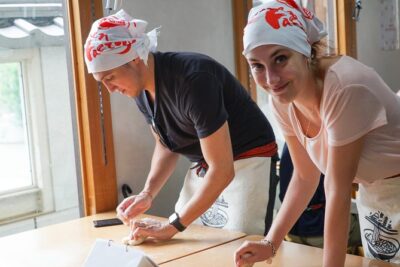
 ★ 4.9Sushi Making Class in a Happi Coat near a Famous SpotFrom $421,377 reviews
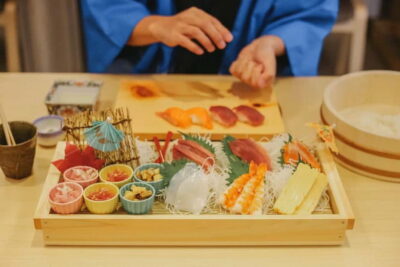
 ★ 5.0Sushi Making Osaka Roll and Authentic Japanese Sushi ClassFrom $311,220 reviews
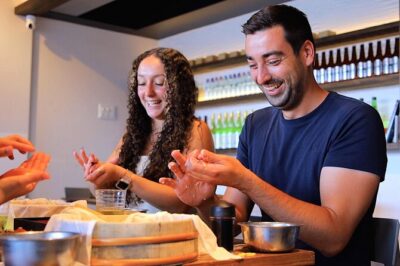
 ★ 5.0Tokyo Sushi Making Class in Tsukiji with Professional ChefFrom $491,177 reviews
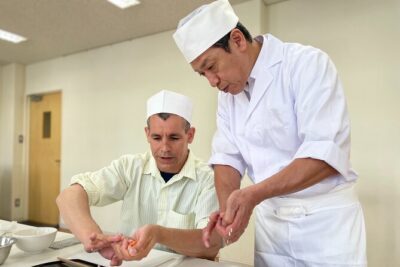
 ★ 5.0Ramen & Gyoza Cooking Class in Tokyo with Local Supermarket VisitFrom $122823 reviews
 ★ 5.0Tsukiji Fish Market Guided Tour and Sushi Making with Pro ChefFrom $104775 reviews
Filed on these lists too