
REVIEW · KYOTO TEA CEREMONIES AND MATCHA
Authentic Kyoto Tea Ceremony: Camellia Flower Teahouse
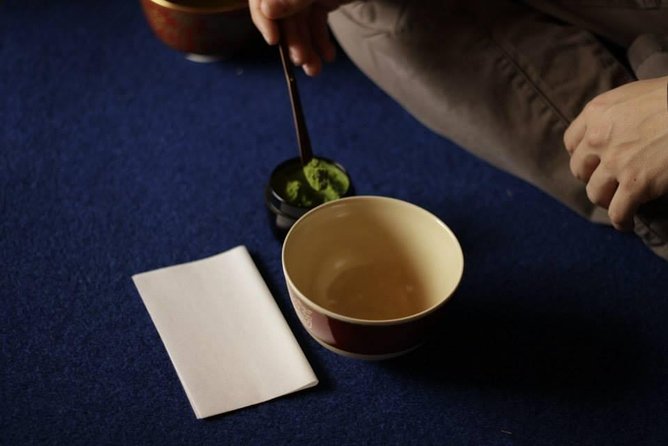
Matcha isn’t just a drink, it is a ritual. At Camellia Flower Teahouse in Higashiyama, you get hands-on instruction in the Kyoto way of whisking matcha. It is a calm 45-minute reset built around careful steps, utensil skills, and plenty of room to ask questions.
Two things I love here are the small group size and the English explanations from trained instructors. With a maximum of 8 people, you get real guidance instead of watching from a distance. And since the staff are English-fluent and connected to Kyoto’s main schools of tea, the story behind the movements makes sense fast.
One consideration: this experience is not wheelchair accessible, and it is floor-focused even though chairs and tables are available if you prefer.
In This Review
- Key Things to Know Before You Go
- Finding Camellia Flower Teahouse in Kyoto’s Higashiyama
- The 45-Minute Flow: What Your Tea Ceremony Session Is Like
- What You Actually Learn: Utensils, Steps, and Matcha Basics
- Sweet Pairings and the Meaning Behind the Steps
- Making Your Own Bowl of Matcha (and Not Doing It Perfectly)
- Kimono Rental: Optional, but Often Worth the Upgrade
- Seating Options and Comfort: Chairs, Tables, and Floor Style
- Who This Kyoto Tea Ceremony Is Best For
- Price and Value: Is $36.48 a Good Deal?
- Weather, Timing, and Photo-Friendly Peace
- Should You Book Camellia Flower for a Kyoto Tea Ceremony?
- FAQ
- Where does the tea ceremony take place?
- How long is the experience?
- How big is the group?
- Is it wheelchair accessible?
- Are children allowed?
- What is included in the price?
- Is kimono rental available?
- Is the session photo-friendly?
- What if the weather is bad?
Key Things to Know Before You Go
- Small groups (max 8) keep the tea making personal, not a rushed show.
- 45 minutes is the sweet spot for first-timers who want the ritual without a half-day commitment.
- Hands-on matcha: you will whisk your own bowl, not just observe.
- English instruction and time for questions make it easier to understand the meaning behind each step.
- Photos and short videos are allowed, so you can capture the moment without stress.
- Optional kimono rental can add authenticity, and the staff help with dressing.
Sit down somewhere quieter. Other tea rooms we booked
- Kyoto: Tea Ceremony in a Traditional Tea House in Kiyomizu
★ 4.9 · 3,519 reviews - Kyoto: Tea Ceremony Ju-An at Jotokuji Temple
★ 4.9 · 3,207 reviews - Kyoto: 45-Minute Tea Ceremony Lesson Experience
★ 4.3 · 2,378 reviews - Kyoto: Table-Style Tea Ceremony at a Kyo-Machiya
★ 4.9 · 1,211 reviews
Finding Camellia Flower Teahouse in Kyoto’s Higashiyama
The best part about this ceremony is that it is set up for real life. You meet at a clear, fixed address in Higashiyama: Tea Ceremony Camellia FLOWER, 349-13 Masuyachō, Higashiyama Ward, Kyoto, 605-0826. Higashiyama is a classic Kyoto base, meaning you can pair this with a day of walking streets, temples, and traditional neighborhoods.
Getting there is straightforward. The location is noted as being near public transportation, so you are not stuck planning a complicated route. And since the meeting and ending point are the same, you do not need to coordinate a separate drop-off.
Practical tip: go a little early and give yourself time to settle. Tea ceremony timing is part of the experience. If you arrive flustered, the whole point, calm focus, will work harder than it should.
The 45-Minute Flow: What Your Tea Ceremony Session Is Like
Plan for about 45 minutes. That time matters because it shapes the tone. This is not a 2-hour lecture. It is structured enough to feel complete, but short enough to fit into your Kyoto schedule.
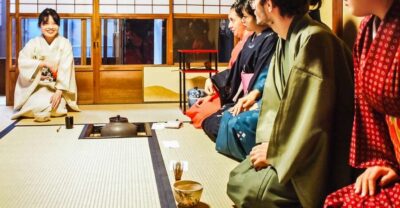
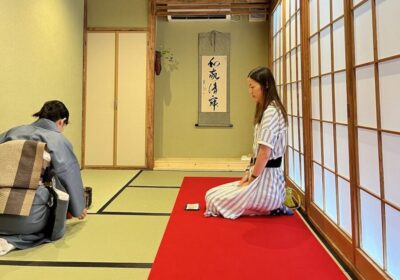
In the beginning, your host starts with a friendly introduction to matcha and the bigger role tea ceremonies play in Japanese culture. This is a useful ramp. Even if you have read about tea ceremony etiquette, it is different when you hear the intent behind each step in plain language.
Then you get the core explanation. Your instructor walks you through:
- the key steps in the ceremony
- the utensils you will use
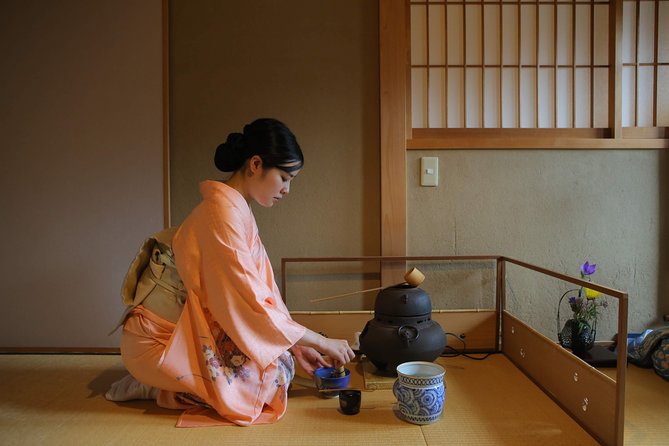
- why the room layout and decorations matter
That last bit surprises people in a good way. You start seeing the ceremony as design plus discipline, not just tea making.
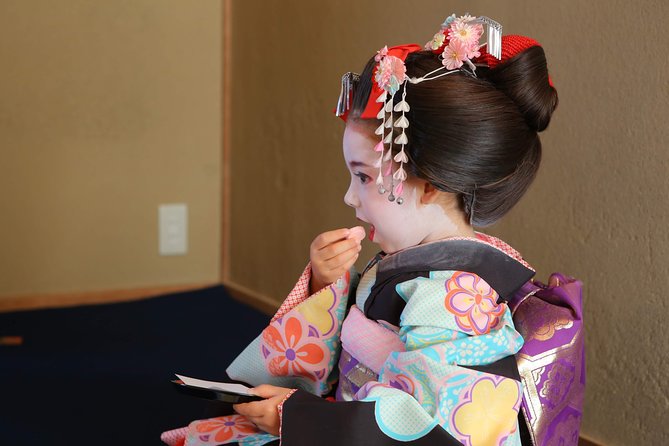
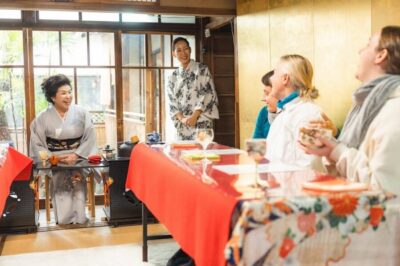
After the explanation, you will enjoy a seasonal sweet with your tea. Then comes the social part that many people love: time for questions and conversation with your host. This is where you can ask about Kyoto customs, tea culture, and anything you are curious about while you are in Japan.
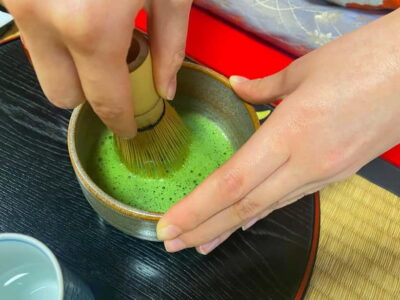
The session ends with the skill you came for. You make your own bowl of frothy matcha, guided through the basics so you leave knowing how it works, not just what it looks like.
What You Actually Learn: Utensils, Steps, and Matcha Basics
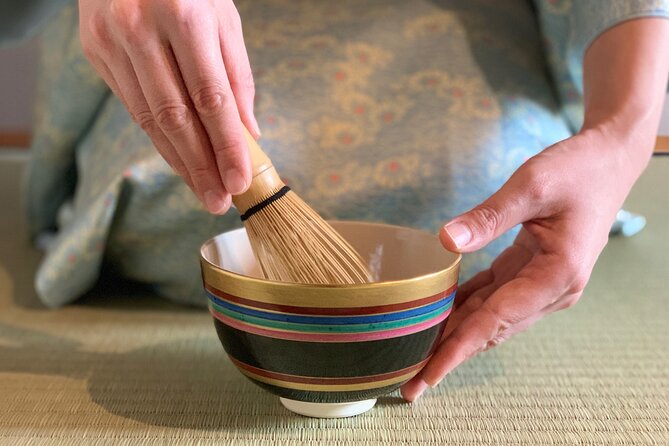
Tea ceremonies can sound intimidating. I like that this one is set up to teach the fundamentals clearly. You will be provided with the tools you need, including a tea bowl, tea scoops, and a whisk (plus whatever else is required for the process). You are not expected to bring equipment or guess your way through.
Here is what makes the instruction feel “authentic” in a practical way:
- You learn the purpose behind each action, not just the action.
- You understand how cleanliness and respect show up in the process.
- You practice the motions that create the froth, which is the hardest part for first-timers.
Several past participants highlighted the precision of the ceremony and the fact that it is not simple once you try it yourself. That is exactly the point. Whisking matcha is a technique. The foam texture comes from controlled movement and timing, not luck.
Also, all instructors speak English fluently and are connected to one of Kyoto’s three main schools of tea ceremony. That connection matters for you because it keeps the teaching grounded in tradition while still being understandable.
- PERFECT KYOTO 1-Day Bus Tour★ 5.0 · 13,518 reviews
- Kyoto: Fushimi Inari, Kinkakuji, Bamboo Grove 1 Day Bus Tour★ 4.8 · 4,316 reviews
- Kyoto: Tea Ceremony in a Traditional Tea House in Kiyomizu★ 4.9 · 3,519 reviews
- Kyoto Geisha Walking Tour: Gion District & Hidden Gems★ 4.7 · 3,273 reviews
- Kyoto: Tea Ceremony Ju-An at Jotokuji Temple★ 4.9 · 3,207 reviews
Sweet Pairings and the Meaning Behind the Steps
Your matcha moment is not only about the tea. You also get a seasonal sweet. In Japanese tea culture, the sweet helps balance the bitter side of matcha and sets the tone for the tasting ritual.
What I like about building in the sweet right in the flow is that it gives your brain a transition. You go from learning and watching to tasting and reflecting. The ceremony becomes something you feel, not just something you do.
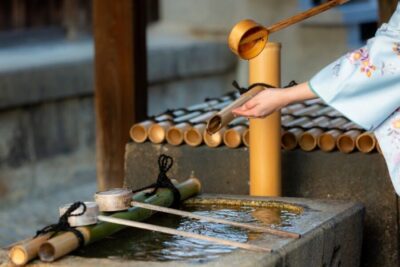
If you are paying attention, you will notice how the ceremony frames tea as a respectful act. In many tea traditions, there is a focus on mind and intention, and participants have specifically mentioned learning about cleansing with water and respect for the person the tea is being prepared for. Even if you do not remember every detail afterward, the vibe sticks. The session tends to leave people calmer than they expected.
One balanced note: the atmosphere is important, but the most important thing here is instruction quality. A few people noted the room can feel small or simpler than they expected, even if the ritual itself stayed meaningful. If your top priority is a dramatic showpiece setting, this might feel more “focused and instructional” than “grand and theatrical.”
Making Your Own Bowl of Matcha (and Not Doing It Perfectly)
This is the part that turns a cultural activity into an actual memory you can use later. You get your own turn to make matcha, and you are guided through the basics so you can build confidence quickly.
If you have never whisked matcha before, expect it to take a couple of tries. That is normal. Foam happens when your whisking technique and pace work together. You might find your first attempt a little uneven. Then your second attempt starts to look more like what you were aiming for.
That hands-on moment is also why this ceremony is worth the time even if you only have one or two Kyoto activities planned. The ritual gives you a sensory skill. When you buy matcha afterward, you will understand what you are aiming for and why it tastes different depending on preparation.
Small-group format helps here. With a maximum of 8 people, instructors can watch what you are doing and adjust guidance as needed. You are less likely to feel lost.
Kimono Rental: Optional, but Often Worth the Upgrade
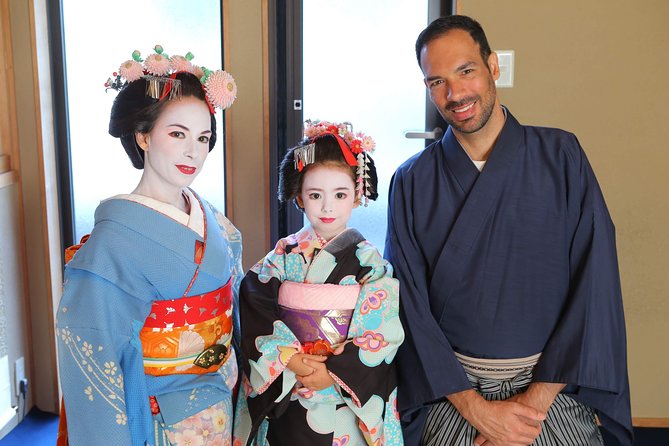
You can request kimono rental by message for an additional charge. The point is not costumes for their own sake. It is about getting into the rhythm of the ceremony.
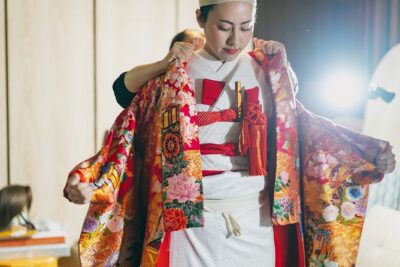
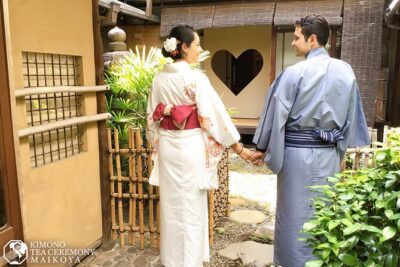
Several participants have said renting a kimono makes the experience feel more authentic, and that the staff do a nice job helping guests get dressed, including hair styling. If you care about the full Kyoto look and feel, it is one of the easiest ways to make your photos and your brain both understand what kind of activity you chose.
At the same time, do not feel pressured. If you are traveling light or your schedule is tight, skip it. The ceremony still teaches you matcha steps, utensils, and the meaning behind the ritual.
Seating Options and Comfort: Chairs, Tables, and Floor Style
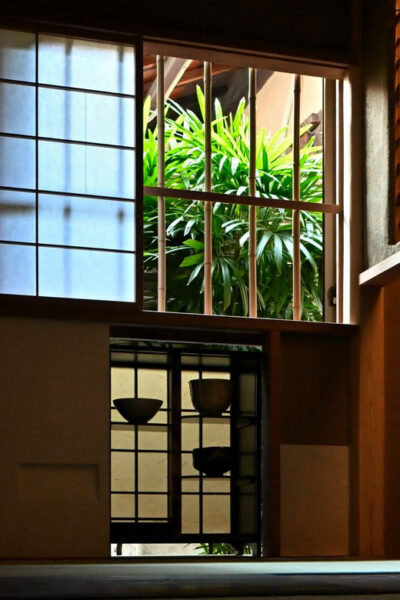
Traditionally, many tea ceremonies involve sitting on the floor. This activity notes that chairs and tables are available if you prefer them. That is a big deal for comfort, especially if you are not used to floor seating for an extended period.
Still, remember the venue is not wheelchair accessible. If mobility is a concern, plan ahead. Chairs and tables can help, but the listing is clear about overall accessibility limitations.
A practical strategy: if you think you might need chair seating, choose that option early, if available when you book or by contacting the provider. Waiting until the day of can create stress in a setting where calm is part of the experience.
Who This Kyoto Tea Ceremony Is Best For
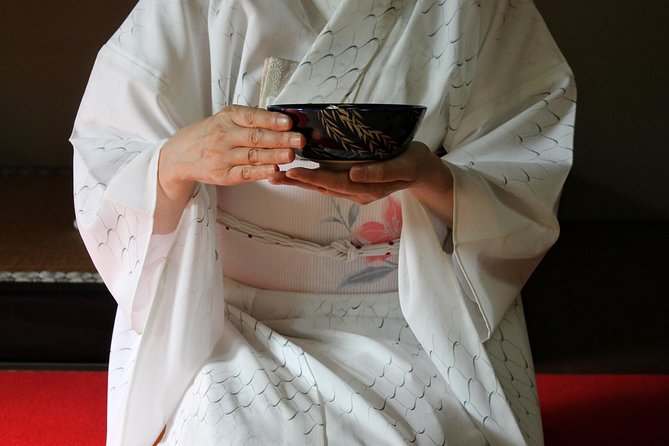
This experience fits a few specific kinds of travelers very well:
- First-time visitors who want a meaningful cultural activity without a huge time commitment
- People who like learning through doing, not just watching
- Families with older kids, since it is for all ages but children under 6 cannot join
- Anyone who values English explanations, especially if you want to understand the symbolism and steps
It also works for couples and solo travelers because the maximum group size supports a more personal pace. You are not trying to be polite in a crowd while juggling comprehension.
If you want something calming after a day of temple stops and long walks, tea ceremony is a great counterweight. Many people describe it as relaxing and grounding, mainly because the rhythm slows everything down.
Price and Value: Is $36.48 a Good Deal?
At $36.48 per person, you are paying for two things: trained instruction and hands-on matcha making within a structured ritual. This is not just a class where you watch a demonstration. You get utensils, guidance, and your own matcha bowl at the end.
Here is how I think about value for this kind of Kyoto experience:
- Group limit matters. Maximum 8 helps keep the quality higher because the instructor can actually help.
- Duration matters. About 45 minutes is enough to feel complete for first-timers.
- Included tools matter. You do not have to source or understand equipment ahead of time.
- Language matters. English-fluent instruction reduces the mental overhead of figuring out etiquette on your own.
If you compare it to spending money on a generic souvenir stop, the ceremony is usually the more memorable use of your yen. You leave with a better understanding of matcha and a skill you can repeat at home.
One more note: you can add kimono rental if you want the extra layer of authenticity. That costs more, so decide based on your priorities. If you love dressing up and photos, it is a strong add-on. If you just want the ritual, you can keep it simple.
Weather, Timing, and Photo-Friendly Peace
Good weather is required. That matters because Kyoto can be rainy, and tea ceremony plans may change if conditions are poor. The provider notes that if it is canceled due to poor weather, you will be offered a different date or a full refund. So keep an eye on the forecast if your schedule is tight.
Timing is also key. Since the activity runs about 45 minutes, treat it like a real appointment. Show up ready to participate, listen, taste, and learn.
Photos and short videos are permitted. That is a comfort when you want to capture the room, the utensils, or the final bowl. Just be mindful and follow any cues from your host so you do not interrupt the quiet flow.
Should You Book Camellia Flower for a Kyoto Tea Ceremony?
Yes, I would book it if you want an authentic-feeling Kyoto tea ceremony with real participation. The small group size, English instruction, and hands-on whisking are the winning combination. This is ideal if you want a calm cultural stop that teaches you something practical, not just a photo op.
Skip the kimono rental if you are traveling light or if it feels like too much. But if you like the full Kyoto look, the optional kimono can make the experience feel more complete, and the staff do the dressing and hairwork for you.
The only real reason not to book is if accessibility is a dealbreaker. The venue is not wheelchair accessible, even though chairs and tables are available for others. If that applies to you, you will need to consider alternatives that match your needs.
If you are landing in Kyoto and you want one activity that helps you understand Japanese culture through the senses, this tea ceremony is a strong choice.
FAQ
Where does the tea ceremony take place?
You meet at Tea Ceremony Camellia FLOWER, 349-13 Masuyachō, Higashiyama Ward, Kyoto, 605-0826, Japan. The activity ends back at the same meeting point.
How long is the experience?
Plan around 45 minutes for the ceremony.
How big is the group?
This tea ceremony has a maximum of 8 travelers per group.
Is it wheelchair accessible?
No, the experience is not wheelchair accessible. Chairs and tables are available, but the listing notes it is not wheelchair accessible.
Are children allowed?
This experience is for all ages, but children under 6 years old cannot join.
What is included in the price?
Tea bowls, tea scoops, and tea whisks are provided so you can make your own bowl of matcha.
Is kimono rental available?
Yes. Kimono rental can be requested by message for an additional charge.
Is the session photo-friendly?
Yes. Photos and short videos are permitted during the experience.
What if the weather is bad?
The experience requires good weather. If it is canceled due to poor weather, you will be offered a different date or a full refund.
Kyoto by the Bowl
Newest Kyoto write-ups from the Loving Japan desk
Kyoto Tea Ceremonies and Matcha, side by side.
 ★ 4.9Tea Ceremony in a Traditional Tea House in KiyomizuFrom $493,519 reviews
 ★ 4.9Tea Ceremony Ju-An at Jotokuji TempleFrom $293,207 reviews
 ★ 4.345-Minute Tea Ceremony Lesson ExperienceFrom $222,378 reviews
 ★ 5.0World Heritage Kyoto & Nara Uji Authentic Matcha ExperienceFrom $1291,573 reviews
 ★ 4.9Tea Ceremony ExperienceFrom $251,426 reviews
 ★ 4.9Table-Style Tea Ceremony at a Kyo-MachiyaFrom $451,211 reviews
 ★ 4.8Kenrokuen Tea Ceremony ExperienceFrom $351,139 reviews
 ★ 5.0Kimono Tea Ceremony at Kyoto Maikoya, NISHIKIFrom $65911 reviews
Filed on these lists too