
REVIEW · GION, GEISHA AND MAIKO EXPERIENCES
Authentic Maiko Experience&Kyoto Dinner (Free drink) at Noh Stage
Maiko dinner feels more real than a show. This is an intimate ozashiki-style evening where the focus stays on etiquette, conversation, and live performance, not a mass-audience spectacle. I like that it is built to feel like the real rhythm of Kyoto’s tea-house world, with live shamisen and respectful pacing throughout.
What I really like most is the close-up access: you get the maiko dance on the Noh stage and a two-shot photo that happens as part of the flow, not as a rushed photo-op. I also like the dinner format, since you’re not just eating, you’re timing meals, introductions, and games to match how an ozashiki evening moves.
One consideration: this is a small, structured program, so you’ll need to follow rules (like footwear for the stage and no eating or drinking during the photo time). If you want a flexible, casual night out, this may feel more formal than you expect.
In This Review
- Key things that make this Maiko night special
- Why this Maiko experience is not your typical show
- Arriving at 5:50, then stepping into the Noh-stage world
- The live shamisen entrance, then maiko dance on the stage
- Kaiseki dinner: eating as part of the evening, not a break from it
- Kimono details, Q&A, and the etiquette lesson you can actually use
- Ozashiki games on stage: playful, structured, and tied to music
- Value and pricing: what $150 really buys in Kyoto
- Getting the most out of your night (and avoiding common mistakes)
- Who this Kyoto dinner experience fits best
- Should you book this Maiko experience at the Noh stage?
- FAQ
- What is the duration of the Maiko experience at the Noh stage?
- Where does the tour take place?
- What time does the experience start?
- What is included in the price?
- Is there photo time during the program?
- How many people are in the group?
- Do I need to have transportation to the venue?
- Can I participate if I am not traveling with someone else?
- What is the cancellation policy?
Key things that make this Maiko night special
- The Noh stage setting keeps the mood refined, and the performance happens right where it belongs
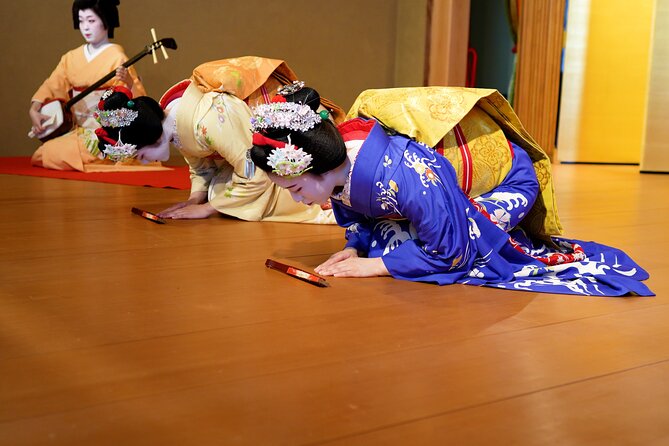
- Live shamisen with the maiko dance means you’re hearing and seeing the sound in real time
- Ozashiki games with conversation gives you more than watching, you get invited into the evening’s social rhythm
- Kaiseki dinner plus free drinks for 2 hours helps you settle in without constantly checking your watch
- Small capacity (max 20) helps the tone stay calm and personal rather than loud and crowded
Evening walks through the old quarters, compared
- Kyoto Geisha Walking Tour: Gion District & Hidden Gems
★ 4.7 · 3,273 reviews - Kyoto: Gion Magical Night Walking Tour with Geisha Trivia
★ 4.9 · 2,393 reviews - Kyoto: Gion Geisha District Walking Tour – Stories of Geisha
★ 4.7 · 2,187 reviews - Best of Kyoto: Gion, Geisha, Pagodas & Cobblestones
★ 4.9 · 2,058 reviews
Why this Maiko experience is not your typical show
If you’ve seen the common, big-crowd Maiko performance model, you already know the tradeoff. Often it is mainly about quick visuals and quick exits, with little chance to understand the culture behind the costumes.
This program is designed with a different goal: real ozashiki hospitality. The night is not presented like a simplified show for strangers. Instead, you’re brought into a structured evening that includes greetings, introductions, and Q&A, plus games that actually fit the setting. The result is that you spend more time learning what to notice, and less time wondering what you are missing.
The other thing I appreciate is intent. The organizers describe long-standing connections to Kyoto’s hanamachi, and they build the evening with attention to traditional forms and etiquette. You can feel that in how the schedule is paced and how the interactions are framed.
Arriving at 5:50, then stepping into the Noh-stage world
You start with a calm arrival window. Doors open at 17:50, and if you arrive early, you can relax in the 1st-floor café space before you head up. That matters more than it sounds. Kyoto evenings can move fast, and this gives you a small buffer to get your bearings.
At 18:00, you gather on the 2nd floor of the Noh stage. From the start, the program sets expectations clearly:
- There is free photo time on the Noh stage
- You’ll need socks or tabi
- No eating or drinking during that photo time
This is one of those details that can make or break your comfort. If you show up thinking you’ll hold a drink and snack while taking pictures, you’ll feel rushed when the rules kick in. Better plan: keep it light until the dinner portion starts.
Also, the Noh stage is not an afterthought. It’s the actual performance space, so when the evening turns to dance and music, you’re already in the right mindset and the right location.
The live shamisen entrance, then maiko dance on the stage
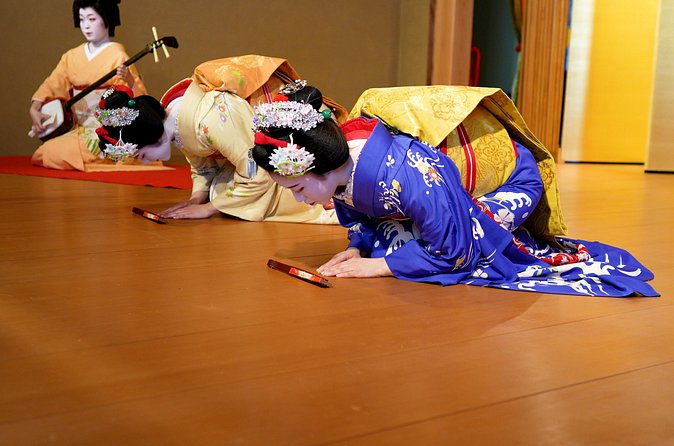
Once everyone is gathered, the night shifts into performance mode in a smooth sequence. You’ll hear the live music as part of the moment, because the program includes the entrance of the maiko and jikata (the live shamisen player).
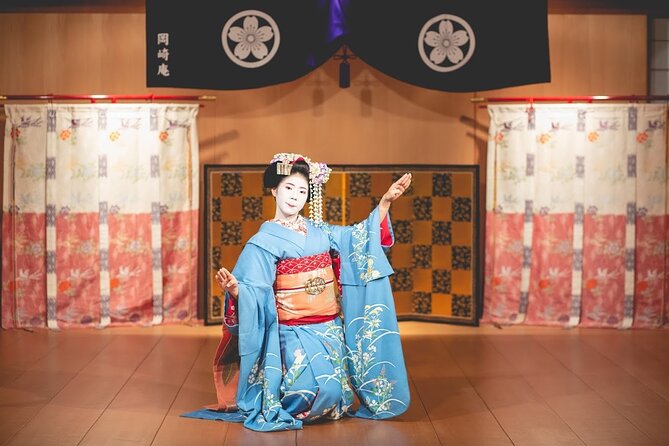
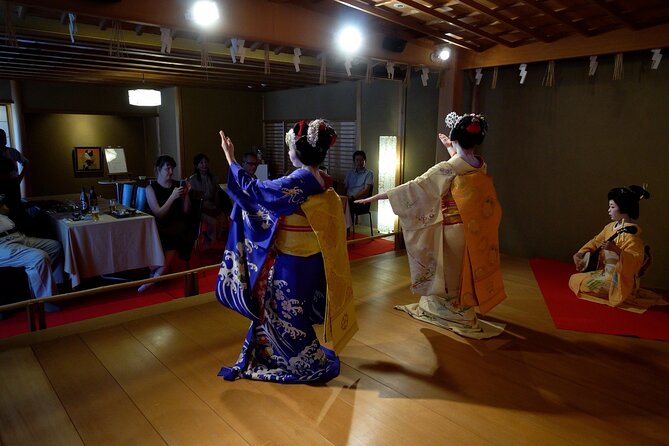
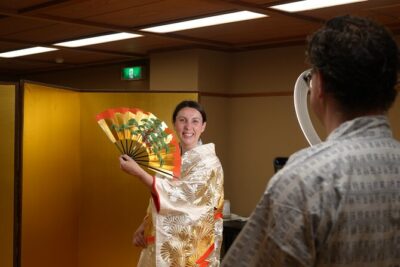
Then comes the main highlight: the maiko performs on the Noh stage while the shamisen plays live. This is the key difference between a staged tourist show and something that feels more like tradition. Live shamisen changes the timing, because it is not separated into a soundtrack track. You’re listening to the sound being made in the room.
What you should pay attention to:
- The way the dancer uses the space of the stage
- The rhythm of the shamisen, since the dance is tied directly to it
- The tone of the evening around you, since the group stays in sync for the performance
And yes, the program includes photo moments, but they are carefully placed. After the dance, you get the two-shot photo with the maiko on the stage, which is a much more grounded experience than grabbing a quick picture as you walk by.
- PERFECT KYOTO 1-Day Bus Tour★ 5.0 · 13,518 reviews
- Kyoto: Fushimi Inari, Kinkakuji, Bamboo Grove 1 Day Bus Tour★ 4.8 · 4,316 reviews
- Kyoto: Tea Ceremony in a Traditional Tea House in Kiyomizu★ 4.9 · 3,519 reviews
- Kyoto: Tea Ceremony Ju-An at Jotokuji Temple★ 4.9 · 3,207 reviews
- Kyoto: 45-Minute Tea Ceremony Lesson Experience★ 4.3 · 2,378 reviews
Kaiseki dinner: eating as part of the evening, not a break from it
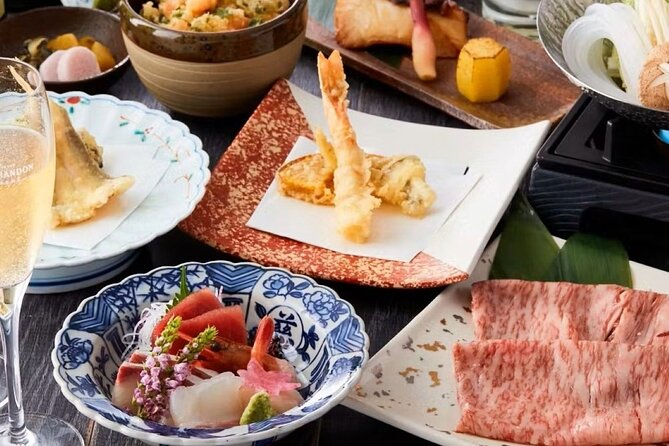
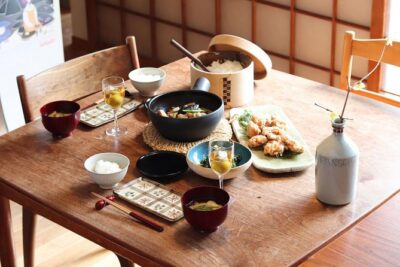
You get kaiseki-style cuisine with the cultural program. The important part here is pacing. Dinner is not treated like a separate ticketed event you sit down for and then forget. It is built into the evening’s structure, right after a welcome toast and once the initial performance rhythm begins.
On the food side, the reviews emphasize that the meal is delicious and feels thoughtfully prepared, which lines up with why kaiseki works well in this kind of setting. Kaiseki is meant to be noticed in course flow: small portions, seasonal ingredients, and presentation that matches the moment.
For you, that translates to a practical benefit: you’re less likely to arrive hungry and stressed. The menu is not a scramble, and the atmosphere lets you settle into the evening. Plus, the experience includes unlimited drinks for 2 hours, so you can pace your own comfort without constantly ordering.
One more small but meaningful point: kaiseki is often best enjoyed slowly. Since the evening includes conversation and games, you will want to keep your drinking moderate so you can stay engaged when the Q&A begins.
Kimono details, Q&A, and the etiquette lesson you can actually use
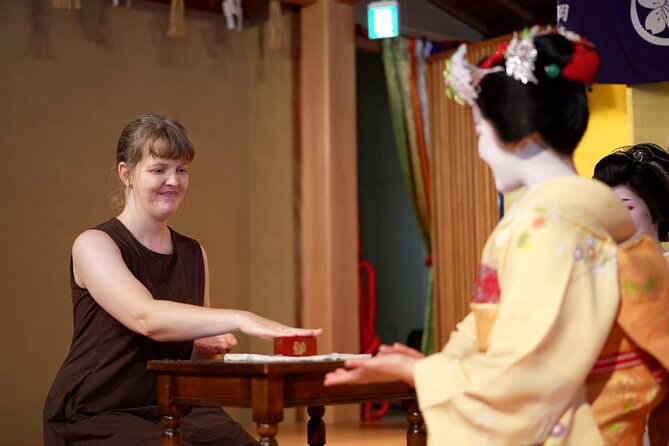
After the initial performance and photo, the program moves into introductions and learning. You’ll do greetings and self-introductions with the maiko and participants. Then there’s a kimono and kanzashi introduction, followed by Q&A.
This is where you start getting real value from the format. Watching a dance is one level, but asking questions changes what you notice next. When the maiko explains details about the costume and hair ornaments, you get a framework for understanding what you’re seeing.
In your Q&A, focus on questions that help you read Kyoto:
- What aspects of the kimono and kanzashi matter most in daily practice
- How etiquette shapes the flow of an ozashiki evening
- What people often misunderstand when they first see Maiko or Geiko culture
The program also uses a Kyoto-certified interpreter guide, which is a big deal if you want to understand nuance. One of the themes in the feedback is that English interpretation makes the conversations feel meaningful rather than superficial.
Also, one review mentions that the maiko gave a special present to remember her by. That sort of small moment fits the tone here: this is not just performance. It is a relationship-building evening.
Ozashiki games on stage: playful, structured, and tied to music
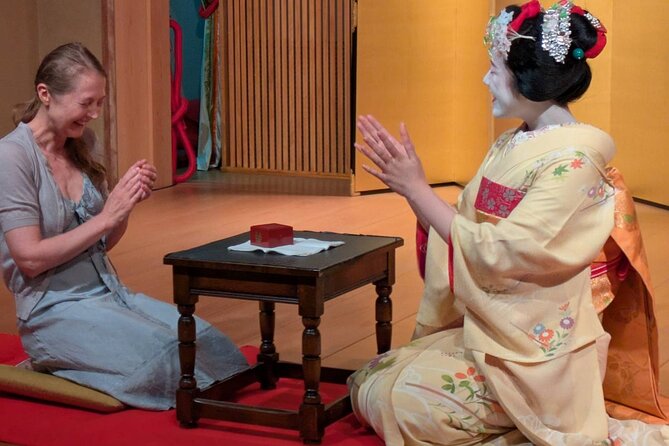
After dinner and conversation, you’ll take part in ozashiki games on the Noh stage. These games are described as being livened by the live shamisen, which is exactly what you want. It prevents the evening from feeling like a random party segment inserted after dinner.
What makes this valuable for you:
- You see how hospitality works. People are not just sitting and watching.
- The tone is playful but still respectful, which matters in formal culture settings.
- You get a moment where the maiko’s presence shifts from performing to participating in interaction.
For most people, the biggest challenge with games is nerves. You might feel unsure what to do, or worry that your answers will be wrong. The good news is that the structure is part of the design. You are not being tested on cultural knowledge. You’re being invited into the atmosphere.
And if you’re coming with friends, this is also where the evening becomes more memorable. It’s harder to laugh if you spend two hours only watching quietly. The games give you that shared, human moment.
Value and pricing: what $150 really buys in Kyoto
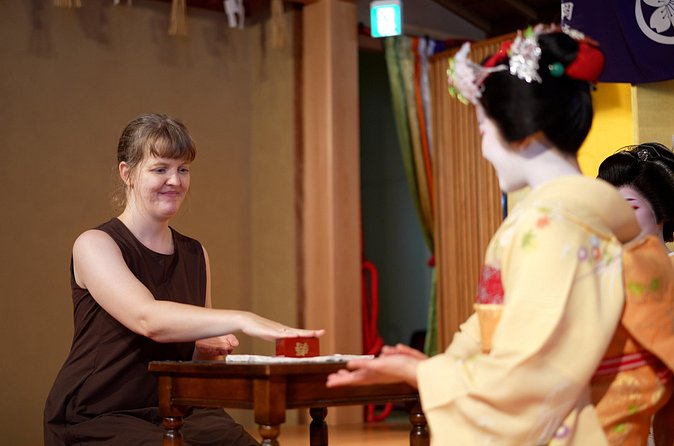
At $150 for around 2 hours, the price looks high on the surface, but you’re paying for several things at once:
- Live, on-stage maiko dance with live shamisen
- Kaiseki dinner
- A structured ozashiki program with conversation and games
- A two-shot photo
- Unlimited drinks for 2 hours
- A Kyoto-certified interpreter guide
- A small-capacity setting (maximum 20)
Here’s the way to think about value. Most “Maiko shows” compete on spectacle volume and fast turnover. You get one or two highlights and then you leave. This program pays for slower pacing and closer access. That usually means you remember more than just the dance. You remember the questions you asked, the etiquette details you learned, and the games you played.
Also, the group size matters for comfort. With a max of 20, you’re more likely to stay in a calm, respectful atmosphere, which fits the cultural setting. If you hate cramped crowds and constant noise, this structure is a better match.
One practical note: this experience requires a minimum of two participants. If you’re traveling solo, you’ll likely need another person in your booking party to make it happen.
Getting the most out of your night (and avoiding common mistakes)
This evening runs like a mini performance schedule. To help you enjoy it, think ahead on a few basics.
First, footwear. Because there is photo time on the Noh stage and you need socks or tabi, bring what’s required and keep it easy to change if needed. Avoid showing up in shoes that make the transition annoying.
Second, timing. Doors open at 17:50, with the group gathering at 18:00. If you’re late, you risk throwing off your own flow before the performance even starts. Aim to be there early enough to relax in that 1st-floor café space.
Third, drink pacing. Since drinks are unlimited for 2 hours, it’s tempting to go big. Try to sip, not swing. You’ll want your energy for the Q&A and games.
Finally, prepare your questions. Even if the interpreter helps, you’ll get more out of the conversation if you already know what you want to understand. Pick a few topics about etiquette and costume details, then let the conversation guide the rest.
Who this Kyoto dinner experience fits best
This is a strong fit if you:
- Want a small, respectful, up-close look at Kyoto culture
- Like learning through conversation, not just watching
- Appreciate kaiseki and want it paired with a cultural evening
- Enjoy live music and stage performance that feels tied to tradition
It may not be ideal if you:
- Want a purely casual, flexible night with no rules
- Get anxious with formal etiquette settings
- Prefer large public shows where you can come and go freely
If you are the type of traveler who reads instructions carefully and likes meaning behind details, you’ll probably love this structure.
Should you book this Maiko experience at the Noh stage?
Book it if you want an evening that feels like Kyoto culture in motion, with live shamisen, a maiko dance performance on a real stage, and a dinner you actually eat slowly. The value is strongest when you care about etiquette, conversation, and not just photos.
Skip it if you mainly want a quick, loud attraction with minimal structure. This is not that. This is a crafted night where the rules exist for a reason, and where the best parts are the interaction and the pacing.
If your budget allows and you’re in Kyoto around the available date, I think this is one of the more thoughtful ways to experience a maiko evening without turning it into a checklist.
FAQ
What is the duration of the Maiko experience at the Noh stage?
The experience lasts about 2 hours.
Where does the tour take place?
It takes place in Kyoto at 606-8344, Sakyo Ward, Okazaki Enshōjichō, 91-65, 岡崎庵. The activity ends back at the meeting point.
What time does the experience start?
The start time is 6:00 pm. Doors open at 5:50 pm.
What is included in the price?
Meals (kaiseki dinner) and free drinks are included, along with the maiko’s elegant dance, a two-shot photo, conversation time with the maiko, and ozashiki games.
Is there photo time during the program?
Yes. There is free photo time on the Noh stage. Socks or tabi are required, and eating or drinking is not allowed during that photo time.
How many people are in the group?
The maximum group size is 20 travelers.
Do I need to have transportation to the venue?
Private transportation is not included. You’ll need to arrange getting to the venue yourself.
Can I participate if I am not traveling with someone else?
The experience is available with a minimum of two participants.
What is the cancellation policy?
Free cancellation is available up to 24 hours in advance for a full refund. Within 24 hours, refunds are not offered.
Evenings in the Old Quarters

Newest Kyoto write-ups from the Loving Japan desk
Gion, Geisha and Maiko Experiences, side by side.
 ★ 4.7Kyoto Geisha Walking Tour: Gion District & Hidden GemsFrom $253,273 reviews
 ★ 4.9Gion Magical Night Walking Tour with Geisha TriviaFrom $242,393 reviews
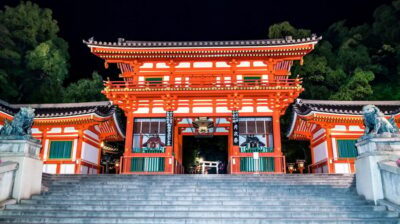 ★ 4.7Gion Geisha District Walking Tour – Stories of GeishaFrom $202,187 reviews
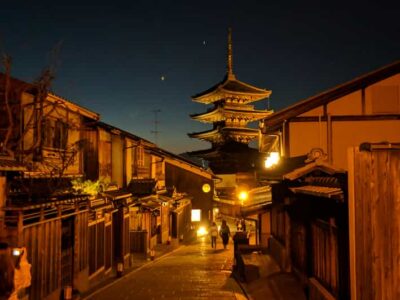 ★ 4.9Best of Kyoto: Gion, Geisha, Pagodas & CobblestonesFrom $242,058 reviews
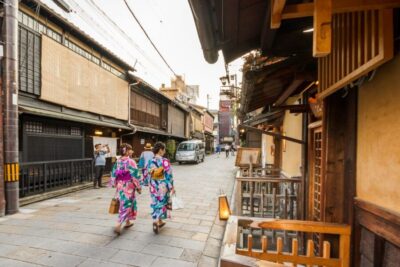 ★ 4.5Night Walk in Gion: Kyoto’s Geisha DistrictFrom $212,003 reviews
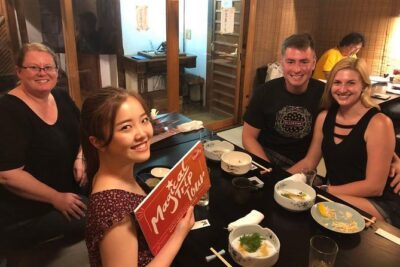 ★ 5.0Kyoto Night Foodie Tour in Gion (9+ dishes + 6 Sake tastings)From $1631,762 reviews
 ★ 5.0Kyoto Gion Geisha District Walking Tour – The Stories of GeishaFrom $251,441 reviews
 ★ 5.0Kyoto Gion: 2-Hour Geisha Culture & History Walking TourFrom $231,186 reviews
Filed on these lists too