
REVIEW · SHIBUYA, SHINJUKU AND HARAJUKU WALKS
Best Sushi Making Class in Tokyo: Sushi Making Class Shibuya
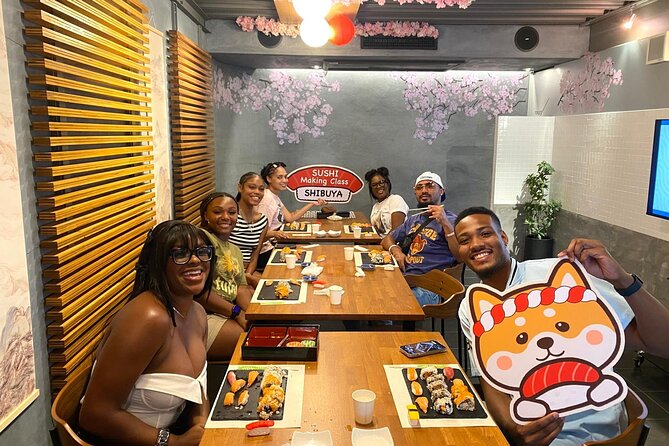
Sushi starts with rice, not fish. A hands-on class in Shibuya turns restaurant mystique into something you can actually do, with short history trivia and the chance to form your own pieces. You work in a small group, so you are not shouting across a room of strangers.
I like how the session mixes technique with real culture, starting with a quick sushi quiz and then moving straight to making. I also love the finish: you eat your creations at the end with the usual table extras like soy sauce, wasabi, and pickled ginger, and the staff are genuinely helpful. In one standout review, Imogen_C praised Kaito for being friendly and supportive, and that matches the vibe you should expect.
One thing to consider is value. A couple of people felt the price was a bit high for what you get to eat, and one comment mentioned the pacing can feel scripted if you crave more lively back-and-forth from the start.
In This Review
- Key highlights you should care about
- Shibuya sushi, done with a small group feel
- Arrival and check-in, with the practical start you want
- The sushi history quiz that sets the tone
- California roll making, where technique becomes muscle memory
- Nigiri shaping, the part that feels most like sushi tradition
- Your meal at the end, with standard toppings that make it feel real
- Dietary needs: vegan, vegetarian, and halal options on request
- Price and value in plain terms
- What the 90 minutes feels like, step by step
- Who should book, and who might want a different style of class
- Should you book Sushi Making Class Shibuya?
- FAQ
- What is the duration of the Sushi Making Class Shibuya?
- What sushi styles will I learn to make?
- Is there a meal included?
- Can the class accommodate vegan, vegetarian, or halal diets?
- How many people are in the class?
- Where do I meet for the activity?
Key highlights you should care about
- Small group limit of 14 for more hands-on attention
- California rolls and nigiri made during the session, not just watched
- History quiz included to add context while you get oriented
- Eat at the end so you do not go hungry waiting for sushi
- Vegan, vegetarian, and halal options on request to fit more diets
- Staff guidance throughout so beginners can shape rice and toppings with less stress
Other routes through the west side of Tokyo, compared
- Tokyo: Shinjuku Food Tour (13 Dishes at 4 Local Eateries)
★ 5.0 · 6,603 reviews - Tokyo Bar Hopping Tour in Shinjuku (All-You-Can-Drink + Dinner)
★ 5.0 · 3,587 reviews - Official Street Go-Kart in Shibuya
★ 5.0 · 3,435 reviews - Tokyo: Shinjuku Food Tour (15 Dishes and 4 Eateries)
★ 4.9 · 2,033 reviews
Shibuya sushi, done with a small group feel
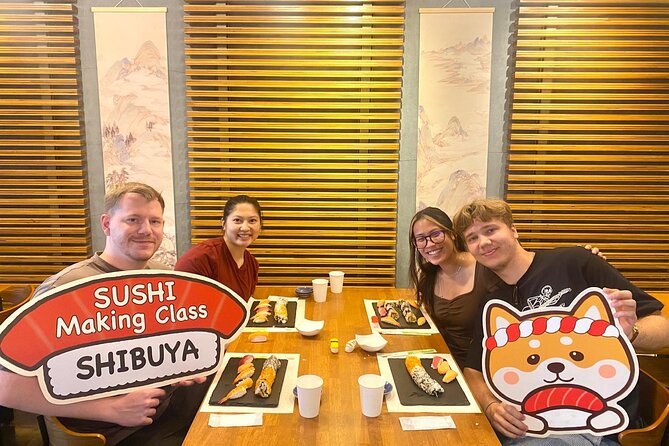
Tokyo is full of great food classes, but this one has a simple advantage: you learn in a room sized for actual coaching. With a maximum of 14 people, the instructor and staff can check your progress without turning the experience into a demo where you mostly watch. If you are traveling with kids, going as a couple, or just want a calmer start to your trip, that small scale matters.
It also helps that the class is in Shibuya, a neighborhood where you can easily keep the rest of your day flexible. You can pair this with shopping or an evening meal after, without planning around a far-flung pickup or complicated transfers. Private transportation is not included, so you will be arriving on your own using public transit, which is totally normal in Tokyo.
Timing is also straightforward. You are there about 1 hour 30 minutes. That is long enough to learn more than one style, but short enough that it does not eat your whole day.
Arrival and check-in, with the practical start you want
When you arrive, the staff confirm your reservation and then guide you through the basic setup. The first step is a quick wash-your-hands moment. It sounds basic, but it is a good sign: this class takes food handling seriously, not just the fun part of rolling and tasting.
You’ll also get oriented to the flow of the session. That matters because sushi has a few small steps that feel easy until you are standing there with rice and nori. The staff guidance during the class is one of the repeated strengths, and you can see why. If you have never made sushi before, the biggest mistake is thinking it is all about adding fish. Most of the work is getting the rice right and shaping with confidence.
The class uses a mobile ticket, so have that ready on your phone. You do not want to lose time at the check-in stage because you are digging through notifications. (You also should not be surprised to need to show your ticket, since this is how many Tokyo activities operate.)
The sushi history quiz that sets the tone
Before you touch anything edible, you get a warm-up: a short quiz about the history of sushi plus surprising facts. It is interactive, and the point is not to turn it into a classroom. It is to get everyone talking, help you understand what sushi is, and give meaning to what comes next.
Why I think this part is useful: when you know a little about why sushi looks the way it does, you pay attention differently to the steps. Even a quick context boost makes the class feel less like a gimmick and more like learning a craft.
Also, it helps group energy. If you are coming from jet lag or just want something light before food prep, a quiz is a low-pressure way to start. And it is one of those moments where you can relax, because the work is coming soon.
Cook it yourself instead. Other kitchens in Tokyo
- Sushi Making Tokyo Roll and Authentic Japanese Sushi Class★ 5.0 · 3,971 reviews
- Tokyo: Sushi Making Class in a Happi Coat near a Famous Spot★ 4.9 · 1,377 reviews
- Tokyo Sushi Making Class in Tsukiji with Professional Chef★ 5.0 · 1,177 reviews
- Ramen & Gyoza Cooking Class in Tokyo with Local Supermarket Visit★ 5.0 · 823 reviews
- Tsukiji Fish Market Guided Tour and Sushi Making with Pro Chef★ 5.0 · 775 reviews
California roll making, where technique becomes muscle memory
The first real production step is making California rolls. This is a modern style that many people recognize, and that is why it is a smart first choice for a class. You are learning a foundation style that translates well into at-home practice.
Even without getting overly technical, you should expect to:
- Learn the basic assembly order
- Shape the roll with care so it holds together
- Get a feel for balancing toppings and rice
The staff will demonstrate first, then you follow along with hands-on help. That is where the small group setup pays off. If your roll is a little uneven, you are not stuck guessing what went wrong. Someone can point out the fix while you are still in the learning stage.
One practical benefit of starting with California rolls is that you can understand the difference between spreading rice evenly versus piling it too thick. That evenness affects texture and bite. You will feel it once you taste your own roll at the end.
Nigiri shaping, the part that feels most like sushi tradition
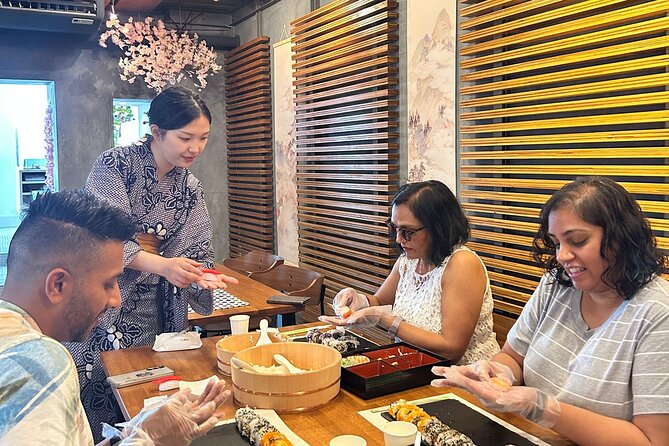
After California rolls, the class moves to traditional nigiri sushi. This is the iconic style where hand-shaped rice gets topped with slices of fish or other toppings. The key word here is shaping.
Nigiri is where beginners often get a bit nervous, because it looks delicate and precise. The good news is that the staff demonstrate the technique and then help you shape your own pieces. You are not expected to become a sushi chef in 90 minutes. You are learning the basic form and the logic behind it.
What you should pay attention to during nigiri:
- Rice handling, since it is the structure
- How much topping you use so the bite feels balanced
- How to build shape without overthinking it
I also like that this portion keeps the experience grounded in real sushi culture. A class that only teaches rolls can end up feeling like you learned a trendy recipe. Nigiri gives you a glimpse of a different skill set, even if you are just getting the basics.
Your meal at the end, with standard toppings that make it feel real
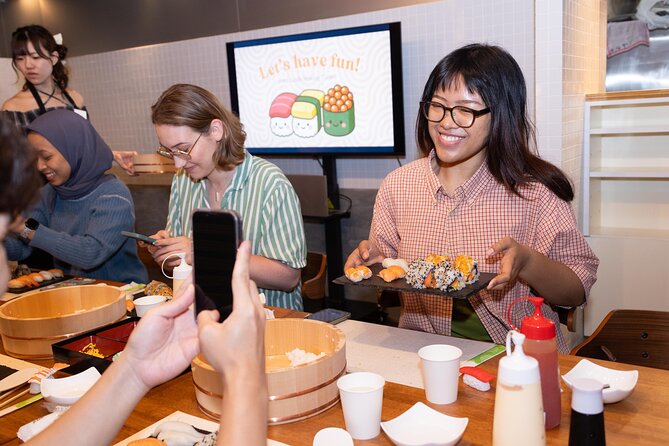
You do not leave hungry. The class is designed so you eat your sushi at the end, after you finish making. That is a big deal. Some classes put you in a prep cycle and only feed you later, which makes the whole thing drag. Here, the reward comes right when the work ends.
Your meal includes:
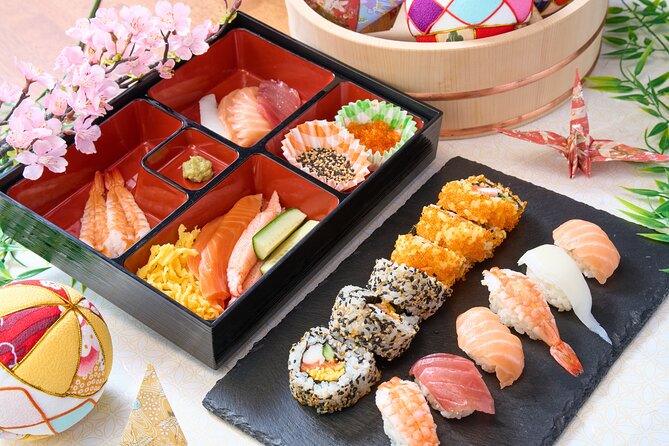
- The sushi you make during the session
- Soy sauce, wasabi, and pickled ginger for the full experience
This is how you get the real learning payoff: taste what you made and connect it to what you were taught. If something tastes off, you remember what your hands did earlier, and that helps you improve if you try again at home.
A couple of people noted that the sushi portion might not justify the price, especially if you came expecting a big meal. That is fair to consider. You are paying for instruction and hands-on time more than for a feast. Still, the included meal matters, because it is part of the value you cannot compare to a grocery store buying session.
Dietary needs: vegan, vegetarian, and halal options on request
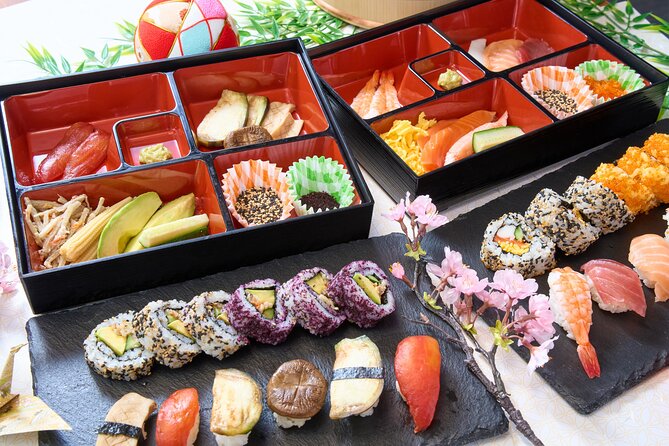
If you have dietary restrictions, this class is flexible. Vegan, vegetarian, and halal options are available if you request them. That is huge in Tokyo, where many food experiences are built around typical ingredients without much customization.
A tip: when you book, make your request clearly. Do not just say vegan in general terms. Make sure you communicate what you avoid so the staff can plan the toppings appropriately. Since the sushi styles you make include both rolls and nigiri, the kitchen needs time to adjust components.
If you are traveling with a group where everyone eats differently, this is one of the better formats because it does not turn dietary needs into a separate plan. It can still be a shared activity, and that is the goal.
Price and value in plain terms
At $31.63 per person, you are not buying a low-cost cooking demo. You are paying for:
- A hands-on lesson
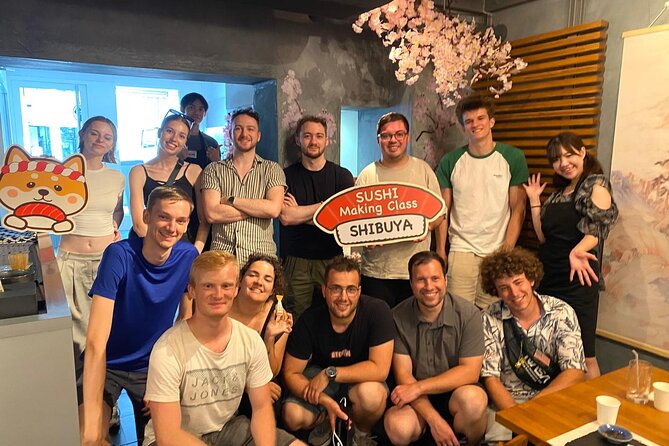
- Small group size (up to 14)
- Staff support during California rolls and nigiri
- A quiz and cultural context
- A meal that includes what you make
So what do you get for that price? You get time with an instructor, not just food. If sushi is something you want to learn beyond ordering at a restaurant, that instruction is the core value.
Where the pricing concern shows up is portion size and pacing. One person said it felt a bit pricey for the quantity. Another mentioned a late start and that parts of the session felt scripted or video-driven, which can reduce the sense of connection for people who love a more spontaneous host.
My take: if your priority is learning how sushi is assembled and shaped, the price can feel fair. If your priority is eating a lot of sushi for the money, you might leave wanting more food than instruction. Decide based on what you want from the experience.
What the 90 minutes feels like, step by step
Here is the practical rhythm you can expect, in human terms:
1) You arrive and get checked in.
2) You wash your hands and get ready.
3) You start with a short sushi quiz on history and facts.
4) You learn California roll steps, then make your own.
5) You move to nigiri and shape pieces with guidance.
6) You sit down and eat everything you made, using soy sauce, wasabi, and pickled ginger.
The structure is helpful if you like clarity. It is also why the scripted feedback exists. If you prefer a more conversational flow from the second you walk in, you might notice the pacing more than others.
But the hands-on portion is the part that matters most for skill building, and that is where the staff attention usually makes the biggest difference.
Who should book, and who might want a different style of class
This sushi class is a great fit if:
- You are a beginner and want guided instruction for both rolls and nigiri
- You want a food activity that ends with eating what you made
- You like small groups and more staff attention
- You need vegan, vegetarian, or halal options on request
- You want a fun first-day activity in Tokyo that is not too long
It may be less ideal if:
- You mainly want a large meal and do not care about learning technique
- You expect a very free-flowing, chatty vibe from the start
- You are sensitive to late starts, since pacing feedback exists in the conversation
The best decision is to match your expectations. This is a craft lesson first, meal second. The meal is included, but the instruction is the real product.
Should you book Sushi Making Class Shibuya?
If you want to learn sushi as a skill, not just as a restaurant order, I think you should book. The small group limit, the hands-on build of both California rolls and nigiri, and the fact that you eat your own work make it a complete experience, even within a short 1 hour 30 minute window.
I’d especially recommend it if you are traveling with family or someone who likes interactive activities. A well-run sushi class feels like a “we did it” memory, and the strong staff support, including praise for Kaito, is the kind of detail that usually separates a great session from an average one.
Just be honest with yourself about value. You are not here to eat your way through Tokyo. You are here to learn, shape, and taste. If that is your goal, this class lands in the right place.
FAQ
What is the duration of the Sushi Making Class Shibuya?
The class lasts about 1 hour 30 minutes.
What sushi styles will I learn to make?
You will make California rolls and traditional nigiri sushi.
Is there a meal included?
Yes. You will eat your sushi at the end of the class, and meals are included.
Can the class accommodate vegan, vegetarian, or halal diets?
Yes. Vegan, vegetarian, and halal options are available on request.
How many people are in the class?
The experience has a maximum of 14 travelers.
Where do I meet for the activity?
The start point is in Shibuya, Nanpeidaichō, at Japan, 150-0036 Tokyo, Shibuya, Nanpeidaichō, 25 A-bandsビル. The activity ends back at the meeting point.
Kitchens You Can Book Into


West Tokyo on Foot: Seven More


Newest Tokyo write-ups from the Loving Japan desk



Shibuya, Shinjuku and Harajuku Walks, side by side.
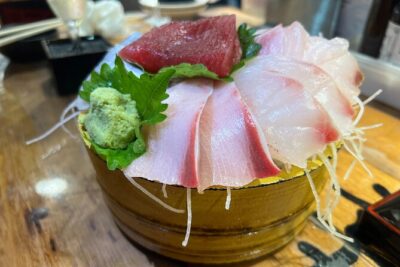 ★ 5.0Shinjuku Food Tour (13 Dishes at 4 Local Eateries)From $866,603 reviews
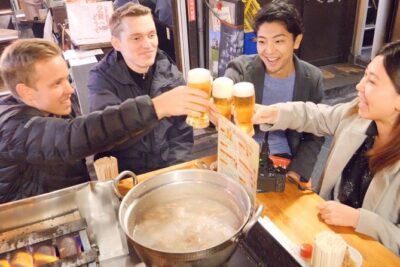 ★ 5.0Tokyo Bar Hopping Tour in Shinjuku (All-You-Can-Drink + Dinner)From $1063,587 reviews
 ★ 5.0Official Street Go-Kart in ShibuyaFrom $763,435 reviews
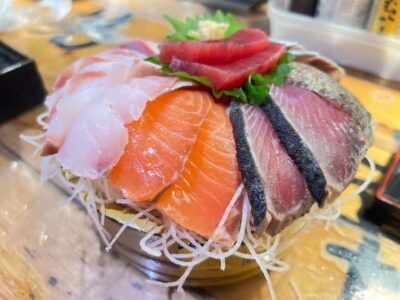 ★ 4.9Shinjuku Food Tour (15 Dishes and 4 Eateries)From $852,033 reviews
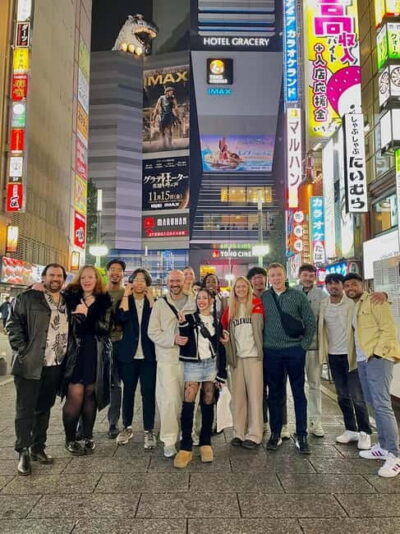 ★ 4.9Shinjuku Local Bar and Izakaya Guided Walking TourFrom $341,794 reviews
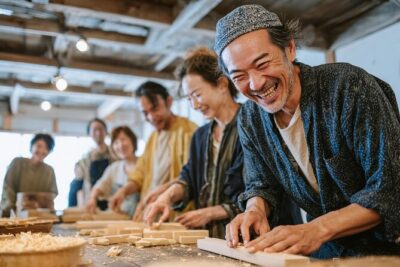 ★ 5.0Tokyo Shinjuku Chopsticks Making ClassFrom $201,763 reviews
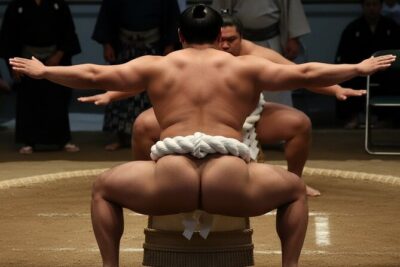 ★ 5.0Tokyo Shinjuku Sumo Show & Experience with PhotoFrom $791,750 reviews
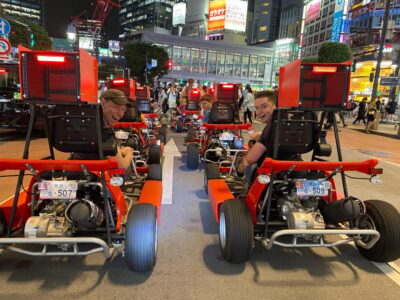 ★ 4.9Street Kart Experience in ShibuyaFrom $741,484 reviews