
REVIEW · ASAKUSA, SENSO-JI AND TOKYO SKYTREE
Calligraphy on T-shirt or lantern near Skytree Tokyo
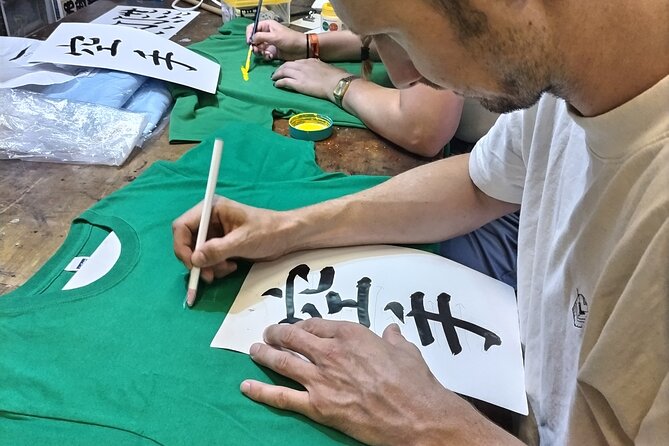
Kanji on clothing beats souvenir shopping. In this one-hour Tokyo workshop, you paint your own chosen character on a T-shirt or lantern, with green tea and sweets keeping things relaxed while your ink sets. I especially like how you get personal guidance in real time, and I like that the finished piece is something you can actually wear or hang.
One thing to plan for: the session can feel more like a fun, guided crafting activity than a strict calligraphy technique class. If you’re chasing hardcore brushwork training, you may find the instruction style more hands-on and example-based than lecture heavy.
In This Review
- Key things to know before you go
- One-hour kanji keepsake: what you’re really making
- Picking your kanji, shirt base, and ink color like a pro
- Sketching with chalk pencil: the step that saves your result
- Painting on fabric or a lantern: what the ink process feels like
- The “instruction” style, and how to judge if it fits you
- Snacks and tea: why the break is part of the value
- Your instructor’s role: patient guidance that helps you succeed
- Where you meet and how to plan your day near the Skytree area
- Price and value: why $38 for one hour can feel fair
- Who should book this workshop
- Should you book this calligraphy workshop?
- FAQ
- What will I make in this workshop?
- Do I need to bring art supplies?
- How long is the experience?
- Is it private or shared?
- Where do I meet for the workshop?
- Do I choose the kanji character and ink color?
- Can I get help if I am unsure about the kanji?
- What T-shirt colors and sizes are available?
- What food and drinks are included?
- What if I need to cancel?
- Is the ticket delivered digitally?
Key things to know before you go
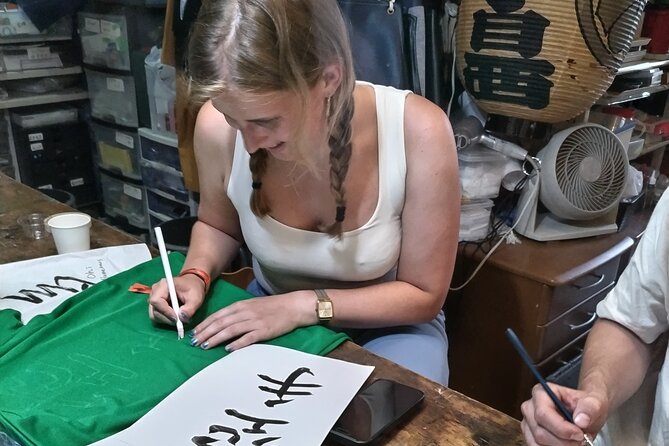
- Private coaching from your instructor, tuned to your pace and your group size
- Choose your kanji and ink color from what the studio offers, plus guidance if you want a sample first
- T-shirt or lantern outcome, with everything you need supplied and a finished souvenir you’ll be proud to take home
- Green tea and Japanese sweets during the workshop, so it feels like culture plus hands-on fun
- Good for different skill levels, including kids and first-timers, because the process is structured and supportive
- Set expectations on technique, since this is designed around making a great keepsake in about an hour
Still on the Sumida side? A few more Asakusa options
- Tokyo: Japanese Dance Cabaret Theater Asakusa-Kaguwa Ticket
★ 4.8 · 2,270 reviews - Tokyo: Meiji Shrine, Asakusa, Skytree Bus Tour and Cruise
★ 4.7 · 1,986 reviews - Tokyo: Roll and Authentic Sushi Making Class in Asakusa
★ 4.9 · 1,957 reviews - Tokyo: Asakusa Walking Tour with Sensoji Temple Visit
★ 4.8 · 1,583 reviews
One-hour kanji keepsake: what you’re really making
This workshop is built around a simple idea: you pick a kanji character, you sketch it lightly, and then you paint it with ink so you end up with a souvenir that looks like it came from you, not from a factory rack.
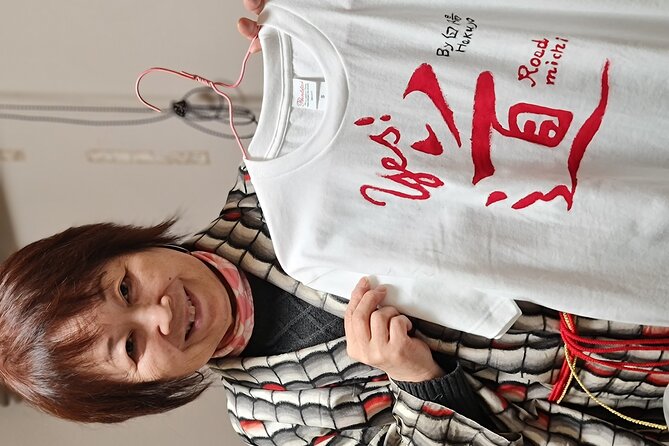
You can choose to work on a T-shirt (black or white) or a lantern. That matters because each surface changes the feel of the ink and the final look. A shirt is wearable Tokyo street art. A lantern gives you something more decorative for your room, and it can also work as a conversation piece when you have friends over.
The real win for most people is the time. At around one hour, you get enough instruction to succeed, but you’re not trapped in a half-day art class either. You’ll likely leave feeling like you learned something practical about Japanese characters, not just that you followed a craft step-by-step.
Picking your kanji, shirt base, and ink color like a pro
Before paint touches fabric or paper, you make a few key choices. First, you select a T-shirt in either black or white (sizes include Women’s M and L and Men’s XXXL, according to what the studio provides). Then you choose your kanji from a menu, and you select an ink color.
This is where you can make the final result look extra intentional. If you choose a black shirt, you may want to lean toward brighter colors. One helpful tip that comes up in the experience is that gold paint can really pop on black. Even if you don’t use gold, thinking about contrast helps you avoid a design that looks muted once it dries.
You also get a chance to see guidance before you commit. The instructor can draw a sample of your selected kanji in front of you if you request it. And you can take that sample home, which is a nice bonus if you want to keep practicing later or show someone how you learned.
Sketching with chalk pencil: the step that saves your result
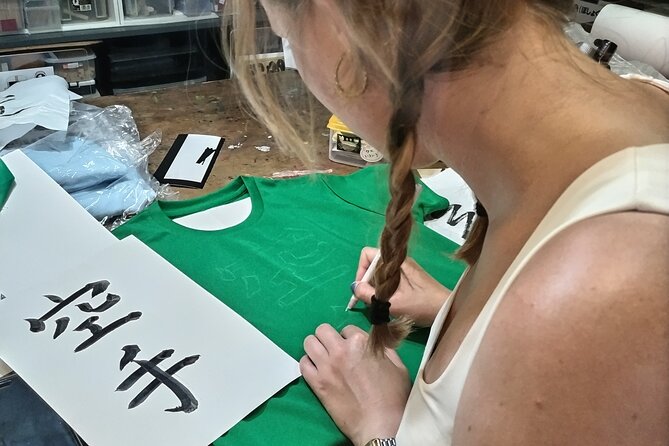
Here’s the workflow that keeps the workshop friendly for beginners. You start by sketching the kanji with a soft chalk pencil. This is a quiet, practical stage where you get your layout right before ink ever shows up.
The chalk sketch is not the final artwork, so don’t panic if it’s not perfect. Think of it as your map. Once the instructor gives you personalized tips, you move forward with a lot more confidence because you’re painting over a plan you can follow.
This is also the part where private attention matters. In a classroom setting, beginners can get lost. Here, you get enough time for the instructor to point out what to adjust, like balance and proportion, so your kanji looks more like it belongs in Japanese calligraphy than it looks like a copied word.
Make something to take home. Other workshops
- Tokyo Shinjuku Chopsticks Making Class★ 5.0 · 1,763 reviews
- Chopstick Making Workshop in Ginza★ 4.8 · 1,366 reviews
- Tokyo Sumo Experience: Chanko & Mochi with a Former Pro★ 4.8 · 567 reviews
- Kintsugi Experience: Art of Golden Joinery in Tokyo★ 5.0 · 467 reviews
- Tokyo Chopstick Making Workshop with Artisan★ 5.0 · 466 reviews
Painting on fabric or a lantern: what the ink process feels like
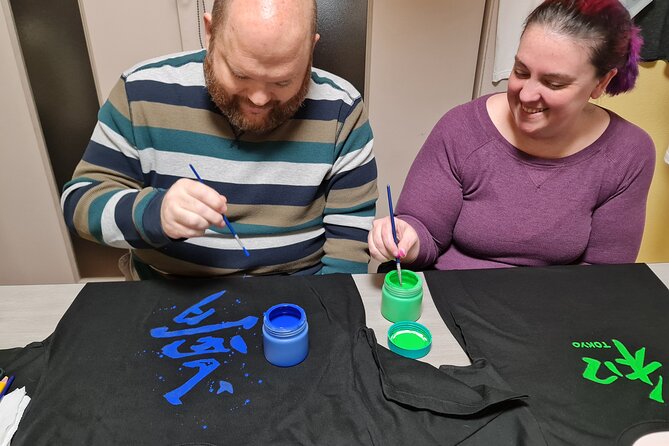
After you’re happy with your chalk sketch, you paint the kanji using the ink color you selected. The goal is not speed. It’s clean, readable strokes.
Once you finish painting, the process includes gently removing excess ink with absorbent sheets. That small step is worth paying attention to, because it helps your final piece look crisp instead of messy. Then your item is ready for the next step: either you wear your custom shirt or you take it home neatly folded in a plastic bag.
If you’re working on a lantern, the procedure follows the same general idea: sketch, paint, tidy up, and take your handcrafted souvenir home. The main difference you might notice is how the surface handles the ink and how the kanji reads from a distance.
The “instruction” style, and how to judge if it fits you
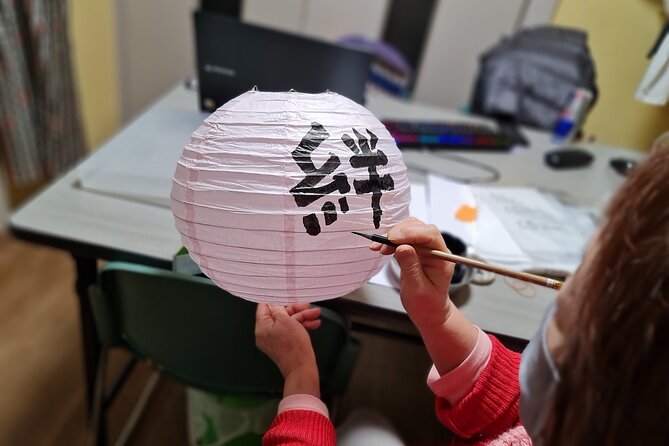
This workshop is great for people who want a satisfying result quickly, with support along the way. Many people leave thrilled because the host and instructor are patient and encouraging, and the pacing makes it easy to participate even if your handwriting skills are not your strength.
That said, it’s smart to calibrate your expectations. One participant noted that they wanted more focus on technique and found the activity to be more tracing-like than instructional. Another person still loved the experience because the guidance was kind and the outcome was beautiful.
So here’s how to decide if it’s your kind of class. If you want a structured, friendly way to make a wearable or displayable souvenir, you’ll probably love it. If you want a serious, class-style lesson on calligraphy fundamentals with deep technique drills, you may feel slightly under-satisfied.
A good middle path is this: treat the session as your starter lesson. You’ll learn enough to understand strokes, spacing, and the general rhythm of writing a kanji. Then you can choose to practice more on your own later if you enjoy it.
Snacks and tea: why the break is part of the value
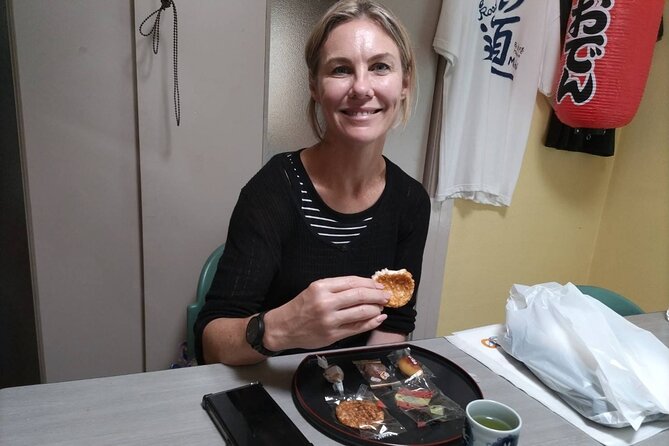
Japanese sweets and green tea are built into the workshop, not just served as an afterthought. The timing is often practical: you work, then you snack while your piece finishes up. That makes the hour feel comfortable instead of rushed.
This matters if you’re doing the class during a busy sightseeing day. You get a real break without switching to a loud, complicated restaurant plan. You also get to slow down and talk with your instructor. Several participants mention how fun conversation made the session feel like a genuine cultural moment, not just a transaction.
Even if you’re not a big snack person, the tea break helps you see the workshop as a hosted experience. You’re sitting with someone who cares about your outcome, and that warmth comes through.
Your instructor’s role: patient guidance that helps you succeed
Your instructor plays a big part in why this class rates so highly. The tone is friendly and patient, and that can change everything for first-timers.
The workshop approach includes real guidance, including optional samples and personalized tips. If you ask for extra help, you can get it. You’re not expected to magically know kanji balance on your first try.
You’ll also hear explanations in a way that makes sense for the moment. For example, one participant highlighted learning about balance in calligraphy. That’s exactly the kind of feedback that makes your finished kanji look correct, not just filled in.
In the studio, there may be more than one host or helper on certain days. One class experience names both Yoko and Marian as part of what made the visit feel welcoming and smooth.
Where you meet and how to plan your day near the Skytree area
The meeting point is Calligraphy at Edo Hakuyo, 130-0002 Tokyo, Sumida City, Narihira, 2-chōme 19-4, 203. Your activity ends back at the same meeting point, so you’re not stitched into a long walking tour.
It’s near public transportation, which is a practical plus in Tokyo where train transfers can eat time. If you’re basing your day around the Skytree area, this fits nicely as a short, indoor cultural break between sightseeing.
Because sessions are offered in morning, afternoon, or early evening, you can time it around crowds and weather. On rainy days, an art workshop like this can feel like a sanity saver.
A practical tip: since this experience is often booked in advance, don’t wait until the last moment. Many people secure spots about a month ahead, and early evening sessions can fill up faster.
Price and value: why $38 for one hour can feel fair
At $38 per person for about one hour, this is priced like a hands-on cultural workshop, not a bargain craft table. The value comes from what’s included and from how personal it feels.
You’re paying for:
- materials and supplies provided
- a guided process to help you finish your kanji cleanly
- green tea and Japanese sweets
- a take-home souvenir that you made yourself, not just watched someone make
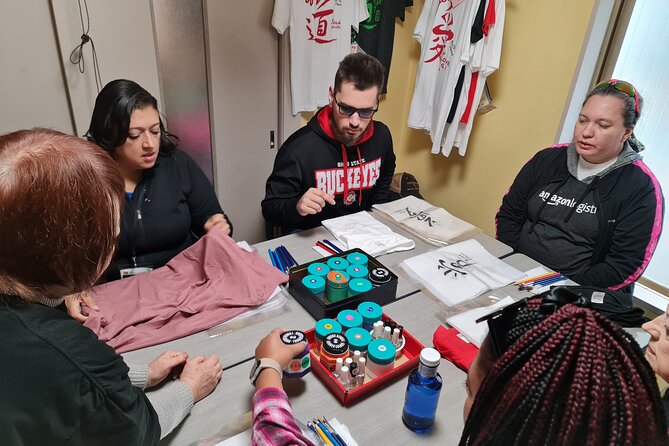
Also, the workshop is private for your group. Even though your session may fit up to 15 people with advance notice, it is still set up so your group participates together with the instructor’s attention.
Compared to buying a ready-made T-shirt or lantern, this costs more, but you’re also buying the learning and the experience. You leave with an object tied to a character you chose, plus a story you can tell later. That’s what makes it feel worth it.
Who should book this workshop
This experience suits you if you want:
- an easy-tojoin cultural activity in Tokyo that doesn’t require experience
- a wearable or decorative souvenir you made in person
- a break that is structured, friendly, and about one hour long
- a chance to interact with a teacher in a calm setting
It can also be a strong choice for families. The tone described in the experience is supportive for kids, and the hour is short enough that younger participants usually can stay engaged.
If you’re traveling with a group, the private setup makes it less awkward than some public classes. Everyone can pick a kanji and ink color and still get the guidance needed to finish.
Should you book this calligraphy workshop?
I’d book it if you want a hands-on souvenir in Tokyo that feels genuinely warm, with green tea and sweets and a real instructor helping you make your kanji look balanced. It’s also a smart pick if you are near the Skytree area and want something different from temples, trains, and shopping malls.
I would hesitate only if you’re expecting a serious, technique-heavy calligraphy boot camp. This is more about producing a satisfying piece in a short time with supportive coaching than about long-form brushwork instruction.
If that sounds like your kind of day, go for it. It’s the kind of experience that turns a simple character choice into a memory you can hold, literally, on fabric or in the shape of a lantern.
FAQ
What will I make in this workshop?
You can paint a chosen kanji on a T-shirt or on a lantern. You choose from the studio’s options and will take home your handcrafted item.
Do I need to bring art supplies?
No. All necessary art and craft supplies are provided.
How long is the experience?
Each session lasts about one hour.
Is it private or shared?
It is a private tour or activity. Only your group participates.
Where do I meet for the workshop?
You start at Calligraphy at Edo Hakuyo, 130-0002 Tokyo, Sumida City, Narihira, 2-chōme 19-4, 203. The activity ends back at the meeting point.
Do I choose the kanji character and ink color?
Yes. You select a kanji character from the menu and pick your ink color.
Can I get help if I am unsure about the kanji?
Yes. You can request the instructor draws a sample of your selected kanji in front of you for guidance.
What T-shirt colors and sizes are available?
T-shirts are available in black or white. Sizes include Women’s M and L and Men’s XXXL.
What food and drinks are included?
The workshop includes Japanese sweets and green tea.
What if I need to cancel?
You can cancel for a full refund up to 24 hours before the experience’s start time. If you cancel within 24 hours of the start time, the amount paid will not be refunded.
Is the ticket delivered digitally?
Yes. The experience uses a mobile ticket. Confirmation is received at booking time.
Made by Hand, and Yours to Keep

Asakusa and the Skytree, Keep Going

Newest Tokyo write-ups from the Loving Japan desk

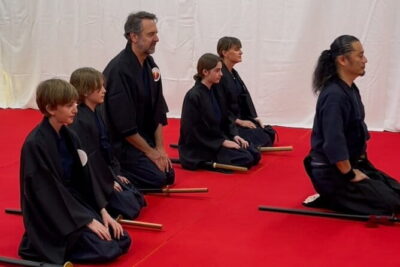

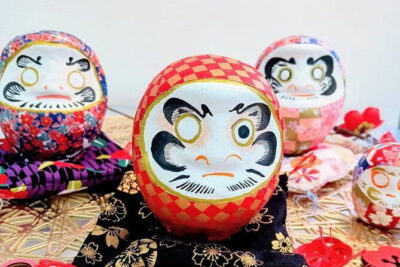

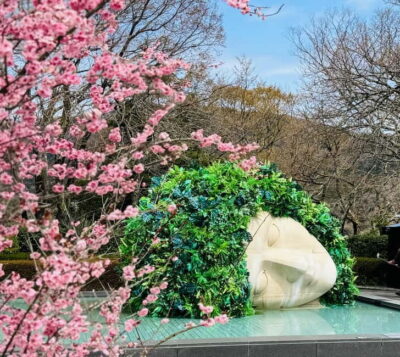
Asakusa, Senso-ji and Tokyo Skytree, side by side.
 ★ 4.5TOKYO SKYTREE® Admission ticketFrom $1311,192 reviews
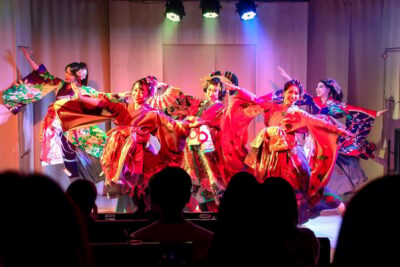 ★ 4.8Japanese Dance Cabaret Theater Asakusa-Kaguwa TicketFrom $492,270 reviews
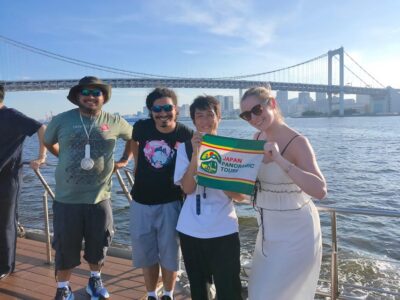 ★ 4.7Meiji Shrine, Asakusa, Skytree Bus Tour and CruiseFrom $1221,986 reviews
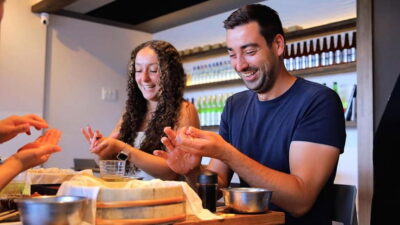 ★ 4.9Roll and Authentic Sushi Making Class in AsakusaFrom $581,957 reviews
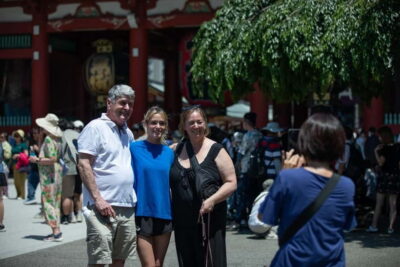 ★ 4.8Asakusa Walking Tour with Sensoji Temple VisitFrom $221,583 reviews
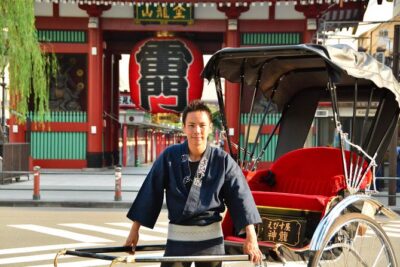 ★ 5.0Tokyo Asakusa Rickshaw TourFrom $421,375 reviews
 ★ 4.5Tokyo Panoramic 1 Day: Meiji Shrine, Asakusa, Odaiba and SKYTREE®From $851,222 reviews
 ★ 5.0Tokyo Go Kart: Asakusa, Skytree, and Akihabara **IDP MUST**From $99988 reviews
Filed on these lists too