
REVIEW · RAMEN AND NOODLE TOURS
Exclusive Ramen Kitchen Experience
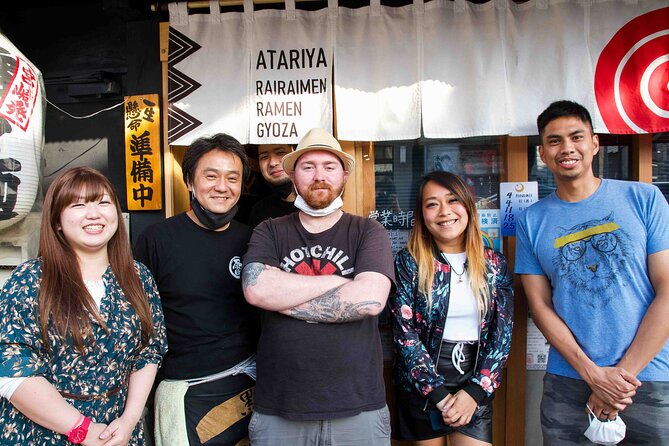
Ramen skills, right from the source. This exclusive Tokyo experience gives you a rare behind-the-scenes look inside an award-winning ramen kitchen, then turns you loose on noodle technique like a real chef. You learn temomi and tebo, prep ingredients, pick toppings, and eat the bowl you make.
Two things I really like here are the hands-on noodle work and the fact that it happens in a working shop, not a demo setup. The process is streamlined so you can focus on the key skills instead of standing around for hours.
One consideration before you book: the ramen includes chicken, pork, and fish, so it may not work for everyone’s diet.
In This Review
- Key highlights to know before you go
- Why an award-winning Tokyo ramen kitchen is the real classroom
- The hour-long flow: from noodle technique to your first slurp
- Where the experience starts: Nezu meeting point and the Nakameguro Koukashita stop
- What you actually learn in a real ramen shop
- Temomi and tebo: the two noodle skills that change your bowl
- Your bowl is built for eating, not for a long cooking day
- Small group size and multiple guides: how to get more than a meal
- Price and timing: is $78.38 worth it?
- Who should book this exclusive ramen kitchen session
- A practical game plan for your day
- Should you book it, or skip?
- FAQ
- How long is the ramen kitchen experience in Tokyo?
- What is the group size?
- Where do I meet for the tour?
- What happens during the experience?
- Is this a from-scratch cooking class?
- What kind of ramen is served?
- What ticket type is used?
- What is the cancellation policy?
Key highlights to know before you go
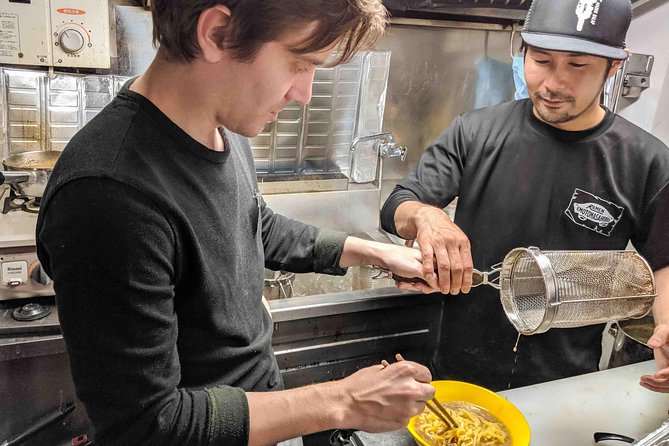
- Exclusive access in a real ramen kitchen where pros actually work
- Temomi noodle massage technique, taught step-by-step
- Teb o shaking technique to get the noodles just right
- Ingredient prep and topping choices so you build your own bowl
- Small group size (max 6 travelers) for better attention and questions
A bowl somewhere else in Tokyo
- Eat and Drink Like a Local: Tokyo Ueno Food Tour-Taverns&Ramen
★ 5.0 · 957 reviews - Ramen & Gyoza Cooking Class in Tokyo with Local Supermarket Visit
★ 5.0 · 823 reviews - Tokyo: Ramen Tasting Tour with 6 Mini Bowls of Ramen
★ 4.9 · 432 reviews - Tokyo: Easy Ramen Cooking Experience in Kabukicho, Shinjuku
★ 4.6 · 321 reviews
Why an award-winning Tokyo ramen kitchen is the real classroom
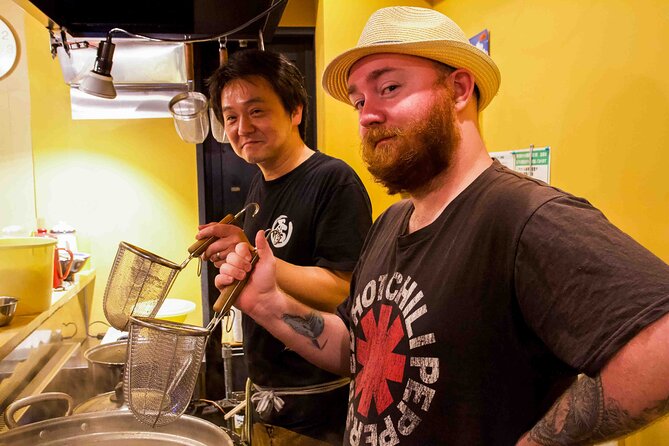
Tokyo ramen can feel like a simple meal until you watch how seriously the best shops treat it. This experience puts you inside that reality. It is not just tasting, it is making, with ramen pros working alongside you in an actual shop environment.
The big value is the exclusivity. You get access that most people never see, which changes the whole vibe. Instead of learning ramen theory in a quiet room, you learn it in the same space where noodles get massaged, water gets shaken off, and toppings get chosen in the way the restaurant expects.
Also, the shop is described as award-winning and one of Tokyo’s best. That matters because the techniques they teach are the techniques they use to consistently deliver great bowls.
The hour-long flow: from noodle technique to your first slurp
Plan for about one hour from start to finish. The experience is designed to fit into a busy day while still giving you a real sense of what ramen production feels like.
The flow is simple on paper and skill-based in practice:
- You learn how ramen is prepped, including ingredient roles and what goes into the bowl.
- You practice temomi by massaging the noodles to shape texture.
- You practice tebo by shaking off water from the noodles.
- You finish by adding your preferred toppings.
- Then you eat the ramen you created.
A key point that helps you set expectations: this is not a full, from-scratch cooking class. It is focused training plus the finished payoff. The broth alone normally takes 10 hours to make, and the experience shortens the waiting so you do not spend your whole day waiting for stock to be ready. You still get the most important parts of ramen craft.
If you’re the type who learns best by doing, this format is exactly that. You can feel the steps in your hands, not just read about them later.
Where the experience starts: Nezu meeting point and the Nakameguro Koukashita stop
You meet at 2-chōme-12-6 Nezu, Bunkyo City, Tokyo 113-0031, Japan. The activity ends back at that same meeting point.
Your key stop during the experience is Nakameguro Koukashita. That’s where the ramen kitchen session happens. Even though the experience is short, it is clearly organized around that in-shop moment, so you are not left guessing what comes next.
Practical tip: since the activity is near public transportation and ends where you start, it is easy to pair with other plans nearby. Just keep your schedule flexible enough that you arrive on time for the 1-hour session.
- Mt Fuji and Hakone 1-Day Bus Tour Return by Bullet Train★ 5.0 · 26,383 reviews
- 1-Day Tokyo Bus Tour★ 5.0 · 14,250 reviews
- Tokyo: teamLab Planets TOKYO Digital Art Museum Entry Ticket★ 4.6 · 9,779 reviews
- Mt Fuji & Hakone Cruise, Drum Show Bullet Train 1 Day from Tokyo★ 4.0 · 7,413 reviews
- Tokyo Mt Fuji 5th St & Hakone Cruise Bus Tour w/Bullet Train★ 4.4 · 5,024 reviews
What you actually learn in a real ramen shop

This is where the experience earns its price. You are not only tasting ramen, you are learning the logic behind it.
You will learn about ramen prep and ingredient purpose, including where ingredients come from. The goal is to help you understand why each part matters, not just how to assemble a bowl. That kind of context sticks with you when you later order ramen in Tokyo and realize different shops aim for different textures, flavors, and balance.
You’ll also get hands-on time with the noodles, which is the part most people never get to do. The session includes multiple guides, so you are not stuck with one person trying to explain everything. It also means you can ask more specific questions when something does not click right away.
One thing I appreciated conceptually: the teaching is about process, not performance. The goal is to help you do the steps correctly and then enjoy the result, not to rush you through for a photo and send you on your way.
Temomi and tebo: the two noodle skills that change your bowl
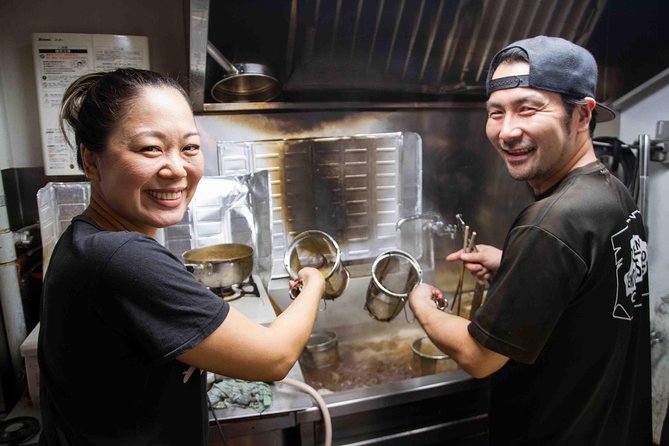
Temomi and tebo sound like fancy Japanese words until you do them. Then they become simple, physical techniques with clear effects.
Temomi is the noodle massage. You learn how to handle and work the noodles in a way that impacts texture. In ramen, texture is not just a detail, it is the whole mouthfeel experience. If you’ve ever eaten ramen that felt springy and perfect, a lot of that comes from how noodles are treated during preparation.
Teb o is the shaking step, removing water from the noodles. This matters because water changes how noodles behave in hot broth. Too much water and your bowl can feel diluted or lose the intended balance. Too little, and the noodles can feel off in texture. Learning the step gives you a practical way to understand why ramen shops are so specific.
If you like learning by repetition, you should enjoy this part. One hour is short, but the experience focuses on these exact movements, so you get real practice instead of just watching.
Your bowl is built for eating, not for a long cooking day
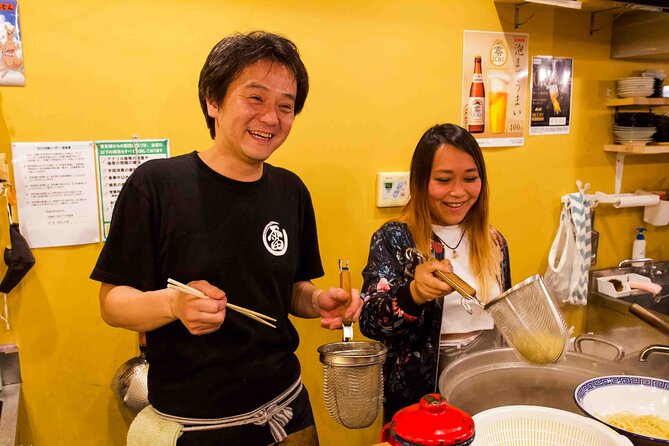
You finish by adding your preferred toppings and then eating your creation. That topping phase is important. Many cooking experiences stop at technique. Here, the meal comes together quickly after the noodle steps, so you get instant feedback.
One more real-world note: you are told up front that the ramen served contains chicken, pork, and fish. That is not a minor footnote. If you eat for cultural, religious, or health reasons, check carefully before you book.
The broth situation is also worth understanding. The experience explains that broth takes 10 hours to make normally, but this class-style training trims the schedule so you do not waste your afternoon waiting. So you are not getting a multi-stage stock lesson, but you are getting the core noodle craft that most people remember and reuse.
That combination makes the experience a strong value. You leave with a finished meal, plus skills you can recognize when you order ramen later.
Small group size and multiple guides: how to get more than a meal
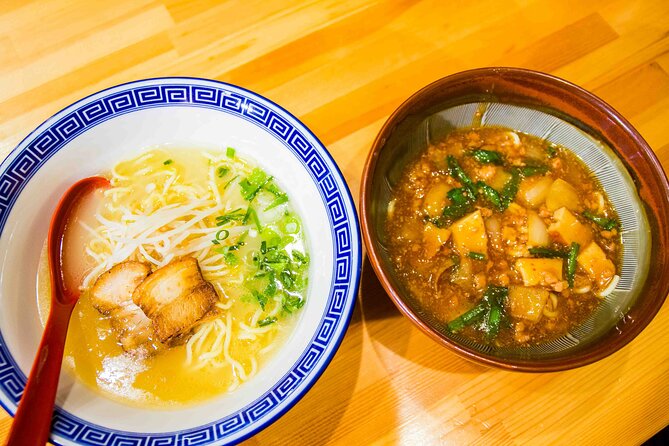
This is limited to a maximum of 6 travelers. That small size is not just a comfort perk. It changes how much attention you get when you practice temomi and tebo. In a bigger class, you can lose time waiting your turn. Here, you can keep moving and stay focused.
The experience also notes multiple guides. That usually means you get clearer instruction and more chances to ask why a step matters. Based on how the chef and guides respond in similar sessions, you should expect direct answers and recipe context, not just a script.
For your best experience, come with a couple questions ready. For example:
- What texture are you aiming for when you do temomi?
- How does the noodle water removal affect the bowl?
- Why do shops emphasize these steps instead of just cooking noodles normally?
You will get more out of the hour if you treat it like a guided workshop instead of a ticket for a quick meal.
Price and timing: is $78.38 worth it?
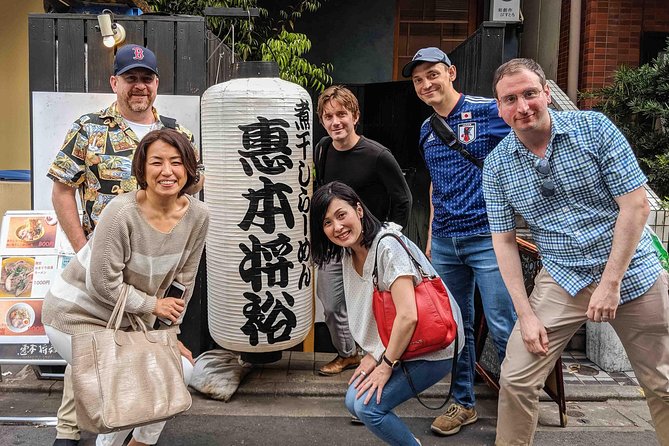
At $78.38 per person for about one hour, the price might look high until you translate what’s included.
You are paying for:
- Exclusive access to an award-winning ramen kitchen (not a public-facing table)
- Hands-on noodle technique practice, temomi and tebo
- Ingredient prep explanation, including ingredient roles and origins
- A complete meal, with toppings you add yourself
- A small-group setting (max 6) and multiple guides
Also, the experience is described as mobile-ticket friendly and confirmation is received at booking, so you can plan without a lot of back-and-forth. One more timing detail: it’s booked on average 16 days in advance, which is usually a sign these sessions fill up.
Is it worth it? If your goal is to understand how good ramen is made, yes. If your goal is a long, hands-on cooking class with everything from scratch, this is not that. But if you want the core ramen mechanics plus a great finished bowl inside a top kitchen, it’s one of those experiences that feels like a shortcut to understanding the craft.
Who should book this exclusive ramen kitchen session
This works best for:
- Ramen lovers who want more than tasting, they want technique
- People who learn by doing and enjoy short, focused activities
- Travelers who like small-group experiences with time for questions
- Anyone interested in Japanese food culture and how restaurant routines shape the final dish
It might be a mismatch if:
- You need vegetarian, vegan, halal, or other strict dietary accommodations, since the ramen includes chicken, pork, and fish
- You’re looking for a full-day cooking class with broth made from scratch
- Your schedule is extremely tight, since you need to be present for the full 1-hour session in the kitchen
A practical game plan for your day
To make the experience feel smooth, treat it like a workshop. Arrive ready to ask questions and ready to handle noodles. Since it’s near public transportation, plan to get there early enough to stay relaxed.
If you’re planning other activities after, give yourself buffer time. It’s a one-hour experience, but you are still eating a filling bowl afterward, so you may not want to rush into another heavy meal or long walking segment immediately.
And go in with the right mindset. You’re not just assembling toppings. You’re learning how ramen shops control texture with noodle massage and water removal.
Should you book it, or skip?
Book it if you want a rare Tokyo ramen experience inside an award-winning kitchen, and you care about learning specific noodle techniques like temomi and tebo. The small group size, multiple guides, and the fact that you eat what you make makes it feel like a real value, not just a quick photo stop.
Skip it only if your diet can’t include chicken, pork, and fish, or if you want a long, from-scratch cooking class. Otherwise, this is exactly the kind of activity that turns ramen from a meal into something you understand.
FAQ
How long is the ramen kitchen experience in Tokyo?
It runs for about 1 hour.
What is the group size?
The experience has a maximum of 6 travelers.
Where do I meet for the tour?
You start at 2-chōme-12-6 Nezu, Bunkyo City, Tokyo 113-0031, Japan, and the activity ends back at the meeting point.
What happens during the experience?
You learn ramen prep, practice temomi (massaging the noodles) and tebo (shaking water from the noodles), add your preferred toppings, and then eat your own ramen bowl.
Is this a from-scratch cooking class?
No. It’s a shortened process. The broth takes about 10 hours normally, but the experience saves waiting time and focuses on the key ramen steps and noodle techniques.
What kind of ramen is served?
The ramen served contains chicken, pork, and fish.
What ticket type is used?
You receive a mobile ticket.
What is the cancellation policy?
Free cancellation is available. You can cancel up to 24 hours in advance for a full refund. If you cancel less than 24 hours before the start time, the amount you paid is not refunded.
One More Bowl



Newest Tokyo write-ups from the Loving Japan desk






Ramen and Noodle Tours, side by side.
 ★ 5.0Ramen Cooking Class at Ramen Factory in KyotoFrom $1311,937 reviews
 ★ 5.0Eat and Drink Like a Local: Tokyo Ueno Food Tour-Taverns&RamenFrom $95957 reviews
 ★ 5.0Ramen & Gyoza Cooking Class in Tokyo with Local Supermarket VisitFrom $122823 reviews
 ★ 4.9Ramen Cooking Class at a Ramen Factory with SouvenirFrom $127532 reviews
 ★ 5.0Ramen, Gyoza, and Onigiri Cooking ClassFrom $90445 reviews
 ★ 4.9Ramen Tasting Tour with 6 Mini Bowls of RamenFrom $122432 reviews
 ★ 4.7Five Must-See Highlights Walking Tour & Ramen LunchFrom $56411 reviews
 ★ 5.0Ramen and Gyoza Cooking Class in DotonboriFrom $70378 reviews
Filed on these lists too