
REVIEW · KYOTO TEA CEREMONIES AND MATCHA
Experience a tea ceremony in an authentic tearoom, in Kyoto!
Kyoto tea calm starts in the garden. This short visit puts you inside a 130-year-old townhouse for an authentic tea ritual, then has you making matcha yourself. It feels like you stepped into Kyoto’s slower rhythm, not a performance.
I love the welcoming tea mistress energy, and how the lesson stays clear and patient, even when you ask questions. I also love that this is hands-on, so you learn the steps instead of just watching from the sidelines.
The main consideration is time and seating. For the price, it is a 45-minute session, and traditional seating can be tricky if you have knee issues, though a stool is available.
In This Review
- Key things that make this Kyoto tea ceremony work
- Inside a 130-year-old Kyoto townhouse tea room
- What happens during your tea ceremony and matcha lesson
- What to expect from the sweets and tea rhythm
- The dried sweets, wasanbon sugar, and matcha taste
- Getting there in Kyoto: meeting point and timing that makes sense
- Price and value: is $39.63 worth it?
- Comfort, seating, and what you should do if you have limits
- Should you book this Kyoto tea ceremony?
- FAQ
- How long is the tea ceremony experience in Kyoto?
- What does the experience cost?
- Is this tea ceremony suitable for beginners?
- How many people are in the group?
- Where does the tea ceremony start?
- Is the meeting location near public transportation?
- Do I get a confirmation after booking?
- What ticket do I need?
- Can I cancel for a refund?
- Will I learn anything I can use at home?
Key things that make this Kyoto tea ceremony work
- A 130-year-old townhouse tea room right in the residential heart of Nakagyo Ward
- Garden-to-tea-room entry that immediately slows you down
- Beginner-focused matcha making, with step-by-step instruction
- Dried sweets included, made with Japan’s wasanbon sugar (from 塩芳軒 Shioyoshi-ken)
- Small group size (max 10) so questions feel welcome
- Practical tea tips for home, even if you do not own utensils
Sit down somewhere quieter. Other tea rooms we booked
- Kyoto: Tea Ceremony in a Traditional Tea House in Kiyomizu
★ 4.9 · 3,519 reviews - Kyoto: Tea Ceremony Ju-An at Jotokuji Temple
★ 4.9 · 3,207 reviews - Kyoto: 45-Minute Tea Ceremony Lesson Experience
★ 4.3 · 2,378 reviews - Kyoto: Table-Style Tea Ceremony at a Kyo-Machiya
★ 4.9 · 1,211 reviews
Inside a 130-year-old Kyoto townhouse tea room
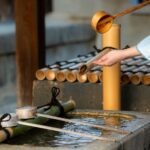
Kyoto does plenty of things well, but the best part of this experience is the setting. You start by entering through the garden, which is a big deal in a city where most tourist experiences start with crowds and finish with photos. Here, the tone shifts immediately, and you get that quiet, respectful mood that tea culture is built on.
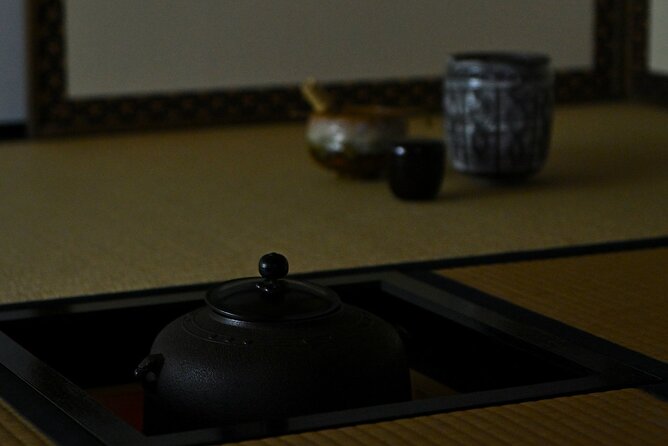
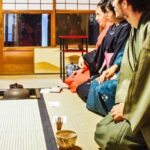
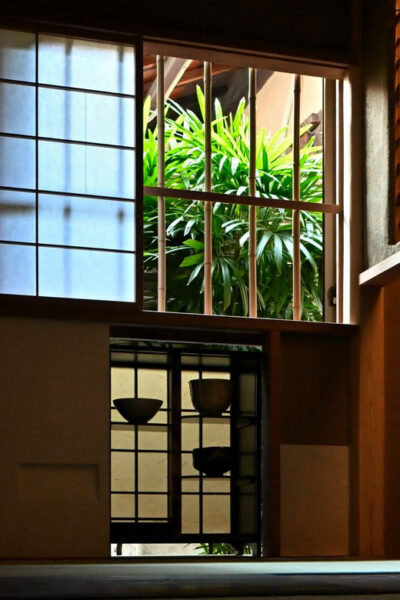
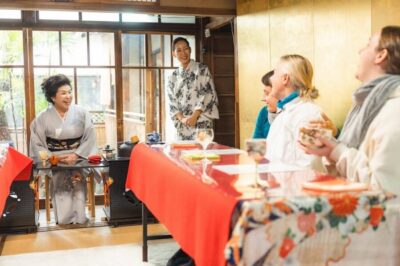
The ceremony takes place in an authentic tea room within a 130-year-old Kyoto townhouse. That age shows in the atmosphere. The space feels intentionally composed, not staged for throughput. Even if you have only a little time in Kyoto, this kind of environment helps you pay attention to the small details, the way the tea teacher demonstrates each step, and how the whole process creates calm.
You are also not crammed into a huge group. This activity caps at 10 travelers, which matters more than it sounds. Smaller groups generally mean fewer awkward pauses and more time to ask how to do things correctly, especially if you are new to matcha.
What happens during your tea ceremony and matcha lesson
Your session follows a simple flow, and that is why it is so satisfying. You begin with an introduction and a demonstration, then you shift into doing it yourself.
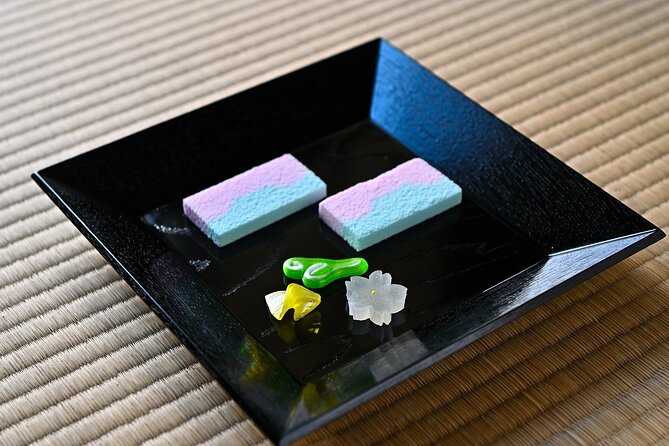
First, you watch the instructor prepare and serve. You get to see the sequence of actions and learn what each part is for, not just that it exists. While you watch, you enjoy dried sweets from a well-known Kyoto confectionery shop, and you can take your time noticing flavor and texture before the matcha takes center stage.
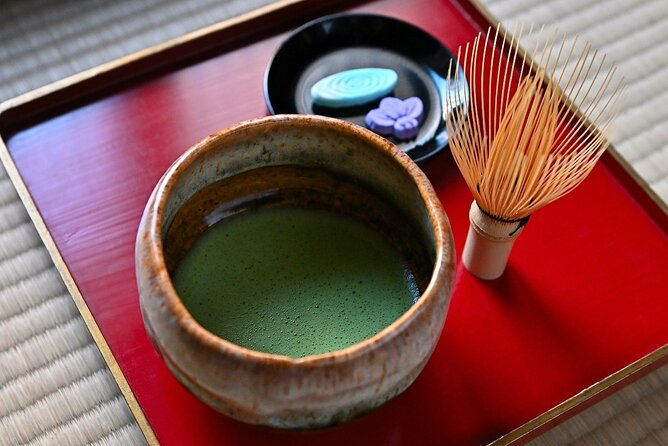
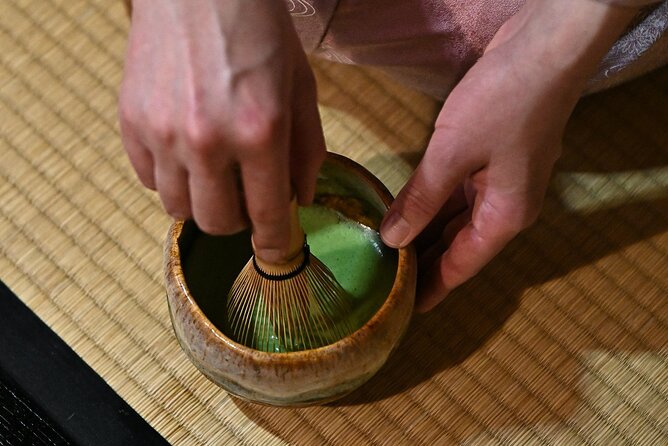
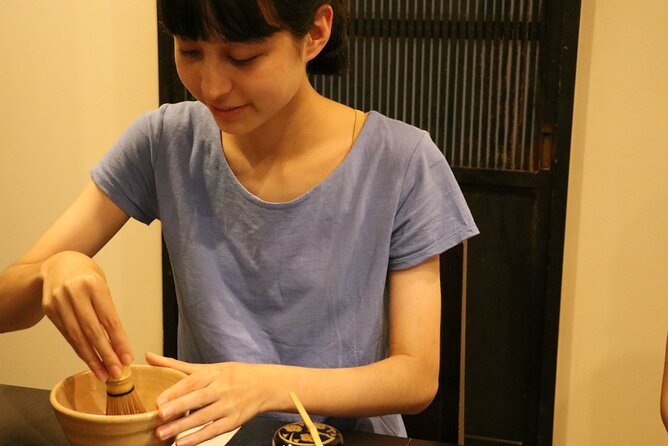
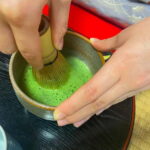
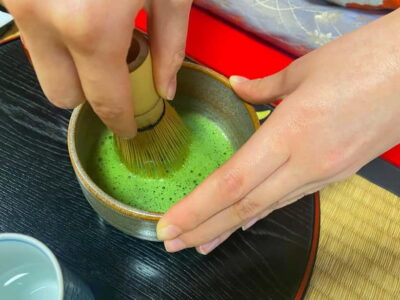
Then comes the best part for most people: you make your own matcha tea. The instruction is designed for beginners. You learn how to appreciate matcha, how to drink it properly, and how to prepare it step by step. The pacing is important here. Tea ceremony is not just about ingredients, it is about attention. In a short session, you want clear guidance so you do not feel rushed or lost.
You will also hear the broader meaning behind tea culture. You cover the history and customs of tea ceremony, and you connect that to what you are doing right in front of you. That context changes the experience from snack-and-a-ritual to something that actually teaches you how the ceremony works.
Finally, the lesson does not stop at the tea room. You are given tips for how to enjoy tea at home even without specialized utensils. That is a smart add-on because it turns your memory into something you can repeat, rather than letting the whole thing disappear once you get back on the train.
What to expect from the sweets and tea rhythm
This is not a long meal. Expect a short, focused sequence: sweets, matcha tasting, demonstration, then your own matcha. The structure keeps things easy for first-timers, but it is still a full mini lesson, not just a quick sampling.
- PERFECT KYOTO 1-Day Bus Tour★ 5.0 · 13,518 reviews
- Kyoto: Fushimi Inari, Kinkakuji, Bamboo Grove 1 Day Bus Tour★ 4.8 · 4,316 reviews
- Kyoto: Tea Ceremony in a Traditional Tea House in Kiyomizu★ 4.9 · 3,519 reviews
- Kyoto Geisha Walking Tour: Gion District & Hidden Gems★ 4.7 · 3,273 reviews
- Kyoto: Tea Ceremony Ju-An at Jotokuji Temple★ 4.9 · 3,207 reviews
The dried sweets, wasanbon sugar, and matcha taste
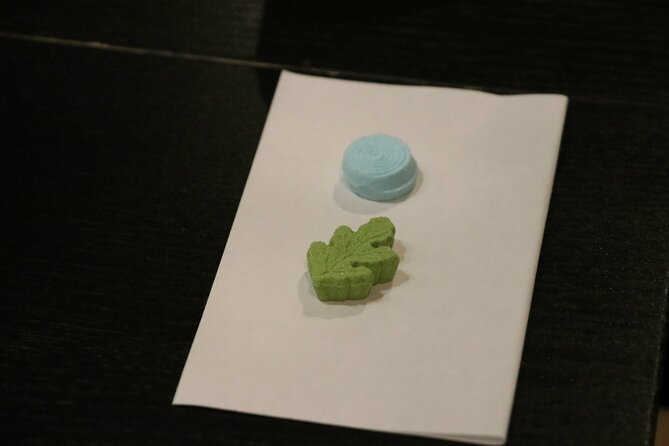
The sweets are included, and they matter because they set expectations for Japanese tea flavor. You might see the sweets described as cookie or candy style, but the important detail is what they are made from. The host explains that the dried sweets served include wasanbon, a type of sugar known for its distinct character in Japan.
One practical tip: do not expect huge portions. The experience is designed so the sweets complement the matcha, not overwhelm it. If you prefer very mild desserts, you may notice that sweets with wasanbon are still sweets, so they can feel sugary compared to what you typically taste with tea at home.
On the matcha side, the takeaway is simple: you learn to taste with intention. You are taught how to appreciate the drink, and how to serve and consume it in a respectful way. Many people leave talking about matcha flavor and the fact that it tastes better when you understand the ceremony around it.
If you are planning to buy matcha supplies afterward, this is the perfect place to start thinking about what you actually need. The knowledge you gain is practical: you learn the basics for making matcha and how to approach it at home, not just how to say you did a tea ceremony in Kyoto.
Getting there in Kyoto: meeting point and timing that makes sense
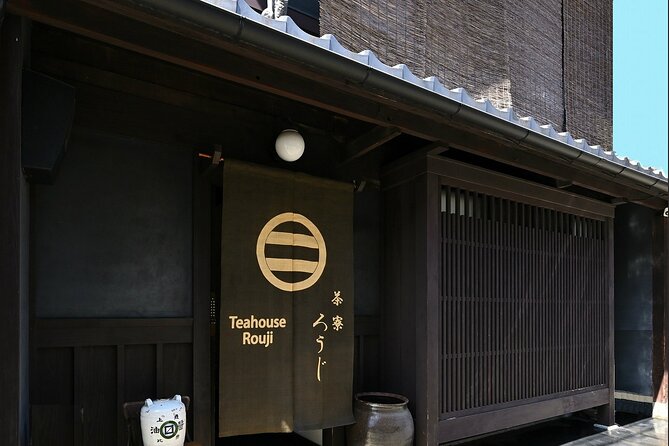
The meeting point is at 22-26 Nishinokyō Ikenouchichō, Nakagyo Ward, Kyoto, 604-8375, Japan. It is listed as being near public transportation, which is a relief in a city where addresses can be more confusing than they look on a map.
You also return to the meeting point at the end. That matters because it keeps your afternoon plan simple. After the session, you do not have to figure out a new pickup location or change your route.
Timing-wise, the ceremony runs about 45 minutes. The practical meaning of that: it fits nicely between temple visits. It is also short enough that you should not feel like you have to build your whole day around it, as long as you arrive on time.
One more logistics note: bring a bit of patience when finding the exact house entrance. You are going into a residential area and entering from the garden, so you want your bearings before the instructor is ready to start.
Price and value: is $39.63 worth it?
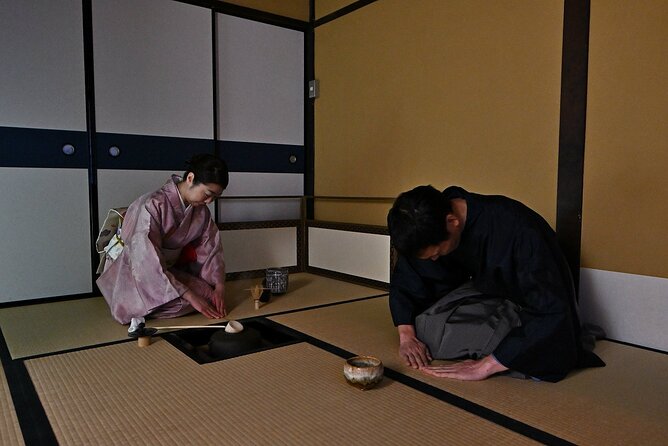
At $39.63 per person, this is not a budget activity, but it can be good value for the right reason. You are paying for three things at once:
1) Access to an authentic 130-year-old townhouse tea room
2) Real instruction, including hands-on matcha making
3) Included sweets from a Kyoto confectionery shop, plus cultural context
The value question depends on your expectations. If you want a quick, sightseeing checkbox with minimal effort, this may feel expensive for a short session. If you want a beginner-friendly lesson you can repeat at home, it starts to make more sense.
The small group size also supports the price. A max of 10 travelers means your instructor can slow down when needed and you have time to learn rather than just pass through.
My advice: compare it to the cost of a class plus the cost of a cultural venue entry. This experience is priced like a lesson, not like a casual tasting tour, and it works best when you treat it like that.
Comfort, seating, and what you should do if you have limits
Traditional tea ceremony seating is part of the style, and that can be a problem for some bodies. One important detail: there is mention of difficulty for guests with bad knees, but a stool is available if you need it. If this might apply to you, I would plan to ask when you arrive or communicate in advance if the booking system offers that option.
Wear something comfortable enough to sit and shift positions. You do not need special attire, but you do want fabrics that forgive small posture changes. Also, keep your day plan simple after the ceremony. You just learned a slow, precise ritual, and you will likely appreciate a calm walk afterward rather than rushing straight into a long trek.
Language is another comfort factor. Many people specifically call out that the host’s English is very clear. That matters for beginners, because it helps you understand not only what to do, but why.
Should you book this Kyoto tea ceremony?
Book it if you want a short, meaningful taste of tea culture with hands-on matcha and a calm setting in a real old townhouse. It is especially a strong choice if you are pairing this with a busy Kyoto itinerary and want one experience that teaches you something, not just something you look at.
Skip it, or at least reset expectations, if you mainly want a long guided meal, a big performance with lots of frills, or a super-cheap activity. Also, if you are very sensitive to sweet flavors, remember the sweets are part of the ritual, and they can be noticeable.
If you want one practical move to make this worth it, plan to show up early enough to find the entrance comfortably. Entering from the garden is part of the atmosphere, and getting there calm helps the whole session feel right.
FAQ
How long is the tea ceremony experience in Kyoto?
The experience runs about 45 minutes (approx.). It is designed to be a short, complete introduction with both tasting and hands-on matcha.
What does the experience cost?
The price is $39.63 per person.
Is this tea ceremony suitable for beginners?
Yes. You receive detailed instructions for making matcha, and you also get guidance on how to enjoy tea at home even without utensils.
How many people are in the group?
The activity has a maximum of 10 travelers, which generally keeps the session intimate and easier for questions.
Where does the tea ceremony start?
It starts at 22-26 Nishinokyō Ikenouchichō, Nakagyo Ward, Kyoto, 604-8375, Japan. The experience ends back at the meeting point.
Is the meeting location near public transportation?
Yes. It is listed as being near public transportation, which should make it easier to fit into your Kyoto day.
Do I get a confirmation after booking?
Yes. You should receive confirmation within 48 hours of booking, subject to availability.
What ticket do I need?
This activity uses a mobile ticket.
Can I cancel for a refund?
You can cancel for a full refund if you cancel up to 24 hours in advance of the experience start time. If you cancel less than 24 hours before the start time, the amount paid is not refunded.
Will I learn anything I can use at home?
Yes. In addition to making matcha during the ceremony, you receive tips on how to enjoy tea at home even without tea utensils.
Kyoto by the Bowl
Newest Kyoto write-ups from the Loving Japan desk
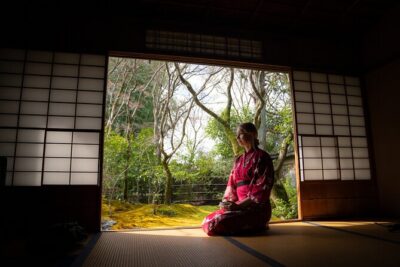
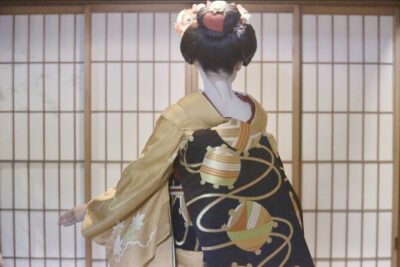
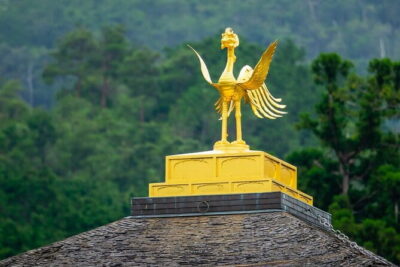
Kyoto Tea Ceremonies and Matcha, side by side.
 ★ 4.9Tea Ceremony in a Traditional Tea House in KiyomizuFrom $493,519 reviews
 ★ 4.9Tea Ceremony Ju-An at Jotokuji TempleFrom $293,207 reviews
 ★ 4.345-Minute Tea Ceremony Lesson ExperienceFrom $222,378 reviews
 ★ 5.0World Heritage Kyoto & Nara Uji Authentic Matcha ExperienceFrom $1291,573 reviews
 ★ 4.9Tea Ceremony ExperienceFrom $251,426 reviews
 ★ 4.9Table-Style Tea Ceremony at a Kyo-MachiyaFrom $451,211 reviews
 ★ 4.8Kenrokuen Tea Ceremony ExperienceFrom $351,139 reviews
 ★ 5.0Kimono Tea Ceremony at Kyoto Maikoya, NISHIKIFrom $65911 reviews
Filed on these lists too