
REVIEW · RAMEN AND NOODLE TOURS
Experience Big soba knife Soba Making Class in Tokyo Kappabashi
Knife skills meet comfort food. In Kappabashi, you learn soba the hands-on way, using a dedicated soba knife and proper technique without turning it into a long, confusing cooking class. I love that it’s small-group and tightly organized, and I also like that you get to eat what you make right away, not just watch and hope for the best. One thing to keep in mind: if you have a buckwheat allergy, you can’t enter the restaurant.
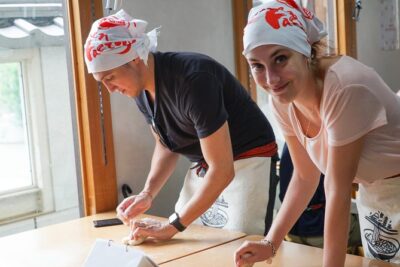
This is set up for people who want a genuine food experience in Asakusa without wasting time. The class is about practice, not theory, and you’ll get aprons and gloves so you can focus on the steps, like kneading and stretching, rather than figuring out how to be comfortable with tools. If you’re hoping for a super long sit-down meal, this one is brief by design at about 50 minutes, with the tasting built into the end.
In This Review
- Key things to know before you go to Sobagiri Rakujyo in Kappabashi
- Kappabashi and soba: why this Tokyo food stop works
- Where the class happens, and how to plan your timing from Asakusa
- The 50-minute soba flow: from water to thin noodles
- Aprons, gloves, and setup: less fuss, more doing
- Tasting your noodles, plus take-home options
- Flavors and add-ons: matcha soba and sake at extra cost
- Instruction style: clear steps, humor, and photos after class
- What to expect at each stop in your day plan
- Price and value: $51.33 for hands-on skills plus snacks
- Who this soba-making class suits best
- Possible drawbacks and who should reconsider
- Practical tips to get the most out of your noodle-making session
- Should you book this soba class in Kappabashi?
- FAQ
- How long is the soba making class?
- Where does the experience take place?
- What is the price per person?
- Is it a large group or a small group?
- What is included in the class?
- Do you taste the soba you make?
- Can you take the soba noodles home?
- Are there options for matcha soba or sake?
- What if I need a vegan or no-pork option?
- What are the important restrictions to know?
Key things to know before you go to Sobagiri Rakujyo in Kappabashi
- You make soba with buckwheat flour (no wheat flour), using a technique aimed at real noodle texture
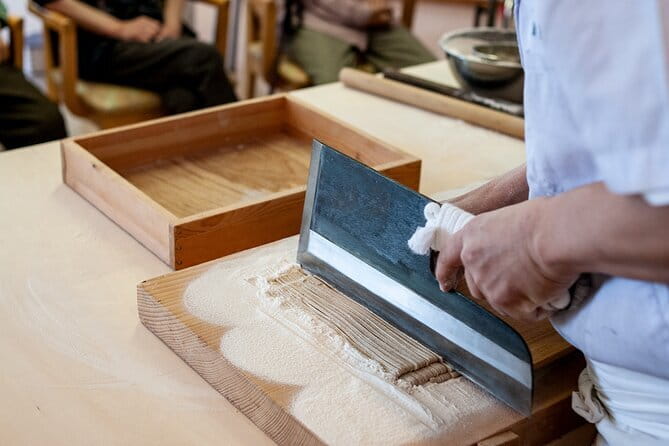
- A dedicated soba knife is part of the practice, so you feel the difference from generic kitchen tools
- Small-group limit of 15 means you’re more likely to get clear attention during the cutting and shaping
- You eat what you cut, plus you can take noodles out after the class
- Aprons and gloves are provided in various sizes, so your hands stay manageable and clean
- Optional upgrades include matcha soba and a sake set, if you want a fuller food experience
A bowl somewhere else in Tokyo
- Eat and Drink Like a Local: Tokyo Ueno Food Tour-Taverns&Ramen
★ 5.0 · 957 reviews - Ramen & Gyoza Cooking Class in Tokyo with Local Supermarket Visit
★ 5.0 · 823 reviews - Tokyo: Ramen Tasting Tour with 6 Mini Bowls of Ramen
★ 4.9 · 432 reviews - Tokyo: Easy Ramen Cooking Experience in Kabukicho, Shinjuku
★ 4.6 · 321 reviews
Kappabashi and soba: why this Tokyo food stop works
Kappabashi is Tokyo’s kitchen tool street area, the kind of place where chefs go to shop and where everyday visitors can feel the craft side of food. This class takes that neighborhood energy and turns it into something you can do with your own hands.
I like how the focus stays on soba noodles themselves. You’re not just learning about Japan, you’re making a specific regional-style noodle and understanding why the steps matter.
Where the class happens, and how to plan your timing from Asakusa
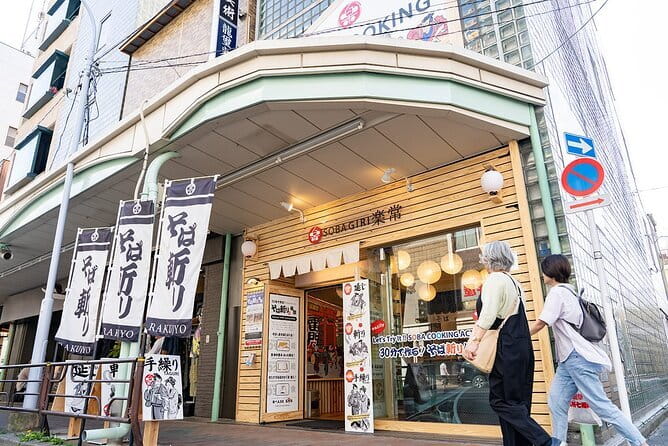
The activity runs out of Open Kitchen Studio in Kappabashi, in the Asakusa area. It’s roughly 25 minutes from Sensoji Temple, so you can pair it cleanly with a morning or afternoon walking plan around Asakusa and the nearby streets.
You meet back at the same spot where you start, so there’s no puzzle about finding your way out after class. The restaurant sits on the open ground floor and can accommodate up to 30 people, which matters because you’re not stuck in a tiny room that turns into a bottleneck during prep and tasting.
The tour also runs with a mobile ticket, which is handy in Tokyo where you often bounce between trains, buses, and short walks. It’s also near public transportation, so you can keep your day simple.
The 50-minute soba flow: from water to thin noodles
The whole experience is designed to move fast, but not chaotic. In about 30 minutes of hands-on steps, the class teaches soba in four clear phases: adding water, kneading, stretching, and cutting.
You’re not working with a wheat-flour base. The class specifically focuses on making soba using buckwheat flour from Nagano Prefecture, and that choice shows up in how the dough behaves and how the noodles hold shape.
The cutting step is where you usually realize there’s a craft to it. You’ll use a large knife specially designed for soba, and you’ll practice forming long, thin noodles rather than doing one-off shapes.
If you’re worried about language, don’t be. One of the best parts of this class is how instruction lands even when the instructor isn’t speaking English. The process is set up so the technique is visible, and the tone stays friendly and funny, not stiff.
- Mt Fuji and Hakone 1-Day Bus Tour Return by Bullet Train★ 5.0 · 26,383 reviews
- 1-Day Tokyo Bus Tour★ 5.0 · 14,250 reviews
- Tokyo: teamLab Planets TOKYO Digital Art Museum Entry Ticket★ 4.6 · 9,779 reviews
- Mt Fuji & Hakone Cruise, Drum Show Bullet Train 1 Day from Tokyo★ 4.0 · 7,413 reviews
- Tokyo: Shinjuku Food Tour (13 Dishes at 4 Local Eateries)★ 5.0 · 6,603 reviews
Aprons, gloves, and setup: less fuss, more doing
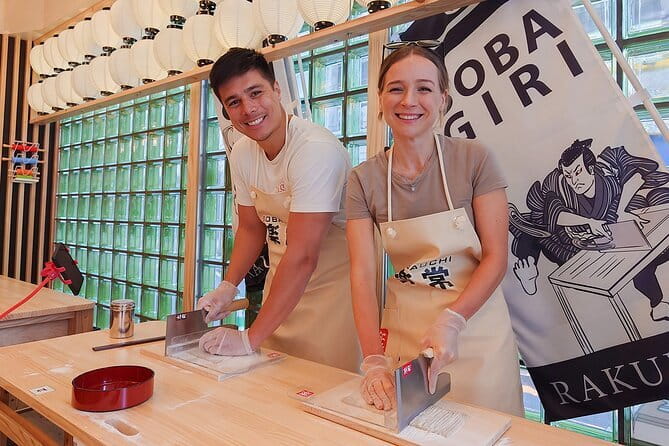
You don’t arrive naked-handed at a knife class. Aprons and gloves are provided in various sizes, which keeps the focus on learning the motions rather than managing a bunch of extra gear.
That setup matters because soba work can get messy if you’re unprepared, and you want your brain on the texture cues. The class style is also organized, so you’re not waiting around while someone else figures out what’s next.
The big win is that the pace is structured. You go step by step, then you cut and finish, and the class ends with a tasting moment that feels earned.
Tasting your noodles, plus take-home options
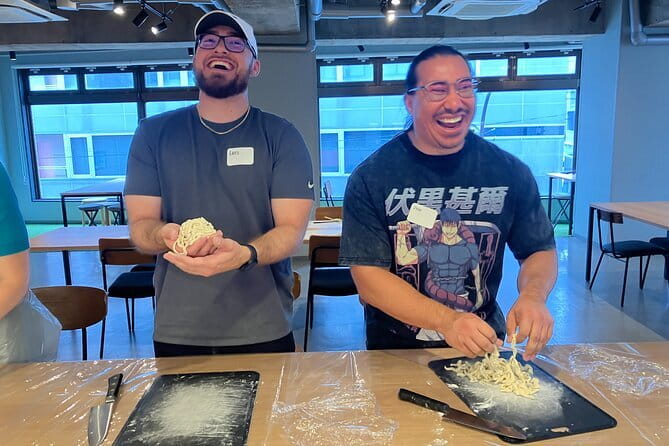
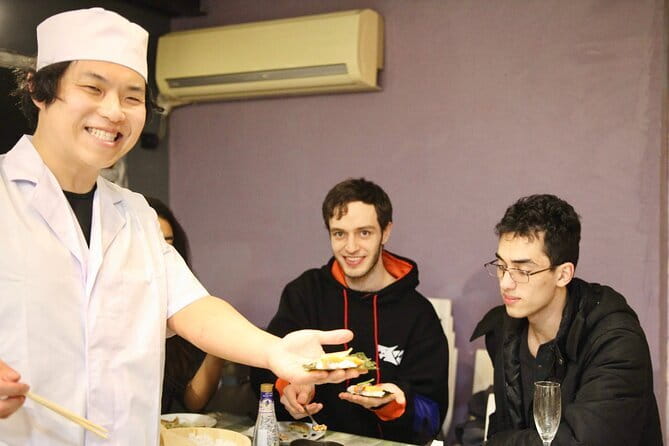
The class isn’t complete until you eat the noodles you make. At the end, you can taste your soba creations, and the experience is designed to prevent the usual hunger gap that happens when cooking classes run long.
You can usually treat it like a meal or a snack, depending on what you pair it with that day. There’s also the option to take out the noodles you made, which is great if you want a little Tokyo food souvenir that doesn’t require fancy packaging.
A practical tip: if you’re scheduling this on a day packed with walking, treat the tasting as your anchor. You’ll come out knowing you’ve done something real and satisfying, not just collected a photo set.
Flavors and add-ons: matcha soba and sake at extra cost
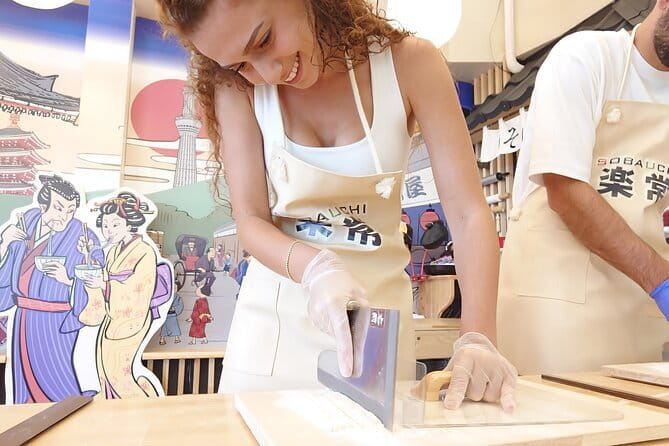
If you want variety beyond basic soba, the shop offers optional add-ons.
One popular option is matcha soba (matcha green tea mixed into the soba flour) for 700 yen. If you like tea flavors, this is a simple way to make the class outcome more interesting without changing the whole structure.
There’s also an option for three types of sake for 1500 yen, with the owner carefully selecting and comparing them. This turns a noodle class into more of a food-and-drink tasting moment, which can be a nice match for couples or small groups.
For dietary changes, there’s an additional fee of 500 yen if you choose a vegan or no-pork flavor option. If you’re traveling with food restrictions, it’s worth deciding ahead so you’re not making choices last minute.
Instruction style: clear steps, humor, and photos after class
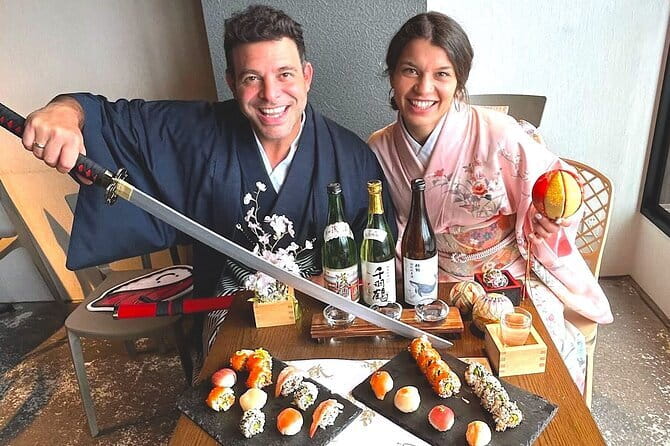
What I’d call the teaching quality is a big reason this class scores well. The guidance is organized and clearly laid out, and the instructor’s humor keeps the stress low when you’re learning something that feels new.
Even when instruction is not in English, the message still lands. The technique is shown, then repeated, so you can follow what your hands are doing.
Another pleasant detail: the instructor takes photos and can send them to you. That’s a small touch, but it helps you remember the process beyond just the final plate.
What to expect at each stop in your day plan
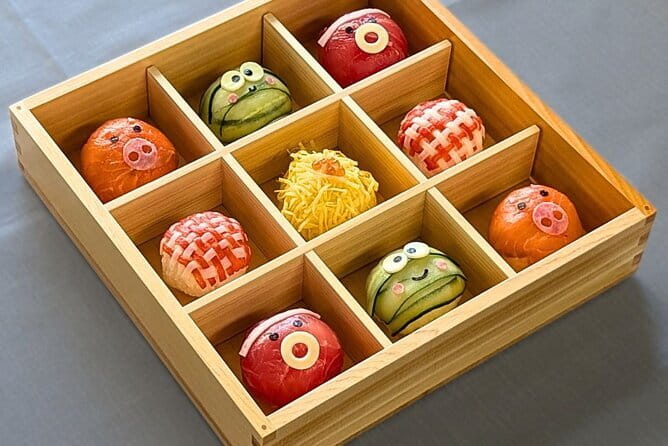
This activity fits naturally into an Asakusa and Kappabashi route.
You start in the Asakusa area, then you head toward Kappabashi Street (the Kappabashi Dogugai area). That tool-street stroll is part of the payoff because it explains why a soba knife and proper cutting matter. You get context for the craft instead of treating it like a random indoor activity.
Then you return to Asakusa when it’s done. That’s useful if you want to keep your energy for temple wandering, side streets, or a final dinner nearby.
Price and value: $51.33 for hands-on skills plus snacks
At $51.33 per person, this class sits in a reasonable range for Tokyo food experiences because you’re paying for more than instruction. You’re paying for ingredients, tools, and the guided process that leads to edible results.
You also get real value in time. The whole class clock is about 50 minutes, and you’re not stuck in a half-day commitment. Add in that you’ll taste what you made and can take noodles out, and it starts to feel like a paid meal plus a skill lesson.
Keep an eye on optional costs. If you want matcha soba, budget 700 yen extra. If you want the three-sake set, that’s 1500 yen extra. If you choose vegan or no-pork, there’s a 500 yen fee.
Who this soba-making class suits best
This one seems especially well suited for people who want a hands-on food experience without a long day schedule. It’s also a good fit if you like learning with your hands, not just watching a demo.
Small groups are the sweet spot because the class size is capped at 15 travelers, so you’re not lost in a crowd. From the shop’s own usage patterns, it’s often popular for couples, families with children, and groups of four or more friends, which suggests the vibe is welcoming and not overly formal.
If you’re a solo traveler, you can still enjoy it, but you might feel the social energy less depending on who else books the slot. Either way, the structure of the steps helps keep it comfortable.
Possible drawbacks and who should reconsider
The most important consideration is dietary. If you have buckwheat allergies, you can’t enter the restaurant, so this is not a safe option.
Another drawback is the time format. This is a short class, so if you’re looking for deep noodle theory or a long sit-down meal, you might wish it went longer. The payoff here is the practical skill and the tasting, not an extended culinary lecture.
Finally, if you dislike hands-on cooking with tools, you might find the knife and dough steps intimidating. The class does provide gloves and follows a structured method, but it’s still active learning.
Practical tips to get the most out of your noodle-making session
Go in hungry, but not desperate. The tasting is included, and you’ll likely feel satisfied at the end, so keep your other meals balanced.
Wear comfortable clothes. You’ll be working with dough, and even with aprons, you’ll want flexibility.
If you’re curious about flavors, decide in advance whether you’ll add matcha soba. It’s an easy upgrade that keeps everything else the same.
Also, think about the photos. The instructor captures images during the class and sends them, so treat it as part of your souvenir, not something you need to chase with your own camera.
Should you book this soba class in Kappabashi?
Book it if you want a short, well-run cooking experience that ends with something you made yourself. The combination of small-group size, clear step-by-step practice, and the chance to taste and take noodles home makes it a strong value for a Tokyo food day.
Skip it if you have a buckwheat allergy, or if you want a long meal-style experience rather than a hands-on skill session. If you fit the first category of interest, this is one of those rare Tokyo activities where the craft feels real and your final result tastes like effort.
FAQ
How long is the soba making class?
The class runs for about 50 minutes (approximately).
Where does the experience take place?
It takes place at Open Kitchen Studio in the Kappabashi area, in Asakusa.
What is the price per person?
The price is listed as $51.33 per person.
Is it a large group or a small group?
It’s a small-group class with a maximum of 15 travelers.
What is included in the class?
All fees and taxes are included, and you get snacks taste the soba you cut yourself. Aprons and gloves are also available in various sizes.
Do you taste the soba you make?
Yes. You can taste the soba noodles at the end, and the experience is designed so you don’t go hungry before trying them.
Can you take the soba noodles home?
Yes, you can take out the noodles you made.
Are there options for matcha soba or sake?
Yes. Matcha soba is available for an additional 700 yen, and there is also an option to try three types of sake for an additional 1500 yen.
What if I need a vegan or no-pork option?
A vegan or no-pork flavor option is available for an additional 500 yen.
What are the important restrictions to know?
If you have buckwheat allergies, you are not permitted to enter the restaurant. Service animals are allowed. Free cancellation is available up to 24 hours in advance for a full refund.
One More Bowl


Newest Tokyo write-ups from the Loving Japan desk



Ramen and Noodle Tours, side by side.
 ★ 5.0Ramen Cooking Class at Ramen Factory in KyotoFrom $1311,937 reviews
 ★ 5.0Eat and Drink Like a Local: Tokyo Ueno Food Tour-Taverns&RamenFrom $95957 reviews
 ★ 5.0Ramen & Gyoza Cooking Class in Tokyo with Local Supermarket VisitFrom $122823 reviews
 ★ 4.9Ramen Cooking Class at a Ramen Factory with SouvenirFrom $127532 reviews
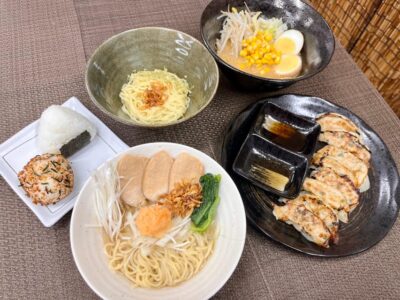 ★ 5.0Ramen, Gyoza, and Onigiri Cooking ClassFrom $90445 reviews
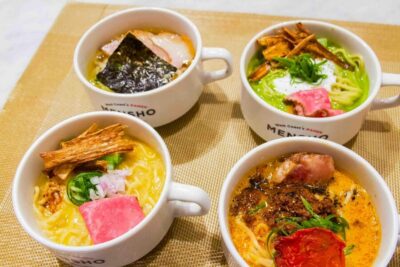 ★ 4.9Ramen Tasting Tour with 6 Mini Bowls of RamenFrom $122432 reviews
 ★ 4.7Five Must-See Highlights Walking Tour & Ramen LunchFrom $56411 reviews
 ★ 5.0Ramen and Gyoza Cooking Class in DotonboriFrom $70378 reviews
Filed on these lists too