
REVIEW · SHIBUYA, SHINJUKU AND HARAJUKU WALKS
Hands-on Japanese Cooking in a Shinjuku Home Kitchen with Satoru
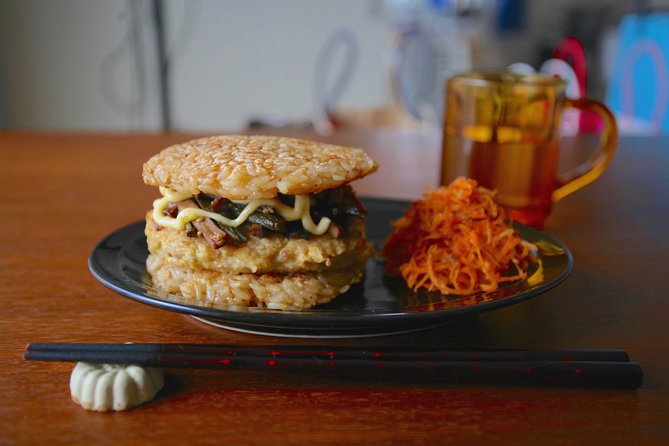
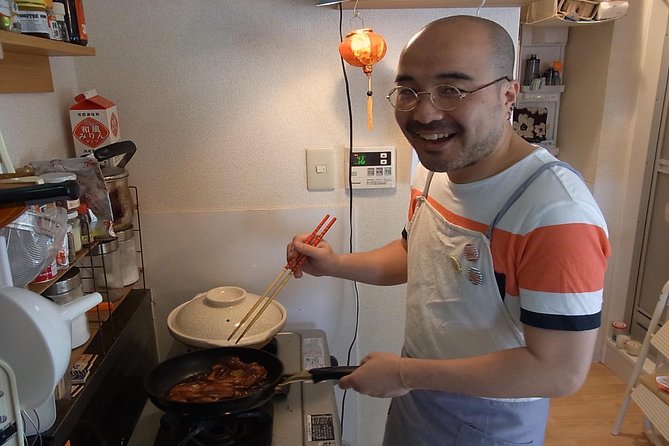
Cooking in a Tokyo home beats a studio class. In Shinjuku, I love the real-home feel, from meeting at JR Shinjuku Station to stepping into Satoru’s small but efficient kitchen. You learn, you cook, then you slow down and eat what you made together over conversation.
My two favorite parts are the hands-on teaching and the built-in moment to savor. First, Satoru guides you through making Japanese homestyle dishes from scratch, typically a set like teishoku (miso soup, rice, and sides) or one of several popular street and comfort foods. Second, you get practical flavor knowledge as you cook, plus a gift of a Japanese utensil and an ingredient to take the experience home.
One consideration: the menu is day-specific, and changes have a deadline. If you want a particular dish or need dietary tweaks, you’ll have to check the menu in advance and tell Satoru one week ahead, or you’ll cook whatever is on the schedule that day.
In This Review
- Key Highlights
- First Steps in Shinjuku: Finding Satoru and Getting Set Up
- Inside a Small But Efficient Home Kitchen
- What You’ll Cook: Teishoku Days vs Popular Food Days
- From Dashi to Honey: How the Class Teaches Japanese Flavor
- The Private Meal, Drinks, and Conversation
- The Utensil and Ingredient Gift, Plus What to Do With It
- Price, Value, and Who It Fits Best
- Should You Book This Shinjuku Cooking Class?
- FAQ
- What is the duration of this Tokyo cooking class?
- Where do I meet Satoru?
- Is this a private experience?
- How much does it cost?
- What do I cook during the class?
- Is vegetarian food available?
- What is included in the price?
- What if I have dietary requirements or want to change the menu?
- What is the cancellation policy?
Key Highlights
- A private Shinjuku home kitchen experience: Only your group, with pickup from JR Shinjuku Station.
- Day-specific menus you can plan around: Teishoku-style meals on certain days, popular Japanese dishes on others.
- Hands-on cooking that starts from scratch: You’ll help make the dishes, not just watch.
- Satoru’s food explanations and laughs: He shares background on ingredients and how choices affect flavor.
- A shared meal with local alcohol: You eat together, with 1-2 glasses included.
- A utensil and ingredient gift: You leave with something practical to use later.
Other routes through the west side of Tokyo, compared
- Tokyo: Shinjuku Food Tour (13 Dishes at 4 Local Eateries)
★ 5.0 · 6,603 reviews - Tokyo Bar Hopping Tour in Shinjuku (All-You-Can-Drink + Dinner)
★ 5.0 · 3,587 reviews - Official Street Go-Kart in Shibuya
★ 5.0 · 3,435 reviews - Tokyo: Shinjuku Food Tour (15 Dishes and 4 Eateries)
★ 4.9 · 2,033 reviews
First Steps in Shinjuku: Finding Satoru and Getting Set Up
This class starts in the easiest-to-find spot in Shinjuku: JR Shinjuku Station. You meet Satoru there, then head to his apartment together. That short transition matters more than it sounds. It gets you out of the train-station rush and into a calmer local rhythm before you start cooking.
The timing is also friendly for a day of sightseeing. The experience runs about 2 hours 30 minutes. You’ll spend roughly an hour and a half cooking, then you sit down for the meal you helped prepare. Because it ends back at the meeting point, it’s simple to continue your Tokyo day without worrying about getting across town again.
One more detail I like is the format: it’s private, so only your group participates. That changes the vibe. You can ask more questions, move at your pace, and you’re not juggling the attention of a larger crowd.
Inside a Small But Efficient Home Kitchen
Satoru’s kitchen is described as small but efficient. In plain terms, that’s exactly what makes it feel authentic. You’re cooking where people actually cook, not in a staged space built for tourists.
In the kitchen, you’ll learn how to make 2-5 homestyle dishes from scratch. Your exact set depends on the day’s menu, but the method stays consistent. You’ll handle ingredients, follow steps, and get explanations as you go, from basics like how dashi works to how sweet elements balance a dish.
Expect a close-up experience. You’ll be working near your host and near the counter space. If you’re the type who hates crowded cooking environments, just know this is a home kitchen, so it’s not wide-open like some cooking schools. Still, the upside is you’ll get plenty of direct attention, and you’re not treated like a spectator.
What You’ll Cook: Teishoku Days vs Popular Food Days
Tokyo has fancy food culture, but homestyle meals are where you learn how flavor is built day to day. This class leans into that.
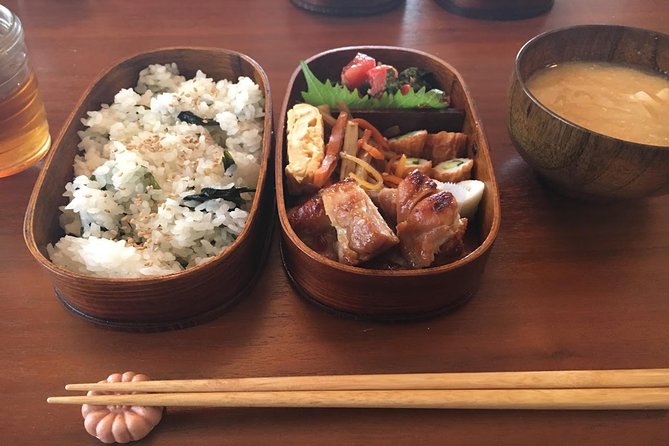
On Sat, Sun, Mon, Tue, the menu is teishoku. You’ll typically cook a Japanese set meal with:
- miso soup
- rice
- 2 side dishes
On Wed, Thu, Fri, the menu shifts to popular Japanese comfort food options. Depending on the day, you might cook dishes like:
- Okonomiyaki (Japanese pancake)
- Karaage (fried chicken)
- Yakisoba (pan-fried noodles)
- Katsu curry rice
- Ramen
- Gyoza
So how do you plan? Start by checking the menu in advance. The schedule is tied to the weekday, and if you don’t share your preference, you’ll cook the menu of the day. If you have restrictions or you want a specific dish, you need to inform the host one week in advance.
That planning part is not busywork. It’s how you get the most value out of a cooking class. If you show up without a preference, you still get a great meal, but you might not get the dishes you most want to learn.
Cook it yourself instead. Other kitchens in Tokyo
- Sushi Making Tokyo Roll and Authentic Japanese Sushi Class★ 5.0 · 3,971 reviews
- Tokyo: Sushi Making Class in a Happi Coat near a Famous Spot★ 4.9 · 1,377 reviews
- Tokyo Sushi Making Class in Tsukiji with Professional Chef★ 5.0 · 1,177 reviews
- Ramen & Gyoza Cooking Class in Tokyo with Local Supermarket Visit★ 5.0 · 823 reviews
- Tsukiji Fish Market Guided Tour and Sushi Making with Pro Chef★ 5.0 · 775 reviews
From Dashi to Honey: How the Class Teaches Japanese Flavor
This is not just chopping and frying. Satoru’s explanations are a core part of the value. You’ll get tips and stories that connect ingredients to flavor and texture.
One example from the information you’re given before you go: you can ask about what goes into a dish, from savory dashi to sweet organic honey. That kind of ingredient-level talk matters because it teaches you how Japanese homestyle dishes behave.
Here’s what that looks like in practice:
- You learn how savory depth is created (often through dashi-based flavor).
- You learn how sweetness is used, not just added, and why it changes balance.
- You learn how sides and mains fit together, especially on teishoku days where the whole table is designed as a set.
The best part is that you’re not memorizing a recipe as a performance. You’re cooking it. That turns explanation into something you can repeat later, even if you don’t have the exact same ingredients at home.
Also, Satoru’s teaching style seems to work well with different group dynamics. People mention his patience and how he keeps explanations clear, even for teenagers. So if you’re traveling with young food lovers, this is the kind of activity that feels like an actual shared project, not a strict classroom.
The Private Meal, Drinks, and Conversation
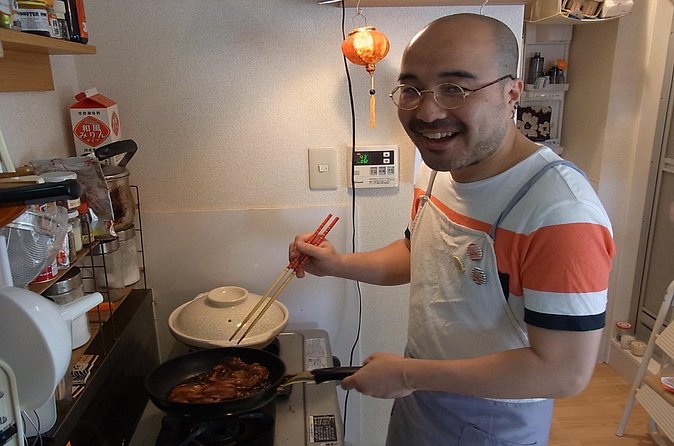
Cooking classes are fun, but eating what you made is where the memory sticks. After the cooking portion, you sit down together and share the private meal.
You’ll also have local alcohol included: typically 1-2 glasses. This is one of those details that makes the evening feel more like a host experience and less like a transaction. You’re not just tasting food, you’re part of the same table conversation your host is having.
The best value here is that your host talks to you while you eat. You can ask questions about ingredients and choices, and you’ll hear the kind of context that never shows up in restaurant ordering. Why he picked one ingredient over another. What to watch for when cooking at home. What the dish means in everyday life.
And because it’s private, the conversation doesn’t get swallowed by other groups. You can actually talk, not just nod politely between bites.
The Utensil and Ingredient Gift, Plus What to Do With It
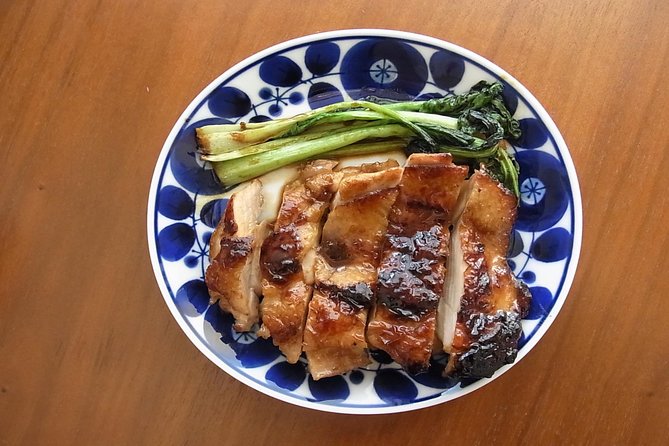
This experience includes a gift of a Japanese utensil and an ingredient. That’s more useful than it sounds.
A class can teach you steps, but it can also leave you with nothing but photos. A utensil gift gives you an object you can keep using, which makes the cooking lessons practical instead of temporary. And the ingredient gift is a gentle bridge back home. It helps you recreate something sooner, rather than forgetting the flavor months later.
I’d treat the gift like your souvenir for cooking, not a decorative keepsake. When you get home, look up a basic version of the dish you made and use the provided ingredient. Even if you substitute a little, you’ll have the flavor memory already installed.
Price, Value, and Who It Fits Best
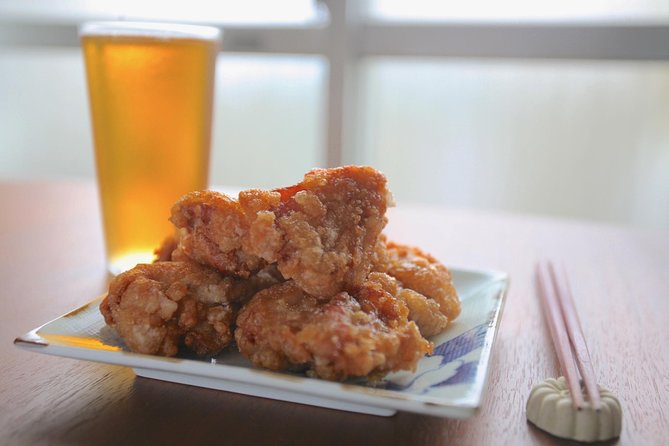
At $130 per person, this isn’t a budget activity. But it also isn’t paying extra for empty theater. You’re paying for:
- a private cooking class with your host
- cooking from scratch, with guidance
- the meal you prepare
- local alcohol (1-2 glasses)
- pickup from JR Shinjuku Station
- a gift of a utensil and ingredient
If you compare it to the usual pattern of paying for a restaurant dinner plus a separate class, the bundle starts to make sense. Here, you get both the skills and the payoff, and you do it in a real home kitchen.
So who is it best for?
- Food lovers who want to learn Japanese homestyle techniques, not just eat.
- Couples or small groups who enjoy conversation during meals.
- Families with teenagers who can participate in cooking and want a hands-on activity.
- Solo travelers who like structured warmth and clear teaching.
It may be less ideal if you only want to try food without cooking. This is a hands-on class, and you’ll spend most of the time cooking.
Also, because the menu depends on the day and because changes need to be shared one week in advance, it works best when you plan a bit. If you’re flying in last-minute and can’t commit to dietary preferences or dish requests, you may still have a great time, but you’ll have less control over the exact menu.
Should You Book This Shinjuku Cooking Class?
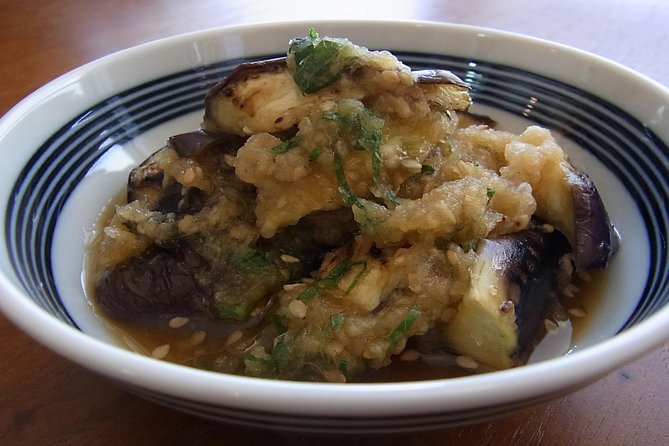
If you want a Tokyo experience that feels personal, practical, and tied to real everyday Japanese cooking, I think you should book it. The combination of hands-on cooking plus the private shared meal with drinks is the sweet spot. Satoru’s teaching style, with patient explanations and a sense of humor, is a big reason this kind of class becomes a highlight instead of a chore.
Book it if:
- you like learning by doing
- you want to eat what you make
- you’re comfortable planning around a day-specific menu
- you want a host-led experience in a local apartment, not a public cooking studio
Skip it or reconsider if:
- you need very specific dishes at the last minute, since menu choices work best when you communicate at least one week in advance
- you prefer big, open kitchens over compact home setups
In short, this is the kind of class that gives you more than a meal. You get cooking confidence, a flavor memory, and something you can use again after you go home.
FAQ
What is the duration of this Tokyo cooking class?
The experience lasts about 2 hours 30 minutes.
Where do I meet Satoru?
You start at Shinjuku Station, listed as 3-chōme-38-1 Shinjuku, Shinjuku City, Tokyo 160-0022, Japan.
Is this a private experience?
Yes. It is private, and only your group participates.
How much does it cost?
It costs $130.00 per person.
What do I cook during the class?
The menu depends on the day. You’ll learn to make 2-5 Japanese homestyle dishes from scratch. Teishoku days (Sat-Tue) include miso soup, rice, and 2 side dishes. Wed-Fri includes popular options such as okonomiyaki, karaage, yakisoba, katsu curry rice, ramen, or gyoza.
Is vegetarian food available?
Yes, a vegetarian option is available. You need to advise the host when booking if you require it.
What is included in the price?
Included are the private cooking class with Satoru, local alcohol (1-2 glasses), and pick up from JR Shinjuku Station. You also receive a gift of a Japanese utensil and ingredient.
What if I have dietary requirements or want to change the menu?
Menu varies by season and specific days have specific menus. You should check the menu in advance. If you want changes or have restrictions, you must inform the host one week in advance, or else the menu of the day will be cooked.
What is the cancellation policy?
You can cancel for a full refund if you cancel at least 24 hours before the experience start time. Free cancellation is allowed up to 24 hours in advance.
Kitchens You Can Book Into


West Tokyo on Foot: Seven More



Newest Tokyo write-ups from the Loving Japan desk






Shibuya, Shinjuku and Harajuku Walks, side by side.
 ★ 5.0Shinjuku Food Tour (13 Dishes at 4 Local Eateries)From $866,603 reviews
 ★ 5.0Tokyo Bar Hopping Tour in Shinjuku (All-You-Can-Drink + Dinner)From $1063,587 reviews
 ★ 5.0Official Street Go-Kart in ShibuyaFrom $763,435 reviews
 ★ 4.9Shinjuku Food Tour (15 Dishes and 4 Eateries)From $852,033 reviews
 ★ 4.9Shinjuku Local Bar and Izakaya Guided Walking TourFrom $341,794 reviews
 ★ 5.0Tokyo Shinjuku Chopsticks Making ClassFrom $201,763 reviews
 ★ 5.0Tokyo Shinjuku Sumo Show & Experience with PhotoFrom $791,750 reviews
 ★ 4.9Street Kart Experience in ShibuyaFrom $741,484 reviews
Filed on these lists too