
REVIEW · JAPANESE COOKING CLASSES
Hands On Wagyu Sushi Making Experience
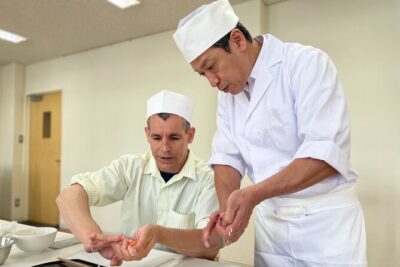
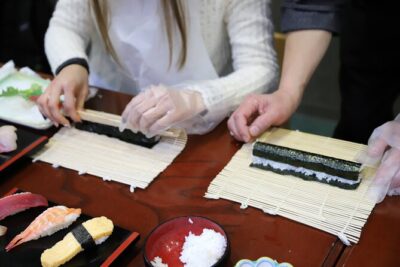
Wagyu sushi in a classroom setting is a fun twist. This hands-on class in Tokyo teaches you how to shape nigiri, gunkan maki, and temaki with premium Wagyu beef, then you get to enjoy what you make. It is a practical way to upgrade your sushi skills without needing to source special ingredients or gear.
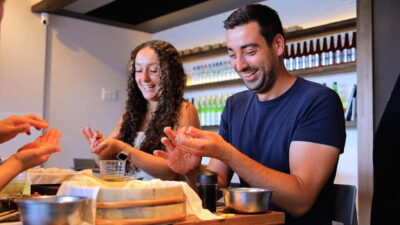
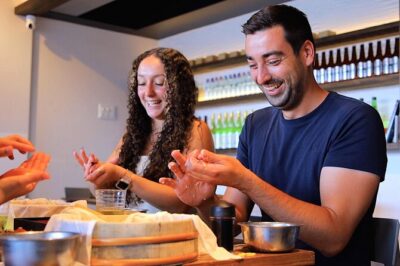
What I like most is the small-group format. With a maximum of six people, you get closer guidance and more chances to ask questions while you work. I also really value the hassle-free setup, since the experience includes the ingredients, equipment, and a lunch payoff at the end.
The main drawback to consider: there are no vegan or vegetarian options, since this is built around Wagyu and meat prep. Also, hotel pickup is not included, so you will want to plan how to reach the meeting point near public transportation.
In This Review
- Key Things to Know Before You Go
- Wagyu Sushi in 90 Minutes, With Real Technique
- What You Will Learn to Make: Nigiri, Gunkan Maki, Temaki
- Small-Group Attention, with Instructors Like Hiroko and Saori
- The Value Question: What $104.51 Buys You in Tokyo
- Logistics That Matter: Meeting at Noon, No Hotel Pickup
- Lunch, Photos, and the Part You Can Actually Use Later
- Who This Wagyu Sushi Class Fits Best
- Should You Book This Hands-On Wagyu Sushi Making Experience?
- FAQ
- How long is the Wagyu sushi-making experience?
- What time does the class start?
- Where does it meet, and where does it end?
- How large is the class group?
- What sushi styles will I make?
- Is lunch included, and do I eat what I make?
- Are vegan or vegetarian options available?
- Are ingredients and equipment provided?
- Is hotel pickup and drop-off included?
- Do I get a mobile ticket or photographs?
- What is the cancellation policy, and does weather affect it?
Key Things to Know Before You Go
- Small-group limit of six for hands-on attention and a calmer pace
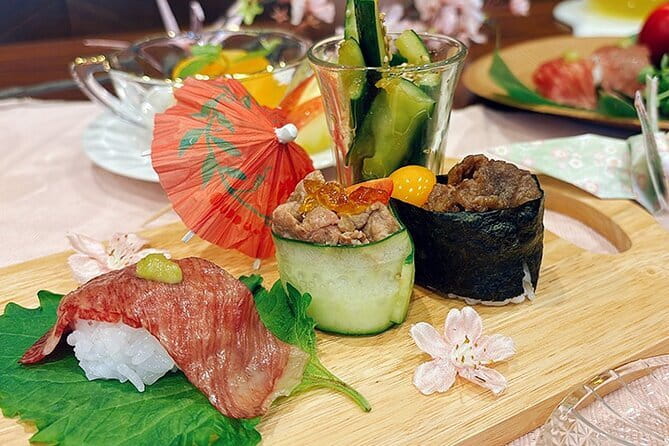
- Wagyu instead of fish for a different take on classic sushi technique
- Multiple sushi styles including nigiri, gunkan maki, and temaki
- Ingredients and equipment provided, so you can focus on technique
- Lunch included, and you eat your creations at the end
- Later-downloadable photographs from during the experience
Cook it yourself instead. Other kitchens in Tokyo
- Tokyo: Roll and Authentic Sushi Making Class in Asakusa
★ 4.9 · 1,957 reviews - Tokyo: Sushi Making Class in a Happi Coat near a Famous Spot
★ 4.9 · 1,377 reviews - Tokyo Sushi Making Class in Tsukiji with Professional Chef
★ 5.0 · 1,177 reviews - Ramen & Gyoza Cooking Class in Tokyo with Local Supermarket Visit
★ 5.0 · 823 reviews
Wagyu Sushi in 90 Minutes, With Real Technique
Tokyo has no shortage of sushi experiences, but a Wagyu-focused class is different in a good way. You get the structure of sushi-making, like rice handling and assembly, without needing to already know how to season rice, shape toppings, or manage the feel of a good bite. It is also faster than many multi-session cooking courses, since the class runs about 1 hour 30 minutes.
For you, the timing matters. A 90-minute format means you can fit it into a day that already includes temples, neighborhoods, and food stops, without losing an entire afternoon to cooking. You are not just tasting. You are building skills that transfer back to your own kitchen, even if you never make Wagyu at home.
The class is also designed for a stress-free flow. You do not have to hunt for ingredients or wrestle with tools. Everything is set up so you can learn, plate, and eat. That is the sweet spot for a cooking class: you leave with confidence, not clutter.
What You Will Learn to Make: Nigiri, Gunkan Maki, Temaki
The heart of the experience is learning to make sushi in several forms, not just one. You will work on nigiri, gunkan maki, and temaki. Each style teaches a different hand motion and balance point, so by the end you are not repeating the same action for an entire session.
You will also learn the parts that make sushi look good and taste right:
- Shari basics, which is the seasoned sushi rice approach used in sushi making
- How to prepare the Wagyu, including cooking it so it works as a sushi filling or topping
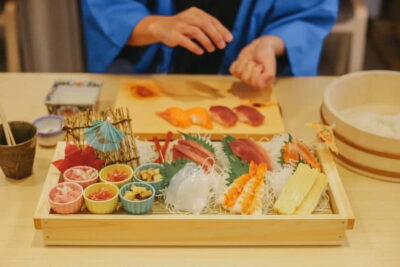
- How to plate, meaning presentation is treated as part of the lesson, not an afterthought
One review highlights instruction on the shari and how to cook the meat, and that matches how these classes usually succeed. If you get the rice right and the topping right, the rest is easier. If either is off, the whole bite suffers.
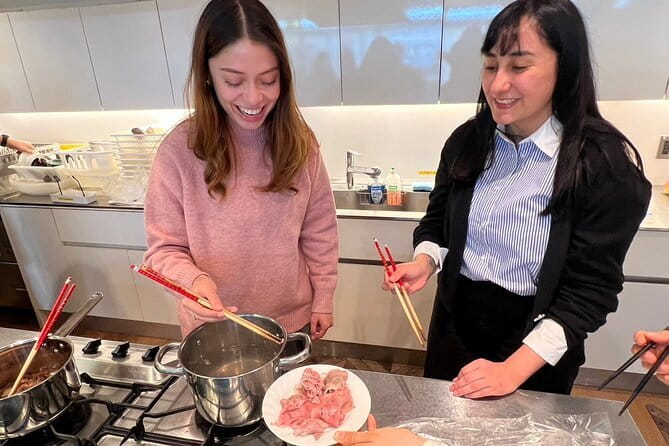
There is also a sense of experimentation in the class. One account mentions Wagyu shabu shabu in the same hands-on context, which suggests the instruction may include a cooked-meat element beyond simple raw-style toppings. If you love meat-forward Japanese cooking as a theme, this format should click.
Small-Group Attention, with Instructors Like Hiroko and Saori
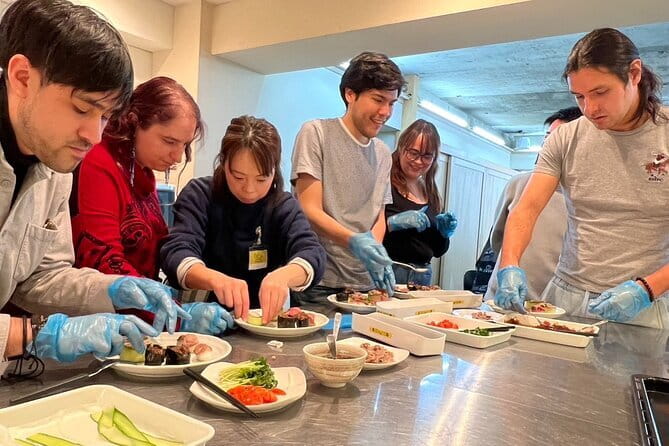
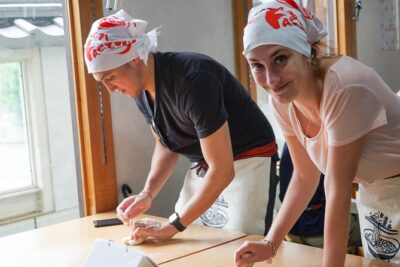
A class with a maximum of six travelers can feel like a big deal, and it is here for a reason. When you are shaping rice and assembling pieces, tiny details matter, like pressure, moisture, and timing. In a larger group, you often wait your turn. In a smaller group, you get closer feedback.
The teaching team can include instructors such as Hiroko and Saori, and the tone you see in feedback is consistent: patient guidance, friendly help, and English support. That combination matters if you are not fluent in Japanese cooking terms. You want to understand what you are doing while your hands are doing it.
This kind of instructor attention is also why you learn plating, not just cooking. Many classes stop at the food. Here, you spend time making your creations look intentional. That is the part that turns your plate from a pile of food into something you would actually serve.
Counters and courses we sat at around Tokyo
- Sushi Making Tokyo Roll and Authentic Japanese Sushi Class★ 5.0 · 3,971 reviews
- Tokyo: Roll and Authentic Sushi Making Class in Asakusa★ 4.9 · 1,957 reviews
- Make Sushi and Create Unforgettable Memories in Tokyo★ 5.0 · 1,413 reviews
- Tokyo: Sushi Making Class in a Happi Coat near a Famous Spot★ 4.9 · 1,377 reviews
- Tokyo Night Foodie Tour in Shinjuku – Seasonal Sushi, Wagyu Beef★ 5.0 · 1,161 reviews
The Value Question: What $104.51 Buys You in Tokyo
At $104.51 per person, this is not a budget activity. But it is also not just a ticket to watch someone cook. You are paying for guided instruction, plus the ingredients and equipment used during the class, and lunch at the end.
Here is the practical value math I use for cooking classes in Tokyo:
- You would likely spend money just to buy quality ingredients and rice seasonings if you attempted this at home.
- You save time, since everything is prepared and paced for learning.
- You get a small-group teaching ratio, which is where quality really shows.
- You get the meal payoff, so you are not paying for a hands-on snack.
Also, premium Wagyu is expensive. If the class is actually using high-quality meat as part of the cooking workflow, that cost is getting folded into the lesson in a straightforward way. With a 90-minute session, you are paying for focused time plus materials, not for an all-day production.
If you are the type who loves learning by doing, and you want a sushi skill set that feels different from the usual fish-only approach, this price starts to make sense. If you simply want to eat sushi with zero cooking involvement, you might prefer a restaurant experience instead.
Logistics That Matter: Meeting at Noon, No Hotel Pickup
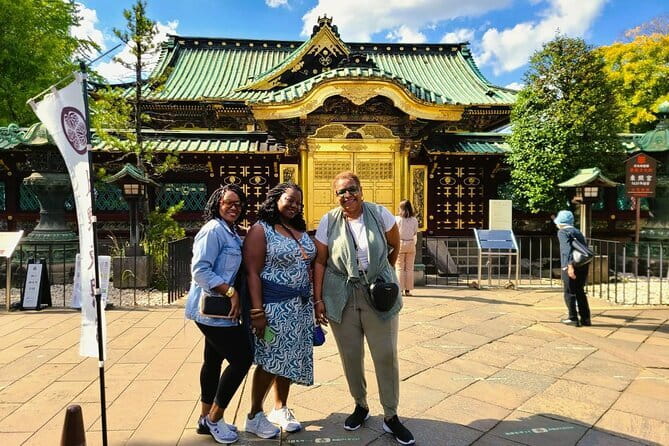
The class starts at 12:00 pm and runs for about 1 hour 30 minutes. It ends back at the meeting point, so you can plan your next stop without guessing where you will land.
The meeting point is described as near public transportation, which is exactly what you want in Tokyo. You do not need a car, and you avoid the stress of waiting for pickup. The one catch is that hotel pickup and drop-off are not included, so you should budget time to get there on your own.
You also get a mobile ticket, and you receive confirmation at booking. That makes check-in simpler, especially if you are juggling multiple reservations.
Lastly, the experience notes a good-weather requirement. If conditions are bad, you may be offered a different date or a full refund. So if you are traveling in a season with unpredictable weather, it is smart to keep your schedule flexible around this booking.
Lunch, Photos, and the Part You Can Actually Use Later
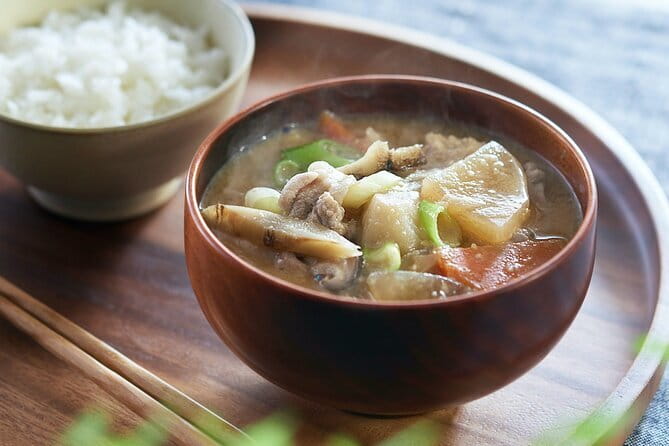
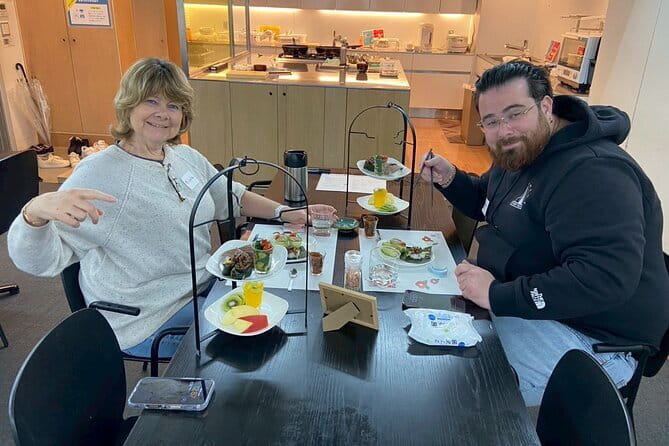
This is a cooking class where the meal is part of the deal. Lunch is included, and you get to eat what you make at the end. That matters because you are not leaving hungry after a short session, and you can taste the results of your own work immediately.
Another perk is the later-downloadable photographs during the experience. Even if you are not a professional photographer, it helps you remember how the finished pieces should look. And it is nice to have images without feeling like you have to stop in the middle of cooking to capture every step.
For me, the real win is how you leave with a repeatable mental model:
- rice first, topping second, then assembly and plating
- presentation is a taught skill
- meat sushi can work when cooked properly
Even if you go home and change the ingredients, you keep the method.
Who This Wagyu Sushi Class Fits Best
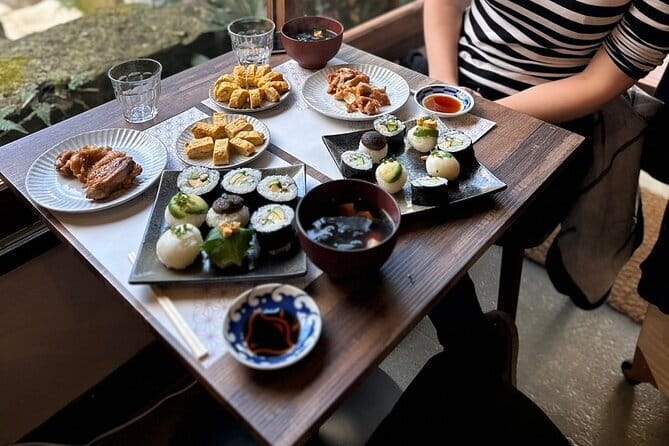
This one is tailor-made for a few travel styles.
You will likely love it if:
- you prefer meat-forward flavors over fish-based sushi
- you want hands-on learning, not a passive food tour
- you enjoy structured cooking with clear outcomes, like plated pieces you can eat
- you like small groups and direct guidance
You should skip it (or choose another option) if:
- you need vegan or vegetarian options (none are available)
- you want hotel pickup convenience
- you are only interested in tasting, not making
If your sushi comfort zone is limited, this can be a friendly starting point because you are taught the essentials and you work through multiple styles. If you already know sushi basics, you may still find it interesting because Wagyu changes the topping and cooking approach.
Should You Book This Hands-On Wagyu Sushi Making Experience?
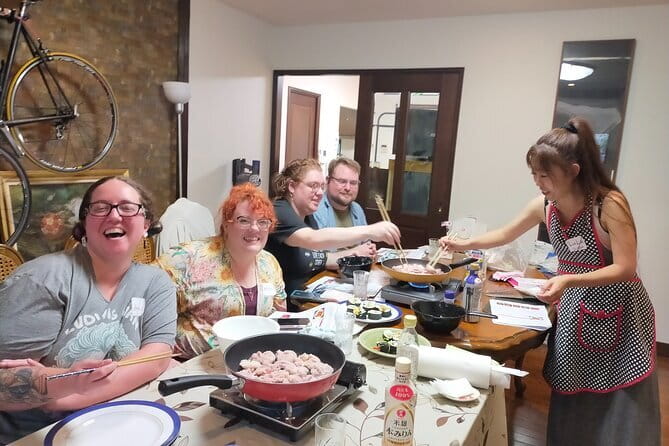
My vote leans yes if you are going to Tokyo specifically to eat and learn. The combination of small-group teaching, premium meat-focused sushi technique, and an included lunch payout makes the experience feel like real value, not just a novelty class.
It is also hard to ignore the track record: a 5 out of 5 rating across 16 reviews, with 100% recommended. Most of the praise centers on friendly instructors, high-quality ingredients, and the sense that you are supported through each step.
If you want a sushi class that feels different from the usual fish-only versions, and you like the idea of learning how to plate, this is a strong pick. Just be sure you are comfortable with meat-based sushi and ready to meet at noon without hotel pickup.
FAQ
How long is the Wagyu sushi-making experience?
It runs for about 1 hour 30 minutes.
What time does the class start?
The start time is 12:00 pm in Tokyo.
Where does it meet, and where does it end?
It starts in Tokyo, Japan and ends back at the meeting point. The meeting location is near public transportation.
How large is the class group?
The experience has a maximum of 6 travelers.
What sushi styles will I make?
You will learn to create sushi styles including nigiri, gunkan maki, and temaki.
Is lunch included, and do I eat what I make?
Yes. Lunch is included, and the experience is designed so you can relax and eat your creations at the end.
Are vegan or vegetarian options available?
No. Vegan and vegetarian options are not available.
Are ingredients and equipment provided?
Yes. The experience includes ingredients and equipment, so you can focus on learning the techniques.
Is hotel pickup and drop-off included?
No. Hotel pickup and drop-off are not included.
Do I get a mobile ticket or photographs?
You receive a mobile ticket, and there are later-downloadable photographs from during the experience.
What is the cancellation policy, and does weather affect it?
You can cancel for a full refund if you cancel at least 24 hours before the start time. It also requires good weather. If it is canceled due to poor weather, you will be offered a different date or a full refund. A minimum number of travelers is also required, so if that minimum is not met, you may be offered another date or a full refund.
Counters and Courses


Kitchens You Can Book Into

Newest Tokyo write-ups from the Loving Japan desk






Japanese Cooking Classes, side by side.
 ★ 5.0Sushi Making Tokyo Roll and Authentic Japanese Sushi ClassFrom $593,971 reviews
 ★ 4.9Roll and Authentic Sushi Making Class in AsakusaFrom $581,957 reviews
 ★ 5.0Ramen Cooking Class at Ramen Factory in KyotoFrom $1311,937 reviews
 ★ 4.9Sushi Making Class in a Happi Coat near a Famous SpotFrom $421,377 reviews
 ★ 5.0Sushi Making Osaka Roll and Authentic Japanese Sushi ClassFrom $311,220 reviews
 ★ 5.0Tokyo Sushi Making Class in Tsukiji with Professional ChefFrom $491,177 reviews
 ★ 5.0Ramen & Gyoza Cooking Class in Tokyo with Local Supermarket VisitFrom $122823 reviews
 ★ 5.0Tsukiji Fish Market Guided Tour and Sushi Making with Pro ChefFrom $104775 reviews
Filed on these lists too