
REVIEW · HIROSHIMA PEACE MEMORIAL PARK AND MUSEUM
Hiroshima & Miyajima: UNESCO A-Bomb Dome & Itsukushima
Hiroshima hits harder when guided by family memory. This private day trip connects second-generation atomic bomb survivors with the landmarks that everyone sees, but few truly understand. I love that you get a human, inside perspective tied to Hiroshima families, and I love that the day starts on Miyajima Island at Itsukushima Shrine, a UNESCO site with serious spiritual atmosphere. One possible drawback to plan for: the Hiroshima Peace Memorial Museum and park are emotionally intense, and you should pace yourself.
A big part of the value is the guide you travel with all day. In the wild, I’ve heard names like Masa (Masayo Kobayashi) and Yuka come up for calm explanations, top-tier photo timing, and smart adjustments for tides. The only real consideration is that you will move by train, ferry, tram, and some walking, so bring weather-proof shoes and a rain layer.
In This Review
- Key highlights worth booking for
- Your private day, from Miyajima tides to Hiroshima’s memory sites
- Japanese local guides with family stories you will not get from signs
- First stop: Miyajima Island and Itsukushima Shrine
- Daishoin, Senjokaku, and the island stops people skip
- Lunch on Miyajima and Hiroshima: what to look for
- Hiroshima Castle, Shukkeien Garden, and why the day needs breathing space
- The Atomic Bomb Dome, Hypocenter, and Peace Memorial Park route
- Peace Memorial Museum timing and the Feb. closure note
- Getting around: trains, ferries, trams, and the part you should budget for
- Price value: why $177 per person can make sense
- Who this tour is best for, and who should rethink it
- Should you book this Hiroshima and Miyajima private tour?
- FAQ
- How long is the Hiroshima and Miyajima tour?
- Is this experience a private tour?
- What languages are the guides?
- Which key attractions are included in the day?
- Are museum and garden entry tickets included, and is there a way to skip lines?
- What costs are not included in the price?
- Does the itinerary ever change based on conditions like tides?
- Is the Peace Memorial Museum always open?
- Is wheelchair access available, and is the tour suitable if I have a cold?
Key highlights worth booking for
Family-tied storytelling from local Hiroshima guides
You hear personal stories passed down through Hiroshima families, including perspectives shaped by surviving history.
UNESCO Itsukushima Shrine on Miyajima Island
You start with the sacred island mood, then build into shrine and temple stops that most people rush past.
A-bomb core sights in Hiroshima City
Atomic Bomb Dome, Hypocenter area, Peace Memorial Park, and museum entry are built into one steady route.
Photo stops that actually consider timing
Guides help you frame key sights, including opportunities tied to tide for the floating torii look.
Flexible private itinerary
You can customize the day around your pace and what you care about most, not a scripted bus schedule.
Tickets and key entry points included
Peace Memorial Museum entry and Shukkeien garden entry are part of the experience.
The Peace Memorial Park and Museum, further guided visits
- Hiroshima Historical Walking Tour – Why A-Bomb was Dropped
★ 4.8 · 893 reviews - Hiroshima Peace (Heiwa) Walking Tour at World Heritage Sites
★ 5.0 · 872 reviews - Hiroshima: Miyajima Peace Memorial Icons of Peace and Beauty
★ 4.9 · 361 reviews - Hiroshima/Guided Virtual Tour of Peace Park/PEACE PARK TOUR VR
★ 5.0 · 157 reviews
Your private day, from Miyajima tides to Hiroshima’s memory sites
This is a one-day way to connect two places that feel totally different, but belong together. Miyajima Island gives you a quiet, sacred start, with shrine symbolism, temple halls, and deer wandering around like they own the place. Hiroshima City then shifts the tone, leading you toward the Atomic Bomb Dome and the Peace Memorial Park area, where the story is not abstract. It is framed through lived family memory and careful local context.
The private format matters. Instead of guessing which stop to prioritize, you follow a guide who can steer timing and walking pace. The day also has built-in flexibility, so if weather or tides shift what you can see on Miyajima, you are not stuck.
And yes, the day runs like a full day. It’s listed at about 7 hours, with multiple transit segments. That is a feature, not a flaw, as long as you come prepared to stay mentally present for both beauty and grief.
Japanese local guides with family stories you will not get from signs
The strongest part of this tour is the guide. You are not just hearing dates and facts. You are hearing how Hiroshima families carry the meaning of August 6, 1945 across generations, and what that responsibility feels like in daily life.
That is why you might notice the tone is different. At the Peace Memorial sites, the guide tends to speak with restraint and clarity, then offers personal framing, not shock value. Names that come up in past experiences include Masa (Masayo Kobayashi) and Yuka, both described as warm, thoughtful, and able to answer questions as they come up.
If you’re worried about the day being too heavy, it helps to know the guide can shape the experience to your level of reflection. Some people want straightforward orientation, others want slower conversation and more context. This tour is set up so you can do that.
First stop: Miyajima Island and Itsukushima Shrine
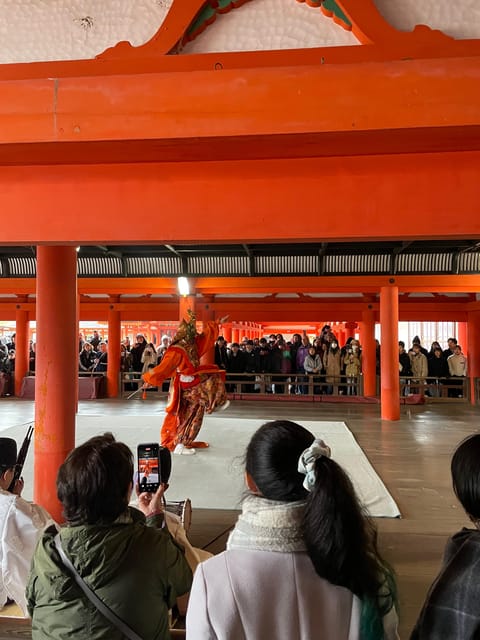
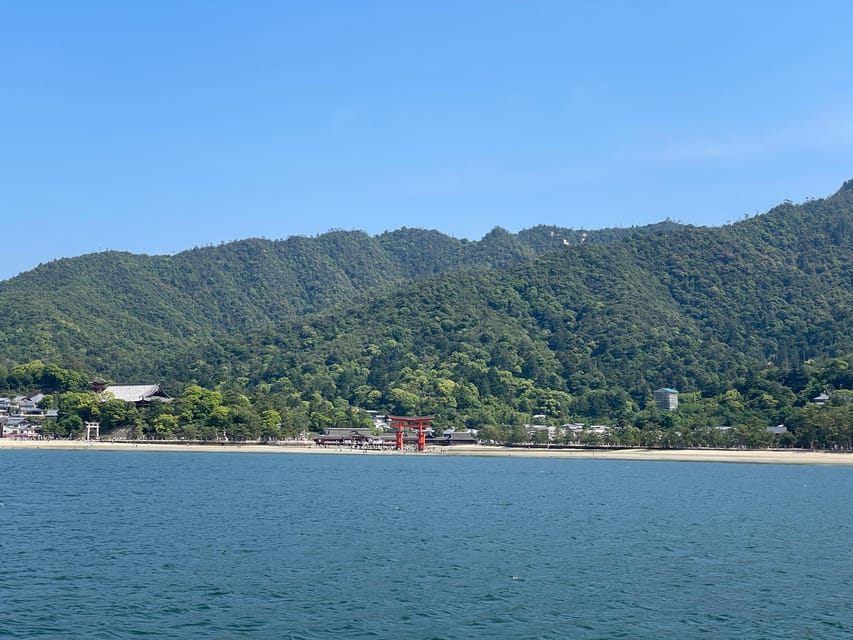
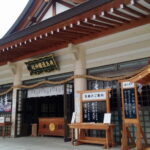
Miyajima is where the day earns its calm. You take a short ride to the island, then get time for a guided visit around the shrine area and the approach toward it. Itsukushima Shrine is a UNESCO World Heritage site, and the experience feels layered: you notice the architecture and carvings, but you also feel the rhythm of the place, the sense that the island itself is part of the story.
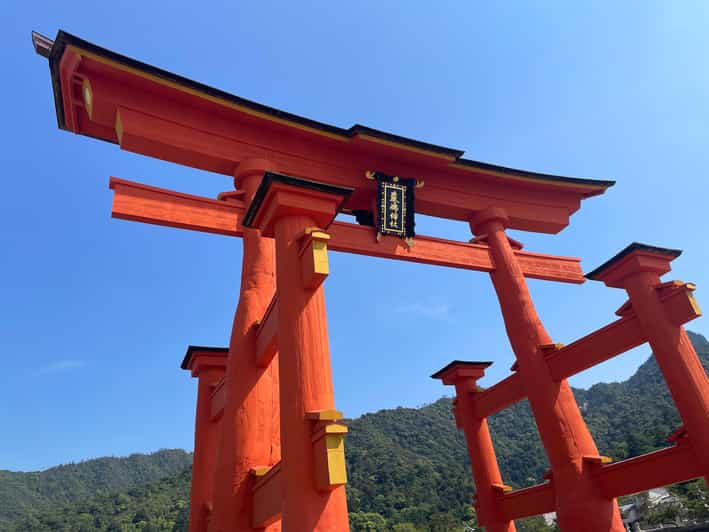
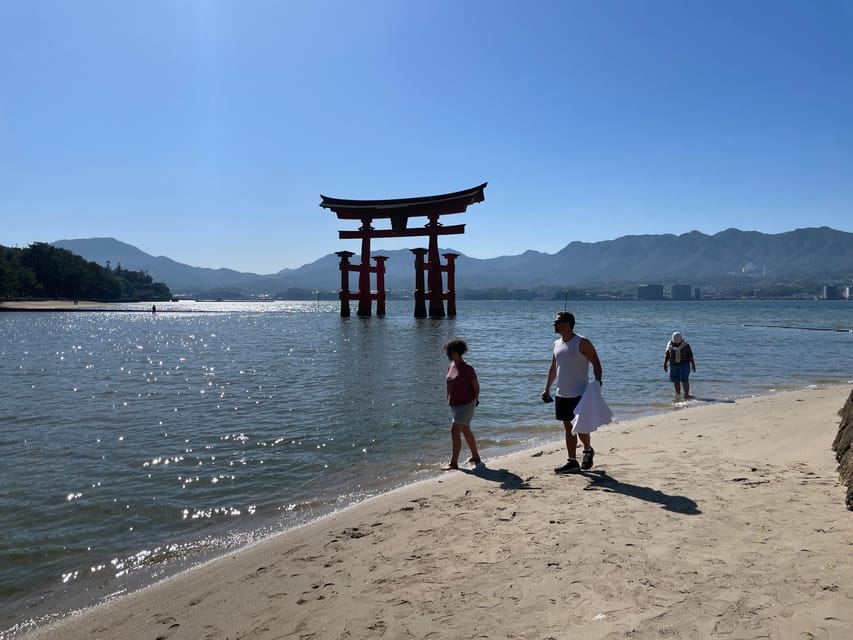
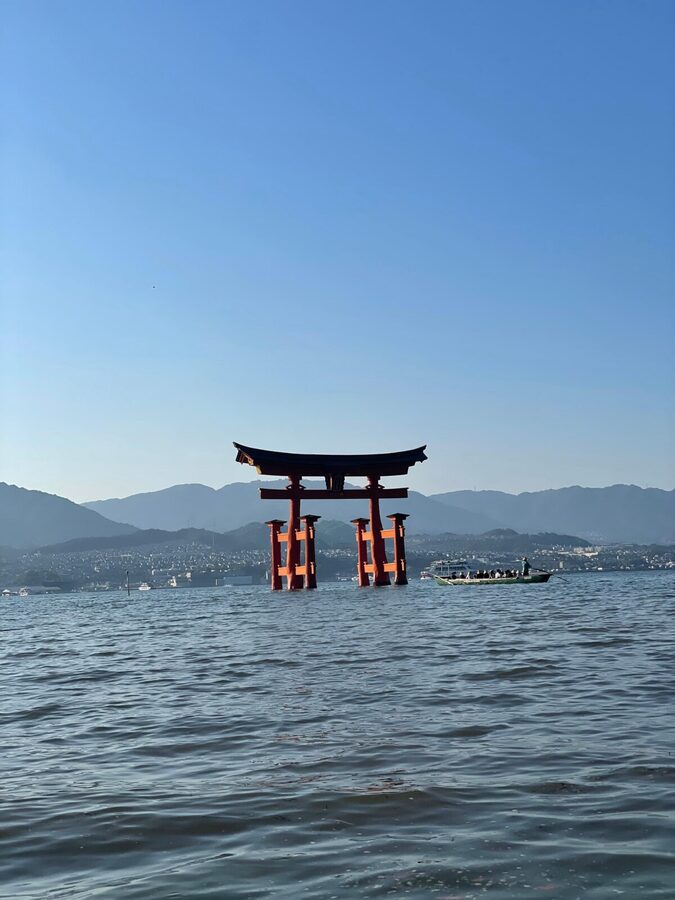
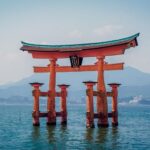
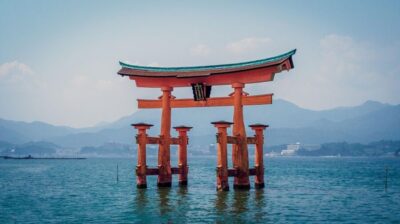
A key moment is the Itsukushima Floating Torii Gate photo stop. The torii appears to float because of the shoreline and tide level. Since the tour can adjust based on conditions, a good guide will try to position you for the best possible view. In past tours, this has been timed around high tide when possible, so plan to let the guide make the call.
What I like here is the pacing. You get time to look and not just stand in a line. You also get a guided layer before free time, so you understand what you are seeing and why it matters. When you go into the shrine with context, you come out paying closer attention.
Pairing the city with Miyajima. Other itineraries
- Peaceful Hiroshima & Miyajima UNESCO 1 Day Bus Tour★ 5.0 · 5,309 reviews
- Hiroshima: Hiroshima and Miyajima UNESCO Sites 1-Day Tour★ 4.9 · 2,330 reviews
- Hiroshima / Miyajima Full-day Private Tour with Government Licensed Guide★ 5.0 · 1,298 reviews
- Hiroshima in a Nutshell: Morning Bike Adventure★ 5.0 · 524 reviews
- Hiroshima City 4hr Private Walking Tour with Licensed Guide★ 5.0 · 437 reviews
Daishoin, Senjokaku, and the island stops people skip

After the main shrine area, you move into other standout sites on Miyajima. These are not random add-ons. They round out the spiritual and cultural feel of the island.
Daishoin is a guided stop where you spend enough time to absorb symbolism and atmosphere without feeling like you’re sprinting. The day also includes photo stops and short guided segments around Senjokaku Pavilion. Even if you only catch a few angles, it helps to have someone explain what you are looking at, because this kind of site reading is hard to do fast on your own.
Then there’s time at Miyajima Omotesandō shopping street. This is where the day becomes human again. You get scheduled time for a workshop segment and then time for lunch and shopping. This is also one of the easiest places to get small local treats. In prior experiences, guides have steered people toward island favorites like momiji manju, the iconic maple-shaped cakes associated with Miyajima.
You’ll likely want to slow down here. Not everything is about eating, but eating is part of the local storytelling. If you come hungry, you are more likely to enjoy the details.
Lunch on Miyajima and Hiroshima: what to look for
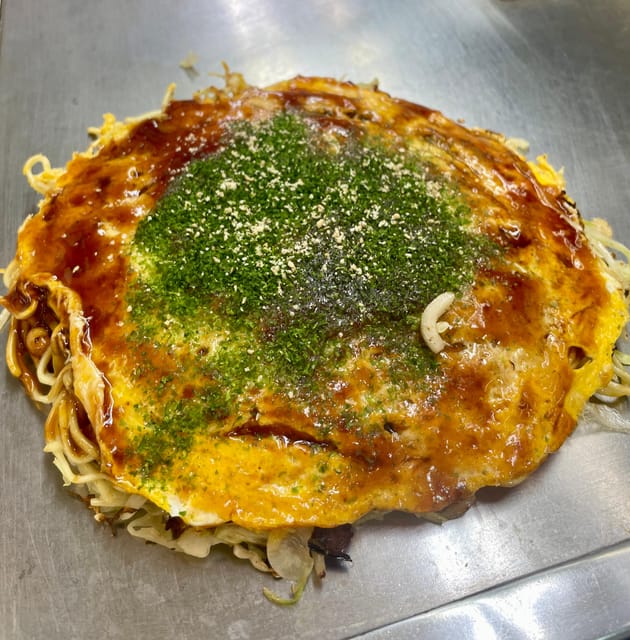
Lunch is scheduled with about 1.5 hours on Miyajima Omotesandō. The tour is not listing a single set menu, so you are free to choose what fits you. Since food is not included, you should treat this as your meal-planning moment rather than something the guide forces.
This is also the time to take advantage of the guide’s instincts. Past experiences mention guides recommending local flavors like oyster-focused options and eel and beef meals in Hiroshima contexts later in the day. On Hiroshima’s side, okonomiyaki comes up as a reliable pick for refueling before the Peace sites.
My practical tip: if you have dietary needs, tell your guide during the planning stage. You will get better recommendations because you’ll be eating with local constraints, not generic translations.
Hiroshima Castle, Shukkeien Garden, and why the day needs breathing space
Once you are back in Hiroshima City, the route includes two calmer, scenic stops before you go straight into the heaviest memorial sites.
First, Shukkeien Garden. You’ll have a photo stop and a guided visit here, plus entry included. This is a chance to step out of straight-line history tourism and reset your head for what comes next.
Then there’s Hiroshima Castle for a photo stop and a short guided visit. Even if you do not treat castles like a must-see, having this stop breaks the emotional straight line. It also helps you understand Hiroshima as a living city, not only a memorial map.
This matters because you are about to spend time around the A-bomb sites. A short aesthetic pause keeps you from feeling like you’re on autopilot.
The Atomic Bomb Dome, Hypocenter, and Peace Memorial Park route
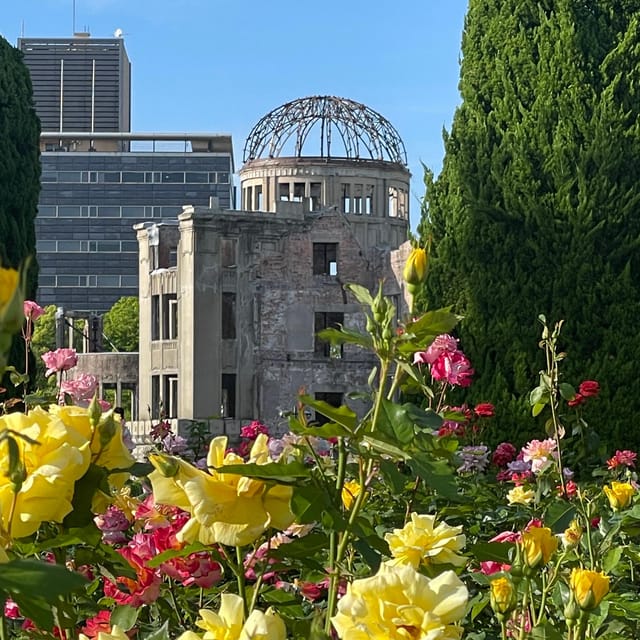
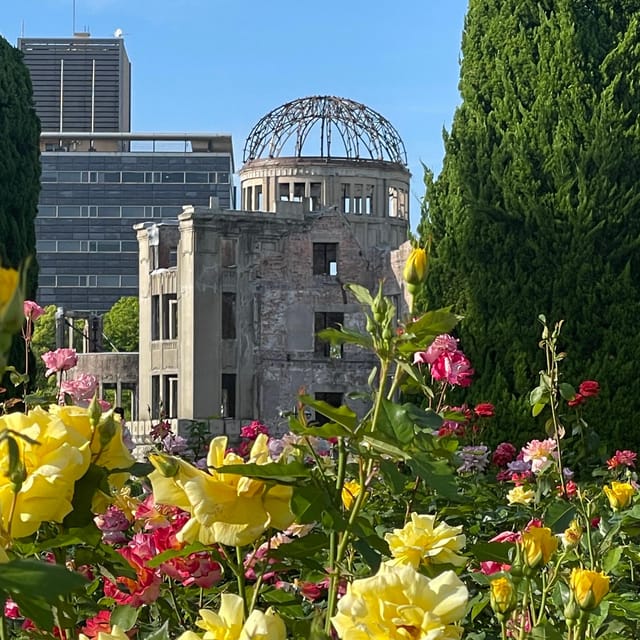
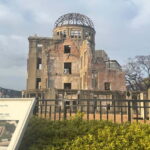
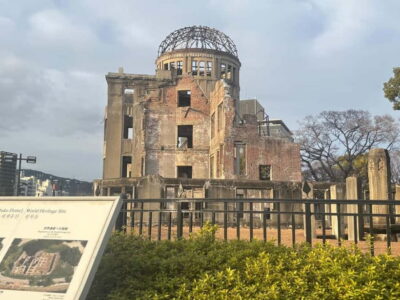
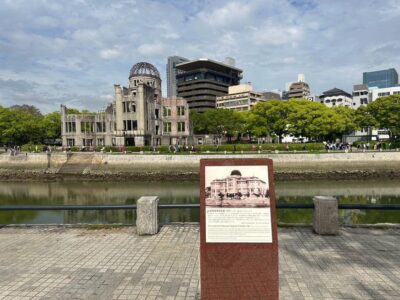
Now comes the core. You visit the Atomic Bomb Dome area, including a photo stop and guided time. The Dome is one of those places where your brain knows it’s important long before your heart catches up. A local guide helps you keep your bearings, connect it to the wider context, and understand how Hiroshima remembers the event in public space.
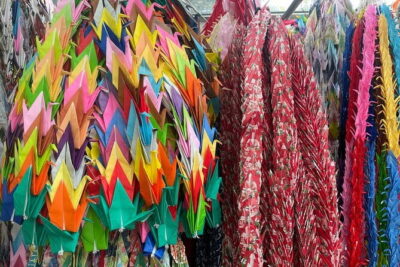
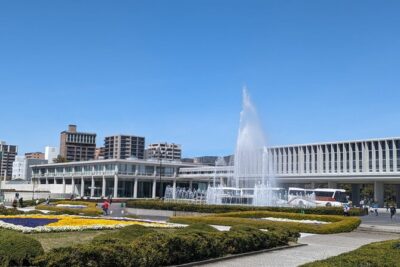
Next are the Hypocenter photo stop and guided visit, followed by Peace Memorial Park. The park portion includes guided time and photo stops through key monuments, including the Children’s Peace Monument and nearby areas that anchor the story in human terms.
A practical consideration: this part of the day can feel slow in the best way. The places are close, but the emotional processing takes time. If you feel yourself getting overwhelmed, ask your guide for a moment to step back. That’s not a failure. It’s part of doing this respectfully.
Peace Memorial Museum timing and the Feb. closure note
The Peace Memorial Museum visit is scheduled at about 1 hour, and museum entry is included. The museum is designed for careful learning, and it’s also designed to be heavy. You do not need to force it fast. If you are the type who reads everything, you may want more time. If you prefer a guided focus, lean on your guide’s ability to explain what to prioritize before you go in.
Important scheduling note: the Peace Memorial Museum is closed Feb. 16 to Feb. 21 due to renewal. If your dates fall in that window, you’ll want to plan an alternative approach to the memorial focus.
Getting around: trains, ferries, trams, and the part you should budget for
Transportation is part of the tour, but not everything is included. You’ll use public transportation for the segments, and the tour also states that taxi can be used if you want it. That’s helpful if someone in your group is tired or mobility is limited.
However, transportation fees like taxi, tram, and bus costs are not included. There is also a visitor’s tax for Miyajima Island that is not included.
Here’s why this matters for your decision: the tour price can feel very reasonable once you add up what you’re getting, but your total day cost will climb a bit once you factor transit expenses and any island taxes. If you’re trying to keep your budget tight, plan for those extras and you won’t get surprised.
Price value: why $177 per person can make sense
At $177 per person for a 7-hour private tour, you are paying for three big things that often cost extra if you try to DIY:
1) A live guide all day, with strong local context
The guide is the product. The personal perspective and family-story angle is not something you can replicate with a map app.
2) Coordinated timing for Miyajima and key sights
Even if you could reach these places independently, getting the right order and avoiding wasted time is worth money, especially with tides affecting what you can see.
3) Entry tickets included for major sites
Peace Memorial Museum entry and Shukkeien Garden entry are included. That offsets some of the base price.
So the value equation usually lands well if you want more than checkboxes. If you only want the bare minimum, DIY can be cheaper. But if you want meaning, context, and a smoother day, this format justifies itself quickly.
Who this tour is best for, and who should rethink it
This experience fits travelers who want real context, not just crowd-level sightseeing. It’s especially a good match if you:
- care about understanding Hiroshima through family memory and local perspective
- want to see both Miyajima and the Peace Memorial core in one day
- prefer a private guide who can adjust pace and interest
It’s not a great fit if you have a cold. That is explicitly noted, so if you are under the weather, skip this and pick a lighter day plan.
One more practical fit note: the tour can include walking and multiple transit segments. If you have mobility limits, you should let the provider know in advance, since wheelchair access is supported but requires advance communication.
Should you book this Hiroshima and Miyajima private tour?
Book it if you want a day that is organized, human, and deeply guided. The best reason is the combination: UNESCO Miyajima shrine beauty plus Hiroshima Peace sites explained through personal family memory. That pairing is rare, and it changes how you remember the day afterward.
Skip or reconsider if your top priority is minimizing emotional intensity, or if you prefer doing this strictly at your own pace with no guided framing. This tour can be flexible, but it still includes the museum and core memorial route, which some people find more than they bargained for.
If you do book, do two things that make the day better right away: wear comfortable shoes and bring a light rain layer. Hiroshima weather can turn, and a good guide will still get you to the right places. Then ask questions. This is the kind of tour where good questions get even better answers.
FAQ
How long is the Hiroshima and Miyajima tour?
The tour duration is listed as 7 hours.
Is this experience a private tour?
Yes, it is a fully private group tour.
What languages are the guides?
The live tour guide is offered in English and Japanese.
Which key attractions are included in the day?
You visit Miyajima and Itsukushima Shrine, including the Itsukushima Floating Torii Gate photo stop, plus Hiroshima sites including the Atomic Bomb Dome, Hypocenter, Peace Memorial Park, and the Peace Memorial Museum. The itinerary also includes Shukkeien-garden and a stop for Hiroshima Castle.
Are museum and garden entry tickets included, and is there a way to skip lines?
Yes. Peace Memorial Museum entry tickets and Shukkeien-garden entry tickets are included, and the tour notes skip the ticket line.
What costs are not included in the price?
Transportation fees (taxi, tram, bus, etc.) are not included. The visitor’s tax to Miyajima Island is not included, and drinks or food are not included either.
Does the itinerary ever change based on conditions like tides?
Yes. The itinerary may change depending on the point of departure or tides, and the guide can use walking or public transportation depending on your situation and preferences.
Is the Peace Memorial Museum always open?
No. The Peace Memorial Museum is closed from Feb. 16 to Feb. 21 due to renewal.
Is wheelchair access available, and is the tour suitable if I have a cold?
The tour is wheelchair accessible, and you should let the provider know in advance. People with a cold are listed as not suitable for this activity.
If you want, tell me your travel month and whether you care more about shrine time or Peace Memorial time, and I’ll suggest a simple priority order for how to use the tour’s flexibility.
Hiroshima and Miyajima Together
Guided Visits to the Peace Memorial Park

Newest Hiroshima write-ups from the Loving Japan desk
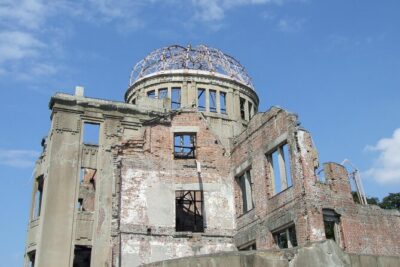
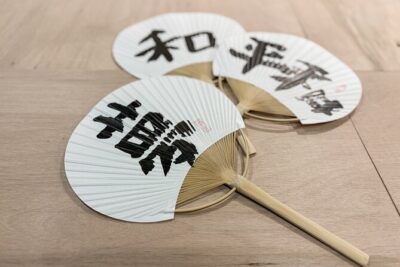
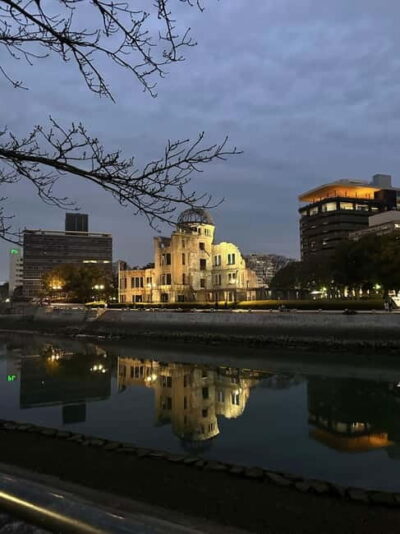
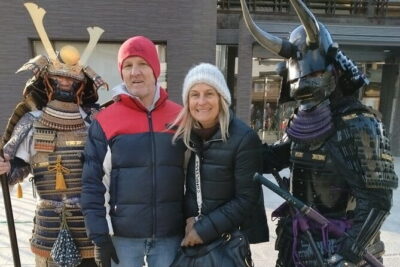
Hiroshima Peace Memorial Park and Museum, side by side.
 ★ 4.8Hiroshima Historical Walking Tour – Why A-Bomb was DroppedFrom $35893 reviews
 ★ 5.0Hiroshima Peace (Heiwa) Walking Tour at World Heritage SitesFrom $94872 reviews
 ★ 4.9Miyajima Peace Memorial Icons of Peace and BeautyFrom $163361 reviews
 ★ 5.0Hiroshima/Guided Virtual Tour of Peace Park/PEACE PARK TOUR VRFrom $33157 reviews
 ★ 4.9Peace Memorial Park and Atomic Bomb Dome TourFrom $2391 reviews
 ★ 5.0Hiroshima; Hiroshima Peace Memorial Museum and Castle TourFrom $6789 reviews
 ★ 5.0Hiroshima History Tour : A-Bomb Dome, Peace Memorial & CityFrom $10343 reviews
 ★ 5.0Hiroshima Peace Memorial and Atomic Bomb Dome Private TourFrom $8537 reviews
Filed on these lists too