
REVIEW · HIROSHIMA PEACE MEMORIAL PARK AND MUSEUM
Hiroshima: Miyajima Peace Memorial Icons of Peace and Beauty
Two days, one feeling, and a lot to take in. This 8-hour tour connects Hiroshima’s Peace Memorial Park with Miyajima Island so you experience both remembrance and beauty in the same day. I liked the emotional arc, Hiroshima in the morning, then the calm of the Seto Inland Sea and the shrine at Itsukushima.
I also like how much the logistics are handled for you. You meet at a clear spot near the park, then move by public transport, including a ferry, without wrestling train schedules, and the guide Ken helped keep things moving with clear, friendly explanations.
One thing to consider: you do a fair amount of walking and you visit heavy-hitting places, especially the museum. Bring comfortable shoes, pace yourself, and plan for a day that is both moving and mentally intense.
In This Review
- Key things I’d highlight before you go
- Meet at 7-Eleven, then let the city do the work for you
- Hiroshima Peace Memorial Park, from Atomic Bomb Dome to paper cranes
- The museum hour that changes how you see the city
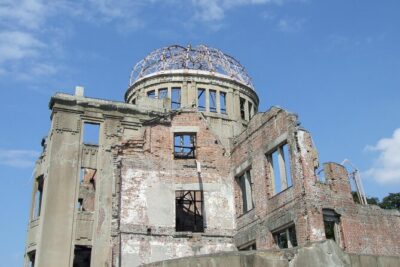
- Atomic Bomb Dome to ferry, the best kind of transition
- Itsukushima Shrine at the water’s edge, plus Tenshinkaku’s calmer room
- Senjokaku and the Miyajima walk where snacks turn into a mini-break
- Pace, photos, and the small logistics that make a big difference
- Price and value for an 8-hour Hiroshima plus Miyajima day
- Who should book this tour, and who should think twice
- Should you book this Hiroshima and Miyajima tour?
- FAQ
- How long is the Hiroshima and Miyajima tour?
- Where do I meet the guide?
- Is lunch included?
- What transportation is included?
- Which places are included in the visit?
- What languages is the guide available in?
- Are entrance fees included?
- Is there an option for professional photos?
- What is the cancellation policy?
- What if I book as a solo traveler?
Key things I’d highlight before you go
- Atomic Bomb Dome context with the nearby peace monuments that frame what you’re seeing
- Peace Memorial Park walking route that makes time for the Cenotaph and the Flame of Peace
- Hiroshima Peace Memorial Museum as a real understanding-builder, not just photos
- Ferry time to Miyajima that makes the change of scenery feel real
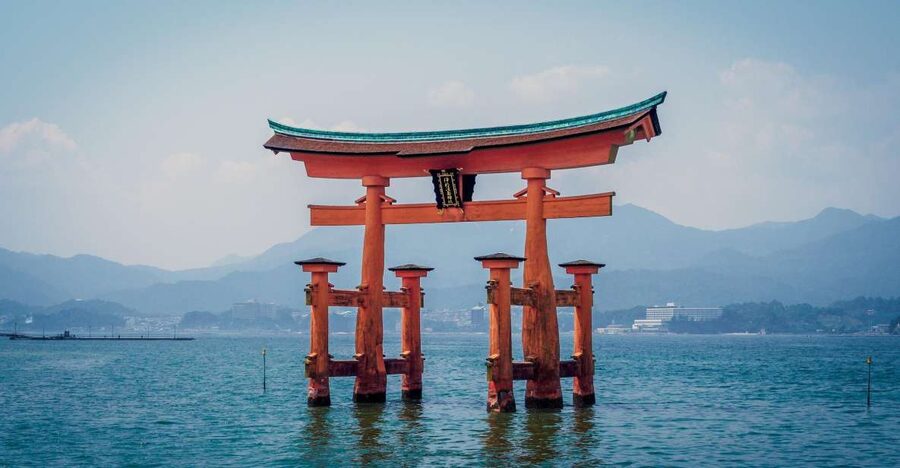
- Itsukushima Shrine and Tenshinkaku for architecture, atmosphere, and that floating-at-tide look
- Miyajima free time for tea houses, handicrafts, and maple-leaf snacks like Momiji Manju
The Peace Memorial Park and Museum, further guided visits
- Hiroshima Historical Walking Tour – Why A-Bomb was Dropped
★ 4.8 · 893 reviews - Hiroshima Peace (Heiwa) Walking Tour at World Heritage Sites
★ 5.0 · 872 reviews - Hiroshima: Miyajima Peace Memorial Icons of Peace and Beauty
★ 4.9 · 361 reviews - Hiroshima/Guided Virtual Tour of Peace Park/PEACE PARK TOUR VR
★ 5.0 · 157 reviews
Meet at 7-Eleven, then let the city do the work for you
I love starting this kind of day with an easy landmark meet point. You gather at the 7-Eleven Hiroshima Motoyasubashi East Store directly outside the Peace Memorial Park, which keeps the morning stress low and helps you find the group fast.
From there, the rhythm is simple: guided time inside Hiroshima, then public transport onward. The plan matters because Hiroshima and Miyajima are both places where you can lose time if you are figuring out routes, ticket lines, and where to stand to see what you came for.
The tour is also a good match if you want some breathing room between stops. You are not locked in every minute, and that matters once the day turns emotional.
Hiroshima Peace Memorial Park, from Atomic Bomb Dome to paper cranes
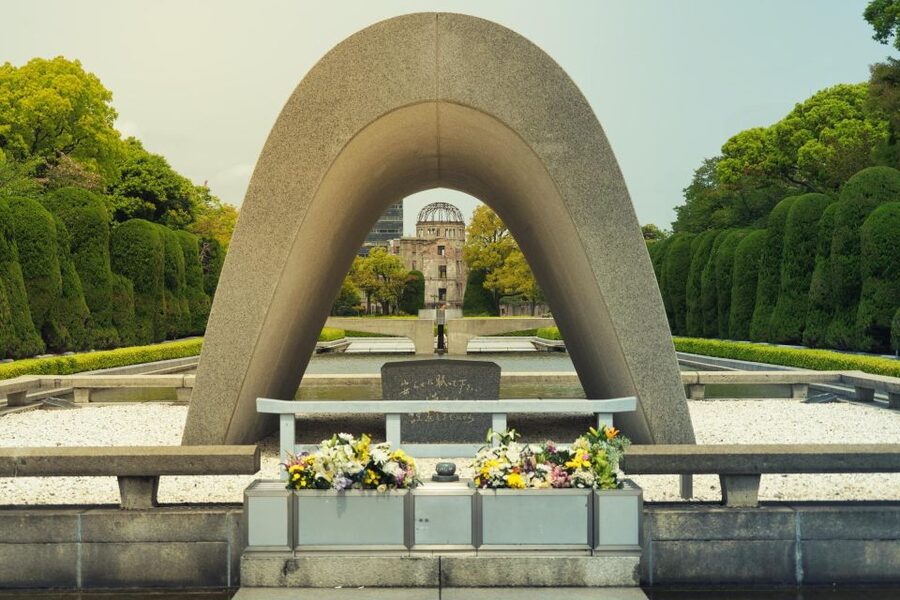
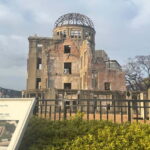
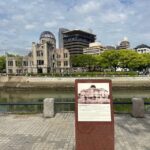
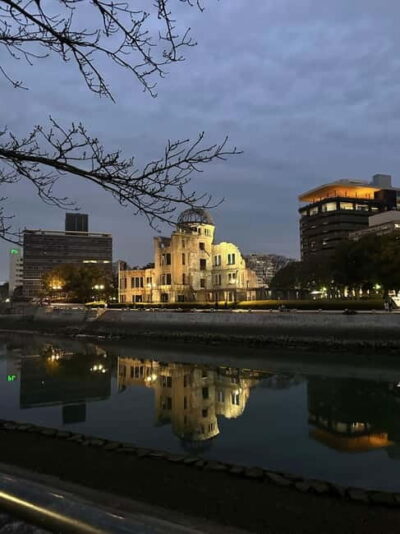
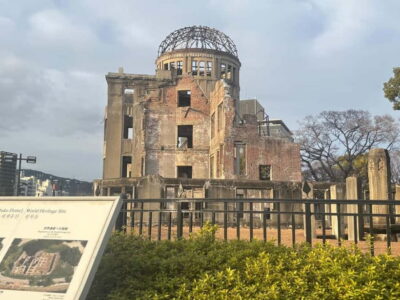
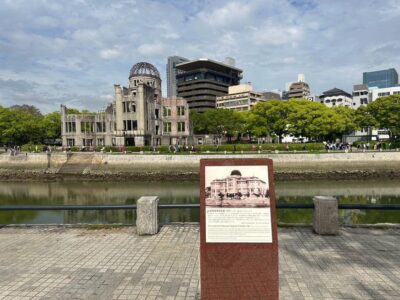
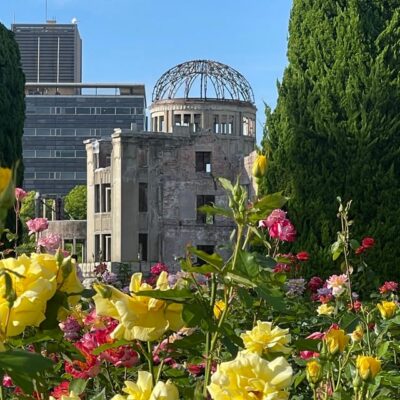
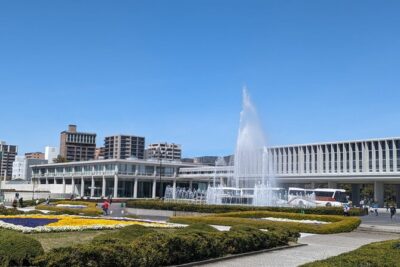
The Hiroshima Peace Memorial Park is not just a scenic loop, it’s a carefully arranged space for reflection. The big anchor is the Atomic Bomb Dome, a UNESCO World Heritage Site you see as a reminder of August 6, 1945, and the message of peace feels tied to everything around it.
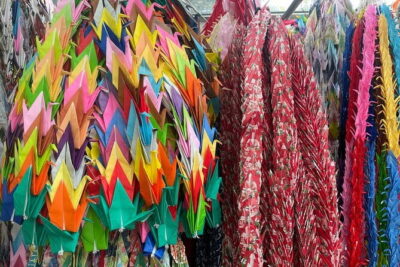
What I really liked here is how the monuments work together while you walk. You move past the Cenotaph for the A-bomb Victims, and you see the paper cranes that people leave behind. Nearby, the Flame of Peace burns continuously, and it gives the area a sense of ongoing intention, not just history on display.
The key practical benefit: you get a guided route that helps you focus on what each site is saying. Without that, it’s easy to rush from one photo spot to the next and miss why the park is laid out the way it is.
The museum hour that changes how you see the city
After the park, you head into the Hiroshima Peace Memorial Museum for about an hour of guided time. This is where the story becomes more specific, and the place stops feeling like a set of landmarks and starts feeling like evidence you can understand.
The museum is the part of the day that can hit hardest. You get insights into the tragic atomic bombings of Hiroshima and Nagasaki, and the guide helps you connect details to what you already saw outside.
One practical tip I’d give you: don’t try to read everything at the same speed as the rest of your group. Use the guide to orient your attention, then slow down in the sections that pull you in. That’s also why having a timed plan helps, you do not have to make hard choices about where to cut.
Pairing the city with Miyajima. Other itineraries
- Peaceful Hiroshima & Miyajima UNESCO 1 Day Bus Tour★ 5.0 · 5,309 reviews
- Hiroshima: Hiroshima and Miyajima UNESCO Sites 1-Day Tour★ 4.9 · 2,330 reviews
- Hiroshima / Miyajima Full-day Private Tour with Government Licensed Guide★ 5.0 · 1,298 reviews
- Hiroshima in a Nutshell: Morning Bike Adventure★ 5.0 · 524 reviews
- Hiroshima City 4hr Private Walking Tour with Licensed Guide★ 5.0 · 437 reviews
Atomic Bomb Dome to ferry, the best kind of transition
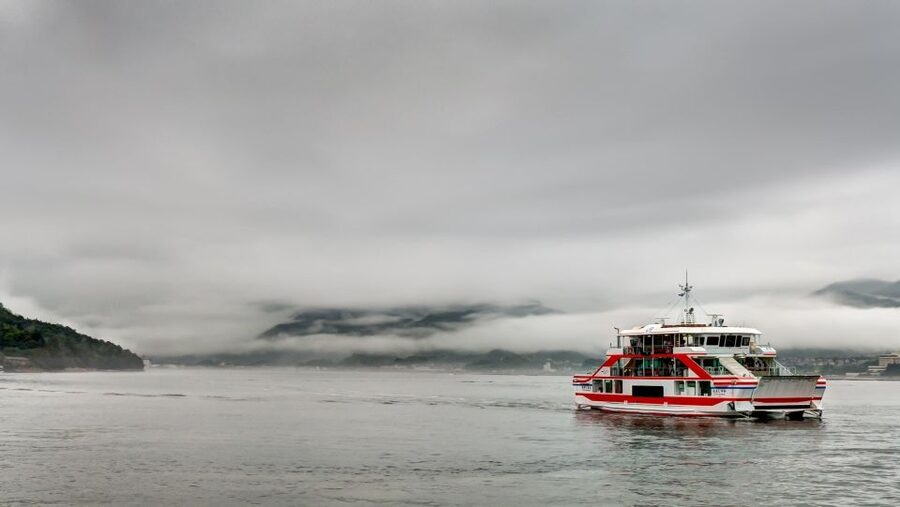
Once you finish Hiroshima’s core memorial sites, the day pivots. You take a ferry for about an hour as you head to Miyajima, and that boat ride is more than transit.
I like it because it gives you a mental switch. The water and the movement make it easier to reset after the park and museum, so you arrive on Miyajima ready to notice details like woodwork, shrine patterns, and the island’s slower pace.
This is also a real value point. If you try to do this portion yourself, you can burn energy on timing and connections. With a guide and included transport fares, you can spend that effort on looking up at the sea and noticing how the island changes your mood.
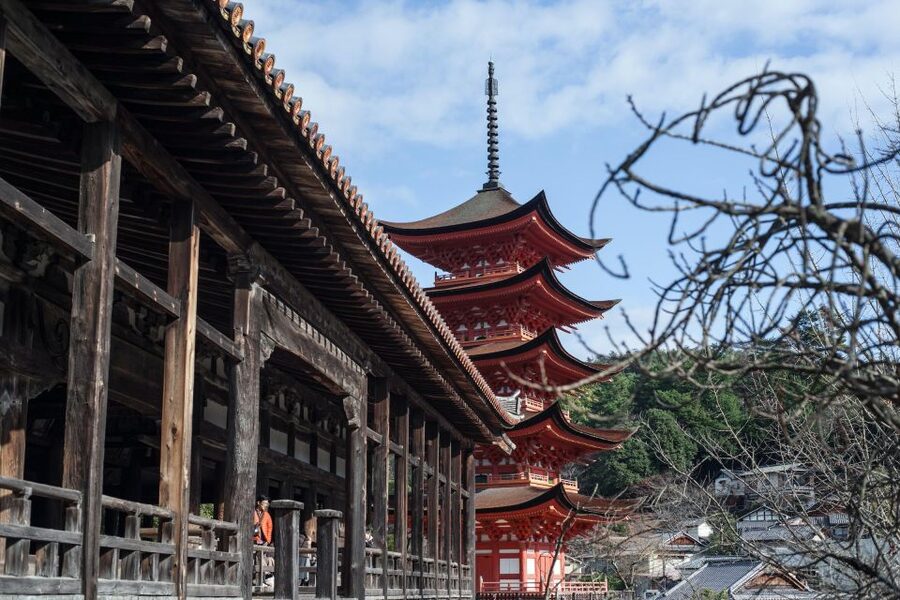
Itsukushima Shrine at the water’s edge, plus Tenshinkaku’s calmer room
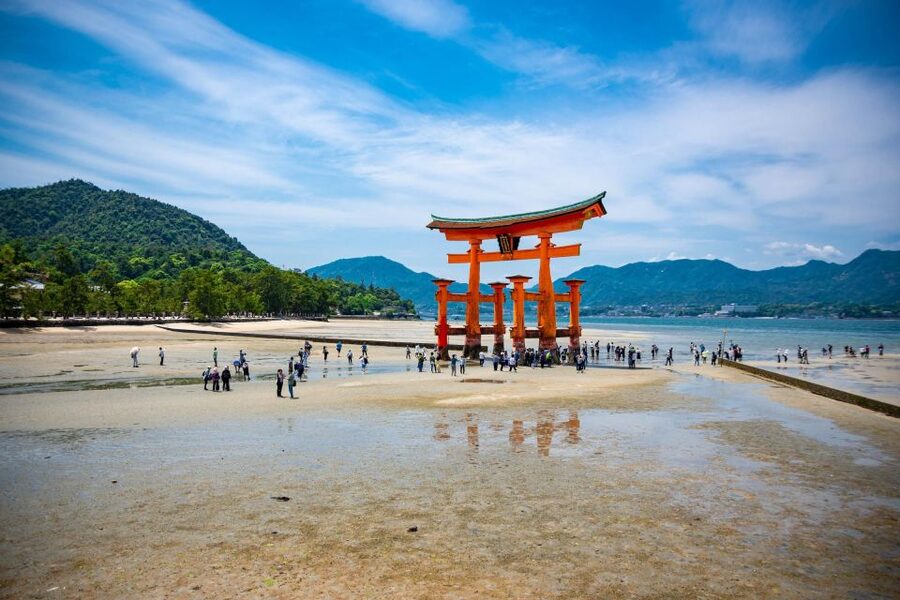
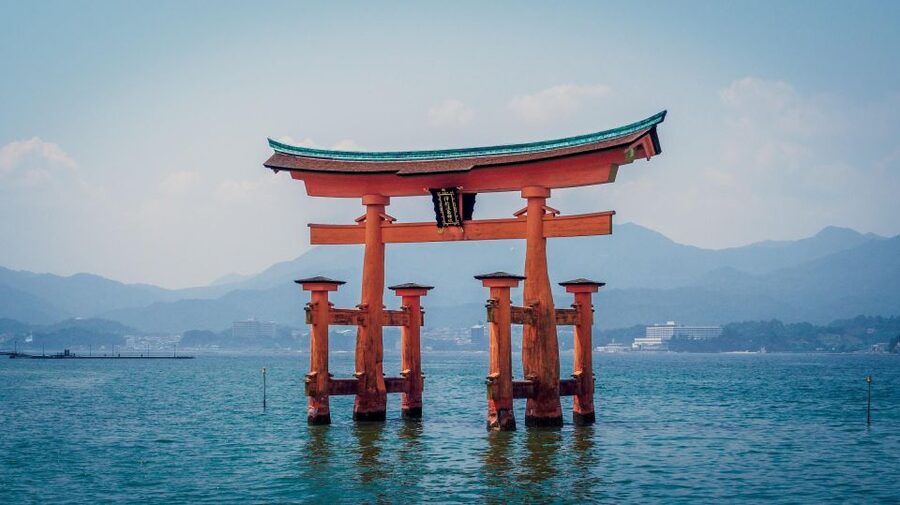
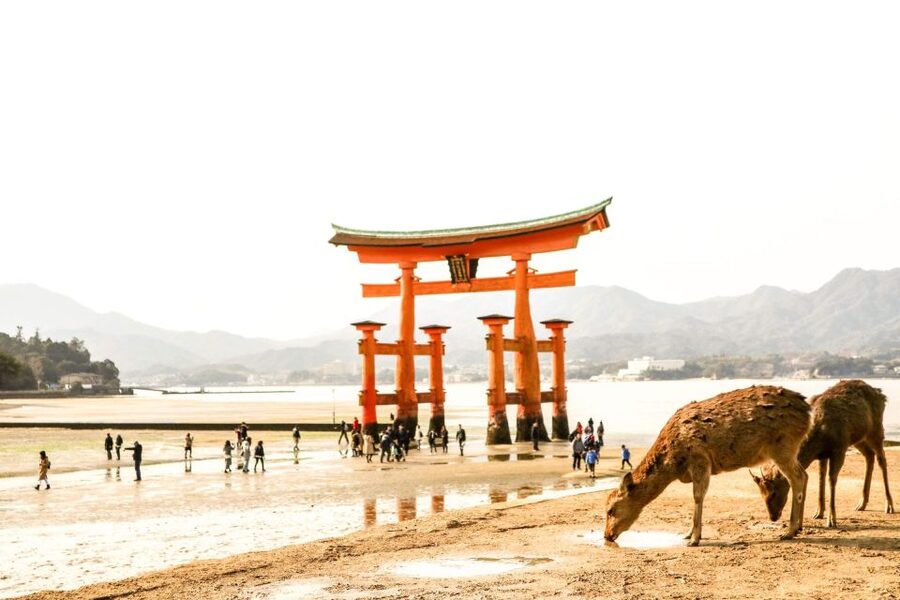
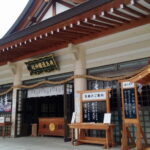
The star on Miyajima is Itsukushima Shrine, and the experience is built around the Seto Inland Sea. During high tide, the shrine appears to float, almost like it’s suspended between earth and the divine, and that visual effect is why people line up cameras.
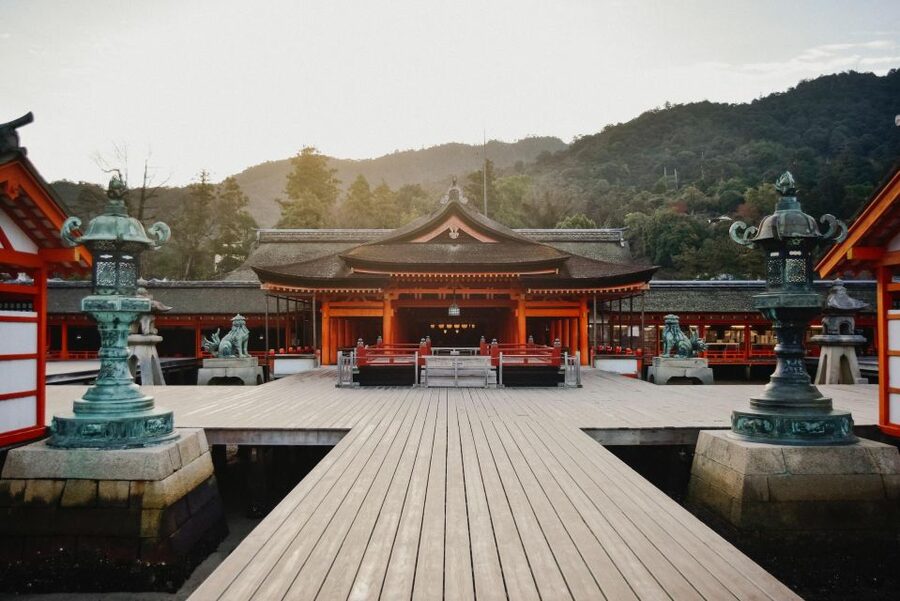
Your guided time gives you a way to appreciate the shrine beyond the postcard angle. You also get time at Tenshinkaku, the Pavilion of Heavenly Spirits, which feels quieter and more contemplative. The architecture details matter here, including intricate wooden design and traditional tatami interiors, which help you see the shrine as a craft tradition as much as a landmark.
The tour timing helps you avoid the worst of the day without pretending crowds do not exist. In peak season, the guide Ken (and others like Alex, when lead changes) is praised for keeping the day organized and moving, and for stepping around lines when possible. Still, the basic truth is that this shrine is famous, so bring patience if you travel during busy months.
Senjokaku and the Miyajima walk where snacks turn into a mini-break
After Itsukushima, you visit Senjokaku Pavilion (about 45 minutes guided). This is one of those spots where you feel the scale of the island’s spiritual geography, and you get a sense of how Miyajima balances worship, culture, and daily life.
Then comes the part I look forward to on any shrine-centered day, the chance to wander. You get about 45 minutes for lunch, and the rest of the time includes around an hour of guided walking plus an hour of free time.
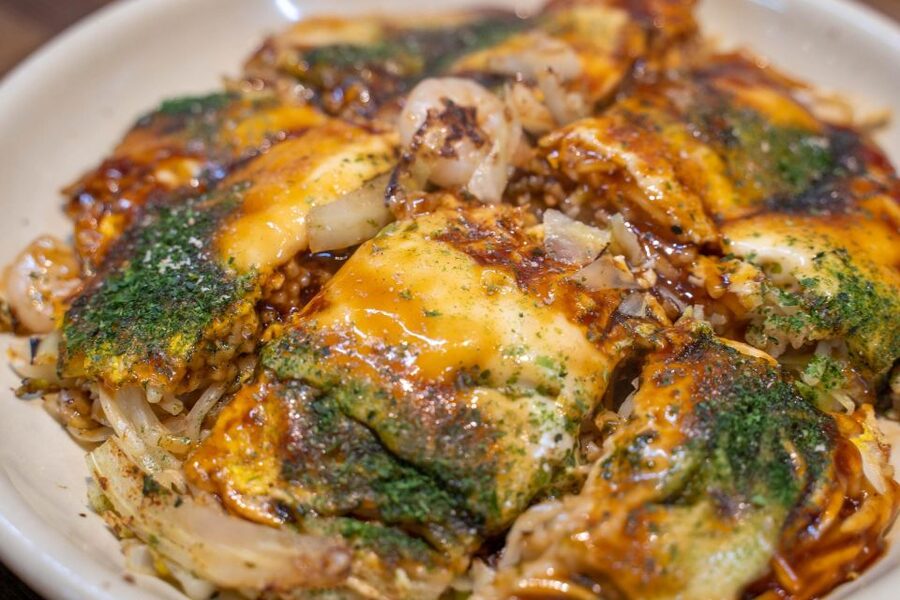
That free time is where Miyajima becomes fun in a hands-on way. You can stroll through streets with tea houses and handicrafts, and you can snack on Momiji Manju, the maple-leaf-shaped cake with sweet or savory fillings. If you like small purchases, this is also where you’ll spot traditional souvenirs that do not feel like generic tourist goods.
A quick note on food: lunch is not included in the tour price. You’ll pay for it on your own, and one of the nicest things about the day is that the guide works with dietary needs when possible, including vegan options mentioned for lunch. If that matters to you, ask your guide what is available when you’re there.
Pace, photos, and the small logistics that make a big difference
There’s a big difference between sightseeing and actually enjoying the day. I noticed that a lot of guests love the way the guide keeps things on track while still making time for questions and for looking slowly.
If you opt for the professional photo option, you get help framing moments at Hiroshima and on Miyajima. The idea is that guide-photographers step in while you’re at the key memorial areas and the shrine so you get images that look natural, not just awkward self-timer shots.
Also, the tour uses public transport fares that are included, including tram and ferry. That matters because Hiroshima’s tram network and Miyajima’s ferry connections can be confusing on your first day, especially if you are balancing museum timing.
And yes, bring comfortable shoes. Even when the itinerary is carefully timed, you still walk through shrine grounds, park paths, and island streets. If you have mobility challenges, this is the one thing to think through before you book.
Price and value for an 8-hour Hiroshima plus Miyajima day
The price is listed at $163 per person for an 8-hour guided experience. When I do the math in my head, the value comes from three things you are not likely to nail as cheaply on your own: the guide time, the included entrance fees, and the included tram and ferry fares.
Included elements:
- Tour guide
- Public transportation fares (tram and ferry)
- Entrance fees for Peace Memorial Park and Itsukushima Shrine
- Free time for personal exploration
Not included:
- Lunch
So you are paying for a full day that blends two major UNESCO-level experiences without forcing you to plan every ticket and route. If you’re the type of traveler who likes to spend energy on the experience instead of the schedule, that’s where the price starts to feel fair.
Also, the group style is private or small groups depending on availability. That can improve the vibe a lot, especially in a day where you may want to stop for questions or slow down when emotions hit.
Who should book this tour, and who should think twice
This is a strong fit if:
- You want a guided way to connect Hiroshima’s memorial sites to real understanding, not just photos
- You have limited time in the area and want Hiroshima plus Miyajima in one day
- You prefer public transport that is handled for you
- You like the rhythm of guided structure plus personal wander time on Miyajima
It might be a tougher fit if:
- You need minimal walking, since the day includes shrine grounds, museum time, park paths, and island streets
- You are not ready for the emotional weight of Hiroshima’s memorial sites and museum
Should you book this Hiroshima and Miyajima tour?
If you’re planning to see Hiroshima and Miyajima, I’d book this. The biggest reason is the way the day is designed to move from reverence to beauty without feeling rushed or fragmented. You get a guide to help you understand what you’re looking at, Ken is repeatedly mentioned for organization and clear communication, and you still get your own time to wander Miyajima streets and pick out snacks like Momiji Manju.
Just go in knowing the day is emotional, and wear shoes that can handle a lot of walking. If you’re comfortable with that, you’ll leave with both a deeper sense of history and a calmer island memory to hold onto.
FAQ
How long is the Hiroshima and Miyajima tour?
The tour duration is 8 hours.
Where do I meet the guide?
You meet at the 7-Eleven Hiroshima Motoyasubashi East Store, directly outside the Peace Memorial Park.
Is lunch included?
No. Lunch is not included, but you do get time for it on Miyajima.
What transportation is included?
The tour includes public transportation fares, specifically tram and ferry.
Which places are included in the visit?
The tour includes Hiroshima Peace Memorial Park, the Atomic Bomb Dome area, the Hiroshima Peace Memorial Museum, travel by ferry to Miyajima, Itsukushima Shrine, Tenshinkaku, and Senjokaku Pavilion, plus time to walk around Miyajima.
What languages is the guide available in?
The live tour guide is available in English and Spanish.
Are entrance fees included?
Yes. Entrance fees for the Peace Memorial Park and Itsukushima Shrine are included.
Is there an option for professional photos?
Yes. There is a professional photo option with guide-photographers at Hiroshima and on Miyajima.
What is the cancellation policy?
Free cancellation is available up to 24 hours in advance for a full refund.
What if I book as a solo traveler?
The tour aims not to charge more for solo travelers. If the minimum number of guests is not met, you’ll be offered an alternate date, a 16000 yen solo supplement, or a full refund.
If you tell me your travel month and whether you prefer more walking or more sitting time, I can help you judge if this schedule will feel comfortable for you.
Hiroshima and Miyajima Together
Guided Visits to the Peace Memorial Park

Newest Hiroshima write-ups from the Loving Japan desk
Hiroshima Peace Memorial Park and Museum, side by side.
 ★ 4.8Hiroshima Historical Walking Tour – Why A-Bomb was DroppedFrom $35893 reviews
 ★ 5.0Hiroshima Peace (Heiwa) Walking Tour at World Heritage SitesFrom $94872 reviews
 ★ 5.0Hiroshima/Guided Virtual Tour of Peace Park/PEACE PARK TOUR VRFrom $33157 reviews
 ★ 4.9Peace Memorial Park and Atomic Bomb Dome TourFrom $2391 reviews
 ★ 5.0Hiroshima; Hiroshima Peace Memorial Museum and Castle TourFrom $6789 reviews
 ★ 5.0Hiroshima & Miyajima: UNESCO A-Bomb Dome & ItsukushimaFrom $17776 reviews
 ★ 5.0Hiroshima History Tour : A-Bomb Dome, Peace Memorial & CityFrom $10343 reviews
 ★ 5.0Hiroshima Peace Memorial and Atomic Bomb Dome Private TourFrom $8537 reviews
Filed on these lists too