
REVIEW · HIROSHIMA PEACE MEMORIAL PARK AND MUSEUM
Hiroshima; Hiroshima Peace Memorial Museum and Castle Tour
Hiroshima hits different with a guide. This 3-hour walk stitches together the Peace Memorial Museum, Peace Park, the hypocenter area, and Hiroshima Castle so you leave with a clearer sense of what happened and how the city rebuilt.
I especially like the fact that the hardest stops are handled with expert, guided context, not just signage. You get a guided museum visit, then a specialist-led Peace Park portion, plus guided time around the hypocenter and Atomic Bomb Dome. The pace is also built for real viewing, with short photo stops and time to read and process, not a frantic sprint.
One drawback to consider: some exhibits depict shocking horror related to the atomic bomb. If you are sensitive to graphic content, ask beforehand and plan for a more emotionally intense experience.
In This Review
- Key Highlights Worth Marking on Your Mental Map
- Why This 3-Hour Hiroshima Route Works
- Starting Near the Peace Memorial Museum: Easy Find, Clear Focus
- Hiroshima Peace Memorial Museum: Guided Visit, Less Guessing
- Peace Memorial Park With a Specialist Guide: Symbols Explained
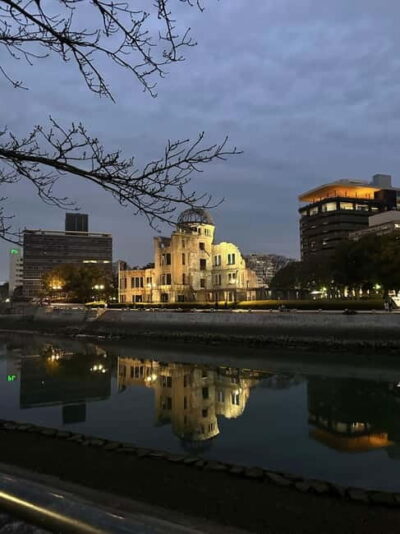
- Atomic Bomb Dome and the Hypocenter: Seeing the Place, Understanding the Scale
- Hiroshima’s Atomic-Bombed Buildings and Daily Life Connections
- Hiroshima Gokoku Shrine: A Pause That Adds Contrast
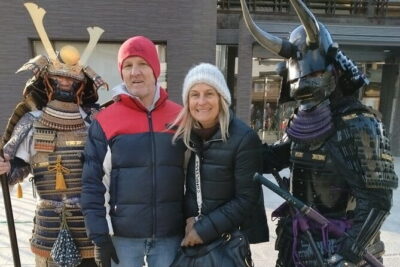
- Hiroshima Castle: Samurai Sights and a Practical Ticket Note
- Pace, Snacks, and Photo Stops: How to Get the Most Out of Three Hours
- Cost, Value, and Who This Tour Is Best For
- Should You Book This Hiroshima Peace Memorial Museum and Castle Tour?
- FAQ
- How long is the Hiroshima Peace Memorial Museum and Castle Tour?
- What is the price per person?
- Where is the meeting point?
- What is included in the tour price?
- Are Hiroshima Castle tickets included?
- What languages are available for the live tour guide?
- Is this tour suitable for wheelchair users or very elderly visitors?
Key Highlights Worth Marking on Your Mental Map
- Museum guidance that helps the story click as you walk room to room
- Peace Memorial Park focus with a specialist who frames the memorial’s meaning
- Hypocenter and Atomic Bomb Dome viewing with a guide for better context on what you are seeing
- Extra Hiroshima sites tied to daily life including atomic-bombed buildings beyond the headline landmarks
- Hiroshima Castle time for samurai-era sights like swords, helmets, and armor displays
Still weighing up options in Hiroshima? These are the ones our reviewers rated highest.
- Peaceful Hiroshima & Miyajima UNESCO 1 Day Bus Tour
★ 5.0 · 5,309 reviews - Hiroshima: Hiroshima and Miyajima UNESCO Sites 1-Day Tour
★ 4.9 · 2,330 reviews - Hiroshima / Miyajima Full-day Private Tour with Government Licensed Guide
★ 5.0 · 1,298 reviews - Hiroshima Historical Walking Tour – Why A-Bomb was Dropped
★ 4.8 · 893 reviews
Why This 3-Hour Hiroshima Route Works
This tour is built for people who want big meaning without losing the plot. At $67 per person for about three hours, you are paying for three things that are hard to DIY smoothly: a guided museum experience, guided interpretation in the Peace Memorial Park area, and help connecting the dots between the hypocenter, the Atomic Bomb Dome, and the city’s later layers.
What makes it practical is the structure. You start near the Peace Memorial Museum, then move through the park area, then finish with Hiroshima Castle. That order matters. It helps your brain shift from tragedy to meaning, and then from meaning to the living city that stands there today.
And yes, this tour includes small wins that add up. You get traditional Hiroshima snacks, and you skip the museum ticket line, so you spend more time inside the story instead of in the waiting game.
Starting Near the Peace Memorial Museum: Easy Find, Clear Focus
You meet at the taxi stand near the Peace Memorial Museum. That matters because this area can feel like one long memorial district. Having a fixed meeting point helps you get oriented fast, which is especially helpful after a train ride or a quick airport connection.
From there, your guide sets the tone early. The first stop is the museum, and the guide helps you approach it the right way, not like a checklist. If you tend to skim, you will likely appreciate how the guide keeps the flow organized and points out what to pay attention to.
Comfort matters here. Wear comfortable clothes and shoes for walking. Even though it is only three hours, you are on your feet, and the Peace Park grounds involve more strolling than you might expect.
Hiroshima Peace Memorial Museum: Guided Visit, Less Guessing
The Peace Memorial Museum visit is about an hour, and it is guided. That hour is the core of this experience because the museum is where the story gets explained in depth, with exhibits that connect the attack to people, consequences, and memory.
A good guide changes the museum from reading-only to understanding-only. Instead of getting stuck translating captions while your mind races, you get a guided path through the key themes. You also have a photo stop before and/or during transitions, which helps you break up the intensity with a real moment of pause.
Important heads-up: some exhibits depict the shocking horror of the atomic bomb. The tour notes specifically tell you to enquire beforehand. Take that seriously. If you want to go but with pacing that protects your emotional bandwidth, this is your moment to ask your guide how they handle sensitive sections and what they recommend skipping.
One more detail I like: the tour includes the museum ticket. And it says you skip the ticket line. That reduces friction right at the start, when you are already mentally bracing for a heavy topic.
The Peace Memorial Park and Museum, further guided visits
- Hiroshima Peace (Heiwa) Walking Tour at World Heritage Sites★ 5.0 · 872 reviews
- Hiroshima: Miyajima Peace Memorial Icons of Peace and Beauty★ 4.9 · 361 reviews
- Hiroshima/Guided Virtual Tour of Peace Park/PEACE PARK TOUR VR★ 5.0 · 157 reviews
- Hiroshima: Peace Memorial Park and Atomic Bomb Dome Tour★ 4.9 · 91 reviews
- Hiroshima & Miyajima: UNESCO A-Bomb Dome & Itsukushima★ 5.0 · 76 reviews
Peace Memorial Park With a Specialist Guide: Symbols Explained
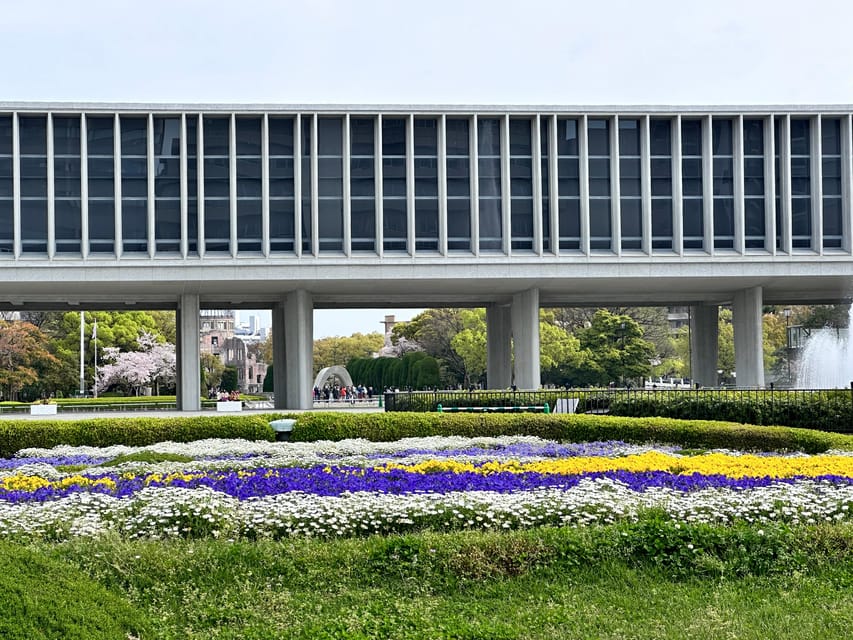
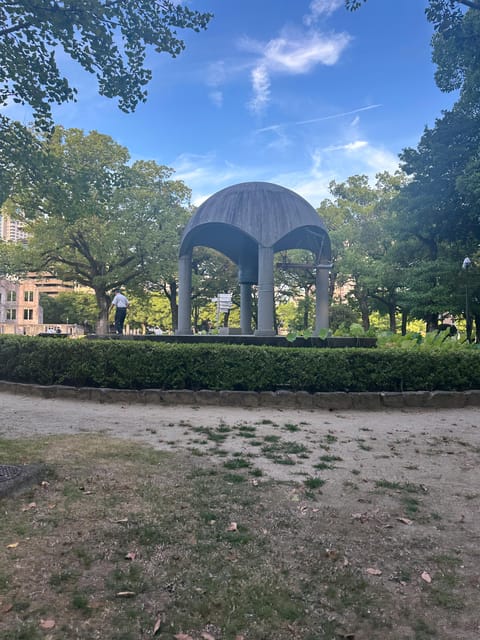
After the museum, you move into Peace Memorial Park for about an hour. This segment is guided with a specialist. That is a big deal because the park is full of symbolism. Without a guide, you can still enjoy it, but you might miss why specific monuments, layouts, and messages are shaped the way they are.
During this part, you learn about World War II and the thoughts behind the memorial monument. You also get time for photo stops and to sit with the atmosphere. In several experiences with this tour, guides like Maria, Ihsan, and Ali were praised for how they handled questions and adjusted to the group’s pace. That can matter in the park, where silence and reflection are part of the point.
The park also acts like a bridge. The museum explains, and the park reframes. It turns the past into a message about peace, and it gives you a structure for what you just learned. You might not realize you need that structure until you are standing in the park.
Atomic Bomb Dome and the Hypocenter: Seeing the Place, Understanding the Scale
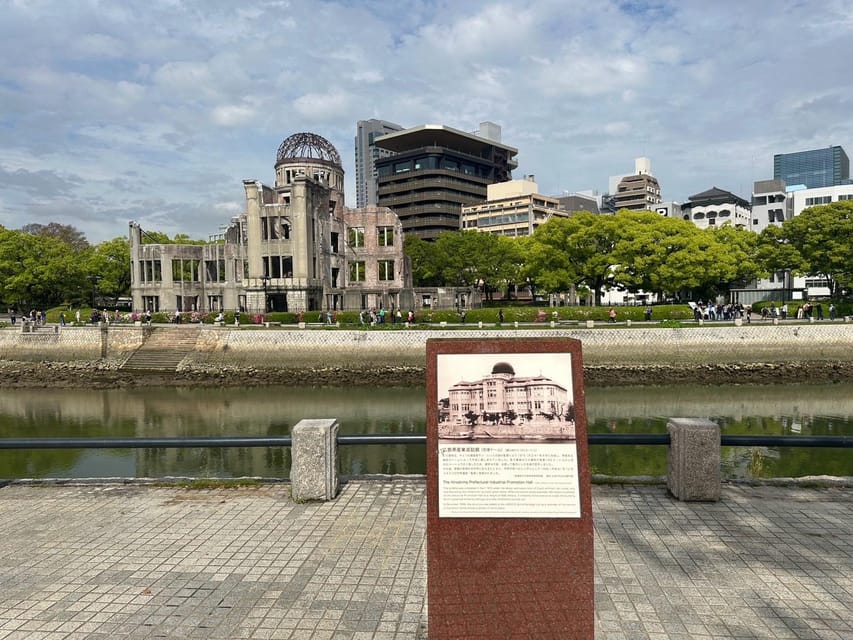
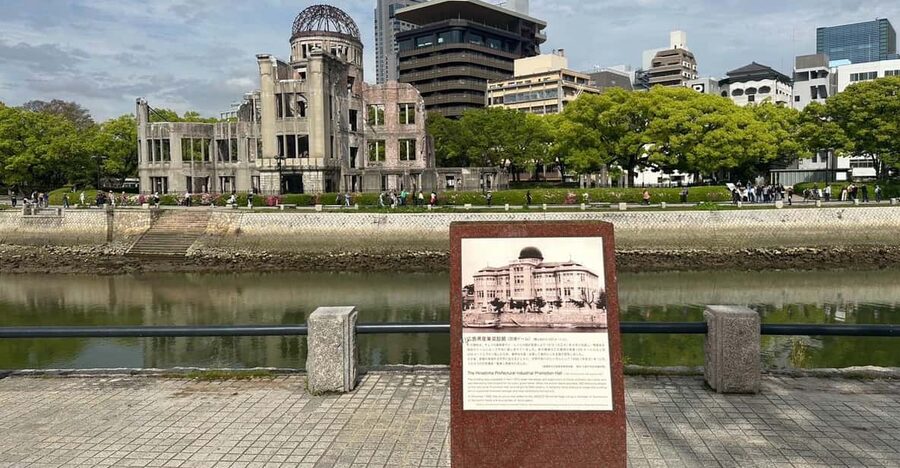
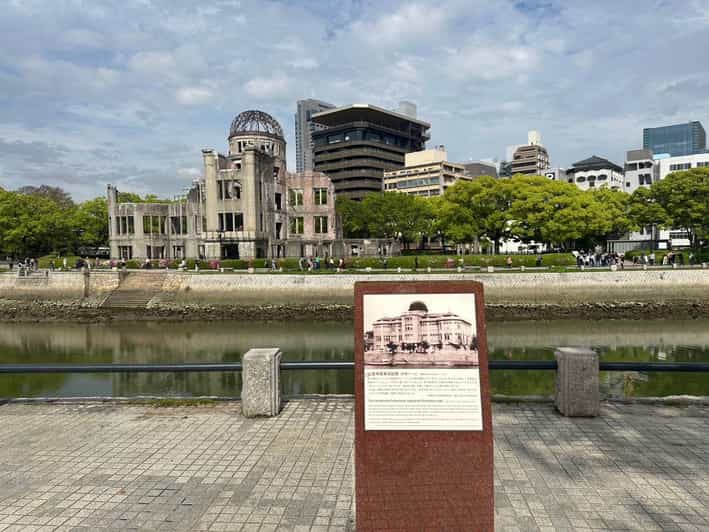
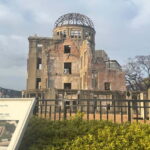
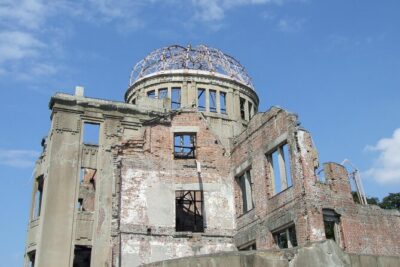
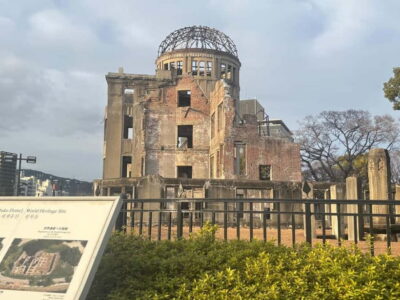
Next comes Atomic Bomb Dome and the hypocenter area. You get a short photo stop, then guided viewing around the dome and hypocenter, totaling about 10 minutes for this segment.
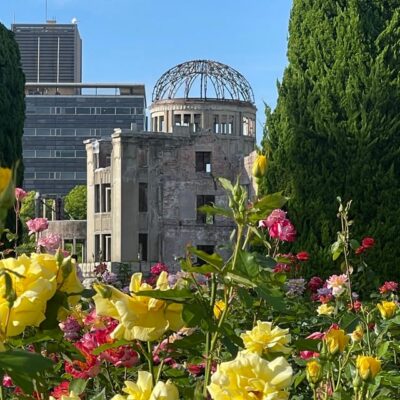
That short window sounds brief, but it is not random. The dome is a focal image, and the hypocenter is the point that gives the attack its technical and human scale. A guide helps you look past the postcard view. You learn what you are looking at and why it is preserved, which turns the scene into history you can interpret rather than history you just observe.
This is also where the tour often becomes more than landmarks. In multiple guided experiences with this tour, guides mentioned additional, less expected spots related to the bombing story. For example, some guides have taken people to areas like a hospital, school, or even a bank tied to the blast narrative. You should not count on those exact locations every time, but the overall pattern is clear: strong guides try to show more than the headline photos.
That added context can be meaningful if you want the day to feel personal and grounded in daily life, not only in the famous structures.
Hiroshima’s Atomic-Bombed Buildings and Daily Life Connections
After the Atomic Bomb Dome and hypocenter, the tour continues to other atomic-bombed buildings to understand daily life in Hiroshima at that time, and the power of the atomic bomb up close.
This is one of the most valuable parts of the route because it stops the story from being abstract. The museum and park can feel like big-picture moral meaning. These preserved areas bring you back down to the physical reality of the city.
Guides also tend to tailor how fast they move through these points. Some experiences mention guides adapting the narrative based on who is in the group, including families with teenagers. If you are visiting with kids or with someone who processes slowly, you might appreciate a guide who can explain the same topic with different wording.
Hiroshima Gokoku Shrine: A Pause That Adds Contrast
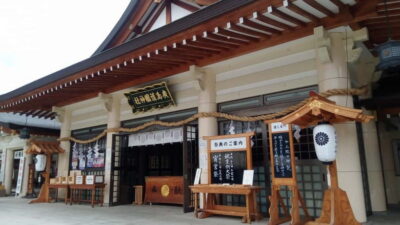
Then you visit Hiroshima Gokoku Shrine. This is not described as a major museum-type stop in the way the Peace sites are, but it adds contrast to the day. After intense history, the shrine gives you a different rhythm and a different kind of place to look at.
Think of it as emotional balance. Not forgetting the past, but shifting your body and mind into a calmer travel mode for a short time. If you like Japanese cultural sites, this stop helps keep the day from becoming only about one single theme.
Hiroshima Castle: Samurai Sights and a Practical Ticket Note
The final major stop is Hiroshima Castle. You get a photo stop, guided visit, and sightseeing for about 40 minutes.
What you should expect is a sampler of samurai-era visuals, including swords, helmets, and related displays. That is a fun contrast after the Peace Memorial stops. You will feel how the city’s identity includes more than the atomic bomb story.
One practical note: castle tickets are not included. The tour states the castle stop includes guided sightseeing, but the ticket is separate. So plan for that extra cost if you want to go inside specific castle areas.
Also, if you are expecting a full deep-dive castle museum experience, 40 minutes might feel short. This is still worth it for the guided context and the shift in scenery, but it is not a long castle day.
Pace, Snacks, and Photo Stops: How to Get the Most Out of Three Hours
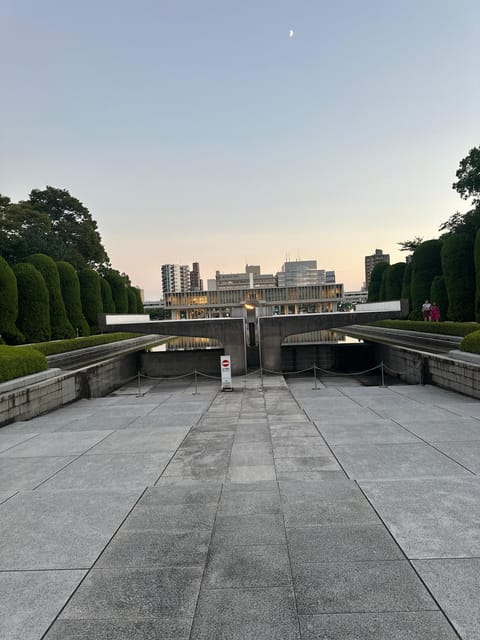
This tour is walking-focused, and it includes traditional Hiroshima snacks. That might seem small, but it is smart. Three hours with heavy content can wear you down, and a snack helps you keep your energy for reading and absorbing.
Photo stops are built into the flow. You will get chances to pause at key points like the Atomic Bomb Dome and during transitions. Still, if you want great photos, wear shoes with grip and keep your phone battery charged. The sun can change fast, and the museum and park can involve shaded areas.
Communication also matters. This tour offers English, Hindi, Malay, and Urdu. More than language, the guide skill is how they pace the group and answer questions. Several experiences highlighted guides like Ihsan, Maria, and Léo for handling questions well and moving at a pace that keeps everyone included.
Cost, Value, and Who This Tour Is Best For
At $67 for about three hours, the value comes from the guided structure. You are not just paying for someone to lead you from A to B. You are paying for interpretation at the highest-impact sites: the Peace Memorial Museum, Peace Memorial Park, the hypocenter area, and the Atomic Bomb Dome.
This tour is best for:
- First-timers in Hiroshima who want the essentials with meaningful context
- People who prefer guided explanations over reading everything alone
- Families with older kids and teens who can handle the emotional weight with support from a guide
It is less ideal if:
- You want a casual sightseeing walk with minimal heavy material
- You have limited mobility, because walking is a key part of the day
One last caution about accessibility: the notes say the tour is wheelchair accessible, but the safety info also says it is not suitable for wheelchair users. Because that is contradictory, I recommend checking directly before booking if accessibility is a priority. Also, it is not suitable for people over 95 years.
Should You Book This Hiroshima Peace Memorial Museum and Castle Tour?
If your goal is to understand Hiroshima beyond the headline images, I think this tour is a strong pick. The combination of Peace Memorial Museum plus Peace Park with specialist framing, then hypocenter and Atomic Bomb Dome context, makes the day feel coherent. Add Hiroshima Castle for contrast, plus included snacks, and you get a well-paced arc that helps you process what you see.
I would book it if you:
- Want guided meaning at the hardest stops
- Are okay with emotionally heavy content and can ask beforehand if you are sensitive to graphic exhibits
- Prefer a structured three-hour experience that still leaves room for questions
I would hesitate if you:
- Want to avoid the museum’s graphic-related exhibits entirely
- Need a very long castle visit or a deeper castle ticket-based experience
If you do book, wear comfy shoes, bring an open mind, and ask your guide how they handle sensitive exhibits. That one step can turn a difficult visit into a respectful, memorable one.
FAQ
How long is the Hiroshima Peace Memorial Museum and Castle Tour?
The duration is 3 hours.
What is the price per person?
The price is $67 per person.
Where is the meeting point?
You meet at the taxi stand near the Peace Memorial Museum.
What is included in the tour price?
Included are a walking tour, the Peace Memorial Museum ticket, traditional Hiroshima snacks, and a tour guide.
Are Hiroshima Castle tickets included?
No. Castle tickets are not included.
What languages are available for the live tour guide?
Live tour guide languages include English, Hindi, Malay, and Urdu.
Is this tour suitable for wheelchair users or very elderly visitors?
The notes say it is not suitable for wheelchair users and for people over 95 years. At the same time, wheelchair accessibility is listed, so it is worth checking directly if accessibility is a concern for you.
Guided Visits to the Peace Memorial Park

Newest Hiroshima write-ups from the Loving Japan desk
Hiroshima Peace Memorial Park and Museum, side by side.
 ★ 4.8Hiroshima Historical Walking Tour – Why A-Bomb was DroppedFrom $35893 reviews
 ★ 5.0Hiroshima Peace (Heiwa) Walking Tour at World Heritage SitesFrom $94872 reviews
 ★ 4.9Miyajima Peace Memorial Icons of Peace and BeautyFrom $163361 reviews
 ★ 5.0Hiroshima/Guided Virtual Tour of Peace Park/PEACE PARK TOUR VRFrom $33157 reviews
 ★ 4.9Peace Memorial Park and Atomic Bomb Dome TourFrom $2391 reviews
 ★ 5.0Hiroshima & Miyajima: UNESCO A-Bomb Dome & ItsukushimaFrom $17776 reviews
 ★ 5.0Hiroshima History Tour : A-Bomb Dome, Peace Memorial & CityFrom $10343 reviews
 ★ 5.0Hiroshima Peace Memorial and Atomic Bomb Dome Private TourFrom $8537 reviews