
REVIEW · SHIBUYA, SHINJUKU AND HARAJUKU WALKS
Japanese Home Styled Cooking Class in or around Shinjuku, Tokyo
Your Tokyo dinner starts in a home kitchen. This Japanese home-style cooking class in the Shinjuku area has you making 3-4 dishes that feel like real everyday cooking in Japan, with ingredients and tools already sorted. I like the hands-on pace, with help on hand to keep you moving. I also love that you leave with recipe sheets you can follow later.
One thing to watch is menu choice. You can pick from four menu options when you book, but ingredients are only prepared in advance if you and your group are the only participants that day, so shared sessions may limit your first pick. The upside is the overall class experience stays practical and focused on what you can reproduce at home.
In This Review
- Key Points You’ll Care About
- A Shinjuku Home Kitchen Setup, Right Where Tokyo Feels Central
- Cooking 3-4 Real Japanese Dishes, Not a Random Menu
- Menu Choice Details That Can Affect Your First Pick
- What Happens During the 2 Hours 30 Minutes of Cooking
- Helpers, Photos, and Hosts Who Make It Easy to Ask Questions
- The Culture Lesson Comes Through the Food, Not a Lecture
- Recipe Sheets: The Souvenir You’ll Actually Use
- Price and Logistics: When It Feels Like a Smart Buy
- Who This Class Is Best For (And Who Should Consider Alternatives)
- Should You Book This Japanese Home-Style Cooking Class?
- FAQ
- What is the duration of the Japanese home cooking class?
- How many dishes will I learn to cook?
- Are cooking tools and ingredients included in the price?
- Can I choose a menu when I book?
- What should I do if I have food allergies?
- Is there free cancellation?
Key Points You’ll Care About
- Cook 3 to 4 home-style dishes Japanese people actually eat
- Tools and ingredients are provided, so you focus on learning, not shopping
- Choose from four menu options, with limits if other groups join your session
- Get recipe sheets that keep working as a souvenir after your trip
- Small group size (max 12) for a calmer, more guided cooking flow
- English-speaking hosts and helpers to keep instructions clear while you cook
Other routes through the west side of Tokyo, compared
- Tokyo: Shinjuku Food Tour (13 Dishes at 4 Local Eateries)
★ 5.0 · 6,603 reviews - Tokyo Bar Hopping Tour in Shinjuku (All-You-Can-Drink + Dinner)
★ 5.0 · 3,587 reviews - Official Street Go-Kart in Shibuya
★ 5.0 · 3,435 reviews - Tokyo: Shinjuku Food Tour (15 Dishes and 4 Eateries)
★ 4.9 · 2,033 reviews
A Shinjuku Home Kitchen Setup, Right Where Tokyo Feels Central
This class is based around the Shinjuku area, with the meeting point listed at 2-chōme-5-1 Yoyogi, Shibuya, Tokyo 151-0053. Since it’s “near public transportation,” you can usually plug this into your day without building an entire logistics plan around one address.
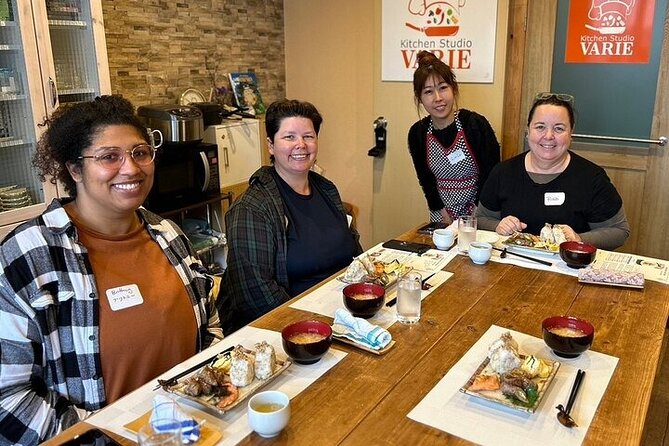
What I like about this style of setup is that it feels like you are stepping into a real Japanese kitchen rhythm, not touring a show space. You are cooking, eating, and asking questions in the same place, so you get the full context of the dish, not just a technique.
Also, the class size is capped at 12. That matters. Smaller groups tend to mean you get steadier guidance, and the pace stays friendly for cooks who are brand new to Japanese cooking.
Cooking 3-4 Real Japanese Dishes, Not a Random Menu
The promise here is simple: you learn basic but authentic home-style Japanese cuisine by cooking 3 to 4 dishes. The point is that these aren’t “Japan theme park” dishes. They are well-known foods that you would actually expect in a Japanese household.
In terms of what that looks like in practice, you can expect to do the whole chain, from prep to cooking. You are not just chopping and standing back while someone else does the hard part. Since ingredients and cooking tools are included, you will use what you need without having to guess which knife, pan, or bowl matters for each step.
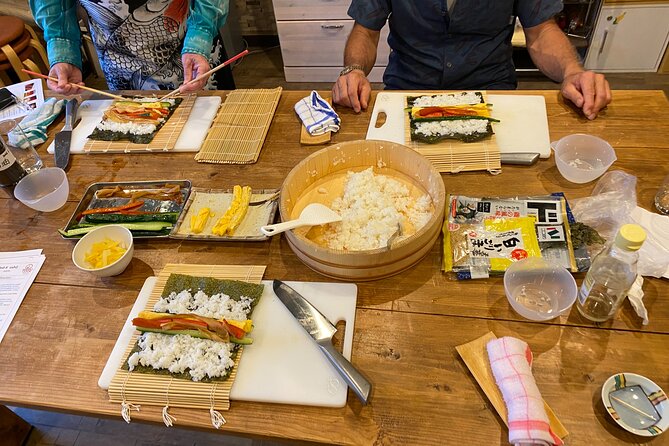
One menu example that matches the class spirit is sushi paired with a green bean salad. Even if your menu ends up different, the underlying skill is the same: learn the method, understand the flavor logic, then make it on your schedule later.
Menu Choice Details That Can Affect Your First Pick
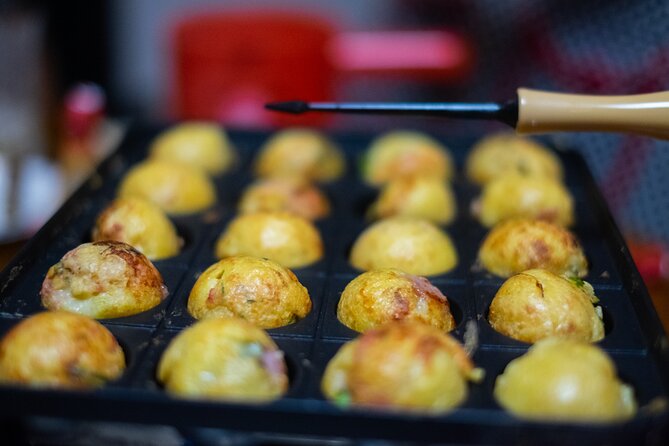
When you book, you can choose one of four different menu options. That’s great for planning ahead, especially if you want a specific dish.
Here is the practical twist: ingredients are prepared beforehand only if you or your group is the only attendee(s) on the day. If another group is joining the session, your ability to choose that exact menu may change. This doesn’t mean the experience will be weak, but it does mean you should book with flexibility if your top priority is a single specific menu.
If you are picky about what you eat, I suggest you pick your second and third choices in your mind before you book. That way, you keep the “I’m excited” energy, not the “why did my menu change” energy.
Cook it yourself instead. Other kitchens in Tokyo
- Sushi Making Tokyo Roll and Authentic Japanese Sushi Class★ 5.0 · 3,971 reviews
- Tokyo: Sushi Making Class in a Happi Coat near a Famous Spot★ 4.9 · 1,377 reviews
- Tokyo Sushi Making Class in Tsukiji with Professional Chef★ 5.0 · 1,177 reviews
- Ramen & Gyoza Cooking Class in Tokyo with Local Supermarket Visit★ 5.0 · 823 reviews
- Tsukiji Fish Market Guided Tour and Sushi Making with Pro Chef★ 5.0 · 775 reviews
What Happens During the 2 Hours 30 Minutes of Cooking
The timing is about 2 hours 30 minutes (approx.), and it follows a very clear flow: cook everything together, then sit down and eat the meal you made.
You can think of it in phases:
First comes orientation and setup. Since tools and ingredients are provided, your main job is to follow instructions and get comfortable with the station layout. The class is designed for hands-on learning, so you should expect to do real prep.
Then comes cooking. This is where the experience earns its keep. Cooking in Japan often relies on small choices, like how you cut ingredients or when you add something, and you learn those choices by doing them. You are guided step by step, rather than thrown into a solo kitchen experiment.
Finally, you eat what you cooked. That last part matters more than people think. You learn what the dish is supposed to taste like, and you can ask questions while everything is fresh in your mind. Some sessions also include extra helpers to keep things moving and make sure everyone gets what they need during the busy moments.
Helpers, Photos, and Hosts Who Make It Easy to Ask Questions
One of the biggest strengths that shows up in the experience style is that you are not doing this alone. There are helpers involved to support the flow, and that usually means fewer delays when a technique gets confusing.
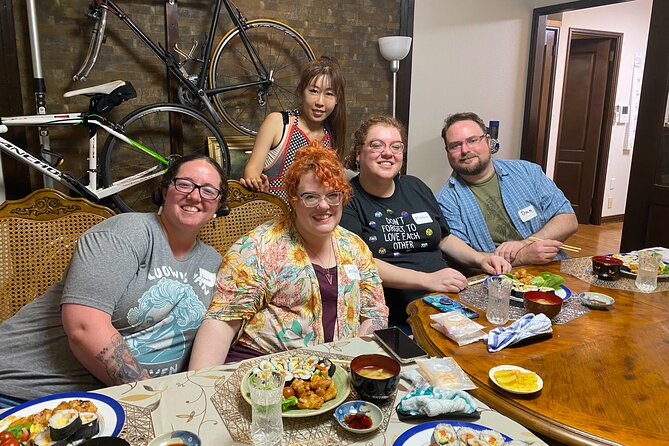
The host experience also plays a big role. In English-speaking sessions, hosts such as Lulu, Erica, or Chieko-san have been mentioned as leading cooking evenings and handling questions well. The vibe tends to be warm and inviting, which matters when you are learning in a group and everyone’s pace is different.
If you like the kind of class where you can ask, then taste, then ask again, this format fits well. You will get more than a recipe. You will get a clearer sense of how Japanese home cooks think about seasoning and timing.
The Culture Lesson Comes Through the Food, Not a Lecture
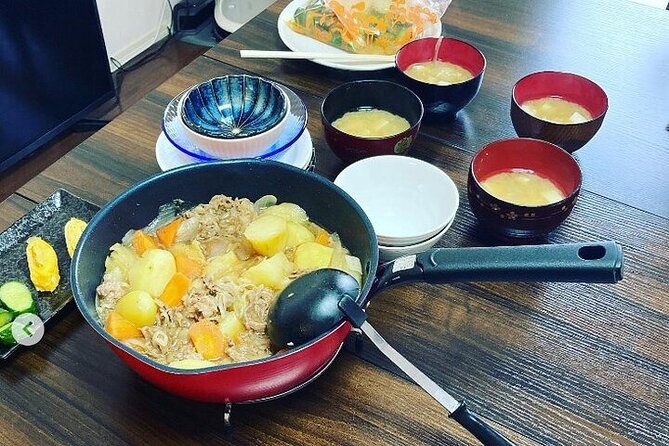
This is billed as an experience of Japanese cuisine history and culture, and the way it’s framed is useful: you learn context as you cook.
Instead of a long lecture, the culture shows up through explanations tied to the dish. You learn why certain ingredients work together, what texture and balance mean in Japanese cooking, and how home-style meals are built to be practical and satisfying.
That’s why the class is more memorable than “just cooking once.” You end up with a mental map for what you are tasting, so your next home attempt feels less like guessing.
Recipe Sheets: The Souvenir You’ll Actually Use
Here’s a souvenir that doesn’t sit in a drawer. You receive recipe sheets to take home, and the intention is that they keep paying off.
Since the class provides the tools and ingredients during your session, the sheets become your bridge back to your own kitchen. You are not translating a vague memory. You have a guide you can follow when you shop, prep, and cook again.
This is also one of the reasons I think the experience is good value. Paying $89.99 per person can sound high until you break down what’s included. You are paying for instruction, a guided cooking process, and the ingredients and tools. Plus you get the meal you made, not just the chance to “watch the cooking.”
If you have ever tried to replicate a restaurant dish at home, you know how much trial and error adds up. Here, the recipes come with the learning moment already packaged.
Price and Logistics: When It Feels Like a Smart Buy
Let’s talk about value in plain terms. For $89.99, you get:
- Instruction for hands-on cooking
- Cooking tools and ingredients included
- A shared meal after cooking
- Recipe sheets you keep
Add in the group cap of 12, and it starts to look like the price is supporting real teaching time. If you were paying for the same level of guidance and then also buying ingredients, you’d spend more than you think.
One practical bonus is the mobile ticket. You show up without printing hassles. And since it’s near public transportation, you are not locked into private transportation costs.
So the price makes sense most when you want the whole package, not just one dish. If you want a multi-step meal and you like structured learning, this is a strong fit.
Who This Class Is Best For (And Who Should Consider Alternatives)
This class is a great match if you want:
- A hands-on meal in a small group setting
- Dishes that feel like home cooking, not a performance
- A recipe-based takeaway that helps you cook again later
- A cultural explanation tied directly to what’s on your plate
It may not be ideal if your priority is total control. Because menu preparation in advance depends on whether your group is the only attendees, you should expect some menu variability in shared sessions.
If you have dietary needs, the class does ask for advance notice. You can tell them about food allergies and discuss what menu options will be available. That’s the right step, but because allergy details aren’t specified in the basic info, you should plan to communicate clearly before you go.
Should You Book This Japanese Home-Style Cooking Class?
I’d book it if you want a real skill you can repeat, not just a one-night experience. The combination of hands-on cooking, tools and ingredients provided, and recipe sheets is exactly what turns cooking into a practical souvenir.
I’d also book it if you like learning in a group where instructions stay accessible. The small max group size, plus helpers and English-speaking hosts, suggests the class is built to keep you from falling behind.
Skip it only if you need a guaranteed specific menu no matter what, or if you want the experience to be perfectly private. Otherwise, this is a solid way to spend an evening in central Tokyo, and leave with the kind of memory you can actually cook.
FAQ
What is the duration of the Japanese home cooking class?
The class is approximately 2 hours 30 minutes, including cooking and then eating the meal you prepare.
How many dishes will I learn to cook?
You will prepare 3 to 4 authentic home-style Japanese dishes that Japanese people actually eat.
Are cooking tools and ingredients included in the price?
Yes. Cooking tools and ingredients are included, along with all fees and taxes.
Can I choose a menu when I book?
Yes, you can select one of four different menu options. However, ingredients are only prepared beforehand if you or your group is the only attendee(s) that day, and shared sessions may limit menu selection.
What should I do if I have food allergies?
Let them know in advance. You can discuss the menu and what options will be available.
Is there free cancellation?
Yes. You can cancel up to 24 hours in advance for a full refund. If you cancel less than 24 hours before the start time, the amount paid will not be refunded.
Kitchens You Can Book Into


West Tokyo on Foot: Seven More



Newest Tokyo write-ups from the Loving Japan desk






Shibuya, Shinjuku and Harajuku Walks, side by side.
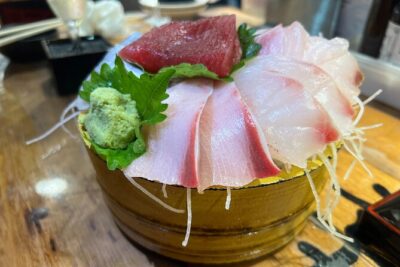 ★ 5.0Shinjuku Food Tour (13 Dishes at 4 Local Eateries)From $866,603 reviews
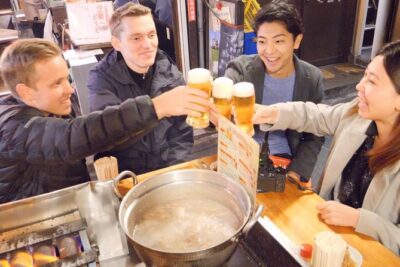 ★ 5.0Tokyo Bar Hopping Tour in Shinjuku (All-You-Can-Drink + Dinner)From $1063,587 reviews
 ★ 5.0Official Street Go-Kart in ShibuyaFrom $763,435 reviews
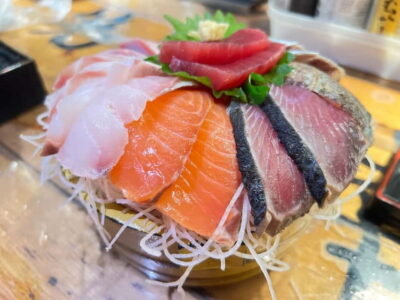 ★ 4.9Shinjuku Food Tour (15 Dishes and 4 Eateries)From $852,033 reviews
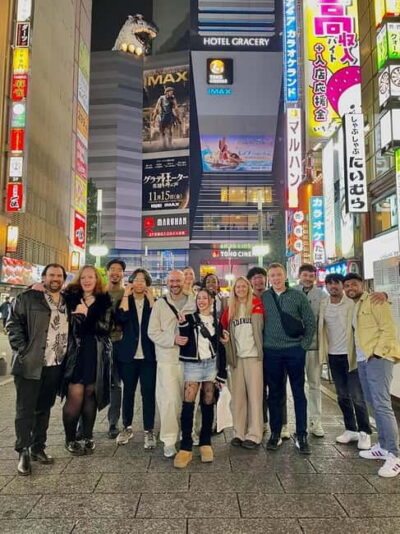 ★ 4.9Shinjuku Local Bar and Izakaya Guided Walking TourFrom $341,794 reviews
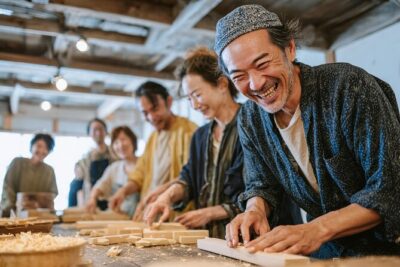 ★ 5.0Tokyo Shinjuku Chopsticks Making ClassFrom $201,763 reviews
 ★ 5.0Tokyo Shinjuku Sumo Show & Experience with PhotoFrom $791,750 reviews
 ★ 4.9Street Kart Experience in ShibuyaFrom $741,484 reviews
Filed on these lists too