
REVIEW · JAPANESE COOKING CLASSES
Kid-Friendly Sushi Making Class in Tokyo (English-Led)
Tokyo can feel huge. This class is a hands-on reset. In just 2.5 hours, you learn the logic behind sushi rice and make four sushi styles with an English-speaking instructor, all in a small group that keeps things relaxed.
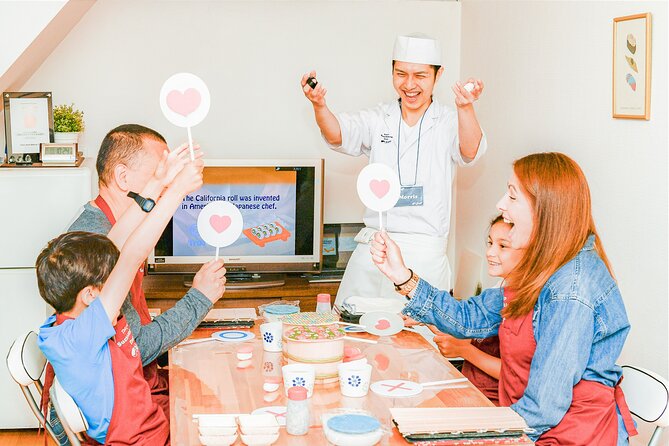
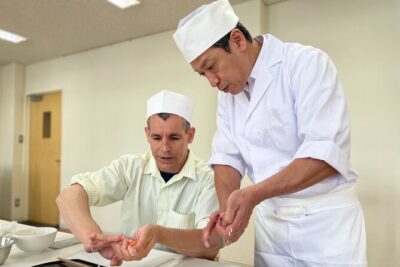
I especially like the kid-friendly structure. You get a fun quiz on sushi etiquette and trivia, then you move to cooking with personal guidance. One thing to plan for: you will likely handle raw fish by default, so if that is not your comfort level, you need to request the Non-Raw Fish, Vegetarian, or Gluten-Free menu in advance.
In This Review
- Key Highlights You Should Know
- Why This Tokyo Sushi Class Feels Like Real Cooking
- Getting There: Kita-Senju Meeting Point and Timing That Actually Works
- What You Learn First: Sushi History, Etiquette, and Japanese Phrases
- The Hands-On Core: Perfect Vinegared Rice (The Real Foundation)
- Four Sushi Types, One Skills-Builder Menu
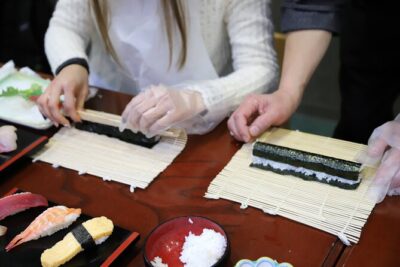
- Decorative Sushi Roll
- California Roll
- Nigiri-Sushi
- Battleship Roll
- The Eating Part: You Actually Get to Taste Your Work
- English-Led Instructors Who Set the Pace
- Price and Value: Is $68.97 Worth It?
- Dietary Options: How to Handle Raw Fish (and Still Enjoy the Class)
- Who This Is Best For
- Quick Practical Tips Before You Go
- Should You Book This Tokyo Sushi Making Class?
- FAQ
- What is the duration of the sushi making class?
- Where do I meet for the tour?
- What will I make during the class?
- Are non-raw fish, vegetarian, or gluten-free options available?
- Is this class suitable for kids?
- Can I cancel and get a refund?
Key Highlights You Should Know
- Small group size (max 8 travelers), which makes it easier for the instructor to correct your rice and shaping
- English-led instruction plus useful Japanese phrases and travel tips during the class
- Four sushi varieties you make yourself, including Nigiri-Sushi and a decorative roll
- A pop quiz on etiquette and trivia that helps kids (and adults) learn the rules without lectures
- Multiple dietary options (non-raw fish, vegetarian, gluten-free) if you tell the team ahead of time
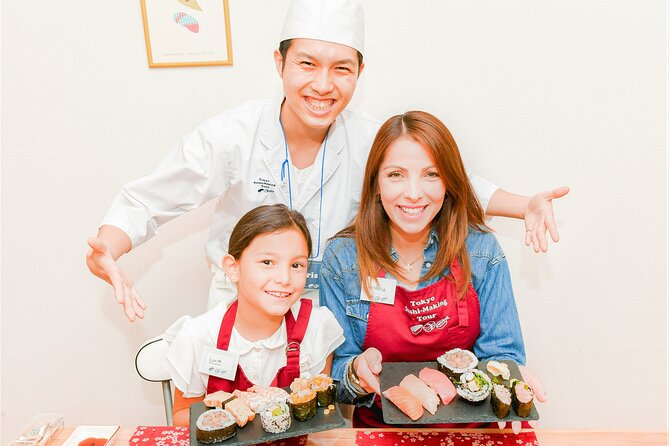
- You eat what you make, so the class ends with a plate you can point to and feel proud about
Cook it yourself instead. Other kitchens in Tokyo
- Tokyo: Roll and Authentic Sushi Making Class in Asakusa
★ 4.9 · 1,957 reviews - Tokyo: Sushi Making Class in a Happi Coat near a Famous Spot
★ 4.9 · 1,377 reviews - Tokyo Sushi Making Class in Tsukiji with Professional Chef
★ 5.0 · 1,177 reviews - Ramen & Gyoza Cooking Class in Tokyo with Local Supermarket Visit
★ 5.0 · 823 reviews
Why This Tokyo Sushi Class Feels Like Real Cooking
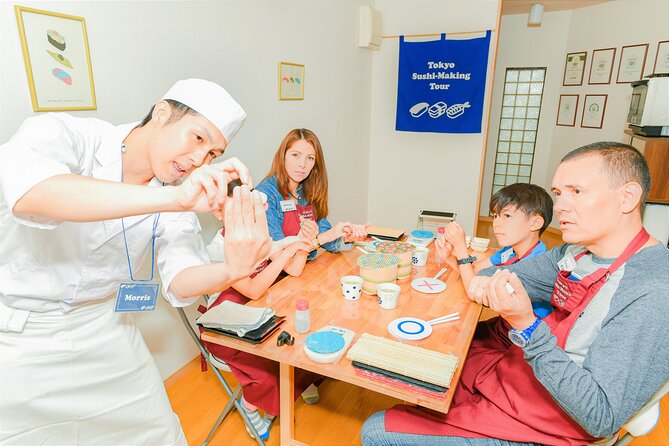
Sushi classes can fall into two modes: watch-and-smile, or actually cook. This one leans hard into the second mode. In about 2 hours 30 minutes, you craft sushi you can taste, not just admire.
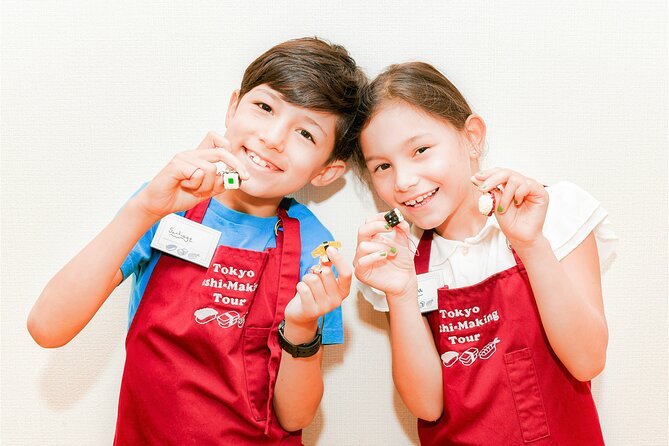
The “family-friendly” part also matters. The class is designed for kids age eight and above, which usually means clear steps, patience, and a pace that does not assume everyone already knows kitchen basics. I like that this kind of structure often helps adults too, because sushi technique is easiest when it is broken into small, repeated motions.
Another practical plus is the setting in Kita-Senju, not the most tourist-packed corner of Tokyo. That can make the experience feel more local, especially since the class meets near public transportation and then runs at a cooking venue for the duration.
Getting There: Kita-Senju Meeting Point and Timing That Actually Works
The class meets at 10:30 AM, at the East exit of Kita-Senju station. Your start point for the activity is listed as 3-5 Senjuasahichō, Adachi City, Tokyo 120-0026, Japan, and the tour ends back at the meeting point, so you are not stuck figuring out how to get home mid-day.
This timing is great if you want to do one “signature” activity without losing your whole day. A late morning start also gives you time to eat breakfast normally, then build appetite toward the sushi you will make.
Because the group is capped at 8 travelers, the schedule is likely kept tight. Arriving a few minutes early helps you get settled before the quiz and rice prep begin.
What You Learn First: Sushi History, Etiquette, and Japanese Phrases
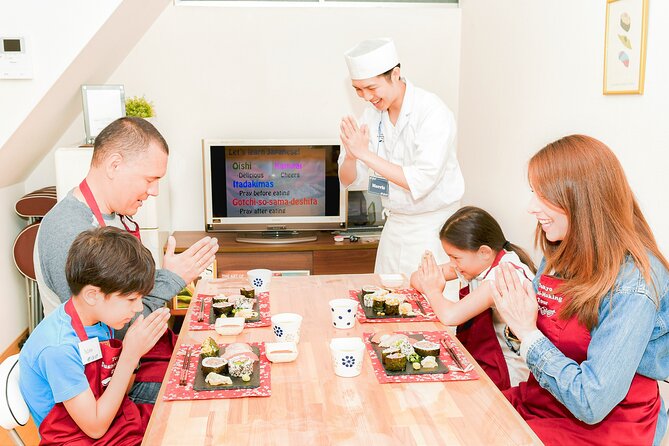
Sushi is more than fish on rice. This class starts with the ideas behind it, including sushi history and travel-minded cultural tips. You also get useful Japanese phrases, which is a small but real payoff in a city where even a few words can change your day.
Then comes the learning mechanism that I think is the secret sauce: the quiz. You test sushi etiquette and trivia early, before you start shaping food. It turns food rules into something you remember, like how sushi is typically enjoyed and what behaviors matter at the table.
If you care about getting better at sushi at home, this “rules then hands” approach helps. Rice technique matters, but so does how you present and eat what you make.
Counters and courses we sat at around Tokyo
- Sushi Making Tokyo Roll and Authentic Japanese Sushi Class★ 5.0 · 3,971 reviews
- Tokyo: Roll and Authentic Sushi Making Class in Asakusa★ 4.9 · 1,957 reviews
- Make Sushi and Create Unforgettable Memories in Tokyo★ 5.0 · 1,413 reviews
- Tokyo: Sushi Making Class in a Happi Coat near a Famous Spot★ 4.9 · 1,377 reviews
- Tokyo Night Foodie Tour in Shinjuku – Seasonal Sushi, Wagyu Beef★ 5.0 · 1,161 reviews
The Hands-On Core: Perfect Vinegared Rice (The Real Foundation)
Most people can spot sushi made with great fish. Fewer can tell the difference made by the rice. That is why the class spends time on perfecting vinegared rice.
You’ll work on the rice in a guided way, learning how it should feel and how seasoning affects the final bite. Even if you do not become a rice expert overnight, you walk away understanding what the instructor is correcting, not just copying moves.
This is where small-group size helps. With up to 8 travelers, you are more likely to get direct feedback rather than general pointers for everyone at once.
Four Sushi Types, One Skills-Builder Menu
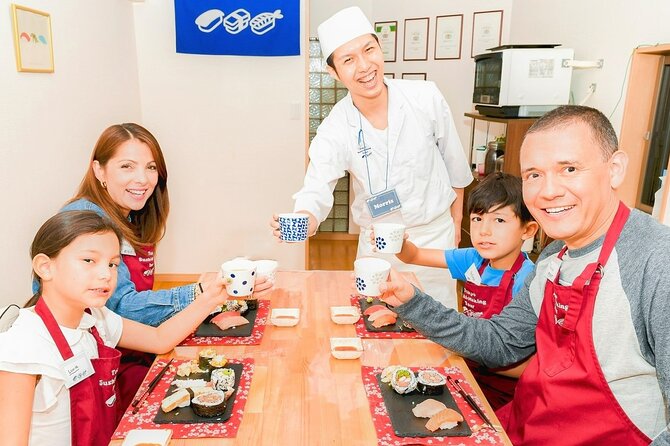
The class has you making four different sushi varieties, and the list is practical, not random. Here is what to expect and why each type helps you build real skills.
Decorative Sushi Roll
A decorative roll is the class showpiece. You get to learn how to shape and assemble something that looks intentional on the plate. Kids usually love this part because it feels like art you can eat.
It also teaches you control. Decorative work requires steady hands and attention to how layers sit together, which carries over to other roll styles too.
California Roll
The California Roll is a familiar benchmark, even for people who do not eat sushi often. It gives you a comfortable entry point into rolling and portioning, which is useful when you try to recreate sushi later at home.
If you are nervous about sushi-making, this middle step often makes everything less intimidating.
Nigiri-Sushi
Nigiri-Sushi is where technique shows. Shaping compact rice and pairing it with the right toppings requires a different kind of touch than rolling.
Even with a short class, this is valuable because nigiri is often what people order when they want something “classic.” Learning it once helps you understand how restaurants get that balance.
Battleship Roll
The Battleship Roll is playful and distinctive, but it is also a shaping exercise. You are practicing assembly and structure, not just eating the result.
That makes this final sushi style a nice way to end. You get a sense of accomplishment because the plate looks like something you could only get at a class, not just a grocery store.
The Eating Part: You Actually Get to Taste Your Work
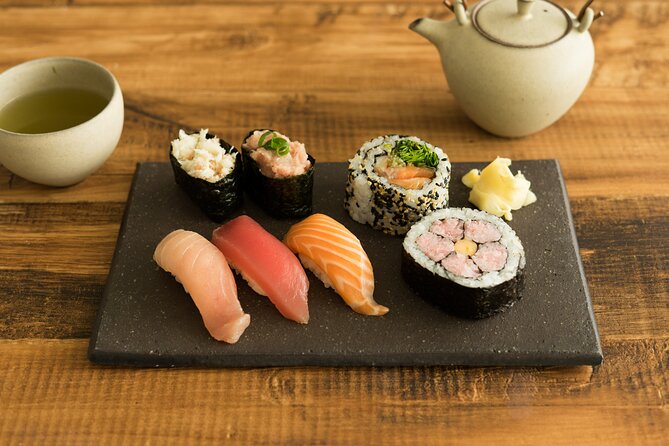
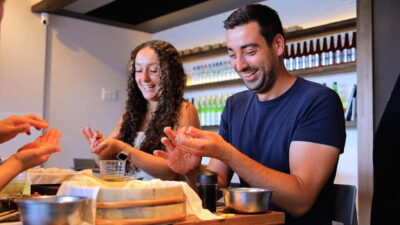
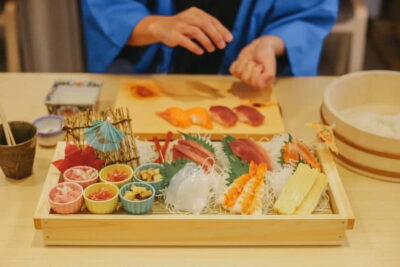
Many classes end with a photo. This one ends with food you crafted during the session. You savor the sushi you’ve made, which is the point for most families and first-timers.
For adults, it is also the fastest way to learn. You will notice immediately if the rice is seasoned the way you expected, if the roll holds together, or if a nigiri shape is too loose.
And for kids, the payoff is obvious. They spend the whole class working, then they get to eat their effort.
English-Led Instructors Who Set the Pace
The class is English-led, which is a big deal in Tokyo because directions and food technique can get lost quickly if you are translating in your head. The instructors also give travel tips and helpful phrases, which can turn a cooking class into a mini cultural lesson.
In the reviews, the names Nat and Morris show up as instructors, and both are described as friendly, patient, and able to answer questions clearly in English. That matters when you are cooking something technical like sushi rice and want correction in the moment.
Expect a laid-back classroom vibe. It is not a strict cooking boot camp. It is more like a guided workshop with enough structure to keep kids engaged.
Price and Value: Is $68.97 Worth It?
The price is listed as $68.97 per person for a class lasting about 2 hours 30 minutes. That is not cheap in the way that a market snack is cheap, but it is often fair for a small-group, hands-on food experience in Tokyo.
Here is what you are paying for, and why it adds up:
- Small-group attention (max 8), which is harder to scale
- Multiple sushi types, not just one basic roll
- Instructor time for rice technique, shaping, and plating
- Food included by default, since you eat what you make
- Cultural add-ons like sushi history, etiquette trivia, and Japanese phrases
Also, the class is frequently booked about 40 days in advance on average. That suggests it is a popular pick for families and first-timers, likely because it hits that sweet spot of fun plus real technique.
If you compare this to dining out, you can think of it as paying for instruction and entertainment, not just a meal. In my view, it becomes a strong value when you want skills you can repeat later, not just a one-time bite in a restaurant.
Dietary Options: How to Handle Raw Fish (and Still Enjoy the Class)
By default, the class typically uses raw salmon and tuna, but they say they cater to dietary preferences and restrictions. They offer a Non-Raw Fish Menu, a Vegetarian Menu, and a Gluten-Free Menu, as long as you inform them in advance.
This is crucial for families. Kids can be picky, and adults may not want raw fish on vacation. If that is your situation, plan ahead so you are not surprised on the day.
One practical tip: when you book, send the dietary needs clearly. That gives the team the best chance to match your menu to what the class plans to make.
Who This Is Best For
This tour is a strong fit if:
- You are traveling as a family with kids 8+
- You want hands-on instruction instead of watching from the sidelines
- You like structure, like a quiz plus step-by-step cooking
- You want sushi skills you can try at home, especially rice technique
It can also work for couples and solo travelers who prefer small groups. But if you are looking for a long walking tour or lots of museum time, this is more “kitchen experience” than “Tokyo sightseeing.”
Quick Practical Tips Before You Go
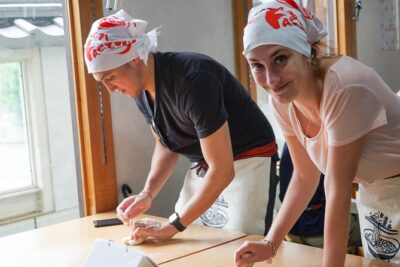
- Wear clothes you do not mind getting a little rice mess on. Sushi rice is sticky, that is the job.
- If you have dietary needs, request them before the class so you are matched with the right menu.
- Arrive a few minutes early near the East exit of Kita-Senju station, then relax. The session is planned to flow from quiz to cooking to eating.
If your Japanese is beginner-level, do not stress. The class includes English instruction and also gives you Japanese phrases you can use right away while traveling.
Should You Book This Tokyo Sushi Making Class?
Book it if you want a kid-friendly, small-group sushi class where you make multiple sushi types and eat what you produce. I like the mix of sushi history and real technique, plus the quiz format that helps etiquette stick.
Skip or think twice if you are not comfortable with sushi-making that usually involves raw fish by default, and you cannot or do not plan to request an alternative menu. Also, if your ideal Tokyo day is mostly sightseeing, this is a more focused experience centered around the cooking venue.
Overall, this is the kind of class that gives you a story plus skills. You leave with a better sense of why sushi tastes the way it does, not just a list of ingredients.
FAQ
What is the duration of the sushi making class?
The class runs for about 2 hours 30 minutes.
Where do I meet for the tour?
You meet at the East exit of Kita-Senju station at 10:30 AM. The listed meeting point address is 3-5 Senjuasahichō, Adachi City, Tokyo 120-0026, Japan.
What will I make during the class?
You will make four types of sushi: Decorative Sushi Roll, California Roll, Nigiri-Sushi, and Battleship Roll.
Are non-raw fish, vegetarian, or gluten-free options available?
Yes. The class offers a Non-Raw Fish Menu, Vegetarian Menu, and Gluten-Free Menu, but you need to inform them in advance.
Is this class suitable for kids?
Yes. It is suitable for children age eight and above.
Can I cancel and get a refund?
Yes, it has free cancellation. You can cancel up to 24 hours before the start for a full refund, and cancellations made less than 24 hours before do not receive a refund.
Counters and Courses


Kitchens You Can Book Into

Newest Tokyo write-ups from the Loving Japan desk






Japanese Cooking Classes, side by side.
 ★ 5.0Sushi Making Tokyo Roll and Authentic Japanese Sushi ClassFrom $593,971 reviews
 ★ 4.9Roll and Authentic Sushi Making Class in AsakusaFrom $581,957 reviews
 ★ 5.0Ramen Cooking Class at Ramen Factory in KyotoFrom $1311,937 reviews
 ★ 4.9Sushi Making Class in a Happi Coat near a Famous SpotFrom $421,377 reviews
 ★ 5.0Sushi Making Osaka Roll and Authentic Japanese Sushi ClassFrom $311,220 reviews
 ★ 5.0Tokyo Sushi Making Class in Tsukiji with Professional ChefFrom $491,177 reviews
 ★ 5.0Ramen & Gyoza Cooking Class in Tokyo with Local Supermarket VisitFrom $122823 reviews
 ★ 5.0Tsukiji Fish Market Guided Tour and Sushi Making with Pro ChefFrom $104775 reviews
Filed on these lists too