
REVIEW · SAMURAI, NINJA AND SWORD EXPERIENCES
Kyoto 2 Hours Genuine Kendo / Samurai Experience In Japan
Two hours of samurai sweat in Kyoto. This Kyoto kendo experience is interesting because you get a clear, English-friendly lesson in a real dojo setting, and you also get included armor and gear instead of figuring any of it out yourself. One thing to plan for, the outfit and headgear can run hot, so wear something you can stay comfortable in.
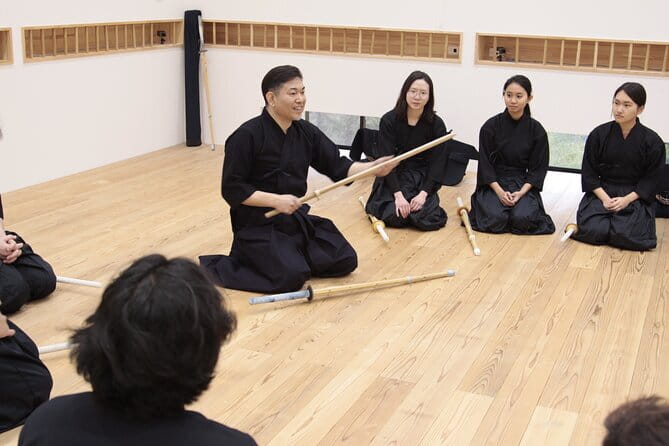
I like how the session blends physical training with respect, you’re taught how to bow, how to use the equipment, and what kendo is trying to build in your mind as well as your body. You start at Hanazono Station, then head to the dojo with an instructor, and for some dates you might even meet a sensei like Takahiro Hayashi, who comes across as friendly and upbeat.
In This Review
- Key Points at a Glance
- Meeting at Hanazono Station, Then Straight to the Dojo
- The 2-Hour Kendo Flow: Rules, Etiquette, and What Kendo Builds
- Getting Fitted for Kendo Armor: Comfort, Heat, and Safety Basics
- Footwork First: How Beginners Learn the Body Mechanics
- From Dummy Practice to Controlled Matches
- After Training: Towel, Water, and Your Next Steps in Kyoto
- Price and Value: Is $118.89 Worth It?
- Who This Kyoto Kendo Lesson Is Best For
- Should You Book This Kendo and Samurai Experience in Kyoto?
- FAQ
- Where do we meet for the kendo experience?
- How long is the experience, and when does it start?
- Is equipment included in the price?
- Do I get a towel and water?
- Is hotel pickup or drop-off included?
- Is food included?
- What fitness level do I need?
- What is the maximum group size?
- What is the cancellation policy for a full refund?
Key Points at a Glance
- Hanazono Station meeting point makes it easy to find your start, with the experience ending back there too
- Armor, bamboo swords, and all gear included so you can travel light
- Structured progression from footwork to practice strikes, then to sparring
- Etiquette plus technique including bowing, terminology, and manners
- Safety and pacing guided by experienced teachers in a safe, fun format
- Small-group feel capped at a maximum of 30 people
Blade work and stagecraft, other sessions
- Kyoto Samurai Experience
★ 5.0 · 1,294 reviews - Kyoto: Kendo and Samurai Experience with Uniform and Gear
★ 4.9 · 815 reviews - Kyoto: Samurai Sword Class by Experts in Traditional Arts
★ 4.9 · 657 reviews - Skip the lines Basic Ticket at SAMURAI NINJA MUSEUM KYOTO
★ 4.5 · 632 reviews
Meeting at Hanazono Station, Then Straight to the Dojo
Your day starts at Hanazono Station at 10:00 am. It’s right by public transportation, so you’re not relying on a taxi or complicated transfers just to reach the class. You meet at the station, then you and your group head to the dojo nearby, and the whole experience wraps up back at the meeting point.
What I like about this setup is the simplicity. A lot of Kyoto activities either feel hard to locate or require hotel pickup. Here, the station meeting point keeps you independent and makes the lesson fit cleanly into a travel day. It also tends to reduce stress, you know exactly where you’ll be at the start, and you’re not scrambling to coordinate a pickup window.
One practical tip: arrive a little early. Even if it’s a quick walk, you’ll want time to check in, use the restroom if needed, and get your headgear and protective gear fitting without rushing.
The 2-Hour Kendo Flow: Rules, Etiquette, and What Kendo Builds
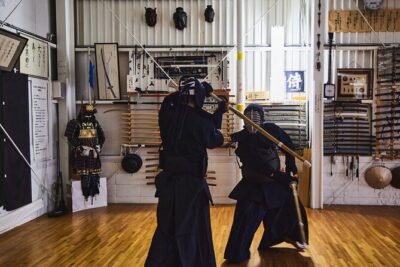
In just about two hours, you’re not trying to become a kendo competitor. You’re learning the basics and the thinking behind them. The class focuses on kendo’s three guiding ideas: Unify your spirits, Manners, and Lifelong Kendo. That’s not just marketing language, it shows up in how the instructor teaches you to move, how you handle the equipment, and how you treat the practice space and your partner.
Here’s the practical value for you:
- You get rules and meaning, not just moves. You learn basic concepts like how kendo practice is organized and what the etiquette is trying to protect.
- You build a safer skill foundation, because you’ll start with fundamentals and controlled practice before anything faster.
The class description also mentions that kendo history and etiquette are part of the learning. Expect a lesson that connects technique to culture, so when you’re doing footwork or swinging the bamboo sword, you understand what the practice is aiming for, not just what it looks like.
Also, this is a good option if you’re worried about language. The program notes that the instructor has experience teaching in English and can explain concepts in an easy-to-understand way, which matters because many kendo instructors are not always comfortable with English.
Getting Fitted for Kendo Armor: Comfort, Heat, and Safety Basics
The biggest “wait, I didn’t expect this” moment is how quickly you shift into training gear. Your kendo equipment rental is included, so you won’t be hunting for the right size or paying extra at the last minute. You’ll also get a free kendo towel and bottled water, which is a real help after you start sweating in protective gear.
Kendo armor is designed for safety and impact control, but it also creates heat fast. Plan on it feeling warmer than you expect, especially if you show up on a muggy day. Reviews highlight this point directly, so even with the towel provided, it’s smart to wear light clothing underneath so you’re not trapped in something heavy once the gear is on.
Safety is addressed in the way the lesson is coached. The program notes experienced teachers, and the session is described as safe and fun. That matters, because if you’re new, the main thing you need is guidance on how to hold the shinai (bamboo sword), how to move your body, and how to practice without going wild.
If you care about photos and videos, keep your phone ready, one instructor mentioned in the experience feedback was happy to help with capturing the moment.
- PERFECT KYOTO 1-Day Bus Tour★ 5.0 · 13,518 reviews
- Kyoto: Fushimi Inari, Kinkakuji, Bamboo Grove 1 Day Bus Tour★ 4.8 · 4,316 reviews
- Kyoto: Tea Ceremony in a Traditional Tea House in Kiyomizu★ 4.9 · 3,519 reviews
- Kyoto Geisha Walking Tour: Gion District & Hidden Gems★ 4.7 · 3,273 reviews
- Kyoto: Tea Ceremony Ju-An at Jotokuji Temple★ 4.9 · 3,207 reviews
Footwork First: How Beginners Learn the Body Mechanics
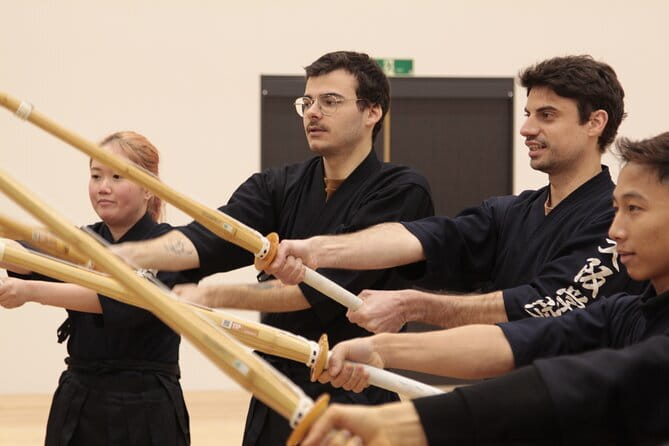
A lot of “first time” lessons jump straight to swinging. This one starts with the basics, and the progression is part of why it works. You begin with warm up and footwork, then you practice weapons handling on a controlled setup.
This is where you’ll feel the workout start. Footwork in kendo is not just stepping, it’s balance, timing, and staying stable so your arms and the shinai move correctly. In a small session format, you get the chance to repeat movements until they feel natural.
From a value perspective, I like that you’re not only there to watch. You’re physically doing the foundations. For many people, that’s the difference between a cultural show and a real skill lesson.
If you have moderate physical fitness, you’re likely fine. The program explicitly lists moderate physical fitness as the level needed. That’s a polite way of saying you should be comfortable standing, moving, and paying attention to form for about two hours.
From Dummy Practice to Controlled Matches
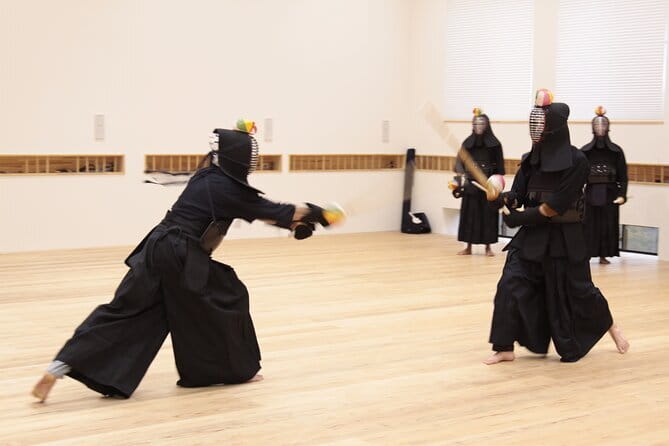
After footwork, the lesson moves into a clear sequence: weapons practice on a dummy, then pairing up for sparring. This staging is smart. You learn the motion, you correct your grip and stance, then you transfer it into partner practice where reactions happen.
When it’s time for sparring, you’re not thrown into a chaotic free-for-all. The experience is coached, and that’s what makes it beginner-friendly. You’ll practice with clear rules and etiquette, and the “match” portion is the payoff moment, the one people often remember because it feels like you finally brought everything together.
One especially memorable detail in the experience feedback is how some participants even got to spar against the sensei. That’s not guaranteed for every date, but it’s a reminder that the atmosphere can be playful and encouraging, not intimidating. The instructor’s job is to keep you safe while still letting you feel what kendo is.
After Training: Towel, Water, and Your Next Steps in Kyoto
After the workout part, the lesson doesn’t just end with you walking away in gear. The program includes a towel and bottled water, so you can cool down and hydrate right after. Even if you plan to head out immediately for sightseeing, this small package helps you avoid the miserable feeling of being sticky, overheated, and suddenly ravenous.
Then you’re back at Hanazono Station, which is convenient. Kyoto is all about chaining short experiences together, and a two-hour activity fits well into a half-day plan. If you’re feeling energized, you can pair this with nearby neighborhoods and temples on your own schedule, without needing to lock into another fixed reservation right after.
One more practical note: the session is labeled as a genuine kendo and samurai experience, but it’s also a real sport lesson. That means you might want to keep your shoes comfortable afterward, and avoid anything that requires heavy walking directly after if you expect soreness.
Price and Value: Is $118.89 Worth It?
At $118.89 per person for about two hours, this isn’t a cheap throw-in activity. But the value is in what’s included and what you actually do.
Here’s what you get for the price:
- All kendo equipment included, so you don’t pay for rentals elsewhere or worry about sizing
- A free towel and bottled water, small items that actually matter right after training
- An instructor who can explain in English, which can be hard to find in traditional martial arts settings
- A structured progression, footwork to dummy practice to partner sparring
What you do not get is also clear: no hotel pickup/drop-off, and food isn’t included. If you’re traveling without a kitchen sink of time buffers, you’ll want to plan a meal before or after.
How I think about value: if you’ve ever priced a basic language-friendly martial arts intro, plus equipment, plus instructor time, this sits in a reasonable spot. It’s more than a culture lecture, and less than a multi-day intensive. For many people, that sweet spot is exactly what makes it worth booking.
Who This Kyoto Kendo Lesson Is Best For
This experience is a great fit if:
- You want a hands-on look at Japanese martial arts, not just watching demonstrations
- You’re a beginner and want clear explanations in English
- You like structured learning, where you start with footwork and build up to partner practice
- You’re comfortable with a moderate fitness requirement and can follow safety guidance
It might be less ideal if:
- You dislike getting physically active in hot protective gear
- You need restrooms and long breaks during a session, because the format is focused and condensed
Families can also work well. The instructor approach described in feedback comes across as friendly and patient, and people noted it helped them enjoy the experience as a group.
Should You Book This Kendo and Samurai Experience in Kyoto?
I’d book it if you want a real, skill-based Kyoto moment. You’re learning the etiquette, the equipment basics, and the mechanics, and you’re not doing it as a passive observer. The station meeting point and the included gear make it easy to start, and the class structure gives you a sense of progress in a short window.
You might skip it if you know you hate enclosed, protective gear and you’re sensitive to heat. Also, if you’re hoping for a long deep-dive into kendo theory, this isn’t that kind of time block. It’s training and fundamentals, done well.
If you want one memorable, active activity to anchor your Kyoto trip, this is the kind of experience that can set the tone for the rest of your week.
FAQ
Where do we meet for the kendo experience?
You meet at Hanazono Station. The experience ends back at the same meeting point.
How long is the experience, and when does it start?
The duration is about 2 hours, and the start time is 10:00 am.
Is equipment included in the price?
Yes. All kendo equipment is included.
Do I get a towel and water?
Yes. You receive a free kendo towel and bottled water.
Is hotel pickup or drop-off included?
No. Hotel pickup/drop-off is not included.
Is food included?
No. Food is not included.
What fitness level do I need?
You should have a moderate physical fitness level.
What is the maximum group size?
The experience has a maximum group size of 30 people.
What is the cancellation policy for a full refund?
You can cancel for a full refund up to 24 hours before the experience starts. If you cancel less than 24 hours before, the amount paid is not refunded.
Blade Work and Stagecraft
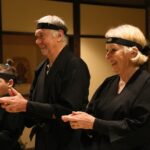
Newest Kyoto write-ups from the Loving Japan desk
Samurai, Ninja and Sword Experiences, side by side.
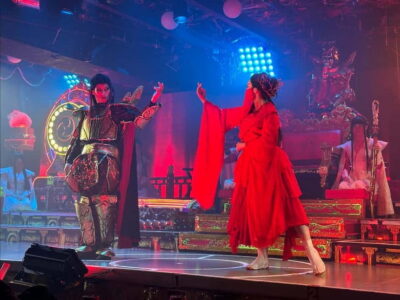 ★ 4.5Samurai Restaurant Show Ticket with 2 DrinksFrom $551,307 reviews
 ★ 5.0Kyoto Samurai ExperienceFrom $1191,294 reviews
 ★ 4.6Samurai Ninja Museum Guided tour and ExperienceFrom $271,010 reviews
 ★ 4.9Kendo and Samurai Experience with Uniform and GearFrom $103815 reviews
 ★ 4.9Samurai Sword Class by Experts in Traditional ArtsFrom $64657 reviews
 ★ 4.5Skip the lines Basic Ticket at SAMURAI NINJA MUSEUM KYOTOFrom $28632 reviews
 ★ 5.0Samurai Sword & Archery Class from Samurai DescendantFrom $193603 reviews
 ★ 5.0Samurai Training Experience KENDO in OsakaFrom $131515 reviews
Filed on these lists too