
REVIEW · GION, GEISHA AND MAIKO EXPERIENCES
Kyoto Early Bird English Tour: Gion & Higashiyama(Private opt)
Kyoto moves fast, but this morning walk keeps it manageable. You get a guided route through Gion and Higashiyama, plus key temples and shrines when the light is good and the streets feel less hectic.
I especially like the English guide commentary that helps you read what you are seeing, not just where to stand. I also like that professional photos are taken during the tour, so you leave with images you actually want to use.
One thing to consider is pacing, it is a walking experience over about 3 hours, with limited time at each stop, so it is not ideal if you want to linger forever at every shrine.
In This Review
- Key things to know before you go
- Why this Kyoto early-bird route works
- Price and value for $64.01 per person
- Private or small-group: what changes, what stays the same
- Meeting point by the Izumo-no-Okuni statue, then straight into old Kyoto
- Gion first: machiya lanes and geisha district atmosphere
- Hanamikoji Street: where you might catch movement and tradition
- Yasui-Konpiragu and the prayer mindset
- Yasakanoto and Yasaka Pagoda: scale, age, and wooden craft
- Sannenzaka and Ninenzaka: stone lanes for shopping and stepping back in time
- Kiyomizu-dera Temple: the big anchor stop (and the extra ticket)
- Yasaka Koshin-Do and its colorful contrast
- Yasaka Shrine: finishing with a major Kyoto spiritual center
- Guide quality and the photo advantage you should actually care about
- Timing, crowd management, and how early to go
- Walking comfort tips for this 3-hour Higashiyama loop
- Who this tour is best for
- Should you book this Kyoto Early Bird Gion and Higashiyama tour?
- FAQ
- How long is the Kyoto Early Bird English Tour?
- Is this tour private?
- What are the main stops on the route?
- Is Kiyomizu-dera Temple admission included?
- Are photos included?
- Where is the meeting point?
- Can I cancel for a full refund?
Key things to know before you go
- Early bird timing helps you see Gion and Higashiyama before the heaviest crush.
- A local English-speaking guide handles route flow, so you are not stuck consulting maps.
- Built-in photo time, with professional photos taken during the walk.
- Multiple major stops in a compact area, from Gion streets to Yasaka Shrine.
- Kiyomizu-dera costs extra, so plan for the ¥500 admission fee.
- Private or small-group options, but it always stays a walking route.
Evening walks through the old quarters, compared
- Kyoto Geisha Walking Tour: Gion District & Hidden Gems
★ 4.7 · 3,273 reviews - Kyoto: Gion Magical Night Walking Tour with Geisha Trivia
★ 4.9 · 2,393 reviews - Kyoto: Gion Geisha District Walking Tour – Stories of Geisha
★ 4.7 · 2,187 reviews - Best of Kyoto: Gion, Geisha, Pagodas & Cobblestones
★ 4.9 · 2,058 reviews
Why this Kyoto early-bird route works

Kyoto can feel like a highlight reel, and half the battle is timing. This tour is set up to help you experience Gion and Higashiyama in the morning, when streets are calmer and details are easier to notice.
The route focuses on places that tell you different sides of the city. You start in Gion, where the historic machiya look and old lanes set the tone. Then you move toward classic shrine and temple stops, finishing at Yasaka Shrine, which is a meaningful anchor for the area.
What makes it practical is the format. You have a guide to connect the dots, and you keep walking through the neighborhoods instead of bouncing around Kyoto in pieces.
Price and value for $64.01 per person
At about $64.01 per person for roughly 3 hours, this is not just a “walk and point” kind of deal. The value comes from two big inclusions: a local English-speaking guide and professional photos taken during the tour.
Yes, you will add the Kiyomizu-dera entrance fee (¥500 per person). Food and drinks are also on you. But if you planned to hire a guide or worry about getting good photos, this package-style approach can still make sense.
Also, private tours usually cost more elsewhere. Here you can choose private or a small-group setup, which gives you flexibility if you want more control without always paying for a full private guide setup.
Private or small-group: what changes, what stays the same
This is designed as a private tour/activity, meaning only your group participates. At the same time, the experience also mentions flexible options where you can pick either private or small-group, depending on what you book.
What stays consistent is the walking structure. You get stops at major Gion and Higashiyama sights, with guide commentary throughout, so the experience depends less on searching for entrances and more on how smoothly the route is handled.
If you travel with older family members or you prefer a slower rhythm, a private format can reduce the awkwardness of being rushed by strangers. If you like meeting people, small-group can be a friendly compromise.
- PERFECT KYOTO 1-Day Bus Tour★ 5.0 · 13,518 reviews
- Kyoto: Fushimi Inari, Kinkakuji, Bamboo Grove 1 Day Bus Tour★ 4.8 · 4,316 reviews
- Kyoto: Tea Ceremony in a Traditional Tea House in Kiyomizu★ 4.9 · 3,519 reviews
- Kyoto: Tea Ceremony Ju-An at Jotokuji Temple★ 4.9 · 3,207 reviews
- Kyoto: 45-Minute Tea Ceremony Lesson Experience★ 4.3 · 2,378 reviews
Meeting point by the Izumo-no-Okuni statue, then straight into old Kyoto
Your tour begins at the Statue of Izumo-no-Okuni in Kawabatacho, Higashiyama Ward, Kyoto (605-0076). The meeting spot matters because it places you right where Gion begins to feel real, not like a distant landmark you have to reach.
The tour is designed to end back at the meeting point. That is a small thing, but it helps you plan the rest of your day. You can continue on your own, grab breakfast or coffee nearby, and avoid the stress of finishing far away.
You should assume moderate walking. The tour notes a moderate physical fitness level for the walking experience, and there are multiple stops in one morning block.
Gion first: machiya lanes and geisha district atmosphere
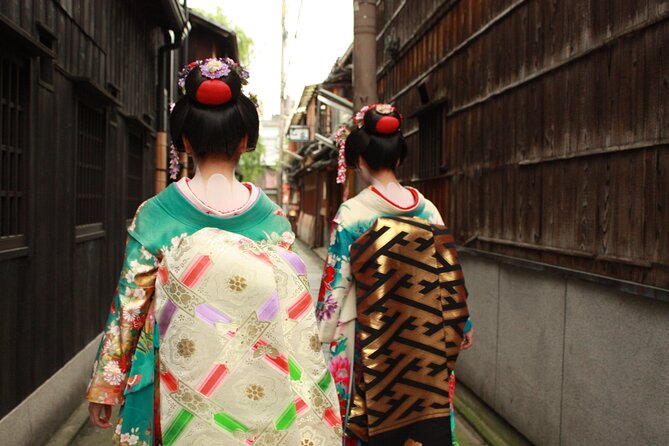
The first stop is Gion, Kyoto’s famous geisha district. The idea here is not a deep dive lecture, it is a quick orientation into what makes Gion feel different: traditional wooden machiya houses, teahouses, and historic streets that look like they belong to a slower era.
It is short, about 10 minutes, so treat it like your “set your bearings fast” moment. Your guide can point out what to look for, like the architectural cues and the street texture that tells you you are in the right neighborhood.
Hanamikoji Street: where you might catch movement and tradition
Next up is Hanamikoji Street, one of the most recognized lanes in Gion. This is where the traditional atmosphere gets extra visible, with historic teahouses and machiya-style buildings along the way.
You are there for about 15 minutes. That is long enough to do two things: take in the look of the street and understand what the area represents culturally. If you are hoping to spot geisha or maiko, this is the kind of street where you might have a chance, though you should not plan your morning around it.
Instead, plan to enjoy the textures and details. This is the kind of Kyoto street where even a quick walk feels like part of the experience.
Yasui-Konpiragu and the prayer mindset
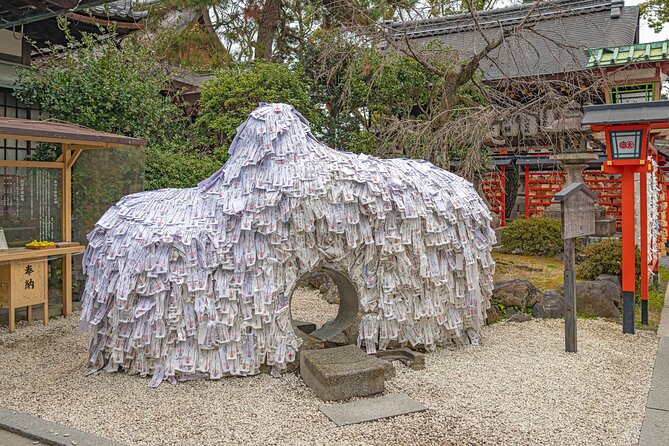
From Gion you shift to a more spiritual stop: Yasui-Konpiragu. The tour describes it as known for severing bad relationships, with visitors praying for the end of negative ties and for new, positive connections.
This is a 15-minute stop, so it is not about a long service timeline. It is more about stepping into a different Kyoto rhythm, one where the mood turns reflective and you feel the role of local belief in daily life.
If you are the type of traveler who likes temples and shrines with meaning, this quick detour adds heart to the morning. It also breaks up the sightseeing so the tour does not become only “photo and move on.”
Yasakanoto and Yasaka Pagoda: scale, age, and wooden craft
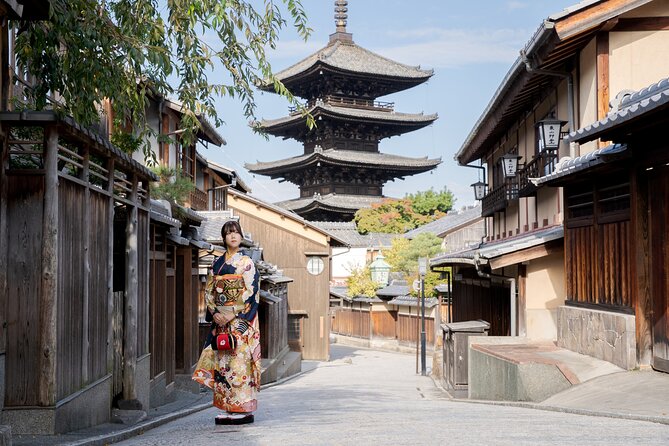
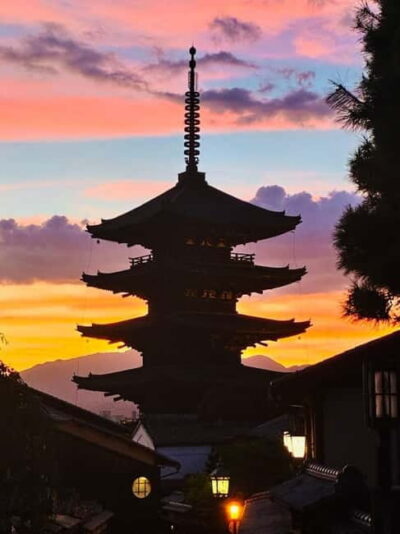
Your next stop is Yasaka Pagoda (Hokanji temple), listed as about 15 minutes. The description highlights two things that catch your attention right away: it is one of Japan’s oldest wooden structures, and it was built without using nails.
Even if you do not get into the engineering detail, the takeaway is simple. You are looking at old craftsmanship made physical, and it gives the walk a sense of weight.
This stop also helps you connect the dots geographically. You start in Gion, but as you move through Higashiyama, the scenery starts to match the scale and seriousness of the religious sites.
Sannenzaka and Ninenzaka: stone lanes for shopping and stepping back in time
Then you reach Sannenzaka and Ninenzaka, a set of stone-paved streets lined with souvenir shops and restaurants in historic wooden buildings. Your time here is about 15 minutes.
This is the part of the tour that feels like Kyoto for many people. The streets are built for wandering, and the shops make it easy to snack or browse while keeping the atmosphere intact.
One practical note: it is also the kind of area where you might want to watch your footing. Stone lanes can be uneven, especially in the morning when crowds are thinner but you are still transitioning from one incline to another.
Kiyomizu-dera Temple: the big anchor stop (and the extra ticket)
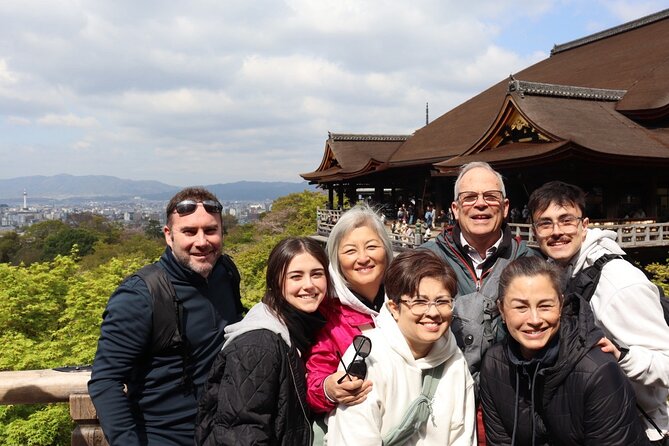
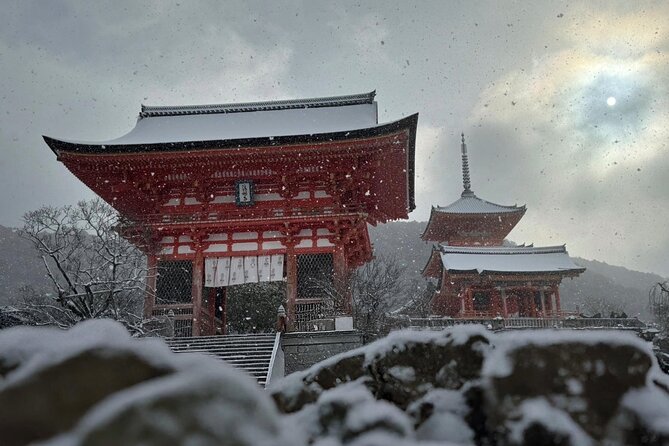
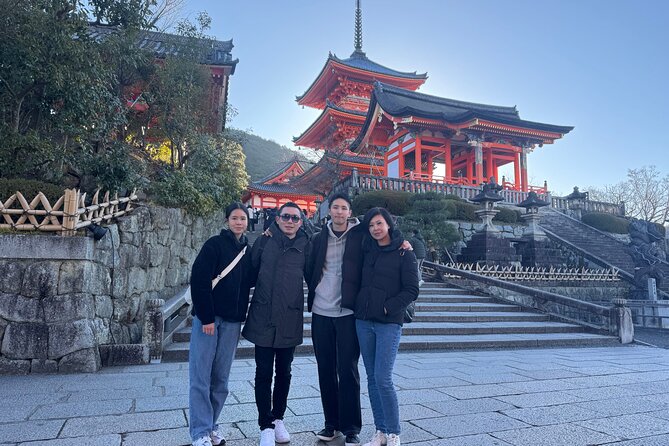
The centerpiece is Kiyomizu-dera Temple, with about 1 hour on site. The description is clear about why it is the main event: it is Kyoto’s most popular temple, it is set on top of a mountain, and it offers panoramic views of Kyoto City.
This is also where your timing choice pays off. With early bird timing, you are more likely to enjoy views without the worst congestion. You get an hour, which is enough time to see the main areas, take photos, and still have a moment to simply look out.
Plan for one cost item: Kiyomizu-dera entrance fee is not included and is ¥500 per person. If you are budgeting tightly, this is the one line you should not forget.
Yasaka Koshin-Do and its colorful contrast
After Kiyomizu-dera, you shift to Yasaka Koshin-Do, about 15 minutes. This temple is described as mysterious, with an unknown construction date, and the standout detail is the colorful decorations.
That color contrast matters because the morning is not only visual scenery, it is a tone shift. Between wood structures, stone paths, and wide views, this stop adds a different kind of attention, the kind that makes you slow down just a bit.
Also, small stops like this one are great if your legs are feeling it. Short time, high payoff.
Yasaka Shrine: finishing with a major Kyoto spiritual center
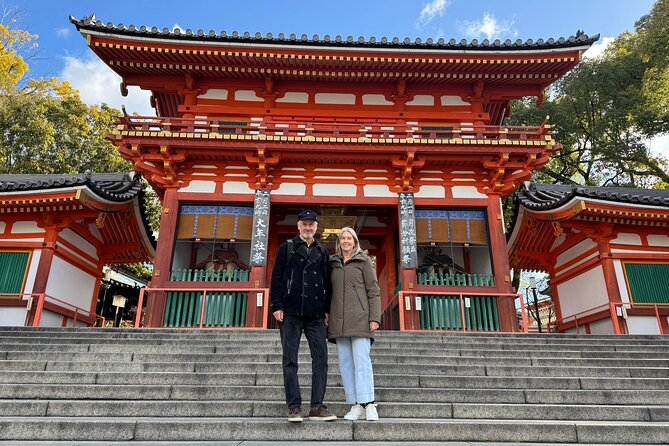
Your final destination is Yasaka Shrine, about 30 minutes. The tour frames it as the headquarters of around 2,300 related shrines throughout Japan, and it is dedicated to the gods of prosperity and protection.
You also get a broader sense of why this area matters. A major shrine like this is not only a pretty photo stop. It is part of the living fabric of Kyoto, and it helps the morning click into place.
After you finish here, the tour ends back at the meeting point, so you are not stuck figuring out the rest of your route.
Guide quality and the photo advantage you should actually care about
The English guide is one of the strongest reasons to book. In recent feedback, Ikki Kataoka stands out for very strong English and patient guiding, especially for older visitors.
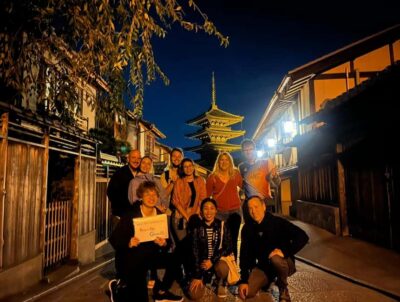
There are also two practical perks tied to that guide experience. First, Ikki has been described as explaining details clearly, so you understand what you are seeing instead of just moving through crowds. Second, on an early 7am morning tour, Ikki acted as a professional photographer, and the photos came out amazing.
That matters because most Kyoto sightseeing fail moments are about the photo problem. You either end up taking blurry self-timer shots, or you rush past great angles because you cannot get your timing right. Having photos taken during the route removes that headache.
If you want to look like you belong in the scene, bring comfortable shoes and think about what you want photos to capture: street textures in Gion, the view angles near Kiyomizu-dera, or shrine details at the end.
Timing, crowd management, and how early to go
This tour is sold as an early bird option, and the best advantage is simple: you start before the main crowd wave. The morning gives you better odds of calmer streets, easier walking, and better photo conditions.
You should still expect other early visitors. Kyoto is never a ghost town. The point is that you get a head start and then keep moving through the route while streets and sight lines are more forgiving than later in the day.
If you are the type who likes to wake up and take advantage of the quiet, this tour fits your style. If you prefer late mornings and long museum time, you might find the schedule a bit tight.
Walking comfort tips for this 3-hour Higashiyama loop
Because this is a walking experience, plan for real foot time. Your route includes multiple short stops plus one major temple stop, so the day is not just “stand around.”
I recommend:
- Wear shoes you can walk on stone lanes in.
- Bring water, even if food and drinks are not included.
- Keep your camera or phone accessible, because quick stop times mean you will want to grab key moments fast.
- Expect inclines around the Kiyomizu-dera area, and pace yourself during the transition days.
The good news is the structure helps. A guide handles flow and you are not guessing where to go next. That reduces wasted minutes, which is the difference between enjoying Kyoto and feeling like you are sprinting for checkmarks.
Who this tour is best for
This tour is a strong match if you:
- Want a guided English route through Gion and Higashiyama without navigating on your own.
- Care about photos and like the idea of professional help during the walk.
- Enjoy a classic highlights route that still includes meaningful shrine and temple stops.
- Prefer early timing and can handle a morning start.
It is also a good pick for people who want structure but do not want to give up independence. After the tour returns you to the meeting area, you are free to keep exploring in any direction you like.
Should you book this Kyoto Early Bird Gion and Higashiyama tour?
Book it if you want a guided morning through Kyoto’s most “I recognize this from photos” neighborhoods, but with explanations that make the details click. The combo of English guide commentary and professional photos gives it a value edge, especially if you would otherwise spend time trying to solve the photo problem yourself.
Skip or rethink it if you need lots of quiet time at one site. With a walking tour that totals about 3 hours, you get focused stops, not unlimited hanging around. If Kiyomizu-dera is your only priority and you want to spend a long time there, you might pair this type of early route with extra independent time later.
If you like your travel mornings efficient, calm, and story-driven, this is a smart way to see Gion and Higashiyama without turning your day into a scavenger hunt.
FAQ
How long is the Kyoto Early Bird English Tour?
The tour lasts about 3 hours.
Is this tour private?
It is designed as a private tour/activity, meaning only your group participates. There are also flexible options to choose private or small-group.
What are the main stops on the route?
You will visit Gion, Hanamikoji Street, Yasui-Konpiragu, Yasaka Pagoda (Hokanji temple), Sannenzaka and Ninenzaka, Kiyomizu-dera Temple, Yasaka Koshin-Do, and Yasaka Shrine.
Is Kiyomizu-dera Temple admission included?
No. Kiyomizu-dera Temple admission is not included and costs ¥500 per person.
Are photos included?
Yes. Professional photos are taken during the tour.
Where is the meeting point?
The tour starts at the Statue of Izumo-no-Okuni, Kawabatacho, Higashiyama Ward, Kyoto, 605-0076, Japan. It ends back at the meeting point.
Can I cancel for a full refund?
Yes. You can cancel up to 24 hours in advance for a full refund. If you cancel less than 24 hours before the experience starts, the amount paid will not be refunded.
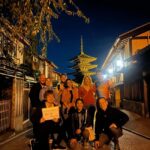
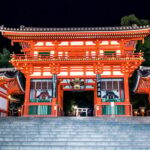
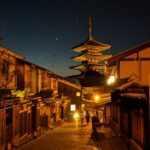
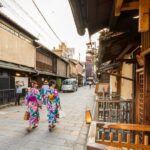
Evenings in the Old Quarters
Newest Kyoto write-ups from the Loving Japan desk
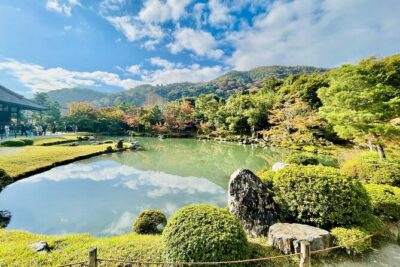
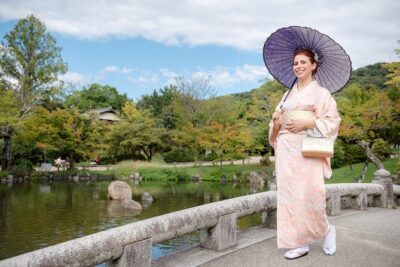
Gion, Geisha and Maiko Experiences, side by side.
 ★ 4.7Kyoto Geisha Walking Tour: Gion District & Hidden GemsFrom $253,273 reviews
 ★ 4.9Gion Magical Night Walking Tour with Geisha TriviaFrom $242,393 reviews
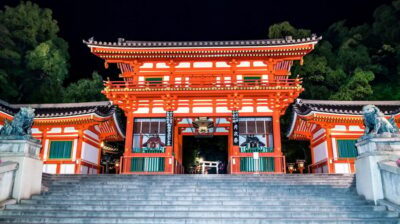 ★ 4.7Gion Geisha District Walking Tour – Stories of GeishaFrom $202,187 reviews
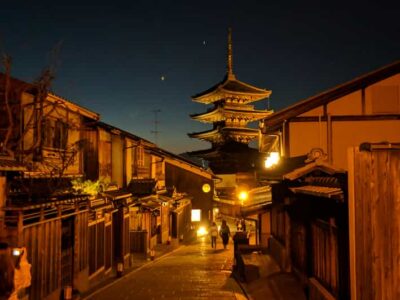 ★ 4.9Best of Kyoto: Gion, Geisha, Pagodas & CobblestonesFrom $242,058 reviews
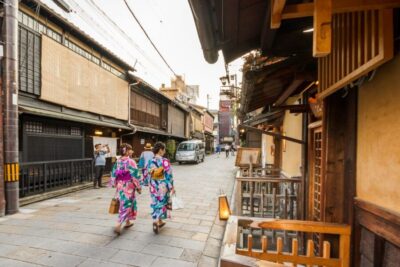 ★ 4.5Night Walk in Gion: Kyoto’s Geisha DistrictFrom $212,003 reviews
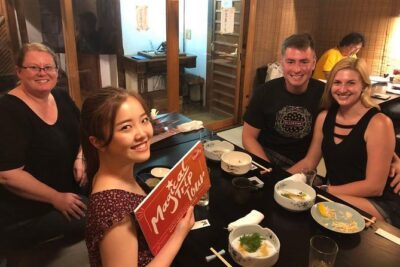 ★ 5.0Kyoto Night Foodie Tour in Gion (9+ dishes + 6 Sake tastings)From $1631,762 reviews
 ★ 5.0Kyoto Gion Geisha District Walking Tour – The Stories of GeishaFrom $251,441 reviews
 ★ 5.0Kyoto Gion: 2-Hour Geisha Culture & History Walking TourFrom $231,186 reviews
Filed on these lists too