
REVIEW · FUSHIMI INARI AND THE TEMPLES OF KYOTO
Kyoto Early Bird Tour in Uji and Fushimi Inari
Red gates feel like magic before Kyoto wakes up. This early bird, small-group tour is a smart way to hit Fushimi Inari and Uji without spending your whole day in crowds or shuffling between lines. I especially like the small group size, because you can actually ask questions and get answers that fit what you are seeing, not a rushed lecture. One thing to plan for: transport is not included, and the tour ends in Uji Station, so you handle your way back to Kyoto on your own.
What really sells this for me is the mix of big landmarks with a calmer pace. You get Byodoin Temple with admission included, so you are not stuck waiting at the ticket window, and you still get time to enjoy the famous Phoenix Hall that appears on Japan’s 10 yen coin. Plus, the English-speaking guide (Genki is one of them) shares clear explanations of the connections between Shinto and Buddhism, with just enough detail to stick.
The day runs about 5 hours 30 minutes, and it moves in three focused chunks, with around 1 hour 30 minutes at each stop. It is built for people who can handle a moderate amount of walking, and it keeps the group to a maximum of 8, which helps the whole morning feel less hectic.
In This Review
- Key points that make this tour worth your morning
- Why the early start matters at Fushimi Inari and Uji
- Meeting at Kyoto Station, how the day flows, and what to expect
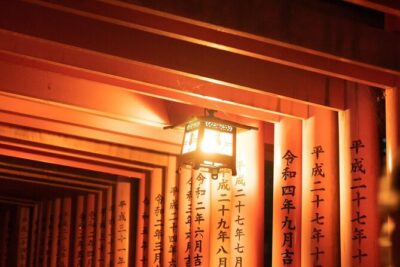
- Fushimi Inari-taisha: thousands of red torii at the right hour
- Byodoin Temple and the Phoenix Hall: UNESCO without the ticket-line hassle
- Ujigami Shrine in Uji: an older pause point with a spiritual feel
- How Genki-style guidance makes the Shinto and Buddhism lesson useful
- Price and value: what $55.18 covers, plus the ¥390 transport add-on
- Timing tips for a calmer Kyoto morning
- Who this Kyoto early bird tour suits best
- Should you book this Kyoto early bird tour to Uji and Fushimi Inari?
- FAQ
- How long is the Kyoto early bird tour to Uji and Fushimi Inari?
- How big is the group?
- Is admission to Byodoin Temple included?
- Where does the tour start and end?
- Is transportation included in the price?
- Is lunch included?
Key points that make this tour worth your morning
- Small-group access so you can ask Genki-style questions and get real context
- Early arrival rhythm that aims to beat the worst crowd surges
- Byodoin admission included so you lose less time to ticket lines
- UNESCO Phoenix Hall time without feeling like you are sprinting through
- Uji at a quieter hour including Ujigami Shrine for a peaceful change of pace
- Mobile ticket for a smoother start once you meet at Kyoto Station
Which temple to give the morning to, reviewed
- Kyoto: Fushimi Inari, Kinkakuji, Bamboo Grove 1 Day Bus Tour
★ 4.8 · 4,316 reviews - Kyoto: Tea Ceremony in a Traditional Tea House in Kiyomizu
★ 4.9 · 3,519 reviews - Kyoto/Osaka: Nara, Fushimi Inari Taisha, Arashiyama Bus Tour
★ 4.7 · 1,275 reviews - Kyoto: Nijo-jo Castle and Ninomaru Palace Guided Tour
★ 4.7 · 1,020 reviews
Why the early start matters at Fushimi Inari and Uji
Kyoto can feel crowded in waves. This tour is built around the idea that getting to places early changes your entire experience, not just your photos. At Fushimi Inari, the famous red torii gates are the star, but the best part is how the shrine atmosphere feels when you are not fighting a constant stream of visitors. Going early usually means you can slow down, read what matters, and actually enjoy the walk.
Then you transition to Uji, which feels different from Kyoto city centers. It is still Kyoto area, but the tone is calmer. The tour keeps that momentum by not dumping you into an afternoon schedule where you are stuck among bus loads.
The practical benefit is simple: more time with the sights, less time in waiting and repositioning. And with a maximum group size of 8, you are not squeezed into a moving wall of people. You can ask a question and hear the answer without the guide needing to shout over a crowd.
Meeting at Kyoto Station, how the day flows, and what to expect
The meeting point is at Kyoto Station, specifically Higashishiokoji Kamadonocho in Shimogyo Ward. From there, the tour heads toward Fushimi Inari first, with the morning as your best friend for crowd control. The total duration is about 5 hours 30 minutes, and you typically spend about 1 hour 30 minutes at each main stop.
A helpful detail: you receive a mobile ticket, which makes check-in and entry feel simpler on the day. Also, the tour is near public transportation, so you are not locked into a complicated private logistics puzzle.
Two logistics notes you should take seriously. First, transportation costs ¥390 per person are not included in the tour price, so you need that extra budget. Second, the tour ends at Uji Station, and the guide will not take the train back with the group. That is normal for how these tours run, but it does mean you should plan your return route ahead of time.
Fushimi Inari-taisha: thousands of red torii at the right hour
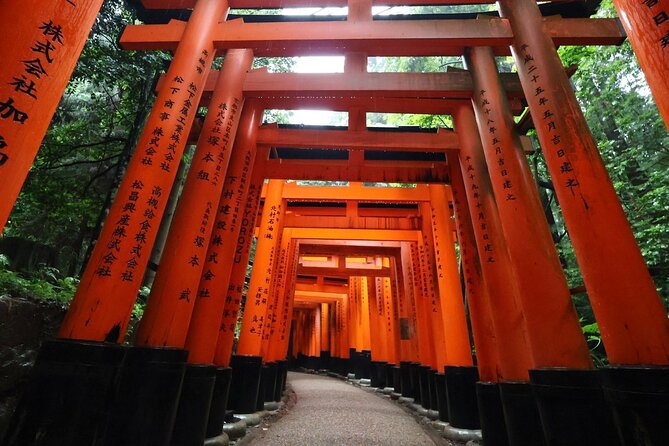
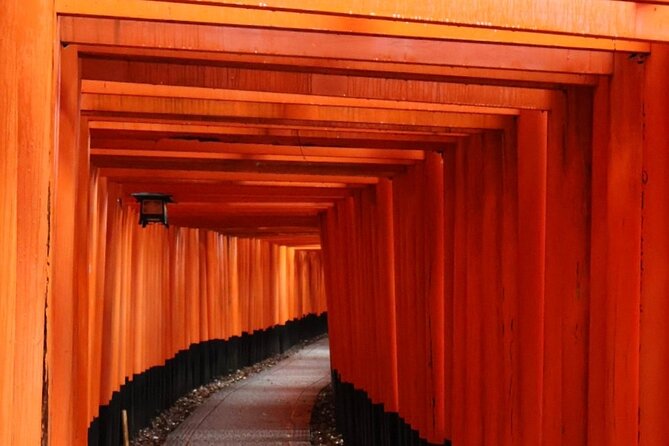
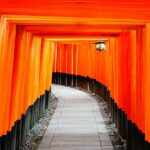
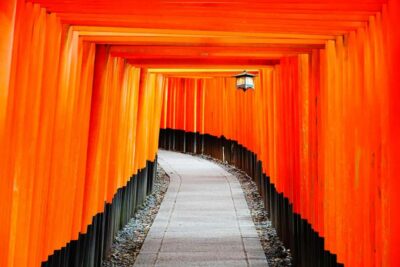
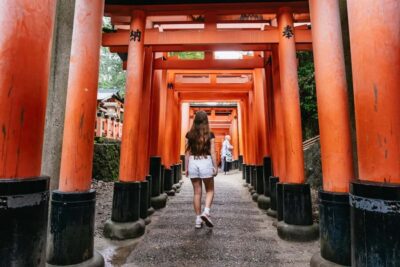
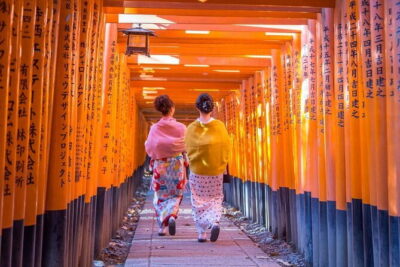
Fushimi Inari-taisha Shrine is one of the most famous shrines in Japan, and it earns the hype. The big draw is the walk through thousands of striking red torii gates. Even if you have seen photos, there is a different feeling when you are inside the gate corridors early in the day. The colors feel more intense, the space feels more human, and you can actually follow the path without constant stop-and-go.
This stop is free, so you are not paying extra on top of the tour. You also get about 1 hour 30 minutes here, which is enough time to enjoy the main route and take in the atmosphere without turning it into a full half-day hike marathon.
A drawback to keep in mind: the shrine is famous for a reason, which means it can still get busy later. This is exactly why the tour emphasizes getting there early. If you arrive with the mindset of a peaceful morning walk, you will be happier than if you treat it like a checklist sprint.
What I like most about starting here is the storytelling contrast. After you see the intensity of the torii gates, the Uji stops feel like a breath of air, not just more shrines on a schedule.
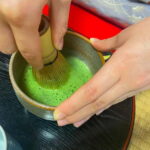
Sit down somewhere quieter. Other tea rooms we booked
- Kyoto: Tea Ceremony Ju-An at Jotokuji Temple★ 4.9 · 3,207 reviews
- Kyoto: 45-Minute Tea Ceremony Lesson Experience★ 4.3 · 2,378 reviews
- Kyoto: Table-Style Tea Ceremony at a Kyo-Machiya★ 4.9 · 1,211 reviews
- Kimono Tea Ceremony at Kyoto Maikoya, NISHIKI★ 5.0 · 911 reviews
- Kyoto: Arashiyama Bamboo Forest, Monkeys, Matcha & Temple Tour★ 5.0 · 759 reviews
Byodoin Temple and the Phoenix Hall: UNESCO without the ticket-line hassle
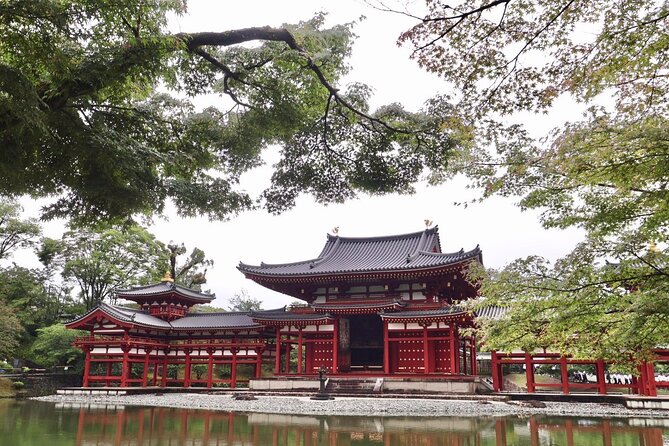
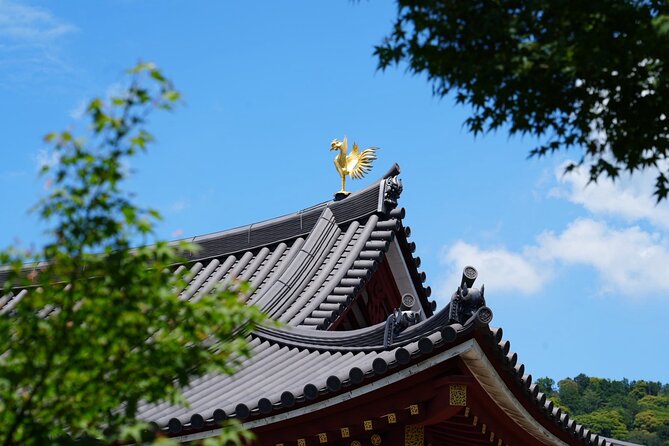
Byodoin Temple in Uji is a UNESCO World Heritage Site, and it is also the one that most people recognize instantly. The Phoenix Hall is famously featured on the back of Japan’s 10 yen coin, so it has that special kind of familiarity. Seeing it in person turns a wallet detail into a real, physical place.
This stop is where the tour delivers real value. Admission to Byodoin Temple is included, which helps you avoid long ticket lines. In practice, that means you spend more of your limited morning time in the actual site experience, instead of waiting at the front of a queue. With a 5.5-hour day, time savings matter.
You get about 1 hour 30 minutes here. That is a comfortable window to see the key sights at a slow walking pace, read what you can, and listen to the guide’s explanations without feeling like you have to speed up every time someone asks a question.
One more practical win: this is a UNESCO site, so it can be easy to feel like you are just passing through. With the guide’s context, the temple feels more legible. You are not just looking at an iconic building, you are understanding what you are looking at and why it matters in the broader mix of Kyoto area religious culture.
Ujigami Shrine in Uji: an older pause point with a spiritual feel
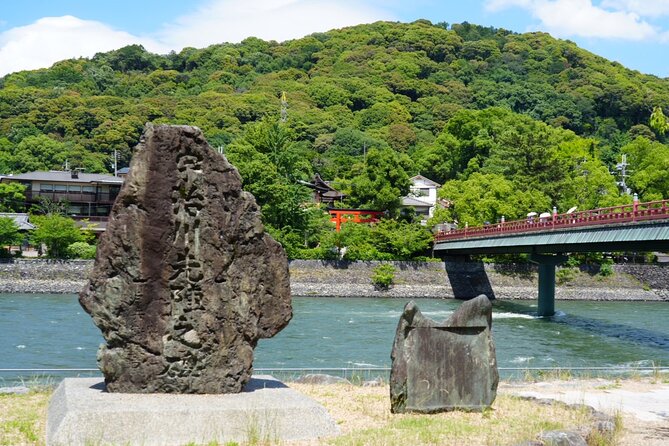
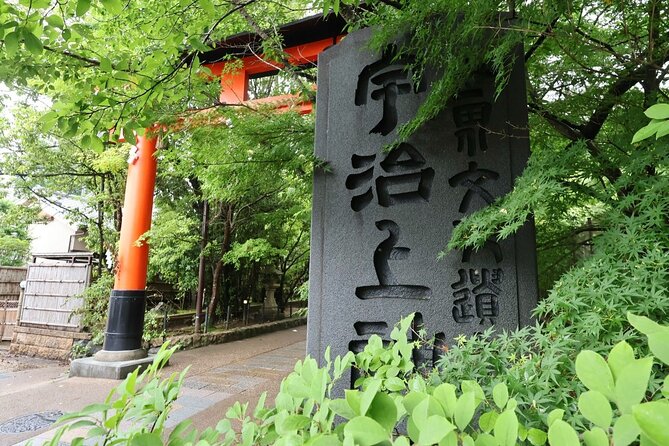
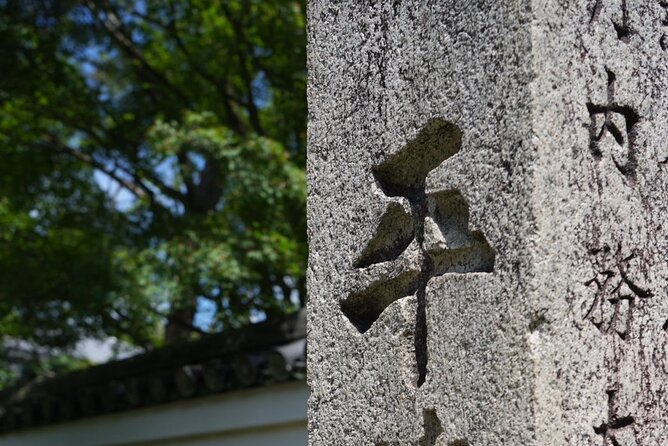
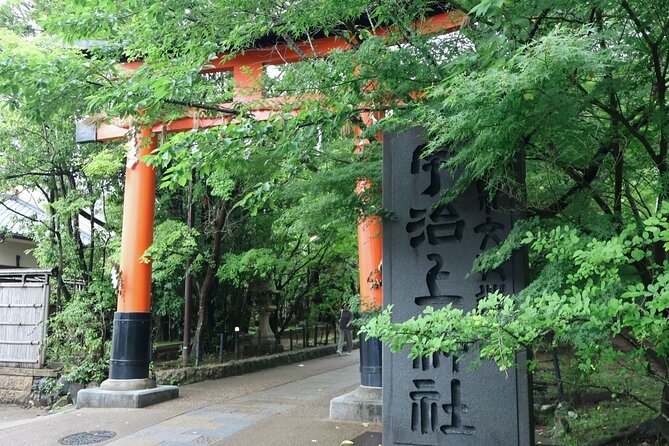
After Byodoin, the day shifts gears. Ujigami Shrine is described as Japan’s oldest standing shrine, and it has a calmer, tucked-in feeling compared with the more famous traffic of Fushimi Inari. The grounds are peaceful, with wooden architecture that feels aged and grounded.
This stop is also free, and you get another about 1 hour 30 minutes to experience it at an unhurried pace. This length is important. Shrines like this reward you for slowing down and noticing details like the feel of the space and the way visitors behave. If you treat it as a quick photo stop, you will miss most of what makes it worth your time.
One consideration: because it is peaceful, it can feel quieter than what you might expect after the dramatic red gates. That is a feature, not a bug. You are getting a sense of rhythm across the morning, which is one reason the tour works as a full Kyoto-and-Uji highlight combo.
I also like that Ujigami Shrine gives you contrast right before the tour ends in Uji Station. You finish with a calmer memory bank, not just a final burst of crowds.
How Genki-style guidance makes the Shinto and Buddhism lesson useful
A good tour guide should do more than point. The standout here is how the guide connects the sights to the cultural logic behind them. Genki is highlighted for explaining the differences between Shinto and Buddhism in a way that is clear and easy to retain. That matters because many visitors walk away from religious sites with a fuzzy sense of what they just saw.
When you understand the basics, you start noticing patterns. You might spot how the sites create different kinds of spiritual space, or why certain elements feel more shrine-like while others feel more temple-like. Even if you do not become an expert by the end of the morning, you can walk away with a more organized mental framework.
This is also where the small group size pays off. If you have a question, you are not asking it into dead air or shouting across a packed train of people. You can get a direct answer, then turn around and apply it immediately to what is in front of you.
In short, the guide helps you slow down intellectually the same way the early start helps you slow down physically. That is the real comfort factor behind the five-and-a-half-hour schedule.
Price and value: what $55.18 covers, plus the ¥390 transport add-on
Let’s talk numbers, because Kyoto pricing can be confusing. The tour price is $55.18 per person, and it includes an English-speaking guide plus the entrance fee to Byodoin Temple. That Byodoin admission is a meaningful chunk of the value since it is the only paid entry item among the main stops.
But you do need to budget for transportation separately. A transportation fee of ¥390 per person is not included. So the realistic cost is the listed price plus that ¥390 add-on, then your personal expenses like food.
Lunch is not included. For an early tour, I recommend you think about food timing before the morning starts. If you plan to grab something near Uji Station afterward, build in that extra time for your return and for finding a meal that fits your pace.
Is it worth it? For me, it is when you value three things:
- You want a tight route across Fushimi Inari, Byodoin Temple, and Uji sites in one morning.
- You want admission included where it matters most, Byodoin.
- You want the early bird crowd advantage, plus small-group access for questions.
If you are the type who enjoys wandering slowly on your own and you are comfortable handling ticket timing and routes solo, you might save money by DIY. But if you prefer a guided flow that protects your time, this price structure makes sense.
Timing tips for a calmer Kyoto morning
This kind of tour is all about timing, so treat it like an opportunity, not just a ride between places. Aim for a mindset of early and steady. The schedule hits three major stops, each roughly 1 hour 30 minutes. That means you will want to keep your energy up and avoid spending too long stuck on one spot trying to do everything.
Wear comfortable shoes. You are walking for hours, and the tour notes moderate physical fitness. That does not mean you need to be an athlete, but it does mean you should be ready for a continuous morning pace.
Also, because the tour ends in Uji Station and you are not returning with the group, you should know where you are headed next. Decide ahead of time whether you want to continue sightseeing in the Uji area or go back into Kyoto city. Having a plan keeps the last stretch from feeling like a scramble.
Finally, with a mobile ticket, you should keep your phone charged and accessible. It is usually simple, but the one thing that slows you down on any trip is a preventable tech snag.
Who this Kyoto early bird tour suits best
This tour fits you if you want maximum payoff in a short morning and you hate losing time to ticket lines and crowds. The small group maximum of 8 is a big signal. If you prefer quieter tours where you can actually talk with the guide, you will likely feel comfortable here.
It is also a great fit for first-time Kyoto visitors who want the big names without spending the whole day bouncing around. Starting with Fushimi Inari, adding UNESCO Byodoin, and finishing with Uji’s Ujigami Shrine gives you a well-balanced slice of the Kyoto area without feeling like you only saw one kind of sight.
You might skip it if you are a hardcore self-guided traveler who wants to control every minute and you already know the route and ticket rhythm well. But for most people, the early start plus included entry at Byodoin is exactly the kind of help that makes a day feel easier.
One more fit note: the guide’s Shinto and Buddhism explanations can be a bonus for anyone who wants their shrine and temple visits to feel more meaningful than just scenic.
Should you book this Kyoto early bird tour to Uji and Fushimi Inari?
I think you should book if you want a calm, efficient morning that hits three high-impact stops. The early start helps protect your experience at Fushimi Inari, and the Byodoin admission included piece is practical value, not just a marketing line. Add a small group and an English guide who can explain Shinto versus Buddhism in a way that you can remember, and you have a morning that feels both scenic and understandable.
I would hesitate only if you are on a tight budget that cannot stretch to the separate ¥390 transport fee, or if you do not want to end in Uji Station and manage your own return afterward. If those logistics work for you, this is a strong choice for seeing Kyoto and Uji highlights in one focused window.
If you do book, plan ahead. The tour is often booked well in advance, averaging about 62 days. The early-bird benefit is the point, so when it is full, it is full.
FAQ
How long is the Kyoto early bird tour to Uji and Fushimi Inari?
The tour lasts approximately 5 hours 30 minutes.
How big is the group?
The tour has a maximum of 8 travelers.
Is admission to Byodoin Temple included?
Yes, the entrance fee to Byodoin Temple is included.
Where does the tour start and end?
It starts at Kyoto Station (Higashishiokoji Kamadonocho, Shimogyo Ward) and ends at Uji Station (Otsukata Uji, Kyoto 611-0021).
Is transportation included in the price?
No. Transportation is an additional ¥390 per person.
Is lunch included?
No, lunch is not included.
Kyoto by the Bowl



Which Kyoto Temple Gets Your Morning


Newest Kyoto write-ups from the Loving Japan desk
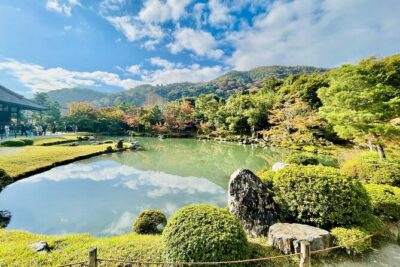
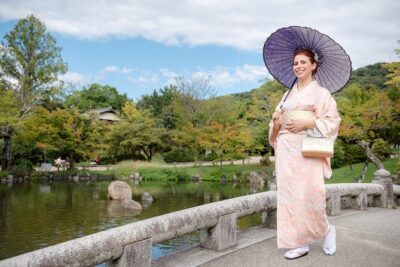
Fushimi Inari and the Temples of Kyoto, side by side.
 ★ 4.8Fushimi Inari, Kinkakuji, Bamboo Grove 1 Day Bus TourFrom $1224,316 reviews
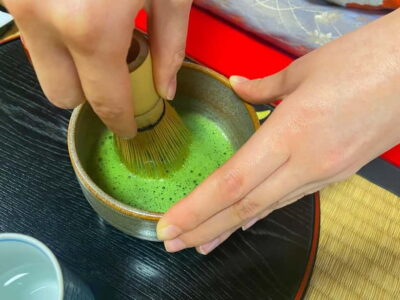 ★ 4.9Tea Ceremony in a Traditional Tea House in KiyomizuFrom $493,519 reviews
 ★ 4.7Kyoto/Osaka: Nara, Fushimi Inari Taisha, Arashiyama Bus TourFrom $521,275 reviews
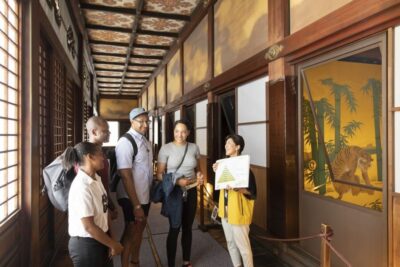 ★ 4.7Nijo-jo Castle and Ninomaru Palace Guided TourFrom $161,020 reviews
 ★ 4.4Osaka/Kyoto: Arashiyama, Nara & Fushimi Inari Shrine w/LunchFrom $61754 reviews
 ★ 4.7Nijo Castle, Kiyomizu & Fushimi Inari Guided TourFrom $54700 reviews
 ★ 5.0Nijo, Kinkaku-ji, Arashiyama, Kiyomizu & Fushimi InariFrom $51699 reviews
 ★ 4.7Imperial Palace & Nijo Castle Guided Walking TourFrom $49453 reviews
Filed on these lists too