
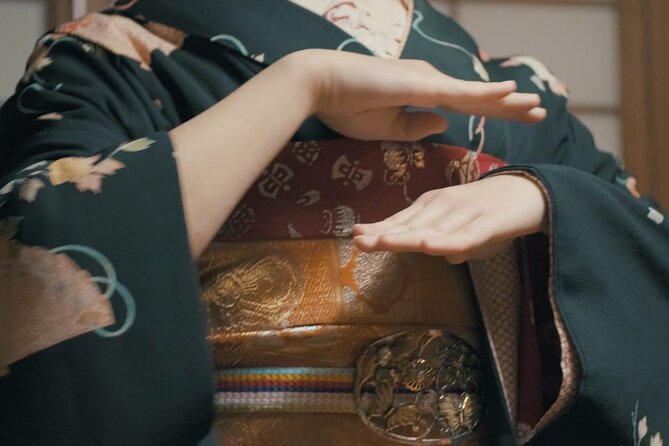
REVIEW · GION, GEISHA AND MAIKO EXPERIENCES
Kyoto Gion Cultural Walk & Geisha Show with Dining Options
Gion without the tourist chaos. I like how this 3-hour Gion walk plus Maiko moment turns a vague idea of geisha culture into something you can actually ask about. You’ll get a small-group experience (limited to 8), then watch an apprentice geisha perform and talk with you in plain, human terms.
The main drawback is the schedule is tight, so you get a special visit, not an all-day hanging out session. Also, you may be given rules around photos, including requests not to share them online, so plan to be respectful and ready to follow instructions.
In This Review
- Key Things I Think You’ll Enjoy Most
- Starting in Gion, at the Izumo-no-Okuni statue
- Gion Street Walk: the “how it works” lesson behind geiko life
- Miyagawasuji Dance Show: seeing tradition in a performance space
- The 50-minute Maiko meeting: Q&A plus one or two songs
- Choosing lunch, tea, or dinner: how the food option changes the vibe
- Lunch plate option
- Tea break option
- Dinner sharing plates option
- Practical tip on timing
- Price and value: what $108 buys you in real terms
- How to get the best experience (and avoid common slip-ups)
- Who this Kyoto Gion walk and Maiko show is best for
- Should You Book This Kyoto Gion Geisha Walk and Show?
- FAQ
- Where does the tour start?
- How long is the Kyoto Gion Cultural Walk and Geisha Show?
- How much does it cost?
- Is the tour in English?
- How big is the group?
- What happens during the Maiko meeting?
- What food options are available?
- Are luggage or large bags allowed?
- Is the tour suitable for people with mobility impairments?
- What is the cancellation policy?
- Is there a dress code or anything to keep in mind?
Key Things I Think You’ll Enjoy Most
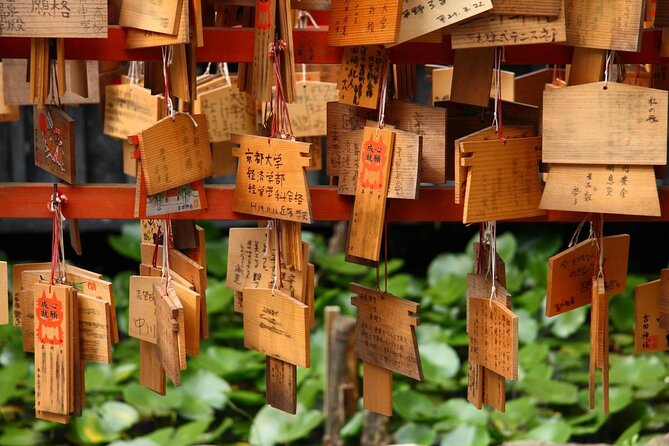
Gion streets with breathing room: limited to 8 people, so the guide can keep things calm and personal.
A real Q&A with a Maiko apprentice: you can ask questions during the meeting and again while you share tea or a meal.
Performance you can see up close: a short dance show, plus the Maiko’s own performance with one or two songs.
Guides who correct myths respectfully: guides like Kenta and Akari are praised for clear context and respectful framing.
Food that fits the theme: choose lunch, tea, or an 8-dish shared dinner-style meal, including time to talk.
A better feel for the districts: the walk includes the Gion area and nearby Miyagawa-cho streets, not just a single stop.
Evening walks through the old quarters, compared
- Kyoto Geisha Walking Tour: Gion District & Hidden Gems
★ 4.7 · 3,273 reviews - Kyoto: Gion Magical Night Walking Tour with Geisha Trivia
★ 4.9 · 2,393 reviews - Kyoto: Gion Geisha District Walking Tour – Stories of Geisha
★ 4.7 · 2,187 reviews - Best of Kyoto: Gion, Geisha, Pagodas & Cobblestones
★ 4.9 · 2,058 reviews
Starting in Gion, at the Izumo-no-Okuni statue
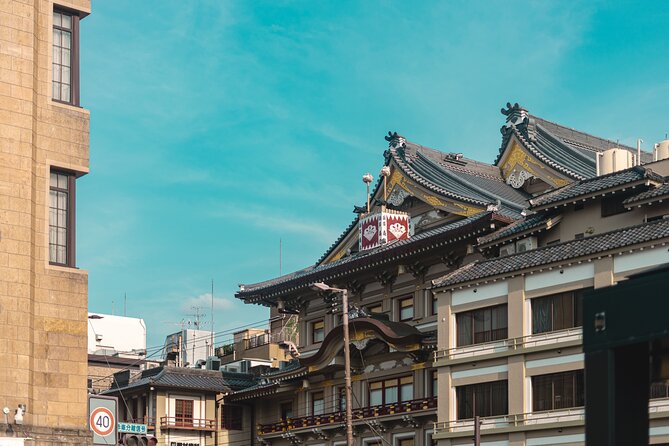
Your tour begins in the Gion area at the statue of Izumo-no-Okuni, near exit 4 of Keihan Gion Shijo Station. This is a useful start because it puts you inside the real geography of Gion, where narrow lanes and side streets matter more than landmarks on a map.
Do yourself a favor and arrive a few minutes early. Small-group tours move together, and being on time means you start the walk relaxed, not rushing while everyone is waiting.
Also, plan light. Large bags and luggage are not allowed, so bring what you can comfortably carry for a few hours on foot.
Gion Street Walk: the “how it works” lesson behind geiko life
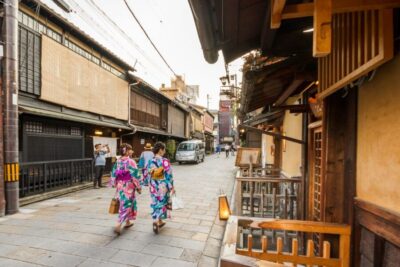
The heart of the first half is a guided Geisha District walking tour through Gion for about 1.5 hours. You’ll hear how the traditions developed and what day-to-day rituals look like, including the history and the practical nuances people miss when they only watch performances.
What I like most here is the tone. Guides from this experience are often praised for showing respect for the community, and for helping you understand the roles without turning the subject into Hollywood movie logic. One guest specifically called out how the guide dispelled common myths, replacing them with historical context and lived cultural reality.
You also get a chance to keep asking questions while you walk. On tours like this, that’s what turns the district from a pretty photo set into a place with rules and meaning.
One more practical note: the pace is described as moderate. That matters in Kyoto, because Gion streets can be uneven and busy even when the area feels quieter than major tourist hot spots.
Miyagawasuji Dance Show: seeing tradition in a performance space

After the walk, you move to a performance setting in the Miyagawasuji, Kyoto area for a traditional dance show segment that lasts about 1.5 hours. This is the portion where you start seeing how training and presentation come together: movement, music, and the kind of formality Kyoto is famous for.
Here’s what you should expect as a viewer. Even if you don’t know the exact names of the dances, you’ll learn how to read what you’re seeing. You’ll pick up context for what the performance represents, and that helps the Maiko meeting later feel less random and more like the next chapter of the same story.
One detail that pops up in feedback: tea-house style hosting can be part of the experience, and guests mention drinks like orange tea. So bring an open mind. If you’re the type who loves small cultural “stagecraft” details, this portion will land well.
- PERFECT KYOTO 1-Day Bus Tour★ 5.0 · 13,518 reviews
- Kyoto: Fushimi Inari, Kinkakuji, Bamboo Grove 1 Day Bus Tour★ 4.8 · 4,316 reviews
- Kyoto: Tea Ceremony in a Traditional Tea House in Kiyomizu★ 4.9 · 3,519 reviews
- Kyoto Geisha Walking Tour: Gion District & Hidden Gems★ 4.7 · 3,273 reviews
- Kyoto: Tea Ceremony Ju-An at Jotokuji Temple★ 4.9 · 3,207 reviews
The 50-minute Maiko meeting: Q&A plus one or two songs
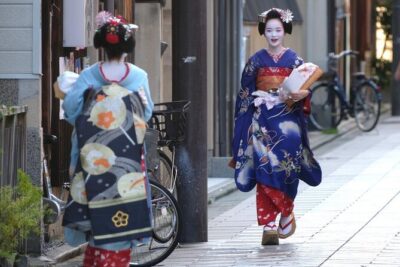
This is the big moment, and it’s also why the tour is worth your attention. You get a 50-minute Geisha meeting that includes Q&A and a performance with one or two songs.
In plain terms, you’re not just watching from a distance. You sit down, ask questions, and listen to an apprentice geisha describe her life and training in a way that feels personal but respectful. Guests consistently highlight how much fun and insight this part delivers, especially because you can ask your own questions instead of only receiving a monologue.
Some groups report meeting Maiko named Mio-San or Hisa-chan, and guests note the way the Maiko interacts, including being warm and playful during the Q&A. One guest even mentioned a game as part of the session, which tells you the format is designed to keep it engaging, not stiff.
Photo etiquette matters here. At least one guest noted they were asked not to share photos online. You may still be allowed to take pictures at the time, but treat any instructions from your guide as firm, not optional.
Choosing lunch, tea, or dinner: how the food option changes the vibe
This tour offers three meal options, and your choice changes the feel of the experience. The base idea stays the same, but your time with the Maiko is paired with different kinds of breaks.
Lunch plate option
If you choose Lunch with Geisha at 10:30 AM, you’ll enjoy a Japanese lunch plate. Guests describe the lunch as very good, and it gives you a daytime, calmer atmosphere for questions and conversation before the performance mood fully kicks in.
Tea break option
If you choose Tea break with Geisha at 14:30 PM, you’ll have a cup of tea alongside the Maiko interaction. Tea breaks in Kyoto can be surprisingly social, and guests mention specific tea experiences like orange tea. This option is a smart pick if you want the cultural talk without a full meal.
Dinner sharing plates option
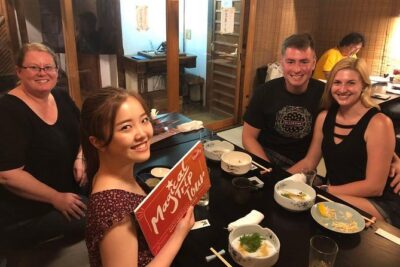
If you choose Dinner with Geisha at 18:30 PM, you’ll get dinner-sharing plates featuring 8 different food items. Guests describe the dinner as a kaiseki-style meal, often with small courses, so it’s more about the experience and variety than huge portions.
One guest mentioned the meal was beautifully arranged but not super filling, which lines up with how multi-course Japanese dining often works. If you usually eat big at night, plan to top up a little before or after, or choose lunch instead.
Practical tip on timing
If you’re deciding between lunch/tea and dinner, consider daylight. One guest specifically recommended taking it during daylight hours. I agree with that instinct for comfort and photos: Kyoto lanes are easier to navigate when the light is better.
Price and value: what $108 buys you in real terms
At $108 per person for about 3 hours (around 210 minutes), you’re paying for more than a walk. You’re paying for:
- A guided Gion walk (about 1.5 hours)
- A traditional dance show segment (about 1.5 hours)
- A structured 50-minute Maiko meeting with Q&A and performance
- And an included food element (lunch plate, tea, or dinner sharing plates, depending on your option)
So the value isn’t just “you see something.” It’s “you ask questions and get context,” plus you get a live performance tied to that context.
Small-group size matters here too. With a limit of 8 participants, the experience is less chaotic. That makes a difference during Q&A, where you want your questions to land and your guide to manage the flow.
Also, you’re getting English language support with a live guide, which is huge in Kyoto. Even simple misunderstandings can ruin a cultural moment, and guests repeatedly mention clear, patient explanations.
How to get the best experience (and avoid common slip-ups)
You don’t need to dress in kimono cosplay. But you do want to act like a guest in someone else’s cultural space.
Here are the practical moves I’d make:
- Wear comfortable shoes with grip. Gion streets can be uneven.
- Bring a small day bag only. Large bags and luggage are not allowed.
- Keep your camera ready but follow instructions. If you’re told not to share photos online, do it. Respect is part of the deal.
- Bring one or two questions you actually care about. The Q&A time is valuable, so don’t waste it with generic stuff.
If you’re traveling in warm weather, it’s also worth knowing some guests mention iced drinks were provided on hot days. Even with that, Kyoto walking can wear you down, so water planning is smart.
Finally, because it’s a small group, listen closely at the start. Your guide will likely set expectations about what is appropriate in the district, including how to move without disrupting people.
Who this Kyoto Gion walk and Maiko show is best for
This is a great fit if you:
- Want cultural context, not just sightseeing
- Like asking questions and learning the “why” behind traditions
- Care about respectful presentation and accuracy over myths
It may not be a great match if you:
- Have mobility impairments, since the tour is not suitable for that
- Want a flexible, unstructured tour where you can roam freely
If you’re going with family, it can still work well. One review specifically mentioned the experience as a highlight for kids, which suggests the pacing and format are designed to be accessible.
Should You Book This Kyoto Gion Geisha Walk and Show?
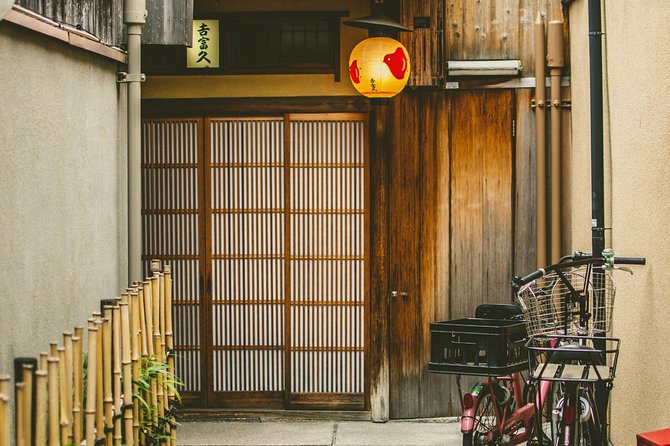
I’d book it if you want a structured, respectful way to understand geisha culture in Kyoto without getting trapped in stereotypes. The best reason is the combination: Gion walking context plus a real Maiko meeting with Q&A and performance, paired with lunch, tea, or dinner.
If you hate schedules, or you’re hoping for a long conversation beyond the set time, you might find the pacing a bit strict. But if you’re realistic about what 3 hours can do, this is exactly the kind of experience that turns curiosity into understanding.
FAQ
Where does the tour start?
You meet in front of the statue of Izumo-no-Okuni near exit 4 of Keihan Gion Shijo Station.
How long is the Kyoto Gion Cultural Walk and Geisha Show?
The duration is 3 hours, or about 210 minutes.
How much does it cost?
The price is $108 per person.
Is the tour in English?
Yes, the tour is guided in English.
How big is the group?
It is a small group with a limit of 8 participants.
What happens during the Maiko meeting?
You get a 50-minute meeting with Q&A and a geisha performance with one or two songs.
What food options are available?
You can choose lunch (a Japanese lunch plate), a tea break (a cup of tea), or dinner (sharing plates with 8 different food items).
Are luggage or large bags allowed?
No, luggage or large bags are not allowed.
Is the tour suitable for people with mobility impairments?
No, it is not suitable for people with mobility impairments.
What is the cancellation policy?
Free cancellation is available up to 24 hours in advance for a full refund. Reserve now and pay later may be offered, with no payment due today.
Is there a dress code or anything to keep in mind?
The tour has practical expectations like no large bags. Other specific dress guidance is not listed in the provided details, so plan for comfortable walking shoes and follow any instructions your guide gives on-site.
Evenings in the Old Quarters



Newest Kyoto write-ups from the Loving Japan desk
Gion, Geisha and Maiko Experiences, side by side.
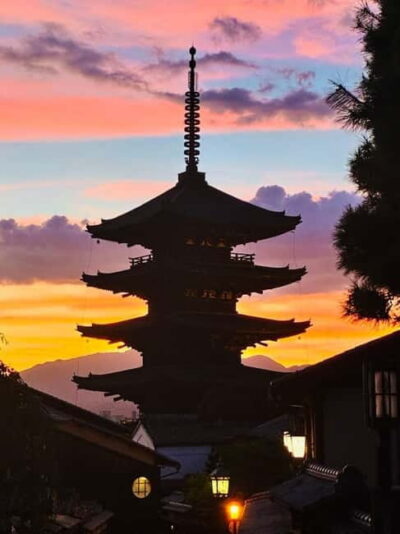 ★ 4.7Kyoto Geisha Walking Tour: Gion District & Hidden GemsFrom $253,273 reviews
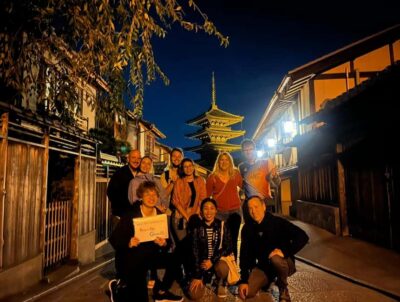 ★ 4.9Gion Magical Night Walking Tour with Geisha TriviaFrom $242,393 reviews
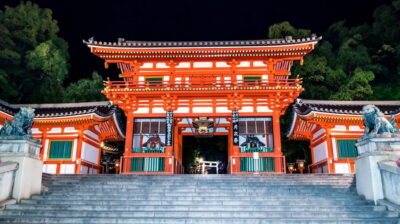 ★ 4.7Gion Geisha District Walking Tour – Stories of GeishaFrom $202,187 reviews
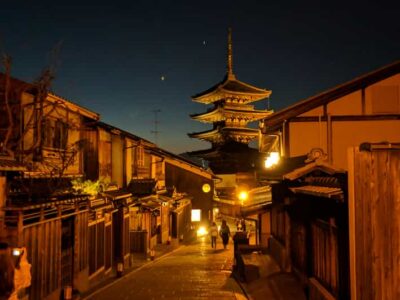 ★ 4.9Best of Kyoto: Gion, Geisha, Pagodas & CobblestonesFrom $242,058 reviews
 ★ 4.5Night Walk in Gion: Kyoto’s Geisha DistrictFrom $212,003 reviews
 ★ 5.0Kyoto Night Foodie Tour in Gion (9+ dishes + 6 Sake tastings)From $1631,762 reviews
 ★ 5.0Kyoto Gion Geisha District Walking Tour – The Stories of GeishaFrom $251,441 reviews
 ★ 5.0Kyoto Gion: 2-Hour Geisha Culture & History Walking TourFrom $231,186 reviews
Filed on these lists too