
REVIEW · GION, GEISHA AND MAIKO EXPERIENCES
Kyoto: Gion & Geisha District Night Time Walking Tour
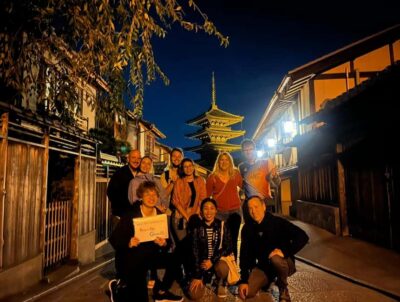
Gion at night feels like another Kyoto. This 2-hour nighttime walking tour is a smart way to see Kyoto’s most famous old streets with context, not just photos, and guides like Pedro and Majo tend to keep it lively while pointing out what most people miss. You’ll also get photo support during the walk, which matters when you’re trying to capture narrow lanes without turning everything into selfies.
My favorite part is the way the route connects sacred places and the geiko world, so the lantern light, shrines, and traditional streets feel like one story instead of random stops. A possible drawback: the pace is still walking, so if you’re not comfortable on uneven sidewalks and slopes, you may find it less pleasant. Also, it’s not for wheelchair users.
In This Review
- Key things that make this night walk worth it
- Why Gion at night feels different (and better)
- Meeting by Starbucks near Kyoto Gion Hotel, then heading straight into the old streets
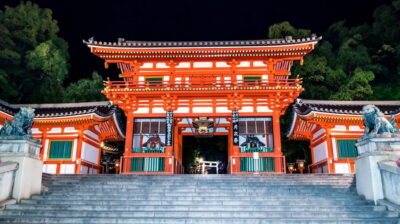
- Yasaka Shrine: where festivals and Kyoto’s traditions connect
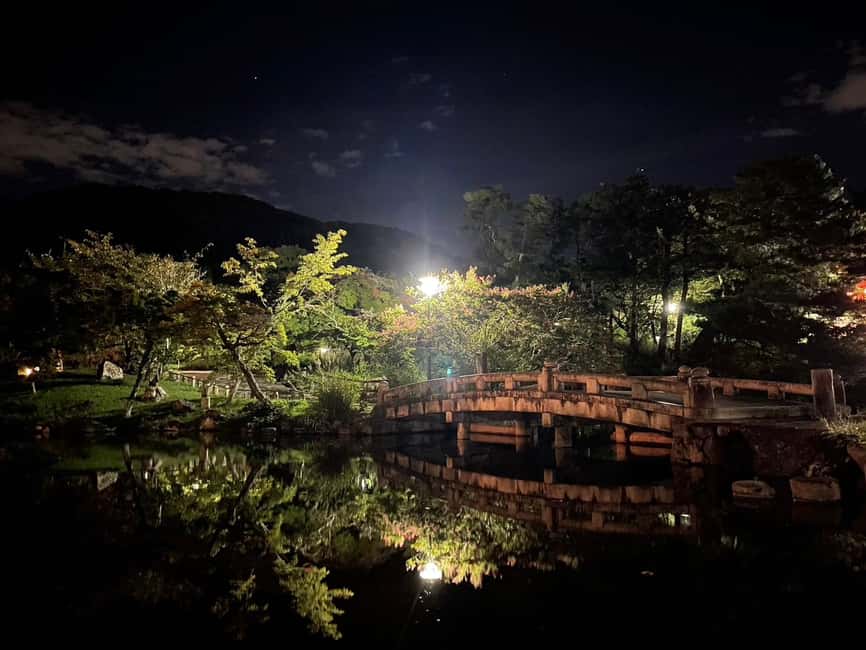
- Maruyama Park: the calm reset you actually need
- Nene no Michi stone lane: a story behind the paving stones
- Ninenzaka slope: classic wooden streets that reward slow walking
- Yasui-Konpiragu Power Stone archway: the ritual you’ll remember
- Hanamikoji Street: preserved teahouses and the geiko world
- The value: $20 for an English guide, photos, and real context
- How to make the most of the walk in real life
- Who this Gion night walk is best for
- Should you book this Kyoto Gion Night Walking Tour?
- FAQ
- How long is the Kyoto Gion night walking tour?
- Where do I meet the guide?
- What is included in the tour price?
- What language is the tour guide?
- Is the tour suitable for wheelchair users?
- Is it free to cancel, and how late can I cancel?
Key things that make this night walk worth it
- Yasaka Shrine first, with festival ties explained so the lights and lanes make sense
- Maruyama Park pause, a brief calm pocket inside lively Higashiyama
- Nene no Michi stone lane, including the Toyotomi Hideyoshi link in the name
- Yasui-Konpiragu Power Stone archway, with the “bonds” and “letting go” ritual story
- Hanamikoji Street geiko atmosphere, plus a real chance to spot geiko briefly
- English-speaking guide + photos, handy for solo travelers who want better shots
Evening walks through the old quarters, compared
- Kyoto Geisha Walking Tour: Gion District & Hidden Gems
★ 4.7 · 3,273 reviews - Kyoto: Gion Magical Night Walking Tour with Geisha Trivia
★ 4.9 · 2,393 reviews - Kyoto: Gion Geisha District Walking Tour – Stories of Geisha
★ 4.7 · 2,187 reviews - Best of Kyoto: Gion, Geisha, Pagodas & Cobblestones
★ 4.9 · 2,058 reviews
Why Gion at night feels different (and better)
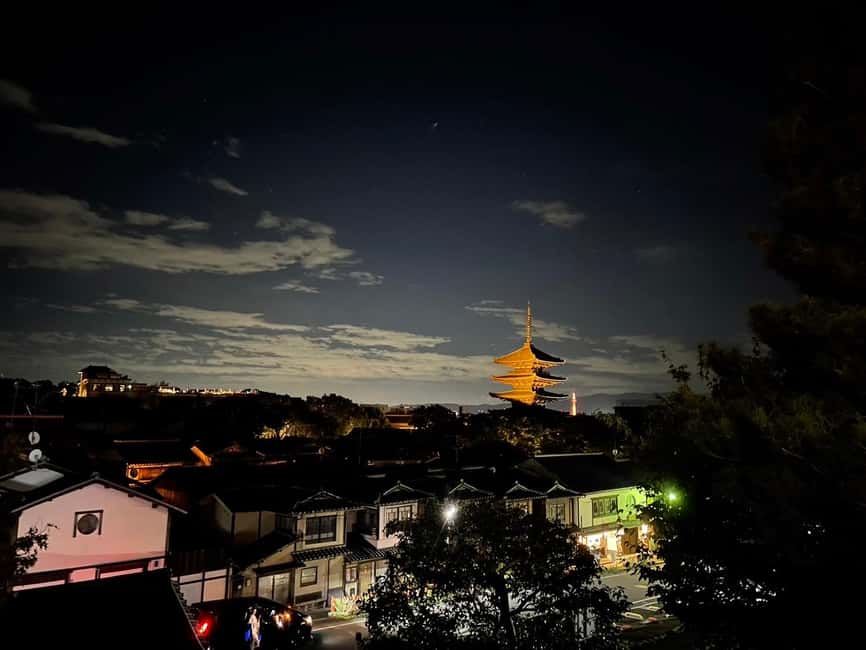
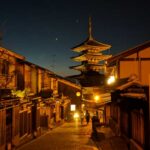
Daytime Gion can be a camera line with people flowing past faster than you can read the details. At night, the streets soften. Lanterns and warm lighting make old wood and stone look like they belong together, and the crowd level is usually more manageable, which gives you room to listen.
You also get a gentler feel for the neighborhood’s rhythm. The tour focuses on Kyoto as a lived-in place, not a museum, so when you’re near shrines and traditional teahouses, it lands differently than during peak daylight hours. It’s the kind of walk where you start paying attention to small things, like where locals pause and how lanes funnel you toward each next sight.
Meeting by Starbucks near Kyoto Gion Hotel, then heading straight into the old streets
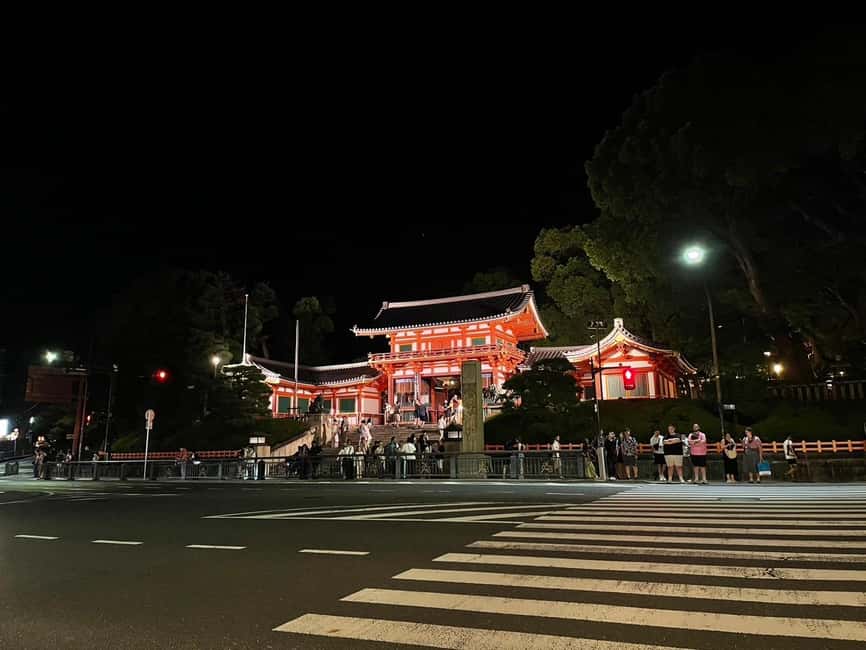
You meet in front of Starbucks Coffee at Kyoto Gion Hotel, at a spot that’s walking distance from Yasaka Shrine (Western Tower Gate entrance). This is practical because it means you’re not hunting around for a random corner or riding transit just to begin.
From that starting point, you’re set up for a mostly walking plan through Higashiyama and Gion. The tour is about 2 hours, so you can plan dinner afterward without feeling like Kyoto has swallowed your evening. If you’re trying to do Gion plus one other thing later, this tight timing is a plus.
Yasaka Shrine: where festivals and Kyoto’s traditions connect
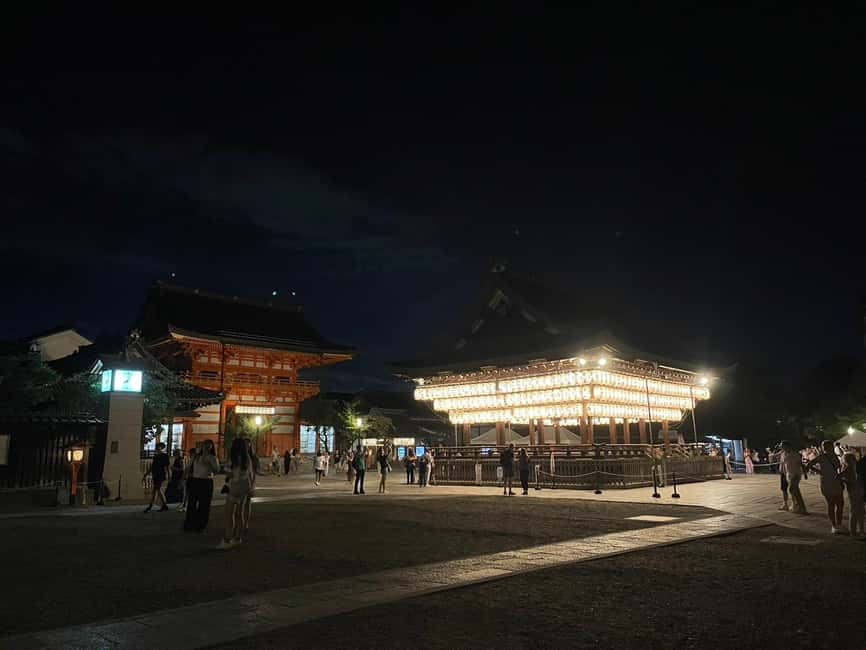
The tour spends about 20 minutes at Yasaka Shrine, and this stop is the anchor for the whole walk. Yasaka isn’t only pretty at night. It’s also tied to Kyoto’s major festivals, so your guide’s historical context turns the shrine from a photo moment into a cultural one.
The practical value here is that it helps you “read” the rest of what you see. When you understand why the shrine matters, the nearby streets feel less like a themed set and more like a continuation of everyday Kyoto life. Since the tour includes historical insights connected to Yasaka Shrine, you’re not left guessing.
- PERFECT KYOTO 1-Day Bus Tour★ 5.0 · 13,518 reviews
- Kyoto: Fushimi Inari, Kinkakuji, Bamboo Grove 1 Day Bus Tour★ 4.8 · 4,316 reviews
- Kyoto: Tea Ceremony in a Traditional Tea House in Kiyomizu★ 4.9 · 3,519 reviews
- Kyoto Geisha Walking Tour: Gion District & Hidden Gems★ 4.7 · 3,273 reviews
- Kyoto: Tea Ceremony Ju-An at Jotokuji Temple★ 4.9 · 3,207 reviews
Maruyama Park: the calm reset you actually need
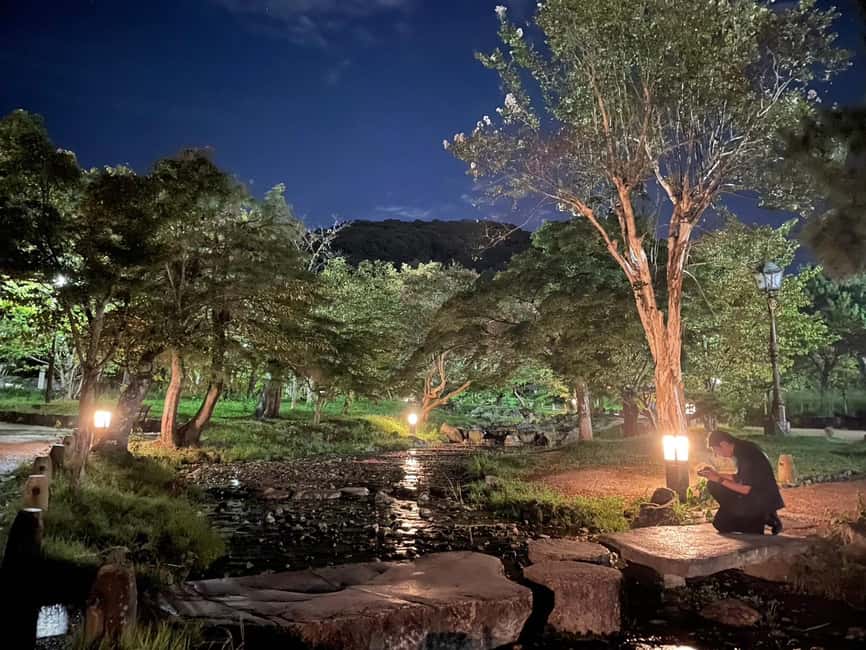
Between shrine time and the lane walks, you’ll pass through Maruyama Park, described as Kyoto’s oldest public garden. This isn’t long, but it works like a breathing spot. Night walks can get cold and tiring, and a quiet pocket lets your brain catch up.
This pause also helps your photos. Instead of rushing straight from one street into the next, you get a moment where the scene isn’t packed with movement. You can slow down, look up, and notice how the park and surrounding streets blend into the Higashiyama character.
Nene no Michi stone lane: a story behind the paving stones
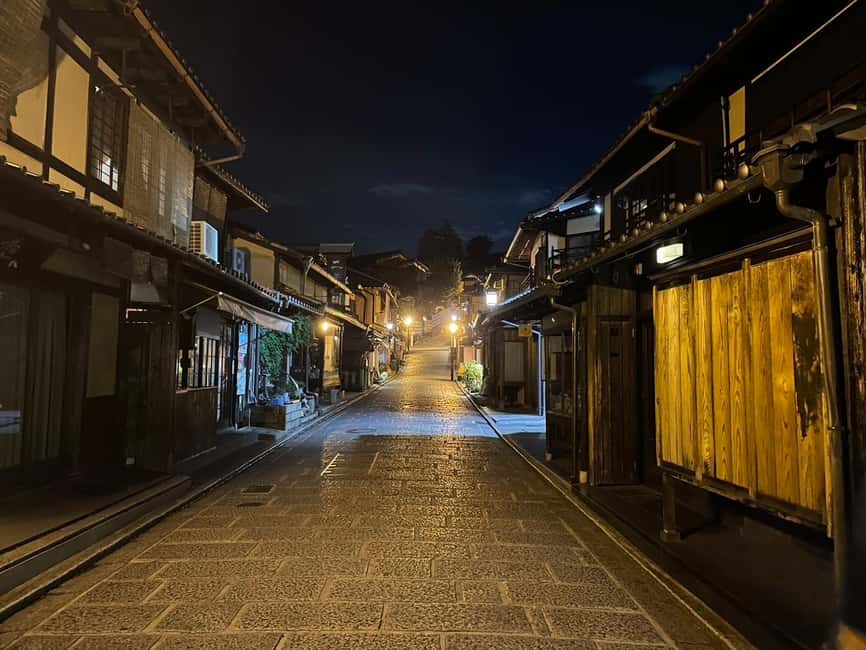
Next comes Nene no Michi, a charming stone-paved lane named after Nene, the wife of samurai leader Toyotomi Hideyoshi. On your own, it’s easy to treat a lane like a lane. With a guide, you get the backstory, and the place suddenly feels intentional.
The lane is also lined with the kind of Kyoto small-scale details that make night walking special: traditional townhouses, cozy teahouses, and craft-oriented storefronts. You’re not just looking at buildings. You’re tracing how history sits inside ordinary streets, right where people live and work.
Plan to move slowly here. The lane is made for strolling, not speed. Even if you’re not the kind of person who reads plaques, you’ll benefit from the guide’s “why this exists” explanations.
Ninenzaka slope: classic wooden streets that reward slow walking
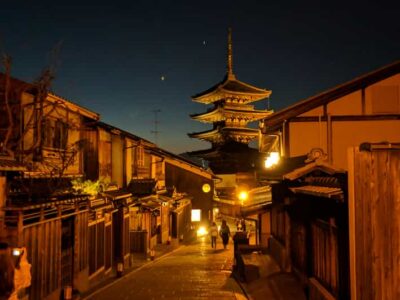
You’ll then reach Ninenzaka, a photogenic slope known for historic wooden buildings and quaint storefronts. At night, the slope feels especially atmospheric because the lighting emphasizes the texture of old wood and the curve of the street.
This is also where you’ll likely want to take your time with photos, because it’s one of those spots where the angle matters. Since the tour includes photos during the walk, you can rely on the guide to help you get at least some non-selfie shots, which is a real quality-of-life upgrade if you’re traveling solo.
One word of caution: slopes and uneven sidewalks are part of this area. Wear shoes you can trust. You’ll enjoy the scene more if you’re not fighting your footing.
Yasui-Konpiragu Power Stone archway: the ritual you’ll remember
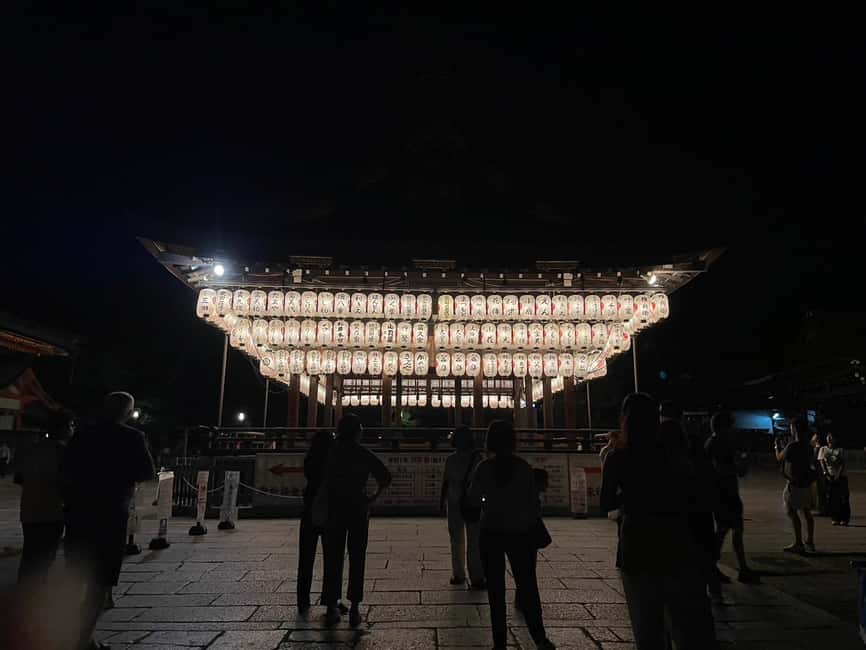
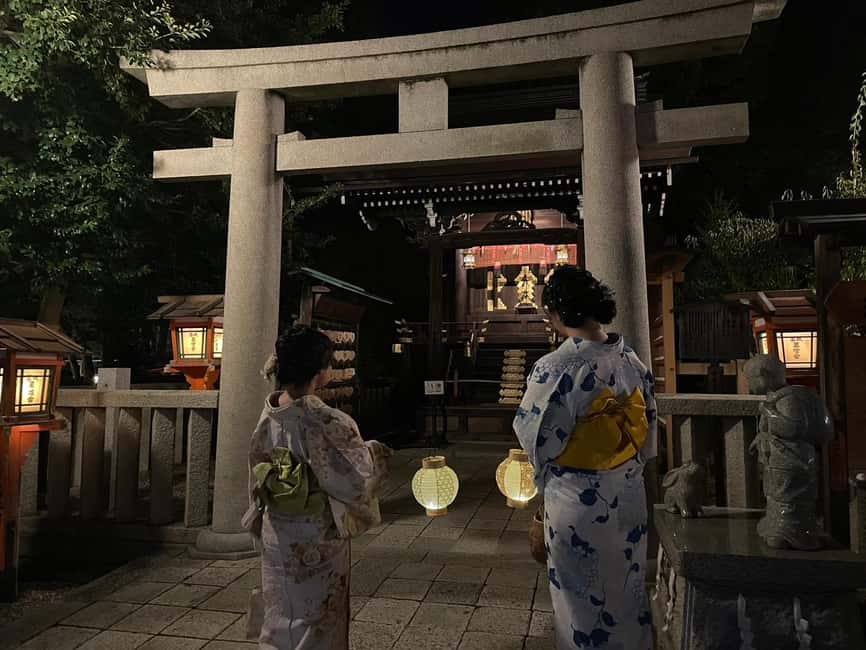
The tour includes a stop at Yasui-Konpiragu Shrine, known for its symbolic Power Stone archway. Here’s the cultural detail that makes this stop memorable: locals and visitors crawl through it as a prayer, either for strong bonds or to leave unwanted ties behind.
That’s not just a gimmick photo. Your guide’s explanation helps you understand why people treat this as meaningful, not silly. It also gives you a neat contrast to the geisha-world parts of the walk. Kyoto’s traditional spirituality is present even in places that feel touristic.
If you’re someone who likes cultural participation, this is the kind of moment that gives you something to do besides watch. If you’re more comfortable observing, you can still appreciate the meaning without pushing yourself physically.
Hanamikoji Street: preserved teahouses and the geiko world
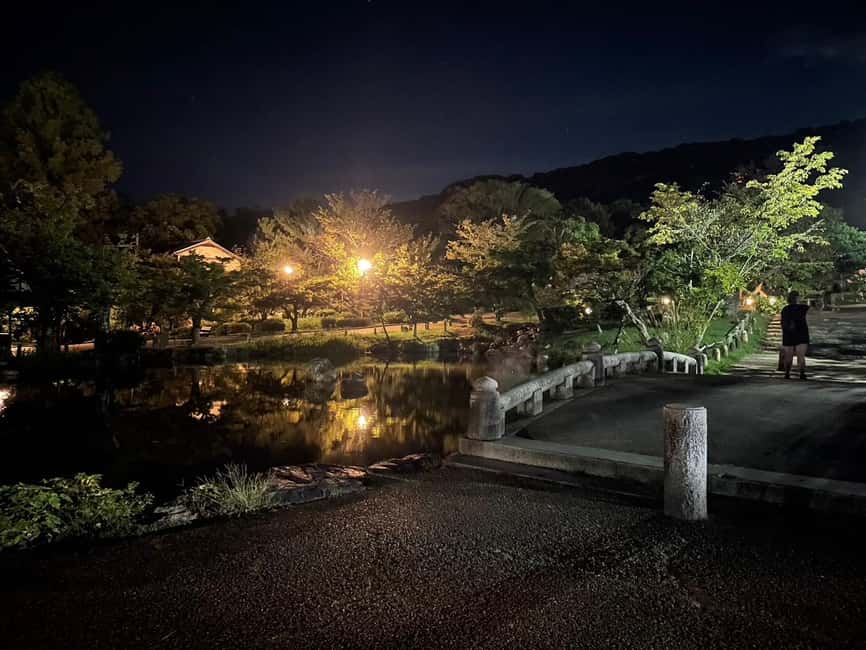
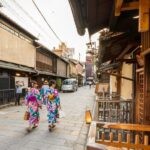
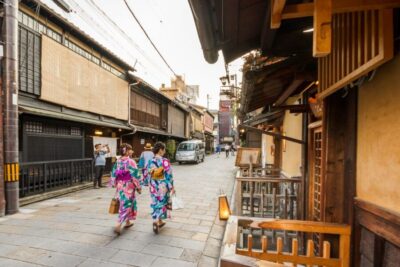
The walk ends with time on Hanamikoji Street, the heart of Gion. This is where the tour leans hardest into geiko culture. You’ll see rows of preserved wooden teahouses, and your guide shares insights into the lives, training, and artistry of geiko (Kyoto’s geisha) and maiko.
Even if you do nothing but listen, this section changes how you look at the street. You start recognizing the difference between a tourist lane and a place where tradition continues. That matters because Gion is often misunderstood as a single static image, when it’s actually a neighborhood with strict respect for privacy and craft.
And yes, there’s a chance to spot geiko briefly. Some guides have helped people catch that moment, and it tends to feel special because it’s not something you can reliably schedule. If you get lucky, great. If you don’t, you still leave with a more informed eye, which is usually what sticks.
The value: $20 for an English guide, photos, and real context
At $20 per person for 2 hours, the big value is not only that you get an English-speaking guide. You also get structured time at several key stops and photos during the tour. That matters more than it sounds. Narrow lanes and nighttime lighting are tough for solo photos, and having someone take a few shots for you saves time and frustration.
The second value is what your guide does with the time. Reviews often highlight guides who answer questions clearly and make the walk feel personal. Names that have come up include Pedro, Majo, Nay, Yuvia, Wilber, Sam, Jason, Mayo, and Bell. Even though your guide may not be the same person, this pattern tells you the guiding style tends to be interactive, not scripted lectures.
For planning, the price is also reasonable compared with paying for a private guide just to get context around several sites. You’re basically buying a guided storyline through the most important Gion and Higashiyama touchpoints in one go.
How to make the most of the walk in real life
This is a nighttime walking tour, so small choices make a big difference.
- Bring warm layers, especially if you’re traveling in cold months. One guide-style review notes it can get cold, so plan for it.
- Use comfortable shoes with grip. Slopes like Ninenzaka are part of the route.
- Ask questions early. Guides tend to be friendly about answering, and that helps you enjoy the rest of the route more.
- Think photo, not just sightseeing. Because photos are included and guides help with pictures, you can focus on composing shots during the best moments instead of chasing the perfect selfie angle.
The other practical advantage is crowd control. Nighttime crowds are often less than daytime, and several people have said they liked seeing Gion without the peak-day crush. That makes the tour feel easier to manage, and it gives you a calmer experience for listening to history.
Who this Gion night walk is best for
I’d point you toward this tour if you want the classic Gion experience with explanation. It’s a good match for:
- First-time Kyoto visitors who want a coherent route through Gion, shrines, and historic lanes
- Couples who like strolling together and want a guide to fill in the story gaps
- Solo travelers who want help with photos and a guided plan so they do not feel lost
- People who enjoy cultural context, especially around festivals and geiko traditions
It may be less ideal if you:
- Need wheelchair access (it is listed as not suitable for wheelchair users)
- Have very limited walking tolerance, because it’s still a true walking tour over uneven surfaces and slopes
- Want a purely passive, sit-down experience, since this is designed for motion and street-level viewing
Should you book this Kyoto Gion Night Walking Tour?
If your goal is to see Gion at its most atmospheric and understand what you’re looking at, this is a strong choice. The combination of Yasaka Shrine context, lane walking like Nene no Michi, the ritual story at Yasui-Konpiragu, and the geiko focus on Hanamikoji Street gives you a complete night snapshot in just 2 hours.
I think the biggest reason to book is value. For $20, you get an English-speaking guide, guided stops with context, and photos taken during the tour. Add in the fact that multiple guides have been praised for friendly, engaging storytelling, and you have a good shot at a memorable evening.
If you’re sensitive to cold or uncomfortable walking on slopes, plan carefully. Bring warm layers and shoes you trust, and you’ll get the most out of those lit lanes and shrine steps.
FAQ
How long is the Kyoto Gion night walking tour?
The tour lasts about 2 hours.
Where do I meet the guide?
Meet in front of Starbucks Coffee at Kyoto Gion Hotel, located near Kyoto Gion Hotel and walking distance from Yasaka Shrine (Western Tower Gate entrance).
What is included in the tour price?
The tour includes an English speaking guide, historical insights into Yasaka Shrine, and photos during the tour.
What language is the tour guide?
The tour guide speaks English.
Is the tour suitable for wheelchair users?
No, it is not suitable for wheelchair users.
Is it free to cancel, and how late can I cancel?
Free cancellation is available up to 24 hours in advance for a full refund.
Evenings in the Old Quarters
Newest Kyoto write-ups from the Loving Japan desk

Gion, Geisha and Maiko Experiences, side by side.
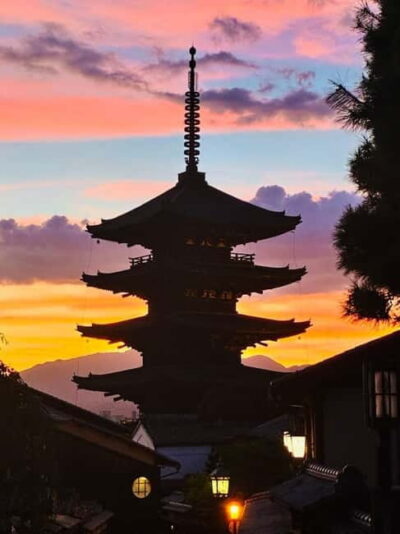 ★ 4.7Kyoto Geisha Walking Tour: Gion District & Hidden GemsFrom $253,273 reviews
 ★ 4.9Gion Magical Night Walking Tour with Geisha TriviaFrom $242,393 reviews
 ★ 4.7Gion Geisha District Walking Tour – Stories of GeishaFrom $202,187 reviews
 ★ 4.9Best of Kyoto: Gion, Geisha, Pagodas & CobblestonesFrom $242,058 reviews
 ★ 4.5Night Walk in Gion: Kyoto’s Geisha DistrictFrom $212,003 reviews
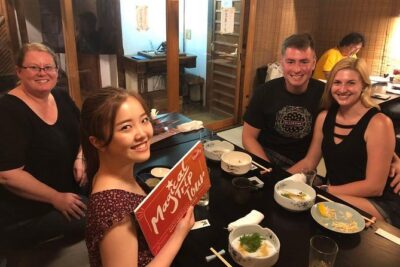 ★ 5.0Kyoto Night Foodie Tour in Gion (9+ dishes + 6 Sake tastings)From $1631,762 reviews
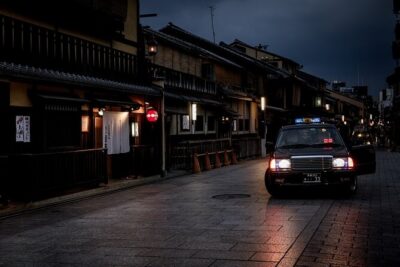 ★ 5.0Kyoto Gion Geisha District Walking Tour – The Stories of GeishaFrom $251,441 reviews
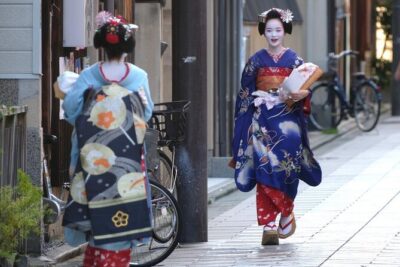 ★ 5.0Kyoto Gion: 2-Hour Geisha Culture & History Walking TourFrom $231,186 reviews
Filed on these lists too