
REVIEW · GION, GEISHA AND MAIKO EXPERIENCES
Kyoto: Gion Geisha District Walking Tour and Hidden Gems
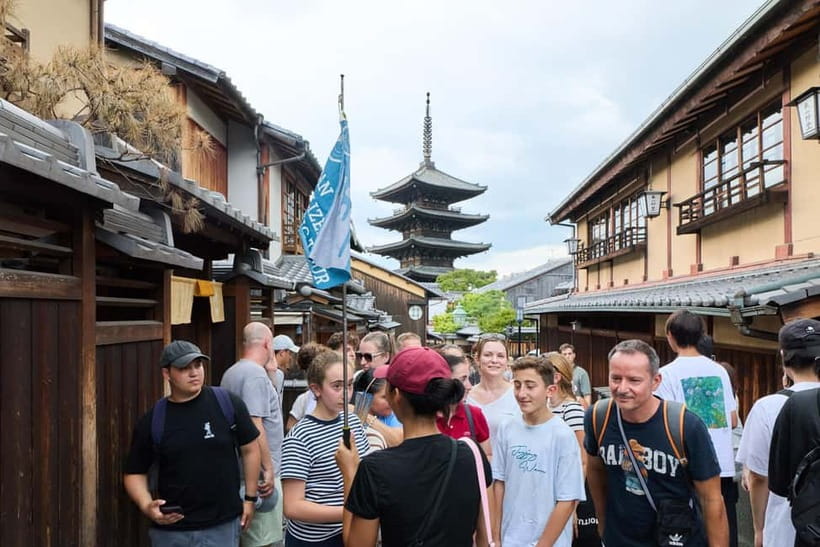
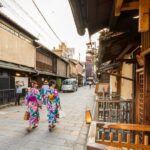
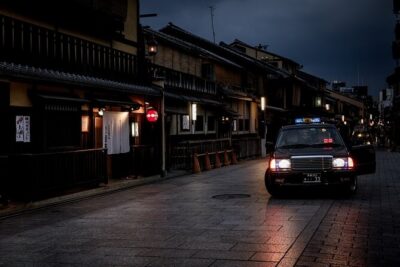
Gion looks postcard perfect. But this walk makes it click by connecting geisha culture to the streets you’re standing in. You’ll follow lantern-lined alleyways, preserved wooden townhouses, and a handful of calmer paths that most people skip.
I love the way the guide turns Kyoto’s past into something you can picture, with stories that connect daily life, religion, and the city’s big shift over time. I also like the hidden shrines and backstreets focus, so you’re not stuck only in the most obvious photo spots.
One thing to weigh before you book: there are lots of steps, and the route is not ideal if your fitness level is low. If you’re good on walking stamina and comfort, this is a strong 3-hour way to see more than the usual checklist.
In This Review
- Key highlights to know before you go
- Why Gion feels different with a guide
- Starting at Ben’s Cookies Kyoto Shijo, then stepping into Gion mode
- Gion Tatsumi Bridge: an easy way to read the neighborhood
- Chion-in for 30 minutes: where tradition and street life meet
- Maruyama Park, then Hōkan-ji Temple: contrast and calm
- The Ninen Zaka Path and Sannenzaka: walking Kyoto’s layers toward Kiyomizu
- Finishing at Kiyomizu-dera Niomon Gate: a strong finale
- Price and value: is $25 fair for what you get?
- Pacing, group size, and what to expect from your guide
- Practical tips so you enjoy it (and your feet survive)
- Who should book this tour, and who should skip it
- Should you book this Kyoto Gion Geisha District walk?
- FAQ
- How long is the walking tour?
- Where do I meet the guide?
- What is the tour’s price?
- What language is the live guide?
- What should I bring?
- Are alcohol or drugs allowed during the tour?
- Is the tour suitable for people with low fitness?
- Where does the tour end?
- Can I cancel and get a refund?
Key highlights to know before you go
- Geisha and maiko training, work, and traditions explained in plain English
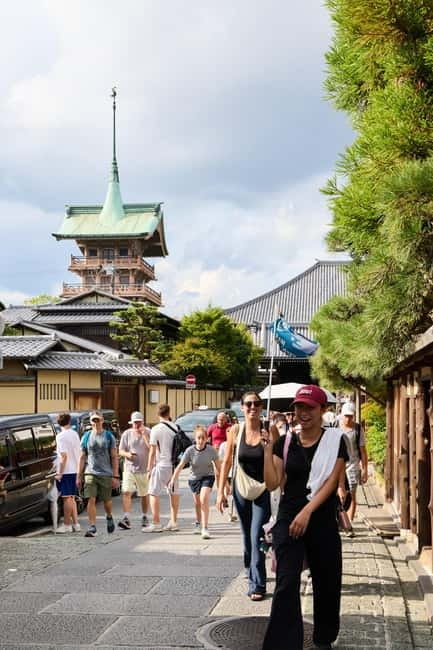
- Quiet backstreets plus hidden shrines, not just the main lanes
- Lively, story-driven guiding from instructors like Mr J, Jay, or Ben
- A route that covers major northern Higashiyama style sights within 3 hours
- You start at Ben’s Cookies Kyoto Shijo and finish at Kiyomizu-dera Niomon Gate
- Plenty of time to ask questions, including day-to-day life in Japan
Evening walks through the old quarters, compared
- Kyoto Geisha Walking Tour: Gion District & Hidden Gems
★ 4.7 · 3,273 reviews - Kyoto: Gion Magical Night Walking Tour with Geisha Trivia
★ 4.9 · 2,393 reviews - Kyoto: Gion Geisha District Walking Tour – Stories of Geisha
★ 4.7 · 2,187 reviews - Best of Kyoto: Gion, Geisha, Pagodas & Cobblestones
★ 4.9 · 2,058 reviews
Why Gion feels different with a guide

Gion is one of those Kyoto districts that can look like a set from a movie. The buildings and wooden townhouses are gorgeous, sure. But the real payoff is understanding what you’re looking at, and why the neighborhood is shaped the way it is.
This tour is built around that idea. You’re not just collecting landmarks. You’re learning how geisha culture fits into Kyoto’s religious traditions and everyday rhythm. That means the alleyways stop being “pretty streets” and start becoming a readable part of the city’s story.
Also, the guiding style matters. In past groups, people have gotten top-notch storytelling from guides named Mr J, Jay, and Ben. The common thread in their approach is friendly energy plus clear explanations. Even when history gets complex, the guide keeps it understandable, and then ties it back to what you’re walking past.
Starting at Ben’s Cookies Kyoto Shijo, then stepping into Gion mode
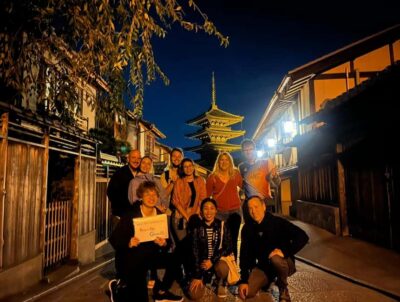
You meet in front of Ben’s Cookies Kyoto Shijo, where your guide is holding a sign. It’s a smart start point because it’s easy to find, and it lets you begin without wandering around looking for a group.
Early on, you get a short guided introduction. That matters more than it sounds. Kyoto is layered. A single street can feel like the present and the past at the same time. The guide helps you get your bearings fast, so the next stops land with meaning rather than just names.
One practical note: the tour is scheduled for about 3 hours. In real life, that usually means steady walking and frequent “look here” moments. Bring water, and plan on taking breaks only when the guide builds them into the flow.
Gion Tatsumi Bridge: an easy way to read the neighborhood
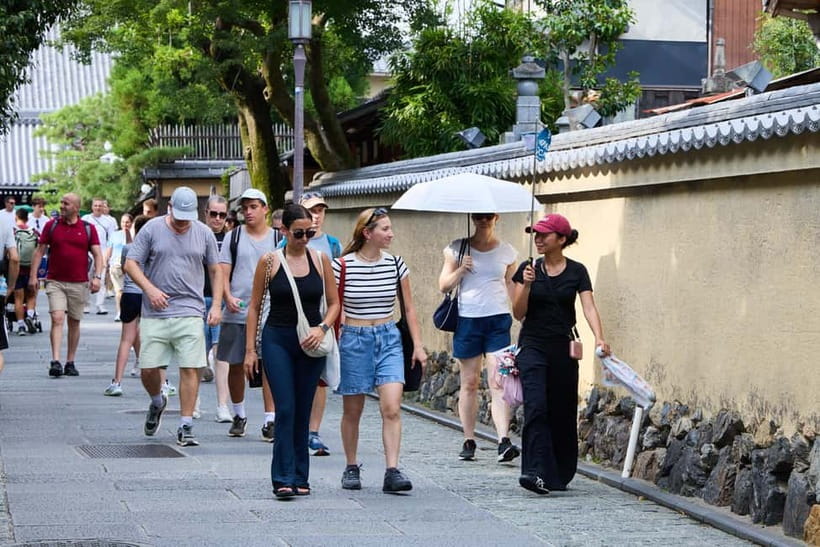
The walk brings you to Gion Tatsumi Bridge for guided time. Bridges are handy in Kyoto sightseeing. They give you a pause point where you can take in the wider setting before moving deeper into the neighborhood lanes.
This is also a good moment to start connecting details. The guide’s job here is to help you connect geisha culture and daily life to the physical layout. In a city like Kyoto, that link is what turns “I saw Gion” into “I understand Gion.”
Photos are part of the appeal, but the better value is the way you learn what to look for next. When you know what stories to listen for, you notice things you would otherwise walk right past.
- PERFECT KYOTO 1-Day Bus Tour★ 5.0 · 13,518 reviews
- Kyoto: Fushimi Inari, Kinkakuji, Bamboo Grove 1 Day Bus Tour★ 4.8 · 4,316 reviews
- Kyoto: Tea Ceremony in a Traditional Tea House in Kiyomizu★ 4.9 · 3,519 reviews
- Kyoto: Tea Ceremony Ju-An at Jotokuji Temple★ 4.9 · 3,207 reviews
- Kyoto: 45-Minute Tea Ceremony Lesson Experience★ 4.3 · 2,378 reviews
Chion-in for 30 minutes: where tradition and street life meet
Next up is Chion-in. You’ll spend around 30 minutes with guided interpretation, which is a good chunk for a walking tour. It gives you time to slow down and absorb the temple setting without feeling rushed.
Even if you’re not a hardcore temple person, this stop is useful because it broadens the picture. Your tour isn’t only about geisha streets. It’s about how Kyoto’s religious traditions show up in daily culture, and how the city’s history shaped both.
The guide typically answers questions in a way that feels natural, not like a lecture. People have also noted that the guide can explain background topics tied to Kyoto, and that includes how Japanese history connects to what you’re seeing on the route.
One consideration: temple environments can mean standing, walking, and shifting between viewpoints. If you’re someone who needs frequent sit-down breaks, you’ll want to pace yourself from the start.
Maruyama Park, then Hōkan-ji Temple: contrast and calm
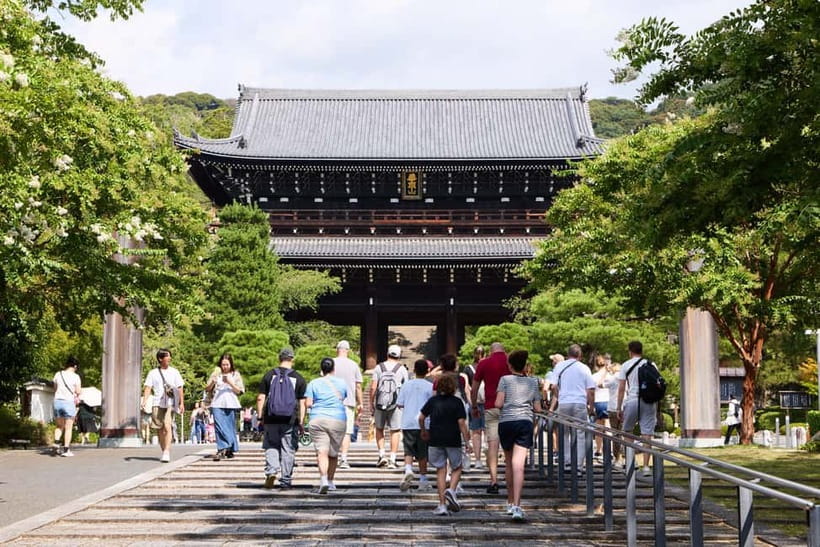
After Chion-in, you head to Maruyama Park for about 20 minutes. Parks in Kyoto work like reset buttons. They give your feet a small breather, and they help you shift from dense alley atmosphere to a wider sense of space.
This is a nice contrast stop before another religious site: Hōkan-ji Temple (around 10 minutes). The temple is shorter on time, but it’s still part of the tour’s big theme, which is understanding how tradition lives alongside the neighborhood’s everyday energy.
If you like structure, this segment delivers it. You get variation without getting yanked around constantly. It’s still within the same walking-day logic, and it keeps the tour feeling like a guided story rather than a string of separate errands.
The Ninen Zaka Path and Sannenzaka: walking Kyoto’s layers toward Kiyomizu
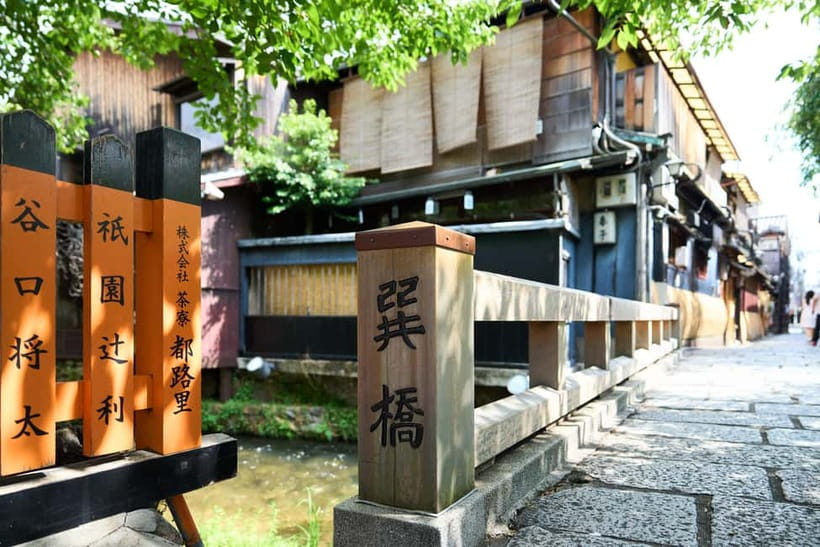
Then come Ninen Zaka Path (about 5 minutes) and Sannenzaka (about 5 minutes). On paper, that might sound quick. In practice, those short windows are often the exact amount of time you want on preserved lanes.
These stops also matter because they connect you to the tour’s finale. You’re moving toward Kiyomizu-dera, and the guide uses this stretch to keep the city feel consistent. You’re still in Kyoto’s character zone, not suddenly in a different part of town.
Now, the big practical warning: the tour includes a lot of steps. That doesn’t mean it’s a stunt tour. It means you should treat it as a walking route that asks for stamina. Wear shoes you trust. Take your time on climbs. If you feel pressure to “keep up,” you’ll enjoy it less.
Finishing at Kiyomizu-dera Niomon Gate: a strong finale
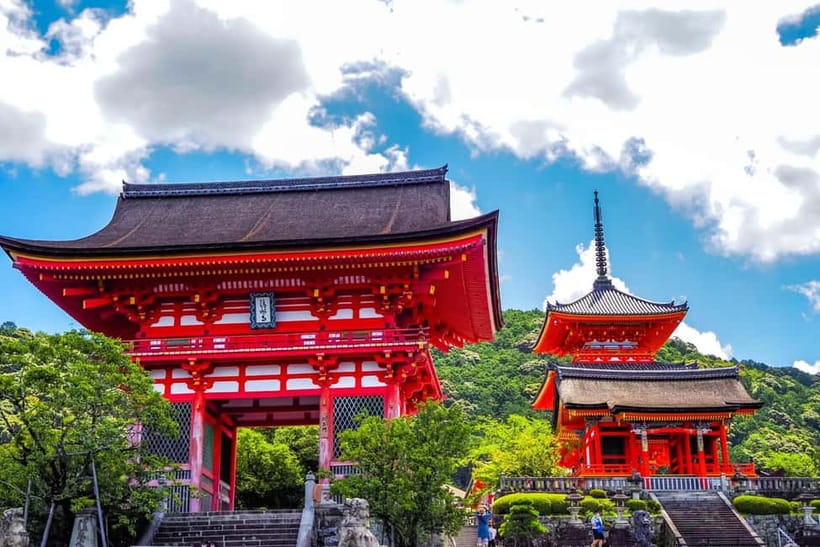
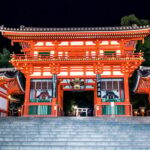
The tour ends at Kiyomizu-dera Niomon Gate, which is a special payoff for two reasons.
First, the ending feels like a continuation, not a dead stop. You finish at one of Kyoto’s most recognizable areas, so if you have extra time, you can naturally keep exploring in the same zone.
Second, finishing at a major gate gives your brain a clear moment of closure. The guide spends the earlier stops building context. The final location helps you tie it all together visually, with Kyoto’s iconic scale and atmosphere.
One of the best value touches from earlier experiences is that the finale is different from the start. Instead of circling back where you began, the route carries you forward. That means you get a “journey” feeling in addition to sightseeing.
Price and value: is $25 fair for what you get?
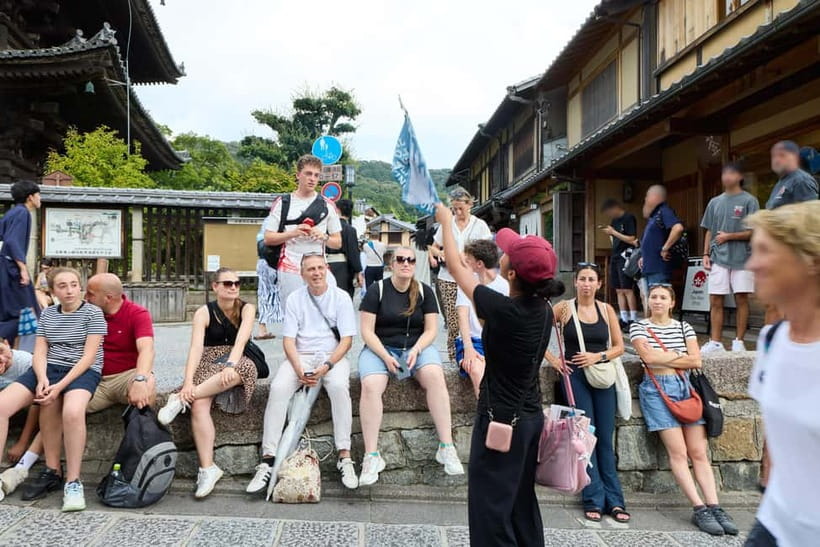
$25 for a 3-hour guided walk is genuinely reasonable, especially in a city where self-guided sightseeing can turn into lots of guesswork.
Here’s what makes the price feel fair:
- You get an English live guide who explains culture, religion, and daily life, not just a route list.
- The time is concentrated. You cover a set of major sights and also quieter streets, including places like hidden shrines tucked between buildings.
- The guide’s Q and A style has been a standout. People have praised how easily guides answer questions and how they keep the conversation flowing, which makes the learning feel personal rather than mechanical.
Could it be too much for some people? Possibly, if you only want a quick walk with minimal content. This is an information-forward tour. You’ll be stopping, listening, and walking with purpose.
But if you enjoy understanding what you see, $25 is a solid value.
Pacing, group size, and what to expect from your guide
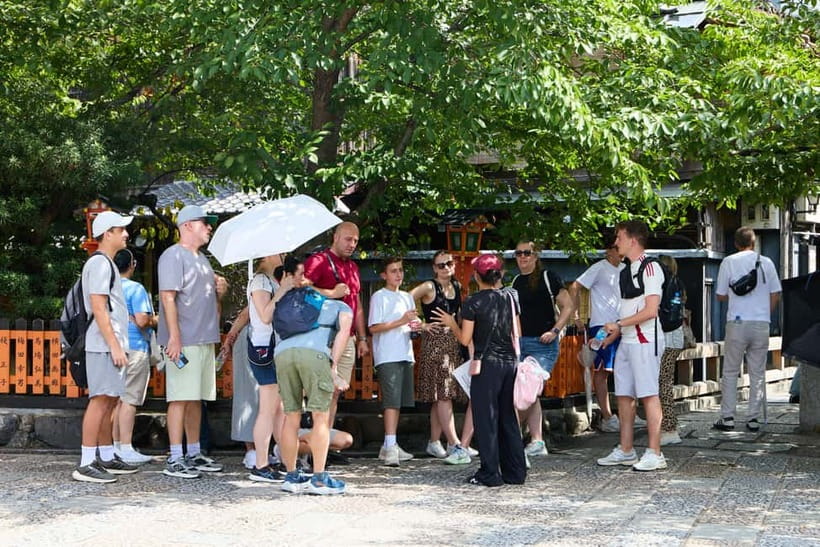
Most walking tours promise a guide. The better ones deliver a guide who changes how you see the place.
In past groups, guides like Mr J, Jay, and Ben have been described as lively and friendly, with strong anecdotes about how Japanese history connects to Kyoto’s visible details. People also appreciated depth in answers, and a patient, considerate approach for groups that included kids and multi-age adults.
Group size can make a big difference. One-on-one attention is not guaranteed, but if you land with a small group, you’ll likely get more direct interaction and easier time for questions. Either way, the tour is designed to be engaging without requiring a degree in Japanese history.
A personal fit check: this is not listed as a low-stress sit-and-watch tour. If your ideal day is lots of photos with minimal walking, this might test you. If your ideal day includes walking plus stories, you’ll probably have a great time.
Practical tips so you enjoy it (and your feet survive)
Bring water. Kyoto days can run warm, and you’ll be on your feet. If you hate carrying things, use a small day bag with a bottle you can refill later.
Plan for a lot of steps. That’s not a minor detail. It affects shoes, rhythm, and how quickly you get tired. Wear supportive footwear and take it slow on climbs.
Respect the environment. The tour has no alcohol or drugs allowed. That’s helpful for keeping the walk comfortable and considerate in residential and temple areas.
Also, keep expectations realistic about what you can see in the moment. This tour is focused on learning how maiko and geisha train and work, plus the meaning behind what you’re passing. It’s not just a scavenger hunt.
Who should book this tour, and who should skip it
This walking tour fits best if you want:
- A guided explanation of geisha culture, traditions, and day-to-day context
- A mix of major Kyoto spots plus quiet side paths and shrine moments
- A route you can trust to be efficient in 3 hours
Skip it if:
- You have low fitness or you know steps will slow you down too much
- You want a very light stroll with few stops
- You prefer totally free-form sightseeing with no guided storytelling
It’s also a great pick for families with older kids and for groups of mixed ages, as long as everyone can handle the walking.
Should you book this Kyoto Gion Geisha District walk?
I’d book it if you care about meaning, not just pictures. The combination of geisha culture education, hidden shrines, and quiet backstreets makes this feel like a Kyoto day with context.
It also works well as a first or second Kyoto walk. If you’re new to the city, the guide helps you understand what you’re seeing quickly. If you’ve already done the obvious sights, the backstreets and shrine stops make it feel fresh.
If your feet are strong and you’re ready for steps, this is a dependable way to experience Gion and Higashiyama like you actually know the city, not just where the famous streets are.
FAQ
How long is the walking tour?
The tour lasts about 3 hours.
Where do I meet the guide?
You meet the guide in front of Ben’s Cookies Kyoto Shijo. The guide will be holding a sign.
What is the tour’s price?
The price is $25 per person.
What language is the live guide?
The tour is guided in English.
What should I bring?
Bring water.
Are alcohol or drugs allowed during the tour?
No, alcohol and drugs are not allowed.
Is the tour suitable for people with low fitness?
No, it is not suitable for people with low level of fitness, mainly because there are a lot of steps.
Where does the tour end?
The tour finishes at Kiyomizu-dera Niomon Gate.
Can I cancel and get a refund?
Yes, you can cancel up to 24 hours in advance for a full refund. You can also reserve now and pay later.
Evenings in the Old Quarters
Newest Kyoto write-ups from the Loving Japan desk
Gion, Geisha and Maiko Experiences, side by side.
 ★ 4.7Kyoto Geisha Walking Tour: Gion District & Hidden GemsFrom $253,273 reviews
 ★ 4.9Gion Magical Night Walking Tour with Geisha TriviaFrom $242,393 reviews
 ★ 4.7Gion Geisha District Walking Tour – Stories of GeishaFrom $202,187 reviews
 ★ 4.9Best of Kyoto: Gion, Geisha, Pagodas & CobblestonesFrom $242,058 reviews
 ★ 4.5Night Walk in Gion: Kyoto’s Geisha DistrictFrom $212,003 reviews
 ★ 5.0Kyoto Night Foodie Tour in Gion (9+ dishes + 6 Sake tastings)From $1631,762 reviews
 ★ 5.0Kyoto Gion Geisha District Walking Tour – The Stories of GeishaFrom $251,441 reviews
 ★ 5.0Kyoto Gion: 2-Hour Geisha Culture & History Walking TourFrom $231,186 reviews
Filed on these lists too