
REVIEW · GION, GEISHA AND MAIKO EXPERIENCES
Kyoto: Gion Hidden Gems & Geisha Culture Tour
Two hours in Gion, night lights, real culture. This Kyoto Gion tour pairs Gion Shirakawa Canal scenery with Hanamikoji-dori geisha district street life, guided in English with stories that make the traditions make sense.
I love the way you get a mix of famous sights and quieter lanes, including Edo-period townhouses and backstreet views where the crowds thin out fast. I also like the practical touch, guides share local tips and restaurant ideas so your evening does not end at the last photo.
One drawback to plan for: it is a walking tour and not suitable for mobility impairments or wheelchair users.
In This Review
- Key things that make this tour work
- Why Shirakawa Canal at the start feels like the right move
- Meeting at Macdonald Shijo Ohashi, then getting rolling smoothly
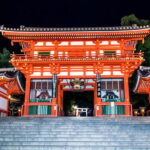
- Tatsumi-jinja and Yasaka Shrine, where the stories get grounded
- Edo-period townhouses and the quiet lanes you might miss on your own
- Ninenzaka and Hokan-ji: old streets, practical temple etiquette, real timing
- Yasui Kompira-Gu Shrine to Hanamikoji-dori: the geisha district payoff
- Price and value: what $23 buys in a 2-hour Kyoto plan
- Rain, walking pace, and the small rules that protect the experience
- Who this Kyoto Gion tour fits best
- Should you book the Kyoto Gion Hidden Gems & Geisha Culture Tour?
- FAQ
- Where do I meet for the tour?
- How long is the Kyoto Gion tour?
- Is the tour guided in English?
- Where does the tour end?
- Can I take photos with flash?
- What should I bring?
- Does the tour run in rain?
- Is the tour suitable for wheelchair users or mobility impairments?
- How much does it cost?
Key things that make this tour work
- Shirakawa Canal first, so you start with calm Kyoto and a clear sense of the area
- Shrine stops that anchor the stories, including a visit to a shrine with roots around a thousand years old
- Quiet backstreets instead of only the main drag, so you see more old-Kyoto character
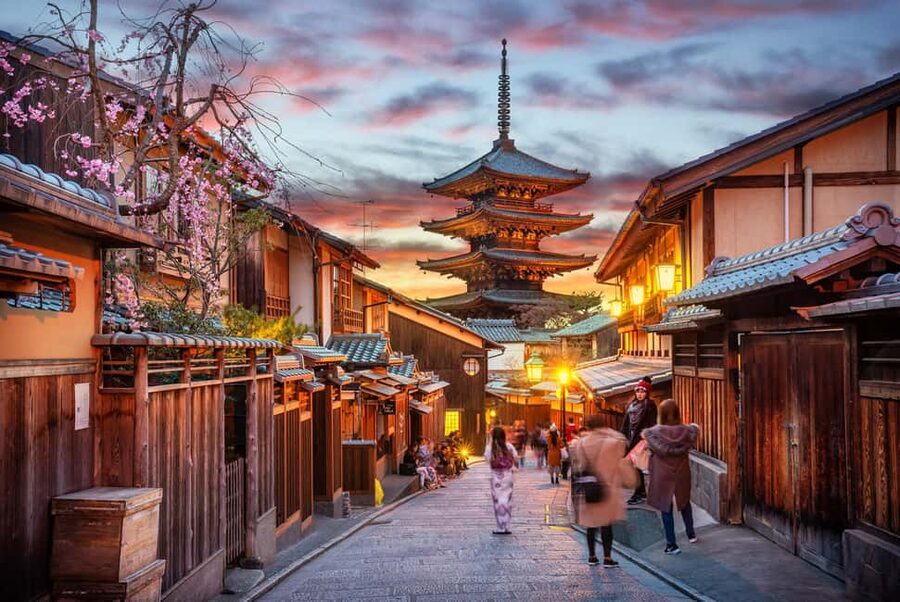
- Edo-period wooden townhouses along the way, giving context for what you are seeing
- Hanamikoji-dori at the end, timed for a chance to spot a geisha heading out for an evening engagement
- English-speaking guides who keep things lively, with many groups led by guides like Mai, Dan, Wajid, and Alex
Evening walks through the old quarters, compared
- Kyoto Geisha Walking Tour: Gion District & Hidden Gems
★ 4.7 · 3,273 reviews - Kyoto: Gion Magical Night Walking Tour with Geisha Trivia
★ 4.9 · 2,393 reviews - Kyoto: Gion Geisha District Walking Tour – Stories of Geisha
★ 4.7 · 2,187 reviews - Best of Kyoto: Gion, Geisha, Pagodas & Cobblestones
★ 4.9 · 2,058 reviews
Why Shirakawa Canal at the start feels like the right move
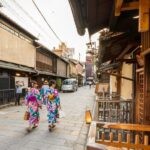
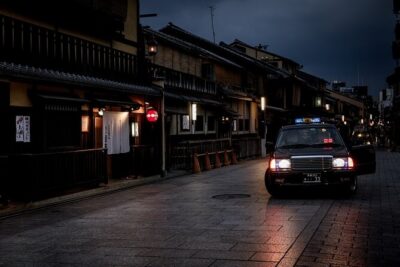
I like starting here, because you ease into Gion instead of jumping straight into the busiest streets. At Gion Shirakawa, the riverside is lined with willows, traditional tea houses, and stone-paved paths, so you get that classic Kyoto look right away.
This matters because the whole tour is about contrast. You go from scenic, slower riverside walking into narrower areas where fewer people are around. That shift helps you understand why Gion has such a distinct feel, not just a photo-op vibe.
If you are the type who wants atmosphere plus facts, this start is strong. Guides often use this first stretch to set expectations, like where to look for evening movement and how to behave politely while you search for a glimpse of a geisha.
Meeting at Macdonald Shijo Ohashi, then getting rolling smoothly
Your meeting point is the Macdonald Shijo Ohashi store. There can be a lot of activity near the front, so the guide will be waiting at the side of the building holding a sign that says Local Guide Stars.
This detail sounds small, but it saves stress. When the front is busy, it is easy to arrive and waste time trying to spot your group. Showing up a touch early helps you get placed, meet your guide, and start walking without that awkward first delay.
The tour runs for 2 hours and is conducted with an English speaking local guide. From the way it is structured, you should expect a steady pace. You are covering multiple stops, so comfortable shoes are not optional.
Tatsumi-jinja and Yasaka Shrine, where the stories get grounded
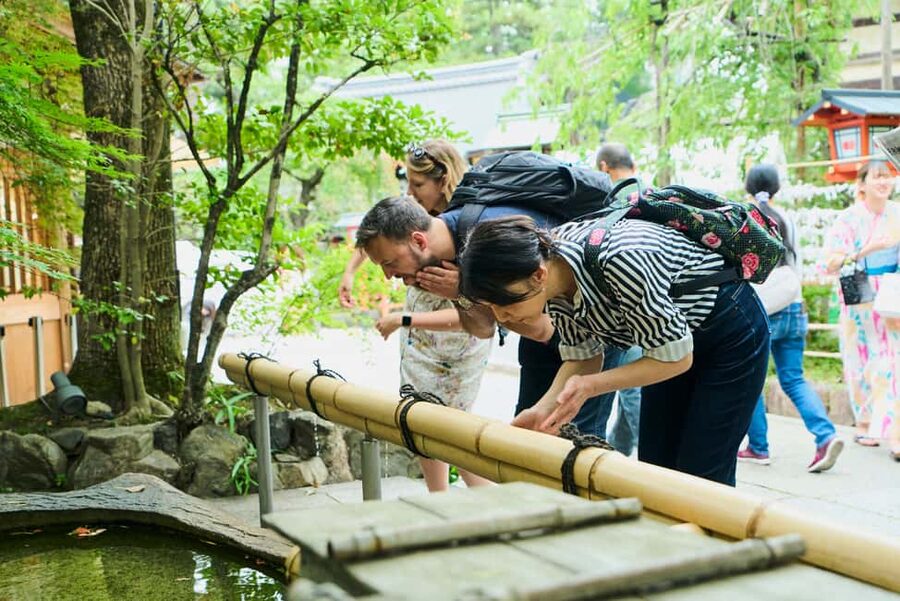
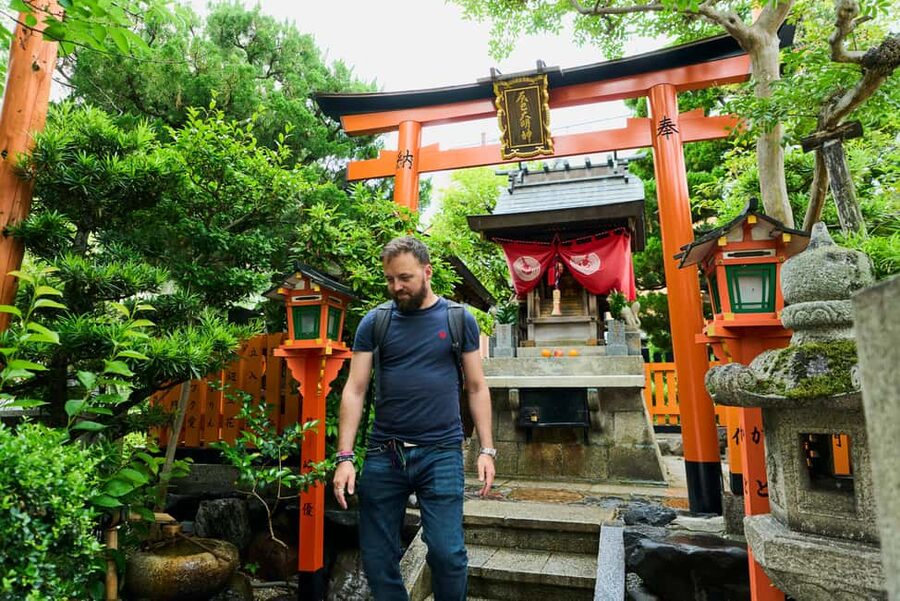
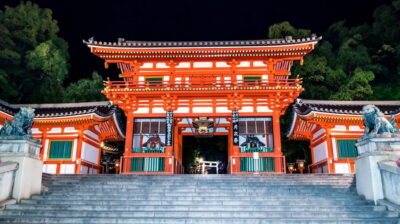
Shrines are where Gion stops being just pretty streets and starts being meaningful. On this route, you visit Tatsumi-jinja Shrine and Yasaka Shrine, with photo stops and time for guided explanations along the way.
The highlights also promise a visit to a 1,000-year-old shrine. Even if you do not pin down the exact date in your head, you will feel it in the atmosphere: calm space, ceremonial grounds, and the sense that this neighborhood is layered with time.
One practical note: inside temple and shrine areas, flash photography is not permitted. That is worth taking seriously because it affects how you photograph. If you want pictures, plan on using regular camera settings and keep your phone ready without flash.
Guides also tend to connect these religious spaces to what you see later on the streets. That link is why shrine stops are valuable here, they give you context for the whole evening walk.
- PERFECT KYOTO 1-Day Bus Tour★ 5.0 · 13,518 reviews
- Kyoto: Fushimi Inari, Kinkakuji, Bamboo Grove 1 Day Bus Tour★ 4.8 · 4,316 reviews
- Kyoto: Tea Ceremony in a Traditional Tea House in Kiyomizu★ 4.9 · 3,519 reviews
- Kyoto Geisha Walking Tour: Gion District & Hidden Gems★ 4.7 · 3,273 reviews
- Kyoto: Tea Ceremony Ju-An at Jotokuji Temple★ 4.9 · 3,207 reviews
Edo-period townhouses and the quiet lanes you might miss on your own
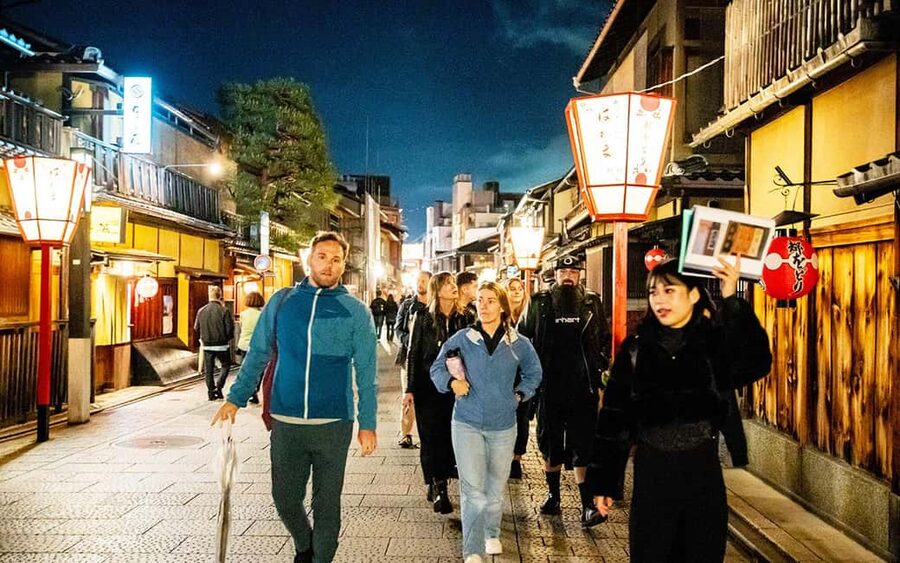
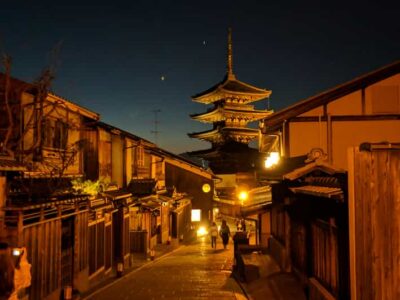
One of the biggest wins is that you are not just walking through the most obvious streets. The route includes quiet lanes and hidden spots with fewer tourists, plus Edo-period townhouses you can recognize by their traditional wooden architecture.
I find this kind of stop helpful because it changes how you look at the neighborhood. Instead of seeing a street as a backdrop for photos, you start noticing details that explain why Gion looks the way it does.
You also get a rhythm to the walking. There are photo stops and pass-by segments, so you are not stuck watching a guide talk for long stretches. It keeps energy up, and it makes the walking feel more like guided wandering than a rigid march.
Ninenzaka and Hokan-ji: old streets, practical temple etiquette, real timing
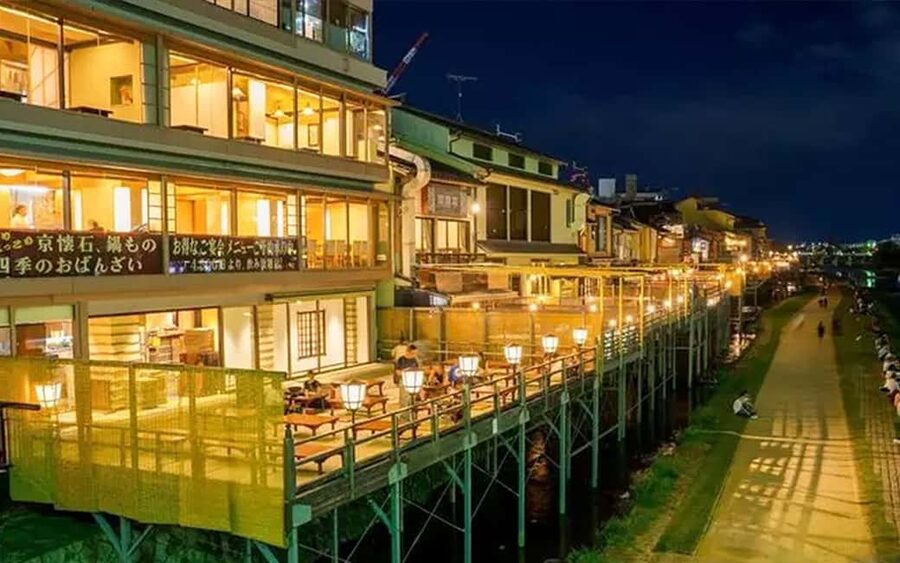
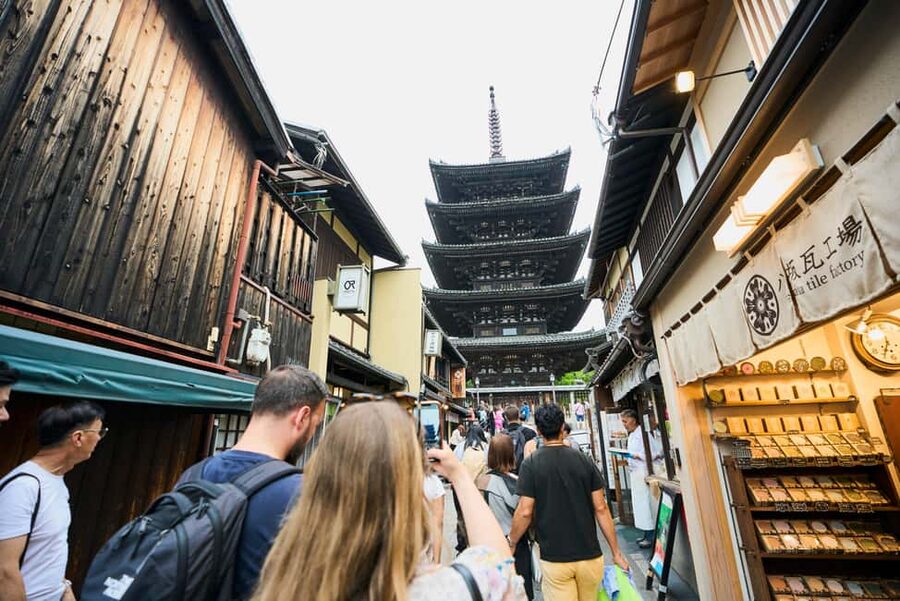
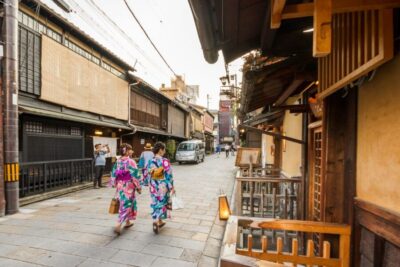
Ninenzaka is a key Kyoto street for that old-school feel. On this tour, you reach it as a photo stop and walk segment, with scenic views on the way. This is one of those places where the streets themselves are the attraction, and walking through with a guide helps you notice what matters, not just what looks pretty.
Next up is Hōkan-ji Temple, also built into the guided walking with photo moments and scenic views. Again, flash photography is not allowed inside temple spaces, so give yourself permission to enjoy the experience instead of trying to freeze everything into a perfect picture.
Timing matters here too. Because the tour runs only 2 hours, you keep momentum. You are not stuck waiting around for long transitions, which is great if you want to fit Gion into a busy first or second day in Kyoto.
If you want the emotional payoff of an evening geisha district, this portion is where you set the stage, old streets before you move into the heart of Hanamikoji-dori.
Yasui Kompira-Gu Shrine to Hanamikoji-dori: the geisha district payoff

After the temple and street sections, you head toward Yasui Kompira-Gu Shrine, with a visit stop and guided learning. Then the tour ends on Hanamikoji-dori, the heart of the geisha district.
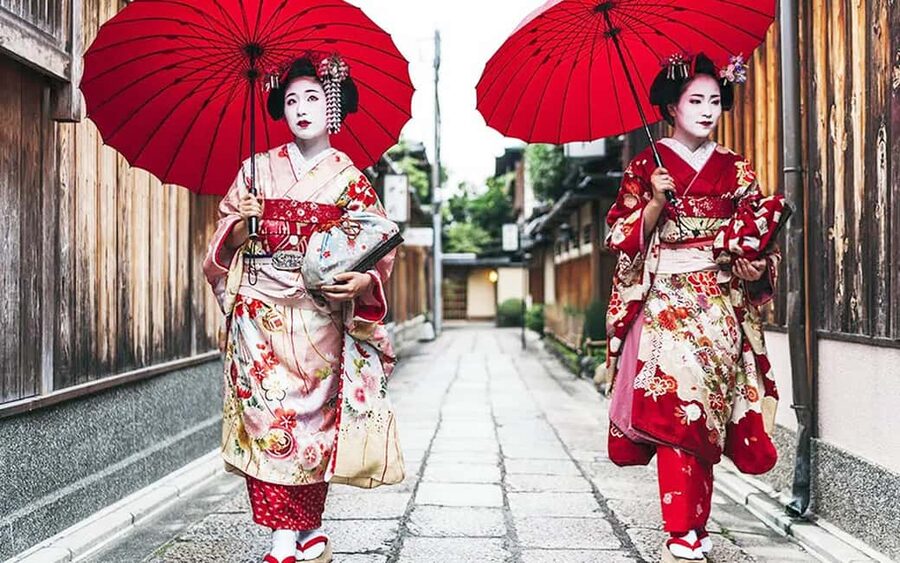
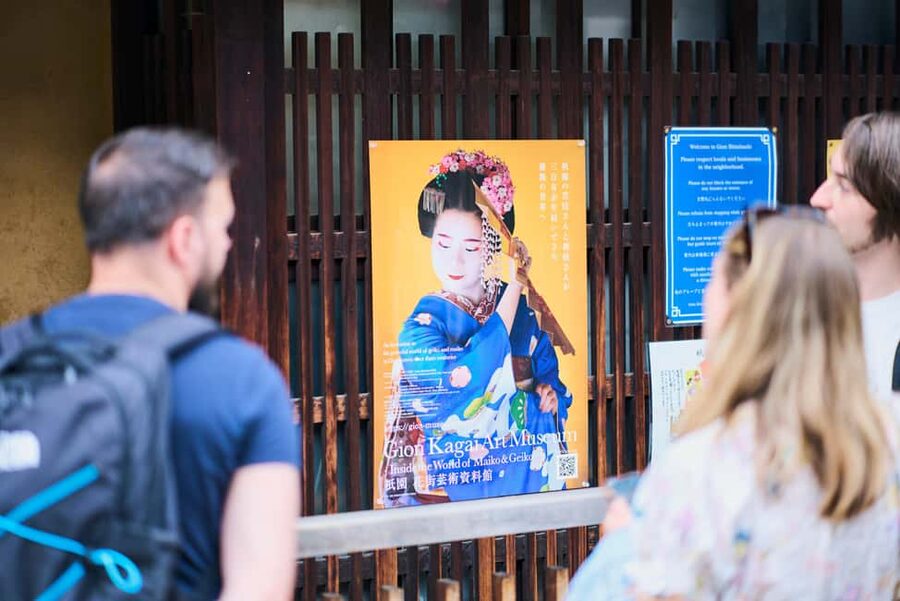
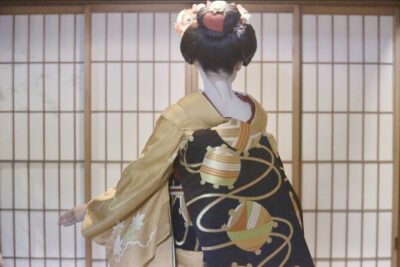
This is the moment the tour is built for. The final stretch is where you may catch a glimpse of a geisha on her way to an evening engagement. You also learn about the strict training of geisha, plus the graceful dances and the craftsmanship behind the kimonos and hairstyles.
Important expectation-setting: you are getting a chance, not a promise. Gion has always had privacy rules and unpredictable schedules, and that is part of why the district still feels special. Your guide’s job is to help you look respectfully, in the right places, at the right time.
I also like that you end here because it is not the end of your evening. Once the tour releases you, you can keep walking or grab dinner with a better sense of where things are.
Price and value: what $23 buys in a 2-hour Kyoto plan
At $23 per person for a 2-hour guided walk, the value is mostly about efficiency and context. You are paying for an English speaking local guide and a route that stitches together Shirakawa Canal, multiple shrine and temple stops, Edo-period townhouses, and an ending in Hanamikoji-dori.
This kind of format is great if you have limited time in Kyoto. Instead of spending half a day trying to connect spots on your own and then realizing you missed the right lanes, you get the walkthrough in one compact evening plan.
Also, a subtle but real value factor: guides often share local tips and recommendations. Several groups have mentioned guides being especially helpful with restaurant suggestions, including examples like guide Dan and others who provided food ideas after the walk. That means you leave with a plan, not just memories.
Rain, walking pace, and the small rules that protect the experience
This tour runs even in the rain. That means your job is simple: bring an umbrella or a raincoat. On a walking route, getting wet is not just uncomfortable, it can slow you down and make it harder to keep pace.
You will want water and sunscreen too. Kyoto evenings can still feel warm, and you are outside for the whole 2 hours.
Finally, flash photography is not allowed inside temples. Even if you really want that indoor shot, follow the rule. A guide who keeps the group moving and respectful helps you enjoy the sights without turning the visit into a disruption.
Who this Kyoto Gion tour fits best
This tour is best for you if:
- You want a guided first look at Gion without wandering blindly
- You care about cultural context, not just street photos
- You are hoping for a chance to spot a geisha while you learn about the traditions behind the kimonos, hairstyles, and training
- You like a fast, focused plan that fits into an evening
You might skip it if:
- You have mobility limitations, since it is not suitable for wheelchair users
- You hate walking on uneven streets or keeping up with a fairly tight route
Should you book the Kyoto Gion Hidden Gems & Geisha Culture Tour?
I think you should book if you want Gion explained in a smart, time-saving way. The big strengths are the sequence, Shirakawa Canal to shrines to old streets to Hanamikoji-dori, plus the fact that you end where your odds of seeing evening movement are highest. Even when weather changes, the tour keeps going, so you are not wasting that evening slot.
Book it early in your Kyoto trip if you are building your bearings. A guide who shares tips and recommendations helps you turn the walk into a full evening, with dinner and nearby options mapped out.
If you cannot do a steady walk, or you need wheelchair access, pass. For everyone else, this is a strong value way to experience Kyoto’s geisha district with respect and real context.
FAQ
Where do I meet for the tour?
Meet at the Macdonald Shijo Ohashi store at 105-1 Hashimoto-cho, Shimogyo-ku, Kyoto-shi, Kyoto. The guide will be holding a sign that says Local Guide Stars at the side of Macdonald.
How long is the Kyoto Gion tour?
The duration is 2 hours.
Is the tour guided in English?
Yes, it is an English speaking live tour guided by a local guide.
Where does the tour end?
The tour ends on Hanamikoji Street (Hanamikoji-dori), in the heart of the geisha district.
Can I take photos with flash?
Photography is allowed, but flash photography is not permitted inside temples.
What should I bring?
Bring comfortable walking shoes, water, and sunscreen. If it is raining, bring an umbrella or raincoat.
Does the tour run in rain?
Yes, the tour takes place even in the rain.
Is the tour suitable for wheelchair users or mobility impairments?
No. It is not suitable for people with mobility impairments or wheelchair users.
How much does it cost?
The price listed is $23 per person.
Evenings in the Old Quarters
Newest Kyoto write-ups from the Loving Japan desk

Gion, Geisha and Maiko Experiences, side by side.
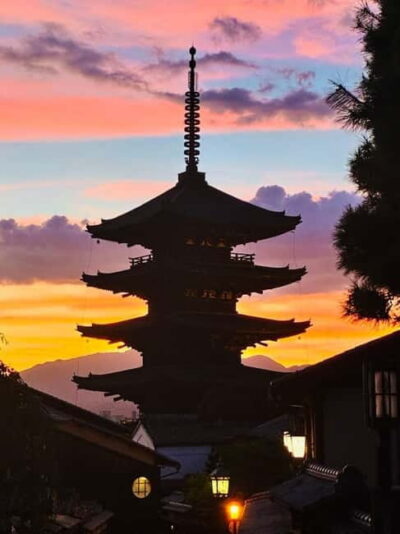 ★ 4.7Kyoto Geisha Walking Tour: Gion District & Hidden GemsFrom $253,273 reviews
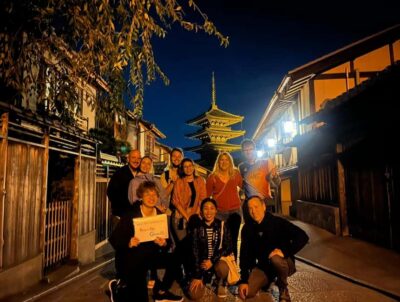 ★ 4.9Gion Magical Night Walking Tour with Geisha TriviaFrom $242,393 reviews
 ★ 4.7Gion Geisha District Walking Tour – Stories of GeishaFrom $202,187 reviews
 ★ 4.9Best of Kyoto: Gion, Geisha, Pagodas & CobblestonesFrom $242,058 reviews
 ★ 4.5Night Walk in Gion: Kyoto’s Geisha DistrictFrom $212,003 reviews
 ★ 5.0Kyoto Night Foodie Tour in Gion (9+ dishes + 6 Sake tastings)From $1631,762 reviews
 ★ 5.0Kyoto Gion Geisha District Walking Tour – The Stories of GeishaFrom $251,441 reviews
 ★ 5.0Kyoto Gion: 2-Hour Geisha Culture & History Walking TourFrom $231,186 reviews
Filed on these lists too