
REVIEW · GION, GEISHA AND MAIKO EXPERIENCES
Kyoto Gion Historical Walking Tour
Gion on foot feels like time travel. This 3-hour walk strings together Gion and Higashiyama in a way that makes the city make sense, from temples and parks to the Meiji restoration stories. I especially love the mix of major sights and quieter stops, and I love that the guides (like Jay, Ben, Tommy, Michel, and Aiyumi/Ayumi) explain things clearly in excellent English. The main trade-off is simple: you will walk a lot, and you should expect some stairs in the temple areas.
If you want a fast, friendly way to orient yourself in eastern Kyoto, this tour does it. You’ll end at Kiyomizu-dera, right where you likely want to keep exploring. One more consideration: it is information heavy for a half day, so plan a snack and some patience, especially if you are bringing kids.
The route is priced at $40 per person, and for 3 hours with a small maximum group size (12), the value comes from the guide’s context, not from ticket costs. Many stops are free to enter, but Kiyomizu-dera admission is not included, so budget a little extra for that.
In This Review
- Key things that make this Kyoto Gion history walk work
- A half-day Kyoto plan that gives you orientation fast
- Meeting at Ben’s Cookies, then straight into Gion’s Shibashi moment
- Chion-in Temple: the gate you remember and the stories behind it
- Maruyama Park and Nene-no-Michi: calm breaks with historical texture
- Hōkan-ji and the Yasaka Pagoda: a Kyoto skyline moment on foot
- The slopes and old lanes: Ninen-zaka and Sannen-zaka before Kiyomizu-dera
- Finish at Kiyomizu-dera, and plan for admission
- What you actually get for $40, and what to budget besides the ticket
- Pace, comfort, and practical tips you should not skip
- Is this Kyoto Gion historical walking tour right for you?
- Should you book this Kyoto Gion history walk?
- FAQ
- How long is the Kyoto Gion Historical Walking Tour?
- Is this tour mostly walking?
- What is included in the $40 price?
- Which major sights does the route include?
- Is Kiyomizu-dera admission included?
- Where do I meet and where does the tour end?
Key things that make this Kyoto Gion history walk work
- Small group energy (max 12), so you can ask questions and get quick answers
- Guides with strong English and humor, often using local stories to connect the dots
- A great start in Gion via Tatsumi Bridge and the Gion shibashi area
- Major temple highlights with time to look, including Chion-in and the Yasaka Pagoda
- Old-street walking finish, with Ninen-zaka and Sannen-zaka leading toward Kiyomizu-dera
- Good “whole area” orientation, especially for first-timers in eastern Kyoto
Evening walks through the old quarters, compared
- Kyoto Geisha Walking Tour: Gion District & Hidden Gems
★ 4.7 · 3,273 reviews - Kyoto: Gion Magical Night Walking Tour with Geisha Trivia
★ 4.9 · 2,393 reviews - Kyoto: Gion Geisha District Walking Tour – Stories of Geisha
★ 4.7 · 2,187 reviews - Best of Kyoto: Gion, Geisha, Pagodas & Cobblestones
★ 4.9 · 2,058 reviews
A half-day Kyoto plan that gives you orientation fast
Kyoto can feel like a puzzle at first. Temples, alleys, gardens, and shrine gates look beautiful, but without context it is easy to miss why things are where they are and what they mean. This walk is built for orientation. In a short window, you get a clean sweep through the Gion edge and deep into Higashiyama, with a guide connecting history, religion, and everyday Kyoto life.
The pacing is also a practical strength. Multiple people in the supplied feedback called out that the tour length is “perfect,” and that the flow stays manageable. You do not get rushed past the big stops, and you also get enough time at key points to look around and grab a photo without constantly waiting.
The one drawback I kept in mind while reading the details is that this is not a light stroll. It is a moderate physical effort tour, and at least one participant noted there is a fair amount of stair climbing. If your legs are sensitive, wear shoes that actually grip and give your knees a break when you can.
Meeting at Ben’s Cookies, then straight into Gion’s Shibashi moment
You start at Ben’s Cookies Kyoto Shijo, at 89 Shinchō in Shimogyo Ward. It is a clear, easy meeting point, and the tour runs on a mobile ticket. That matters in Kyoto, where finding the exact corner can waste time. From there, you head into Gion via the Tatsumi Bridge area.
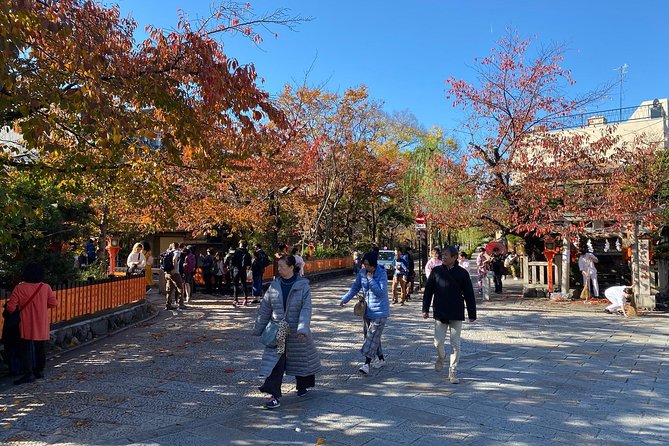
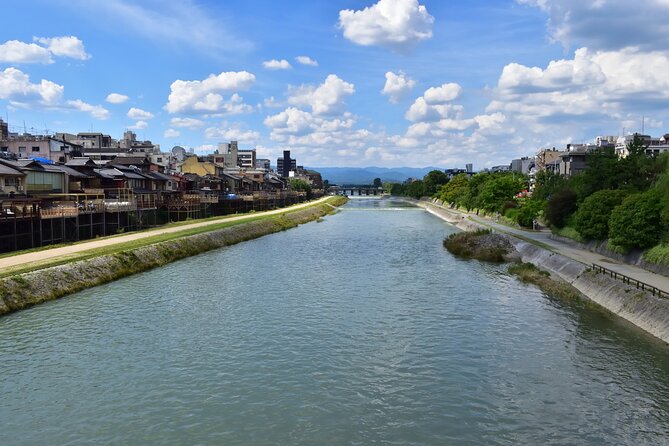
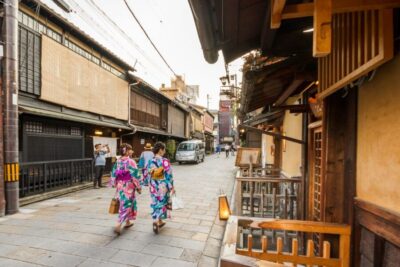
Stop one is Tatsumi Bridge and the walk through Gion shibashi, described as one of the most beautiful places in Kyoto. This is a smart opener because you feel the neighborhood mood right away. You are not immediately climbing staircases, and you get that classic “Kyoto corridor” feeling: narrow paths, old walls, and the sense that this district is both historic and lived-in.
What makes this part worth your time: you are not just seeing a view. You are learning how Gion fits into Kyoto’s story, including how entertainment culture and social life developed over time. Several guides in the feedback also shared recommendations for what to do next, which is a bonus if you are trying to avoid getting trapped in only the most obvious tourist lanes.
Chion-in Temple: the gate you remember and the stories behind it
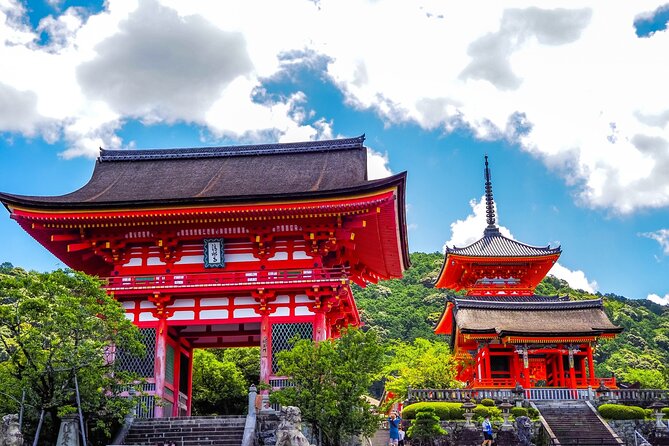
After crossing into the temple zone, the tour takes you to Chion-in, beginning at the Sammon gate (Chionin Sanmon). This is a defining Kyoto landmark: a majestic wooden gate that signals scale and spiritual importance. The time given here is brief, but the impact is high because the gate does the heavy lifting visually. Even with limited time, you know you are at one of the big players.
Next is Chion-in Temple itself. This stop is valuable for two reasons. First, it gives you a deep sense of Buddhist presence in Kyoto, not just a quick exterior photo. Second, guides use Chion-in as a springboard for bigger narratives, like how religious institutions influenced daily life and how Kyoto’s identity formed over centuries.
A practical note: temple areas mean crowds and lines at certain spots. Go in with a relaxed expectation. The guide’s job here is to help you focus on the meaning of what you are looking at, not to sprint you from point to point.
- PERFECT KYOTO 1-Day Bus Tour★ 5.0 · 13,518 reviews
- Kyoto: Fushimi Inari, Kinkakuji, Bamboo Grove 1 Day Bus Tour★ 4.8 · 4,316 reviews
- Kyoto: Tea Ceremony in a Traditional Tea House in Kiyomizu★ 4.9 · 3,519 reviews
- Kyoto Geisha Walking Tour: Gion District & Hidden Gems★ 4.7 · 3,273 reviews
- Kyoto: Tea Ceremony Ju-An at Jotokuji Temple★ 4.9 · 3,207 reviews
Maruyama Park and Nene-no-Michi: calm breaks with historical texture
Right after the heavier temple experience, the route slows down with Maruyama Park. This is described as an urban oasis with natural beauty and cultural significance. It is a useful breather in the middle of the walk. You get a chance to step back from shrine architecture and let your brain reset.
Then you continue to Nene-no-Michi, also known as the Path of Nene. This is a historic stone-paved path named after Nene, the wife of Toyotomi Hideyoshi. That kind of detail turns a simple walking segment into a mini history lesson. You are not just crossing space, you are moving through a story.
Why these stops matter: they add variety. A lot of Kyoto walking tours focus only on famous gates and major halls. Here, you also get green space and a path that feels more like local rhythm than a single landmark. If you like travel days that feel like walking through a living neighborhood, not only a checklist, this section delivers.
Hōkan-ji and the Yasaka Pagoda: a Kyoto skyline moment on foot
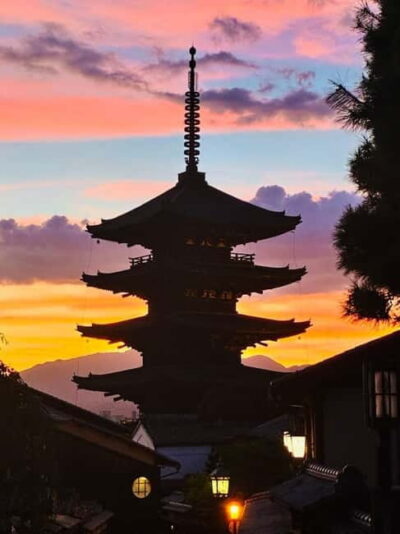
The next big temple highlight is Hōkan-ji (also known as the Yasaka Pagoda). This stop centers on an iconic five-story pagoda. In real terms, it is one of those Kyoto sights that anchors the whole visual identity of Higashiyama.
Even though the scheduled time is short, the payoff is that this is a photo magnet and a landmark for orientation. If you later explore on your own, you will recognize the area and understand where you are relative to major streets and temple clusters.
This stop also reflects what the guides seem to do well across multiple feedback notes: they connect place to story. People talked about learning about geishas, samurai, and broader Japanese history themes, and this part fits naturally because it is where “Kyoto atmosphere” meets structured explanations.
The slopes and old lanes: Ninen-zaka and Sannen-zaka before Kiyomizu-dera
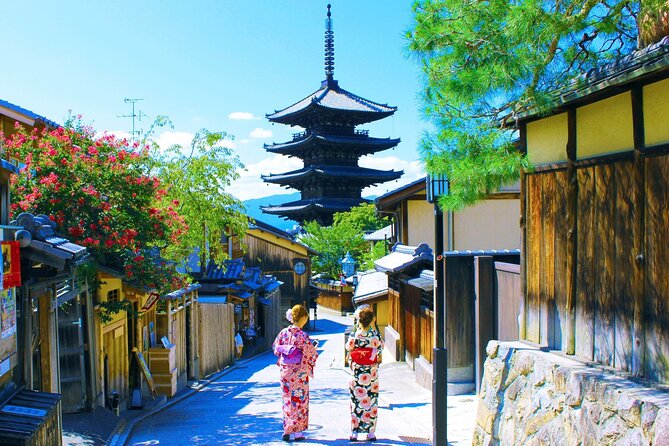
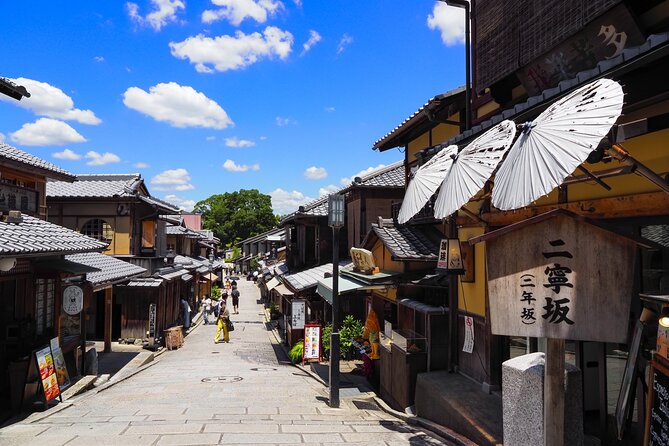
From Hōkan-ji, you shift into old-street walking with Ninen-zaka (the Two-Year Slope) and Sannen-zaka (the Three-Year Slope). These are preserved cobblestone pedestrian paths lined with traditional tea house style buildings. In Kyoto, slopes like these do not just look pretty. They teach you how the city was designed for walking, not car traffic.
You also get a built-in momentum here. By the time you reach these lanes, you are already in a temple district mindset, and you can focus on textures: stone underfoot, tight storefronts, and the way the streets gently channel crowds.
The practical downside is that cobbles and crowds are real. Wear shoes that handle irregular footing. If you are traveling in a group and someone needs to slow down, this is also the part where pacing can get tricky.
Finish at Kiyomizu-dera, and plan for admission
The last stop is Kiyomizu-dera, a UNESCO World Heritage Site. You get a look at a classic Kyoto scene, perched on a hillside with views over the city skyline.
Important for planning: Kiyomizu-dera admission is not included. That means you should decide ahead of time whether you want to pay to go in and fully experience the main complex, or if you only want the exterior viewpoints right as the tour ends. Either approach works, but the experience level changes.
This is a smart ending point because the tour ends at Kiyomizu-dera, right at the entrance. You are not forced to backtrack or fight your way to a new meeting point. If you want to keep going, you are already where you need to be.
What you actually get for $40, and what to budget besides the ticket
Let’s talk value, because $40 can feel either low or high depending on what you get.
Here, the price buys you:
- A guided walk that runs about 3 hours
- An English-speaking guide leading you through major Kyoto zones
- A route that mixes big temples, heritage lanes, and a couple of “pause and look” moments like Maruyama Park
- A small maximum group size (12), which helps questions and photos
What it does not include:
- Lunch
- Gratuity to the local guide
- Admission fees
In the itinerary details, many stops list admission as free, and the big exception is Kiyomizu-dera admission. So the “real cost” of the tour depends on whether you will pay to enter Kiyomizu-dera. If you plan to, budget for that on top of the $40. Also, given the walking and limited meal stops, eat before you go. One participant specifically suggested having snacks and water ready because there are not many breaks besides bathroom time.
If you are the type who learns better by walking and talking, $40 is a bargain. If you prefer quiet self-exploration with a guidebook, you might find the price less compelling. But based on how many people highlighted the guide quality and clarity, the guide component is the heart of the value.
Pace, comfort, and practical tips you should not skip
This tour is built for a half-day on foot. The company states a moderate physical fitness level, and the feedback backs up that you should be ready for a decent walking day. At least one participant mentioned there is a lot of stair climbing, so treat this as “comfortable shoes, prepared legs” rather than a gentle stroll.
I recommend:
- Wear walking shoes you already trust
- Plan to stay flexible on timing, because some groups may go a bit longer once questions start
- Bring water and plan for a snack if you tend to get hungry during long temple visits
- Don’t overpack the day around the tour, because the experience is information heavy and easy to get absorbed in
One small comfort detail from the feedback: guides are used to keeping the group together and checking in. That matters in crowded temple areas where you want to feel the guide has eyes on the whole group.
Is this Kyoto Gion historical walking tour right for you?
This tour is a strong fit if:
- You are in Kyoto for the first time and want a structured overview of Gion and Higashiyama
- You like history with real place names, not just general statements
- You want to see big attractions like Chion-in and Kiyomizu-dera, plus the slopes that give Kyoto its “walkable postcard” feel
- You enjoy asking questions, getting context, and leaving with ideas for the rest of your trip
It may be less ideal if:
- You need a very relaxed, minimal-walking day
- You are sensitive to stairs
- You expect a light, kid-friendly outing. One participant noted the tour can be information heavy and that kids might lose interest after a while
Group size helps here. With a maximum of 12, this tour still has a human feel. You are not swallowed by a giant crowd where you cannot hear the guide.
Should you book this Kyoto Gion history walk?
If you want the best kind of Kyoto day, the one where you leave knowing what you saw and why, I would book it. The strongest reasons are practical: the route hits the major eastern highlights, the guide quality is repeatedly praised in the feedback, and the time spent is concentrated where it matters.
Book it if:
- You want an English-speaking guide to connect religion, history, and daily Kyoto life
- You plan to pay for Kiyomizu-dera admission so you get the full ending
- You will wear comfortable shoes and come fueled with snacks and water
Skip or adjust your expectations if:
- You cannot handle stairs or long walking segments
- You prefer quiet, self-paced temple time with less explanation
- Your schedule is too tight to allow a slow, question-friendly pace
FAQ
How long is the Kyoto Gion Historical Walking Tour?
It runs for about 3 hours.
Is this tour mostly walking?
Yes. It is a walking tour that requires moderate physical fitness and includes temple areas where you should expect stairs.
What is included in the $40 price?
The tour includes the walking tour itself. Lunch, gratuity to the local guide, and admission fees are not included.
Which major sights does the route include?
You’ll pass through Gion shibashi via Tatsumi Bridge, Chion-in Temple (including the Sammon gate), Maruyama Park, Nene-no-Michi, Hōkan-ji (Yasaka Pagoda), Ninen-zaka, Sannen-zaka, and finish at Kiyomizu-dera.
Is Kiyomizu-dera admission included?
No. Kiyomizu-dera admission is listed as not included.
Where do I meet and where does the tour end?
You start in front of Ben’s Cookies Kyoto Shijo at 89 Shinchō, and you end in front of the entrance of Kiyomizu-dera (1-chōme-294 Kiyomizu, Higashiyama Ward).
Evenings in the Old Quarters
Newest Kyoto write-ups from the Loving Japan desk
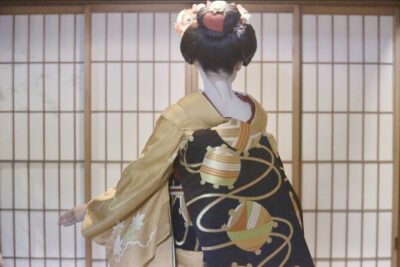

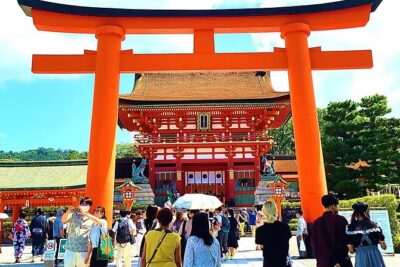
Gion, Geisha and Maiko Experiences, side by side.
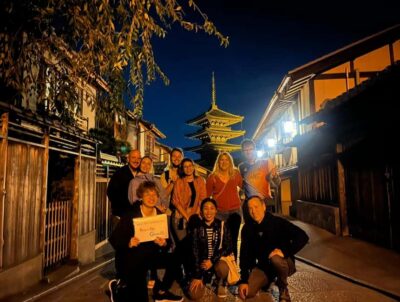
 ★ 4.7Kyoto Geisha Walking Tour: Gion District & Hidden GemsFrom $253,273 reviews
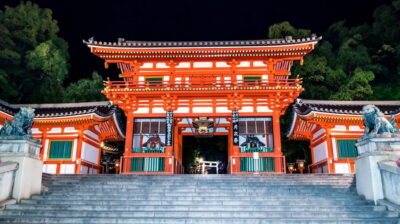
 ★ 4.9Gion Magical Night Walking Tour with Geisha TriviaFrom $242,393 reviews
 ★ 4.7Gion Geisha District Walking Tour – Stories of GeishaFrom $202,187 reviews
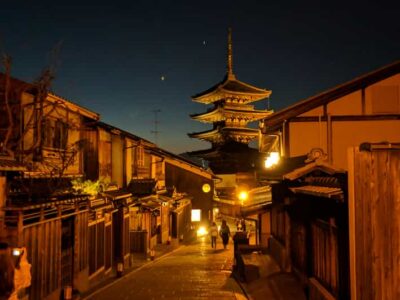 ★ 4.9Best of Kyoto: Gion, Geisha, Pagodas & CobblestonesFrom $242,058 reviews
 ★ 4.5Night Walk in Gion: Kyoto’s Geisha DistrictFrom $212,003 reviews
 ★ 5.0Kyoto Night Foodie Tour in Gion (9+ dishes + 6 Sake tastings)From $1631,762 reviews
 ★ 5.0Kyoto Gion Geisha District Walking Tour – The Stories of GeishaFrom $251,441 reviews
 ★ 5.0Kyoto Gion: 2-Hour Geisha Culture & History Walking TourFrom $231,186 reviews
Filed on these lists too