
REVIEW · KYOTO TEA CEREMONIES AND MATCHA
Kyoto: Japanese Traditional Sweets Making and Tea Ceremony
Kyoto has a sweet tooth, and this is the place to prove it. You’ll shape seasonal wagashi (nerikiri) by hand, then enjoy them with a Uji matcha tea ceremony style session using single-origin matcha. It’s fun, hands-on, and very Kyoto.
I especially like the focus on real technique, not just watching, plus the ingredients come with strong local credibility, like white/red bean paste from long-established Kyoto shops. The pace is friendly for first-timers, and the finished sweets actually look good. The one thing to consider is language support: it’s Japanese first, and while English translation is provided as much as possible, some details may land better if you follow along with visuals and timing.
In This Review
- Kyoto Nerikiri and Matcha, the Hands-On Version
- What You Actually Do In 95 Minutes
- Entering The Workshop From Gojo Station
- Nerikiri Sweets: The Art of Colored Bean Paste Shaping
- What You’ll Learn With Nerikiri
- The Tea Ceremony Portion With Single-Origin Uji Matcha
- Group Size, Pace, and the English Support Reality
- Value: Why $18 for Wagashi and Matcha Can Make Sense
- Optional Extras If You Want to Take It Further
- Who This Works Best For
- Pro Tips Before You Go
- Should You Book This Kyoto Experience?
- FAQ
- How long is the Kyoto Japanese Traditional Sweets making and Tea Ceremony experience?
- What is the price per person?
- What do I make during the class?
- What kind of tea do we use?
- What is included in the ticket?
- Where is the meeting point?
- Is the experience wheelchair accessible?
- Is there English support?
- Are there any optional add-ons?
Kyoto Nerikiri and Matcha, the Hands-On Version
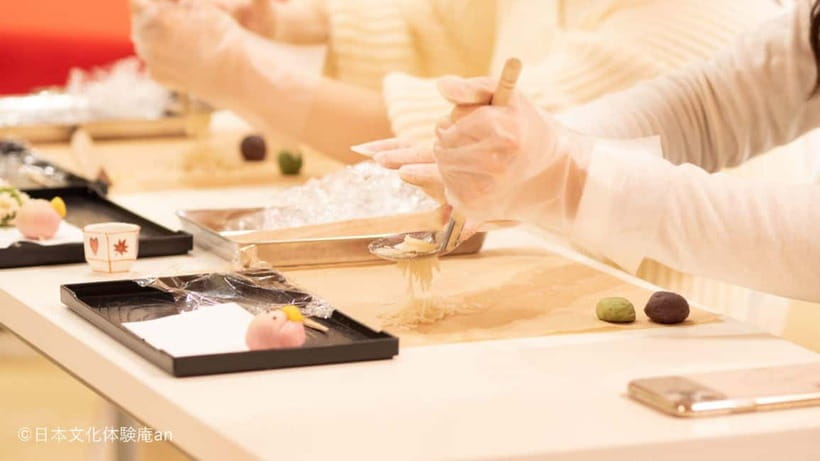
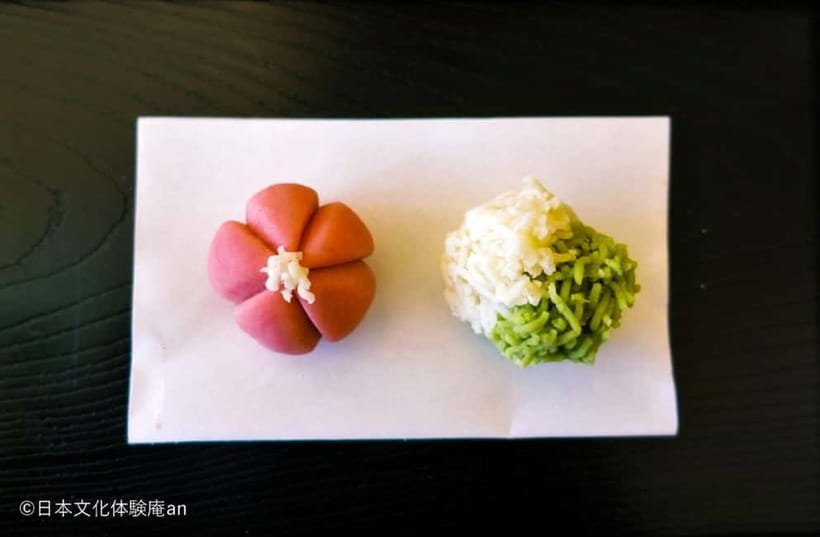
Here’s what makes this experience feel authentic: you’re not just tasting Kyoto sweets, you’re making them. The first part centers on nerikiri, a high-grade wagashi style where colored white bean paste is shaped into seasonal flowers or fruits. The second part is matcha, specifically Uji matcha, paired with the sweets you created.
Over 95 minutes, you’ll go from bean paste color work to shaping to tea preparation. If you like food experiences that leave you with skills you can repeat later at home, this one fits.
Sit down somewhere quieter. Other tea rooms we booked
- Kyoto: Tea Ceremony in a Traditional Tea House in Kiyomizu
★ 4.9 · 3,519 reviews - Kyoto: Tea Ceremony Ju-An at Jotokuji Temple
★ 4.9 · 3,207 reviews - Kyoto: 45-Minute Tea Ceremony Lesson Experience
★ 4.3 · 2,378 reviews - Kyoto: Table-Style Tea Ceremony at a Kyo-Machiya
★ 4.9 · 1,211 reviews
What You Actually Do In 95 Minutes
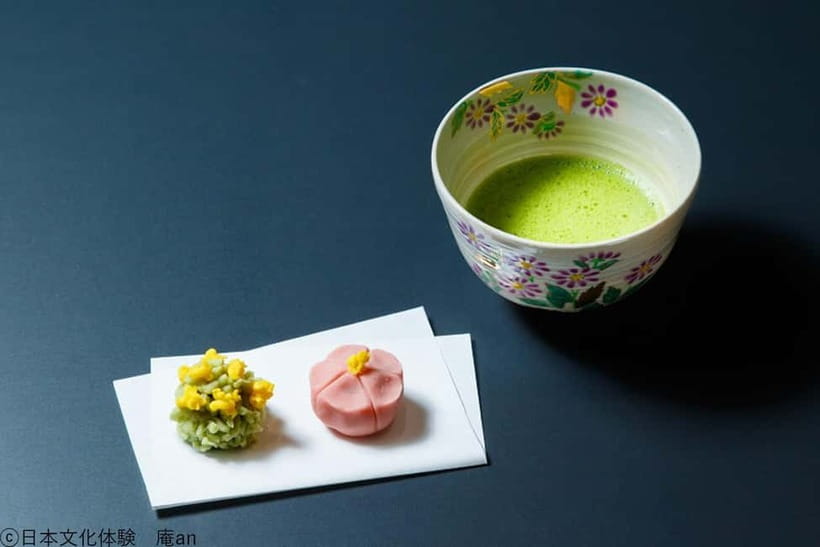
You’ll start with nerikiri sweets making. The workshop begins with coloring the white bean paste, then moving into shaping. Your goal is to make two Japanese sweets that match the season. That seasonal matching matters in Kyoto because wagashi often reflect what’s happening outdoors, not just what tastes good.
After the sweets are shaped, you’ll shift into the tea portion. You prepare matcha, using single-origin special matcha made in the Uji tradition. Then you sit down and enjoy what you made: your two sweets plus the matcha you prepared.
This is a compact format, so it won’t feel like a semester-long craft class. But that’s also why it works as a Kyoto break, especially if your days are packed with temples and long walks.
Entering The Workshop From Gojo Station
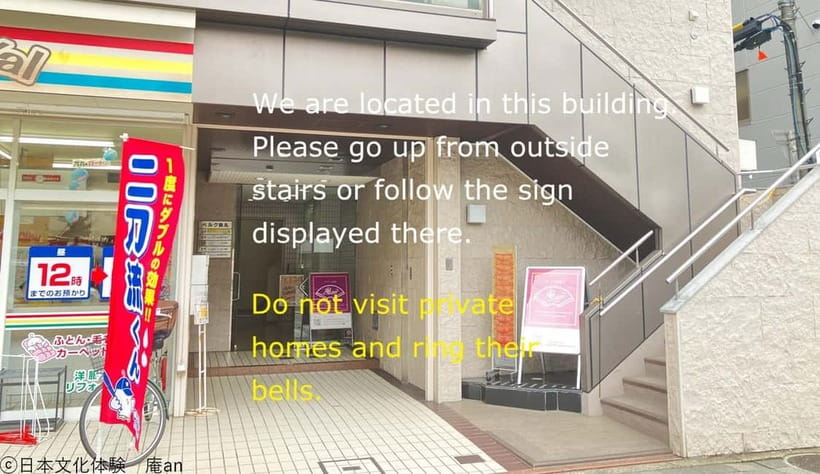
Finding the place is straightforward. Your meeting point is one minute walk from Exit 1 of the Karasuma Line subway stop called Gojo Station. The shop entrance faces the main street, Gojo-dori, which is helpful when Kyoto streets can twist and rename themselves on you.
The location is very central for a reason. You can do this as a midday reset or an early afternoon pause, then still have energy for dinner. If you’re coming from central Kyoto sites, plan on a short subway hop and a quick walk.
One practical note: there’s no elevator, and you’ll take stairs to reach each venue. The experience is wheelchair accessible, but stairs still matter for how the visit is physically laid out.
Nerikiri Sweets: The Art of Colored Bean Paste Shaping
Nerikiri is the star of the sweets portion, and it’s a good choice for a class like this. White bean paste is worked and colored, then shaped into seasonal forms. You’ll handle the process from coloring the paste onward, so you can see how “just dough” becomes a carefully finished wagashi.
Why this is a good Kyoto souvenir even if you don’t consider yourself artistic: your sweet isn’t just edible, it’s also small and structured. You don’t need a sculpture background. You just need steady hands and to follow the steps at the pace the instructor sets.
- PERFECT KYOTO 1-Day Bus Tour★ 5.0 · 13,518 reviews
- Kyoto: Fushimi Inari, Kinkakuji, Bamboo Grove 1 Day Bus Tour★ 4.8 · 4,316 reviews
- Kyoto: Tea Ceremony in a Traditional Tea House in Kiyomizu★ 4.9 · 3,519 reviews
- Kyoto Geisha Walking Tour: Gion District & Hidden Gems★ 4.7 · 3,273 reviews
- Kyoto: Tea Ceremony Ju-An at Jotokuji Temple★ 4.9 · 3,207 reviews
What You’ll Learn With Nerikiri
- How colored bean paste changes in texture and handling as you work
- How seasonal shapes are formed, rather than just cut and stacked
- How the final sweetness works when paired with matcha
Bean paste can sound heavy before you taste it. In practice, high-quality white/red bean paste tends to taste smoother and less cloying than many people expect. That balance is part of why wagashi is made to go with tea, not just eaten alone.
The Tea Ceremony Portion With Single-Origin Uji Matcha
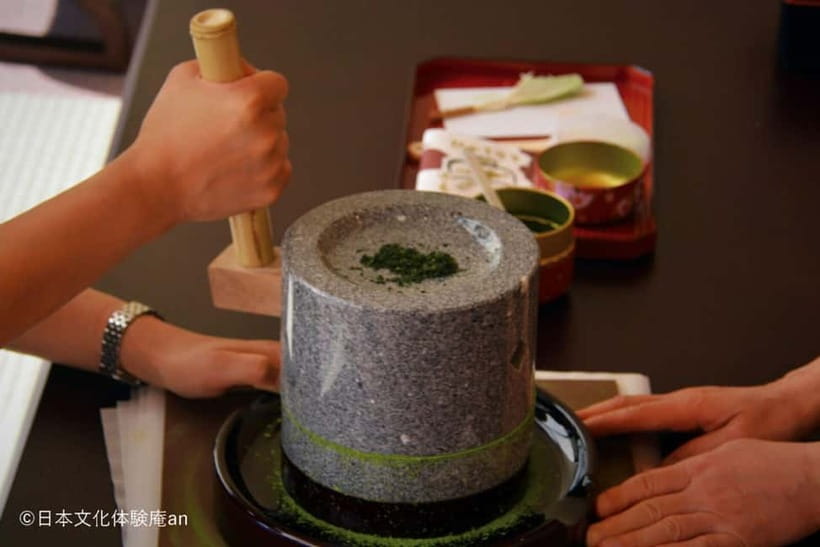
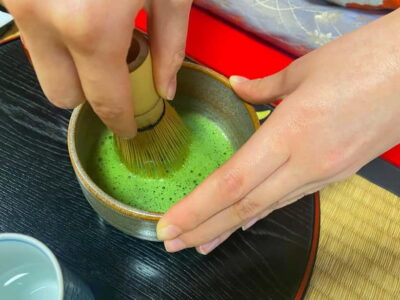
Then comes the matcha portion. You’ll prepare the tea after the sweets work, so your senses shift from sweet and sticky to green, aromatic, and focused.
The tea used is Uji matcha, described as single-origin special matcha. That matters for matcha taste because origin is one of the big drivers of flavor character. Even if you’re new to matcha, this is the kind of difference you can notice in the cup.
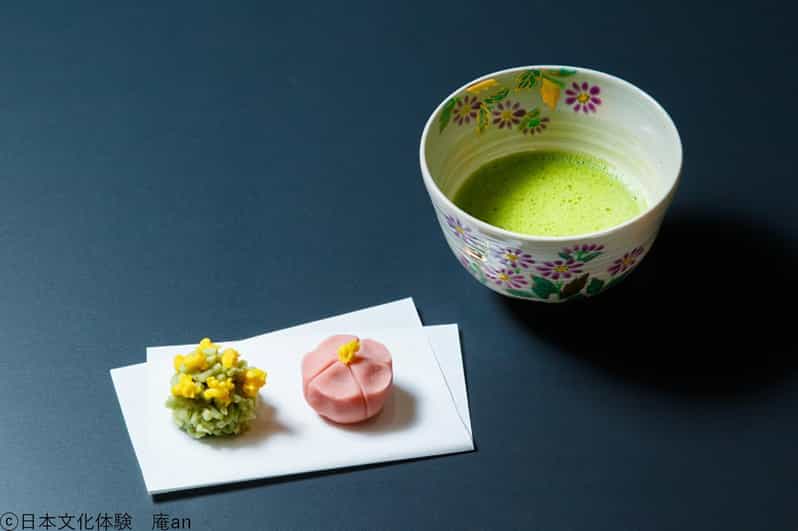
You prepare the matcha and then enjoy it with the sweets you made. This pairing is where the quality of the bean paste really shows. The class notes that the sweets are designed so their sweetness balances the taste of the matcha, and that’s exactly the point of Kyoto tea culture. Tea does not just “go with” wagashi, it’s meant to interact with it.
Group Size, Pace, and the English Support Reality
This is one area where I think you should calibrate expectations. The class includes an instructor who speaks Japanese, and English translation is provided as much as possible. In other words, you should plan to rely on visuals and demonstrations as well.
In practice, many people end up doing fine even with limited Japanese because the activity is very step-based. You see what happens and you copy the movement. Still, if you’re traveling with kids or you strongly need full English explanations, keep your expectations flexible.
The other pace point: the experience is scheduled and runs for a set time. The event will not be held to accommodate delays, so arriving on time matters more than you’d think. If you’re even a little late, you may lose part of the experience.
Value: Why $18 for Wagashi and Matcha Can Make Sense
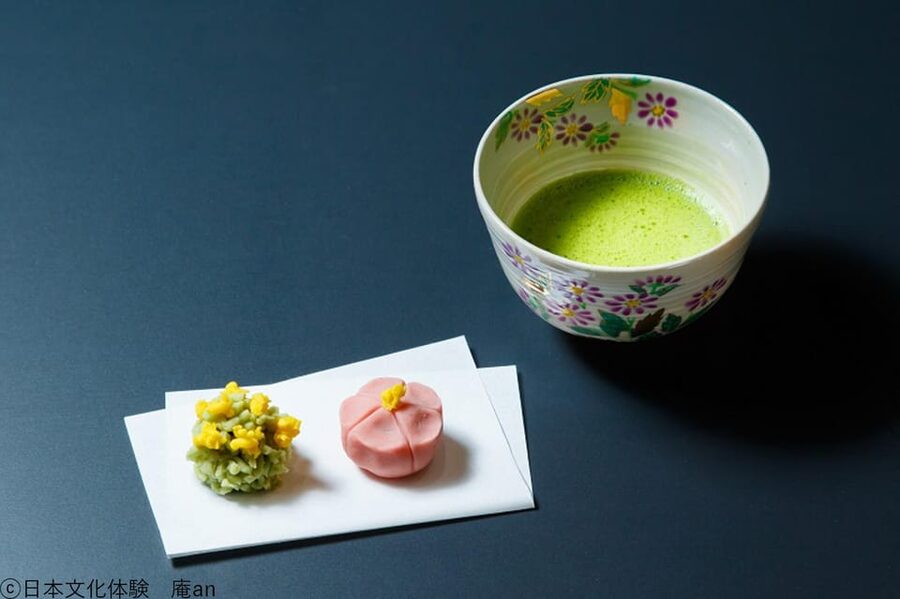
Let’s talk money plainly. At $18 per person for a 95-minute session that includes making two sweets plus preparing and drinking matcha, this is strong value if you want hands-on food culture rather than another tasting-only stop.
Here’s why it works:
- You get food you personally shaped, not just sampled
- The tea ingredient is specific, Uji matcha, and the class emphasizes quality balance
- You leave with a repeatable routine, at least for the matcha side and the general wagashi concept
It’s not an elite atelier where you spend half a day learning advanced confectionery technique. But it’s a legitimate, friendly introduction that fits real travel schedules.
Optional Extras If You Want to Take It Further
Two small add-ons are mentioned:
- A sweets take-out box costs 100 JPY
- An experience completion certificate costs 300 JPY
If you’re the type who likes proof of fun, the certificate is a light keepsake. If you want to share, the take-out box makes more sense. Either way, the core value is still the in-class making and tasting.
Who This Works Best For
This experience is a great match if you want Kyoto flavor with a calm rhythm. It’s also ideal for rainy days because you’re indoors and you get a seated tea moment after the hands-on part.
I’d especially recommend it for:
- Food lovers who want to make, not just taste
- Anyone interested in matcha beyond ordering a drink
- Travelers who enjoy crafts with clear steps and quick results
It may be less satisfying if your main goal is a full, slow, formal tea ceremony with deep ritual performance. The format here is still rooted in tea culture, but it’s built as an instructional experience paired with the sweets workshop.
Pro Tips Before You Go
A few practical things that can improve your experience a lot:
- Wear something comfortable for food work. Your hands will be busy, and wagashi making can be mildly sticky.
- Arrive early enough to find the entrance without sprinting. The event won’t wait for delays.
- If you care about sound or fine instruction, sit where you can clearly see the instructor’s hands. The class is visual as much as verbal.
- If you don’t speak Japanese, don’t stress. The steps are tangible and you’ll learn by doing.
Also, since the building has no elevator and uses stairs, factor that into your timing and comfort level.
Should You Book This Kyoto Experience?
I think you should book it if you want a short, structured, hands-on Kyoto food moment. Making two seasonal nerikiri sweets and pairing them with Uji matcha for $18 is a rare combo of value and cultural specificity.
Skip it if you only want a long, silent, fully traditional tea performance. This is a teaching-and-making experience. It’s also a good call for first-timers, but it won’t replace a museum-quality deep confectionary course.
If you’re on the fence, pick the time slot that fits your energy best. You want enough time afterward for a leisurely Kyoto stroll, not a mad dash to your next reservation.
FAQ
How long is the Kyoto Japanese Traditional Sweets making and Tea Ceremony experience?
The experience lasts 95 minutes.
What is the price per person?
The price is $18 per person.
What do I make during the class?
You make two Japanese sweets that match the season, starting with nerikiri by coloring the white bean paste.
What kind of tea do we use?
You use Uji matcha, described as single-origin special matcha, and you’ll prepare and enjoy your matcha with the sweets.
What is included in the ticket?
It includes a set of Japanese Traditional Sweets making and Tea Ceremony experiences.
Where is the meeting point?
It’s about a 1-minute walk from Exit 1 of Gojo Station on the Karasuma Line. The store entrance faces Gojo-dori.
Is the experience wheelchair accessible?
It’s listed as wheelchair accessible, but there is no elevator and you will need to take stairs to reach each venue.
Is there English support?
The experience languages are Japanese, and English translation is provided as much as possible. If you want English support, you’re asked to contact the operator.
Are there any optional add-ons?
Yes. A sweets take-out box costs 100 JPY, and an experience completion certificate costs 300 JPY.
Kyoto by the Bowl
Newest Kyoto write-ups from the Loving Japan desk
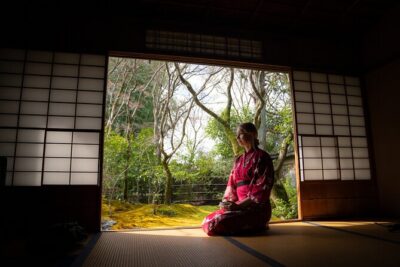
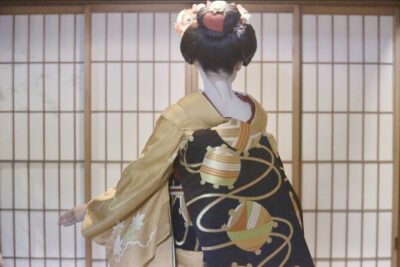

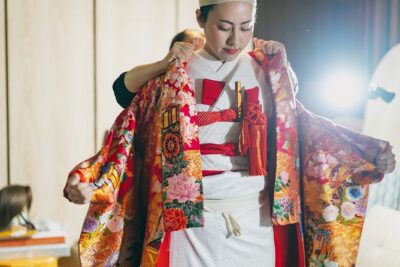
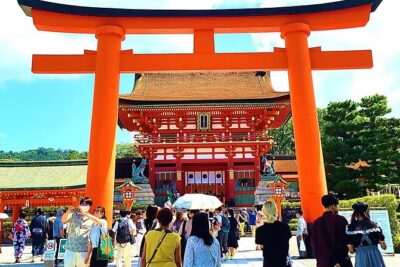
Kyoto Tea Ceremonies and Matcha, side by side.
 ★ 4.9Tea Ceremony in a Traditional Tea House in KiyomizuFrom $493,519 reviews
 ★ 4.9Tea Ceremony Ju-An at Jotokuji TempleFrom $293,207 reviews
 ★ 4.345-Minute Tea Ceremony Lesson ExperienceFrom $222,378 reviews
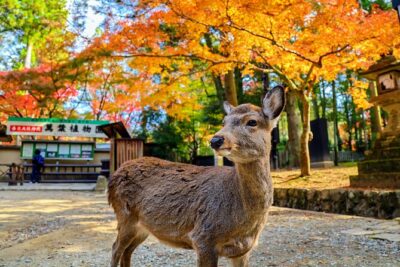 ★ 5.0World Heritage Kyoto & Nara Uji Authentic Matcha ExperienceFrom $1291,573 reviews
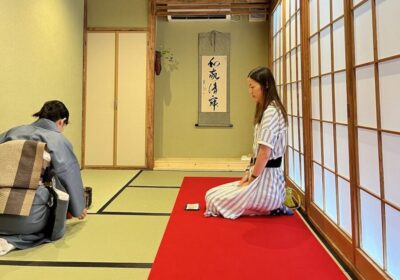 ★ 4.9Tea Ceremony ExperienceFrom $251,426 reviews
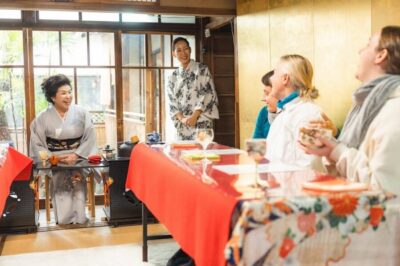 ★ 4.9Table-Style Tea Ceremony at a Kyo-MachiyaFrom $451,211 reviews
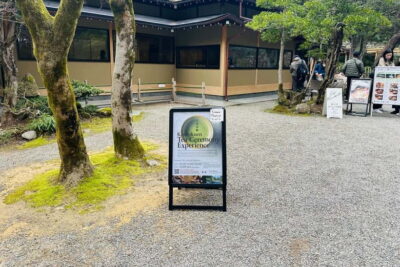 ★ 4.8Kenrokuen Tea Ceremony ExperienceFrom $351,139 reviews
 ★ 5.0Kimono Tea Ceremony at Kyoto Maikoya, NISHIKIFrom $65911 reviews
Filed on these lists too