
REVIEW · FUSHIMI INARI AND THE TEMPLES OF KYOTO
Kyoto Kiyomizu Tea Ceremony with Scenic Garden Views
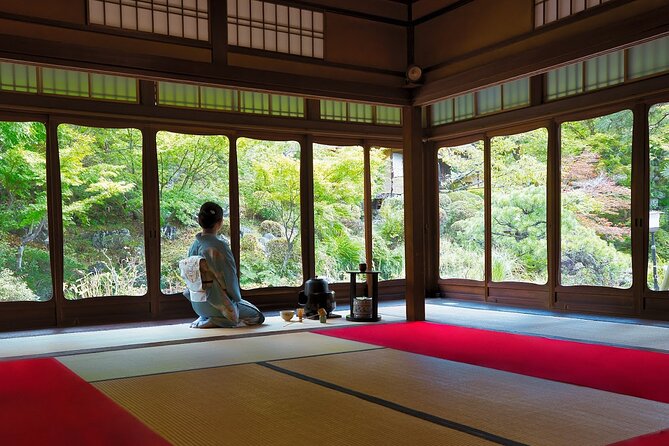
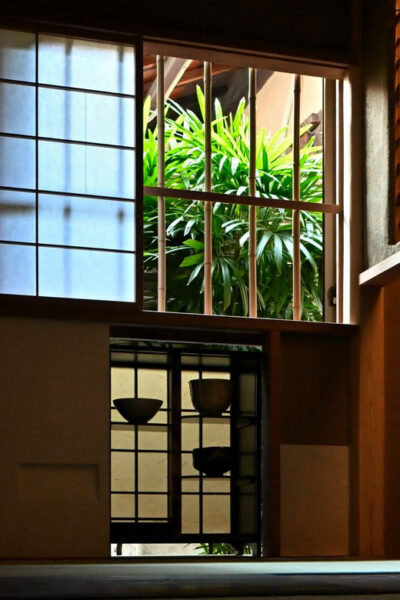
Kyoto slows you down with matcha rituals. At Tea ceremony SAKAGUCHIAN (茶道体験 阪口庵) near Kiyomizu, you spend about 45 minutes in a traditional teahouse while a tea master guides the ceremony from start to finish, with famous garden views as the backdrop.
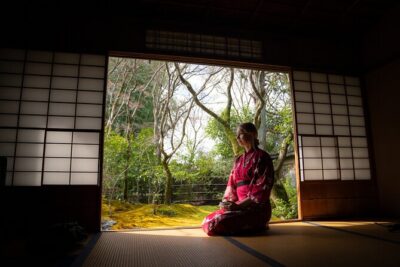
I love the garden-window setting, and I love how the session is paced for real understanding, with respectful instruction and a chance to see (and learn) the exact movements involved.
One possible drawback: this experience may not suit people with foot and knee problems, since it is a traditional, seated-style activity.
In This Review
- Key highlights you should not miss
- Entering SAKAGUCHIAN for tea and a real view
- What happens in the ceremony, step by step
- Two cups of matcha and wagashi that belong to the moment
- Small-group calm, and why it changes the whole experience
- Price and value: what $50.87 really buys you
- Who should book, and who should skip
- Should you book this Kyoto tea ceremony?
- FAQ
- How long is the Kyoto Kiyomizu tea ceremony?
- What does the tour cost?
- How many people are in the group?
- What is included in the price?
- Is kimono rental included?
- Is video recording included?
- Where is the meeting point?
- Will I just watch, or do I get to prepare matcha?
- Do I need to wear socks?
- What if I cancel, or the weather is poor?
Key highlights you should not miss
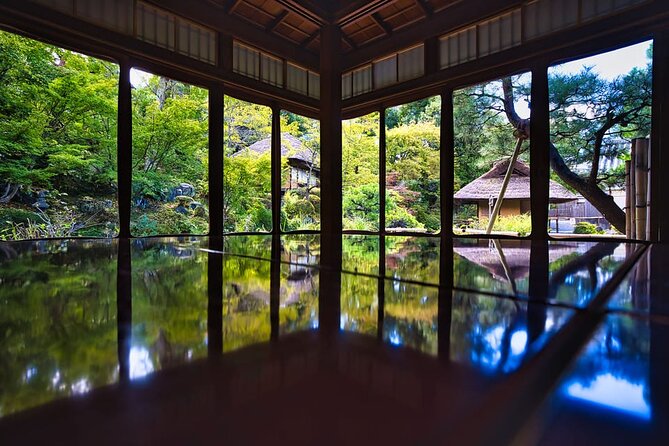
- Garden views from inside the teahouse that make the ritual feel calm instead of rushed
- Purifying utensils to whisking matcha so you see how each step matters
- Two cups of matcha plus wagashi, with the sweets served as part of the flow
- A small group (max 12) for better attention and easier questions
- Graceful, precise tea-master technique that you can actually follow, not just watch
- A photo included, so you can capture the moment without scrambling for a picture
Which temple to give the morning to, reviewed
- Kyoto: Fushimi Inari, Kinkakuji, Bamboo Grove 1 Day Bus Tour
★ 4.8 · 4,316 reviews - Kyoto/Osaka: Nara, Fushimi Inari Taisha, Arashiyama Bus Tour
★ 4.7 · 1,275 reviews - Kyoto: Nijo-jo Castle and Ninomaru Palace Guided Tour
★ 4.7 · 1,020 reviews - Osaka/Kyoto: Arashiyama, Nara & Fushimi Inari Shrine w/Lunch
★ 4.4 · 754 reviews
Entering SAKAGUCHIAN for tea and a real view
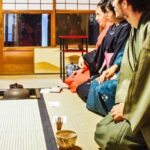
If you picture a Kyoto tea ceremony as a quick show, this is not that. Tea ceremony SAKAGUCHIAN (茶道体験 阪口庵) is set up for the full mood of the tea tradition, with a room arranged so you can look out over a garden while the ceremony unfolds. Even though Kiyomizu is busy outside, inside you get a slower rhythm.
This is also one of those activities that helps your other sightseeing make sense. Kyoto is full of temples and streets, but tea culture adds a different angle: it is about attention, order, and respect, not just snapping photos.
Two practical notes to plan for:
- You should be ready for a seated activity.
- A review tip says to bring or wear socks, which is a smart move for comfort.
What happens in the ceremony, step by step
The session runs about 45 minutes, and it moves through the classic sequence at a pace you can follow. You start in a serene tea room, then the tea master performs each ritual action with measured care. The goal is not only to taste the tea. It is to understand why each step exists.
Here is what you can expect during the flow:
- Purifying the utensils: you’ll see the careful, symbolic cleansing that sets the tone for the cup to come.
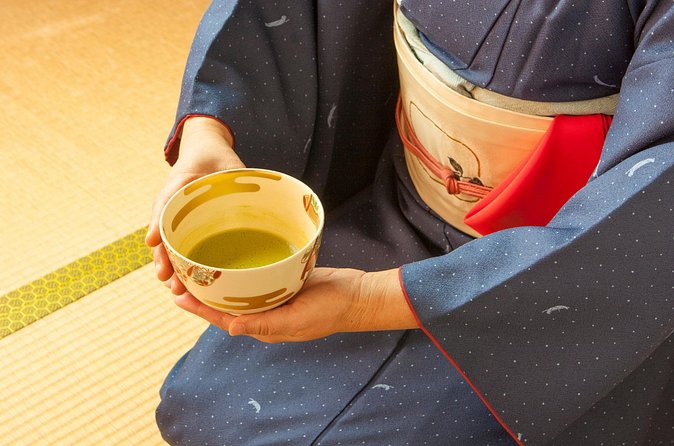
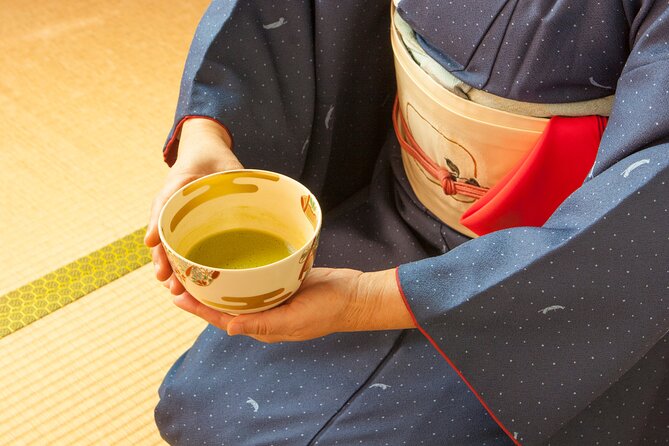
- Handling the tea bowl properly: you are guided on the respectful way to hold and appreciate the bowl.
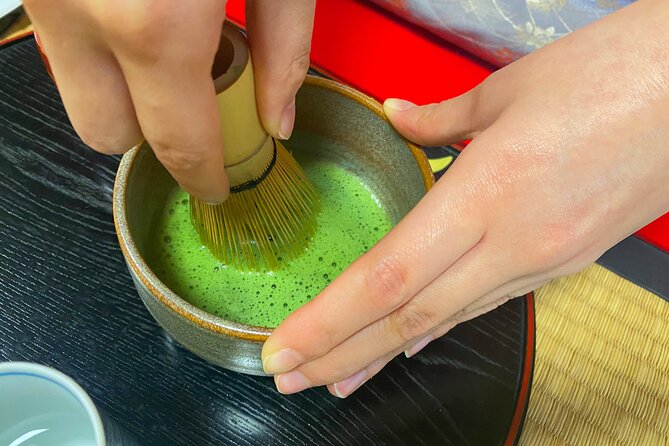
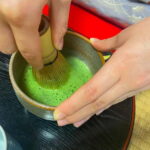
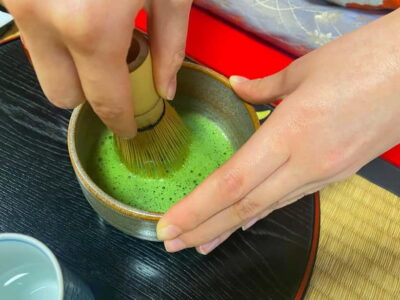
- Whisking matcha from scratch: you watch the tea master whisk the vibrant green powder until you get the right froth.
You’ll also get instruction on the meaning of what you’re seeing. The best part is that the explanation is not abstract. It connects movement to result, like how grip and timing affect the whisking and the texture you end up with.
You may also notice how the guide supports the experience, often translating key points so you can ask questions. That small layer of clarity can turn a ceremony from entertainment into something you actually understand.
Two cups of matcha and wagashi that belong to the moment
Most tea tastings hand you a cup and call it a day. This one builds the tasting into the ritual. You get two cups of matcha, and they are not just repeated for the sake of it, they’re part of the learning arc.
The ceremony includes traditional Japanese sweets, wagashi, paired with the matcha. The pairing matters because it changes how you experience the flavor. Matcha is earthy and intense, while wagashi offers sweetness and texture that make the tea feel more balanced.
You should also expect a guided approach to drinking. That sounds small, but it’s exactly why tea ceremonies last in your memory. The cup feels different when you’re not rushing through it like a drink on a tour stop.
One more detail that helps this feel worthwhile: the tea instruction includes learning the proper techniques, not just watching. With the second cup, you are taught how to prepare matcha so you can feel the process instead of only observing it.
Sit down somewhere quieter. Other tea rooms we booked
- Kyoto: Tea Ceremony Ju-An at Jotokuji Temple★ 4.9 · 3,207 reviews
- Kyoto: 45-Minute Tea Ceremony Lesson Experience★ 4.3 · 2,378 reviews
- Kyoto: Table-Style Tea Ceremony at a Kyo-Machiya★ 4.9 · 1,211 reviews
- Kimono Tea Ceremony at Kyoto Maikoya, NISHIKI★ 5.0 · 911 reviews
- Kyoto: Arashiyama Bamboo Forest, Monkeys, Matcha & Temple Tour★ 5.0 · 759 reviews
Small-group calm, and why it changes the whole experience
This is a small-group activity with a maximum of 12 travelers. That number matters in real life. It means you’re not squeezed into a corner while someone blocks your view. It also means your guide can actually respond when you ask about tea culture, symbolism, or how the craft works.
In plain terms, small group equals:
- less waiting
- more chances to ask follow-up questions
- a calmer pace that keeps the tea mood intact
You also get a more personal welcome inside the teahouse. Multiple people note how warm and professional the host and tea master are, and that tone is part of the value. Tea ceremonies depend on atmosphere, and the staff clearly treat it as a real cultural practice, not a script you walk through.
Price and value: what $50.87 really buys you
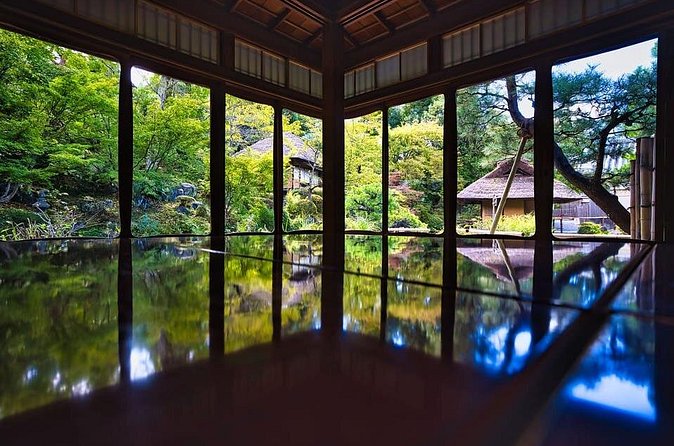
At $50.87 per person, you’re paying for more than a cup of matcha. You’re paying for a structured lesson in the tea ritual, delivered by a tea master in a dedicated teahouse with garden views.
Here’s what you get, included:
- 2 cups of matcha
- wagashi (traditional sweets)
- a photo
And what you do not get:
- kimono rental
- video recording
Now, the balanced question is: is 45 minutes enough? Some people feel the session is brief, and they are not wrong. Formal tea practice is a longer commitment. But for most Kyoto visitors, this length is actually smart. It fits into a day without stealing half your trip, and it gives you enough knowledge to recognize what you’re seeing if you visit another tea space later.
I also like the matcha-from-scratch angle. Having the tea master whisk it in front of you is a quality marker you don’t get from a typical café order.
If you want a cultural activity that slows you down and teaches instead of just transporting you, this is a strong value.
Who should book, and who should skip
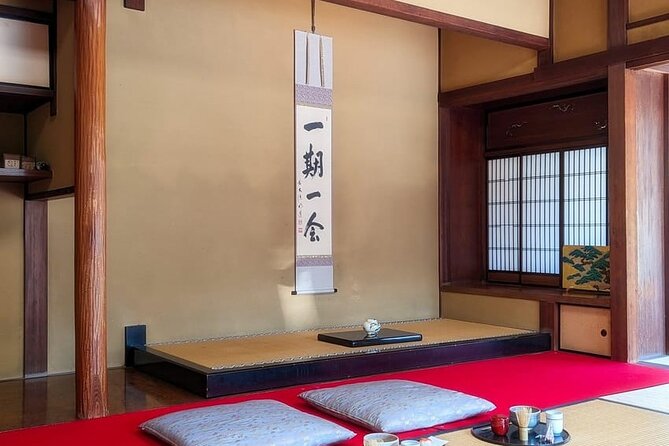
This tea ceremony style is best for people who want a calm break from temple-hopping. If you like detailed cultural experiences, this one fits. It also helps if you enjoy seeing careful crafts up close, like how utensils are purified and how matcha froth is achieved.
Who should consider skipping:
- If you have foot and knee issues, the activity is not recommended. It’s traditional and seated, so comfort matters here.
Also, consider your day. Kyoto days can run hot and fast. If you book this at the right moment, it becomes a reset. Many people use it as a peaceful break, and it works because the garden views and the ritual pacing naturally slow your brain down.
Should you book this Kyoto tea ceremony?
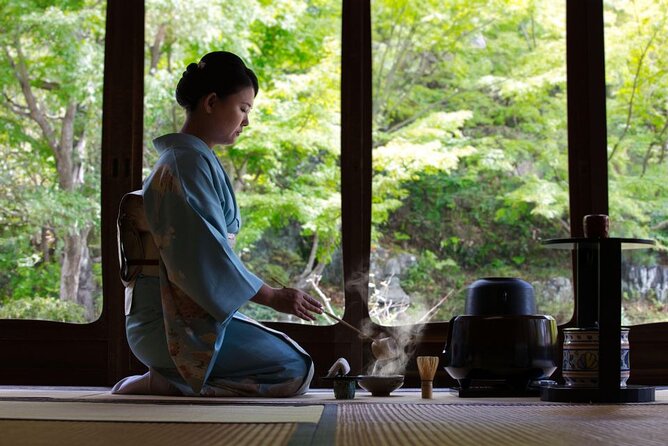
Yes, I’d book it if you want a small, focused Kyoto cultural experience with garden views, real tea technique, and a chance to taste and learn. The format is short, but it hits the key points: ritual actions, proper matcha preparation, and wagashi as part of the same experience.
I would skip it if you need a standing, walking-heavy activity, or if your feet or knees are a concern. For everyone else, it’s one of those rare tours where the setting and the craft both feel respectful, not rushed.
FAQ
How long is the Kyoto Kiyomizu tea ceremony?
It lasts about 45 minutes.
What does the tour cost?
The price is $50.87 per person.
How many people are in the group?
The experience has a maximum of 12 travelers.
What is included in the price?
You get 2 cups of matcha, wagashi (traditional Japanese sweets), and a photo.
Is kimono rental included?
No, kimono rental is not included.
Is video recording included?
No, video recording is not included.
Where is the meeting point?
The meeting point is Tea ceremony SAKAGUCHIAN (茶道体験 阪口庵), 3-chōme-334 Kiyomizu, Higashiyama Ward, Kyoto, 605-0043, Japan.
Will I just watch, or do I get to prepare matcha?
You watch the tea master perform the ceremony, and you’re guided through learning the proper matcha-making techniques as part of the experience. The session includes two cups of matcha.
Do I need to wear socks?
A visitor tip included in the information says to bring or wear socks.
What if I cancel, or the weather is poor?
Cancellation is free up to 24 hours in advance for a full refund. This activity requires good weather, and if it’s canceled due to poor weather, you’ll be offered a different date or a full refund.
Kyoto by the Bowl
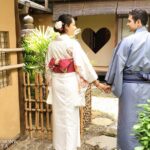
Which Kyoto Temple Gets Your Morning


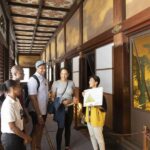
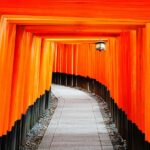
Newest Kyoto write-ups from the Loving Japan desk
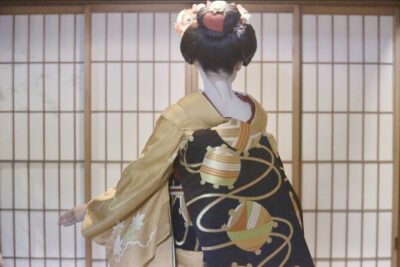
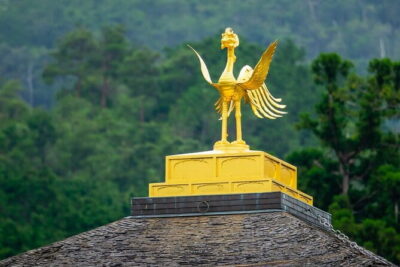
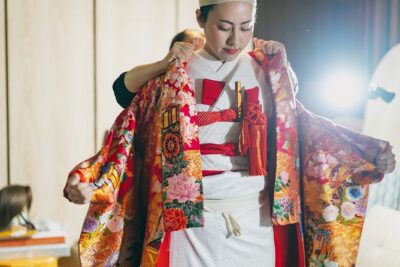
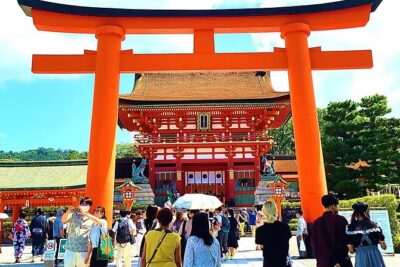
Fushimi Inari and the Temples of Kyoto, side by side.
 ★ 4.8Fushimi Inari, Kinkakuji, Bamboo Grove 1 Day Bus TourFrom $1224,316 reviews
 ★ 4.9Tea Ceremony in a Traditional Tea House in KiyomizuFrom $493,519 reviews
 ★ 4.7Kyoto/Osaka: Nara, Fushimi Inari Taisha, Arashiyama Bus TourFrom $521,275 reviews
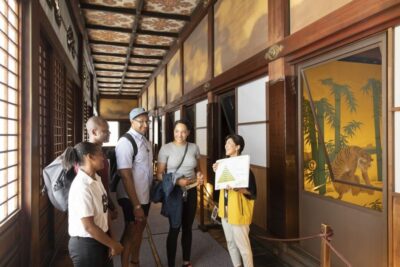 ★ 4.7Nijo-jo Castle and Ninomaru Palace Guided TourFrom $161,020 reviews
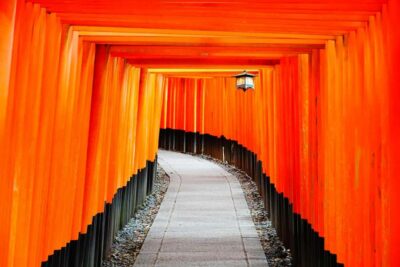 ★ 4.4Osaka/Kyoto: Arashiyama, Nara & Fushimi Inari Shrine w/LunchFrom $61754 reviews
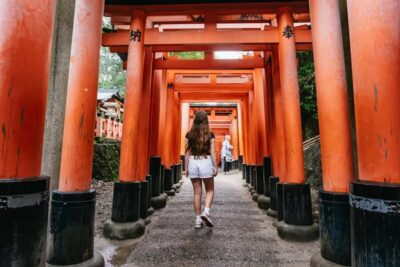 ★ 4.7Nijo Castle, Kiyomizu & Fushimi Inari Guided TourFrom $54700 reviews
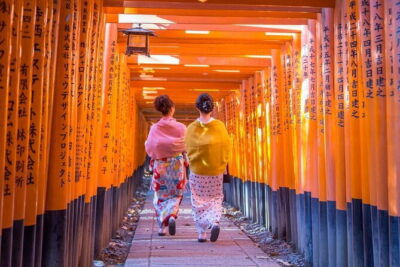 ★ 5.0Nijo, Kinkaku-ji, Arashiyama, Kiyomizu & Fushimi InariFrom $51699 reviews
 ★ 4.7Imperial Palace & Nijo Castle Guided Walking TourFrom $49453 reviews