
REVIEW · GION, GEISHA AND MAIKO EXPERIENCES
Kyoto: Meet-and-Greet, Maiko Show and Experience
A maiko show is Kyoto’s art class, in real time. I love how this 45-minute stop pairs traditional dance with a chance to ask questions in English, and it finishes with a photo you take yourself. The biggest plus for me is the up-close view of her choreography and costume details, plus the Q&A time where the story behind the performance actually lands.
Two things I like a lot are the structure, two short dances (about 8 to 10 minutes total) followed by conversation, and the respectful format inside the Kyoto Handicraft Center. One drawback to keep in mind: you are sharing the session in a group of up to 30 people, so if you are sensitive to noise, it’s worth knowing that family members are sometimes present.
In This Review
- Key Points I’d Prioritize
- Kyoto Handicraft Center, West Building: Where You Meet the Maiko
- How the 45-Minute Show Flows: Two Dances Plus Q&A
- Maiko 101: What You Learn Before the Music Starts
- Watching the Dances Up Close: What to Notice
- The Q&A Time That Makes It Feel Personal
- Photo Session With Your Own Phone or Camera
- Small Gift and Craft Shopping at the Center
- Price and Logistics: Getting Value From $44
- Who This Works Best For (and When to Choose Something Else)
- Should You Book the Meet-and-Greet Maiko Experience?
- FAQ
- Where is the meeting point?
- How long does the experience last?
- Is this experience private?
- Is the show in English?
- Can I take photos, and do I get a photographer?
- Is the venue wheelchair accessible?
- What is included in the ticket?
- What is not included?
- Are children allowed, and is there a child fee?
Key Points I’d Prioritize
- Meet the maiko in a small, scheduled show with an English-speaking moderator and free seating.
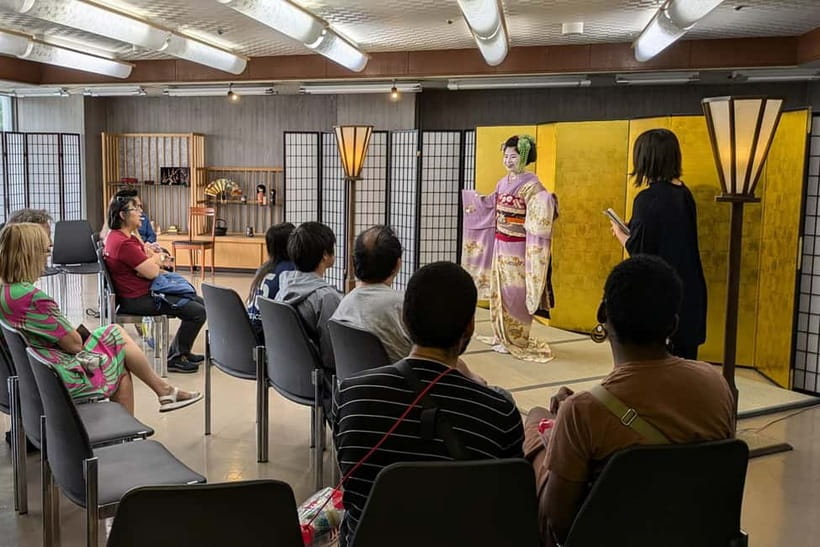
- Two traditional dance performances (8 to 10 minutes total), designed to be easy to follow.
- Q&A time that helps you understand training, etiquette, and what you are seeing.
- Your own photo session with a smartphone or camera, and photography is allowed.
- A small souvenir gift, plus shopping right after at the Kyoto Handicraft Center.
- Kyoto location convenience, but you still need extra time for taxis and crowded buses in peak season.
Evening walks through the old quarters, compared
- Kyoto Geisha Walking Tour: Gion District & Hidden Gems
★ 4.7 · 3,273 reviews - Kyoto: Gion Magical Night Walking Tour with Geisha Trivia
★ 4.9 · 2,393 reviews - Kyoto: Gion Geisha District Walking Tour – Stories of Geisha
★ 4.7 · 2,187 reviews - Best of Kyoto: Gion, Geisha, Pagodas & Cobblestones
★ 4.9 · 2,058 reviews
Kyoto Handicraft Center, West Building: Where You Meet the Maiko
The experience takes place at the Kyoto Handicraft Center (West Building). Go to the first floor, take the elevator up to the 2nd floor, then look for the MEET MAIKO welcome sign.
This venue choice matters. You are not hunting around Gion lanes in the dark, and you are not stuck outside in winter rain while you wait. The center is also where you can browse afterward, so the visit turns into both a cultural moment and a chance to pick up Japanese crafts.
Practical timing note: the reception opens 30 minutes before show time. I suggest arriving at least 10 minutes early so you can settle without rushing. Seats are free seats, and all participants can sit, and if you arrive late, you can still enter during the event.
How the 45-Minute Show Flows: Two Dances Plus Q&A
The whole experience runs about 45 minutes, and the pacing is very deliberate. It is not a long performance evening, so you want to go in knowing what you are buying: clarity, access, and a short, memorable introduction.
Here is the flow you can expect:
1) The moderator starts with an introduction, then invites the maiko-san to the stage.
2) You watch two traditional dances, with the total dance time around 8 to 10 minutes.
3) The English-speaking staff explain background on the maiko and her attire.
4) Then comes the question and answer portion, where you can ask what you actually want to know.
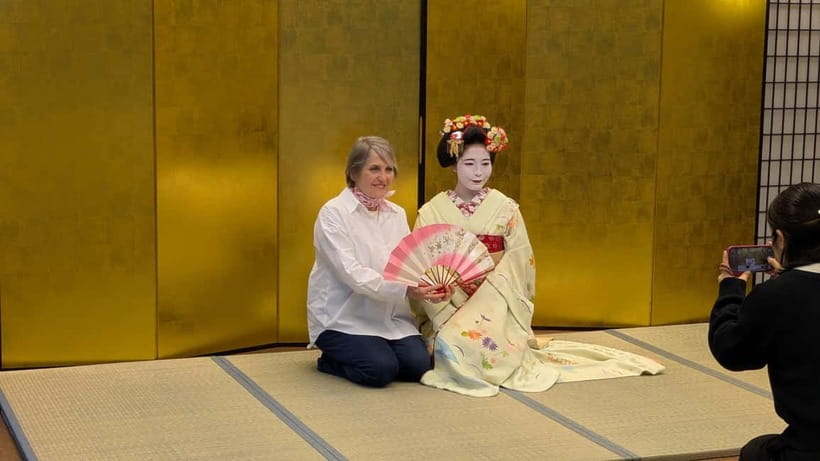
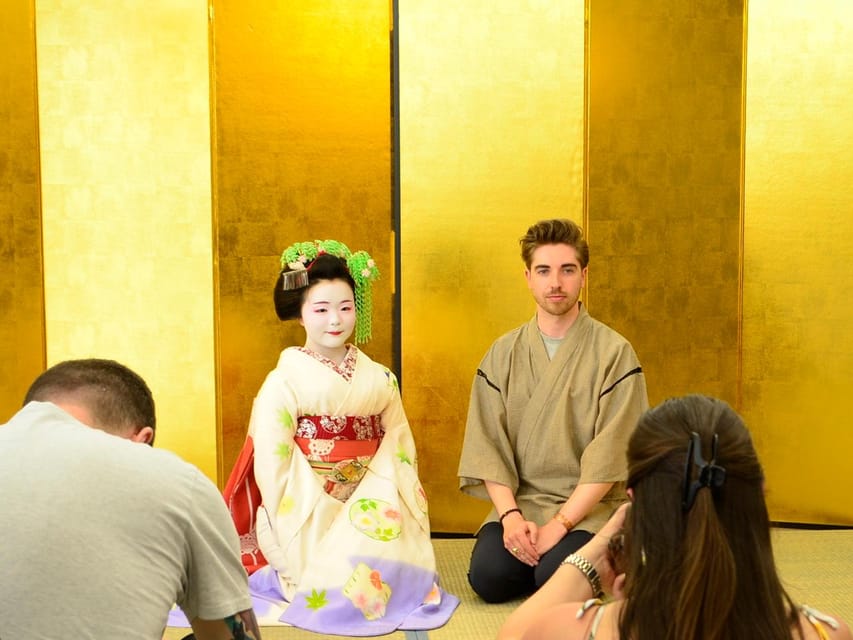
5) After that, you get 10 to 15 minutes for taking commemorative photos with your own camera or smartphone.
6) As you leave, you receive a small gift, and you have the chance to shop at the Kyoto Handicraft Center right after.
A heads-up on the rhythm: the schedule is tight enough that there’s not much slack for extra questions, especially when the group is on a countdown to the photo time. That’s usually fine, because the Q&A is still interactive and structured, but it’s good to know if you love a slow chat.
Maiko 101: What You Learn Before the Music Starts
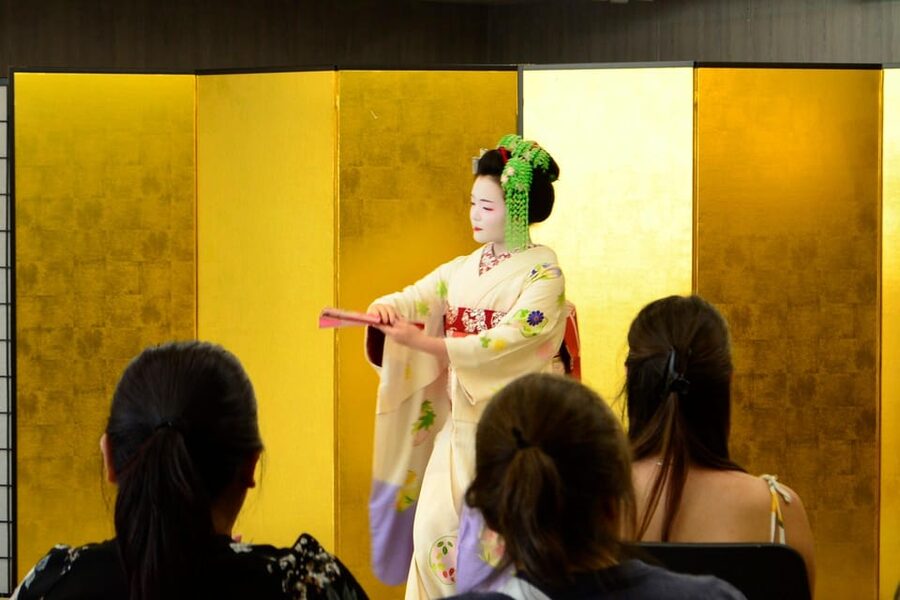
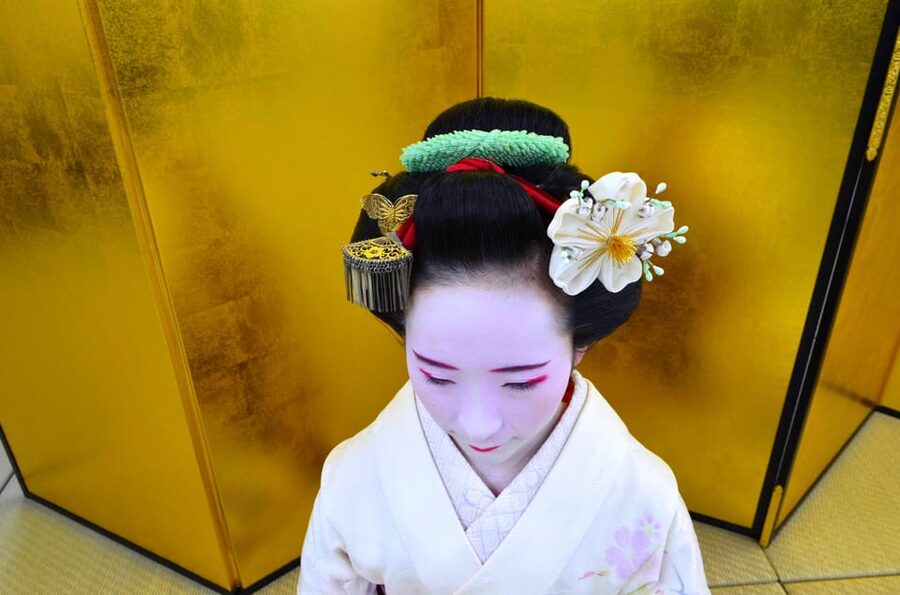
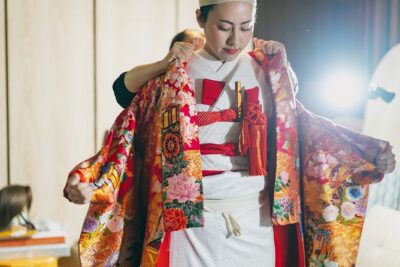
If you only know the word maiko from movies or social media clips, you’ll get the practical version here. A maiko is a young apprentice geisha exclusive to Kyoto. She wears intricately designed kimono, glamorous hairstyles with distinctive hairpieces, and makeup with white base paint plus red and black accents.
The explanation from the English-speaking staff focuses on what you are seeing and why it matters. Expect to learn how training shapes the whole person, not just the stage look. Maiko training includes traditional arts like dance, music, and the tea ceremony. It also includes the “soft skills” of conversation, social etiquette, and hospitality.
One detail that clicks for most people during this part: the performance is not random beauty. It is practice made visible, and the costume, posture, and gesture style are connected to her training and the role she is learning to embody.
Some sessions also include named staff and maiko guests, like interpreters such as Mina in at least one showing, and a maiko identified as Kanoshizu-san in another. Even if the names differ in your time slot, the format stays the same: clear explanations, then a live performance.
- PERFECT KYOTO 1-Day Bus Tour★ 5.0 · 13,518 reviews
- Kyoto: Fushimi Inari, Kinkakuji, Bamboo Grove 1 Day Bus Tour★ 4.8 · 4,316 reviews
- Kyoto: Tea Ceremony in a Traditional Tea House in Kiyomizu★ 4.9 · 3,519 reviews
- Kyoto Geisha Walking Tour: Gion District & Hidden Gems★ 4.7 · 3,273 reviews
- Kyoto: Tea Ceremony Ju-An at Jotokuji Temple★ 4.9 · 3,207 reviews
Watching the Dances Up Close: What to Notice
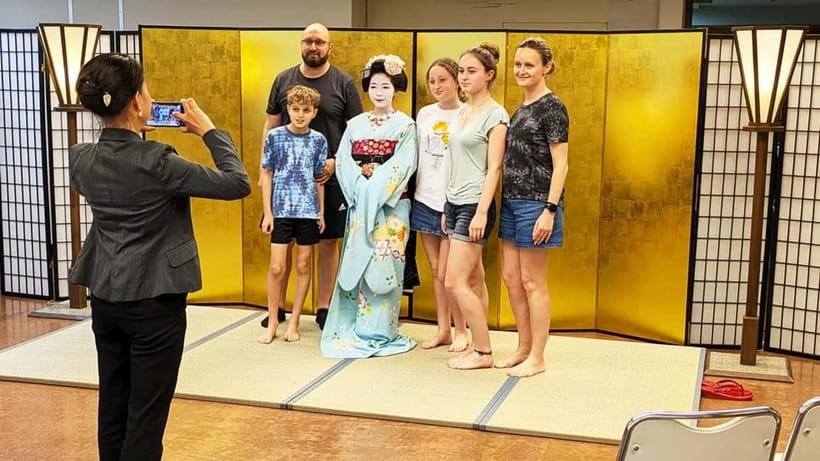
The viewing angle is a big part of why the rating stays so high. The show is designed so you can actually see the fine points of movement and costume.
When you watch the dances, pay attention to:
- The controlled pacing of gestures. Even in a short routine, the timing feels purposeful.
- The way her attire and hairpieces move with her body, not against it.
- How the moderator’s explanations prepare you to recognize what you are seeing.
Because the dance time is relatively short, I think it is best enjoyed with a light, curious mindset. You are not going to get a full-length stage show. Instead, you get a concentrated “best of the basics” look, plus context that helps you interpret what might otherwise feel like pure spectacle.
If you’re the type who wants 30 to 60 minutes of uninterrupted dance, you might feel the performance is brief. Still, the event earns its value by pairing the dances with Q&A and photo time, so you’re not left staring at the stage alone.
The Q&A Time That Makes It Feel Personal
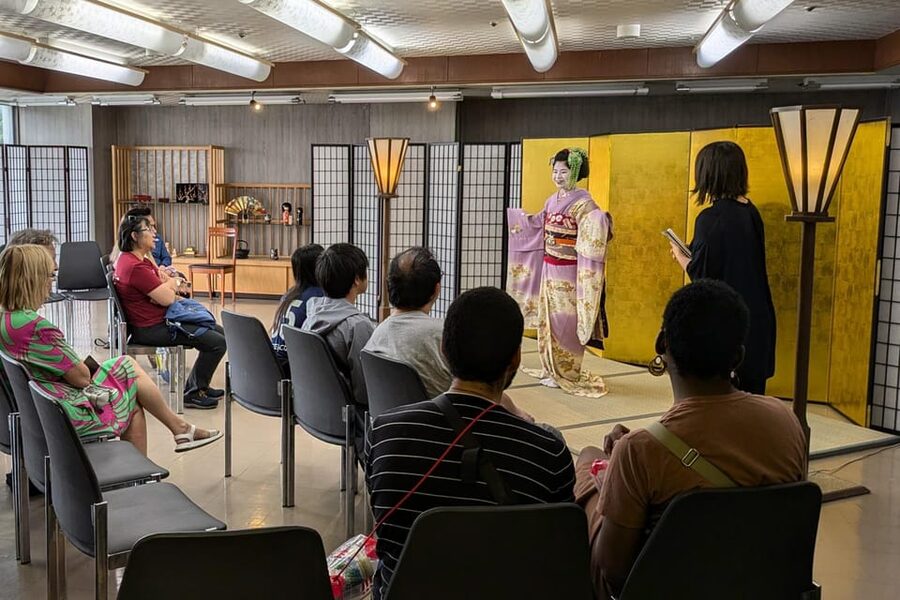
The Q&A is the part I’d protect the most. Watching is great, but questions turn the experience into understanding. This session gives you a chance to ask about the maiko tradition, training, daily expectations, and what it feels like to be an apprentice.
You’ll get English support throughout. The staff explain background and help translate your questions so you can actually connect with the maiko rather than just listen to a script. Several guests highlight that the Q&A added real value, turning the evening from a quick performance into a deeper look at the tradition.
One touching note that comes through in the discussions people describe: the maiko is often young, and you can sense that the tradition is both demanding and meaningful. In one example from a previous booking, a guest mentioned their maiko-san was 18. Even if the age differs, you can expect a performer who is still early in training, and her answers often reflect that perspective.
Group size matters here too. Because the capacity is 30 people, you might not get unlimited time, but the structure still gives enough room for meaningful answers.
Photo Session With Your Own Phone or Camera
After the dances and Q&A, you get 10 to 15 minutes dedicated to photos. Photography is allowed during the event, and this final photo time is specifically set aside.
Important detail: a photographer is not included. That’s actually good for you in a practical way. You can take the photo you want, framing yourself exactly how you like, without worrying about someone else deciding your angles.
To make the most of it:
- Bring your fully charged phone and any extra battery or power bank you travel with.
- Have your camera app ready before you’re called up.
- Keep your movements smooth, so the session stays stress-free for everyone.
If you are picky about photos, this part will matter. If you mainly care about the dance, the time might feel like a “bonus” rather than the main event.
Small Gift and Craft Shopping at the Center
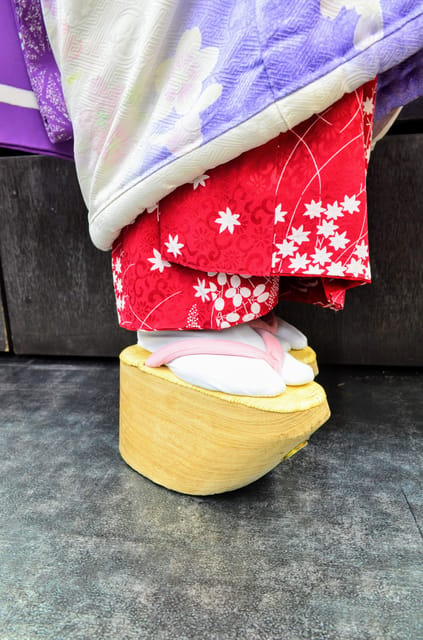
As you depart, you receive a small souvenir gift. Then you can shop right after the show at the Kyoto Handicraft Center.
This is a smart pairing. The gift is a nice buffer for what you spend, and the shopping makes sense because you are already at a craft-focused venue. In particular, guests often mention that the center has a variety of locally made goods and that some displays are worth lingering over even if you do not buy much.
One small trade-off: the overall vibe of the center can feel a bit more corporate than romantic Kyoto street scenes. That does not hurt the cultural content of the show, but it can affect your mood if you are hoping for a totally atmospheric, candlelit setting.
Also note: meal and drinks are not included. Plan to eat before or after, or build this into a snack-and-walk day. Since you are inside a craft center, it’s easy to combine with browsing and a late dessert.
Price and Logistics: Getting Value From $44
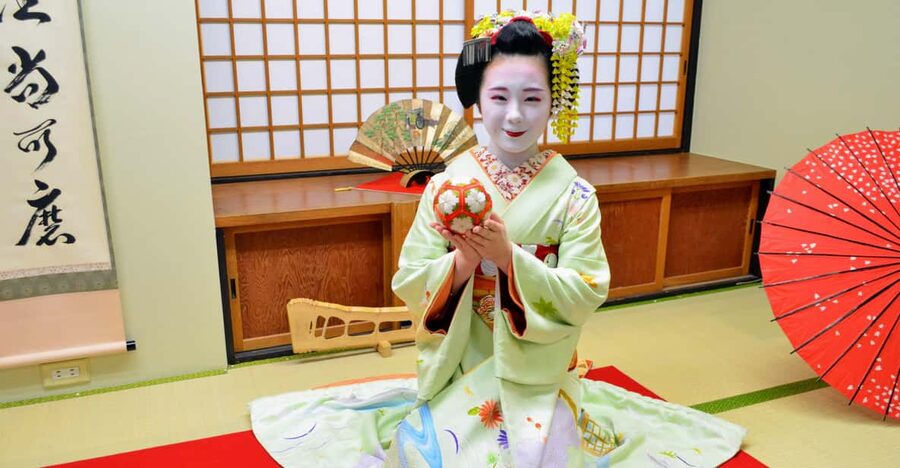
At $44 per person for about 45 minutes, the value comes from three things you can’t replicate as easily elsewhere:
1) You get a close-up, scheduled performance view.
2) You get English interpretation plus Q&A, not just silent watching.
3) You get a photo moment with a maiko using your own device.
If you only wanted to watch a dance, you might find cheaper options in Kyoto. But the combination of structured explanations, interactive questions, and a souvenir photo is what makes this feel like more than a quick show.
Logistics are the other half of value. Transportation is not included, and in high season taxis can be hard to catch while buses get crowded. I’d build buffer time into your day so you’re not rushing. The venue is easy to identify once you know the West Building and the 2nd floor sign, but getting there on time in Kyoto can be the real challenge.
What about expectations around “private”? This is not a private plan. You join other guests, and that group nature can change the emotional feel of the session, especially if you are hoping for total quiet.
Who This Works Best For (and When to Choose Something Else)
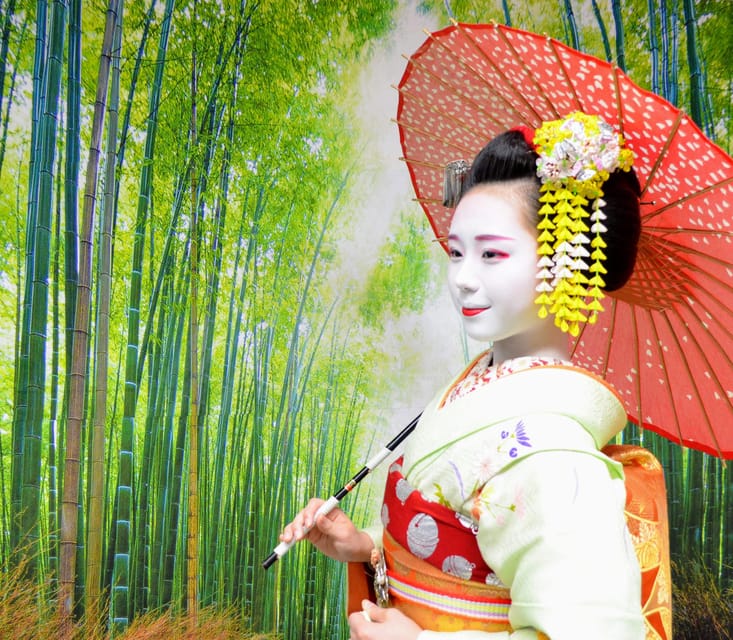
This experience is a strong fit if you want a guided introduction to maiko culture without spending hours on research. It’s also great if you love interaction. The format is built for questions, and the staff help connect your curiosity to clear answers.
It’s also family-friendly in the sense that children are allowed. Children aged 0 to 2 join free as long as they do not occupy separate seats. However, group settings can include kids who are less settled. One guest described a distraction from screaming children that became uncomfortable. Another guest noted the venue felt less atmospheric. So if you are sensitive to noise, you might want to plan for that reality.
If your top priority is longer dance performance time, you may feel the two short dances are not enough. Several people specifically wished for a longer dance segment, while others appreciated that the schedule intentionally uses more time for Q&A and photos.
Lastly, if you want a “non-sleazy” feeling, this tends to deliver. The format is moderated, respectful, and structured, which is a big reason it earns such high marks from people who care about etiquette.
Should You Book the Meet-and-Greet Maiko Experience?
I’d book this if you are in Kyoto and you want a high-impact cultural encounter in under an hour. The price is reasonable when you factor in the English-guided explanations, the live dances, and the Q&A, plus a photo you take yourself.
I would skip it, or at least reconsider, if you expect a long theatrical dance program, or if you strongly prefer quiet, private settings. In a group of up to 30, you can’t fully control the atmosphere.
If you want one Kyoto “taste test” that helps you understand what you are seeing, this is one of the better bets. You’ll leave with better context, better photos, and a clearer sense of how demanding and detailed maiko training really is.
FAQ
Where is the meeting point?
Go to the Kyoto Handicraft Center (West Building). Take the elevator to the 2nd floor and look for the MEET MAIKO welcome sign.
How long does the experience last?
It lasts about 45 minutes.
Is this experience private?
No. It is not a private plan, and you will join other guests.
Is the show in English?
Yes. The session is conducted in English with an English-speaking host or greeter.
Can I take photos, and do I get a photographer?
Photography is allowed during the event. A photographer is not included, so you will use your own camera or smartphone for the commemorative photo session.
Is the venue wheelchair accessible?
Yes, the experience is wheelchair accessible.
What is included in the ticket?
Included are the English-speaking staff, viewing the dance performances, the question and answer session, a commemorative photo with the maiko using your own device, and a small souvenir gift.
What is not included?
Transportation or shuttle fees, a photographer, a local guide, and meal and drinks are not included.
Are children allowed, and is there a child fee?
Children aged 0 to 2 can join for free if they do not occupy separate seats.
Evenings in the Old Quarters





Newest Kyoto write-ups from the Loving Japan desk
Gion, Geisha and Maiko Experiences, side by side.
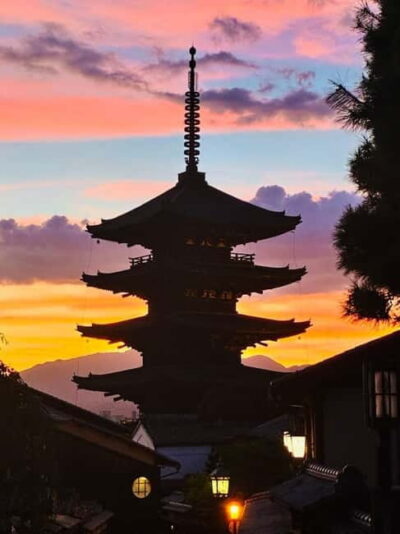 ★ 4.7Kyoto Geisha Walking Tour: Gion District & Hidden GemsFrom $253,273 reviews
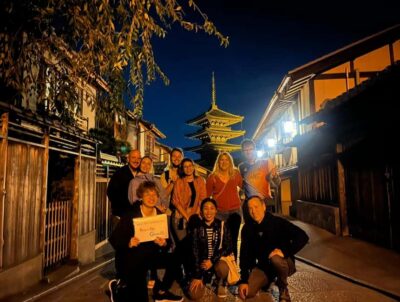 ★ 4.9Gion Magical Night Walking Tour with Geisha TriviaFrom $242,393 reviews
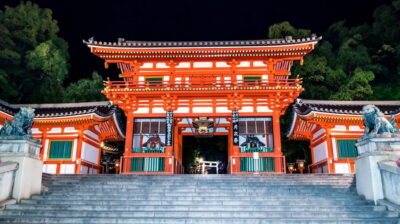 ★ 4.7Gion Geisha District Walking Tour – Stories of GeishaFrom $202,187 reviews
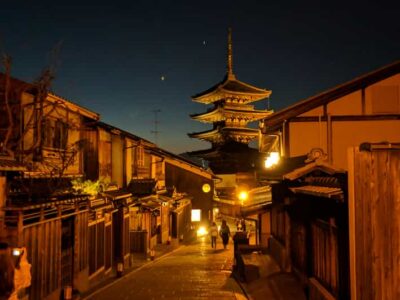 ★ 4.9Best of Kyoto: Gion, Geisha, Pagodas & CobblestonesFrom $242,058 reviews
 ★ 4.5Night Walk in Gion: Kyoto’s Geisha DistrictFrom $212,003 reviews
 ★ 5.0Kyoto Night Foodie Tour in Gion (9+ dishes + 6 Sake tastings)From $1631,762 reviews
 ★ 5.0Kyoto Gion Geisha District Walking Tour – The Stories of GeishaFrom $251,441 reviews
 ★ 5.0Kyoto Gion: 2-Hour Geisha Culture & History Walking TourFrom $231,186 reviews
Filed on these lists too